
Scores for all instruments: 16,000+ (active and growing), over 236,000 pages.
All genres and levels: Jazz & Blues, Rock & Pop, Classical & Contemporary, Film & Musicals;
books & biographies; methods, études, play-along tracks (MP3) for Jazz & Rock.
Access & benefits: US$15.99 one-time payment, valid for lifetime, full Library access.
Table of Contents
Happy heavenly birthday, Phil Woods, born on this day in 1931
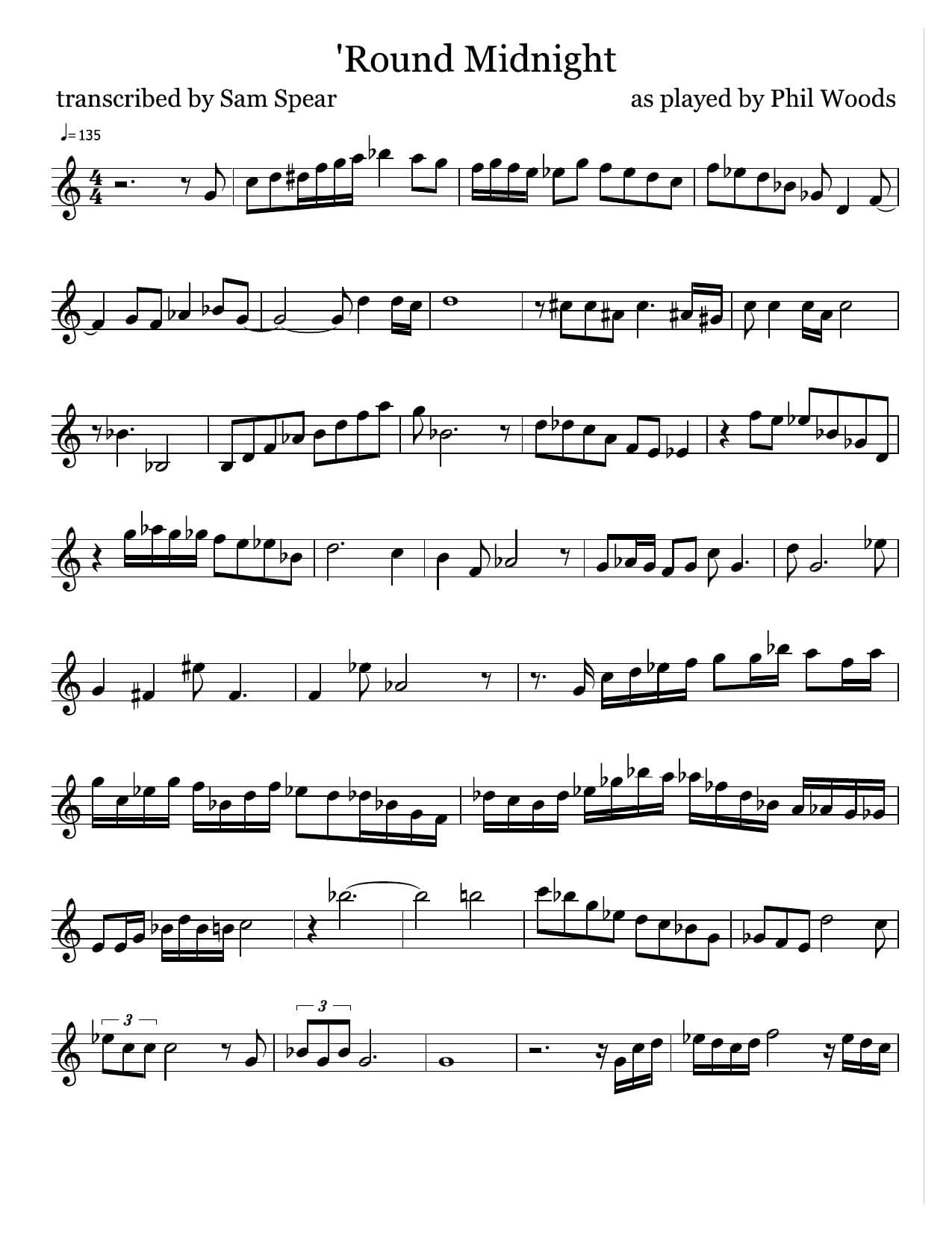
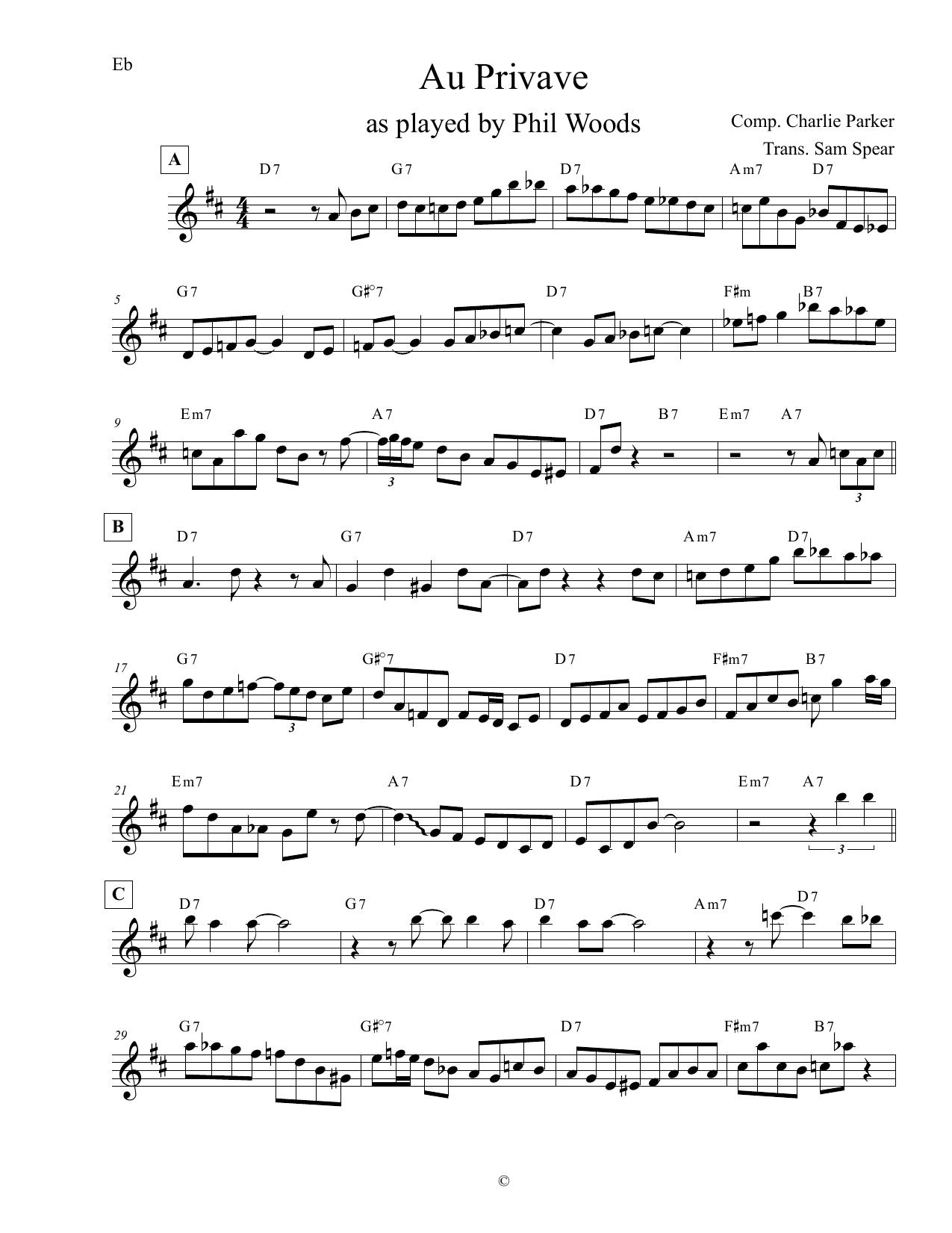
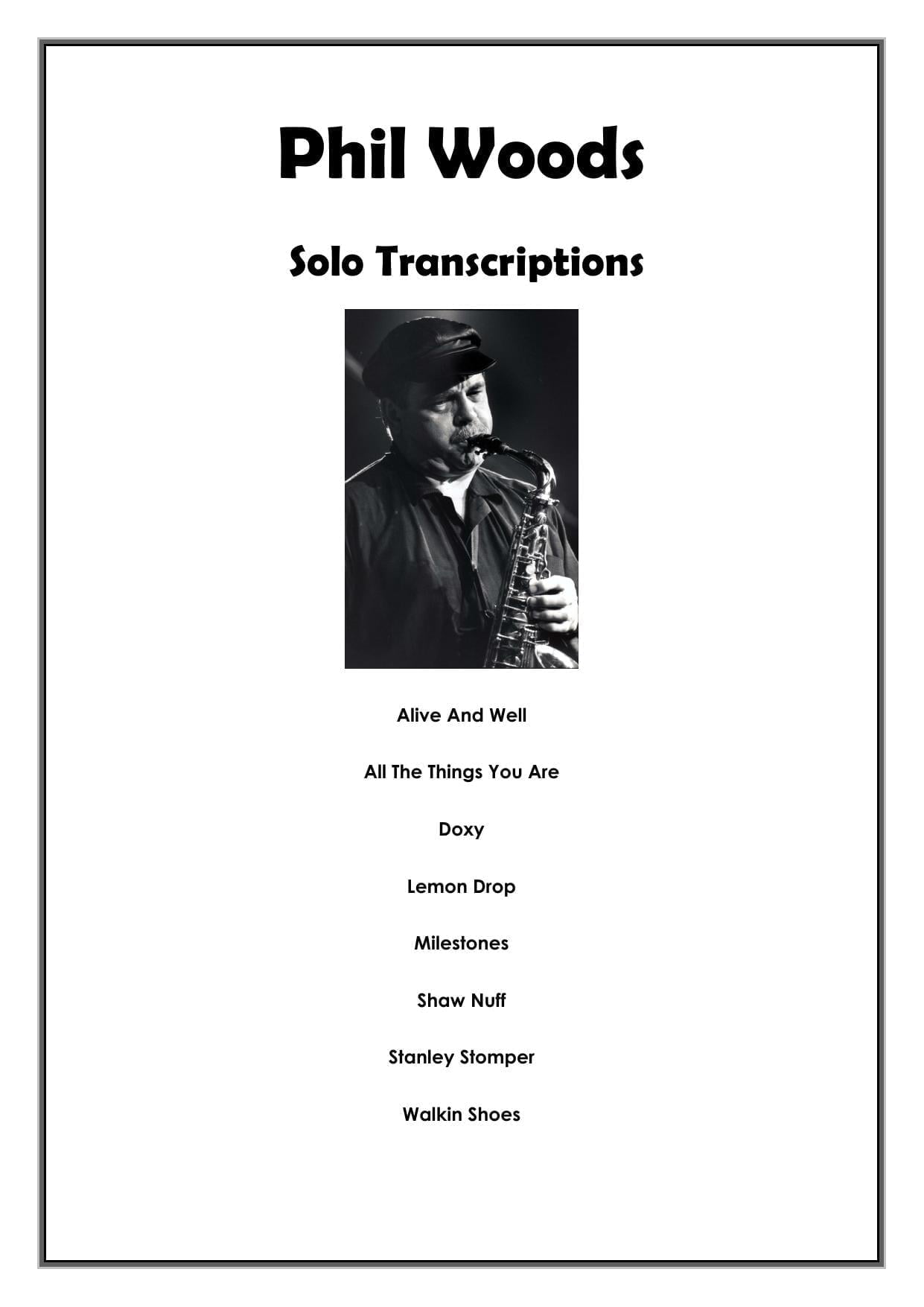
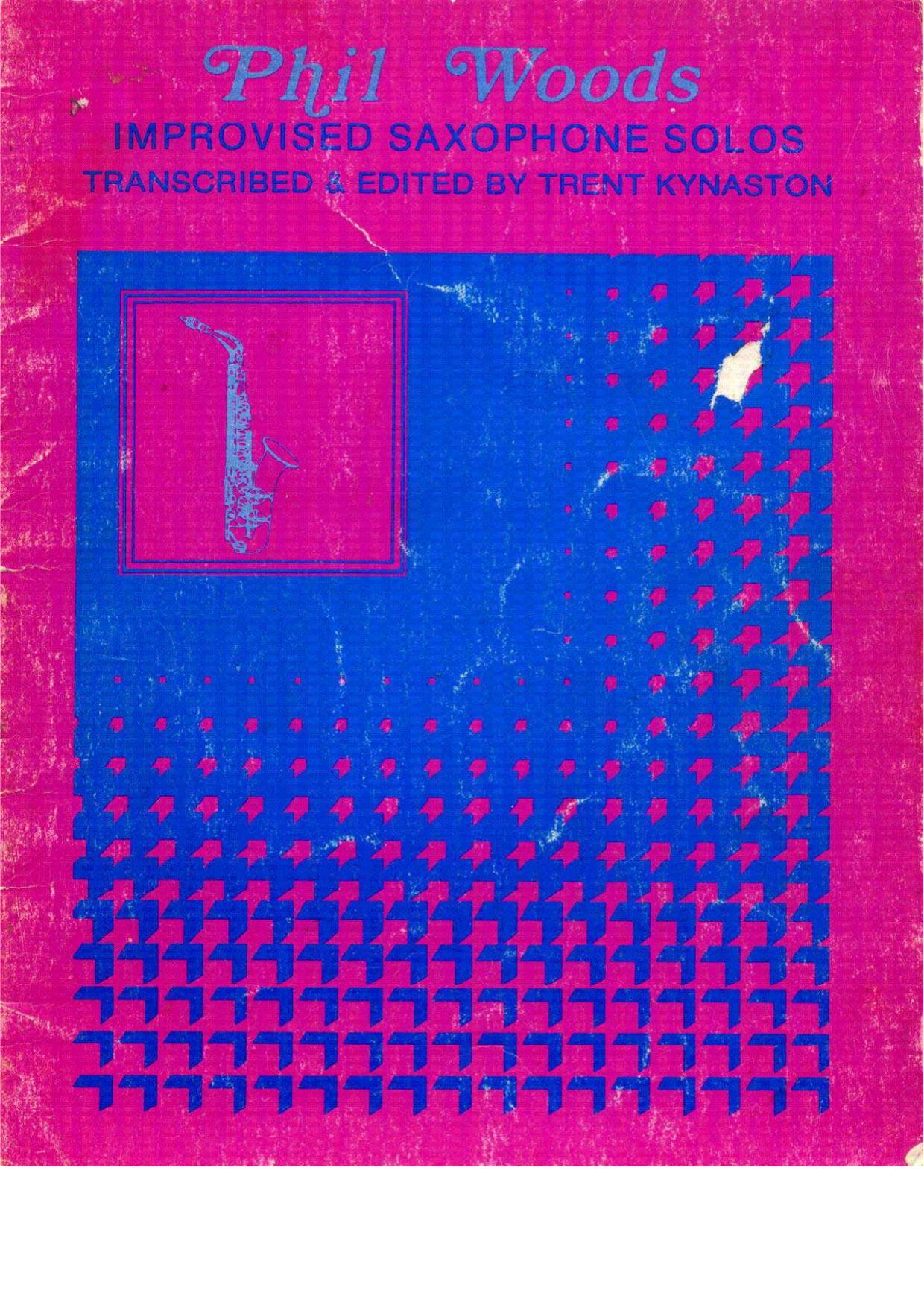
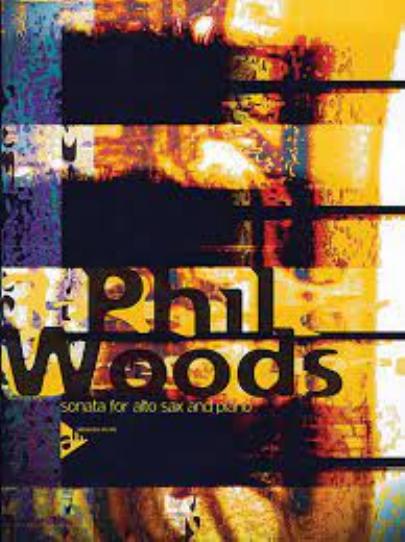
The best sheet music download from our Library.
For the price of a single songbook, get a full Sheet Music Library!
Phil Woods: The Alto Saxophone’s Uncompromising Bebop Architect
Born on November 2, 1931, in Springfield, Massachusetts, Philip Wells Woods spent more than six decades forging one of the most distinctive and emotionally direct voices in jazz. As an alto saxophonist, composer, bandleader, and educator, Woods became the living embodiment of bebop’s enduring language—a musician who absorbed Charlie Parker’s revolution without being crushed by it, and who carried that vocabulary forward with a tone, harmonic curiosity, and lyrical sweep that were entirely his own. By the time of his death on September 29, 2015, at the age of 83, Woods had released more than fifty albums as a leader, won four Grammy Awards, been named an NEA Jazz Master, and left an imprint on American music that stretched from the most rarefied jazz clubs to the pop charts and the silver screen.
Please, subscribe to our Sheet Music Library. Sheet music should be accessible and affordable for all musicians, from professionals to absolute beginners.

Search your favorite sheet music in the Sheet Music Library Catalog
Early Life and the Making of a “New Bird”
Woods’ path to the saxophone began almost by accident. He discovered the instrument at around age twelve, finding it under his grandmother’s record chair; it had belonged to an uncle-in-law who was dying of cancer. After inheriting the alto sax, he began taking lessons from Harvey LaRose at a local music shop in Springfield. His early heroes were the Swing Era altoists Benny Carter and Johnny Hodges, but the decisive conversion came in 1945, when the teenage Woods heard Charlie Parker’s bebop recordings with Dizzy Gillespie. “It was some truly new music and just completely freaked me out,” he later recalled.
That encounter set the course of his life. As a teenager, Woods briefly studied improvisation privately with the visionary pianist Lennie Tristano, an experience that shaped his harmonic thinking and his respect for structural clarity in improvisation. He spent a summer at the Manhattan School of Music before enrolling at the Juilliard School in 1948, where he remained until 1952. Because Juilliard had no saxophone major at the time, Woods majored in clarinet performance, a discipline that sharpened his technique and gave him a fluidity across the instrument’s registers that would later distinguish his saxophone playing. While still at Juilliard, he played briefly in Charlie Barnet’s dance band, and after graduating he worked with George Wallington (replacing Jackie McLean), Kenny Dorham, and Friedrich Gulda.
A Career Forged in the Crucible of Bebop and the Big Bands
Woods’ professional ascent coincided with the peak of the hard-bop and post-bop eras. In the mid-1950s he began leading his own combos, recording his first album as a leader, Pot Pie, with Jon Eardley in 1954–55, followed by Woodlore in 1955. But his big break came when Quincy Jones invited him to join a U.S. State Department–sponsored world tour with Dizzy Gillespie’s big band in 1956. That association proved formative: Jones would later say that Woods played on nearly every album he made after 1956, “because he not only was the best jazz alto sax player there was, he was a truly beautiful person”. Woods toured Europe with Jones’s big band in 1959 and, in 1962, took part in Benny Goodman’s historic tour of the Soviet Union.
The late 1950s and early 1960s found Woods in constant demand as a sideman and co-leader. He partnered with altoist Gene Quill in the logically named “Phil and Quill” group, cutting a series of albums that showcased their intertwined, complementary voices. He also worked in Buddy Rich’s quintet, in Clark Terry’s big band, and with a staggering array of jazz luminaries including Thelonious Monk, Bill Evans, Oliver Nelson, and Michel Legrand. By the mid-1960s, however, Woods had grown disenchanted with the diminishing opportunities for pure jazz in the American studio scene.
Search your favorite sheet music in the Sheet Music Library Catalog


The European Rhythm Machine and the Return to the Quintet
In 1968, Woods made a decisive move: he relocated to France and formed the European Rhythm Machine, a quartet featuring George Gruntz on keyboards, Henri Texier on bass, and Daniel Humair on drums. The group was a bold departure, incorporating electronic textures and elements of the avant-garde while remaining anchored in Woods’ bebop sensibility. As one BBC review noted, the European Rhythm Machine’s remit included nods to the emergent avant-garde, even as Woods remained a self-confessed “old bebopper”. During this period his compositional voice blossomed; he wrote music for Danish and Belgian radio and composed a ballet for French television.
After disbanding the quartet in 1972, Woods returned to the United States, settled in Delaware Water Gap, Pennsylvania, and formed a new quartet with pianist Mike Melillo, bassist Steve Gilmore, and drummer Bill Goodwin. This group—soon expanded to a quintet with the addition of trumpeter Tom Harrell and later Brian Lynch—became Woods’ primary vehicle for the rest of his career. With this ensemble he staked his claim as the finest alto saxophonist in mainstream jazz, a reputation confirmed by a string of acclaimed albums including Images (1975, with Michel Legrand), Live from the Showboat (1976), and More Live (1982).
Musical Style and Harmony: The Bebop Language, Refined and Extended
Phil Woods’ musical style was rooted in the bebop vernacular of the 1940s, but his relationship to that tradition was never merely imitative. He embraced Charlie Parker’s harmonic vocabulary and rhythmic syntax as a foundation, then built upon it with a harmonic sophistication and an emotional range that were unmistakably his own. Critics often noted that while Parker’s influence was audible in Woods’ soloing, the altoist was clearly staking out his own territory.
At the heart of Woods’ art was a profound understanding of harmony—not simply the chord-scale abstractions of bebop theory, but the living harmonic language of the Great American Songbook and the blues. As Woods himself insisted, a musician must know “the harmony—not the bebop harmony or the Real Book harmony, but the traditional lead sheet harmony, which is completely different and beautiful”. That concern for the dramatic structure and mood of a song, alongside its harmonic skeleton, shaped every note he played. His improvisations were not merely displays of technique but coherent melodic narratives, each chorus building logically toward a emotional payoff.
Woods’ tone was another signature element. It was bright, piercing, and “pinpoint-clear,” with a bluesy edge that could cut through a big band or caress a ballad with equal conviction. In the 1970s, he began to cultivate a larger, more brilliant sound that sometimes resembled a tenor saxophone in its weight and projection, while retaining the alto’s agility. This tonal flexibility allowed him to move seamlessly between the demands of small-group jazz, big-band section work, and the more commercial contexts of pop sessions.
His approach to rhythm was similarly distinctive: steeped in the classic bebop feel but inflected with a modern sense of pulse and phrasing. Reviewers described his playing as “bebop-based” yet “uniquely organic and progressive,” acknowledging tradition while pushing forward. Whether interpreting a standard, a blues, or one of his own compositions, Woods brought to the music a combination of intellectual rigor and unforced lyricism that made even the most complex harmonic passages sound inevitable.
Best Songs and Compositions: A Songbook of Bebop and Beyond
Woods composed more than 200 songs over the course of his career, a body of work that ranges from intricate bebop heads to lyrical ballads and extended suites. Any selection of his “best” compositions must begin with the music he made as a leader and improviser, where his voice as a writer and player are inseparable.
Among the most celebrated recordings is his 1955 version of “Get Happy,” from the album Woodlore. NPR’s Tom Vitale described it as a “tour-de-force for the young Phil Woods, who lets the world know that he came to play and is here to stay”. The track captures Woods at a pivotal moment, absorbing Parker’s language while announcing his own presence with confidence and fire. “Time’s Mirror,” from the album Gratitude, reveals a more contemplative side of his writing, with harmonic colors that stretch beyond the bebop template. “Stockholm Sweetnin’,” recorded with Quincy Jones, is a blues-drenched showcase for Woods’ ability to inhabit a groove with warmth and wit. And his interpretations of Henry Mancini’s “Dreamsville” demonstrate his gift for caressing a melody, stripping a tune to its emotional essence.
Woods’ original compositions often carried a personal stamp. His theme song, “How’s Your Mama?”, served as a calling card for decades, a jaunty, blues-inflected line that could open a set with instant familiarity. Other notable originals include “Samba Du Bois,” a buoyant bossa-flavored piece from the album Musique du Bois; “The Last Page,” a hauntingly beautiful ballad; and “All Bird’s Children,” a tribute to the bebop patriarch that appears on the compilation Into the Woods: The Best of Phil Woods. His Sonata for Alto Saxophone and Piano stands as a significant concert-hall work, combining Western classical traditions with improvisation in a way that reflects his Juilliard training and his jazz instincts.
Phil Woods in Film: The Soundtrack of a Saxophone
Woods’ sound reached millions of listeners who may never have set foot in a jazz club through his work on film soundtracks. He was featured on the scores of several landmark films, including The Hustler (1961), Twelve Angry Men (1957), Blow-Up (1966), Boy in a Tree, and It’s My Turn (1980). In these contexts, his alto saxophone became a vehicle for cinematic atmosphere—by turns noirish, yearning, and urgently modern.
One of his most significant film-related projects was Lalo Schifrin’s score for the 1965 motion picture Once a Thief, released as Music from the Motion Picture “Once a Thief” and Other Themes. Woods played alto saxophone, clarinet, and flute on the sessions, alongside a remarkable cast of musicians including Freddie Hubbard, Clark Terry, J.J. Johnson, Bob Brookmeyer, James Moody, and Kenny Burrell. The album’s tracks, such as “Blues A-Go-Go” and the instrumental version of “Once a Thief,” capture the hard-bop-meets-film-noir aesthetic that Woods could inhabit so naturally. He also contributed to the soundtrack of Haxan, a 1922 Danish silent film by Benjamin Christensen, in a later recording titled Sorcellerie à Travers les Ages—evidence of his openness to unusual and cross-disciplinary projects. In addition, Woods recorded an entire album of film theme songs, You and the Night and the Music, offering modern jazz readings of cinema classics such as “An Affair to Remember,” “Laura,” and “On Green Dolphin Street”.
Collaborations: From the Jazz Pantheon to the Pop Charts
The sheer range of Woods’ collaborators is a testament to his versatility and his standing among his peers. In the jazz world, he worked with Dizzy Gillespie, Thelonious Monk, Quincy Jones, Benny Goodman, Clark Terry, Oliver Nelson, Michel Legrand, Bill Evans, Sonny Rollins, Benny Carter, Stephane Grappelli, and Hank Jones, among many others. His partnership with Quincy Jones was particularly fruitful, spanning big-band tours and numerous recordings including Stockholm Sweetenin’ and Birth of a Band. He co-led the Phil and Quill group with Gene Quill, and later formed a long-running quintet with Tom Harrell, Hal Galper, Steve Gilmore, and Bill Goodwin that became one of the most stable and celebrated small groups in jazz.
Woods also became a first-call soloist for pop and rock artists seeking an authentic jazz voice. His alto saxophone solo on Billy Joel’s 1977 hit “Just the Way You Are” is perhaps his most widely heard recorded performance, a plaintive, perfectly placed statement that became an indelible part of the song. He also played on Steely Dan’s “Doctor Wu” from Katy Lied (1975) and Paul Simon’s “Have a Good Time” from Still Crazy After All These Years (1975), as well as recordings by Carly Simon and Tony Bennett. These pop collaborations did not dilute his jazz identity; rather, they demonstrated that his sound could communicate across stylistic boundaries without losing its integrity.
Influences and Legacy: The Alto Saxophone’s Conscience
Phil Woods’ primary influence was unquestionably Charlie Parker, whose music he first heard as a teenager and whose shadow loomed over an entire generation of alto saxophonists. Woods earned the nickname “the new Bird” after Parker’s death in 1955, and his personal connection to Parker deepened when he married Chan Parker, Charlie’s common-law wife, a marriage that lasted seventeen years. Yet Woods was never merely a Parker epigone. He was, along with Cannonball Adderley, one of the musicians who “essentially defined the alto saxophone in jazz after Charlie Parker’s death,” honing one of the most personal and recognizable styles in the music.
His legacy lies not only in his recordings but in the standards he set for the instrument. He won the top alto saxophonist award in DownBeat magazine’s annual readers’ poll almost thirty times, and his quintet was repeatedly named the top small combo. He received four Grammy Awards, including Best Large Jazz Ensemble Performance for Images in 1975 and Best Instrumental Jazz Performance for Live from the Showboat, More Live, and At the Vanguard. In 2007 he was named an NEA Jazz Master, the nation’s highest honor in jazz, and he also received a Kennedy Center Living Jazz Legend Award.
Beyond his own playing, Woods was a dedicated educator and mentor. He taught at the Ramblerny performing arts camp in New Hope, Pennsylvania, in the mid-1960s, and throughout his career he remained committed to passing on the bebop tradition to younger musicians. He was an early champion of saxophonist Grace Kelly, recording with her on Man with the Hat and serving as a steward to the next generation. In 1978 he co-founded Celebration of the Arts (COTA) in Delaware Water Gap, an organization dedicated to fostering an appreciation of jazz and its relationship to other artistic disciplines; its annual festival remains a testament to his community spirit.
Woods’ influence also extended through the documentary Phil Woods: A Life in E Flat – Portrait of a Jazz Legend (2005), directed by Rich Lerner and produced by Graham Carter, which captured his life and music for posterity. His final performance, on September 4, 2015, was a tribute to Charlie Parker with Strings with the Pittsburgh Symphony Orchestra; using oxygen to complete the concert, he announced his retirement that night, and died of emphysema a little more than three weeks later.
Awards
- Grammy Award, Best Large Jazz Ensemble Performance: Images, 1975
- Grammy Award, Best Instrumental Jazz Performance, Individual or Group: Live from the Show Boat (1977), More Live (1982), At the Vanguard (1983)
- NEA Jazz Masters, 2007
Phil Woods: The Composer, the Clarinetist, and the Bandleader
While Woods is best known as an alto saxophonist, he was also a gifted clarinetist and flutist, talents that can be heard on recordings such as Once a Thief and on his clarinet solo on “Misirlou” from Into the Woods. His compositional output includes not only jazz tunes but also works for radio, television, and ballet, reflecting the breadth of his musical curiosity. As a bandleader, he maintained a working quintet for decades, a rarity in jazz and a sign of his commitment to collective improvisation and stable musical relationships. His home base in Delaware Water Gap became a hub for jazz in the Poconos, and his presence there helped sustain a vibrant regional scene.
Phil Woods was, in the deepest sense, a musician of tradition and innovation at once. He believed that bebop was not a museum piece but a living language, and he spent his life speaking that language with fluency, wit, and feeling. For anyone who picks up an alto saxophone today, his recordings remain both a challenge and an invitation: a reminder that technique must serve emotion, that harmony must breathe, and that the most enduring innovation is often the most personal expression of a shared tradition.
Browse in the Sheet Music Library:
Or browse in the categories menus & download the Library Catalog PDF: