Scores for all instruments: 16,000+ (active and growing), over 236,000 pages.
All genres and levels: Jazz & Blues, Rock & Pop, Classical & Contemporary, Film & Musicals;
books & biographies; methods, études, play-along tracks (MP3) for Jazz & Rock.
Access & benefits: US$15.99 one-time payment, valid for lifetime, full Library access.
Table of Contents
The Alchemy of Adversity: How Physical Limits Forged Iconic Musical Voices (12 stories)
History loves a prodigy, but it reserves a deeper reverence for the artist who turns a profound limitation into an unmistakable voice. Across genres, some of the most revolutionary musicians didn’t succeed in spite of their physical adversities—they succeeded because those hardships forced them to abandon convention and invent a new language. From a caravan fire that reshaped jazz guitar to a neighbor’s complaint that altered the sound of modern improvisation, limitation has proven to be a dark, fertile soil for genius.
Django Reinhardt: The Hand That Built Gypsy Jazz
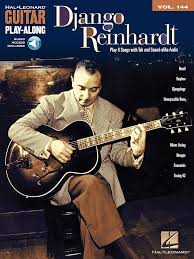
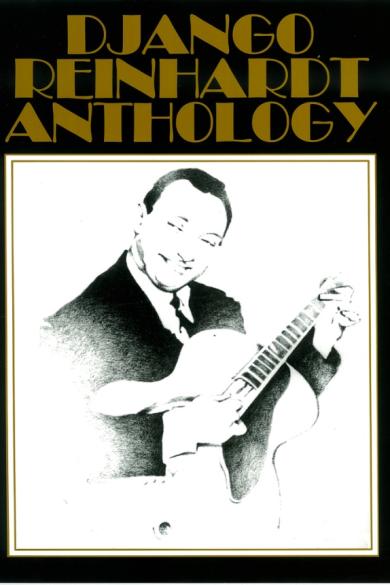
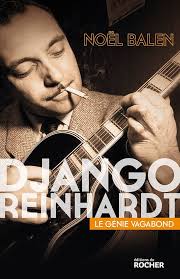
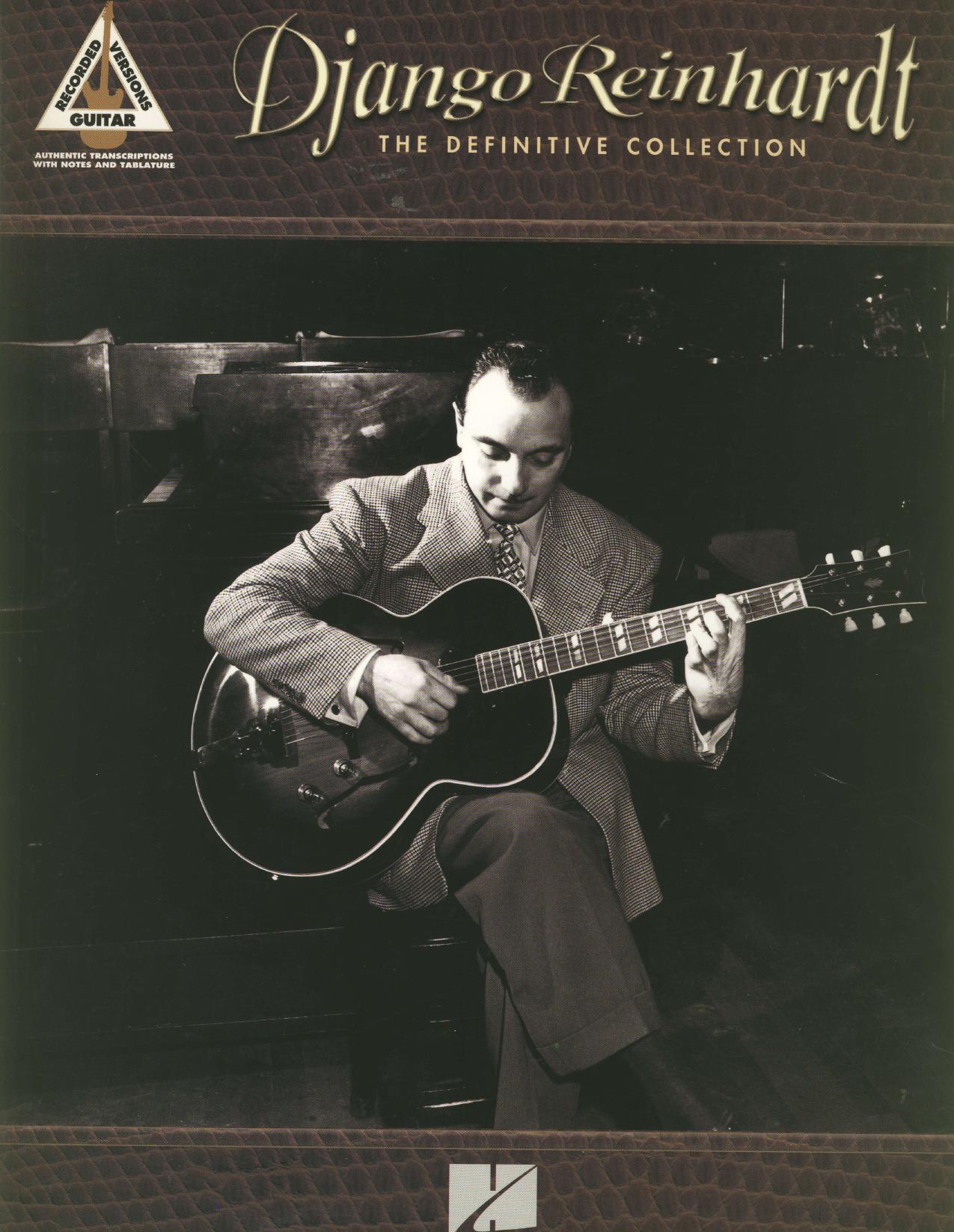
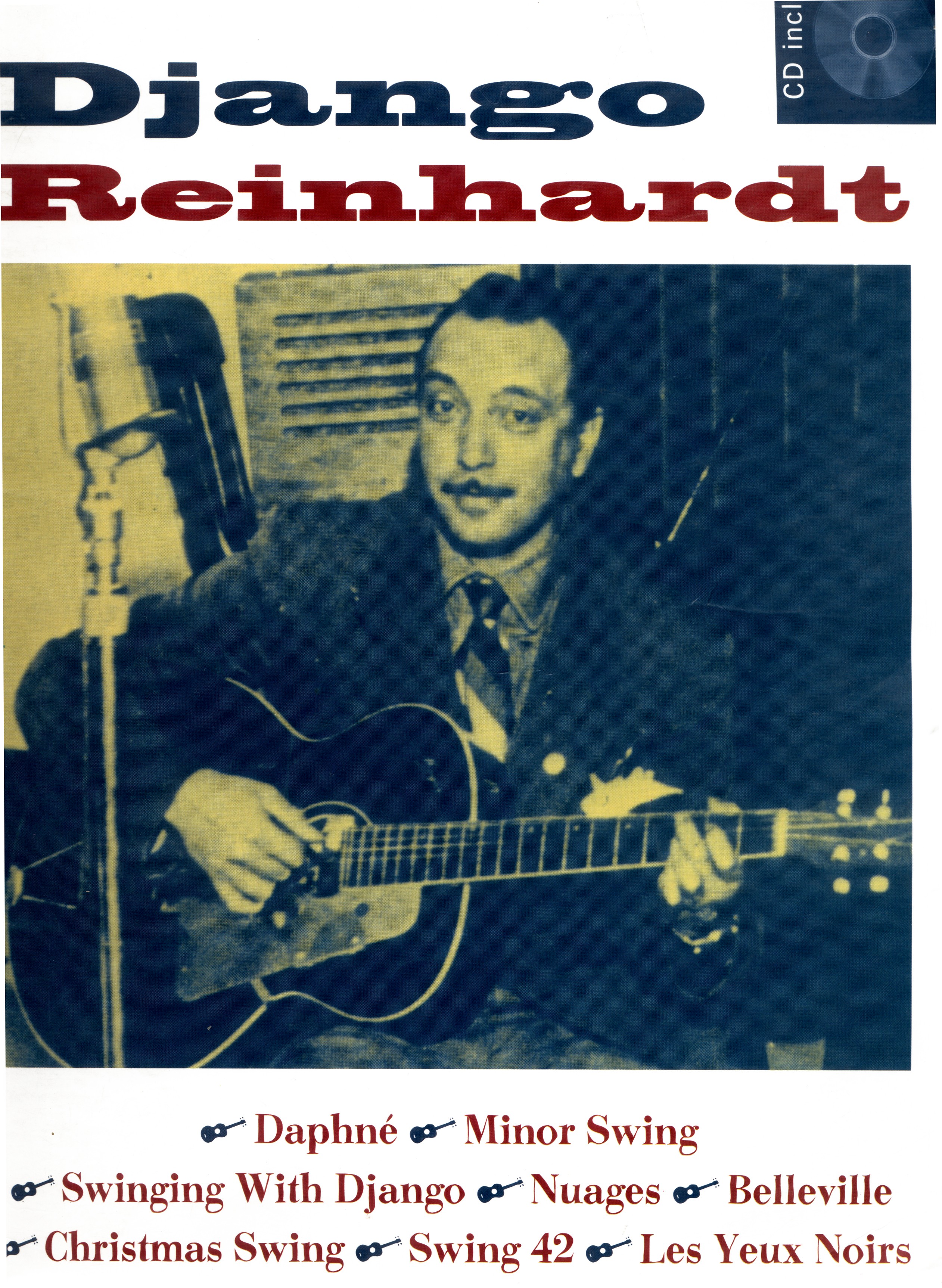
The story is almost mythic in its cruelty and redemption. In 1928, the 18-year-old Django Reinhardt was already a rising star in the Parisian bal-musette scene, a gifted banjo-guitarist with a ferocious appetite for improvisation. Returning to his caravan after a gig, he knocked over a candle, and the highly flammable celluloid flowers his wife crafted to sell at market turned their home into an inferno.

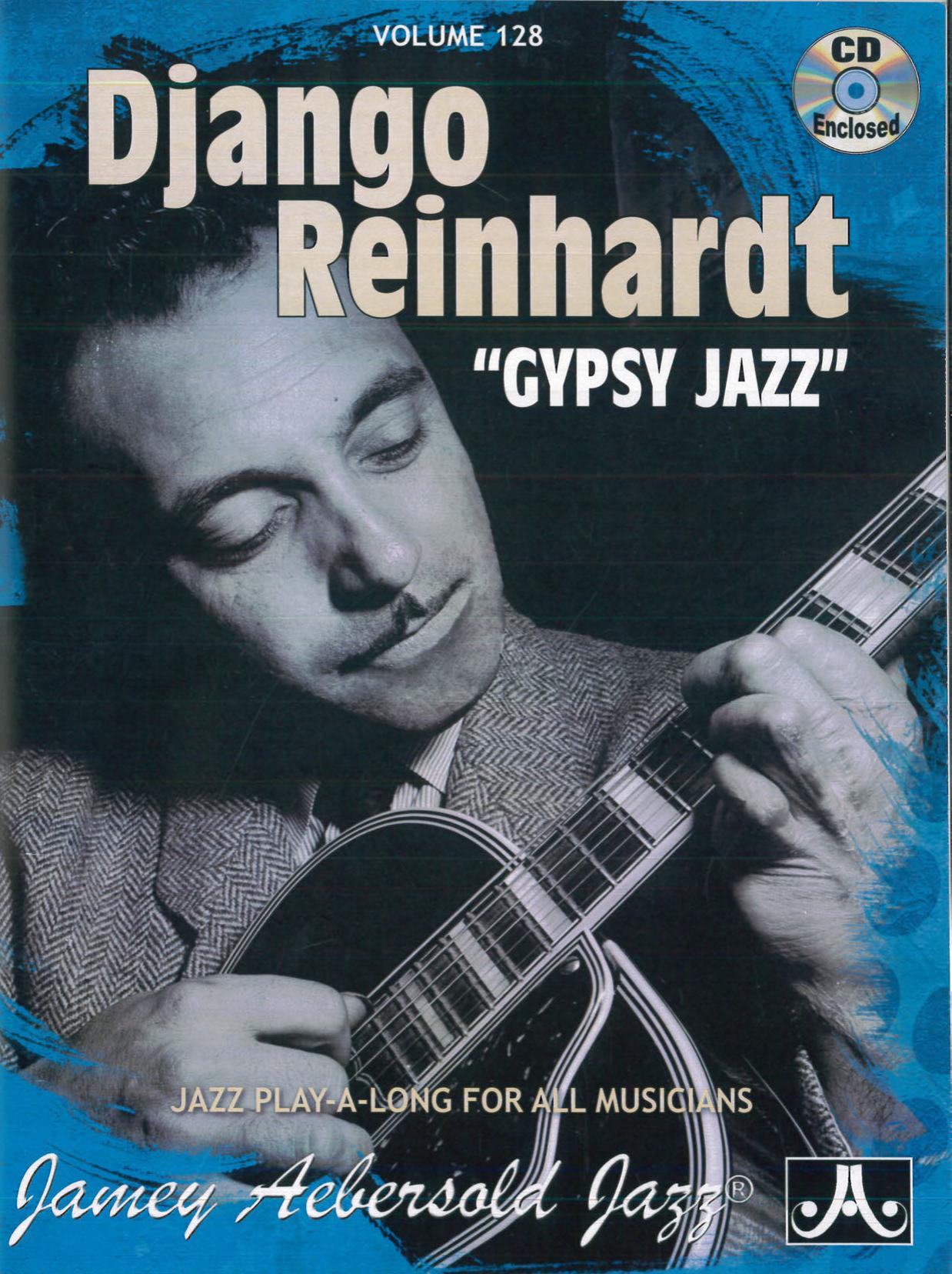
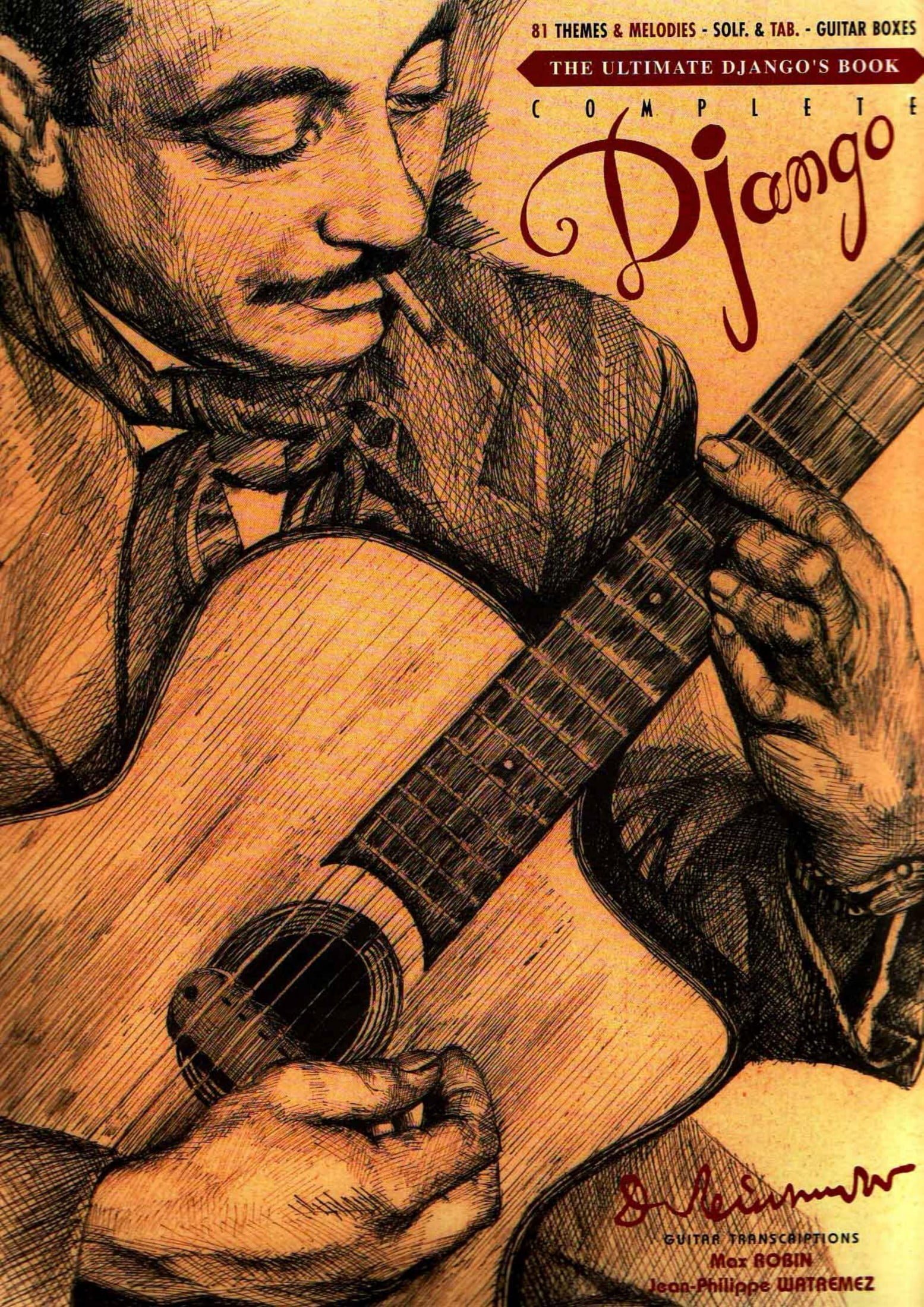
The best sheet music download from our Library.
Django suffered third-degree burns over half his body. His right leg was paralysed for a time, but the most devastating damage was to his left hand: his ring finger and pinky were severely contracted, their tendons and nerves destroyed. The prognosis was brutal—doctors said he would never play again.
What followed was an 18-month convalescence that amounted to a radical reinvention of the guitar. With only two fully functioning fingers for fretting (index and middle), Django developed a wholly original technique. He could use his damaged ring and pinky only for chordal work on the top strings or in a spider-like claw for partial barres. For lead lines, he crafted blistering, chromatic runs almost entirely with his index and middle fingers, sliding and leaping across the fretboard with a precision that mocked the supposed necessity of a four-fingered approach.
This physical constraint didn't just change his technique; it birthed a genre. The fiery, melancholic sound of jazz manouche (gypsy jazz) was a direct product of Django’s altered anatomy. His chord voicings were compact, his arpeggios angular, his phrasing a cascade of notes that had to find the shortest, most economical path from one fret to the next. Paired with violinist Stéphane Grappelli in the Quintette du Hot Club de France, Django became not just a survivor but the first European jazz titan, an icon whose “handicap” became the crucible of his immortality.
Wes Montgomery: The Thumb That Silenced the Neighbours
If Django’s adversity was a violent, visible trauma, Wes Montgomery’s was born from a quieter domestic necessity—and it reshaped the sound of jazz guitar just as profoundly.
In the late 1940s, Wes was a married father working a day job in Indianapolis and wood shedding on guitar late into the night. The problem was his neighbor, who complained bitterly about the noise. The sharp, percussive attack of a guitar pick slicing through the paper-thin walls of their apartment building was too much. Rather than stop practicing, Wes adapted. He turned the amplifier down and started plucking the strings with the fleshy pad of his right thumb instead of a pick.
Please, subscribe to our Sheet Music Library.

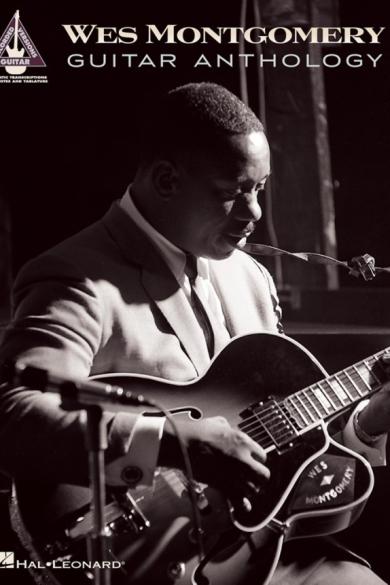

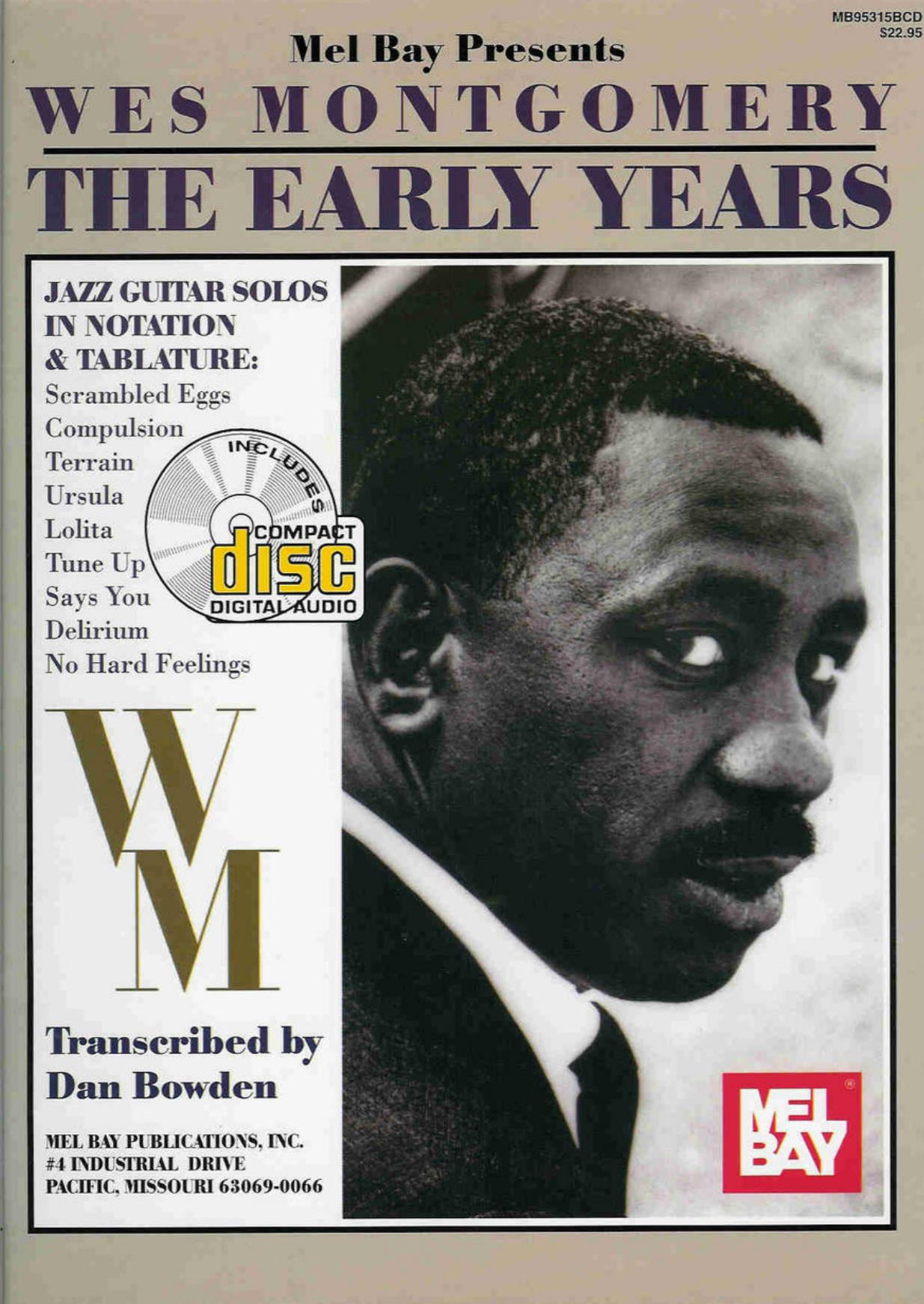

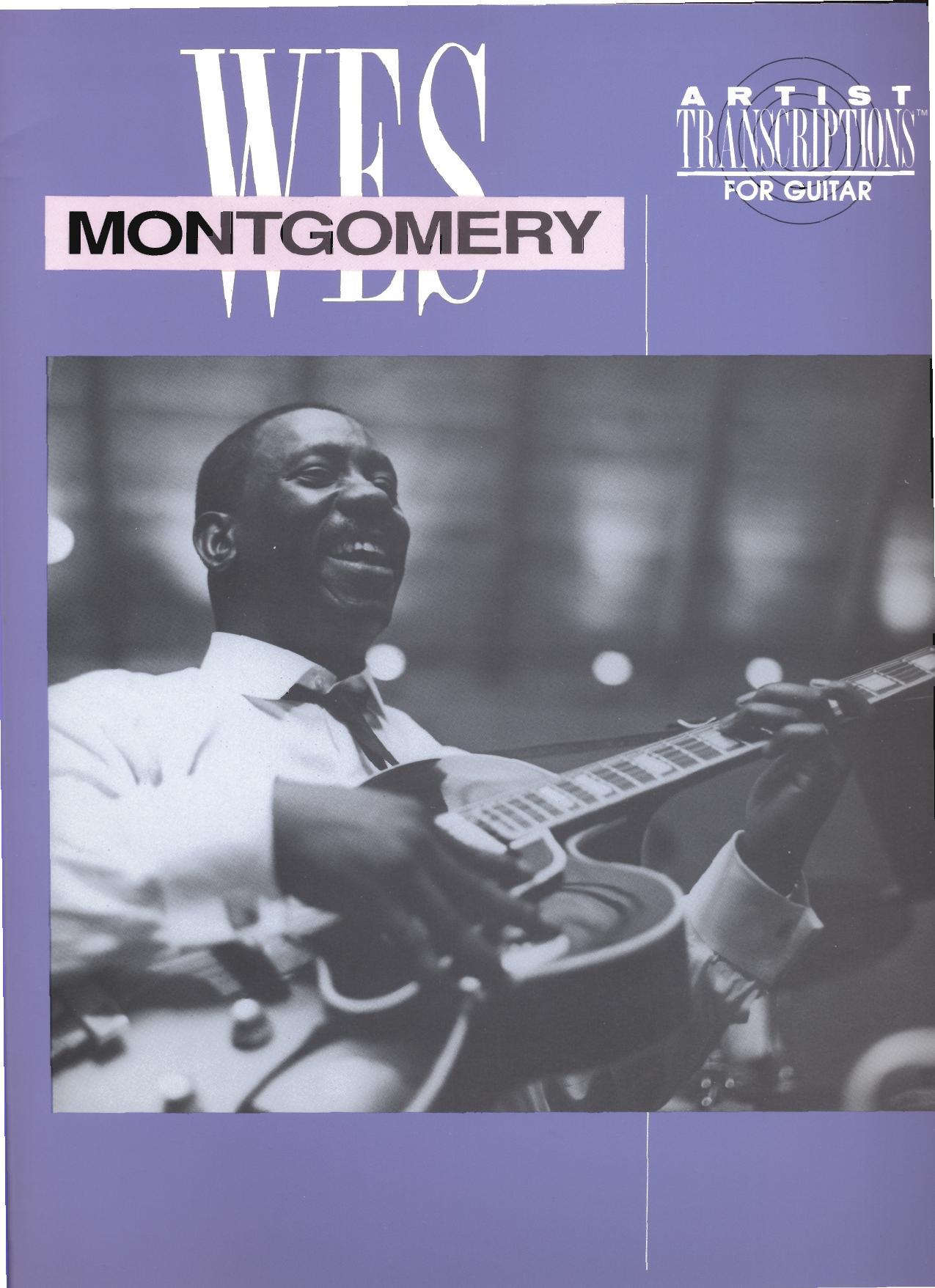
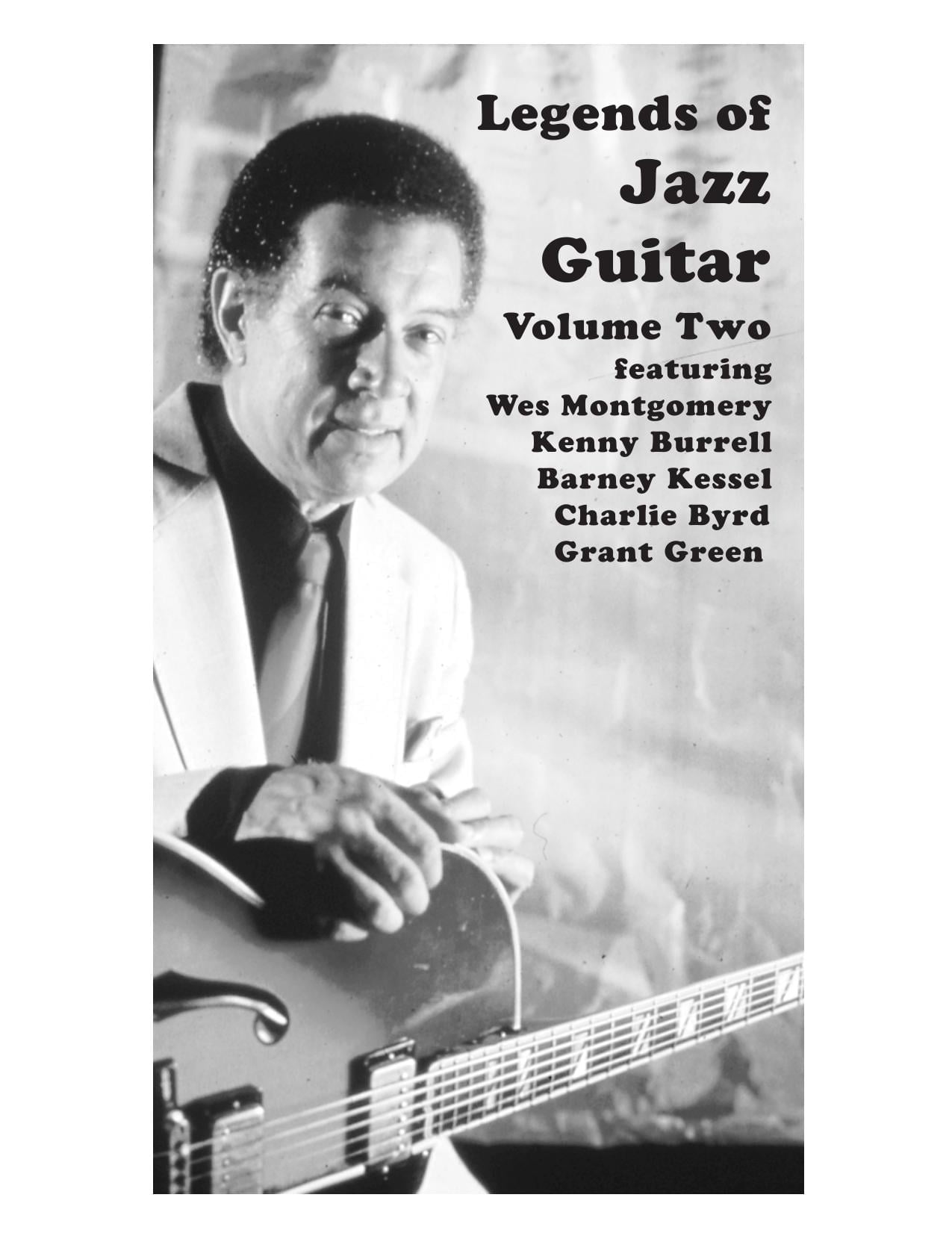
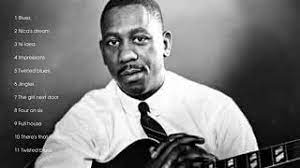
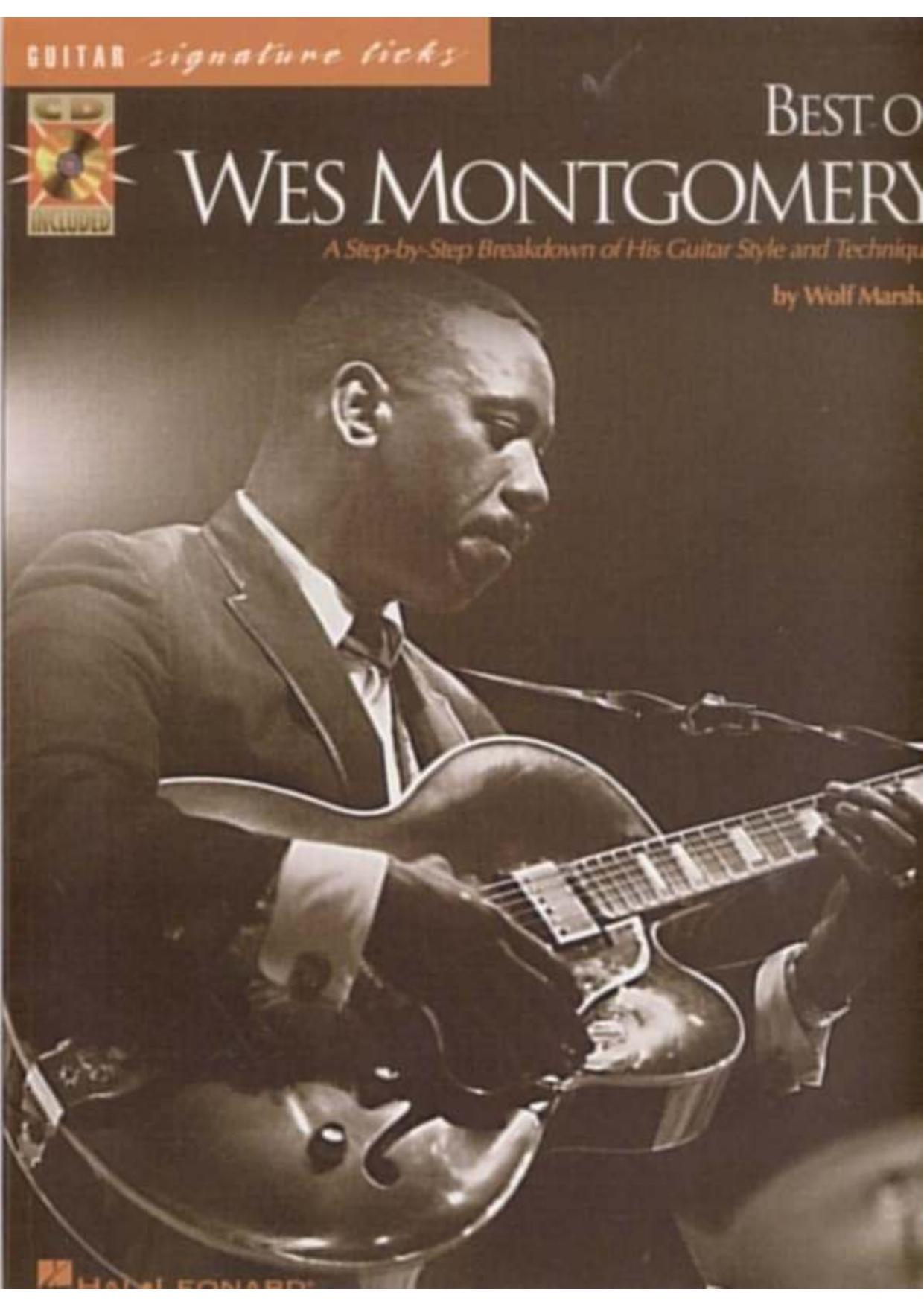
This wasn’t a simple volume adjustment. Playing with the thumb produced a uniquely warm, rounded attack—a velvet tone with none of the pick’s brittle edge. Wes quickly realized that by combining this thumb stroke with his free fingers for strumming, and by doubling his melodic lines in octaves, he was unlocking a sound both profoundly human and orchestrally rich.
That neighbor’s complaint inadvertently forged the most influential jazz guitar voice of the 1960s. The “thumb technique” became Montgomery’s calling card. It allowed him to execute impossibly smooth, horn-like lines, cascading octaves, and block chords that seemed to purr rather than strike. Albums like The Incredible Jazz Guitar of Wes Montgomery and Smokin’ at the Half Note didn’t just showcase a technical master; they revealed an artist who had turned a domestic friction into a philosophy of touch. He didn’t pick the strings; he sang through them with his bare hand.
Search your favorite sheet music in the Sheet Music Library Catalog
A Constellation of Resilience: Beethoven, Tony Iommi, Rick Allen, Itzhak Perlman...
Django and Wes are luminous stars, but the firmament of music is crowded with others who refused to let the body’s limits dictate the soul’s expression.
Tony Iommi, the architect of heavy metal, was a 17-year-old factory worker when a sheet metal guillotine sliced off the tips of his middle and ring fingers on his right (fretting) hand. Devastated and told he’d never play again, Iommi was inspired to continue after hearing Django Reinhardt’s story. He melted plastic bottles to create homemade thimbles, capped his mutilated fingertips, and detuned his guitar to slacken the strings, making them easier to bend. That lower, darker tuning and the immense, doomy tension of his playing became the foundational DNA of Black Sabbath and an entire genre.
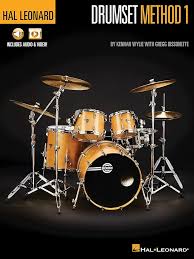
Def Leppard drummer Rick Allen lost his left arm in a car crash in 1984. Rather than retreat, he and his bandmates helped design a custom electronic drum kit that allowed him to play all his tom and snare parts with his left foot, while his right arm and right foot handled cymbals and bass drum. Allen returned to the stage as a more inventive player, his adaptation a masterclass in turning catastrophic loss into a new, hybrid language of rhythm.
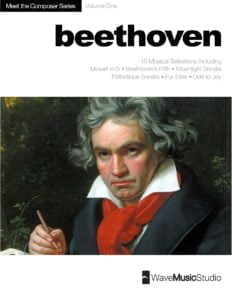
Then there is the towering ghost of Ludwig van Beethoven, who began losing his hearing in his late twenties. As the world fell silent, his music grew more radically interior. He composed the Ninth Symphony, with its “Ode to Joy,” completely deaf, hearing the architecture of sound only in the cathedral of his mind. And violinist Itzhak Perlman, struck by polio as a child, has performed for decades seated, navigating the instrument with a technical command that renders his mobility on stage irrelevant—the music itself is the only motion that matters.
What unites these figures is a refusal to accept the physical world’s final verdict. They teach us that what appears to be a terminal limitation is often an invitation to a deeper originality. Django Reinhardt couldn’t play guitar the “right” way, so he created a new one. Wes Montgomery turned a neighbor’s scolding into the gentlest, most articulate touch jazz had ever known. Adversity, in their hands, was never a wall. It was a door, and they walked through it into the unknown, note by defiant note.
Browse in the Sheet Music Library:
Or browse in the categories menus & download the Library Catalog PDF:
Michel Petrucciani: A Giant’s Spirit in a Fragile Frame
Born in 1962 with osteogenesis imperfecta, a severe “glass bone” disease, Michel Petrucciani never grew beyond three feet tall and suffered hundreds of fractures throughout his life. His bones were so brittle that a cough could crack a rib, and his father would have to carry him to the piano. Yet from this immense physical prison emerged one of the most effervescent and technically dazzling pianists jazz has ever known.

Petrucciani’s entire relationship with the instrument had to be an act of engineering and will. The pedals were extended with custom levers so his tiny feet could reach them. His fingers, though short and fragile, flew across the keys with a kinetic joy that utterly belied his constant pain. He didn’t simply overcome his condition; he seemed to burn right through it, channeling a ferocious, romantic energy that left audiences forgetting the chair full of pillows and the body that housed his titanic spirit. Watching Petrucciani play, one didn’t see disability—one heard an unstoppable, sun-drenched lyricism that could leap from the most intricate bebop lines to the tender caress of a Bill Evans ballad. He lived to 36, an age few with his condition reach, and his body of work remains a testament to the idea that the body is merely the instrument’s case, not its music.
Michel Petrucciani plays In a Sentimental Mood (Jazzgipfel Stuttgart) - Jazz transcription
Paul Wittgenstein: The One-Armed Pianist Who Commissioned a Masterpiece
Paul Wittgenstein, brother of the philosopher Ludwig, was a promising concert pianist in Vienna when he lost his right arm to a bullet on the Russian front during the First World War. Rather than abandon his career, Wittgenstein resolved to become a left-hand pianist. Using his family’s considerable wealth, he commissioned some of the greatest composers of the era—including Ravel, Prokofiev, Richard Strauss, and Britten—to write concertos and solo works for the left hand alone.
The most famous fruit of this commission was Maurice Ravel’s Piano Concerto for the Left Hand in D major, a dark, surging work that makes the single hand sound like three. Wittgenstein’s technique was formidable; he developed a way to sustain bass lines with his thumb while his remaining fingers spun melody and arpeggios in the upper registers, tricking the ear into believing no limb was missing. He was an exacting client—he initially rejected Ravel’s concerto, attempting to rewrite passages himself, before eventually embracing it. Wittgenstein’s legacy is dual: he proved a pianist could thrive with one hand, and he permanently enriched the repertoire with a catalogue of works born directly from his loss.
Horace Parlan: Polio’s Unlikely Jazz Architect
The hard-bop pianist Horace Parlan was struck by polio as a child, which left the right side of his body partially paralysed and his right hand permanently weakened and twisted. The conventional flow of a pianist’s two-handed technique was physically impossible for him. So Parlan did something ingenious: he turned his handicap into a style.
He developed a playing technique centred on left-hand chordal vamps and thunderous rhythmic patterns, while his right hand, limited largely to two usable fingers, stabbed out spare, blues-drenched lines and eccentric, angular phrases. The result was a minimalist, percussive, deeply funky approach that became his signature and an essential voice in Charles Mingus’s band and on classic Blue Note sessions. Parlan didn’t play despite his right hand; he invented a vocabulary that required nothing more than what it could give.
Dr. John (Mac Rebennack): A Shot Finger and a Second Birth at the Keys
Before he was the voodoo-high-priest of New Orleans funk and rhythm & blues, Mac Rebennack was a formidable young guitarist. That ended in 1961 when a gunshot while defending a friend left his left ring finger hanging by a thread. The finger was saved but permanently paralysed and immobile, devastating for a fretting hand.

Rebennack shifted his focus entirely to the piano and organ, instruments he had already been playing in the Crescent City’s rich gumbo of styles. His guitar phrasing migrated to the keyboard, where he developed a loping, heavily syncopated, two-handed style that rolled like a riverboat, mixing Professor Longhair’s Caribbean-inflected rumba-boogie with jazz and swampy funk. Without that gunshot, there is no Dr. John the pianist, no Gris-Gris, no “Right Place, Wrong Time.” The sudden loss of his first instrument forced him to become the icon we remember.
Dr. John - Such a Night From "The Last Waltz"
Evelyn Glennie: Listening with the Body
Dame Evelyn Glennie is the first full-time solo percussionist in classical music and a virtuoso of almost superhuman rhythmic precision. She also began losing her hearing at age eight and was profoundly deaf by twelve. Told she could never succeed in music, she instead taught herself to “hear” sound through vibration in her feet, hands, face, and torso.
Performing barefoot, Glennie detects frequencies and timbres via the floor and the physical resonance of the instruments. She can tune timpani by feeling the pitch vibrations in her body, and her ability to articulate the subtle dynamics of a marimba or vibraphone rivals that of any hearing musician. Her deafness is not a deficit in her world; it is a different, perhaps more holistic, form of listening. She has redefined what it means to be a musician, dissolving the line between sound and sensation.
Jason Becker: The Mind That Keeps Composing
A child guitar prodigy who was blending neo-classical shredding with deep compositional sophistication by his late teens, Jason Becker was diagnosed with amyotrophic lateral sclerosis (ALS) at age 20 and given a few years to live. The disease gradually paralysed his entire body, eventually leaving him unable to move, speak, or breathe without assistance.
Becker is still alive decades later, and more remarkably, he continues to compose. Using a system his father developed that tracks the minute movements of his eyes, he selects notes, rhythms, and dynamics on a computer, painstakingly building orchestral and choral works of breathtaking beauty. His recent album Triumphant Hearts features music he “wrote” with nothing but his eyes. Becker’s body has become a motionless vessel, but his musical imagination—fierce, lyrical, and undimmed—remains one of the most powerful arguments that creativity transcends all physical form.
These stories, like those of Django and Wes, converge on a single, stubborn truth: the body proposes limits, but the will to speak musically can shatter them, bend them, or—most ingeniously—waltz right through them and emerge as something the world has never heard before.