Table of Contents
Scores for all instruments: 16,000+ (active and growing), over 236,000 pages.
All genres and levels: Jazz & Blues, Rock & Pop, Classical & Contemporary, Film & Musicals;
books & biographies; methods, études, play-along tracks (MP3) for Jazz & Rock.
Access & benefits: US$15.99 one-time payment, valid for lifetime, full Library access.
“I Got Some Outside Help (I Don’t Really Need” - B.B. King live at The North Sea Jazz Festival, 1979
The best sheet music download from our Library.
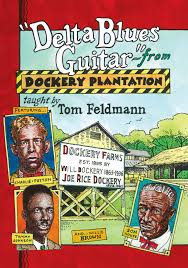
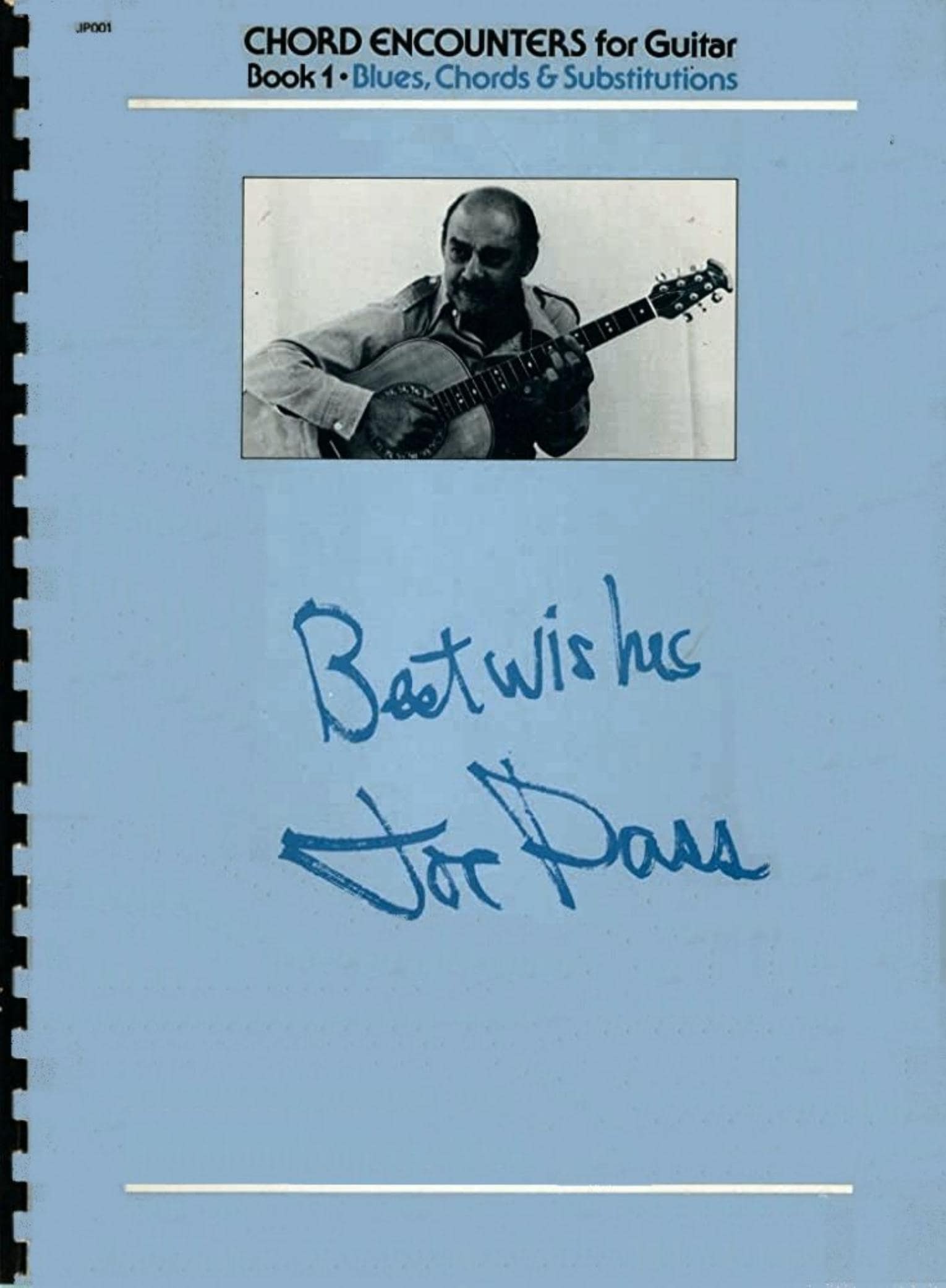
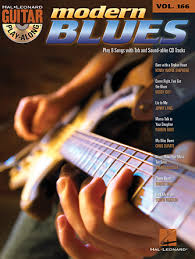

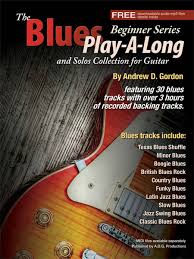
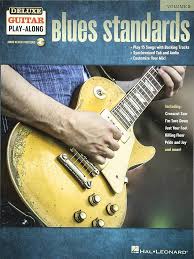
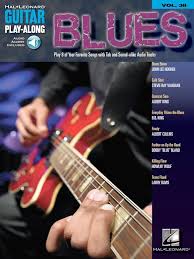

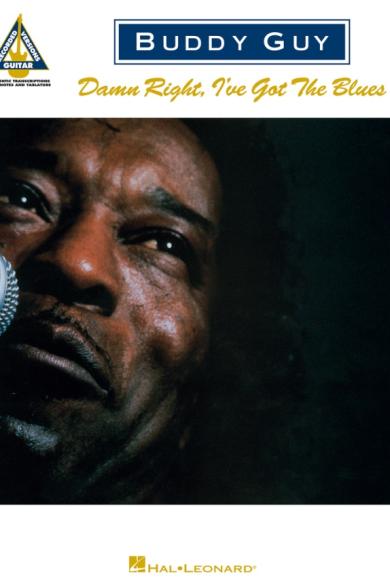
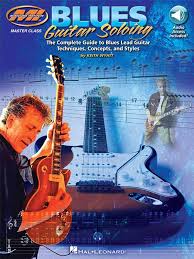
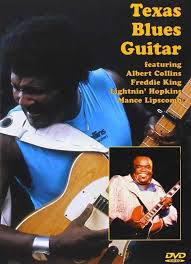
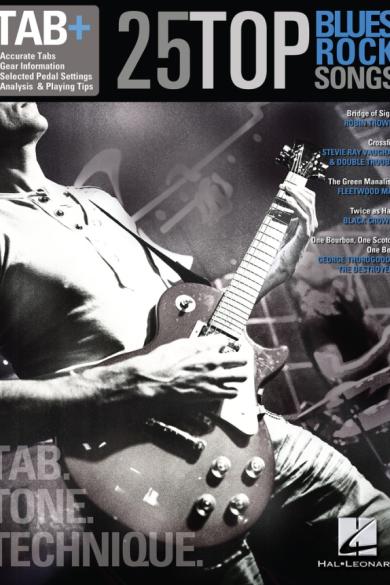

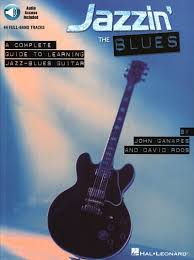
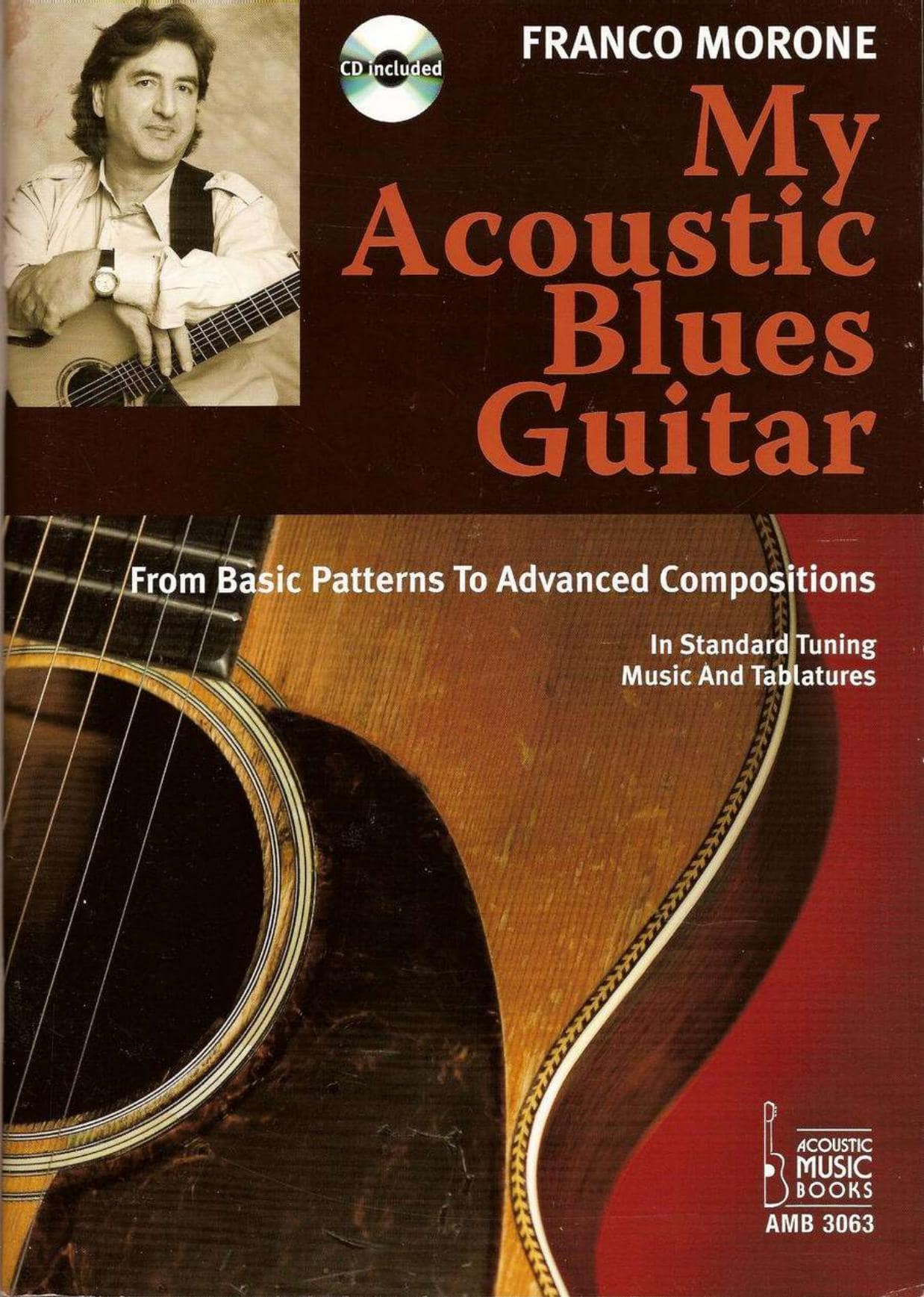
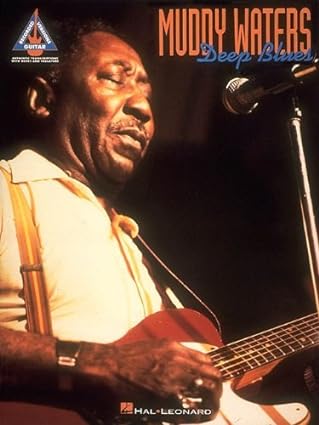
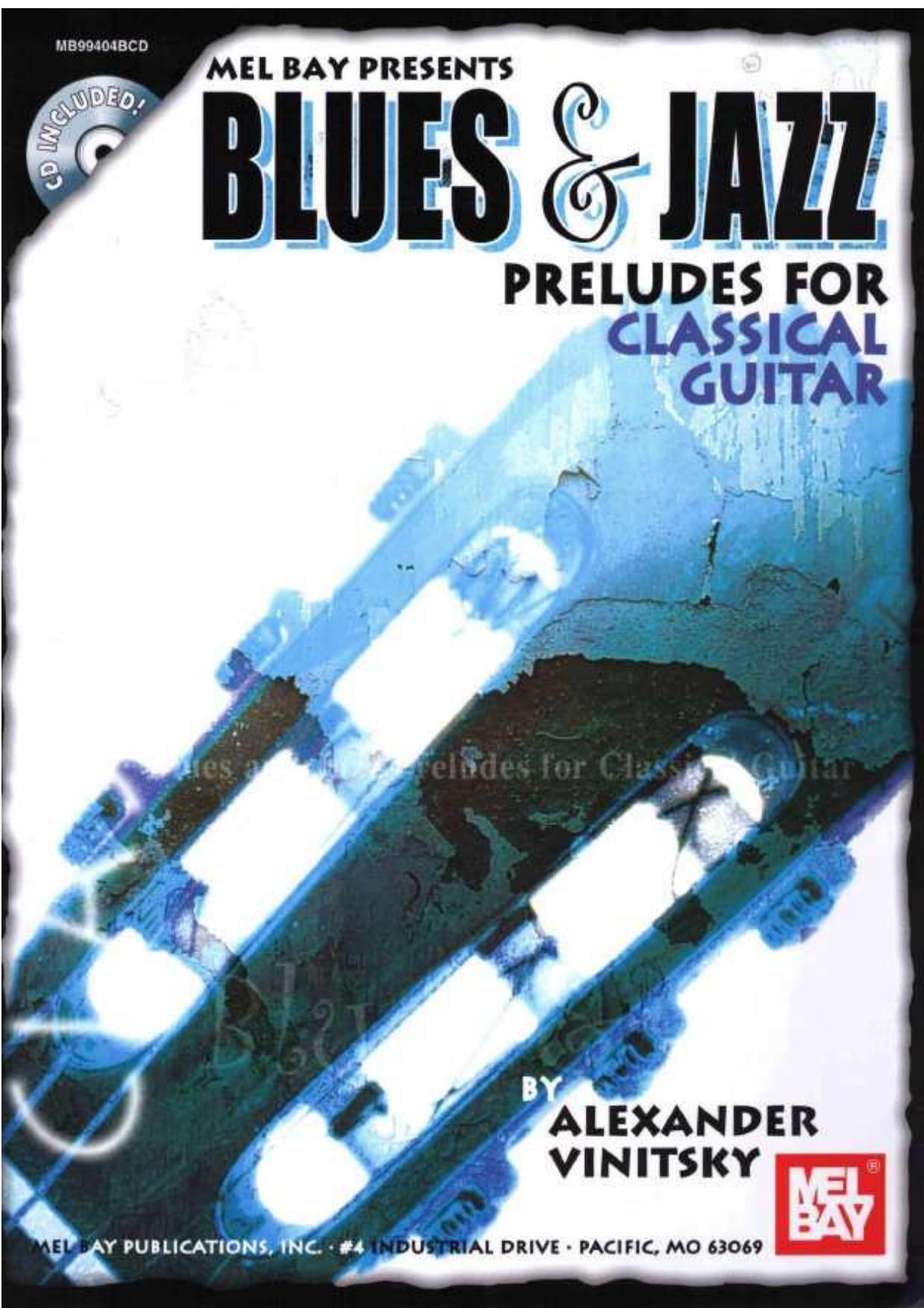
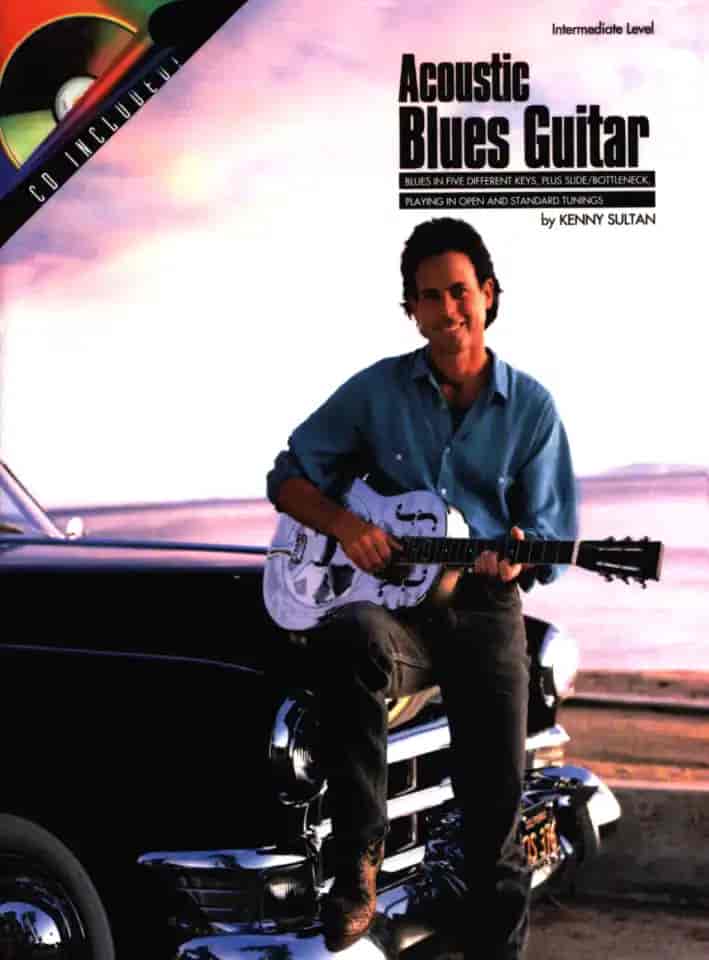
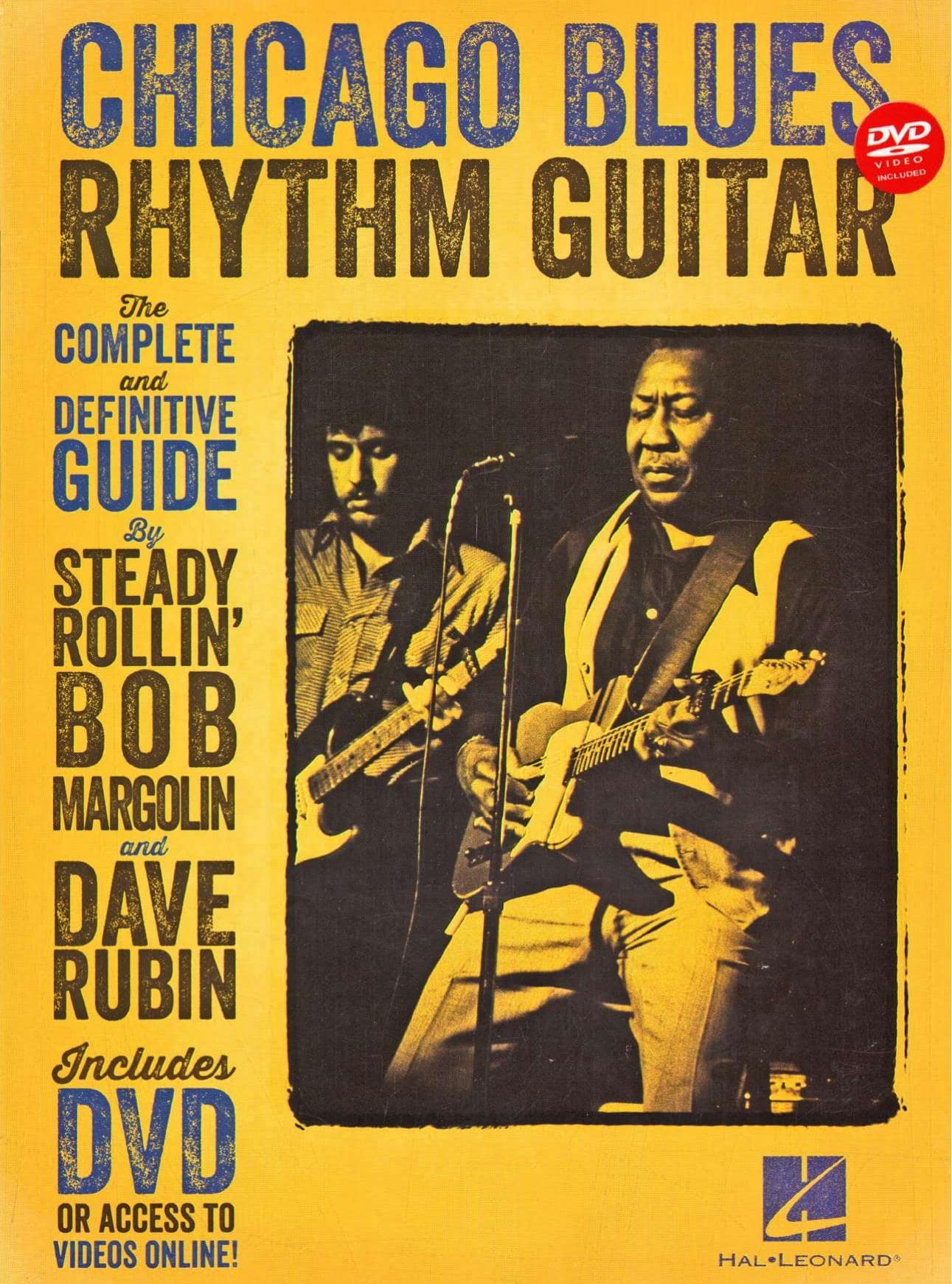
Please, subscribe to our Sheet Music Library.
Search your favorite sheet music in the Sheet Music Library Catalog
Riley B. King (September 16, 1925 – May 14, 2015), known to the world as B.B. King, was more than a blues musician; he was the genre’s most luminous ambassador, a guitarist whose single notes carried the weight of a century’s sorrow and joy, and a singer whose voice could dignify a whisper or thunder like a southern preacher. His influence extends so deeply into rock, soul, jazz, and R&B that it is often said the blues has no border he did not cross.
1. B.B.King Biography
1.1 Humble Beginnings
Riley B. King was born on a cotton plantation near Itta Bena, Mississippi, to sharecroppers Albert and Nora Ella King. His parents separated when he was four, and he was raised primarily by his maternal grandmother in Kilmichael and later in Lexington. The grinding poverty of the Jim Crow South was alleviated only by the music of the Elkhorn Baptist Church, where young Riley sang in the gospel choir. A local minister who performed on a Sears Roebuck Silvertone guitar taught him his first three chords. After paying off a $15 guitar that his employer had purchased for him, King began to teach himself the instrument in earnest.
In 1943, he worked as a tractor driver and performed with the Famous St. John’s Gospel Singers on WGRM in Greenwood, Mississippi. A brief stint in the U.S. Army ended when he was classified as “essential to the war economy” due to his tractor-driving skills.
1.2 The Birth of “B.B.” and the Road to Memphis
In 1946, King followed his cousin, the established bluesman Bukka White, to Memphis, Tennessee. White gave him shelter and a rigorous immersion in the Delta blues tradition. Two years later, King returned to Memphis for good and began performing on Sonny Boy Williamson’s radio program. Soon he landed his own spot on WDIA, one of the first radio stations in the United States programmed entirely for African American audiences. Billed as the “Beale Street Blues Boy,” he eventually shortened his moniker to “Blues Boy King,” and finally to “B.B.”
King’s breakthrough came in 1951 when his recording of “Three O’Clock Blues” (originally a Lowell Fulson number) spent 15 weeks at No. 1 on the Billboard R&B chart. That single launched a touring schedule that would become legendary—King frequently performed 300 one-night stands a year, a pace he maintained into his 70s.
1.3 Crossover and International Stardom
For most of the 1950s and early 1960s, King’s audience was almost exclusively Black. That changed in 1968 when he played the Fillmore West in San Francisco, introducing his music to the white rock counterculture. The following year he released “The Thrill Is Gone,” a slow-burning minor blues that reached No. 15 on the Billboard Hot 100 and won him his first Grammy Award. The song became his signature and a permanent fixture on rock radio. From that point onward, King was a global phenomenon, touring with the Rolling Stones, collaborating with rock and pop stars, and earning the undisputed title “King of the Blues.”
He continued to record and perform until the final months of his life, passing away in Las Vegas on May 14, 2015 at the age of 89.
2. Music Style & Improvisational Licks
2.1 The Vocal Guitarist
King’s guitar style is best understood as an extension of the human voice. He modeled his phrasing on the natural tremolo of a singer, using fluid string bending, a shimmering vibrato, and staccato picking to create a conversational quality. When he stopped singing, he often imagined that his guitar, Lucille, was “taking over” the vocal line.
2.2 Signature Techniques
| Technique | Description |
|---|---|
| Wrist-driven vibrato | King’s vibrato was wide and expressive, generated by the wrist rather than the fingers. It became the most imitated sound in electric blues. |
| Double-stop slurs | Brief, two-note phrases served as connective tissue between licks, adding a vocal, horn-like quality to solos. |
| Minor-third bend | A staple “B.B. bend” that pushes the minor third of the scale slightly sharp, creating tension and release. |
| Call-and-response | Rooted in gospel and African musical traditions, King’s solos often “answered” his vocal phrases, creating a dialogue between voice and guitar. |
| The “B.B. Box” | A six-note scale shape that sits uniquely over dominant 7 chords, blending major and minor pentatonics. Guitarists refer to it simply as the “B.B. box”. |
2.3 The Power of Economy
King was a pioneer of single-note improvisation. Unlike many of his contemporaries who emphasized chord-based playing or slide guitar, King constructed solos with one note at a time, using space and dynamics as expressive tools. “I don’t play a lot of notes,” he often said. “I try to play the notes that mean something.” His approach taught generations of guitarists that a single, well-placed note can carry more emotional weight than a hundred flurries.
3. Chord Progressions & Music Harmony
3.1 “The Thrill Is Gone” – A Harmonic Deep Dive
King’s most famous recording is also his most harmonically sophisticated. The song is in B minor and follows a 12‑bar blues form, but with several refinements:
- Chords: Bm – Em – Gmaj7 – F#7sus4 → F#7.
- From the perspective of the relative major (D major), these chords are vi – ii – IV – iii; from the B natural minor scale they are i – iv – bVI – v.
- The F#7 chord introduces an A♯ that is not native to B natural minor. That note comes from the B harmonic minor scale, creating a “dominant function” that pulls strongly back to the tonic, Bm. The momentary use of harmonic minor over the V chord is a jazz‑influenced device that gives the progression its dramatic tension.
King’s solo sticks primarily to the B minor pentatonic scale, with brief shifts into the harmonic minor when the harmony reaches the V chord. This combination of simple, vocal‑like phrasing over a sophisticated jazz‑informed backdrop became a blueprint for modern blues.
3.2 The 12‑Bar Blues and Its Variations
King’s repertoire is built on the standard 12‑bar blues form, but he frequently employed variations:
- Quick change (fast four): Moving to the IV chord in the second bar, a common device in slower blues that adds harmonic momentum.
- Jazz‑inflected extensions: King’s rhythm sections often used 9th, 11th, and 13th chords, giving his music a fuller, more “uptown” sound than the raw Delta style.
- Minor blues: Songs like “The Thrill Is Gone” and “Help the Poor” are cast in minor keys, using chords drawn from the natural minor scale and occasionally the harmonic minor.
King’s harmonic vocabulary, though always blues‑centered, absorbed the jazz harmony he admired in Django Reinhardt, Charlie Christian, and the big bands of Count Basie and Duke Ellington.
4. Relationship with Other Artists
4.1 Eric Clapton
No relationship better illustrates King’s cross-generational influence than his bond with Eric Clapton. Clapton first heard King’s Live at the Regal album as a teenager and called it “the most influential blues record I ever heard.” The two became close friends and occasional collaborators. Their 2000 album Riding with the King won the Grammy for Best Traditional Blues Album and sold over two million copies. After King’s death, Clapton was visibly shaken, telling audiences that “B.B. was the greatest inspiration in my life.”
4.2 U2, Santana, and the Rock World
King’s willingness to collaborate across genres brought his music to audiences far beyond the blues. He recorded “When Love Comes to Town” with U2 for their 1988 album Rattle and Hum, a track that became a concert highlight for both acts. Carlos Santana, Billy Gibbons (ZZ Top), and Bonnie Raitt all considered King a mentor and regularly cited his vibrato and phrasing as foundational to their own styles.
4.3 Jazz and Soul Partnerships
King’s band was a “way station for jazz musicians.” Tenor saxophonists George Coleman and Charles Lloyd both had formative stints in King’s employ, and his live recordings often include jazz overtures and quotes from Thelonious Monk’s “Blue Monk”. In later years, he collaborated with artists such as Ray Charles, George Benson, and Chaka Khan, demonstrating that the blues could hold its own alongside jazz, soul, and R&B.
4.4 The Three Kings
Together with Albert King and Freddie King, B.B. King is known as one of the “Three Kings of the Blues Guitar.” Though unrelated, the trio defined the sound of electric blues guitar in the post‑war era. B.B.’s jazz‑tinged, single‑note approach complemented Albert’s powerful string‑bending and Freddie’s aggressive, finger‑picked attack.
5. Influences
5.1 Gospel Roots
King’s earliest musical experiences were in the church. The call‑and‑response patterns of gospel music, the moaning, melismatic vocal delivery, and the emotional transparency of the spiritual became the bedrock of his style.
5.2 Guitar Predecessors
- T‑Bone Walker: The first electric guitar hero, Walker’s sophisticated single‑string lines and showmanship directly shaped King’s conception of the guitar as a lead instrument.
- Bukka White: King’s cousin and a master of Delta slide guitar; White’s raw, rhythmic attack taught King the fundamentals of the Delta tradition.
- Django Reinhardt & Charlie Christian: King discovered these jazz pioneers on 78‑rpm records brought back from Europe. Their “shapely single‑note lines” and fluency with chord arpeggios and diminished scales left a lasting imprint on King’s improvisational approach.
- Lonnie Johnson & Blind Lemon Jefferson: Early blues recording artists whose records King studied obsessively.
5.3 Big‑Band and Jazz Vocals
King often said, “I’m kind of from the big‑band era.” He was fascinated by the horn sections of Benny Goodman, Duke Ellington, and Count Basie, and he patterned his guitar lines after the lyrical solos of saxophonists like Ben Webster and singers like Billie Holiday.
6. Legacy
6.1 Redefining the Guitar
B.B. King single‑handedly transformed the electric guitar into a solo voice. His vibrato, string‑bending, and use of the “B.B. box” are now standard vocabulary in blues, rock, and jazz pedagogy. Guitarist Joe Bonamassa remarked that “when B.B. was alive and active, he was the blues—he was the sun which all planets rotated around”.
6.2 Breaking Racial Barriers
King’s 1968 Fillmore West performance and 1969 tour with the Rolling Stones introduced blues to white rock audiences at a time when America was still deeply segregated. He played a pivotal role in the integration of concert halls and the mainstream acceptance of African American music.
6.3 Institutional Honors
- 15 Grammy Awards, including a Lifetime Achievement Award (1987).
- Rock & Roll Hall of Fame inductee (1987).
- Presidential Medal of Freedom (2006).
- Kennedy Center Honors (1995).
- Polar Music Prize (2004).
- Honorary doctorates from Yale, Berklee, and Brown universities.
- A Mississippi Blues Trail marker at his birthplace and the B.B. King Museum & Delta Interpretive Center in Indianola, Mississippi.
6.4 The B.B. King Blues Club Chain
In 1991, King opened the first B.B. King’s Blues Club on Beale Street in Memphis. The chain expanded to Los Angeles, Nashville, Orlando, and other cities, becoming a platform for both established and emerging blues artists.
7. Works on Film
7.1 Documentaries
- B.B. King: The Life of Riley (2012): A feature‑length documentary directed by Jon Brewer and narrated by Morgan Freeman. It traces King’s life from the cotton fields to international stardom and includes interviews with Eric Clapton, Bono, Carlos Santana, and Bruce Willis.
- Summer of Soul (2021): Questlove’s Oscar‑winning documentary about the 1969 Harlem Cultural Festival features stunning footage of King’s performance, bringing his live power to a new generation.
- B.B. King: On the Road (2025): A posthumous documentary built around interviews with King’s band members, sharing personal stories from decades of touring.
7.2 Film Cameos
King appeared as himself in numerous films and television shows, including:
- Blues Brothers 2000 (1998), as Malvern Gasperone, leader of the Louisiana Gator Boys.
- The Cosby Show, The Fresh Prince of Bel‑Air, Sesame Street, Sanford and Son, and General Hospital.
- He provided songs for the soundtrack of the 1968 film For Love of Ivy, co‑written by Quincy Jones and Maya Angelou.
8. Discography Overview
King released more than 40 studio albums and over a dozen live albums. Below are the most significant entries in his catalog.
8.1 Selected Studio Albums
| Year | Album | Significance |
|---|---|---|
| 1965 | Live at the Regal | Widely regarded as one of the greatest live blues albums ever recorded. |
| 1969 | Completely Well | Contains the hit “The Thrill Is Gone.” |
| 1971 | Live in Cook County Jail | A socially charged performance that showcases King’s rapport with an incarcerated audience. |
| 1993 | Blues Summit | A series of duets with other blues legends; won a Grammy. |
| 1997 | Deuces Wild | All‑star collaborations with Van Morrison, Bonnie Raitt, and others. |
| 2000 | Riding with the King | Collaborative album with Eric Clapton; Grammy winner and multi‑platinum seller. |
| 2008 | One Kind Favor | A return to stripped‑down, traditional blues; Grammy winner. |
8.2 Charting Singles
According to Billboard, King placed 34 songs on the Hot 100 and achieved 24 Top‑10 R&B hits, including four No. 1s. The most notable are:
- “The Thrill Is Gone” – No. 15 Hot 100, No. 3 R&B (1969)
- “I Like to Live the Love” – No. 28 Hot 100, No. 6 R&B (1974)
- “3 O’Clock Blues” – No. 1 R&B (1951)
- “To Know You Is to Love You” – No. 38 Hot 100, No. 12 R&B (1973)
- “Rock Me Baby” – No. 34 Hot 100, No. 2 R&B (1964)
9. Most Known Compositions & Performances
9.1 Signature Songs
- “The Thrill Is Gone”: A minor‑key masterpiece that became King’s calling card and a permanent entry in the Rolling Stone list of the 500 Greatest Songs of All Time.
- “Every Day I Have the Blues”: Recorded multiple times; the 1965 Live at the Regal version remains definitive.
- “Sweet Little Angel”: A slow blues showcase for King’s most emotive playing, especially in the live versions from the Regal and the Village Gate.
- “How Blue Can You Get?”: The live rendition on Live at the Regal features one of the most famous call‑and‑response exchanges in blues history.
- “Paying the Cost to Be the Boss”: A stomping, horn‑driven R&B number that highlights King’s swaggering vocal delivery.
9.2 Iconic Live Appearances
- Live at the Regal (1964): The gold standard of live blues recordings; the audience’s ecstatic response is inseparable from the music.
- Harlem Cultural Festival (1969): Captured in Summer of Soul, King’s set is a testament to his ability to command a massive, diverse crowd.
- Fillmore East (1971): A concert that opened with a funky jazz overture and segued into a galloping “Every Day I Have the Blues,” complete with a quote from “Blue Monk”.
- Montreux Jazz Festival: King performed at Montreux 20 times between 1979 and 2010, each set a masterclass in cross‑cultural communication.
10. B.B.King: The Eternal King
B.B. King’s life was a pilgrimage from the cotton fields of Mississippi to the world’s grandest stages. He dignified the blues, proving that a single bent note could articulate the deepest human emotions. His techniques—the “B.B. box,” the wrist vibrato, the call‑and‑response phrasing—are now foundational elements of guitar pedagogy. His relationships with Eric Clapton, U2, and a host of jazz and soul artists demonstrated that the blues was never a museum piece but a living language, capable of adapting without losing its meaning.
King performed an estimated 17,000 concerts in 90 countries, won 15 Grammy Awards, and received the nation’s highest civilian honor, the Presidential Medal of Freedom. A century after his birth, his music continues to surface in unexpected places, carried forward by artists who sound nothing like him and exactly like him at the same time. As the SPIN magazine writer put it: “The thrill, it turns out, was never gone. It just kept moving”. The King of the Blues remains, and will forever remain, seated on his throne.
Browse in the Sheet Music Library:
Or browse in the categories menus & download the Library Catalog PDF: