
Scores for all instruments: 16,000+ (active and growing), over 236,000 pages.
All genres and levels: Jazz & Blues, Rock & Pop, Classical & Contemporary, Film & Musicals;
books & biographies; methods, études, play-along tracks (MP3) for Jazz & Rock.
Access & benefits: US$15.99 one-time payment, valid for lifetime, full Library access.
Bill Evans We Will Meet Again (jazz transcription) sheet music, Noten, partitura, spartiti, 楽譜, 乐谱
Please, subscribe to our Sheet Music Library. Sheet music should be accessible and affordable for all musicians, from professionals to absolute beginners.
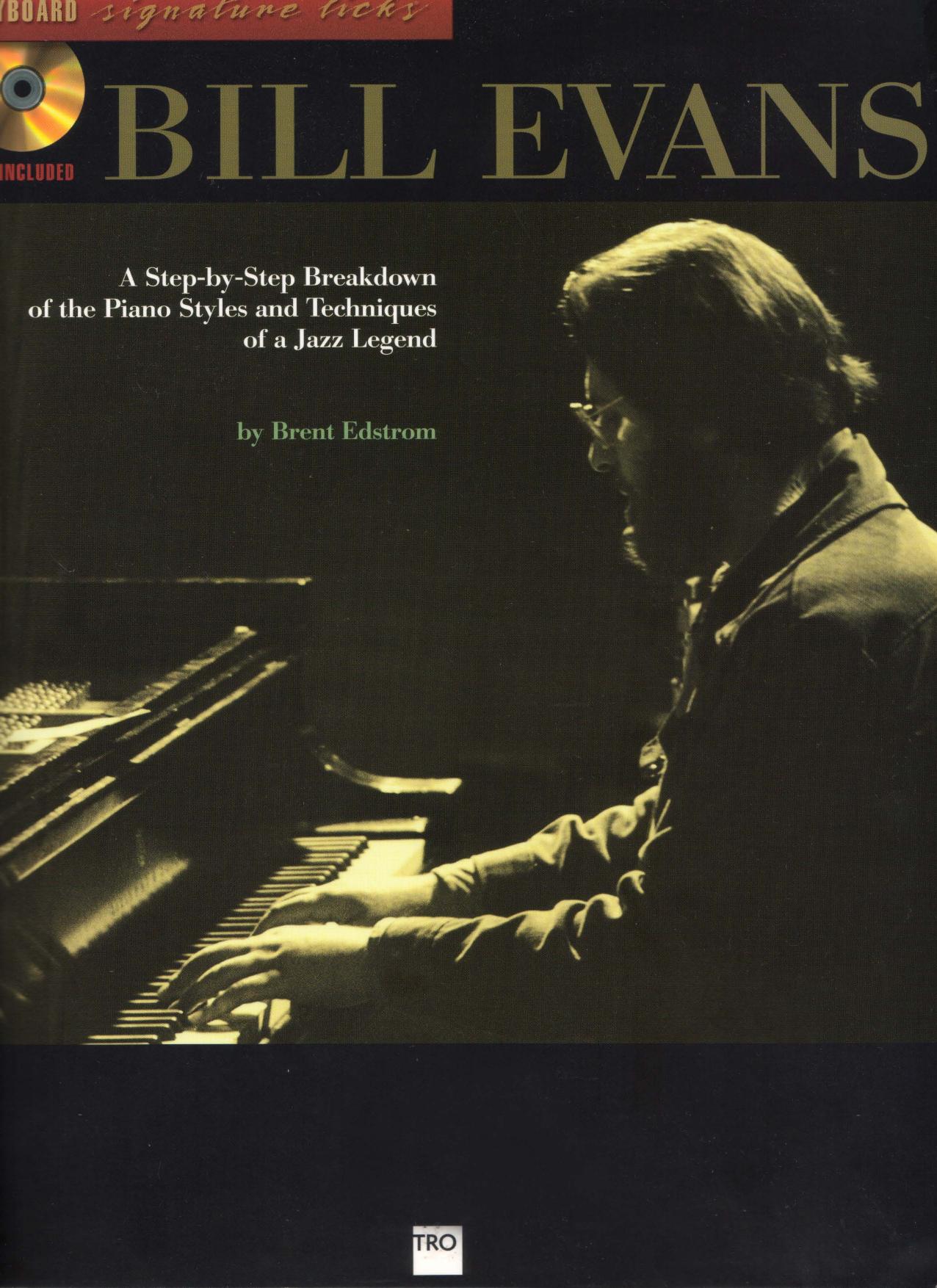

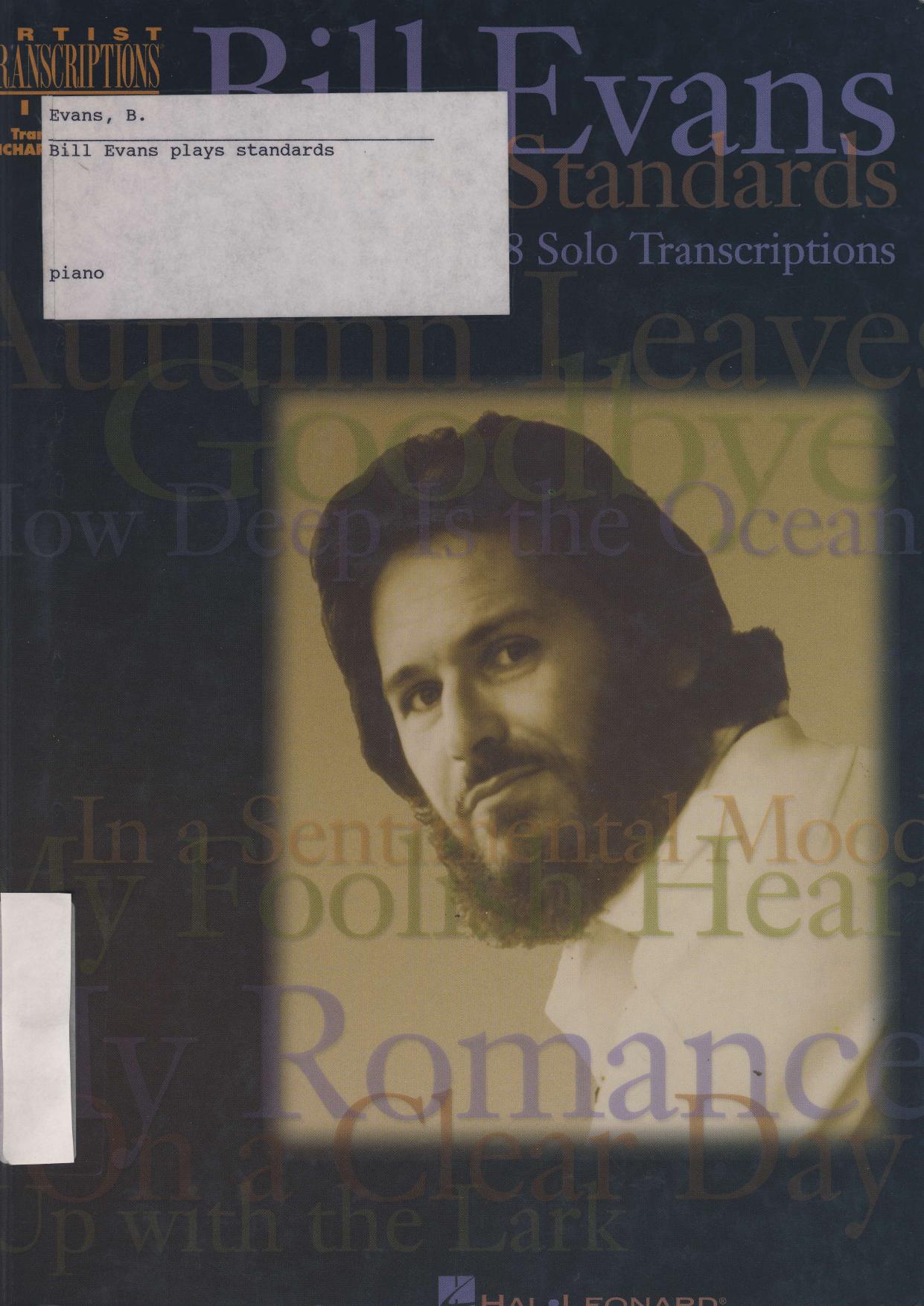

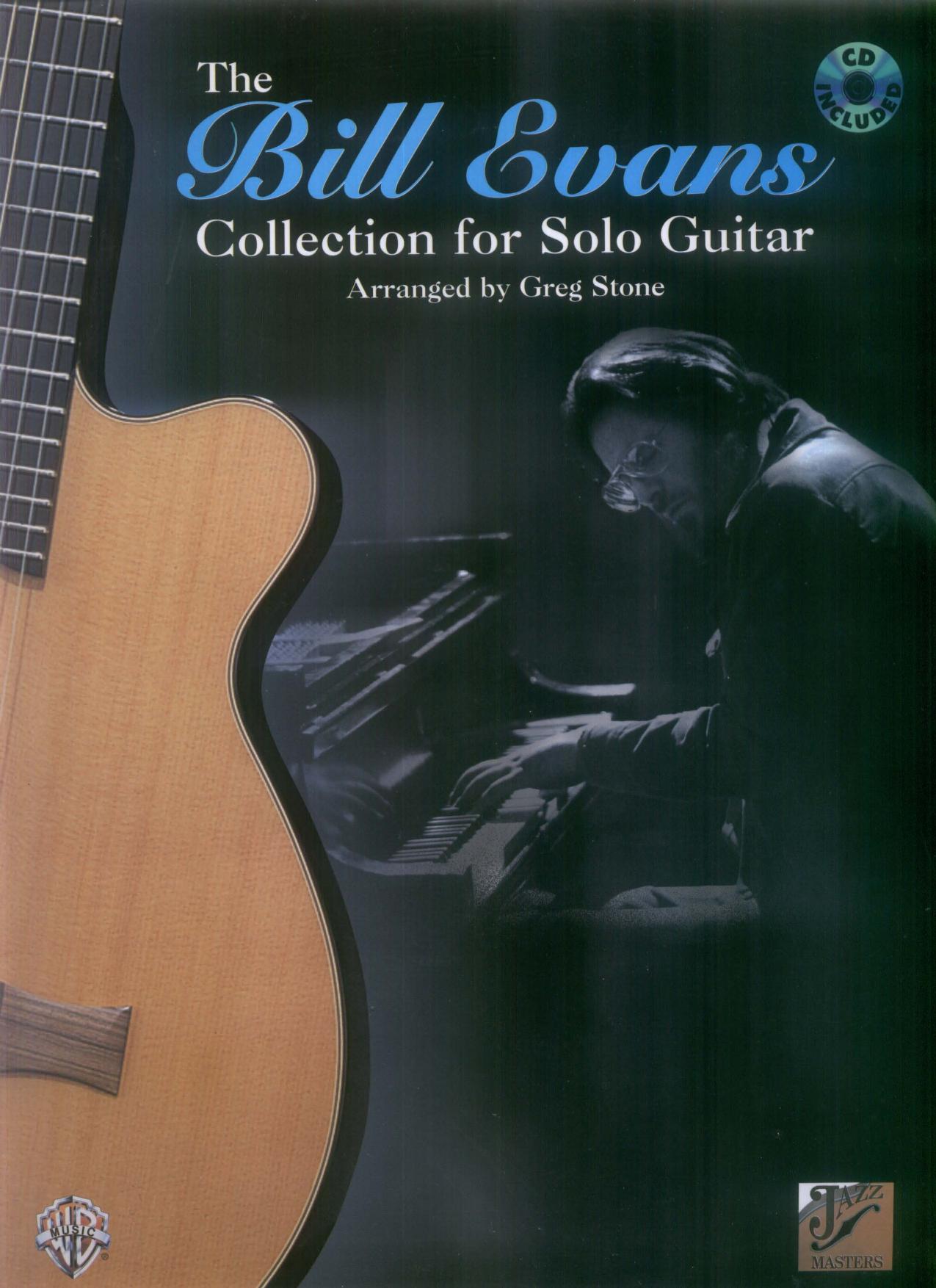

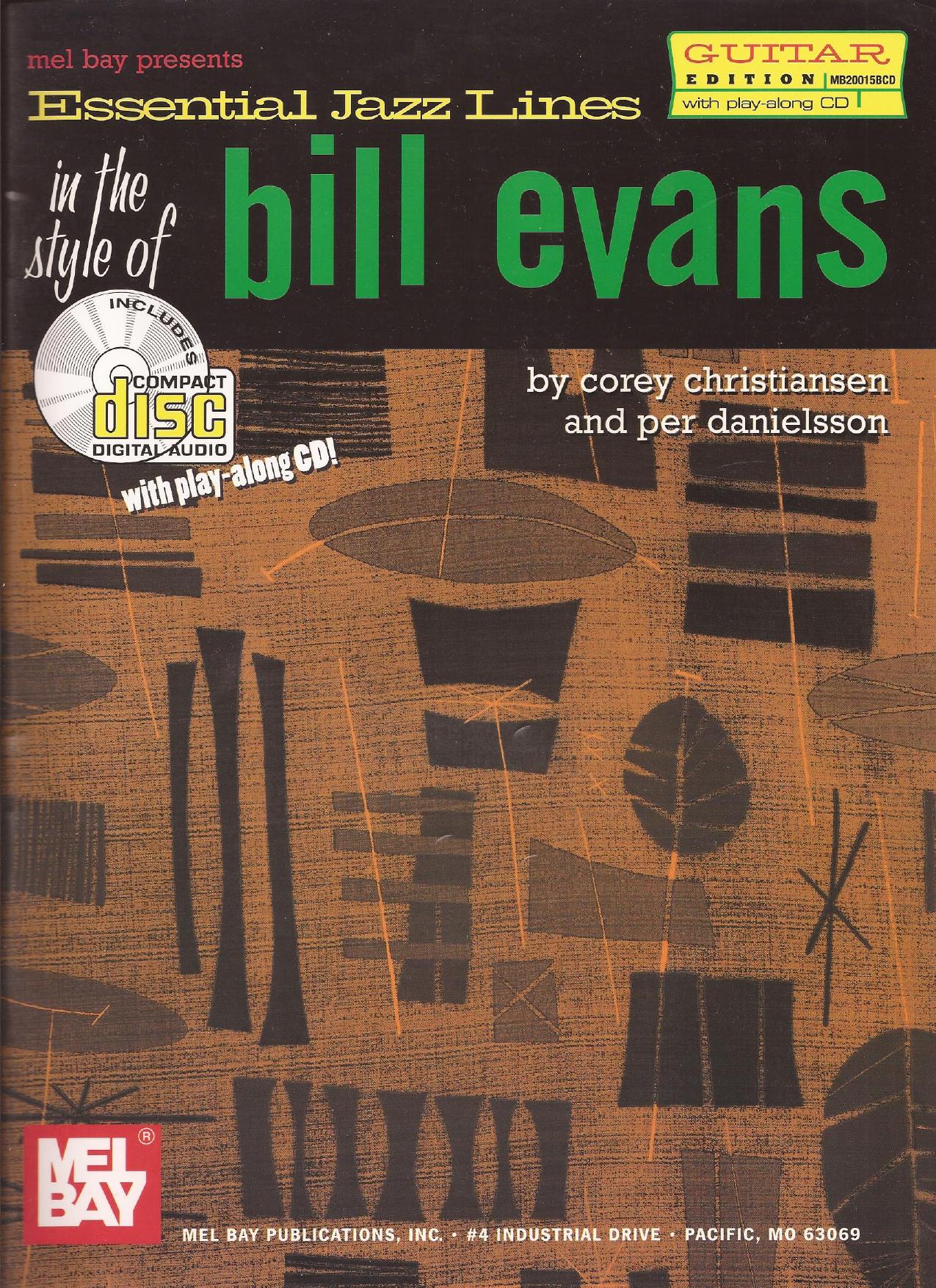
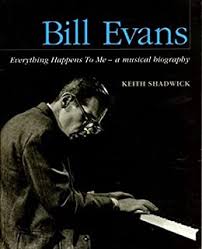
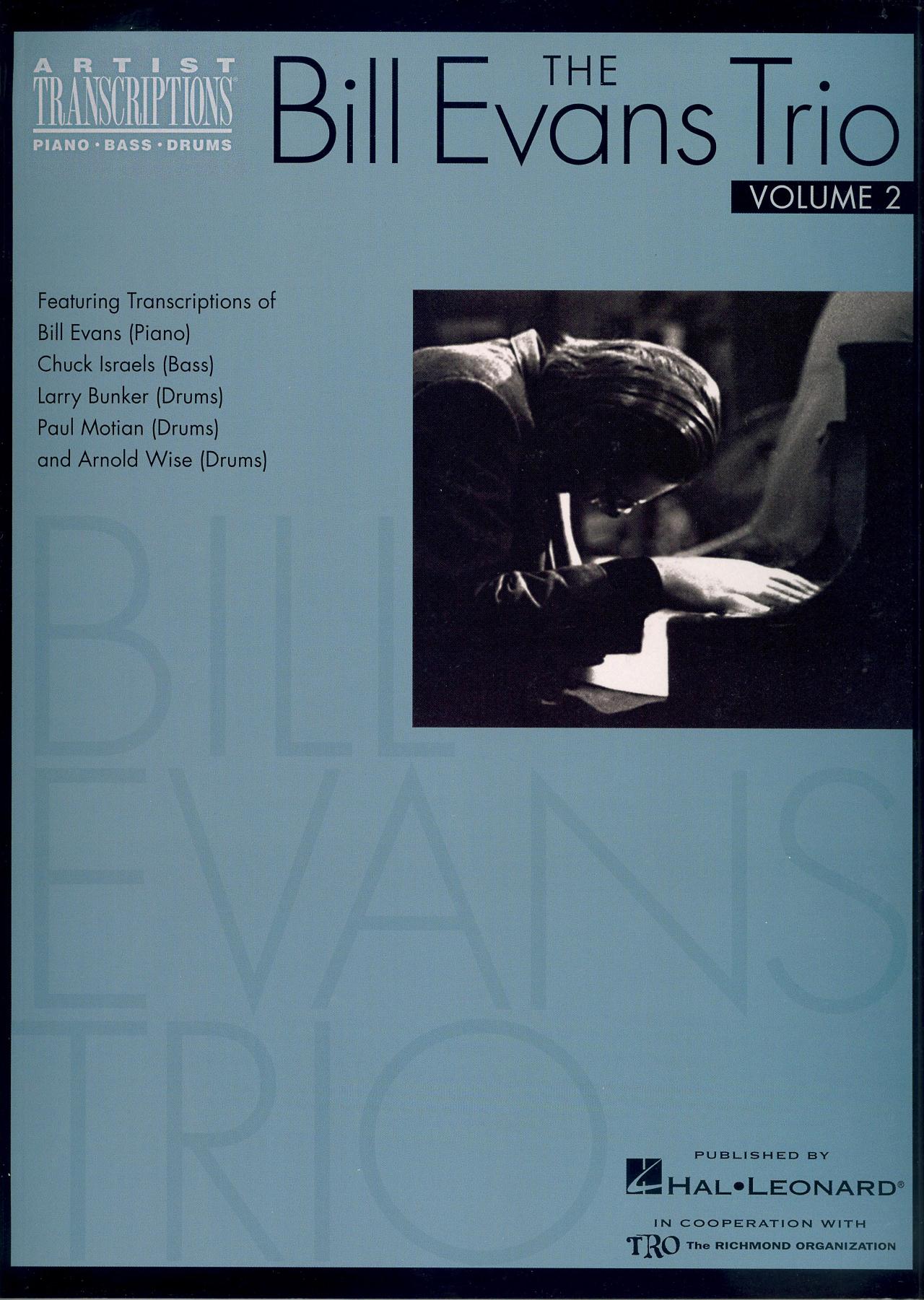
The best sheet music download from our Library.
Search your favorite sheet music in the Sheet Music Library Catalog
We Will Meet Again is the final studio album recorded by legendary jazz pianist Bill Evans before his death in September 1980. Recorded in August 1979 and released in 1980 by Warner Bros. Records, the album is a deeply emotional masterpiece that won the 1981 Grammy Award for Best Jazz Instrumental Album.
The Story Behind the Album
The title track, "We Will Meet Again," carries a tragic backstory. The album is bearing the inscription "In Loving Dedication to My Late Brother, Harry L. Evans 1927-1979" on the back cover. Bill Evans' older brother, Harry, who struggled with schizophrenia, committed suicide earlier in 1979. Bill loved his brother unconditionally and took the loss incredibly hard. Despite his own rapidly failing health at the time, critics noted that Evans played with an extraordinary, fierce sense of purpose throughout these sessions.
Musical Composition & Personnel
Breaking away from his traditional trio format, Evans recorded this album using a quintet lineup. It features the members of his very last regular trio alongside two horn players:
- Bill Evans – Acoustic piano, electric piano
- Marc Johnson – Bass
- Joe LaBarbera – Drums
- Tom Harrell – Trumpet
- Larry Schneider – Tenor saxophone, soprano saxophone, alto flute
The track list features seven original compositions by Evans and one jazz standard:
- Comrade Conrad
- Laurie
- Bill's Hit Tune
- For All We Know (We May Meet Again)
- Five
- Only Child
- Peri's Scope
- We Will Meet Again
Where to Listen
You can stream the album or the title track across multiple platforms:
- Free Streaming: Available on Spotify, YouTube Music, Deezer, iHeartRadio, and Pandora.
- Subscription Streaming: Premium access is available on Apple Music and Amazon Music.
Bill Evans - We Will Meet Again (Official Audio), YouTube · Bill Evans · 2022 M11 15
"We Will Meet Again" is a masterclass in jazz harmony, acting as a textbook example of Bill Evans’ signature style. Music schools and conservatories worldwide study it intensely because it perfectly bridges classical impressionism and modern jazz composition.
The Harmonic Breakdown
The tune is primarily written as a jazz waltz (in 3/4 time) and features a dense, rapidly shifting harmonic landscape. Key characteristics of its harmony include:
- Non-Functional Modulations: Rather than staying in one key, the song moves through multiple tonal centers. Evans uses "cycle-of-fifths" movements but constantly pivots to unexpected keys, creating a sense of wandering.
- Constant Chromaticism: The chord changes rely heavily on half-step resolutions and chromatic voice-leading. The chords melt into one another because inner voices (the middle notes of the chords) move by only a single semitone at a time.
- Rootless Voicings & Clusters: In the left hand, Evans avoids playing the root notes of the chords. Instead, he uses tight chord "clusters" containing minor second intervals, which creates a highly expressive, crunchy-yet-smooth texture.
- Upper Structure Triads: Evans superimposes simple major or minor triads in his right hand over different bass notes in his left hand. This highlights rich, complex chord extensions (9ths, 11ths, and 13ths) without sounding muddy.
Why It Is Studied So Much in Music Schools
1. It Explains Emotional Ambiguity Through Math
Students analyze this song to learn how chord extensions alter human emotion. Evans masterfully pairs a melancholic melody with major 7th and 9th chords that contain unresolved inner dissonances. It teaches students how to make a piece sound "hopeful but heartbroken" simultaneously.
2. The Ultimate Test of Voice-Leading
In jazz pedagogy, good "voice-leading" means making smooth transitions between chord changes. Because "We Will Meet Again" shifts keys so frequently, a soloist cannot just mindlessly play one scale. Students study it to learn how to guide a listener through complex key changes seamlessly.
3. Classical Impressionism Applied to Jazz
Evans was deeply influenced by classical composers like Claude Debussy and Maurice Ravel. This tune is a prime academic example of how to take impressionistic classical colors—like whole-tone scales and lush modal textures—and apply them to a swinging jazz context.
4. Advanced "Modal Interchange"
The tune frequently borrows chords from parallel minor keys (known as modal interchange). Music students analyze the score to understand how to insert a chord from outside the main key without disrupting the flow of the melody.
Bill Evans discography
Browse in the Sheet Music Library:
Or browse in the categories menus & download the Library Catalog PDF: