Scores for all instruments: 16,000+ (active and growing), over 236,000 pages.
All genres and levels: Jazz & Blues, Rock & Pop, Classical & Contemporary, Film & Musicals;
books & biographies; methods, études, play-along tracks (MP3) for Jazz & Rock.
Access & benefits: US$15.99 one-time payment, valid for lifetime, full Library access.
Table of Contents
Happy birthday, Mick Fleetwood, born on this day in 1947.
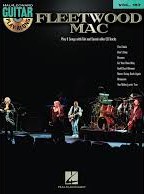
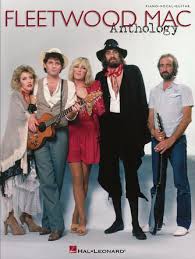

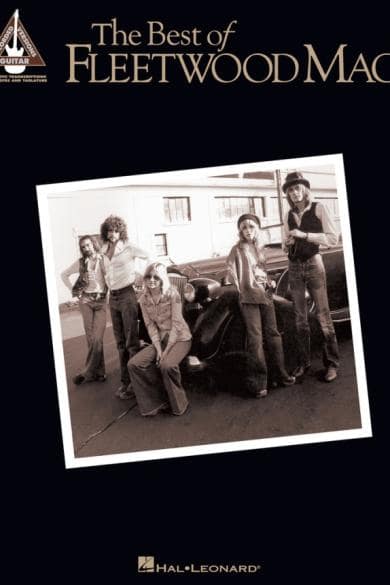
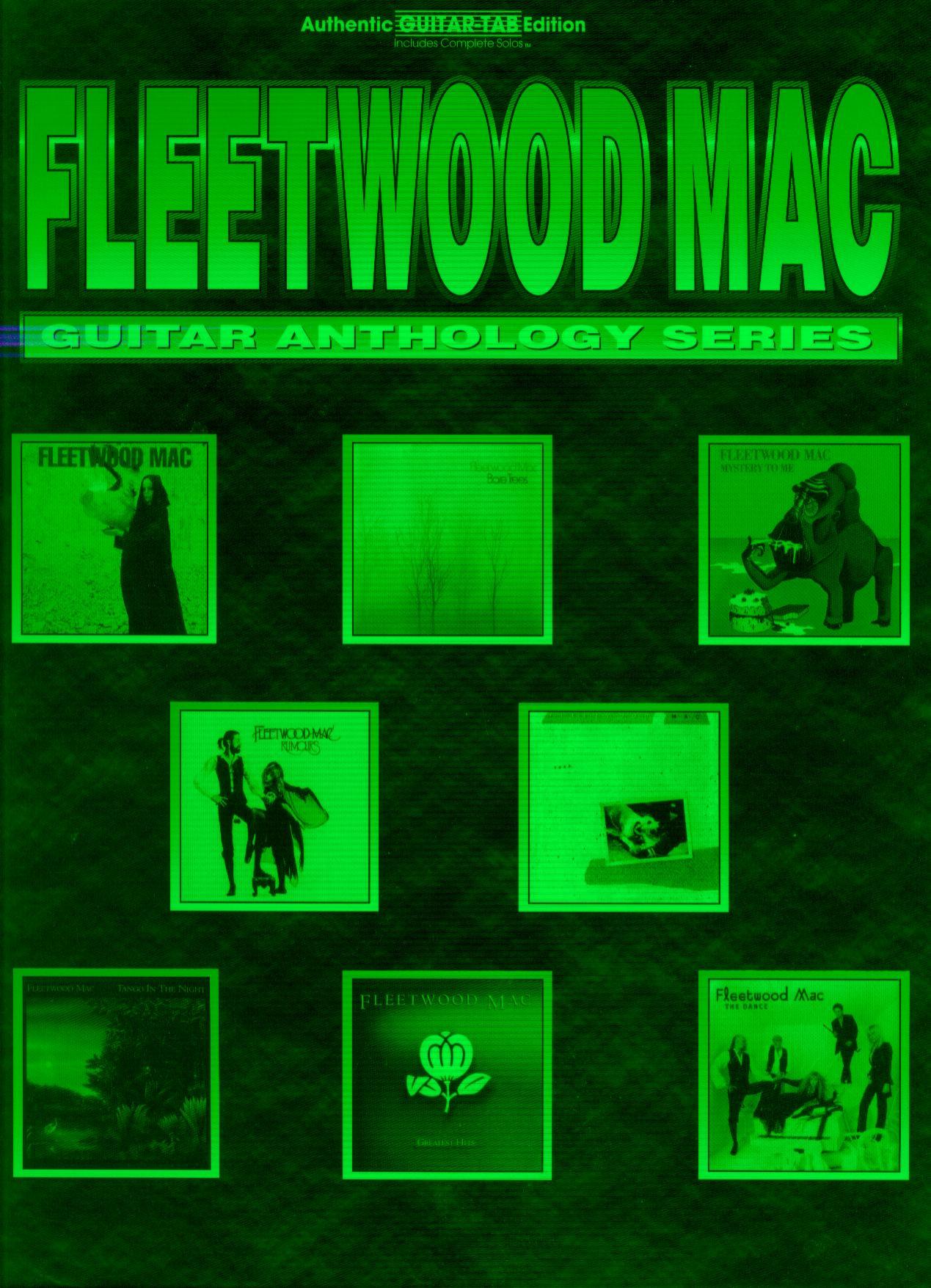
The best sheet music download from our Library.
Mick Fleetwood: The Rhythmic Heartbeat of Rock
Mick Fleetwood stands as one of rock music's most distinctive and enduring figures—a towering presence both literally and figuratively in the history of popular music. As the drummer, co-founder, and de facto leader of Fleetwood Mac, he has anchored one of the best-selling bands of all time through multiple lineup changes, musical transformations, and decades of interpersonal turmoil. His surname, combined with that of bassist John "Mac" McVie, literally gave the band its name—a testament to his foundational role in the group. Inducted into the Rock and Roll Hall of Fame with Fleetwood Mac in 1998, Fleetwood's contributions to rock drumming span decades of iconic recordings.
Born Michael John Kells Fleetwood on June 24, 1947, in Redruth, Cornwall, England, he would go on to become the rhythmic backbone of a band that evolved from a pioneering British blues combo to the biggest pop-rock band in the world. His unconventional drumming style, characterized by powerful yet fluid rhythms, became the signature pulse of Fleetwood Mac's sound. Beyond his musical contributions, he served as the band's manager and spiritual anchor, navigating the group through decades of departures, addictions, triumphs, and reinventions.
Please, subscribe to our Sheet Music Library.
Biography
Early Life and Childhood
Mick Fleetwood was born in Redruth, Cornwall, the second child of John Joseph Kells Fleetwood, a Royal Air Force fighter pilot, and Bridget Maureen (née Brereton) Fleetwood, who was originally from Australia. His elder sister, actress Susan Fleetwood, would later achieve recognition in British theater and film before dying of cancer in 1995.
Fleetwood's childhood was marked by constant movement. His family followed his father's military postings, spending time in Egypt and later Norway, where his father was deployed by NATO. He attended school in Norway and became fluent in Norwegian. Biographer Cath Carroll describes the young Fleetwood as "a dreamer, an empathetic youth" who, though intelligent, did not excel academically. According to his autobiography, Fleetwood had an extremely difficult time at the English boarding schools he attended, including King's School at Sherborne House and Wynstones School in Gloucestershire. He performed poorly on exams, which he attributed to his inability to memorize facts.
Despite his academic struggles, Fleetwood showed an early fascination with rhythm and percussion, reportedly drumming on any available surface. He received his first drum kit at age 13 and taught himself to play. At 6 feet 6 inches (1.98 meters) tall, he was an imposing figure who sported a beard and long hair for much of his life. His early influences included jazz drummers and the emerging rock and roll sounds of the late 1950s. He dropped out of formal education at age fifteen to pursue music full-time, a decision that alarmed his parents.
Search your favorite sheet music in the Sheet Music Library Catalog
Move to London and Early Career
Fleetwood moved to London in the mid-1960s to immerse himself in the burgeoning British blues scene. His first significant professional engagement came with Peter Bardens' band, where he honed his skills alongside other aspiring musicians. He then joined the blues band The Bo Street Runners, gaining valuable stage experience.
His breakthrough came when he joined John Mayall & the Bluesbreakers in 1967. The Bluesbreakers served as a training ground for many future rock legends, including Eric Clapton and Peter Green. During his time with Mayall, he formed a crucial friendship with bassist John McVie. Peter Green, the Bluesbreakers' guitarist, had ambitions to form his own band focused on blues music and invited Fleetwood to join his new venture.
Formation of Fleetwood Mac
In 1967, Fleetwood, Green, and McVie founded Fleetwood Mac as a blues-rock outfit, with the band's name combining Fleetwood's surname with McVie's nickname "Mac". The first incarnation of the group also featured Jeremy Spencer and Bob Brunning on guitar. They quickly gained acclaim with their self-titled debut album and hits like "Albatross," which became their sole No. 1 hit in the U.K..
The band underwent numerous lineup changes in the early 1970s, including the departures of Green due to mental health issues and Danny Kirwan amid alcoholism. But Fleetwood remained the constant member, steering the group toward American audiences through persistent touring.
The Classic Lineup and Global Stardom
In 1974, Fleetwood met and invited Lindsey Buckingham and Stevie Nicks to join Fleetwood Mac. Buckingham and Nicks contributed to much of Fleetwood Mac's later commercial success, while Fleetwood's determination to keep the band together was essential to the group's longevity.
The classic lineup—Fleetwood, John McVie, Christine McVie, Lindsey Buckingham, and Stevie Nicks—propelled Fleetwood Mac to global superstardom with their 1977 album Rumours, a 40-million-selling blockbuster recorded amid intense personal turmoil including divorces, drug use, and breakups within the band. The album won the Grammy Award for Album of the Year at the 20th Grammy Awards.
Fleetwood also managed the band during this period and pursued occasional solo ventures. The band continued to achieve success with experimental albums like Tusk (1979) and Mirage (1982). Fleetwood Mac were also the first-ever band to receive the MusiCares Person of the Year award in 2018.
Personal Life
Fleetwood has been married four times. He married (first) in 1970 and divorced in 1976; married again in 1977 and divorced in 1978; married Sara Recor in 1988 and divorced in 1995; and married Lynn Frankel in 1995, divorcing in 2015. He has four children. Fleetwood has lived in Maui for many years.
Music Style and Drumming Technique
The Groove-Oriented Approach
Mick Fleetwood is renowned for his deeply groove-oriented approach, favoring feel and momentum over technical flash, which gave Fleetwood Mac's rock sound its unmistakable pulse. His playing is characterized by a loose, organic style that locks in tightly with the bass to create a powerful rhythmic foundation. As one commentator noted, "He was like the English Jim Keltner—played with a lot of people, but he still retained his own style".
His style is defined by several key characteristics:
- Strong bass-and-snare groove foundation with an emphasis on feel and pocket playing over complexity
- Tight rhythmic interplay with the bass guitar, functioning as a unified low-end engine within the band
- Consistent use of steady, mid-tempo rock grooves that serve the song rather than showcase technical display
- Subtle use of ghost notes and dynamic variation to add texture within otherwise straightforward patterns
- Reliable ride and hi-hat cymbal work that maintains rhythmic momentum across long song structures
Signature Drum Tracks
Several tracks exemplify Fleetwood's distinctive approach:
"The Chain" features a deceptively simple yet purposeful mid-tempo groove at 77 BPM that locks tightly with John McVie's bass line. Fleetwood plays the kick drum on 1 and 3 during a half-time feel before the whole kit comes in for the choruses, placing the snare on 1 and 3 to create a driving feel. After a short but musically perfect drum break, he builds to a driving, ride-based eighth-note feel to fade.
"Go Your Own Way" showcases Fleetwood's syncopated drumming, with the drums entering at the beginning of bar 6. The tom hits in the verse provide a musical pattern, with Fleetwood's famously "back to front" toms inspiring him to choose interesting beat placements. Towards the end, the drums change to a more driving pseudo double-time feel with both snare and bass drum on all four quarter-notes.
"Tusk" is a drum feature taking its cues from African-inspired rhythms. The "jungle beat" is, as Fleetwood himself says, "a Mick staple diet". The track began life as a jam until Fleetwood got the idea to put the University of Southern California marching band on it. The tribal tom groove is the motif throughout the piece, with a rare solo opportunity in the middle—"a cacophony of loops and madness," in his words.
"Over My Head" demonstrates Fleetwood's understated, groove-focused approach, providing a steady, unobtrusive foundation with a consistent, straight eighth-note hi-hat pattern that drives the groove without overpowering the melody.
"Sara" features spacious, understated drumming serving the song's dreamy, slow-burning feel with restrained groove rather than flashy technique, using subtle ghost notes on the snare to add texture.
The "Back to Front" Tom Setup
One of Fleetwood's most distinctive visual and sonic trademarks is his unconventional drum kit setup. His famously "back to front" toms—with the floor tom on his left and smaller toms arranged unusually—inspired him to choose interesting beat placements and contributed to his unique sound. This unconventional arrangement became part of his signature style and influenced countless drummers who followed.
Chord Progressions and Music Harmony
While Mick Fleetwood is primarily a drummer and rhythm keeper, his contributions to the harmonic structure of Fleetwood Mac's music are indirect but essential. As the rhythmic foundation, his grooves provide the canvas upon which the band's intricate chord progressions and harmonies are built.
The Rhythmic-Harmonic Interplay
Fleetwood's drumming works in close partnership with John McVie's bass lines to create the harmonic-rhythmic foundation of Fleetwood Mac's sound. As one analysis notes, "Mick Fleetwood's drumming on 'The Chain' is deceptively simple yet purposeful, built around a steady, mid-tempo groove at 77 BPM that locks tightly with John McVie's bass line to form the rhythmic backbone of the track". This tight interplay between drums and bass provides the foundation upon which the band's layered harmonies and chord progressions are built.
The band's signature song "The Chain" features a progression that moves through various harmonic territories, with Fleetwood's drum patterns providing the steady pulse that allows the harmonic shifts to feel organic rather than jarring. The song's famous bassline, which enters after the drum break, is supported by Fleetwood's driving eighth-note ride pattern that maintains momentum.
Serving the Song
Fleetwood's approach to harmony is fundamentally about serving the song. Rather than imposing complex rhythmic patterns that might conflict with the harmonic structure, he provides a steady, groove-oriented foundation that allows the chord progressions to breathe. His consistent use of steady, mid-tempo rock grooves ensures that the harmonic content of the songs—whether the blues-based progressions of the early years or the pop-oriented harmonies of the Buckingham-Nicks era—remains clear and accessible.
The syncopated drum pattern on "Go Your Own Way" creates a rhythmic tension that complements the song's harmonic structure. The tom hits in the verse provide a musical pattern that interacts with the chord changes, while the shift to a pseudo double-time feel towards the end adds rhythmic excitement that heightens the emotional impact of the harmonic resolution.
Influences
Early Inspirations
Fleetwood's musical influences extended beyond jazz to the burgeoning rock and roll scene, including British acts like The Shadows and Cliff Richard, as well as American artists. His first musical love was Cliff Richard and The Shadows, which "still did the trick and lit a spark within him". The Shadows' drummer Tony Meehan was particularly influential—"The first drummer I really listened to a hell of a lot, and learned from, was the English drummer who used to play with the Shadows—Tony Meehan," Fleetwood has said. Meehan served as "a kind of perfect bridge between bands like the Everly Brothers and the music Fleetwood would come to make".
Other early influences included the Everly Brothers and the emerging rock and roll sounds of the late 1950s.
Jazz and Blues Influences
Fleetwood developed a penchant for jazz-infused rock, particularly when Sandy Nelson took the drumming role. He drew inspiration from the prowess of several figures across rock and blues. While Peter Green wrote stomping guitar riffs that emulated the soulful feel of BB King, Fleetwood was dedicated to understanding his art better and watched every detail of King's masterful drummer Sonny Freeman.
Five Favorite Drummers
In a feature with Esquire, Fleetwood named his five favorite drummers:
- John Bonham (Led Zeppelin) — "People who are really super-talented may overuse their skill," Fleetwood explained. "[Bonham] had both…"
- Sandy Nelson — the jazz-infused rock drummer
- Louie Bellson — the legendary jazz drummer
- Sonny Freeman — BB King's melodic drummer
- Charlie Watts (The Rolling Stones) — Fleetwood claims Watts was "instrumental" in the early Stones sound
Inspired by early rock drummers such as The Shadows' Tony Meehan and later given more fire by The Rolling Stones and The Yardbirds, Fleetwood became such an excellent percussionist that in 1960s London, he was hot property.
Relationships with Other Artists
Fleetwood Mac Bandmates
Fleetwood's most significant musical relationships have been with his Fleetwood Mac bandmates. His partnership with bassist John McVie is one of the most enduring rhythm sections in rock history. The two are the only members to appear on every studio album during the band's run.
His relationship with Peter Green was foundational. As Fleetwood has said, "Peter Green is the reason there's a Fleetwood Mac". Green's musical vision and empathy became "a legacy that got us to the point where working with Lindsey and Stevie was the perfect fit".
Fleetwood's invitation to Lindsey Buckingham and Stevie Nicks to join the band in 1974 transformed Fleetwood Mac's fortunes. The romantic relationship between Fleetwood and Stevie Nicks during this period added another layer of complexity to the band's interpersonal dynamics.
Christine McVie, who joined the band in 1970, was described by Fleetwood as the "closest remaining member" in terms of being a constant presence.
Other Collaborations
Fleetwood's memoir, Fleetwood - My Life and Adventures with Fleetwood Mac, published in 1990, includes his experiences with other musicians including Eric Clapton, members of The Rolling Stones, and Led Zeppelin.
Fleetwood and the band were called in to play on Warren Zevon's most famous song, "Werewolves of London," from his 1978 album Excitable Boy. Fleetwood's stamp is firmly placed on the track's intro—"a simple yet perfect drum intro that's up there with the most recognizable in music".
In 2020, Fleetwood organized a star-studded tribute to his late bandmate Peter Green, gathering together an all-star lineup that included many of his musical peers.
John Mayall & The Bluesbreakers
His time with John Mayall & The Bluesbreakers was crucial, as it was there that he met Peter Green and John McVie. The Bluesbreakers served as a training ground for many future rock legends.
Legacy
The Chainkeeper
Mick Fleetwood's legacy extends far beyond his drumming technique. He has been "more than the towering drummer behind Fleetwood Mac". He has been "the chainkeeper, the patient steward who held one of rock's most volatile bands together across decades of departures, addictions, triumphs, and reinventions". He has preserved catalog rights, stabilized a brand threatened by implosion, and protected the livelihoods of crews.
Influence on Drumming
Fleetwood's influence on rock drumming is profound. His groove-oriented approach, favoring feel and momentum over technical flash, has inspired generations of drummers. His ability to serve the song while maintaining a distinctive personal style has made him a model for drummers seeking to balance individuality with musicality.
Rock and Roll Hall of Fame
Fleetwood was inducted into the Rock and Roll Hall of Fame with Fleetwood Mac in 1998. He has received two Grammy wins and nine nominations. Rumours won Album of the Year at the 20th Grammy Awards, and his Mick Fleetwood Blues Band's 2008 album Blue Again was nominated for Best Traditional Blues Album at the 52nd Grammy Awards.
Enduring Vision
Fleetwood's legacy is not just in beats and fills, but in the enduring vision of a band that adapted, evolved and thrived under his steady rhythm. Through decades of industry shifts and personal upheaval, he maintained the band's creative identity and global presence. His influence lies in his embodiment of rock resilience.
Works
With Fleetwood Mac
Fleetwood Mac's discography is one of the most celebrated in rock history. Key albums include:
- Fleetwood Mac (1968)
- Then Play On (1969)
- Kiln House (1970)
- Future Games (1971)
- Bare Trees (1972)
- Penguin (1973)
- Mystery to Me (1973)
- Heroes Are Hard to Find (1974)
- Fleetwood Mac (1975) — the first with Buckingham and Nicks
- Rumours (1977) — 40-million-selling blockbuster, Grammy Album of the Year
- Tusk (1979) — experimental double album, at the time the most expensive rock album ever made, costing $1 million
- Mirage (1982)
- Tango in the Night (1987)
- Behind the Mask (1990)
- Time (1995)
- Say You Will (2003)
Solo Works
Fleetwood has released several albums outside the band:
- The Visitor (1981) — recorded in Ghana, his debut solo album
- I'm Not Me (1983) — credited to Mick Fleetwood's Zoo, a "slick, nervy pop LP"
- Shakin' the Cage (1992) — recorded with The Zoo, featuring Bekka Bramlett, Billy Thorpe, and Billy Burnette
- Something Big (2004) — recorded as The Mick Fleetwood Band
- Blue Again (2009) — recorded as The Mick Fleetwood Blues Band featuring Rick Vito, a live album nominated for a Grammy
Published Works
- Fleetwood - My Life and Adventures with Fleetwood Mac (1990) — his first memoir
- Play On: Now, Then & Fleetwood Mac: The Autobiography (2014) — co-written with Anthony Bozza
Works on Films
Acting Career
Mick Fleetwood has made several acting appearances:
- The Running Man (1987) — his acting debut as Mic, the leader of an underground resistance movement. He spoke the memorable line, "Mr. Spock"
- Zero Tolerance (1994) — as Helmut Vich / Helmut Vitch
- Snide & Prejudice (1997) — a comedic turn featuring Star Trek: Deep Space Nine stars
- Mr. Music (1998) — as Simon Eckstal
- Burning Down the House (2001) — as a bartender
- Finding Joe (2011) — as himself
- Star Trek: The Next Generation (1989) — appeared as a fish-like Antedian dignitary in the "Manhunt" episode
Documentaries Featuring Fleetwood
- The Mick Fleetwood Story: Two Sticks and a Drum (2000) — a 59-minute definitive documentary on Fleetwood's life and career, featuring interviews with Stevie Nicks, Christine McVie, John McVie, Lindsey Buckingham, Peter Green, and others
- Fleetwood Mac: The Dance (1997) — the classic reunion concert film
- Sound City (2013) — documentary about the legendary recording studio
- The Bee Gees: How Can You Mend a Broken Heart (2020) — as himself
- Fleetwood Mac: Unbroken Chain (2004)
- The Story of Fleetwood Mac (2013)
- An upcoming Apple TV+ Fleetwood Mac feature documentary is in production, exploring the band's record-breaking recordings and tours with never-before-seen footage
Discography
Solo Albums
| Year | Album | Notes |
|---|---|---|
| 1981 | The Visitor | Recorded in Ghana |
| 1983 | I'm Not Me | Credited to Mick Fleetwood's Zoo |
| 1992 | Shakin' the Cage | With The Zoo |
| 2004 | Something Big | As The Mick Fleetwood Band |
| 2009 | Blue Again | As The Mick Fleetwood Blues Band (live) |
With Fleetwood Mac (Selected)
| Year | Album | Notes |
|---|---|---|
| 1968 | Fleetwood Mac | Debut album |
| 1968 | Mr. Wonderful | |
| 1969 | Then Play On | |
| 1970 | Kiln House | |
| 1971 | Future Games | |
| 1972 | Bare Trees | |
| 1973 | Penguin | |
| 1973 | Mystery to Me | |
| 1974 | Heroes Are Hard to Find | |
| 1975 | Fleetwood Mac | First with Buckingham and Nicks |
| 1977 | Rumours | Grammy Album of the Year |
| 1979 | Tusk | Experimental double album |
| 1982 | Mirage | |
| 1987 | Tango in the Night | |
| 1990 | Behind the Mask | |
| 1995 | Time | |
| 1997 | The Dance | Live reunion album |
| 2003 | Say You Will | |
| 2013 | Extended Play | EP |
Most Known Compositions and Performances
Signature Drum Performances
- "The Chain" — Its drum pattern is one of the most recognizable in rock, and the song became synonymous with BBC's Formula 1 coverage
- "Go Your Own Way" — The syncopated drum pattern is a masterclass in serving the song while maintaining individuality
- "Tusk" — A drum feature with African-inspired rhythms and the USC marching band
- "Werewolves of London" (Warren Zevon) — The simple yet perfect drum intro
- "Dreams" — The steady, hypnotic groove that underpins one of Fleetwood Mac's biggest hits
- "Rhiannon" — The driving rhythm that gives the song its mystical energy
- "Don't Stop" — The upbeat, optimistic groove
- "Gypsy" — The spacious, atmospheric drumming
- "Everywhere" — The polished pop-rock groove
- "Little Lies" — The driving mid-tempo feel
Notable Live Performances
- Fleetwood Mac: The Dance (1997) — The reunion concert that reintroduced the classic lineup to a new generation
- Mick Fleetwood and Friends (2020) — The all-star tribute to Peter Green
Documentaries
Primary Documentaries
- The Mick Fleetwood Story: Two Sticks and a Drum (2000) — The definitive documentary on Fleetwood's life and career. Directed by Richard Journo and Jason Wright, this 59-minute film traces his entire career from childhood through his years with Fleetwood Mac. It includes interviews with Stevie Nicks, Christine McVie, John McVie, Lindsey Buckingham, Peter Green, BB King, John Lee Hooker, and John Mayall.
- Fleetwood Mac: The Dance (1997) — The classic reunion concert documentary
- Sound City (2013) — Documentary about the legendary studio, featuring Fleetwood
- Fleetwood Mac: Unbroken Chain (2004) — In-depth documentary on the band's history
- The Story of Fleetwood Mac (2013)
- Fleetwood Mac: In Their Own Words — Documentary featuring interviews with band members
- Apple TV+ Fleetwood Mac Documentary (in production) — A feature documentary exploring the band's record-breaking recordings and tours with never-before-seen footage
Mick Fleetwood's journey from a nomadic childhood following his RAF pilot father to the summit of rock stardom is a testament to determination, resilience, and an unwavering commitment to musical excellence. As the drummer, co-founder, and anchor of Fleetwood Mac, he has provided the rhythmic heartbeat for one of the most successful and beloved bands in music history.
His groove-oriented drumming style—characterized by feel, pocket, and a deep musicality that always serves the song—has influenced generations of drummers. His unconventional tom setup and hypnotic grooves became a signature sound that defined an era. But his legacy extends far beyond his technical abilities. As the "chainkeeper" who held Fleetwood Mac together through decades of turmoil, he demonstrated a resilience and leadership that matched his rhythmic power.
From the British blues boom of the 1960s through the stadium rock era and beyond, Fleetwood has remained a constant presence in popular music. His contributions have been recognized with two Grammy wins, nine nominations, and induction into the Rock and Roll Hall of Fame. His solo ventures, including albums recorded in Ghana and with various side projects, demonstrate a restless creative spirit that has never been content to rest on past achievements.
Whether behind the drum kit, managing the band, writing his autobiography, or appearing in films and documentaries, Mick Fleetwood has embodied the spirit of rock and roll—a towering figure who has left an indelible mark on the landscape of popular music. As he himself once reflected, "Fleetwood Mac were really accessible musically, but lyrically and emotionally, we weren't so easy. And it was our music that helped us survive. But all of us were in pieces personally". Through it all, Fleetwood's steady rhythm kept the band—and himself—moving forward.
Fleetwood Mac discography
Videography
Browse in the Sheet Music Library:
Or browse in the categories menus & download the Library Catalog PDF: