Scores for all instruments: 16,000+ (active and growing), over 236,000 pages.
All genres and levels: Jazz & Blues, Rock & Pop, Classical & Contemporary, Film & Musicals;
books & biographies; methods, études, play-along tracks (MP3) for Jazz & Rock.
Access & benefits: US$15.99 one-time payment, valid for lifetime, full Library access.
Table of Contents
Happy heavenly birthday, George Gershwin, born on this day in 1898.
Please, subscribe to our Sheet Music Library.
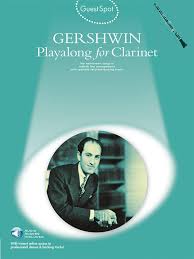
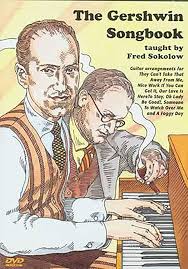
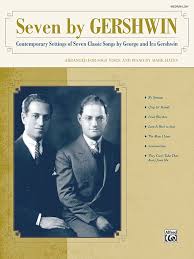

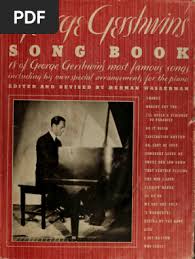


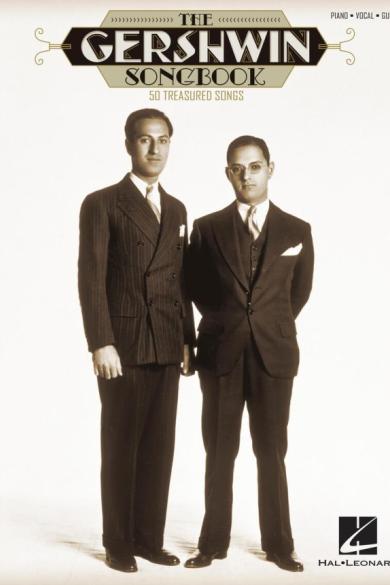
The best sheet music download from our Library.
George Gershwin: The Composer Who Made America Sing
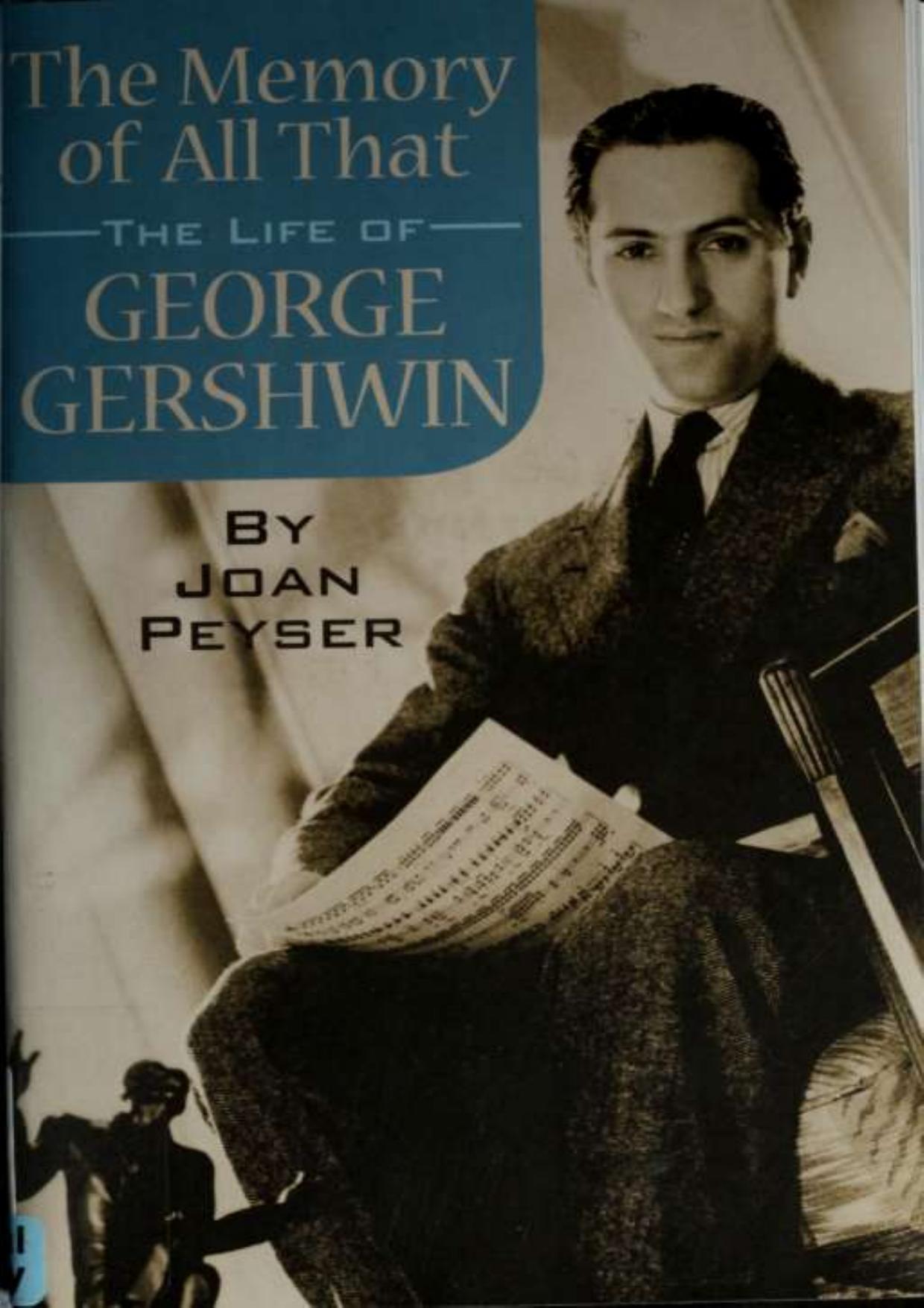
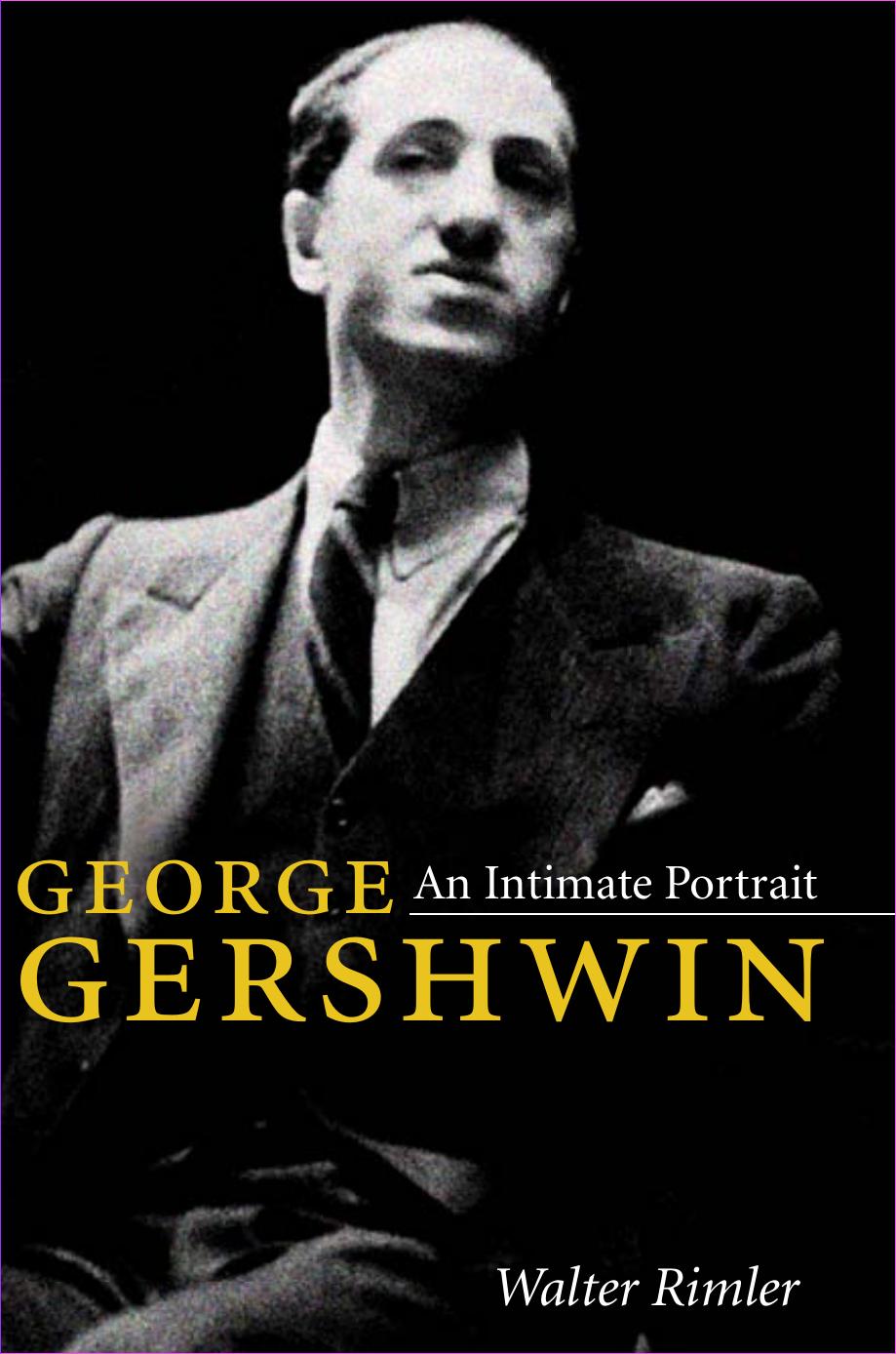
Born Jacob Gershwine on September 26, 1898, in the Snediker Avenue apartment of a Russian-Jewish immigrant family in Brooklyn, George Gershwin would become the single most important figure in the creation of a distinctly American musical voice. In a career that lasted barely two decades before his death at thirty-eight from a brain tumor, Gershwin bridged the worlds of Tin Pan Alley, Broadway, the concert hall, and Hollywood with a fluency that no composer before or since has matched. He was, as Arnold Schoenberg eulogized, an innovator whose contributions to rhythm, harmony, and melody were “not simple craftsmanship” but “absolutely authentic”. His music—from the clarinet glissando that opens Rhapsody in Blue to the lullaby of Summertime—remains the sound of American possibility.
From the Streets of Brooklyn to Tin Pan Alley
Gershwin’s parents, Morris Gershowitz and Rose Bruskina, had fled the anti-Jewish pogroms of the Russian Empire, settling in New York’s Lower East Side before moving to Brooklyn. Young George was anything but a model student; his family was astonished to discover that he had been secretly teaching himself to play his older brother Ira’s piano by ear. At fourteen, he dropped out of high school to become a “song plugger” in Tin Pan Alley, demonstrating sheet music for potential buyers. The work was grueling but invaluable: it immersed him in the popular song forms that would later become his native language.
His first published song, “When You Want ’Em, You Can’t Get ’Em; When You Have ’Em, You Don’t Want ’Em,” appeared in 1916 and attracted little attention. The breakthrough came in 1919 with “Swanee,” a jaunty number with lyrics by Irving Caesar that Al Jolson turned into a national sensation. Gershwin was twenty-one, and he had already learned what would define his career: the ability to write music that was simultaneously sophisticated and irresistible.
Search your favorite sheet music in the Sheet Music Library Catalog
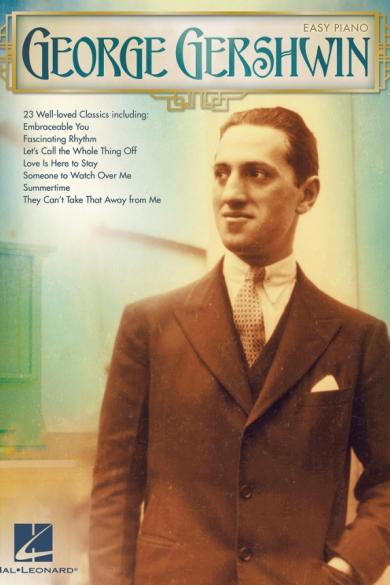
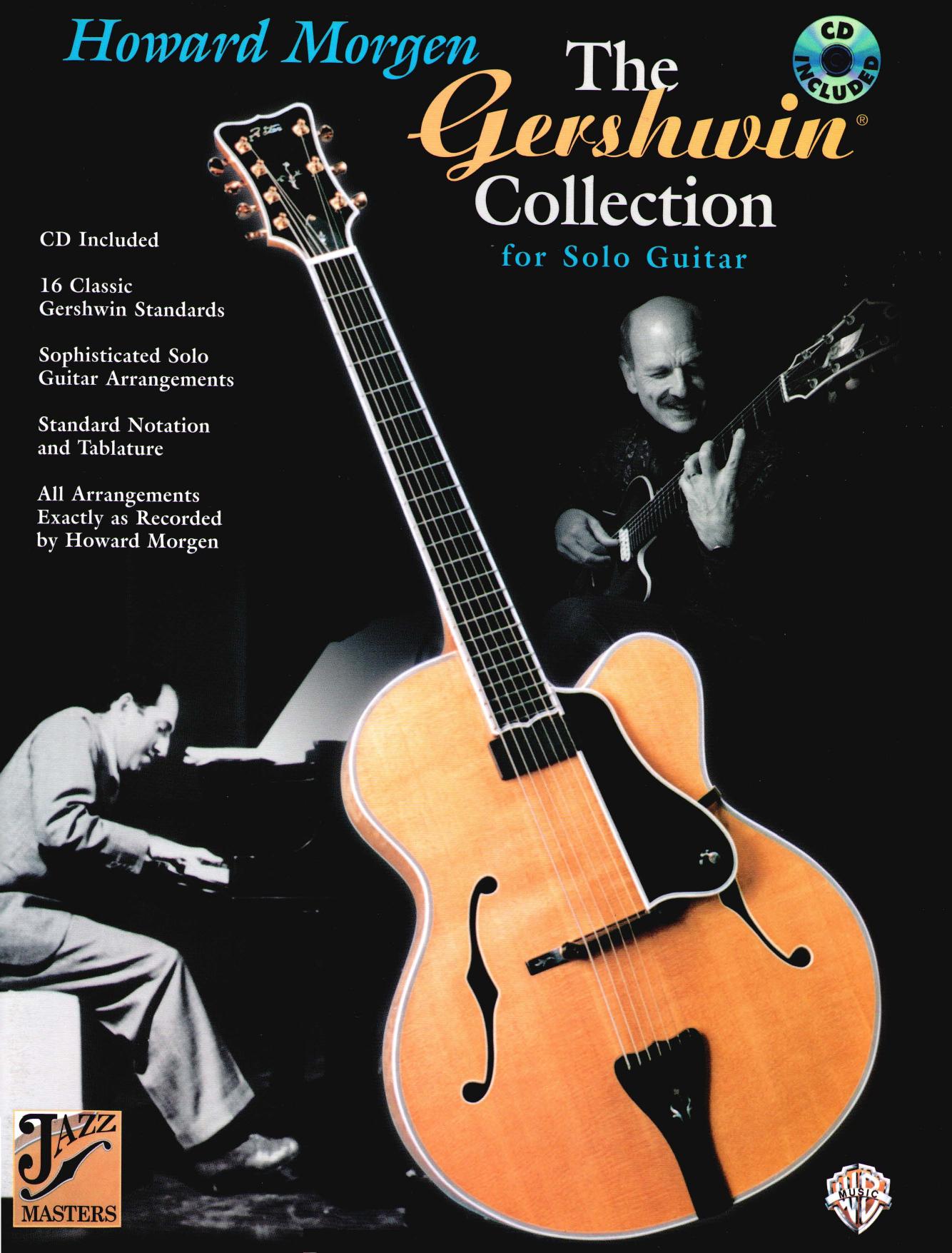
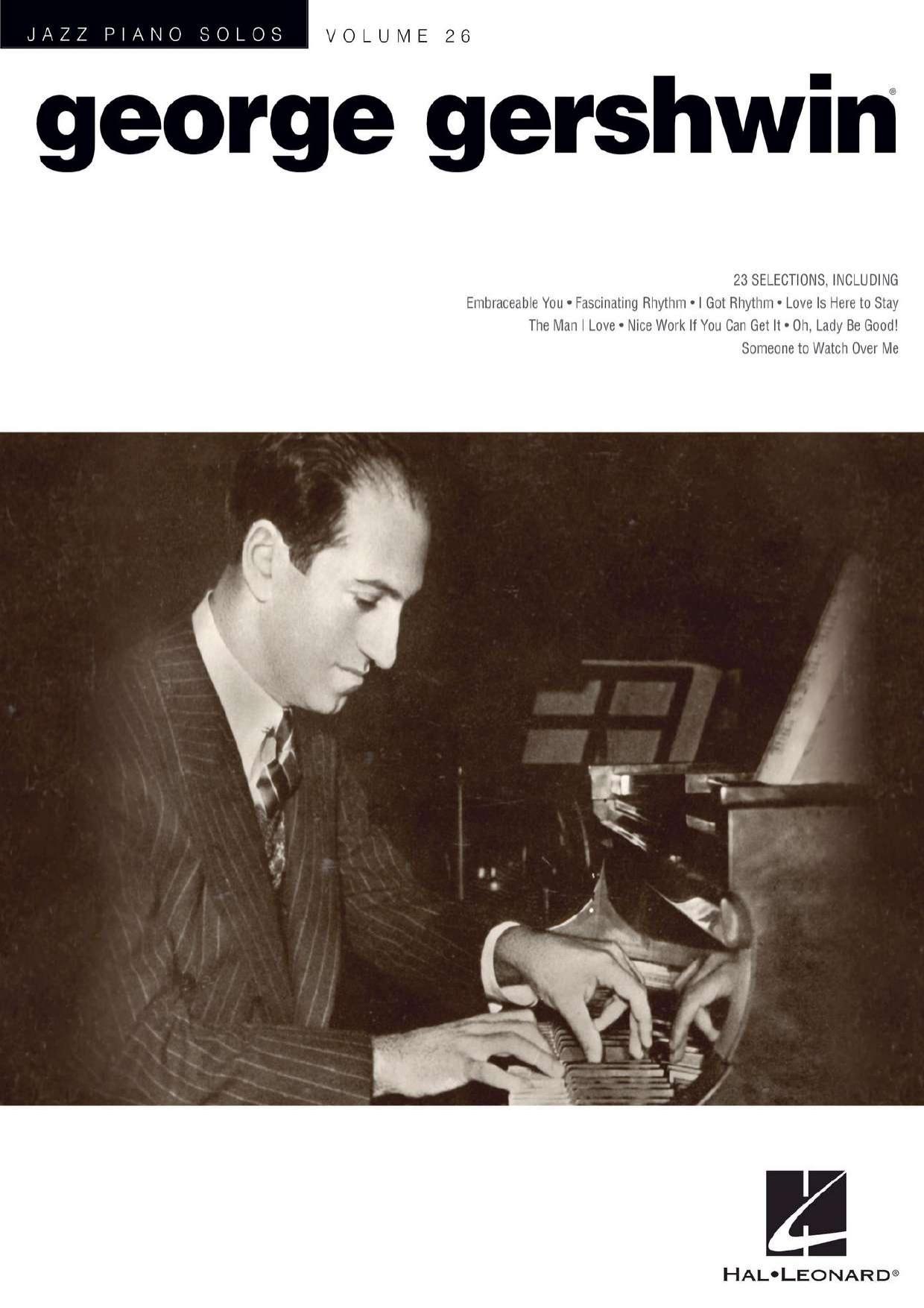
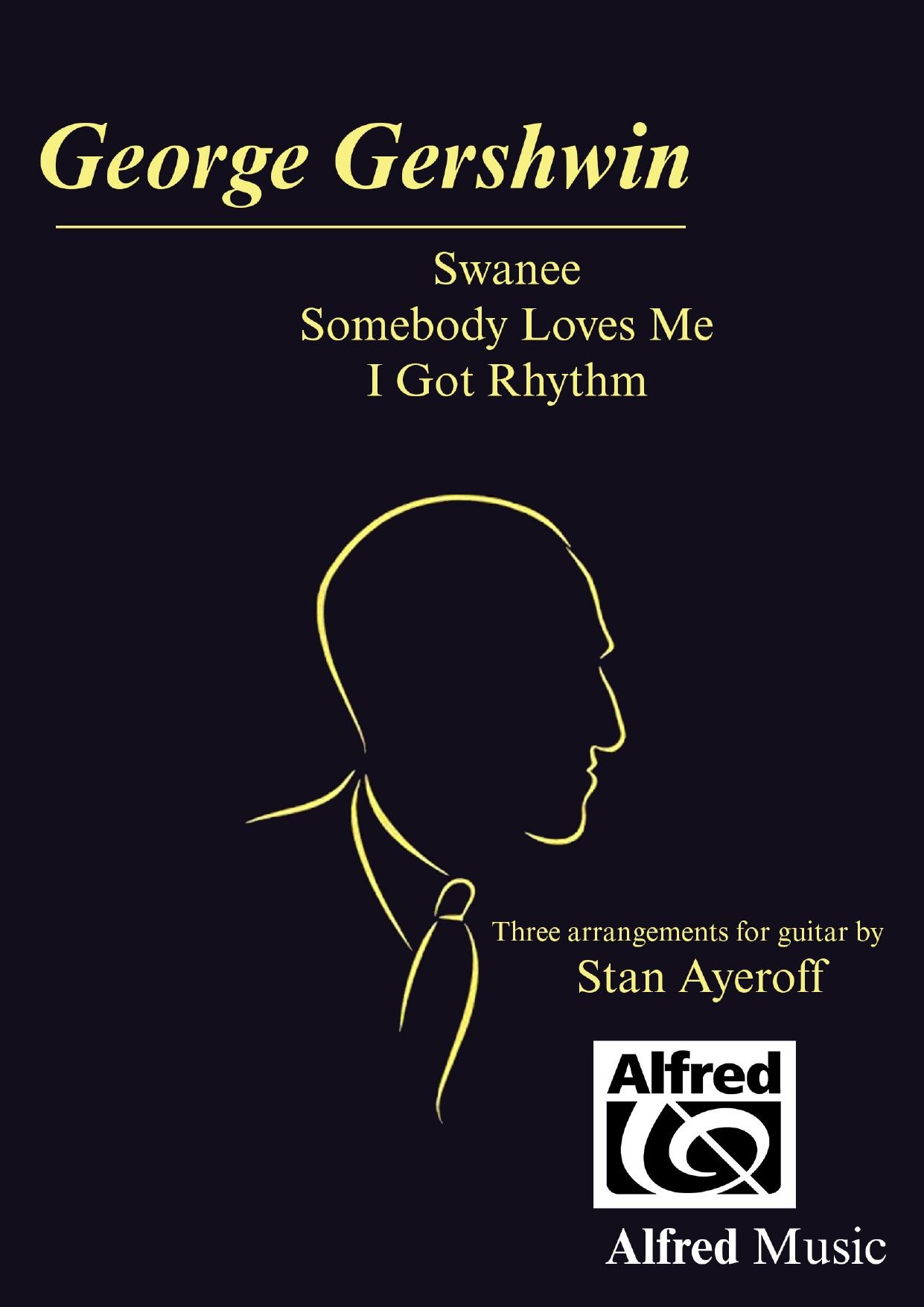
The Gershwin Brothers and the Broadway Revolution
The decisive partnership of Gershwin’s life was with his brother Ira, a lyricist of extraordinary wit and precision. Their first major collaboration, Lady, Be Good! (1924), starring Fred and Adele Astaire, announced a new kind of American musical comedy. Songs like “Fascinating Rhythm” and “The Man I Love” combined George’s syncopated, harmonically adventurous melodies with Ira’s colloquial yet elegant lyrics, creating a template that would dominate Broadway for a decade. Over the next thirteen years, the Gershwin brothers wrote more than a dozen shows, including Oh, Kay! (1926), Funny Face (1927), Girl Crazy (1930), and Of Thee I Sing (1931), which became the first musical comedy to win the Pulitzer Prize for Drama.
What set the Gershwins apart was their ambition. Even in their lightest comedies, they pushed against the conventions of the form. Strike Up the Band (1927, revised 1930) and Let ’Em Eat Cake (1933) were biting political satires that used the musical stage as a platform for social criticism. Ira’s lyrics could be tender or sardonic; George’s music could swing or swoon. Together they made the American musical a serious art form without ever losing its popular appeal.

The Concert Works: Jazz Enters the Concert Hall
Gershwin’s ambitions extended far beyond Broadway. He studied piano with Charles Hambitzer and composition with Rubin Goldmark, Henry Cowell, and Joseph Brody, but his most important teacher was the city itself—the rhythms of Harlem stride pianists, the blues he heard in nightclubs, the klezmer inflections of his immigrant neighborhood. When Paul Whiteman commissioned him to write an original work for a “concert of modern music” at Aeolian Hall in February 1924, Gershwin, then absorbed in a musical comedy, dashed off Rhapsody in Blue in a matter of weeks.
The premiere was a watershed. With its wailing clarinet opening, its lush orchestral textures, and its jazz-inflected piano writing, Rhapsody in Blue demonstrated that a serious concert work could be built on popular idioms without apology. Gershwin himself played the piano part, and the piece became an instant sensation. It opened what one critic called “a new era in American music”.
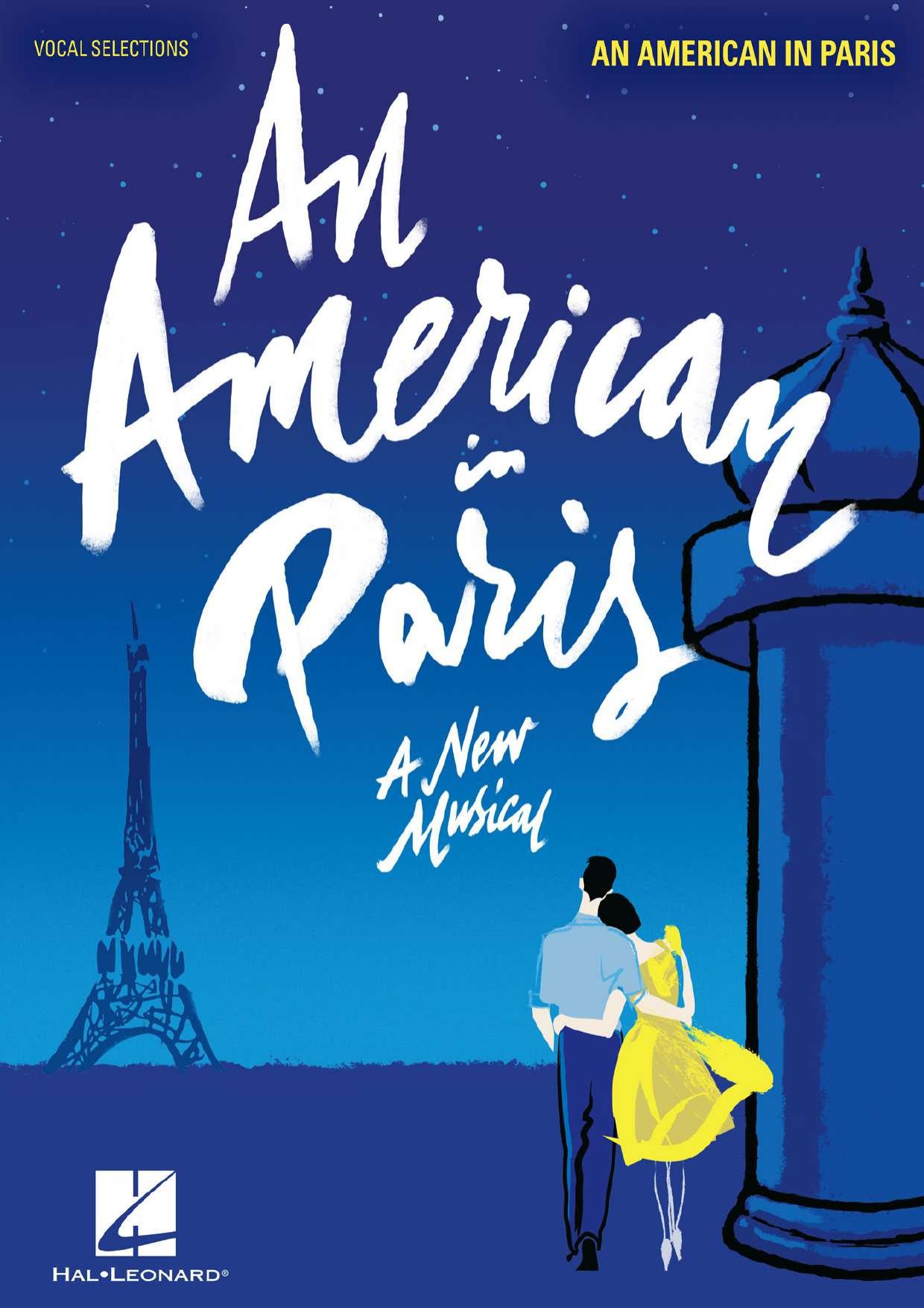
He followed with Concerto in F (1925), commissioned by Walter Damrosch and the New York Symphony Society, which many consider his finest orchestral work. An American in Paris (1928), inspired by his time in the French capital, painted a buoyant portrait of a traveler’s impressions—taxi horns, café melodies, and a homesick blues—with an orchestral brilliance that rivaled Ravel and Stravinsky. Second Rhapsody (1931) and Cuban Overture (1932), written after a visit to Havana, further expanded his palette, absorbing Afro-Cuban rhythms with the same ease he had brought to jazz.
Porgy and Bess: The Folk Opera

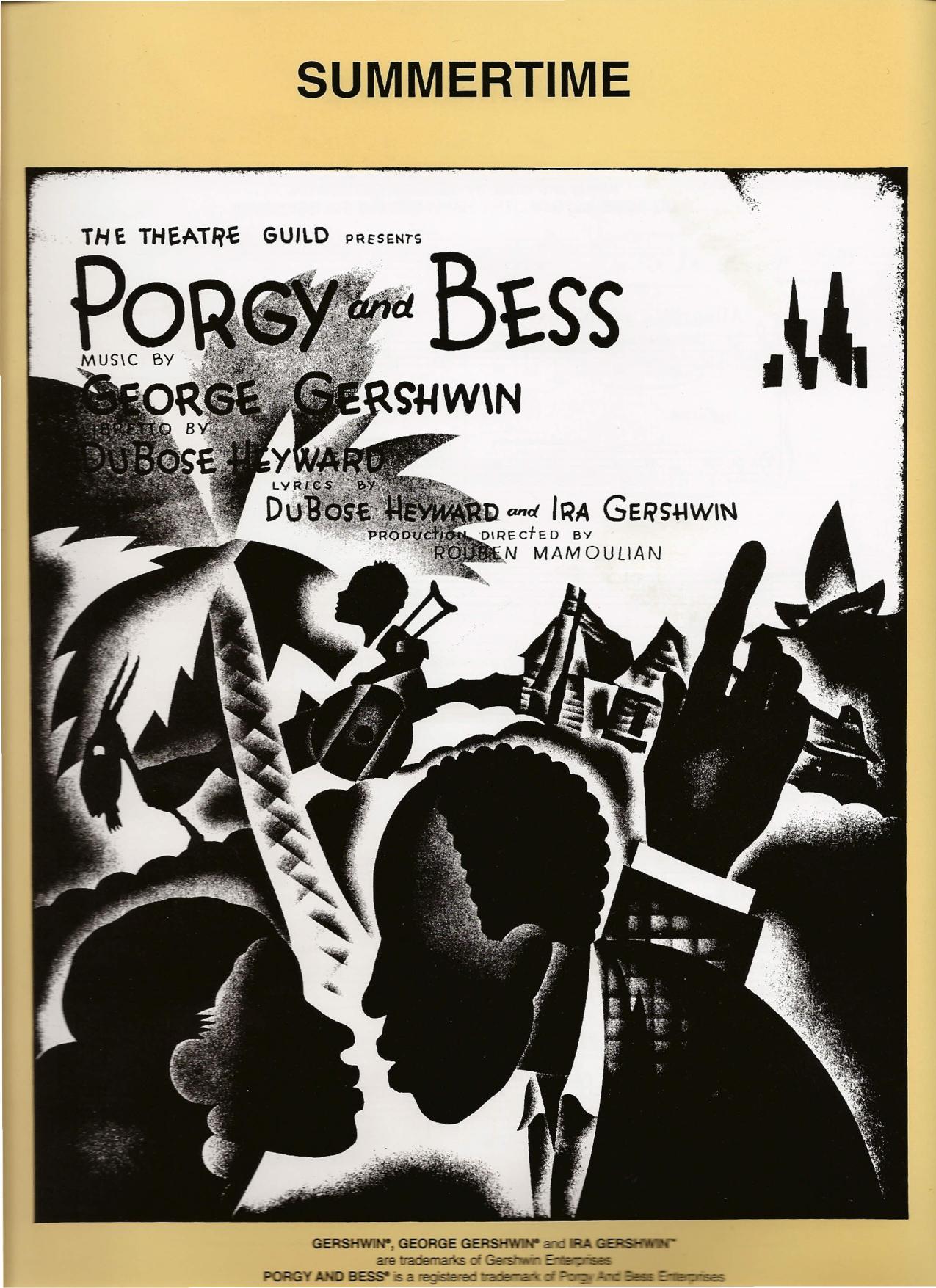
Gershwin’s most ambitious undertaking was Porgy and Bess, a “folk opera” based on DuBose Heyward’s novel about a disabled beggar in the Gullah community of Charleston, South Carolina. Gershwin had read the novel in 1926 and recognized it immediately as the perfect vehicle for an opera that would use blues, spirituals, and jazz as its musical foundation. He spent two months in 1934 on Folly Island, near Charleston, absorbing the sounds and speech patterns of the Gullah people.
The result, premiered in Boston in September 1935 and on Broadway the following month, was unlike anything American opera had seen. Porgy and Bess integrated unforgettable songs—Summertime, Bess, You Is My Woman Now, It Ain’t Necessarily So, I Loves You, Porgy—into a dramatic structure of genuine operatic scope. The orchestration ran to nearly seven hundred pages. Gershwin insisted on a predominantly Black cast, a decision that was both artistically principled and politically courageous in the Jim Crow era; when the Metropolitan Opera offered him a $5,000 bonus to stage the work but refused to accept a Black cast, he declined.
Initially a commercial disappointment, Porgy and Bess has become one of the most important American operas of the twentieth century. It has been revived countless times, recorded in definitive versions by Miles Davis and Gil Evans, and continues to provoke debate about race, representation, and the ownership of American musical heritage.
Harmony and Style: The Gershwin Sound
Gershwin’s musical style defies easy categorization because it was never merely one thing. At its core lay a profound assimilation of African American musical idioms—ragtime, blues, stride piano, and the emergent language of jazz—into a harmonic vocabulary shaped by European Romanticism and early twentieth-century modernism. Schoenberg, no easy critic, praised the “intimate reason” of Gershwin’s melodies, noting that melody, harmony, and rhythm were “not casually welded together” but “absolutely authentic”.
His harmonic language was distinctive for its use of extended chords, chromatic mediants, and blues-inflected alterations. He freely employed dominant seventh chords with flattened sevenths and sharpened ninths, common in jazz and blues, and juxtaposed dominant harmonies with their tritone substitutions. His chord progressions often moved with a rhythmic acceleration that anticipated bebop: in songs like I Got Rhythm, he interposed chords between the tonic and subdominant, creating a harmonic density that jazz musicians would later streamline into the ubiquitous “rhythm changes”.
The “rhythm changes” progression—a thirty-two-bar AABA form in B-flat, derived from I Got Rhythm (1930)—became, alongside the twelve-bar blues, the foundational harmonic template for jazz improvisation. From Charlie Parker’s Anthropology to Thelonious Monk’s Rhythm-a-Ning, generations of jazz musicians built new melodies over Gershwin’s chords. The song’s original thirty-four-bar chorus, with its two-bar tag, was streamlined into a standard thirty-two-bar structure, but the essential harmonic architecture remained.
Gershwin’s melodic gift was equally singular. His tunes have a way of feeling inevitable, as if they had always existed. Someone to Watch Over Me, Embraceable You, The Man I Love, ’S Wonderful, A Foggy Day—these are not merely songs but standards, melodies that jazz musicians treat as vehicles for endless reinvention. His use of consecutive triads serving a melodic function, traceable to his earliest works, gave his music a surface simplicity that belied its underlying sophistication.
The Hollywood Years
In the early 1930s, the Gershwin brothers turned toward Hollywood as the film musical began to mature. Their first film, Delicious (1931), for Fox, included Blah, Blah, Blah, a parody of the empty chatter of talking pictures. But their most fruitful Hollywood period came in 1936–1937, when they wrote for Fred Astaire and Ginger Rogers. Shall We Dance (1937) yielded They Can’t Take That Away from Me, Let’s Call the Whole Thing Off, and the charming orchestral interlude Walking the Dog, written for a scene on an ocean liner’s deck. A Damsel in Distress (1937) gave Astaire the wistful A Foggy Day in London Town and the jaunty Nice Work If You Can Get It. The Goldwyn Follies (1938), released posthumously, contained Love Is Here to Stay and Our Love Is Here to Stay, among Gershwin’s last completed works.
Gershwin’s film music extended far beyond his lifetime. His songs and orchestral works became the backbone of later Hollywood productions. Vincente Minnelli’s An American in Paris (1951) won the Academy Award for Best Picture, built around Gershwin’s tone poem and featuring a ballet sequence set to his music. Woody Allen’s Manhattan (1979) used Rhapsody in Blue to unforgettable effect, and the Gershwin catalog remains a staple of film soundtracks from When Harry Met Sally to The Great Gatsby.
Collaborations and the Musical Community
Gershwin’s collaborations were not limited to his brother. He worked with lyricists Buddy DeSylva (I’ll Build a Stairway to Paradise), Irving Caesar (Swanee), and DuBose Heyward (Porgy and Bess). But his influence extended through the entire community of American songwriters. He was the “epicenter” of a circle that included Irving Berlin, Jerome Kern, Cole Porter, Harold Arlen, Hoagy Carmichael, Oscar Levant, and Kay Swift. His generosity toward younger composers was legendary. Arthur Schwartz recalled Gershwin’s reaction to his songs as “the warmest, most encouraging I had yet received”. Burton Lane remembered how Gershwin would play his latest tunes with him, offering advice and enthusiasm in equal measure. Kay Swift, who became Gershwin’s close companion and musical confidante, said simply, “I never saw a composer who cared that much about everybody else’s music”.
In the classical world, Gershwin’s relationships were more complicated. He sought lessons from Nadia Boulanger and Maurice Ravel, both of whom refused him—Boulanger feared that rigorous classical training would ruin his jazz-inflected style, and Ravel reportedly asked, “Why be a second-rate Ravel when you can be a first-rate Gershwin?”. He studied with Henry Cowell and later with Joseph Schillinger, whose mathematical system of composition influenced the I Got Rhythm Variations and parts of Porgy and Bess. But his most important musical education came from the jazz musicians he admired and the popular songwriters he counted as friends.
Influences and Legacy
Gershwin’s influences were as varied as his output. He revered Jerome Kern and Irving Berlin as the “two heroes of his youth,” and his music absorbed the syncopation of ragtime, the blue notes of the blues, and the harmonic adventurousness of Debussy, Ravel, and Stravinsky. He was also a product of the Yiddish theater and the cantorial melodies of his immigrant childhood, though he rarely acknowledged those roots explicitly.
His legacy is immense and ongoing. He is often described as a “quintessentially American composer,” and with good reason: his music captured the mechanistic pulse of modern life, the optimism of the Jazz Age, and the tragedies of the Depression with equal fidelity. He broke new ground in music business practices, embracing radio (his 1934 series Music By Gershwin on NBC) and film at a time when many composers kept their distance from mass media. His music confronted race during the Jim Crow era, and Porgy and Bess continues to engage with issues of race and representation today.
In the concert hall, Gershwin’s works have become standard repertoire. Rhapsody in Blue is performed thousands of times each year; An American in Paris and Concerto in F are staples of orchestral programs worldwide. In jazz, his songs are foundational: I Got Rhythm, Embraceable You, The Man I Love, and Summertime are among the most recorded songs in the history of the music. In popular music, his melodies have been sung by everyone from Ella Fitzgerald to Frank Sinatra to Willie Nelson. On Broadway, My One and Only (1983) and Crazy for You (1992), both built from Gershwin songs, ran for years.
George Gershwin, the musician, the man
Gershwin was also a talented painter, though he rarely exhibited his work. He was a charismatic and gregarious figure, known for his love of parties, his generosity, and his restless creative energy. He never married, though he had several significant relationships, most notably with Kay Swift, who remained a close friend and musical collaborator until his death. His death at thirty-eight from a glioblastoma multiforme shocked the world; the surgeon who operated on him, Walter Dandy, had been treating Gershwin for what were thought to be psychiatric symptoms, and the tumor was discovered only days before he died.
In 1937, Gershwin was working on a new opera based on the novel Sister Carrie and had plans for further film scores. His unfinished manuscripts and sketches, including the song Love Is Here to Stay, suggest that his creative powers were undiminished. He was buried in Westchester Hills Cemetery, New York, following a funeral that drew thousands of mourners.
George Gershwin’s music endures because it speaks in a language that is at once familiar and surprising, popular and profound. He took the sounds of the street—the syncopated rhythms, the blue notes, the slang and the swagger—and gave them the dignity of art without ever stripping them of their vitality. As Schoenberg wrote, “What he gave in rhythm, harmony, and melody is not simple craftsmanship”. It is, rather, the sound of America becoming itself, and it will continue to be heard as long as there are pianos to play and voices to sing.
Browse in the Sheet Music Library:
Or browse in the categories menus & download the Library Catalog PDF:
Compositions
Main article on Wikipedia: List of compositions by George Gershwin
Orchestral
- Rhapsody in Blue for piano and orchestra (1924)
- Concerto in F for piano and orchestra (1925)
- An American in Paris for orchestra (1928)
- Dream Sequence/The Melting Pot for chorus and orchestra (1931)
- Second Rhapsody for piano and orchestra (1931), originally titled Rhapsody in Rivets
- Cuban Overture for orchestra (1932), originally entitled Rumba
- March from "Strike Up the Band" for orchestra (1934)
- Variations on "I Got Rhythm" for piano and orchestra (1934)
- Catfish Row for orchestra (1936), a suite based on music from Porgy and Bess
- Shall We Dance (1937), a movie score feature-length ballet
Solo piano
- Three Preludes (1926)
- George Gershwin's Song-book (1932), solo piano arrangements of 18 songs
Operas
- Blue Monday (1922), one-act opera
- Porgy and Bess (1935) at the Colonial Theatre in Boston
London musicals
- Primrose (1924)
Broadway musicals
- George White's Scandals (1920–1924), featuring, at one point, the 1922 one-act opera Blue Monday
- Lady, Be Good (1924)
- Tip-Toes (1925)
- Tell Me More! (1925)
- Oh, Kay! (1926)
- Strike Up the Band (1927)
- Funny Face (1927)
- Rosalie (1928)
- Treasure Girl (1928)
- Show Girl (1929)
- Girl Crazy (1930)
- Of Thee I Sing (1931)
- Pardon My English (1933)
- Let 'Em Eat Cake (1933)
- My One and Only (1983), an original 1983 musical using previously written Gershwin songs
- Crazy for You (1992), a revised version of Girl Crazy
- Nice Work If You Can Get It (2012), a musical with a score by George and Ira Gershwin
- An American in Paris, a musical that ran on Broadway from April 2015 to October 2016
Films for which Gershwin wrote original scores
- Delicious (1931), an early version of the Second Rhapsody and one other musical sequence was used in this film, the rest were rejected by the studio
- Shall We Dance (1937), original orchestral score by Gershwin, no recordings available in modern stereo, some sections have never been recorded (Nominated- Academy Award for Best Original Song: They Can't Take That Away from Me)
- A Damsel in Distress (1937)
- The Goldwyn Follies (1938), posthumously released
- The Shocking Miss Pilgrim (1947), used previously unpublished Gershwin songs and melodies revised by Kay Swift, with revised and new lyrics by Ira
- Kiss Me, Stupid (1964), used previously unpublished Gershwin songs and melodies revised by Roger Edens, with revised and new lyrics by Ira
Search your favorite sheet music in the Sheet Music Library Catalog
George Gershwin: Rhapsody in Blue for Piano, Four Hands (arr. Henry Levine)
George Gershwin—beloved American composer of jazz, Broadway, and concert music—had five weeks to write his enduring masterwork Rhapsody in Blue for bandleader Paul Whiteman’s “An Experiment in Modern Music” concert in 1924. The composer sketched its iconic main theme on a train from New York to Boston. ARTISTS: Anne-Marie McDermott, piano; Zhu Wang, piano Recorded live in Alice Tully Hall on March 27, 2022.
Browse in the Sheet Music Library:
Or browse in the categories menus & download the Library Catalog PDF: