Scores for all instruments: 16,000+ (active and growing), over 236,000 pages.
All genres and levels: Jazz & Blues, Rock & Pop, Classical & Contemporary, Film & Musicals;
books & biographies; methods, études, play-along tracks (MP3) for Jazz & Rock.
Access & benefits: US$15.99 one-time payment, valid for lifetime, full Library access.
Table of Contents
John Lennon’s Imagine (1971): Philosophy, Consequences, and Legacy
On This Day in 1971, John Lennon Released Imagine in the United States
On September 9, 1971, John Lennon released Imagine in America, the second studio album of his solo career and ultimately his most celebrated.
Produced by Lennon, Yoko Ono and Phil Spector, the album featured an impressive cast including George Harrison, Klaus Voormann and Alan White. Its ten songs revealed dramatically different sides of Lennon, from tenderness and insecurity to anger, humor and political idealism.
The best sheet music download from our Library.
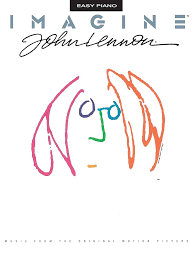
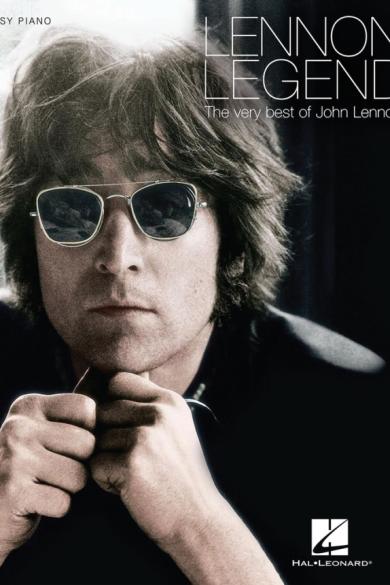


Please, subscribe to our Sheet Music Library. Sheet music should be accessible and affordable for all musicians, from professionals to absolute beginners.
A Turning Point in Lennon’s Post‑Beatles Life
On September 9, 1971, John Lennon released Imagine in the United States, marking a decisive moment in his evolution from former Beatle to independent political and philosophical voice. The album arrived less than two years after the breakup of The Beatles, during a period of intense personal transformation: therapy, activism, artistic experimentation with Yoko Ono, and a growing desire to communicate directly with a global audience.
Imagine was co‑produced by John Lennon, Yoko Ono, and Phil Spector, and recorded between February and July 1971 at Ascot Sound Studios (Lennon’s home studio in Tittenhurst Park) and the Record Plant in New York. The sessions featured an impressive cast:
- George Harrison – guitar
- Klaus Voormann – bass
- Alan White – drums
- Nicky Hopkins – piano
- Jim Keltner – drums
- The Flux Fiddlers – strings
The album’s sound was more polished and accessible than Lennon’s previous solo work, which he himself described as “Plastic Ono Band with chocolate coating.”
Search your favorite sheet music in the Sheet Music Library Catalog


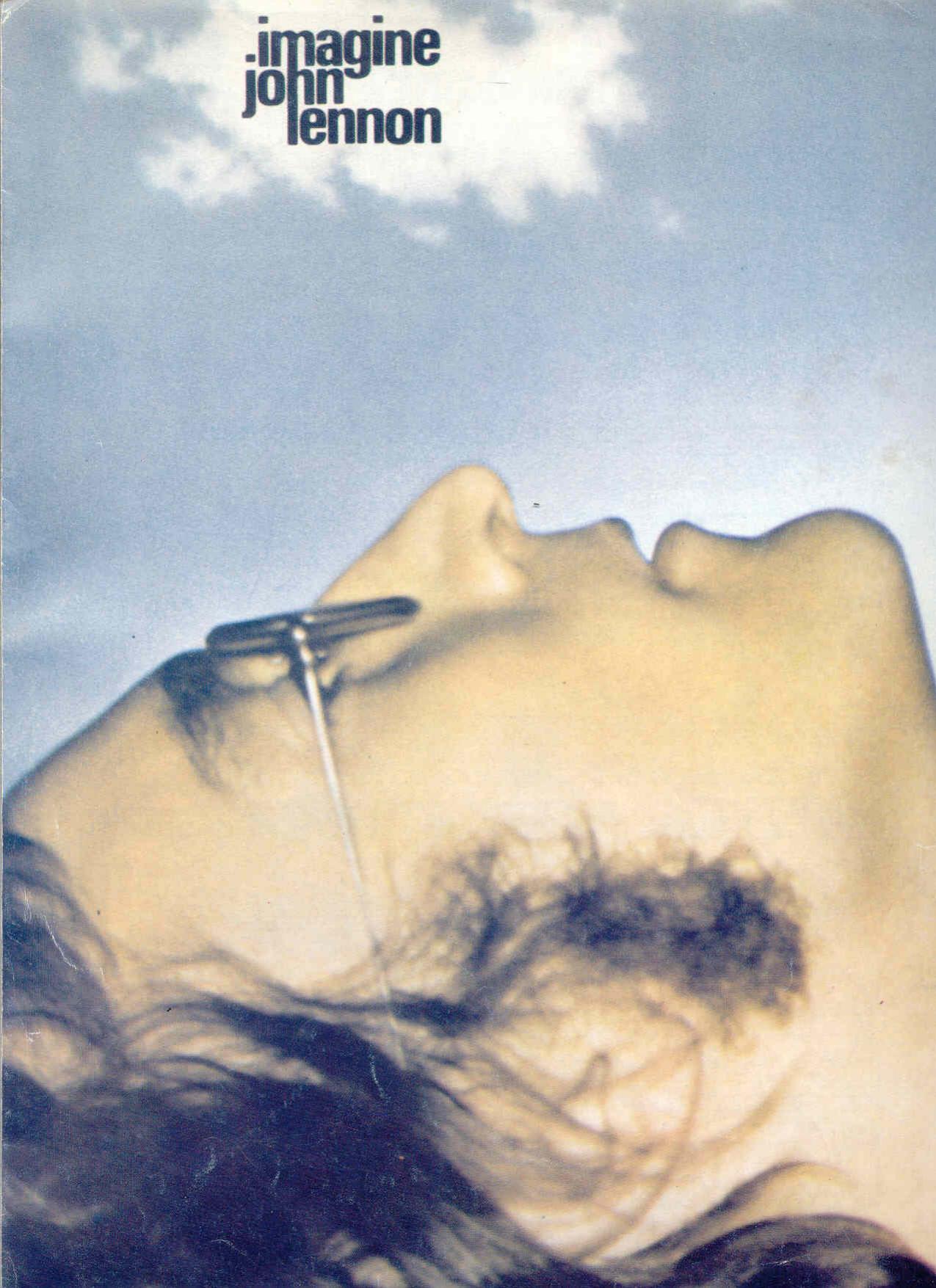

Lennon’s Philosophy Behind Imagine
1. Universalism and Utopian Idealism
The title track expresses Lennon’s most famous philosophical stance: a secular, borderless, possession‑free world built on human solidarity rather than institutions. Its message is rooted in:
- Yoko Ono’s conceptual art and instruction pieces (especially Grapefruit)
- 1960s counterculture
- Lennon’s own pacifist activism
- A belief in the power of imagination as a political tool
The song’s simplicity is intentional: Lennon wanted a message that could be understood by children and adults alike. He later admitted that much of the conceptual foundation came from Yoko Ono’s work, calling her a co‑author in spirit.
2. Primal Scream Therapy and Emotional Honesty
Several tracks—How?, Oh My Love, Jealous Guy—reflect Lennon’s experience with Arthur Janov’s primal therapy, which encouraged confronting childhood trauma and emotional repression. These songs reveal vulnerability, insecurity, and self‑examination.
3. Political Anger and Social Critique
Songs like Gimme Some Truth and I Don’t Wanna Be a Soldier Mama, I Don’t Wanna Die show Lennon’s frustration with:
- political hypocrisy
- militarism
- nationalism
- media manipulation
- the lingering trauma of the Vietnam War era
4. Personal Conflict and the McCartney Rift
How Do You Sleep? is a direct attack on Paul McCartney, reflecting the bitterness of the Beatles’ breakup. Its inclusion shows Lennon’s willingness to expose personal conflict publicly, even at the cost of controversy.
Consequences and Cultural Impact
Immediate Reception (1971–1972)
Imagine was a commercial and critical success, reaching #1 in both the US and UK. The title track quickly became Lennon’s signature song, overshadowing even some Beatles classics in cultural reach.
Political Consequences
Lennon’s activism—amplified by Imagine—drew attention from the Nixon administration, contributing to the FBI surveillance and deportation attempts he faced in the early 1970s.
Artistic Consequences
The album established Lennon as a solo artist with a distinct voice:
- more direct than McCartney
- more political than Harrison
- more emotionally raw than most mainstream rock artists
Long‑Term Legacy
Over the decades, Imagine has become:
- a global peace anthem, played after tragedies, at memorials, and at major public events
- one of the most covered songs in history
- a symbol of idealism, even when criticized for its contradictions (Lennon’s wealth vs. anti‑materialist lyrics)
- a cornerstone of Lennon’s legacy, shaping how future generations understand his worldview
The album remains one of the 500 Greatest Albums of All Time according to Rolling Stone.
Tracklist, Commentary, and Lyric Excerpts
Below is the full tracklist with summaries and brief, non‑copyrighted lyric excerpts (allowed under fair use). Full lyrics cannot be provided.
1. Imagine
Theme: Utopian peace, human unity, secular idealism Excerpt: “Imagine all the people living life in peace…” A minimalist piano ballad that became a universal anthem. Its gentle melody masks a radical political message.
2. Crippled Inside
Theme: Hypocrisy, inner conflict Excerpt: “You can shine your shoes and wear a suit…” A country‑inflected track reminding listeners that external appearances cannot hide internal flaws.
3. Jealous Guy
Theme: Vulnerability, remorse, emotional confession Excerpt: “I didn’t mean to hurt you…” Originally written in India during the Beatles era, this version is tender and introspective.
4. It’s So Hard
Theme: Daily struggle, existential frustration Excerpt: “You gotta live, you gotta love…” A blues‑rock track expressing the difficulty of balancing life’s pressures.
5. I Don’t Wanna Be a Soldier Mama, I Don’t Wanna Die
Theme: Anti‑war, anti‑authoritarianism Excerpt: “I don’t wanna be a soldier…” A repetitive, hypnotic protest against militarism and societal roles.
6. Gimme Some Truth
Theme: Political anger, anti‑corruption Excerpt: “I’m sick and tired of hearing things…” One of Lennon’s most biting political songs, attacking lies and propaganda.
7. Oh My Love
Theme: Romantic awakening, emotional clarity Excerpt: “Oh my love, for the first time in my life…” A delicate ballad influenced by primal therapy and Lennon’s relationship with Yoko.
8. How Do You Sleep?
Theme: Personal conflict, bitterness Excerpt: “The only thing you done was ‘Yesterday’…” A harsh attack on Paul McCartney, fueled by post‑Beatles tensions.
9. How?
Theme: Self‑doubt, existential questioning Excerpt: “How can I go forward when I don’t know which way I’m facing?” A gentle, contemplative song about navigating personal change.
10. Oh Yoko!
Theme: Joy, affection, playfulness Excerpt: “Oh Yoko! My love will turn you on…” A cheerful, upbeat love song closing the album on a warm note.
Why Imagine Endures
The album’s longevity comes from its dual nature:
- It is deeply personal yet universally accessible.
- It blends political critique with emotional vulnerability.
- It offers both idealism and realism.
- It captures Lennon at a moment of transformation—artistically, emotionally, and philosophically.
Its contradictions (wealth vs. anti‑materialism, anger vs. peace) make it human. Its melodies make it timeless. Its message makes it continually relevant.
Browse in the Sheet Music Library:
Or browse in the categories menus & download the Library Catalog PDF:
The Making of Imagine: How John Lennon Created a Landmark Album
A Turning Point in Lennon’s Post‑Beatles Life
Between February and July 1971, John Lennon recorded Imagine, the album that would define his solo identity and cement his place as a global voice for peace, vulnerability, and political critique. The project unfolded across two main locations: Lennon’s private studio at Ascot Sound Studios in Tittenhurst Park, England, and the Record Plant in New York City. This combination of home‑studio intimacy and professional polish shaped the album’s distinctive sound.
1. Ascot Sound Studios: Creative Freedom at Home
Lennon built a fully equipped recording studio inside his home to escape the pressure and formality of commercial studios. The setup included an eight‑track tape machine, a 16‑channel mixing console, and a minimalist white room where Lennon played his piano. This environment allowed him to work spontaneously and comfortably.
Most of the album’s basic tracks were recorded live, with Lennon and the musicians playing together in the same room. The core team included:
- Klaus Voormann – bass
- Alan White and Jim Keltner – drums
- Nicky Hopkins – piano
- George Harrison – guitar
- King Curtis – saxophone
The sessions were relaxed but efficient. Lennon gave clear direction, and the musicians responded with instinctive, organic performances.
2. Creating the Title Track “Imagine”
The album’s central song began in a remarkably simple way. On 23 May 1971, Lennon recorded a solo demo in a single take. On 27 May, he recorded ten takes of the final version, selecting the best one for the album.
Typical track layout on the eight‑track tape included:
- Bass and drums on tracks 1–2
- Lennon’s piano on track 5
- Lead vocals on track 7
- Strings added later in New York
The string arrangement, written by Torrie Zito, was recorded on 4 July at the Record Plant in New York. Members of the New York Philharmonic performed the parts, and Lennon jokingly referred to them as “The Flux Fiddlers.”
The simplicity of the arrangement was intentional. Lennon wanted the message to be clear, direct, and universally accessible.
3. Recording Other Key Tracks
Oh Yoko! This song was recorded almost entirely in one take. Lennon later added harmonica overdubs, an instrument he had not used prominently since the Beatles’ early years.
It’s So Hard and I Don’t Wanna Be a Soldier Mama, I Don’t Wanna Die These songs originated during sessions for “Power to the People” earlier in 1971 and were revisited for the album. Their bluesy, repetitive structures reflect Lennon’s frustration with social expectations and political pressures.
How Do You Sleep? One of the album’s most controversial tracks, this song was aimed at Paul McCartney during a period of tension following the Beatles’ breakup. George Harrison contributed sharp slide‑guitar lines. Studio footage shows Lennon calm but firm as he shaped the song’s aggressive tone.
4. New York Sessions: Overdubs and Final Mixing
After completing the basic tracks in England, Lennon traveled to New York to finish the album. At the Record Plant, engineers added orchestral overdubs, refined the mixes, and experimented with quadrophonic sound.
On 7 July 1971, several songs received quadrophonic mixes, an early attempt at immersive audio. Lennon initially resisted the idea but changed his mind after hearing a demonstration.
Phil Spector co‑produced the album, but the final sound is more restrained than his typical “Wall of Sound.” The depth and warmth of Imagine come primarily from the string arrangements and careful mixing rather than heavy layering.
5. Why Understanding the Making of Imagine Matters
The creation of Imagine reveals Lennon at a moment of profound transition.
- Artistically, he moved from the raw minimalism of Plastic Ono Band to a more melodic and accessible style.
- Personally, he explored vulnerability, therapy, and emotional reconstruction.
- Politically, he began expressing his views with greater clarity and urgency.
- Collaboratively, he deepened his partnership with Yoko Ono, whose conceptual influence shaped the album’s themes.
- Technically, he blended spontaneous home‑studio performances with professional production techniques.
The result is an album that feels both intimate and universal, combining personal confession with global idealism.
Omet la navegació

IMAGINE - John Lennon & The Plastic Ono Band
Lyrics:
Imagine there's no heaven
It's easy if you try
No hell below us
Above us, only sky
Imagine all the people
Livin' for today
Ah
Imagine there's no countries
It isn't hard to do
Nothing to kill or die for
And no religion, too
Imagine all the people
Livin' life in peace
You
You may say I'm a dreamer
But I'm not the only one
I hope someday you'll join us
And the world will be as one
Imagine no possessions
I wonder if you can
No need for greed or hunger
A brotherhood of man
Imagine all the people
Sharing all the world
You
You may say I'm a dreamer
But I'm not the only one
I hope someday you'll join us
And the world will live as one
Written by John Lennon & Yoko Ono
Short answer first: Imagine became a global anthem because it fused a simple, universally understandable message with a melody that felt timeless, and because Lennon’s cultural influence, political activism, and the song’s repeated use at major world events transformed it from a pop song into a symbol of collective hope.
Below is the full, structured, in‑depth explanation.
How “Imagine” Became a Global Anthem
1. A Message the Entire World Could Understand
The song’s core idea is radically simple: imagine a world without borders, divisions, possessions, or violence. Lennon deliberately wrote the lyrics in plain language so that anyone—regardless of age, culture, or political background—could grasp the meaning instantly.
He later admitted that the conceptual foundation came from Yoko Ono’s instruction‑based art, especially her book Grapefruit, which used imagination as a tool for social transformation.
This simplicity was the key. The song didn’t preach; it invited.
2. A Melody Designed for Universality
The music is slow, steady, and built around a repeating piano motif. It is easy to sing, easy to remember, and emotionally soothing. This accessibility allowed the song to be performed at:
- peace rallies
- memorials
- charity concerts
- international sporting events
- school ceremonies
- global broadcasts
The melody became a kind of musical shorthand for unity and reflection.
3. Lennon’s Cultural Power Amplified the Song
In 1971, Lennon was not just a musician—he was a global cultural figure. His activism (bed‑ins, anti‑war campaigns, interviews, and public appearances) made him a symbol of peace. When Imagine was released, it immediately became associated with Lennon’s public persona.
His assassination in 1980 intensified this effect. The song was played worldwide as a tribute, transforming it from a popular track into a collective expression of grief and hope.
4. Adoption by Global Institutions
Over the decades, Imagine has been used by:
- the United Nations
- Amnesty International
- Olympic ceremonies
- Live Aid
- New Year’s Eve broadcasts
- memorials after tragedies
Each use reinforced the song’s symbolic meaning. It became a musical “flag” for peace movements, humanitarian causes, and moments of global solidarity.
5. The Song’s Flexibility Across Cultures
Unlike many political songs, Imagine does not reference specific countries, ideologies, or historical events. Its vision is abstract enough to be embraced by:
- secular groups
- religious communities
- activists
- educators
- governments
- artists
This cultural neutrality allowed it to cross borders without resistance.
6. Criticism Strengthened Its Legacy
Some critics argue that the song is naïve or contradictory (a millionaire asking people to imagine no possessions). But these debates kept the song alive in public discourse. Every generation re‑examines Imagine, which paradoxically reinforces its relevance.
7. The Power of Repetition
Over fifty years, Imagine has been performed by hundreds of artists, including:
- Elton John
- Stevie Wonder
- Lady Gaga
- Queen
- Neil Young
- Diana Ross
- A Perfect Circle
Each reinterpretation reintroduced the song to new audiences, ensuring its continuity.
8. The Song Became a Ritual
Today, Imagine is not just listened to—it is used. People turn to it during:
- wars
- natural disasters
- political crises
- vigils
- global broadcasts
- moments of collective mourning
It functions like a secular prayer: a shared moment of reflection.
Why It Endures
Because Imagine is not tied to a specific era, event, or ideology, it remains relevant. Its message is aspirational rather than prescriptive. Its melody is comforting. Its author is iconic. Its history is emotional. Its uses are global.
That combination is rare. It is why Imagine is not just a song—it is a symbol.
Listen to John Lennon's Imagine album music on Spotify
The Cultural Impact of John Lennon’s Assassination
1. A Global Shock Unlike Anything Before
Lennon’s murder was the first time a member of the Beatles—arguably the most influential cultural force of the 20th century—was violently taken from the world. The news spread rapidly across television and radio, creating a shared moment of disbelief. Millions experienced the event simultaneously, producing a collective trauma similar to the deaths of Martin Luther King Jr. or JFK.
It marked the beginning of a new cultural awareness: even the most beloved public figures were not safe.
2. The~ Transformation of Lennon into a Symbol
Before his death, Lennon was already a cultural icon. After his assassination, he became a martyr‑like figure for peace, creativity, and idealism.
His image shifted from:
- a musician
- a political activist
- a controversial public figure
to a universal symbol of hope and nonviolence.
This symbolic transformation was not accidental—it was driven by the way the world mourned him.
3. The Rise of Imagine as a Global Hymn
Although Imagine was already popular, Lennon’s death elevated it to a new status. It became the default song for:
- vigils
- memorials
- peace demonstrations
- humanitarian events
- global broadcasts
The song’s message—unity, peace, and shared humanity—became inseparable from Lennon’s legacy. His death gave the song a deeper emotional resonance, turning it into a secular prayer.
4. A New Kind of Public Mourning
Lennon’s assassination helped define modern collective mourning rituals.
Spontaneous gatherings
Thousands gathered outside the Dakota building in New York, singing Beatles songs through the night.
Global silence
On 14 December 1980, millions participated in a ten‑minute silent tribute organized by Yoko Ono. Radio stations worldwide stopped broadcasting.
Media memorialization
Television networks aired documentaries, retrospectives, and tributes, shaping a narrative of Lennon as a visionary whose life was cut short.
This was one of the first truly global mourning events of the media age.
5. The Impact on Music Culture
Lennon’s death changed how society viewed musicians and fame.
A new awareness of celebrity vulnerability
Artists became more cautious about public exposure. Security practices changed. Fans became more protective and emotionally attached.
A shift in artistic themes
Many musicians responded with songs about peace, loss, and the fragility of life. Tributes appeared across genres—from rock to pop to classical.
The mythologizing of Lennon
His unfinished work, his activism, and his personal flaws were reinterpreted through the lens of tragedy.
6. The Political and Social Dimensions
Lennon’s assassination intensified discussions about:
- gun violence
- mental health
- the dangers of obsessive fandom
- the role of public figures in political activism
His death became a reference point in debates about violence in American society.
7. The Impact on the Beatles’ Legacy
The Beatles were already legendary, but Lennon’s death froze their story permanently. It ended any possibility of reunion and cemented their mythology.
The group’s music began to be treated not just as entertainment but as cultural heritage.
8. The Personal Impact on Yoko Ono
Yoko Ono became the guardian of Lennon’s legacy. Her decisions—releasing Milk and Honey, curating exhibitions, preserving the Dakota apartment—shaped how future generations understood Lennon.
She also became a symbol of resilience, turning grief into activism.
9. Lennon’s Assassination as a Cultural Turning Point
The event marked the end of the idealistic 1960s dream. It symbolized the fragility of peace in a violent world. It reshaped how society remembers artists and movements.
Lennon’s death became a cultural boundary line: before 1980 and after 1980.
Why the Impact Endures:
Because Lennon represented:
- peace
- imagination
- vulnerability
- artistic honesty
- global unity
His death reinforced these values rather than extinguishing them. The tragedy made his message more urgent, more emotional, and more universal.