Scores for all instruments: 16,000+ (active and growing), over 236,000 pages.
All genres and levels: Jazz & Blues, Rock & Pop, Classical & Contemporary, Film & Musicals;
books & biographies; methods, études, play-along tracks (MP3) for Jazz & Rock.
Access & benefits: US$15.99 one-time payment, valid for lifetime, full Library access.
Table of Contents
Music History Events: Jazz albums recorded 2nd week of September in past years
Music History Events: Jazz albums recorded 2nd week of September:
Art Tatum - The Tatum Group Masterpieces, Vol. 5 (1955)
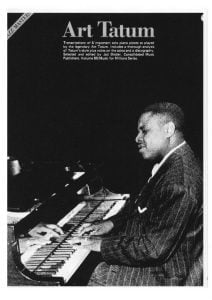
Volume No. 5 of the "The Tatum Group Masterpieces" series captures the meeting between the great piano master alongside Lionel Hampton, Harry Edison on trumpet, Buddy Rich on drums, Barney Kessel on guitar, and Red Callender on bass. This may not be the blind master's preferred musical formula, but Tatum stands out above everyone with magnificent power and style. And Hampton is formidable.
Please, subscribe to our Sheet Music Library. Sheet music should be accessible and affordable for all musicians, from professionals to absolute beginners.
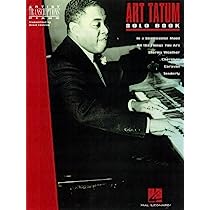
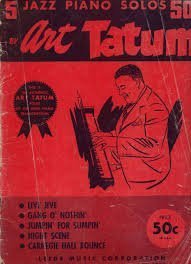
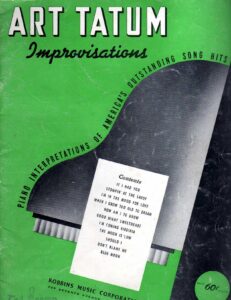


The best sheet music download from our Library.
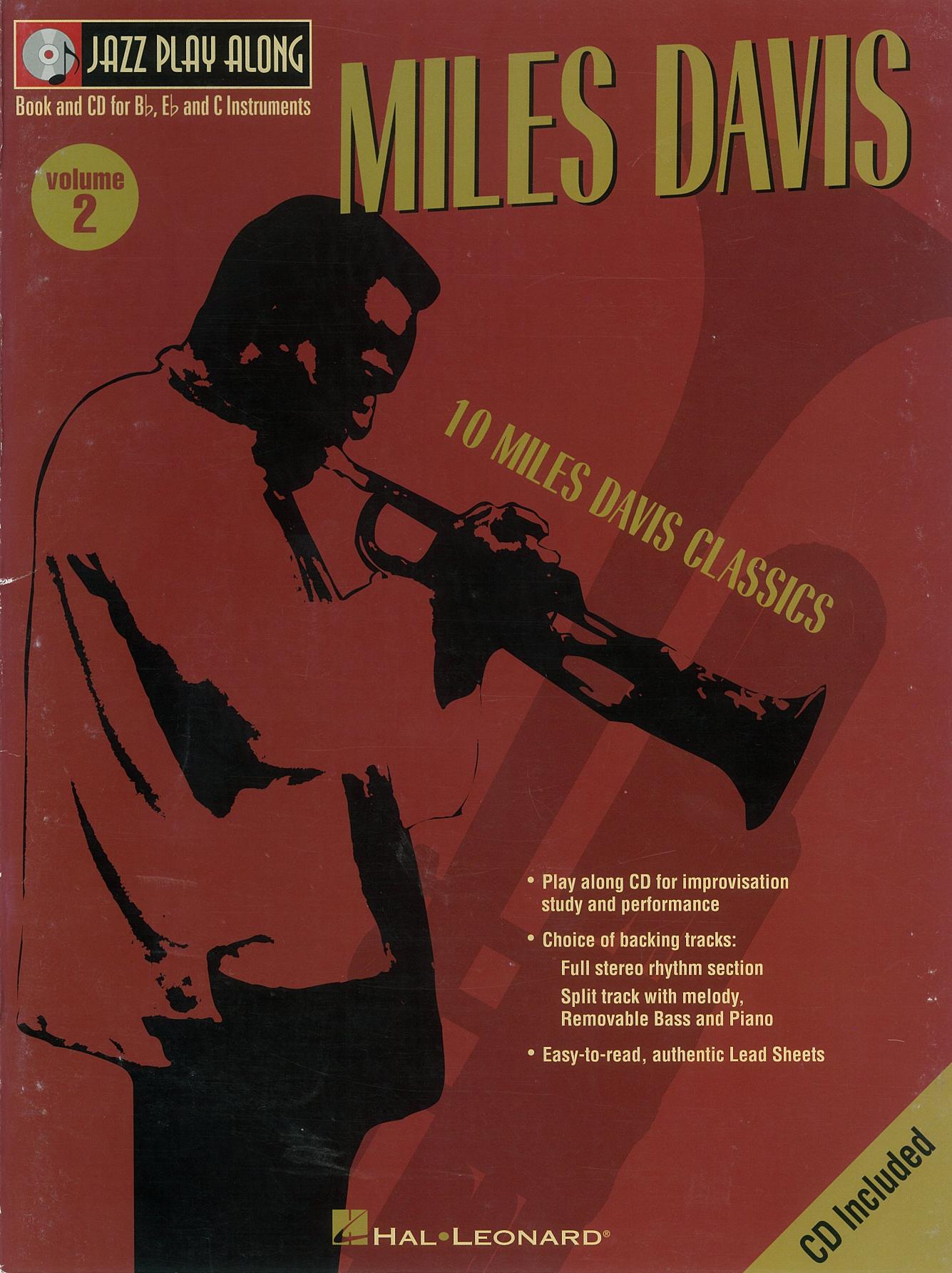
Miles Davis - Jazz at the Plaza, Vol 1 (1958)
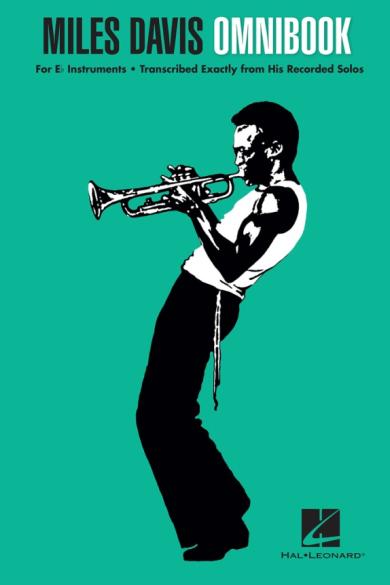
Jazz at the Plaza Vol. I is a live album by the Miles Davis Sextet. It was recorded in 1958 and released in 1973 by Columbia Records. Duke Ellington was recorded at the same event and released as the second volume (Jazz at the Plaza Vol. II).
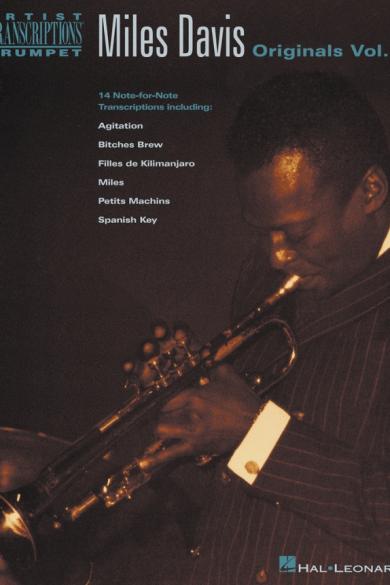
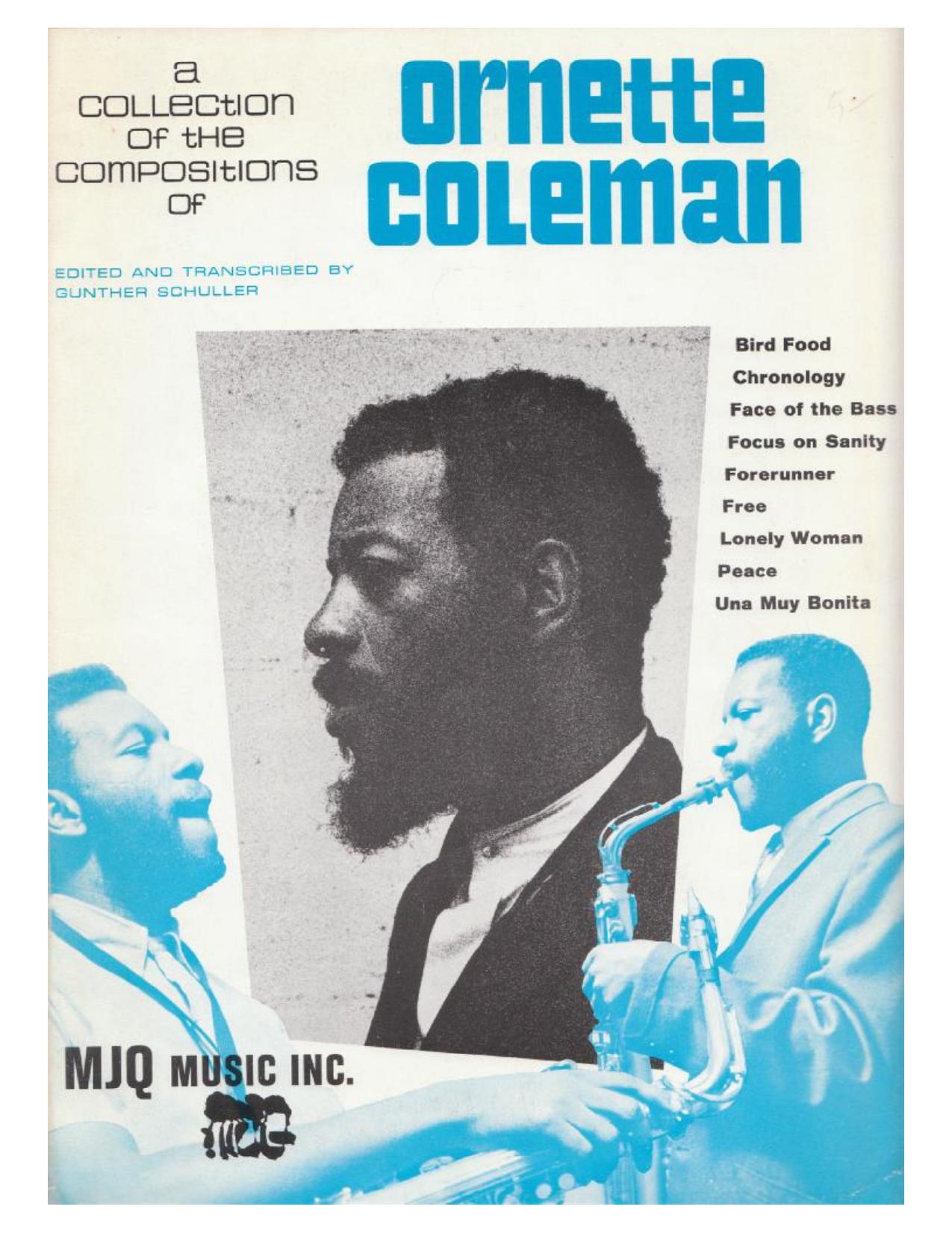
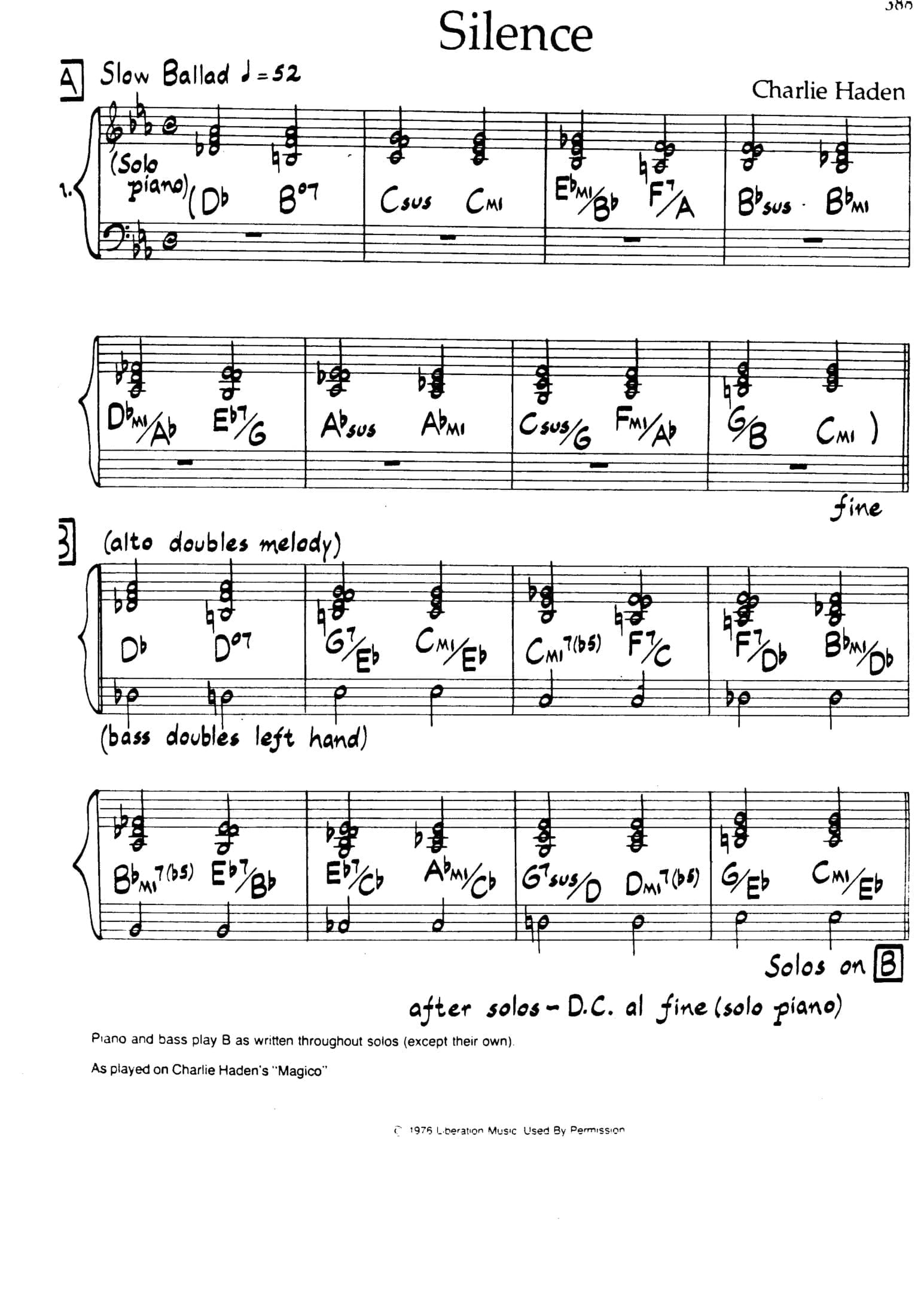
Search your favorite sheet music in the Sheet Music Library Catalog
Ornette Coleman - The Empty Foxhole (1966)
The Empty Foxhole is an album by the American jazz saxophonist and composer Ornette Coleman that was released on the Blue Note label in 1966. The album features Coleman's untutored violin and trumpet as well as performing on his usual instrument, the alto saxophone, and marks the recording debut of his drummer son Denardo Coleman, who was ten years of age at the time. The album cover features Coleman's own artwork.
Track listing
All compositions by Ornette Coleman
- "Good Old Days" – 6:52
- "The Empty Foxhole" – 3:22
- "Sound Gravitation" – 7:18
- "Freeway Express" – 8:20
- "Faithful" – 7:07
- "Zig Zag" – 5:57
Personnel
- Ornette Coleman - alto saxophone (tracks 1, 5, 6), trumpet (2, 4), violin (3)
- Charlie Haden - bass
- Denardo Coleman - drums
Miles Davis - 'Round About Midnight (1956)
'Round About Midnight is a studio album by the jazz trumpeter and composer Miles Davis with his quintet. It was released by Columbia Records in March 1957, and is Davis's first record on the label. The recording took place at Columbia's New York studio in three sessions between October 1955 and September 1956.
Track listing
Original release
| No. | Title | Writer(s) | Length |
|---|---|---|---|
| 1. | "'Round Midnight" | Thelonious MonkBernie HanighenCootie Williams | 5:58 |
| 2. | "Ah-Leu-Cha" | Charlie Parker | 5:53 |
| 3. | "All of You" | Cole Porter | 7:03 |
| No. | Title | Writer(s) | Length |
|---|---|---|---|
| 1. | "Bye Bye Blackbird" | Mort DixonRay Henderson | 7:57 |
| 2. | "Tadd's Delight" | Tadd Dameron | 4:29 |
| 3. | "Dear Old Stockholm" | TraditionalStan Getz (Arr.) | 7:52 |
Personnel
The Miles Davis Quintet
- Miles Davis – trumpet
- John Coltrane – tenor saxophone
- Red Garland – piano
- Paul Chambers – double bass
- Philly Joe Jones – drums



Pharoah Sanders Quintet (aka Pharoah's First) (1964)
Pharoah's First is the debut album by American free jazz saxophonist Pharoah Sanders, recorded in New York City at the loft of audio engineer Jerry Newman on September 10, 1964, and first released in 1965 on the ESP-Disk label. The album was originally issued with the title Pharaoh and was later re-released with the titles Pharoah Sanders Quintet and Pharaoh's First, and was also included in its entirety in the 2012 4-CD compilation In The Beginning 1963-1964.
Track listing
- "Seven by Seven" (Sanders) - 26:25
- "Bethera" (Sanders) - 23:44
Personnel
- Pharoah Sanders - tenor saxophone
- Stan Foster - trumpet
- Jane Getz - piano
- William Bennett - bass
- Marvin Pattillo - drums


Sonny Stitt - Pow! (1965)
Pow! is an album by saxophonist Sonny Stitt featuring trombonist Benny Green recorded in 1965 and released on the Prestige label in 1967.
Tracklist: A1 I Want To Be Happy 0:00:01 A2 Love On The Rocks 0:08:30 A3 Blue Lights 0:15:21 B1 Scramble 0:23:04 B2 Up And Over 0:30:00 B3 Pride And Passion 0:34:13 B4 'Nuff Guff 0:39:02
Personnel: Alto Saxophone – Sonny Stitt Bass – Herman Wright Design – Don Schlitten Drums – Roy Brooks Liner Notes [May 1966] – Michael Morgan (10) Piano – Kirk Lightsey Producer – Richard Carpenter (2) Trombone – Benny Green* Notes Recorded on September 10, 1965.

Miles Davis - Decoy (1983)
Decoy is a 1984 album by jazz musician Miles Davis, recorded in 1983. Keyboardist Robert Irving III and guitarist John Scofield wrote or co-wrote most of the new compositions. Saxophonist Branford Marsalis appears with the group on “Decoy”, “Code M.D.” and “That’s Right” playing soprano.
Track listing
- "Decoy" (Robert Irving III) - 8:33
- "Robot 415" (Miles Davis, Robert Irving III) - 0:59
- "Code M.D." (Robert Irving III) - 5:56
- "Freaky Deaky" (Miles Davis) - 4:30
- "What It Is" (Miles Davis, John Scofield) recorded live at the Festival International de Jazz, Montreal, 1983 - 4:32
- "That's Right" (Miles Davis, John Scofield) - 11:11
- "That's What Happened" (Miles Davis, John Scofield) recorded live at the Festival International de Jazz, Montreal, 1983 - 3:31
Personnel
- Miles Davis – trumpet, synthesizers (2, 4–7), arrangements (2, 5–7)
- Robert Irving III – synthesizers (1–3, 6), electric drum programming and arrangements (1–3), synth bass (2)
- John Scofield – guitars (1, 3, 5–7)
- Darryl "The Munch" Jones – electric bass (1, 3–7)
- Al Foster – drums (1, 3–7)
- Mino Cinelu – percussion
- Branford Marsalis – soprano saxophone (1, 3, 6)
- Bill Evans – soprano saxophone (5, 7)
- Gil Evans – arrangements (6)
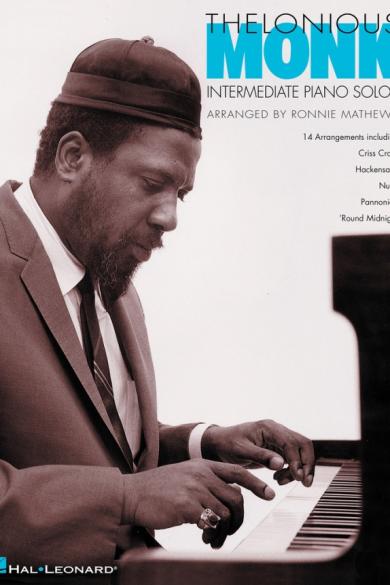
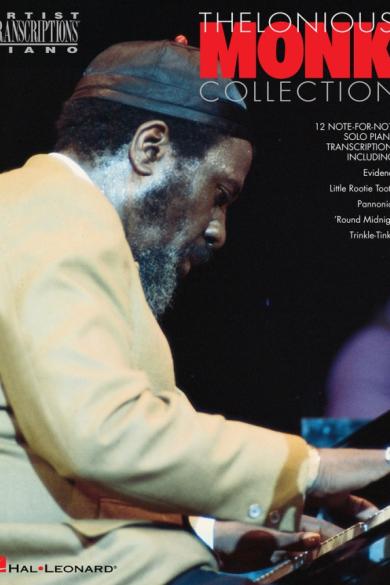
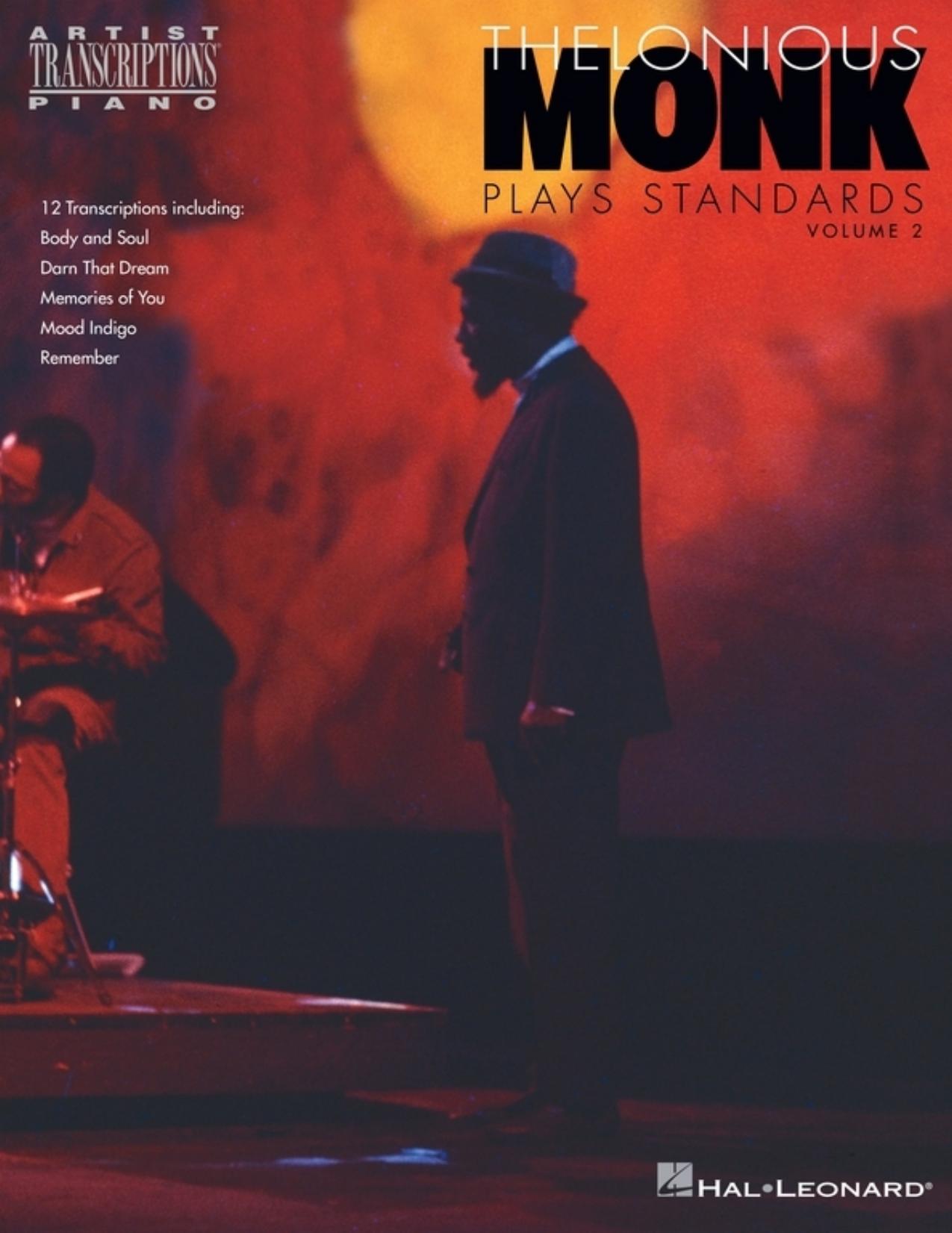
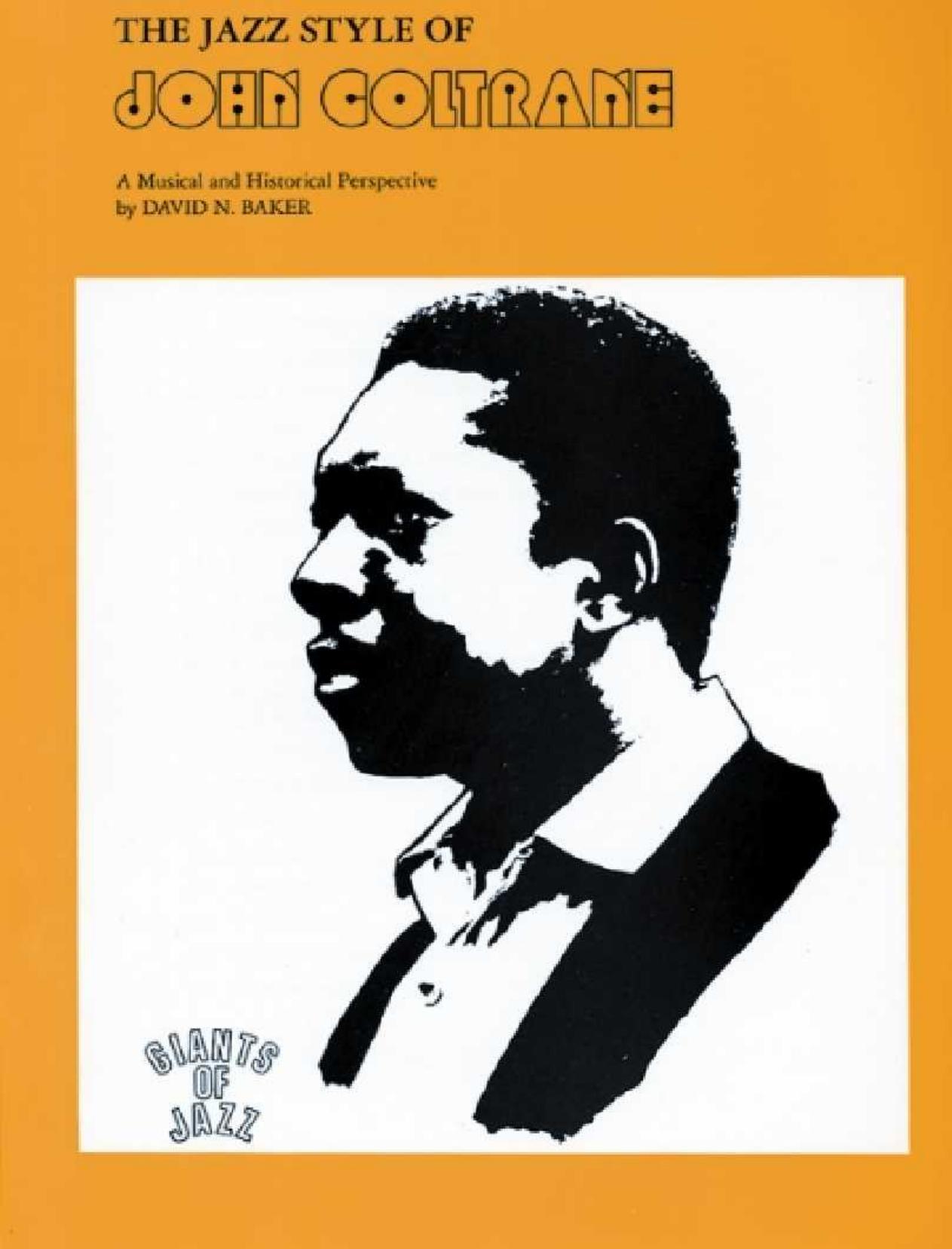
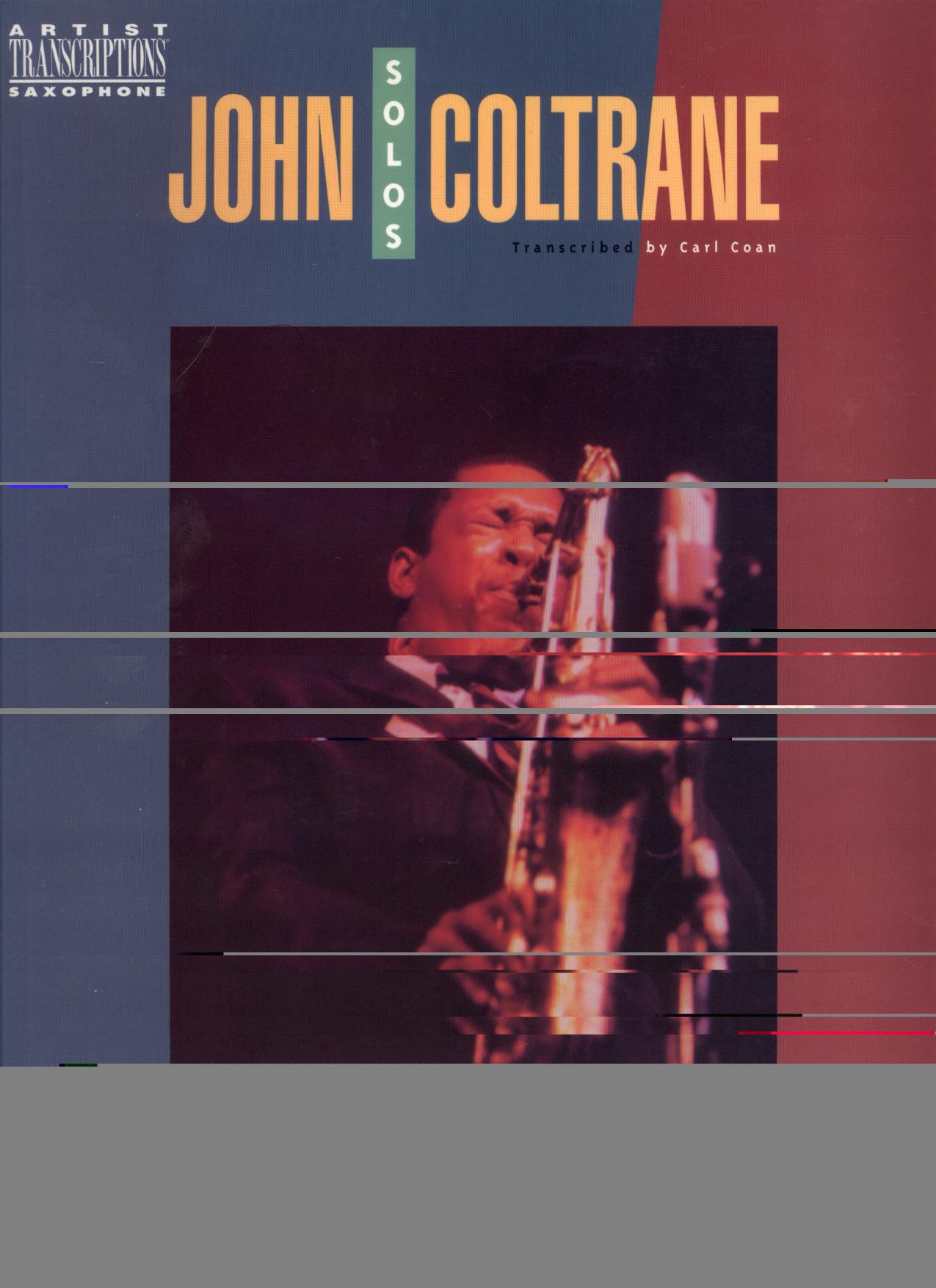
Thelonious Monk Quartet feat. John Coltrane - Live at the Five Spot (1958)
The Thelonious Monk Quartet featuring John Coltrane recorded their legendary residency at the Five Spot Café in New York City in 1958 (though some tracks date from 1957 sessions).

Overview of the Collaboration
- The Band: Featured Thelonious Monk on piano, John Coltrane on tenor saxophone, Ahmed Abdul-Malik on bass, and Shadow Wilson (or Roy Haynes) on drums.
- The Venue: The Five Spot Café in New York's Cooper Square became a historic hub for modern jazz during this residency.
- Track Discrepancies: Most users on Organissimo agree that tracks like "Ruby My Dear" and "Nutty" on the Complete collections actually stem from 1957 studio/live sessions rather than the late-1958 dates.
Essential Track List:
- "Crepuscule With Nellie"
- "Trinkle Tinkle"
- "In Walked Bud"
- "I Mean You"
- "Epistrophy"
The 1957–1958 residency at the Five Spot Café was the ultimate turning point in John Coltrane’s career, transforming him from a struggling saxophonist into an avant-garde jazz titan.
The Historical Impact
- The "Sheets of Sound" Breakthrough: Playing Monk’s complex, fragmented compositions forced Coltrane to play at blistering speeds to fit his ideas into the chords. This directly birthed his signature "sheets of sound" technique, characterized by rapid-fire arpeggios and dense scales.
- The Ultimate Jazz Apprenticeship: Coltrane frequently compared studying under Monk to a masterclass. Monk taught him advanced harmonic structures, how to play multiple tones at once (multiphonics), and how to utilize harmonic freedom that he would later deploy in his own bands.
- Career Rehabilitation: In early 1957, Miles Davis fired Coltrane due to his heroin addiction. The Five Spot residency gave a newly clean Coltrane a steady, high-profile gig to rebuild his reputation, his stamina, and his confidence.
- The Launchpad for Greatness: Immediately following his stint with Monk, a revitalized Coltrane rejoined Miles Davis. He went on to record the seminal albums Milestones and Kind of Blue, armed with the radical harmonic concepts he learned at the Five Spot.
Search your favorite sheet music in the Sheet Music Library Catalog
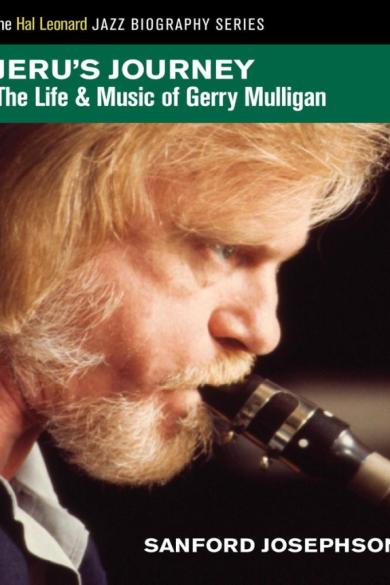
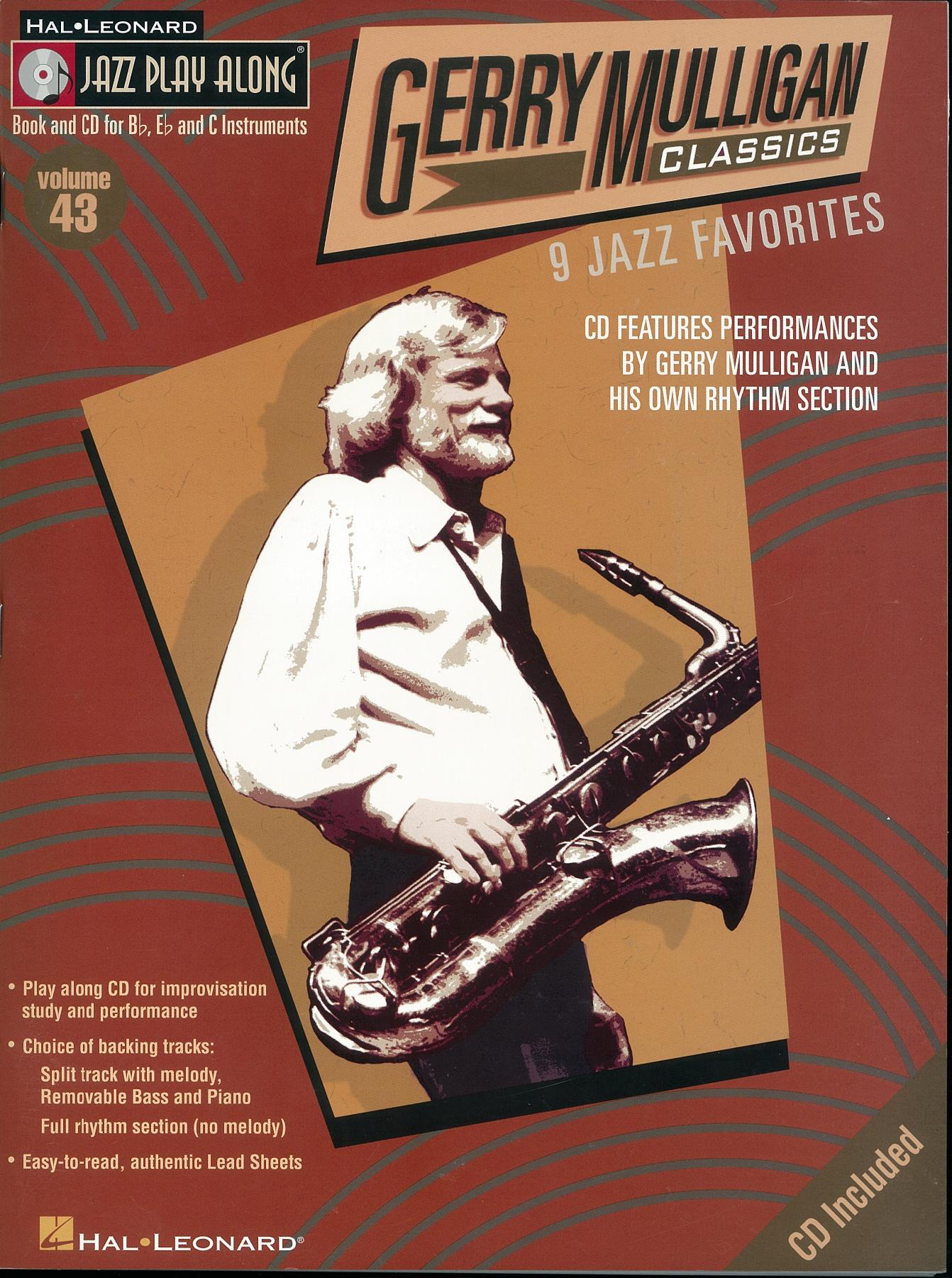
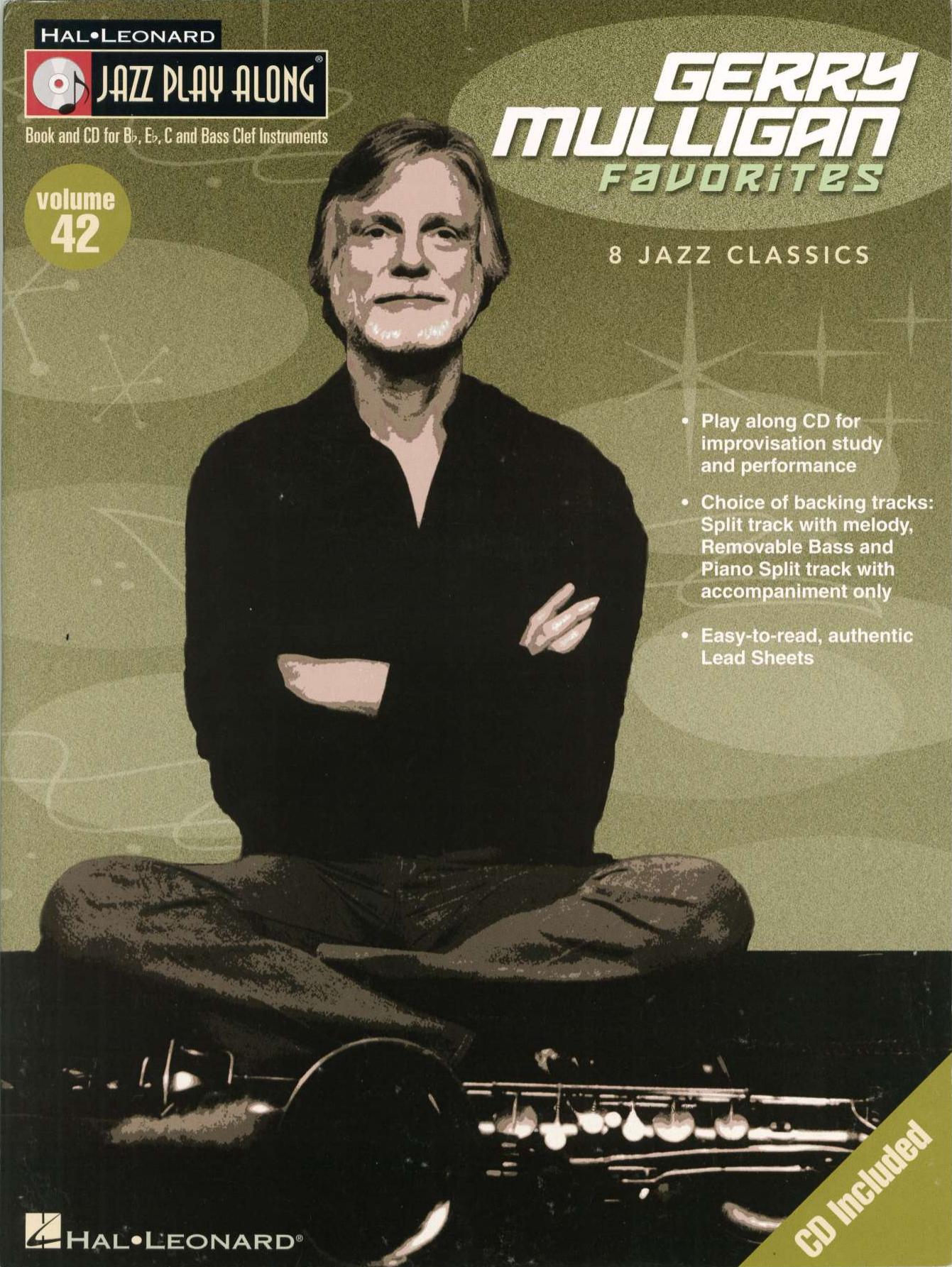
Gerry Mulligan - Night Lights (1963)
Night Lights is an album by American jazz saxophonist Gerry Mulligan featuring performances recorded in 1963 and first released on the Philips label. The album's re-release on the Verve Label, includes the bonus track "The Lonely Night (Night Lights 1965 Version)" which originally only appeared on Mulligan's 1965 album "Feelin' Good" with vocals by his partner, Judy Holliday.
Track listing
All compositions by Gerry Mulligan except as indicated
- "Night Lights" – 4:53
- "Morning of the Carnival" (Luiz Bonfá, Antônio Maria) – 5:27
- "In the Wee Small Hours of the Morning" (David Mann, Bob Hilliard) – 5:34
- "Prelude in E Minor" (Frédéric Chopin) – 4:11
- "Festival Minor" – 6:45
- "Tell Me When" – 4:06
- "The Lonely Night (Night Lights 1965 Instrumental Version)" – 2:54 – Bonus track on Verve label re-release
Personnel
- Gerry Mulligan – baritone saxophone, piano on track 1 only
- Art Farmer – flugelhorn
- Bob Brookmeyer – valve trombone
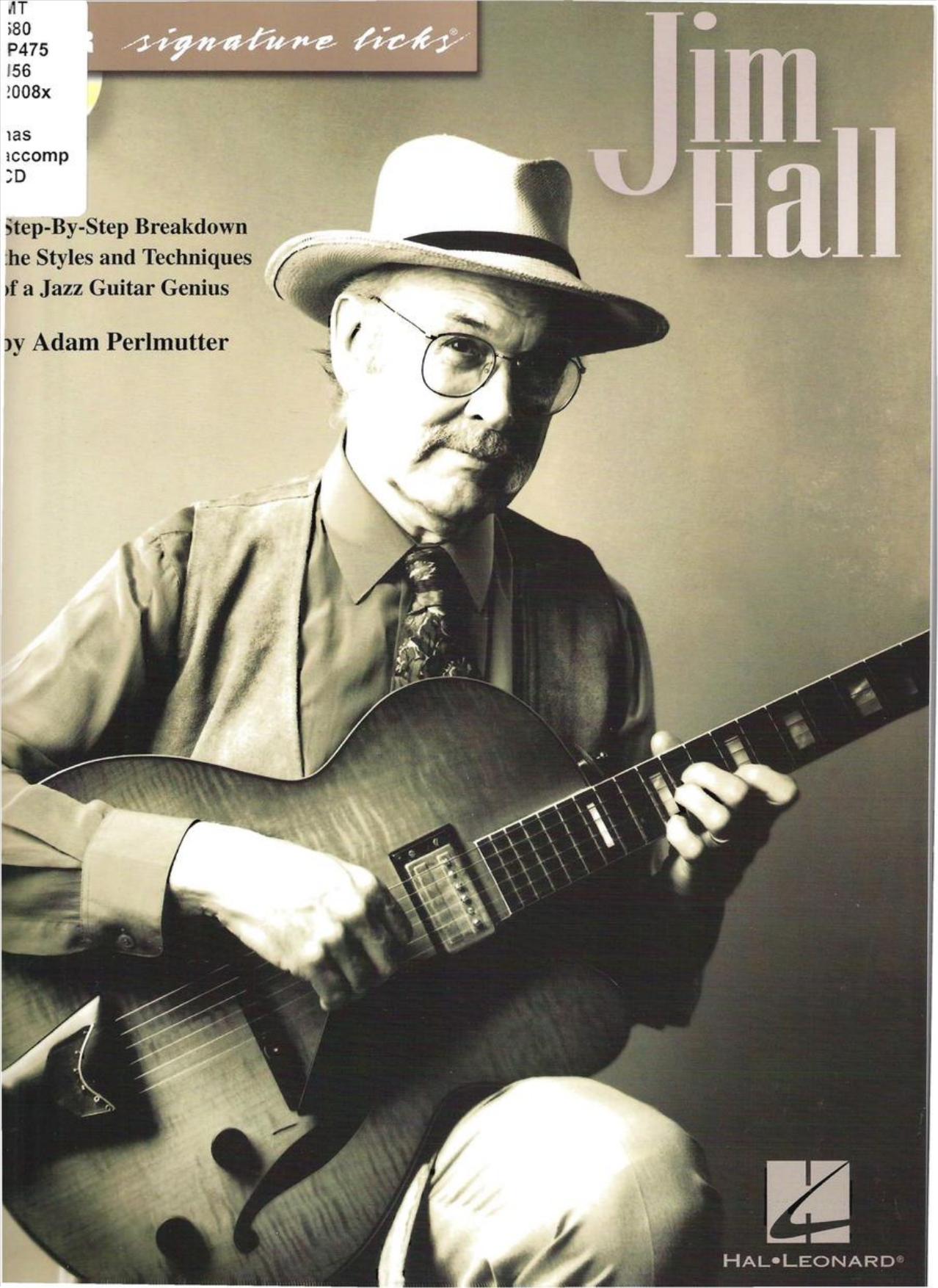
- Jim Hall – guitar
- Bill Crow – bass
- Dave Bailey – drums


Lee Morgan - Sonic Boom (1969)
Sonic Boom is a jazz album by trumpeter Lee Morgan that features sessions recorded in 1967 and expanded with 1969 recordings on later CD reissues.
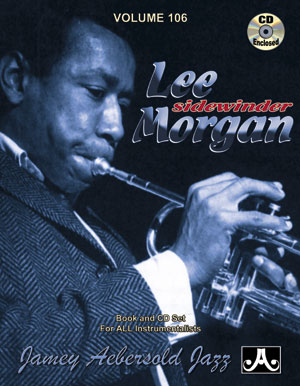

The best sheet music download from our Library.
Overview
- Artist: Lee Morgan
- Album: Sonic Boom
- Record Label: Blue Note Records
- Recording Dates: April 14 & 28, 1967, and September 12 & October 10, 1969
- Studio: Van Gelder Studio in Englewood Cliffs, New Jersey, engineered by Rudy Van Gelder
Musicians and Line-ups
The CD release features two distinct groups:
- 1967 Session (Tracks 1–6): Lee Morgan (trumpet), David "Fathead" Newman (tenor sax), Cedar Walton (piano), Ron Carter (bass), and Billy Higgins (drums).
- 1969 Session (Tracks 7–13): Lee Morgan (trumpet), Julian Priester (trombone), George Coleman (tenor sax), Harold Mabern (piano), Walter Booker (bass), and Mickey Roker (drums).
Tracklist
- Sneaky Pete (1967)
- The Mercenary (1967)
- Sonic Boom (1967)
- Fathead (1967)
- I'll Never Be the Same (1967)
- Mumbo Jumbo (1967)
- Free Flow (1969)
- Stormy Weather (1969)
- Mr. Johnson (1969)
- The Smoker (1969)
- Uncle Rough (1969)
- Claw-Til-Da (1969)
- Untitled Boogaloo (1969)
Paul Desmond - Desmond Blue (1961)
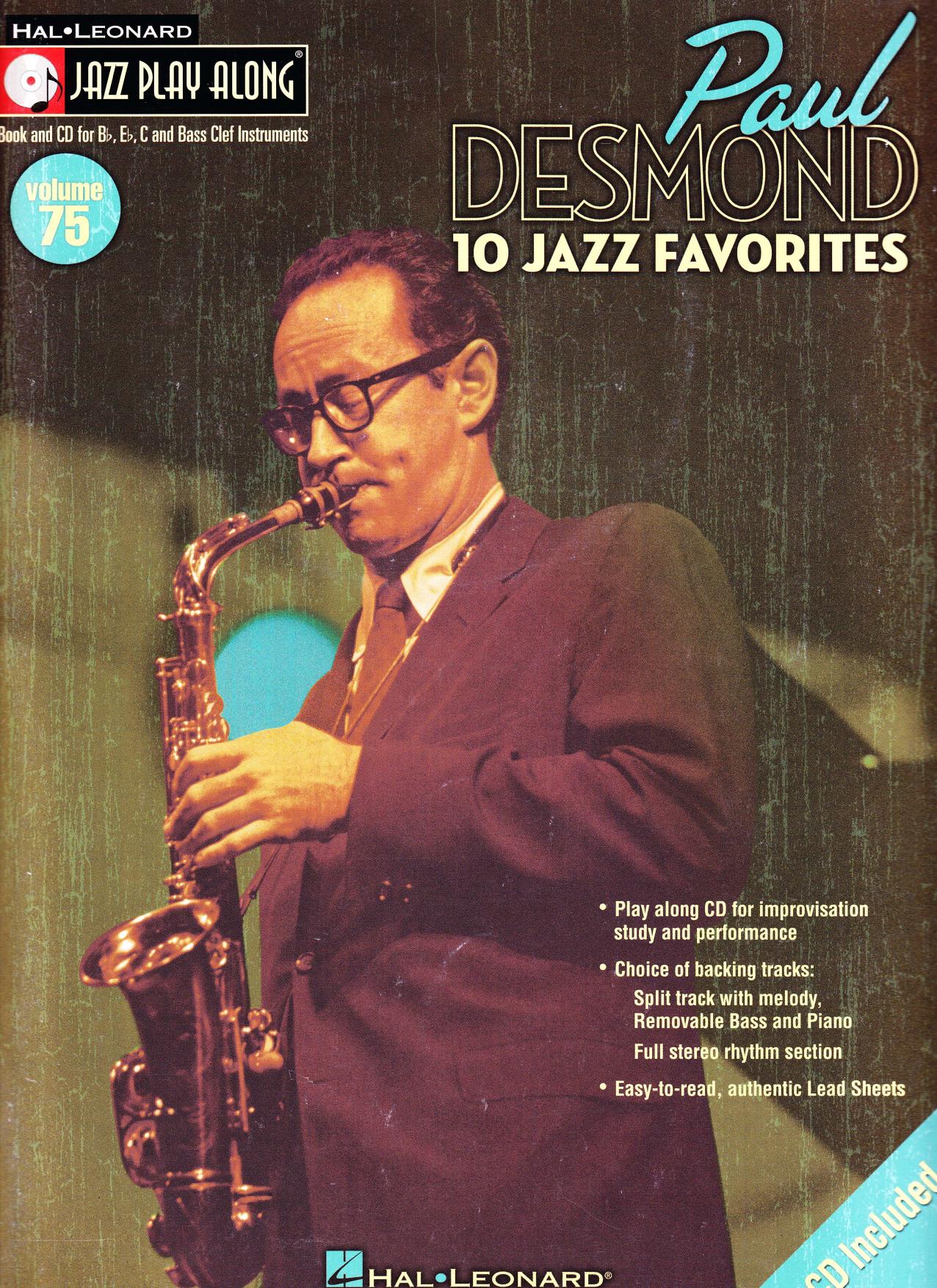
Desmond Blue is an album recorded by American jazz saxophonist Paul Desmond released in 1962, and was his first LP for RCA Victor. The album was produced by George Avakian, who had worked with Desmond at Columbia Records (when Desmond was recorded as part of the Dave Brubeck Quartet). Avakian left Columbia in 1958 to join the brand new Warner Bros. Records, where he produced Desmond's previous album, First Place Again. Joining RCA Victor in 1960, Avakian once again recruited Desmond to his label, and he produced all six of the albums Desmond recorded for RCA Victor as a leader. Desmond Blue was also the first Desmond solo album to feature the saxophonist in an orchestral setting. RCA reissued the album in 1978 as Paul Desmond - Pure Gold Jazz (ANL1-2807). Desmond returned to the orchestral format later in the decade, when he signed with CTI Records and recorded Summertime.
Track listing
All compositions by Paul Desmond except where noted.
- "My Funny Valentine" (Richard Rodgers, Lorenz Hart) – 3:53
- "Desmond Blue" – 3:42
- "Then I'll Be Tired of You" (Arthur Schwartz, Yip Harburg) – 4:08
- "I've Got You Under My Skin" (Cole Porter) – 4:41
- "Late Lament" – 4:11
- "I Should Care" (Axel Stordahl, Paul Weston, Sammy Cahn) – 3:52
- "Like Someone in Love" (Jimmy Van Heusen, Johnny Burke) – 4:13
- "Ill Wind" (Harold Arlen, Ted Koehler) – 3:52
- "Body and Soul" (Johnny Green, Frank Eyton, Edward Heyman, Robert Sour) – 4:51
Note
- Recorded at Webster Hall in New York City on September 13, 1961 (track 1), September 28, 1961 (tracks 5–7) and October 2, 1961 (tracks 2–4, 8 & 9).
Personnel
- Paul Desmond – alto saxophone
- Albert Richman – French horn (tracks 1–4, 8 & 9)
- Phil Bodner (tracks 5–7), Robert Doty (track 1), George Marge (track 1), Romeo Penque (tracks 2–9), Stan Webb (tracks 2–4, 8 & 9) – woodwinds
- Gloria Agostini (tracks 2–9), Eugene Bianco (track 1) – harp
- Jim Hall – guitar
- Gene Cherico (track 1), Milt Hinton (tracks 2–9) – bass
- Connie Kay (track 1), Bobby Thomas (tracks 2–9) – drums
- Unidentified string section conducted by Bob Prince
Ornette Coleman - Science Fiction (1971)
Science Fiction is an album by the American experimental artists jazz saxophonist and composer Ornette Coleman, recorded in September and October 1971 and released on Columbia Records in February 1972.
In 2000, the album was re-released along with Broken Shadows (recorded during the same sessions but not released until 1982) and several unreleased tracks as The Complete Science Fiction Sessions.
Track listing
All compositions by Ornette Coleman.
- "What Reason Could I Give?" – 3:06
- "Civilization Day" – 6:04
- "Street Woman" – 4:50
- "Science Fiction" – 5:03
- "Rock the Clock" – 3:16
- "All My Life" – 3:56
- "Law Years" – 5:22
- "The Jungle Is a Skyscraper" – 5:26
- Recorded at Columbia Studio E, NYC on September 9 (tracks 2, 3, 7 and 8), September 10 (track 4) and October 13 (tracks 1, 5 and 6), 1971
Personnel
- Ornette Coleman – alto saxophone, trumpet, violin
- Don Cherry – pocket trumpet (tracks 2–4)
- Bobby Bradford – trumpet (tracks 4, 7–8)
- Carmine Fornarotto, Gerard Schwarz – trumpet (tracks 1 and 6)
- Dewey Redman – tenor saxophone, musette (tracks 1, 4–8)
- Charlie Haden – double bass, electric double bass with wah-wah pedal
- Billy Higgins – drums (tracks 1–4, 6)
- Ed Blackwell – drums (tracks 1, 4–8)
- David Henderson – recitation (track 4)
- Asha Puthli – vocals (tracks 1, 6)
Search your favorite sheet music in the Sheet Music Library Catalog
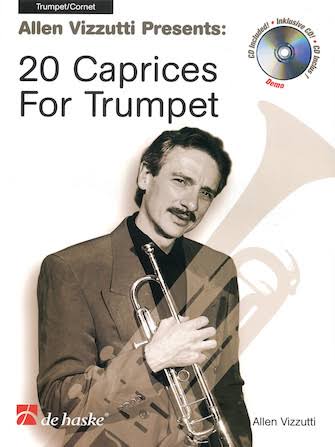
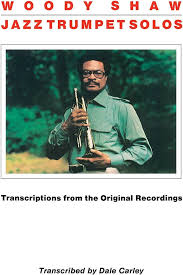
Browse in the Sheet Music Library:
Or browse in the categories menus & download the Library Catalog PDF: