Scores for all instruments: 16,000+ (active and growing), over 236,000 pages.
All genres and levels: Jazz & Blues, Rock & Pop, Classical & Contemporary, Film & Musicals;
books & biographies; methods, études, play-along tracks (MP3) for Jazz & Rock.
Access & benefits: US$15.99 one-time payment, valid for lifetime, full Library access.
Table of Contents
The best sheet music download from our Library.

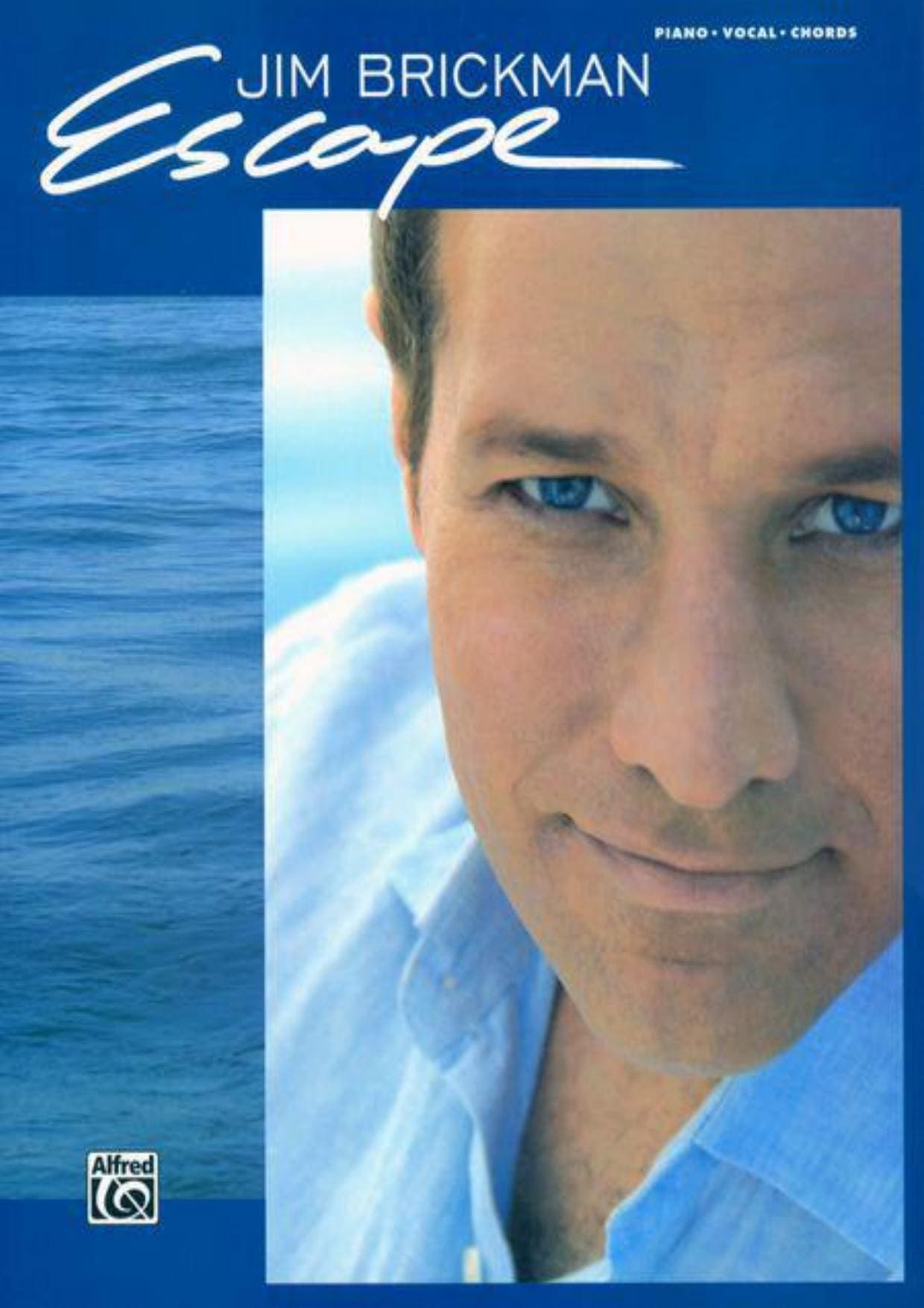
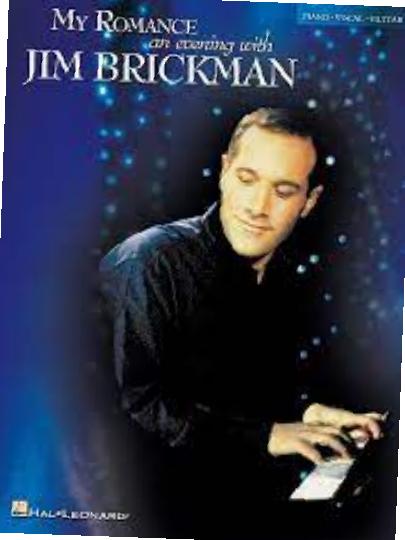

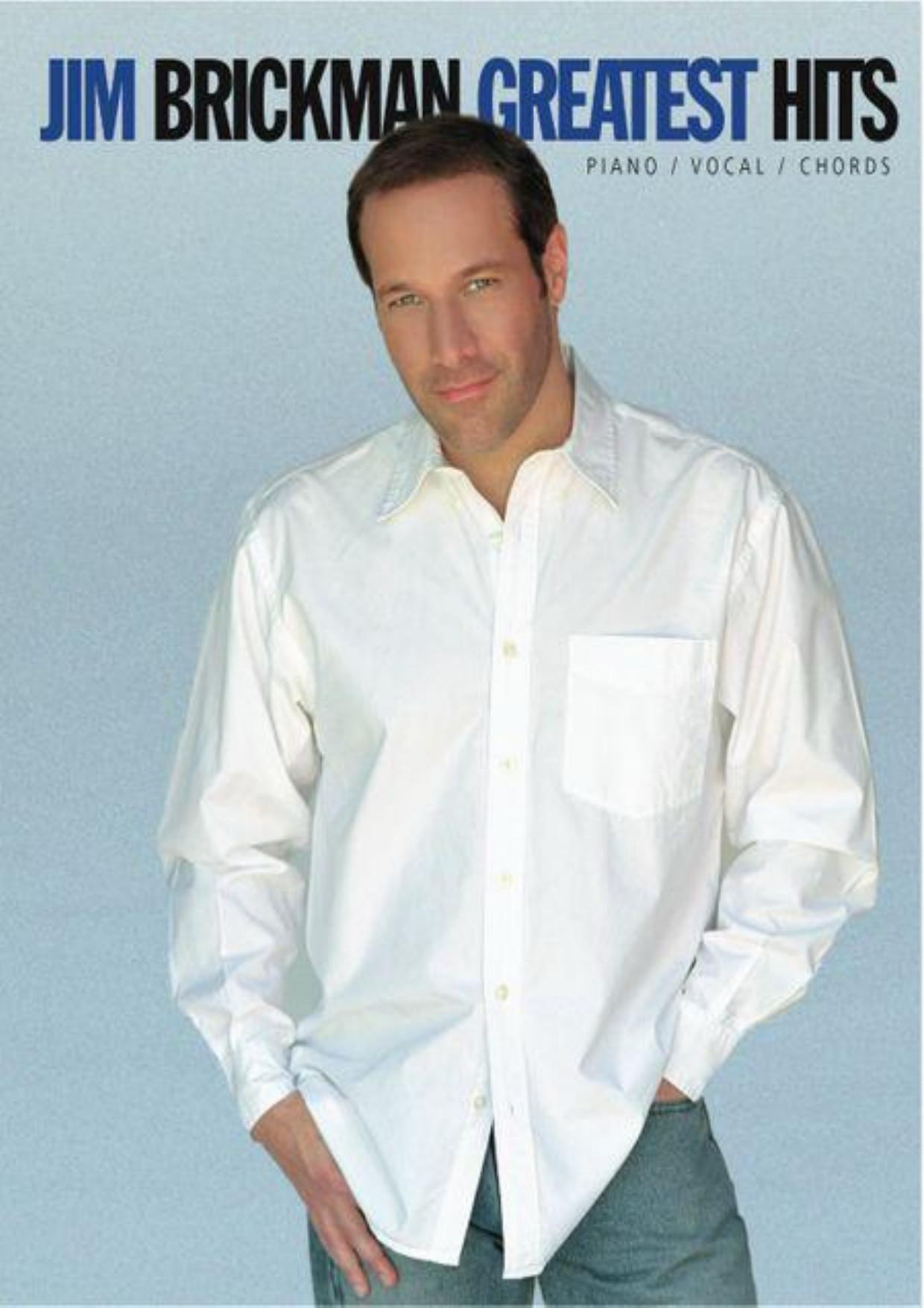
Please, subscribe to our Sheet Music Library. Sheet music should be accessible and affordable for all musicians, from professionals to absolute beginners.
Jim Brickman: The Architect of Instrumental Pop and Modern Romance
In an era dominated by vocal-driven popular music, Jim Brickman carved out a singular niche as a solo pianist who achieved what few instrumentalists ever could: consistent chart success, multi-platinum sales, and a devoted fanbase that spans generations. With a career spanning over three decades, Brickman has released more than fifty albums, earned two Grammy nominations, and secured an unprecedented twenty-two number-one albums on Billboard's New Age chart. Yet his influence extends far beyond chart statistics. Brickman's distinctive approach—fusing the structural discipline of pop songwriting with the emotional resonance of classical piano—revolutionized the accessibility of instrumental music, making him one of the most commercially successful and culturally pervasive pianists of his generation. This article examines the full scope of Brickman's artistry, from his unlikely beginnings as a commercial jingle writer to his status as the "King of Romance," exploring his musical technique, harmonic language, collaborative genius, and enduring legacy.
Search your favorite sheet music in the Sheet Music Library Catalog


Early Life and Musical Foundations
James Merrill Brickman was born on November 20, 1961, in Shaker Heights, Ohio, a suburb of Cleveland. His relationship with the piano began at the remarkably young age of four, when he encountered a neighbor's instrument and begged his parents for lessons. His initial enthusiasm, however, did not translate into conventional prodigy status. As Brickman himself recounts, his first teacher declared that he "didn't have the knack for it". Undeterred, the young pianist practiced on a piece of green felt with keys drawn upon it before his parents finally purchased a battered second-hand piano.
This early resistance to formal instruction foreshadowed Brickman's eventual artistic identity. Rather than adhering to the rigid technical demands of classical pedagogy, he gravitated toward melody, mood, and emotional communication. His formal training took place at the Cleveland Institute of Music, where he studied composition and performance, alongside business classes at Case Western Reserve University. This dual education—artistic and entrepreneurial—would prove instrumental in shaping his unconventional career path.
A pivotal moment came at age fifteen, when Brickman became rehearsal pianist and eventually musical director for the Heights Youth Theatre in Cleveland. It was during this period that he met fellow student Anne Cochran, a vocalist who would become a lifelong collaborator. The two won a talent competition hosted by Cleveland radio station WGCL, marking Brickman's first taste of public recognition. More importantly, this experience taught him the collaborative dynamics of piano-vocal performance, a template he would later refine with dozens of guest artists.
The Jingle Years: Crafting Commercial Melody
If Brickman's classical training provided his technical foundation, his years as a commercial jingle writer forged his melodic instincts. In 1980, while still enrolled at Case Western Reserve, he founded The Brickman Arrangement, an advertising music company. Over the following decade, he composed music for such major brands as McDonald's, Pontiac, Isuzu, the Ohio Lottery, and the City of Cleveland. The work was demanding and often anonymous, requiring him to master diverse musical idioms on command. As Brickman later reflected, "I became an expert at all different styles because that's what the mandate was: to write a reggae song for a product. Write a country song. Write a rock song".
This period also brought him into contact with Jim Henson and Henson Associates, for whom he composed music for the Muppets, Sesame Street, and various Disney projects. The experience of writing for visual media—of creating music that had to function in service of narrative and imagery—would later inform the cinematic quality of his solo work.
The jingle years taught Brickman something else crucial: how to sell music. He learned to "pound the pavement," approaching advertising agencies directly with his compositions. When he later attempted to launch his solo career, he applied the same persistence, personally delivering his recordings to radio stations after record labels showed no interest. This do-it-yourself ethos remained a defining feature of his career; he eventually established his own label, Brickhouse, and took control of his touring, marketing, and distribution.
The Windham Hill Years and Commercial Breakthrough
Brickman signed with Windham Hill Records in 1994, the prestigious New Age label that had launched the careers of George Winston and Michael Hedges. His debut album, No Words, released that same year, introduced the template that would define his signature sound: solo piano compositions with strong melodic hooks, simple harmonic structures, and an unmistakable emotional directness. The track "Rocket to the Moon" became his first solo instrumental to chart on Billboard.
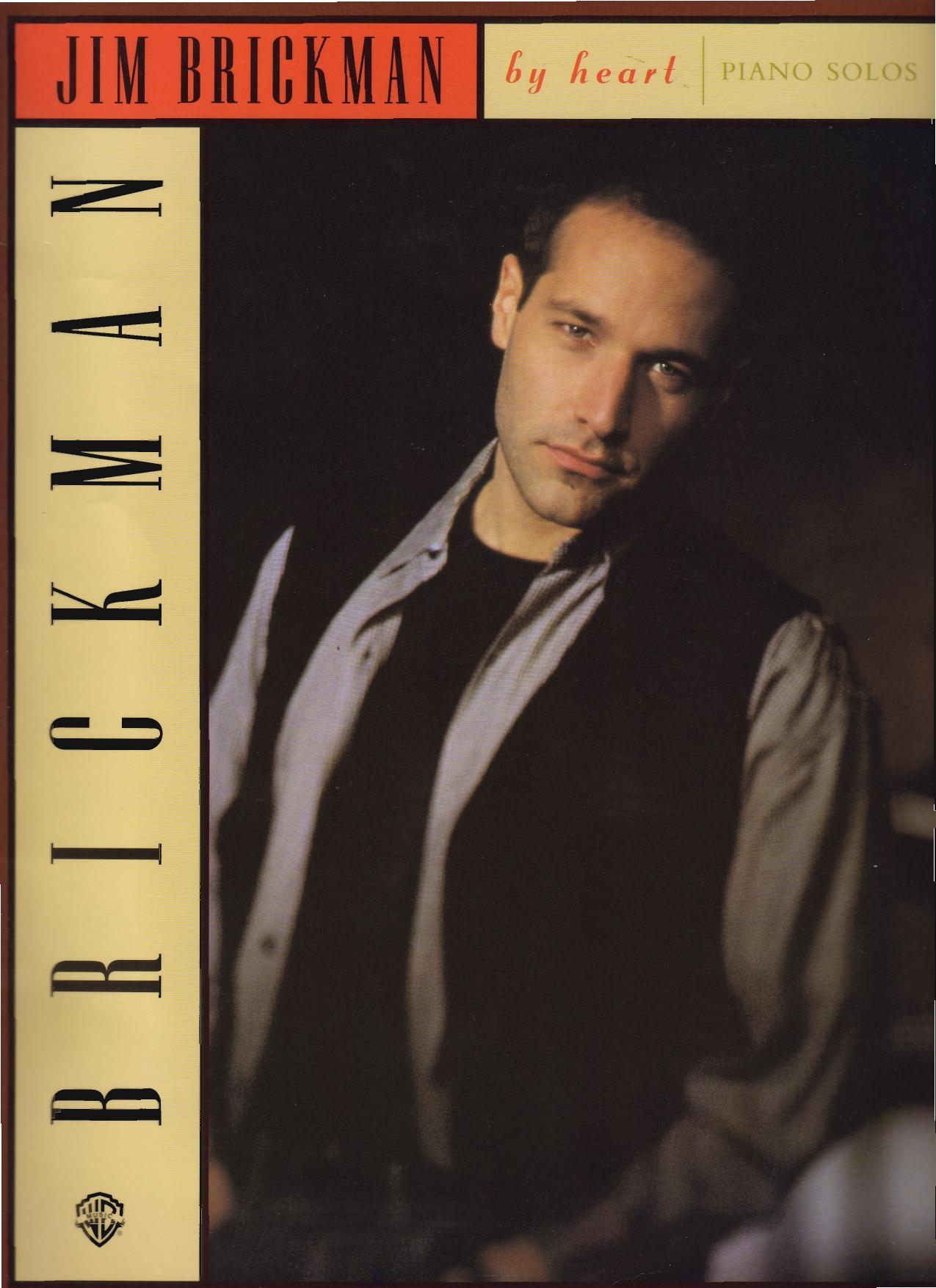
The following year brought By Heart, which yielded two songs that would become staples of adult contemporary radio: "Angel Eyes" and "If You Believe". The album's title track became his first Top 20 adult contemporary hit in 1996, signaling that Brickman's instrumental approach could penetrate formats traditionally reserved for vocal music.
The commercial breakthrough, however, came in 1997 with Picture This. The album featured "Valentine," a vocal collaboration with country singer Martina McBride that became an unexpected crossover phenomenon. The song's lush piano arpeggios, McBride's soaring vocal, and its unabashedly romantic lyrics struck a chord with audiences across genres. "Valentine" remains Brickman's best-known composition and established the template for his star-studded vocal collaborations.
That same year, Brickman released The Gift, his first Christmas album. The title track, featuring Collin Raye and Susan Ashton, topped three different Billboard charts and earned Brickman a Dove Award from the Gospel Music Association. The success of The Gift inaugurated an annual tradition of holiday albums and tours that continues to this day, with Brickman embarking on his seventeenth annual Christmas tour in 2013.
Musical Style and Technique: Pop Songwriting at the Piano
To understand Jim Brickman's music is to recognize that he is, first and foremost, a songwriter. Despite his classical training, his artistic identity is rooted in the pop tradition—specifically, the melodic craftsmanship of Burt Bacharach, Carole King, and the Carpenters. "Even if I'm writing a solo piano piece, it has the form of a pop song, three minutes of verse/chorus," Brickman explains. "They're not symphonic pieces. They sound like instrumental pop songs without singing".
This distinction is crucial. Brickman's compositions are not vehicles for virtuosic display or extended improvisation. They are tightly constructed melodic statements, often built around a single memorable hook that repeats and develops across a compact three-to-four-minute span. As he told Billboard, "Any great song is driven by a hook, a chorus, a verse and a melody. If I have a feeling that comes out in a simple melody, I always use that as an anchor".
His technique at the piano reflects this pop sensibility. Brickman's playing is characterized by a measured, classical-influenced touch, with clean articulation and a singing tone that prioritizes melody over ornamentation. His left-hand patterns typically employ broken chords and arpeggios that provide harmonic support without drawing attention away from the melodic line. The right hand carries the melody, often doubled at the octave for emphasis, with subtle rubato that enhances the music's emotional expressiveness.
One of Brickman's most distinctive technical features is his use of syncopation. Several pianists have noted that his rhythmic phrasing—with accents falling on unexpected beats—can be surprisingly challenging to replicate, even for classically trained musicians. This syncopation gives his music a gentle forward momentum while maintaining its characteristic serenity.
Harmony and Chordal Language
Brickman's harmonic vocabulary is sophisticated yet accessible, drawing on jazz and pop idioms while remaining firmly within the tonal tradition. His compositions frequently employ extended chords—suspended seconds and fourths, major sevenths, and added ninths—that create a sense of warmth and openness without sacrificing harmonic clarity. The ultimate-guitar community has noted his "gorgeous use of suspended and 7th chords" in songs like "Love of My Life".
His harmonic progressions tend toward the diatonic, with occasional chromatic inflections that add color and emotional depth. The key of C major appears frequently in his work, as does A-flat major, both of which lend themselves well to the bright, resonant sonorities that characterize his sound. Brickman's use of inversions and voice leading is careful and deliberate, creating smooth transitions between chords that enhance the music's meditative quality.
Modal mixture is another hallmark of Brickman's harmonic style. He frequently shifts between relative major and minor keys, or borrows chords from parallel modes, to create moments of poignancy within otherwise serene musical landscapes. This technique is particularly effective in his holiday compositions, where modal ambiguity evokes both nostalgia and hope.
The Art of Collaboration
While Brickman's solo piano music constitutes the core of his artistic output, his vocal collaborations have been essential to his commercial success and cultural reach. From the beginning, he recognized that certain songs required the human voice to achieve their full emotional impact. "I thought that certain styles required different singers to bring them to life in the way that they were meant to be," he explains.
Brickman's collaborative philosophy is remarkably inclusive, spanning country, pop, R&B, Christian, Broadway, and jazz genres. His roster of guest vocalists reads like a who's who of contemporary music: Martina McBride, Michael W. Smith, Lady Antebellum, Olivia Newton-John, Donny Osmond, Carly Simon, Johnny Mathis, Kenny Rogers, Michael Bolton, Peabo Bryson, Gerald Levert, Jane Krakowski, and many others.
The process by which Brickman selects collaborators reveals his curatorial instincts. "I choose people who I've always admired and wanted to work with," he says. "I also like singers with up and coming careers who I feel my audience would like to hear". This balance of established icons and emerging talent keeps his music fresh while maintaining continuity with his core audience.
Notable collaborations include "The Gift" with Collin Raye and Susan Ashton, which became a holiday standard; "Love of My Life" with Michael W. Smith, a staple of Christian adult contemporary radio; "Never Alone" with Lady Antebellum, which brought Brickman's music to a younger country-pop audience; and "Partners in Crime" with saxophonist Dave Koz, a rare instrumental duet that showcased Brickman's chemistry with fellow contemporary jazz artists.
Film and Television Music
While Brickman has not composed original scores for major motion pictures, his relationship with film music is significant. In 2016, he released Pure Cinema, an album of piano interpretations of contemporary movie songs. The collection includes his renditions of "Let It Go" from Frozen, "Falling Slowly" from Once, "Love Me Like You Do" from Fifty Shades of Grey, "Jacob's Theme" from The Twilight Saga: Eclipse, "Safe & Sound" from The Hunger Games, and the theme from Skyfall. These arrangements demonstrate Brickman's ability to distill the emotional essence of a song while imprinting it with his distinctive pianistic voice.
Earlier in his career, Brickman released The Disney Songbook (2005), an album of Disney classics arranged for solo piano and featuring guest vocalists. The collection includes interpretations of "Beauty and the Beast," a Mary Poppins medley, "When You Wish Upon a Star," "A Whole New World," and "Colors of the Wind," among others. This project connected Brickman to the Disney legacy that had influenced him creatively since childhood, when he was inspired by Walt Disney's storytelling genius.
Brickman's music has also been featured in television and film soundtracks, though often as background or atmospheric accompaniment rather than as focal score material. His compositions have appeared in numerous television movies and series, and he has starred in four PBS concert specials, bringing his live performances to millions of viewers.
Best Songs and Essential Compositions
Jim Brickman's catalog is extensive, but several compositions stand out as essential to understanding his artistry:
"Valentine" (featuring Martina McBride, 1997) — Brickman's signature song and commercial breakthrough. The piece exemplifies his ability to write a melody that feels both timeless and immediate, with a chorus that builds to an emotionally satisfying climax. McBride's vocal performance captures the song's blend of vulnerability and devotion.
"The Gift" (featuring Collin Raye and Susan Ashton, 1997) — A holiday standard that transcends its seasonal origins. The song's message of love as the ultimate gift resonates year-round, and its gentle waltz rhythm and warm harmonies create an atmosphere of intimate celebration.
"Angel Eyes" (1995) — One of Brickman's earliest solo instrumental hits, this piece showcases his gift for creating a memorable melody without lyrics. The title suggests the visual and emotional imagery that Brickman's music consistently evokes.
"Rocket to the Moon" (1994) — Brickman's first charting instrumental, this composition established the template for his solo piano work: a simple, ascending melodic figure that builds in intensity and emotional resonance.
"Love of My Life" (featuring Michael W. Smith, 1999) — A powerful ballad that demonstrates Brickman's ability to write in a more overtly spiritual register without sacrificing accessibility. Smith's vocal is both restrained and passionate.
"Peace" (2003) — The title track from the Grammy-nominated album, this composition embodies Brickman's philosophy of music as a source of calm and contemplation. Its sparse arrangement and gentle harmonic movement create a meditative atmosphere.
"Lake Erie Rainfall" (1995) — An early instrumental piece that reveals Brickman's talent for programmatic writing. The music evokes the gentle rhythm of rainfall on water, demonstrating his ability to translate visual imagery into sound.
"Partners in Crime" (featuring Dave Koz, 1997) — A playful, jazz-inflected duet that showcases a different side of Brickman's musical personality. The interplay between piano and saxophone is both virtuosic and relaxed.
"Never Alone" (featuring Lady Antebellum, 2010) — A later-career collaboration that demonstrates Brickman's continued relevance to contemporary country-pop audiences. The song's message of solidarity and support is particularly resonant.
"Destiny" (featuring Jordan Hill and Billy Porter, 1999) — A theatrical ballad that highlights Brickman's ability to write for dramatic voices. The song's sweeping melody and orchestral arrangement point toward his later work with Broadway artists.
Influences and Artistic Philosophy
Brickman's musical influences reflect his dual identity as a pop craftsman and a romantic melodist. He consistently cites Burt Bacharach as a primary model, not only for Bacharach's melodic gifts but also for his career trajectory as a composer-performer who achieved mainstream success without compromising artistic integrity. The Carpenters, Carole King, Joni Mitchell, and Elton John also figure prominently in his formative musical experiences, their songs providing the soundtrack to his adolescence.
Creatively, Brickman draws inspiration from Walt Disney and Jim Henson, both of whom he describes as "creative geniuses". The Disney influence manifests in his commitment to storytelling through music and his belief that instrumental compositions can convey narrative and emotion as effectively as songs with lyrics. The Henson influence is evident in his work for the Muppets and Sesame Street, where music serves character and scene.
Brickman's artistic philosophy centers on simplicity and emotional honesty. "I write music to be shared—to soothe, to inspire, to celebrate, to love," he explains. "To me, music is the pure and simple soundtrack to life's most memorable moments". This ethos of music as a companion to daily life—rather than a spectacle to be observed—has guided his career from the beginning. He notes with satisfaction that fans tell him they wake up to his music instead of an alarm clock, or use it to calm their children at night.
This philosophy extends to his approach to songwriting itself. Brickman prefers to let melodies emerge naturally rather than forcing them through intellectual effort. "I try not to work too hard creating a melody. I just let it flow naturally," he says. This intuitive approach, combined with his rigorous jingle-writing discipline, produces music that is simultaneously spontaneous-feeling and carefully crafted.
Legacy and Cultural Impact
Jim Brickman's legacy in contemporary instrumental music is difficult to overstate. He is the best-selling solo pianist of his generation, with over eight million albums sold worldwide. He holds the record for the most number-one albums (twenty-two) on Billboard's New Age chart, surpassing even the most celebrated names in the genre. His sixteen Top 10 adult contemporary singles place him in rarefied company alongside vocalists like Celine Dion and Michael Bublé, a testament to his crossover appeal.
Beyond commercial metrics, Brickman's cultural influence is evident in the community of listeners he has cultivated. His fans, who affectionately call themselves "Brickheads," form a devoted following that has sustained his career for over three decades. His music has become woven into the fabric of countless life events: weddings, anniversaries, births, and moments of quiet reflection. Few instrumental artists have achieved such intimate integration into the personal lives of their audiences.
Brickman's legacy also includes his role as a radio host. Since 1997, he has hosted The Jim Brickman Show, a syndicated program that reaches listeners across the United States. The show combines music, interviews, and Brickman's engaging personality, extending his artistic brand beyond the concert hall and into the daily lives of his fans.
His commitment to nurturing new talent is reflected in the music scholarship established in his name at the Cleveland Institute of Music, his alma mater. This gesture ensures that future generations of pianists will have the opportunity to develop their craft, even as Brickman continues to evolve his own.
Brickman has also authored several best-selling books, including Simple Things, Love Notes, and Soothe: How to Find Calm Amid Everyday Chaos, which translate his musical philosophy of simplicity and emotional wellness into written form. These publications extend his message beyond music, positioning him as a lifestyle guru as much as a musician.
Jim Brickman occupies a unique position in American music. He is neither a classical pianist who crossed over to pop, nor a pop musician who dabbles in instrumental music. He is, instead, the architect of a genre that did not exist before him: solo instrumental pop music characterized by strong melodic hooks, accessible harmonic language, and an unwavering commitment to emotional communication. His success demonstrates that instrumental music can achieve the same commercial and cultural impact as vocal music when it speaks with sufficient clarity and sincerity.
Through his collaborations with artists from Martina McBride to Lady Antebellum, his annual Christmas tours and albums, his radio show and books, and his countless solo piano compositions, Brickman has built a career that is both commercially successful and artistically coherent. His music provides a sanctuary in an increasingly chaotic world, a space where listeners can pause, reflect, and reconnect with the emotions that make us human. As Brickman himself would have it, that is the highest purpose music can serve: to be, as he says, "the pure and simple soundtrack to life's most memorable moments."
Browse in the Sheet Music Library:
Or browse in the categories menus & download the Library Catalog PDF:
Jim Brickman - Faith
Jim Brickman - The Disney Songbook