
Table of Contents
Remembering Johnny Mandel, born on this day in 1925.
Johnny Mandel: The Quiet Architect of the American Songbook and Cinematic Jazz
In the pantheon of American music, there are household names that command instant recognition and then there are the architects—the figures whose work is so deeply embedded in the cultural fabric that their individual identity becomes secondary to the songs themselves. Johnny Mandel, born John Alfred Mandel on November 23, 1925, in New York City, was the quintessential architect. Over a career that spanned more than seven decades, Mandel operated as a composer, arranger, and trombonist of the highest order, leaving an indelible mark on jazz, popular song, and film music.
Please, subscribe to our Sheet Music Library. Sheet music should be accessible and affordable for all musicians, from professionals to absolute beginners.
He was a chameleon of musical color, equally at home writing a swinging chart for Count Basie, a lush orchestral bed for Frank Sinatra, or a haunting, jazz-tinged theme for a Hollywood drama. Though he often maintained a low profile, his melodies—“The Shadow of Your Smile,” “Emily,” and “Suicide Is Painless”—became part of the collective unconscious, while his arrangements set a gold standard for sophistication and emotional support. Mandel passed away on June 29, 2020, at his home in Ojai, California, at the age of 94, leaving behind a legacy that is as vast as it is elegant.
The best sheet music download from our Library.
For the price of a single songbook, get a full Sheet Music Library!
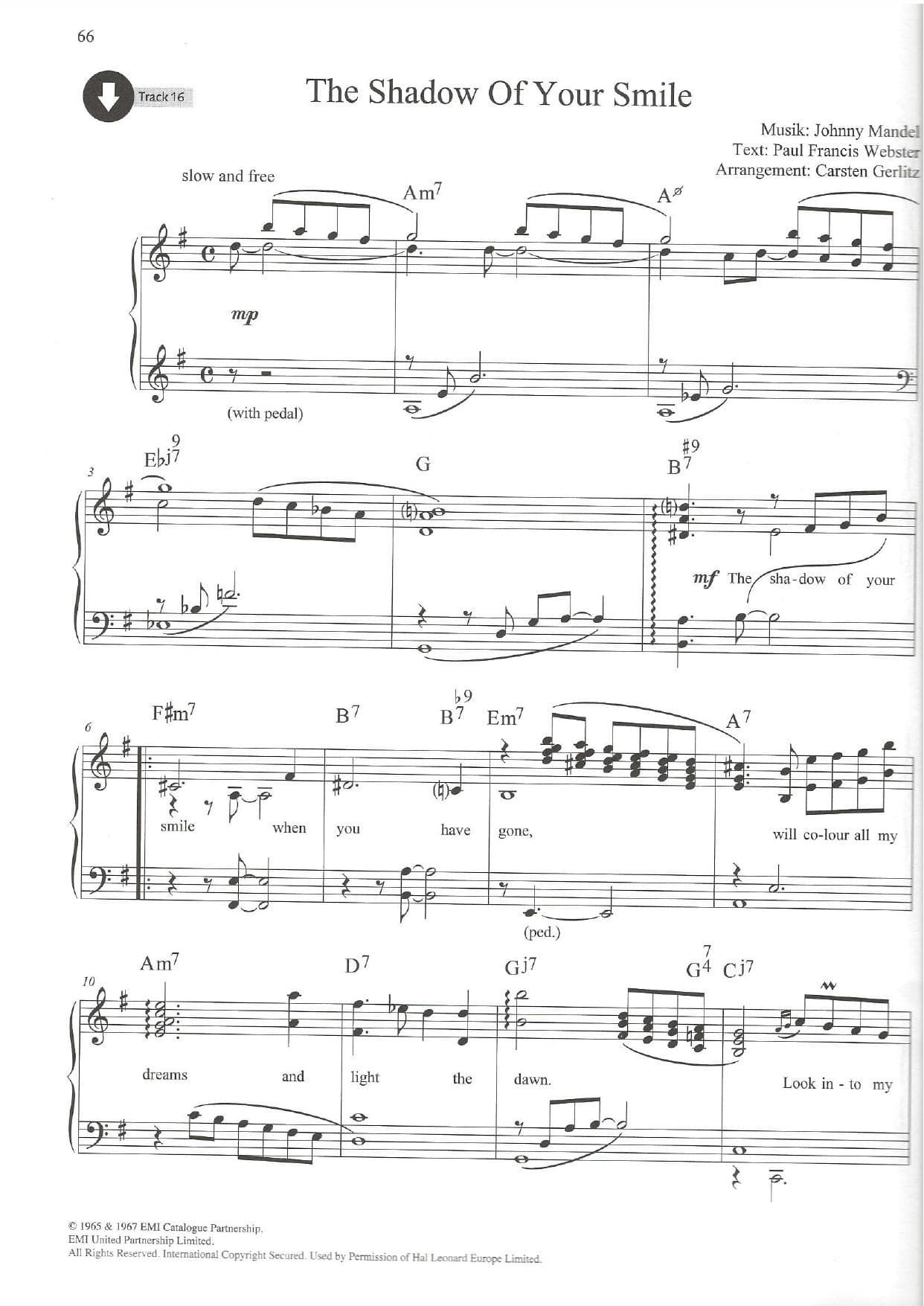


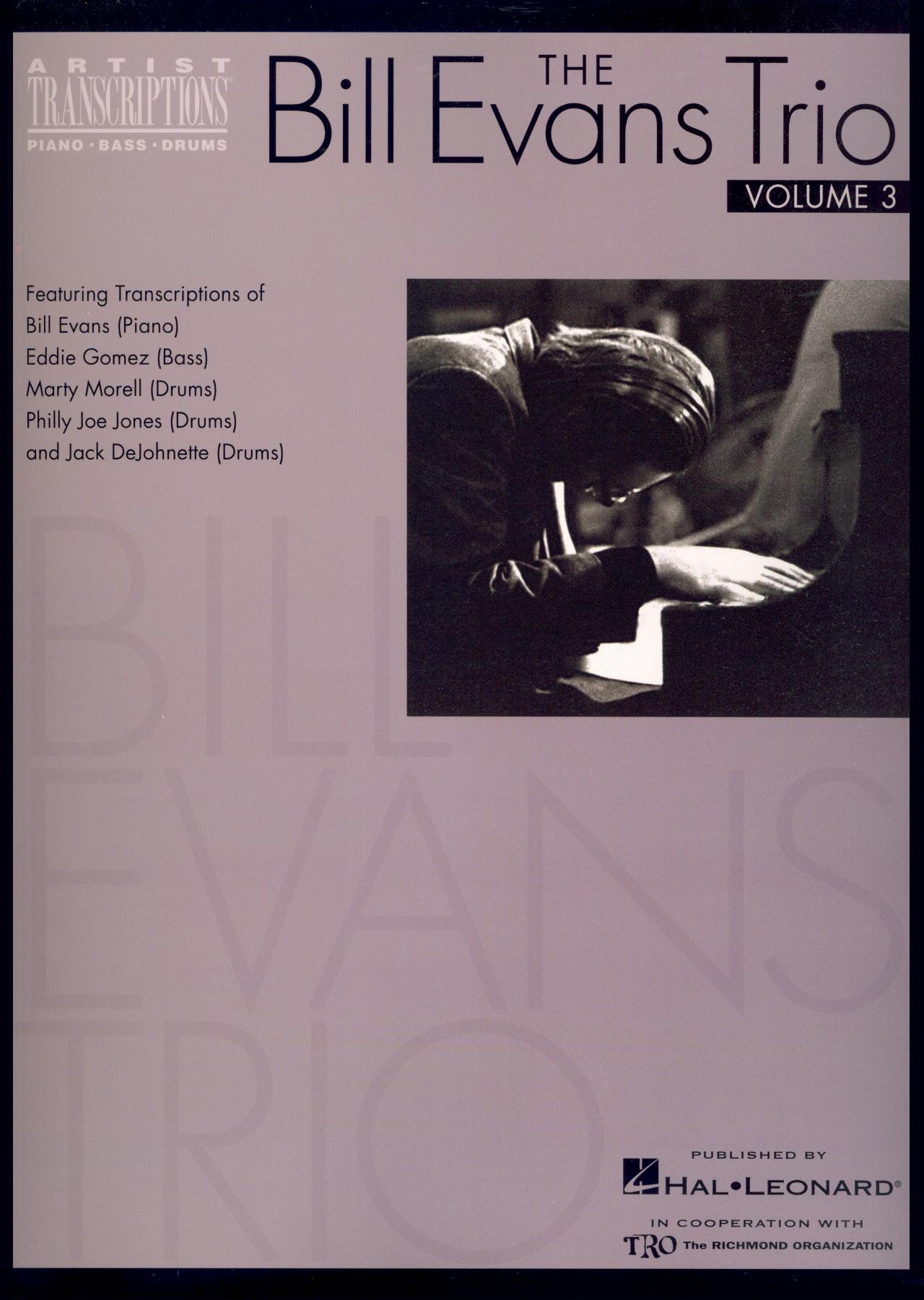
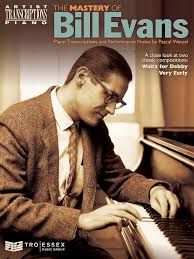
Search your favorite sheet music in the Sheet Music Library Catalog
Early Life and Musical Foundations
Mandel’s entry into the world of music was almost predestined. Born in Manhattan to Alfred Mandel, a garment manufacturer, and Hannah Mandel, a woman who had once aspired to be an opera singer, the household was steeped in musical ambition. It was his mother who discovered that her son possessed perfect pitch at the tender age of five, a gift that would underpin his later harmonic wizardry.
His early years were split between New York and Los Angeles, following the shifting fortunes of his father’s business during the Great Depression. The family moved to California in 1934, only to return to New York in 1937 after his father’s death. It was during this period that Mandel’s focus shifted from the piano to the brass instruments that would define his early professional life. He attended the New York State Military Academy, playing trumpet in the marching band, and began taking arranging lessons with Van Alexander, a crucial early mentor.
After further studies at the Juilliard School and the Manhattan School of Music, Mandel plunged into the vibrant big band scene of the 1940s. His journey through the ranks of American swing was extensive. He played trumpet and later trombone with a succession of bandleaders, including Billie Rogers, Henry Jerome, Boyd Raeburn, Jimmy Dorsey, Buddy Rich, and, most significantly, Count Basie. While he was a capable section player, it was his mind for arrangement that set him apart.
He began writing charts for Raeburn’s forward-thinking orchestra, and his reputation as an arranger grew rapidly. By the early 1950s, he was freelancing for jazz luminaries like Stan Getz (writing the charts for “Hershey Bar” and “Pot Luck”) and Woody Herman (“Not Really the Blues”). In 1953, a permanent move to the West Coast and a stint in Basie’s band signaled a transition. By 1954, Mandel had left the bandstand for good to become a full-time composer and arranger, recognizing that his true instrument was not a trombone, but the orchestra itself.
The Musical Style and Harmonic Architecture
To listen to a Johnny Mandel arrangement is to hear a master colorist at work. His style was not one of flashy ostentation, but of profound, understated elegance. As George Avakian, the legendary producer, observed, Mandel was “a master of a tonal cushion, which supports the performer and never, never takes away from the attention to the song itself”. This philosophy of support was rooted in his background as a big-band arranger, where the goal was to frame a melody and a vocalist with harmonic richness and rhythmic propulsion without overwhelming them. He was, in the words of one critic, “a painter with his arranging,” capable of creating “colors and textures and great melodic statements”.
The technical foundation of Mandel’s style lay in his sophisticated and often complex approach to harmony. He possessed a gift for crafting chord progressions that were intricate and surprising, yet felt inevitable and natural. A close analysis of his ballads reveals a deep understanding of jazz harmony, far beyond the diatonic norms of the Great American Songbook.
For instance, his Oscar-nominated ballad “A Time for Love” is a masterclass in harmonic motion. The A-section alone moves through a series of non-diatonic chords with seamless voice leading: from the tonic (B♭maj7) through a diatonic ascent to D-7, it uses a passing diminished chord (D♭dim7) to resolve elegantly down to C-7. Elsewhere, he employs secondary dominants and modal interchange with a painterly touch, using chords like C7(♯11) to add a modern, Gershwin-esque color, or an A♭7 to inject a sudden, aching poignancy through subdominant minor modulation.
This was not harmony for harmony’s sake; every chord served the emotional arc of the melody. His writing was “harmonically rich, but its emotional effect remains clear, economical and closely connected to character”. Whether writing a finger-snapping swing chart or a string-laden ballad, his music was celebrated for its “swinging, coolly sophisticated jazz style,” a sound that was unmistakably his own yet always in service of the artist he was arranging for.
The Standards: Songs That Outlived Their Films
While Mandel composed dozens of film scores, it is a handful of songs written for the silver screen that cemented his place in the Great American Songbook. These melodies transcended their cinematic origins to become jazz standards, beloved by instrumentalists and vocalists alike.
- “The Shadow of Your Smile” (from The Sandpiper, 1965): This is Mandel’s most famous composition and his greatest commercial triumph. A gentle, bossa nova-tinged ballad with lyrics by Paul Francis Webster, it won the Academy Award for Best Original Song and the Grammy for Song of the Year in 1966, famously beating out The Beatles’ “Yesterday” for the latter honor. Its melody is a model of lyrical economy, and its harmonic structure, while accessible, is filled with the rich, jazzy extensions that define Mandel’s style. The original film recording featured a tender, unforgettable trumpet solo by Jack Sheldon, whose interpretation became the definitive statement of the tune’s melancholic beauty.
- “Emily” (from The Americanization of Emily, 1964): Written with the great lyricist Johnny Mercer, “Emily” was Mandel’s first major hit song. It is a wistful, elegant waltz that captures a sense of nostalgic yearning. Like many of Mandel’s best works, it is a study in restraint, with a melody that soars on a bed of lush, shifting harmonies. It has been recorded countless times, but Mandel’s original instrumental version, featuring his own arrangements, remains a high point of 1960s film music.
- “Suicide Is Painless” (Theme from M*A*S*H, 1970): The story of this song’s creation is a testament to Mandel’s adaptability and wry humor. Director Robert Altman needed a title song for his Korean War comedy-drama and asked his 15-year-old son, Michael, to write the lyrics. Mandel then set those surprisingly cynical and poignant words to a melody that was deceptively simple and haunting. While the vocal version, with its explicit lyrics, is a cult classic, it was the instrumental version—a lonely, evocative solo by Johnny Mandel himself on guitar—that became the iconic theme for the long-running television series M*A*S*H.
Other notable standards in his catalog include “A Time for Love” (from An American Dream), “Close Enough for Love” (from Agatha, co-written with Paul Williams), and “Where Do You Start?”.
The Cinematic Architect: Film Scoring
Johnny Mandel scored more than thirty films, bringing a jazz musician’s sensibility to the Hollywood soundstage. His debut, Robert Wise’s I Want to Live! (1958), was a landmark. It was one of the first scores to use jazz not as a novelty or background color, but as a serious, dramatic voice, featuring a stellar lineup of West Coast jazz players, including Gerry Mulligan and Art Farmer. This score earned Mandel his first Grammy nominations and set the stage for a career that would redefine the relationship between jazz and film.
Mandel’s approach to film scoring was unique. He did not believe in “Mickey-Mousing”—literally mirroring every action on screen with the music. Instead, he favored understatement. His scores were sophisticated, but they rarely interrupted the natural flow of a scene. He often blurred the lines between source music (music that exists within the world of the film) and underscore, allowing a single theme to function as a song, an instrumental cue, and a recurring dramatic idea.
This is evident in The Sandpiper, where the love theme “The Shadow of Your Smile” drifts in and out of the narrative as both a jazz club performance and a lush orchestral undercurrent. His later scores for films like Being There, The Verdict, and The Russia House are models of this economical, emotionally resonant style, using small ensembles and sparse textures to create a profound sense of atmosphere. Other notable scores include The Americanization of Emily, Harper, Point Blank, The Sailor Who Fell from Grace with the Sea, Agatha, Caddyshack, and The Last Detail. He was also a prolific composer for television, earning Emmy nominations for his scores for A Letter to Three Wives, LBJ: The Early Years, and Foxfire.
The Arranger’s Craft: Collaborations with the Greats
If Mandel’s compositions made him famous, his arrangements made him a legend among musicians. He was the go-to craftsman for artists who wanted to sound their absolute best. His client list reads like a who’s who of 20th-century popular music. The Los Angeles Times perfectly summarized his role: “His business is to make others sound good—from Sinatra in the ’60s to Michael Jackson in the ’90s”.
His most celebrated collaborations include:
- Frank Sinatra: Mandel arranged Sinatra’s 1961 album Ring-a-Ding-Ding!, a swinging, up-tempo affair that showcased the singer at his most playful and confident, backed by a punchy, brass-heavy band.
- Count Basie: As a former member of Basie’s band, Mandel understood the leader’s aesthetic implicitly. His arrangements for Basie in the 1950s are considered some of the finest charts in the library of the Atomic Mr. Basie era.
- Tony Bennett: JazzTimes noted that Mandel’s work with Bennett was, “perhaps most fruitfully,” a career-long association. Mandel’s elegant, sensitive arrangements were a perfect match for Bennett’s interpretive genius.
- Barbra Streisand: He provided orchestrations for her The Prince of Tides soundtrack and other projects, lending her powerful voice a backdrop of cinematic sophistication.
- Natalie Cole: Mandel was a key architect of Cole’s Grammy-winning Unforgettable album, writing the orchestral arrangements that seamlessly blended her voice with her father’s archival recordings. He won a Grammy for his work on the album.
- Shirley Horn: In the 1980s and ’90s, Mandel’s spare, intimate arrangements for Horn’s late-career albums were masterpieces of atmosphere, earning him another Grammy.
- Michael Jackson: Demonstrating his incredible range, Mandel provided the string arrangement for Jackson’s “Will You Be There” from the Dangerous album, proving that his harmonic language could translate to the world of pop R&B.
He also worked with Peggy Lee, Anita O’Day, Mel Tormé, Chet Baker, Diana Krall, and many others, always bringing a distinctive blend of harmonic depth and emotional clarity to every session.
Awards, Honors, and Legacy
Johnny Mandel’s contributions were recognized with the highest honors in his field. He won five Grammy Awards from seventeen nominations, including the 1966 Song of the Year for “The Shadow of Your Smile” and arranging awards for his work with Quincy Jones, Natalie Cole, and Shirley Horn. He also received an Academy Award for Best Original Song for “The Shadow of Your Smile” and was nominated for several others, including for “A Time for Love”. In 2019, he was honored with a Grammy Trustees Award for his lifetime achievements.
His legacy, however, extends far beyond the trophy case. He was inducted into the Songwriters Hall of Fame in 2010 and named a Jazz Master by the National Endowment for the Arts (NEA) in 2011. He served on the board of directors of ASCAP for many years, advocating for the rights of music creators. In 2025, The ASCAP Foundation announced the Johnny Mandel Prize for Early-Career Arrangers, ensuring that his commitment to nurturing new talent would continue.
As a musician’s musician, his influence is immeasurable. His melodies are studied by jazz students as texts on how to write sophisticated harmony that still sings. His arrangements are dissected by aspiring orchestrators who marvel at how he could create a “blanket of sound” that was both rich and unobtrusive. In a world of constant reinvention, Mandel was a chameleon who never lost his core identity: a jazz man with a poet’s heart. He was, in the words of Paul Williams, a “Giant. Genius. Gentleman”. Michael Feinstein perhaps summed it up best: “The world will never be quite the same without his humor, wit and wry view of life and the human condition. He was truly beyond compare, and nobody could write or arrange the way he did”.
Johnny Mandel’s music is his monument. It is the sound of a smile remembered, a love lost, or a quiet moment of reflection. It is the sound of sophistication itself—a legacy that will continue to enchant listeners and inspire musicians for generations to come.
Browse in the Sheet Music Library:
Or browse in the categories menus & download the Library Catalog PDF:
Johnny Mandel and Bill Evans
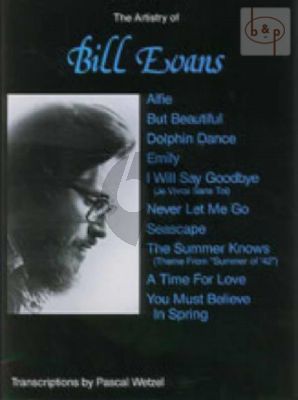
The relationship between Johnny Mandel and Bill Evans is one of the most significant composer-interpreter pairings in modern jazz. Evans did not merely cover Mandel’s songs; he fundamentally reimagined them, using his signature harmonic language to reveal new depths in Mandel’s already sophisticated compositions. Through his numerous recordings, Evans effectively cemented several of Mandel’s works as essential pillars of the jazz repertoire.
Their artistic connection was deep and enduring. Bill Evans was clearly drawn to the harmonic richness and lyrical melancholy inherent in Mandel’s writing, and he returned to these songs throughout his career, treating them not as static texts but as vehicles for profound personal expression.
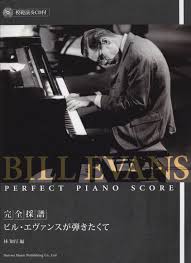
“Emily”: The Definitive Reharmonization
Johnny Mandel and Johnny Mercer’s “Emily,” written for the 1964 film The Americanization of Emily, became a cornerstone of Bill Evans’s repertoire. It is estimated that Evans recorded the tune over 30 times between 1964 and 1980.
Evans first recorded it for his 1967 solo overdub album, Further Conversations with Myself. The album’s liner notes describe his performance as opening with “the arresting beauty of that new title in the Evans book, Johnny Mandel’s ‘Emily,’ a fresh bloom that was to become a great favorite”. A live 1970 trio recording is a perfect example of his approach: it “starts out with a sensitive and reharmonized melody chorus that is a little darker than usual” before transitioning into a medium-tempo swing feel.
Musical analysis of Evans’s interpretations highlights the specific techniques he used to reharmonize the piece. He was known for introducing chromatic inner voice movement and employing lush, modern voicings that create a floating, ethereal feel. His reharmonizations often involved using tritone substitutions to facilitate smooth modulations—a technique already present in Mandel’s original, but which Evans would expand upon and emphasize in his performances. The song’s structure, rich with ii-V-I movements and modulations, provided a perfect canvas for Evans’s harmonic explorations.
Emily – Johnny Mandel as played by Bill Evans sheet music, Noten, partitura, partition
Other Mandel Interpretations by Bill Evans
Evans’s exploration of Mandel’s catalog was not limited to “Emily.” He applied his reharmonizing genius to several other key works.
- “The Shadow of Your Smile”: Evans recorded this Oscar-winning ballad, also on Further Conversations with Myself. Critic Peter Pettinger described Evans’s version as a “probing performance, one of the most concentrated of Evans’s career, developing with increasing insistence and relentless pace”. This description points to a deeply investigative approach to the harmony, stretching the song’s structure in a way that was characteristic of Evans at his most intense.
- “A Time for Love”: This Mandel composition from the 1966 film An American Dream was another favorite. Evans recorded it for his 1968 solo album Alone. His “deeply lyrical interpretations” are credited with helping to elevate the piece to its status as a standard. The transcription of his solo performance is a study in rich jazz voicings, broken chords, and extended harmonies, all hallmarks of his reharmonizing style.
- “Theme from MAS*H (Suicide Is Painless)”: Evans brought his harmonic sensibility to Mandel’s iconic theme from the film and television series M*A*S*H. He first recorded it for his 1977 album You Must Believe in Spring, and it became a staple of his late trio’s repertoire.
The Significance of the Collaboration
The connection between Johnny Mandel and Bill Evans is a classic example of a composer providing a harmonically sophisticated framework that a great improviser can then deconstruct and rebuild. Evans was renowned for “reharmoniz[ing] tunes drastically, but they were so well done it sounded like that’s the way the tune should really go”. His interpretations of Mandel’s music are not just covers; they are co-creations that have become the definitive versions for countless jazz musicians. By choosing to repeatedly return to these songs, Evans paid the highest compliment to Mandel’s craft, ensuring their place in the Great American Songbook and demonstrating the endless possibilities for reinvention within a well-written melody.