
Scores for all instruments: 16,000+ (active and growing), over 236,000 pages.
All genres and levels: Jazz & Blues, Rock & Pop, Classical & Contemporary, Film & Musicals;
books & biographies; methods, études, play-along tracks (MP3) for Jazz & Rock.
Access & benefits: US$15.99 one-time payment, valid for lifetime, full Library access.
Table of Contents
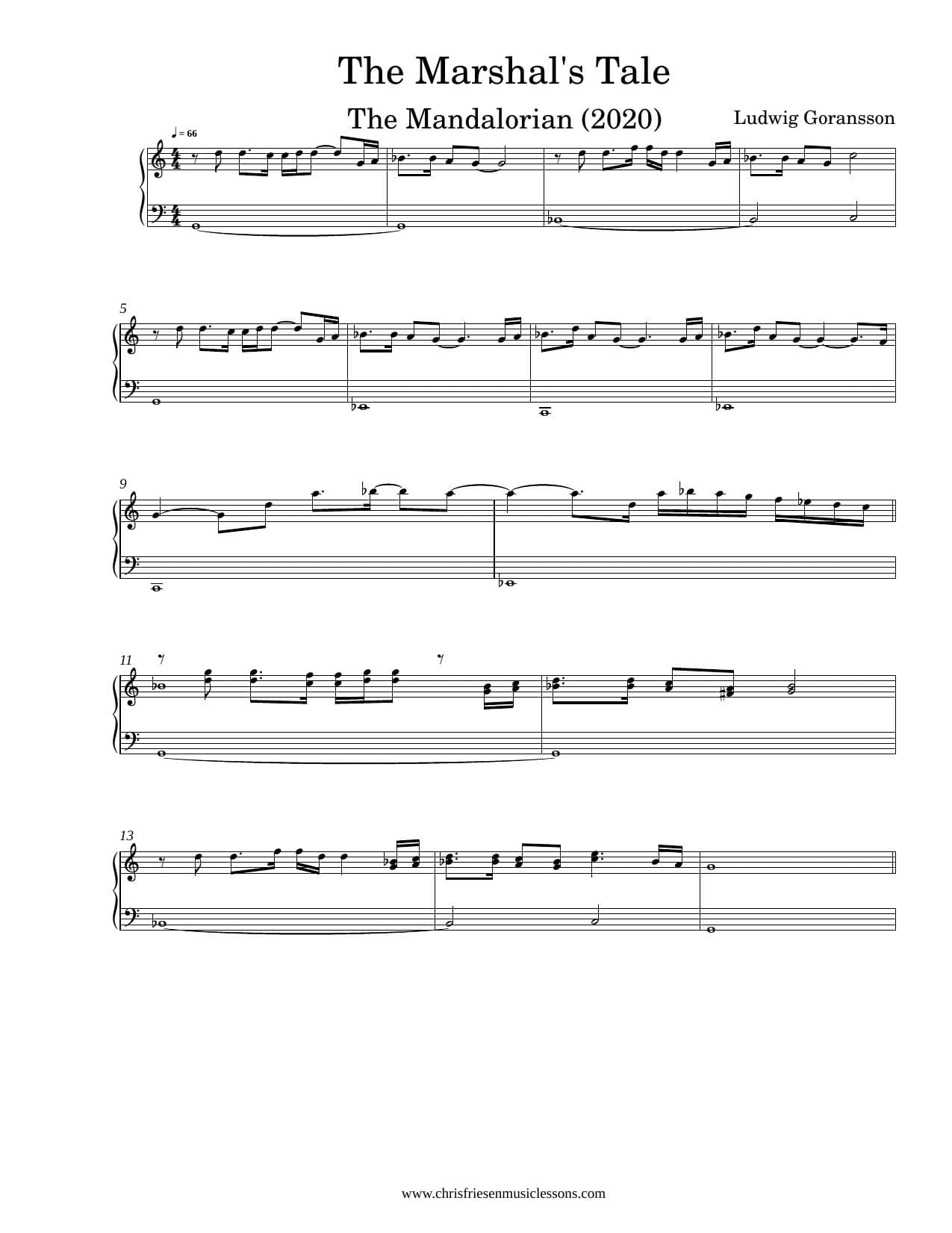
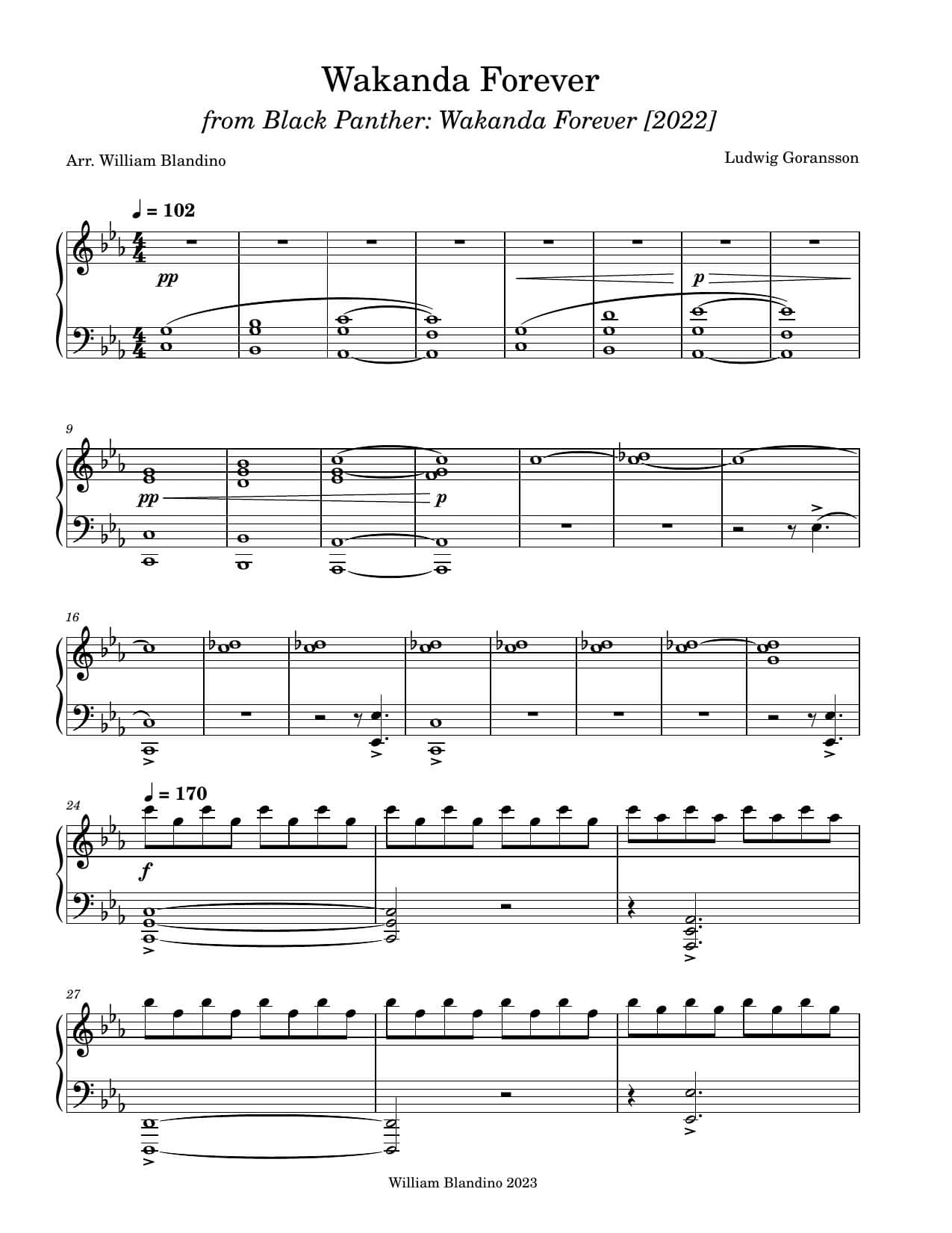
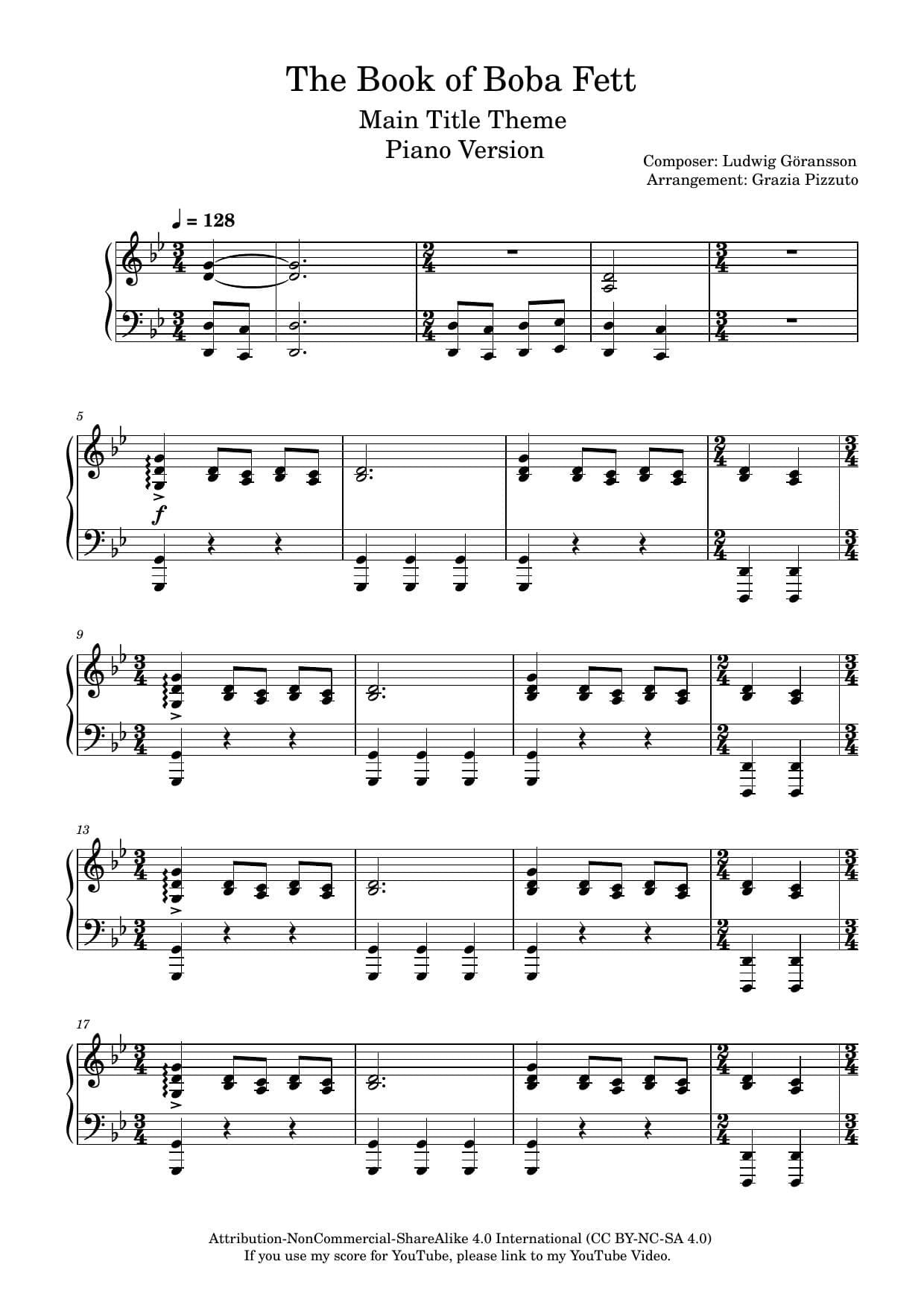
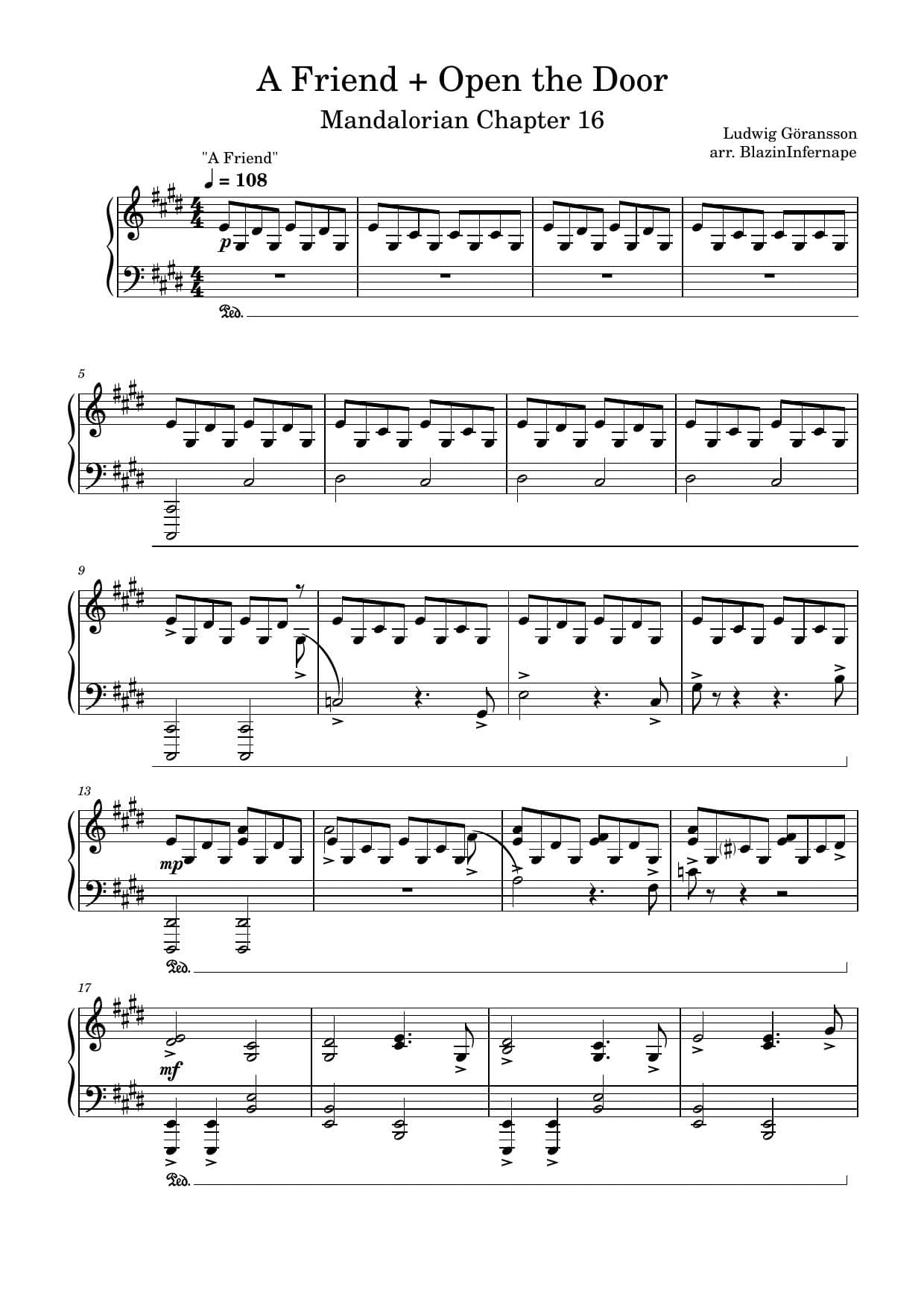
The best sheet music download from our Library.
Ludwig Göransson: The Swedish Architect of Modern Sound
Few composers have reshaped the sound of contemporary entertainment as decisively as Ludwig Göransson. In a career spanning barely more than fifteen years, the Swedish musician, composer, conductor, songwriter, and record producer has moved seamlessly between the worlds of hip-hop, experimental pop, and the grandest traditions of Hollywood orchestral scoring. He has won three Academy Awards for Best Original Score—for Black Panther (2018), Oppenheimer (2023), and Sinners (2025)—becoming the first composer in the 21st century to achieve that feat, and he has done so while remaining one of the most distinctive and restless sonic voices of his generation. To trace Göransson’s career is to trace a singular artistic trajectory: that of a jazz-trained Swedish guitarist who fell in love with film music, immersed himself in West African rhythmic traditions, became the indispensable creative partner of both Donald Glover (Childish Gambino) and director Ryan Coogler, and ultimately redefined what a blockbuster score can sound like.
Please, subscribe to our Sheet Music Library. Sheet music should be accessible and affordable for all musicians, from professionals to absolute beginners.
Biography and Early Life: From Linköping to Los Angeles
Ludwig Göransson was born on 1 September 1984 in Linköping, a city in southern Sweden, into a household where music was both profession and passion. His father was a Swedish guitar teacher, and his mother—of Polish origin—was a florist with a deep love of classical music. The name “Ludwig” was itself the product of a friendly parental debate: his father, a devoted rock and blues fan, pushed for “Albert” after the blues legend Albert King, while his mother insisted on Ludwig, after her favourite composer, Beethoven. His mother won that particular battle, but his father arguably won the war: young Ludwig gravitated toward popular music, picking up the guitar at the age of six and becoming obsessed with the instrument after watching his father play the chugging riffs of Metallica’s “Enter Sandman”. He spent his teenage years in the basement, experimenting with a drum machine and an eight-track recorder while absorbing the film scores of John Williams (Star Wars) and Danny Elfman (Batman). This early triangulation—rock energy, jazz curiosity, and cinematic imagination—would later become the foundation of his entire aesthetic.
Search your favorite sheet music in the Sheet Music Library Catalog
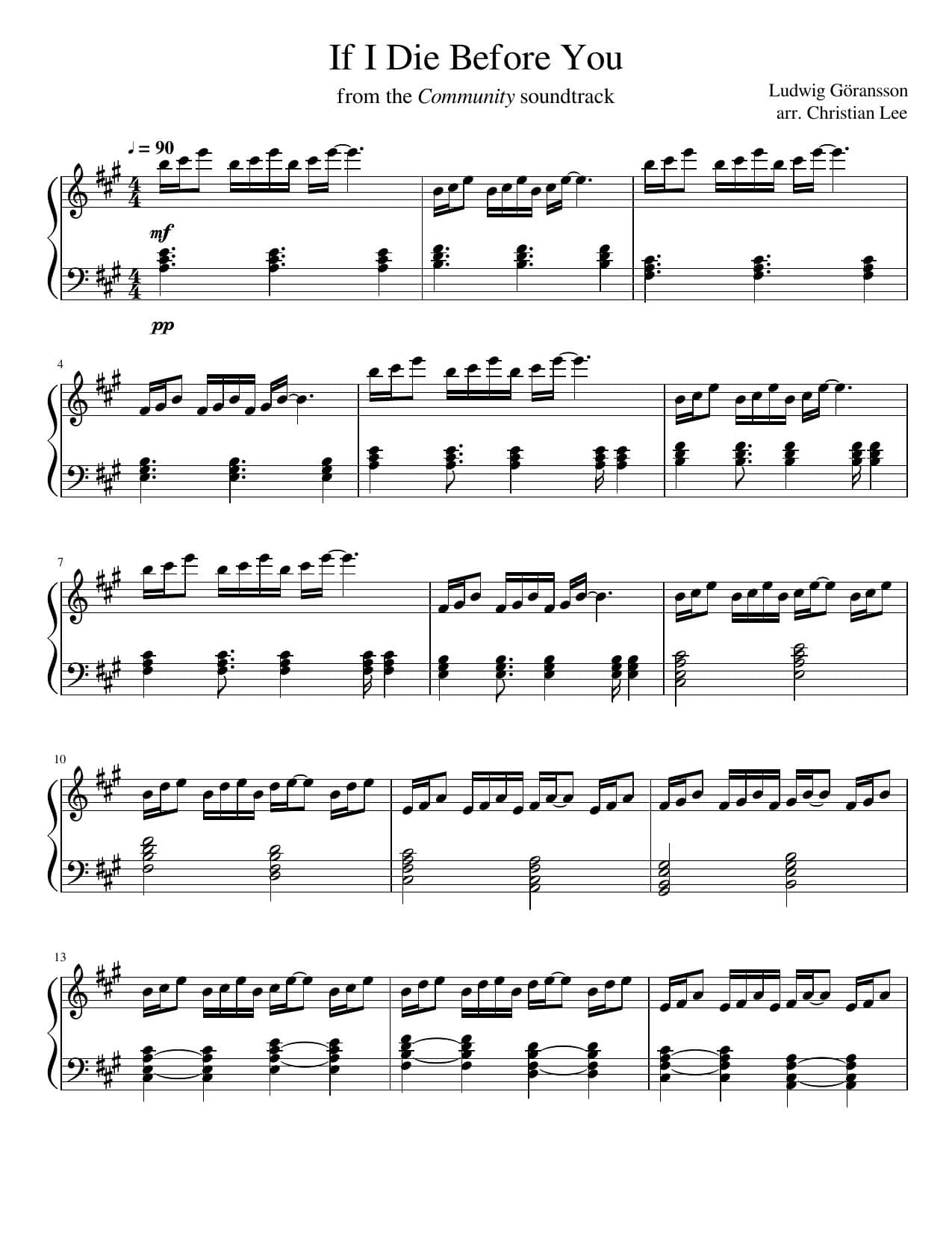


Göransson’s formal training was rigorous and unusually broad. He studied at the Royal College of Music in Stockholm, graduating with a degree in jazz in 2007. His jazz background gave him a fluency in extended harmony, rhythmic elasticity, and improvisational thinking that most classically trained film composers lack. But his sights were already set on film music. In 2007 he moved to Los Angeles to study film composition at the University of Southern California’s Thornton School of Music (and the USC School of Cinematic Arts), a decision that would prove fateful. At USC he stood out precisely because of his hybrid background: a jazz and rock musician among aspiring symphonists. More importantly, he met two people who would define his career. One was a filmmaking student named Ryan Coogler, with whom he bonded over a shared love of hip-hop and rock in a pool hall; the other was the actor, writer, and musician Donald Glover, whose path would lead to some of the most acclaimed pop music of the decade. Before those partnerships bore fruit, Göransson honed his craft as an assistant to composer Theodore Shapiro, learning the practical mechanics of Hollywood scoring. His first significant break came writing music for the NBC sitcom Community, which in turn connected him to Glover and opened the door to the world of Childish Gambino.
Musical Style and Technique: Rhythm as Architecture
Göransson’s style is notoriously difficult to pin down, and that is precisely its strength. He is a chameleon who never loses his fingerprints: whether he is producing a psychedelic funk record, scoring a Marvel blockbuster, or writing a three-hour biopic about the father of the atomic bomb, the same core principles are audible—rhythmic structural thinking, timbral experimentation, and an almost anthropological approach to musical research. His music rarely relies on conventional melodic-harmonic development alone. Instead, he often treats rhythm and texture as the primary architectural materials, building pieces from interlocking patterns, layered ostinatos, and carefully sculpted sound masses.
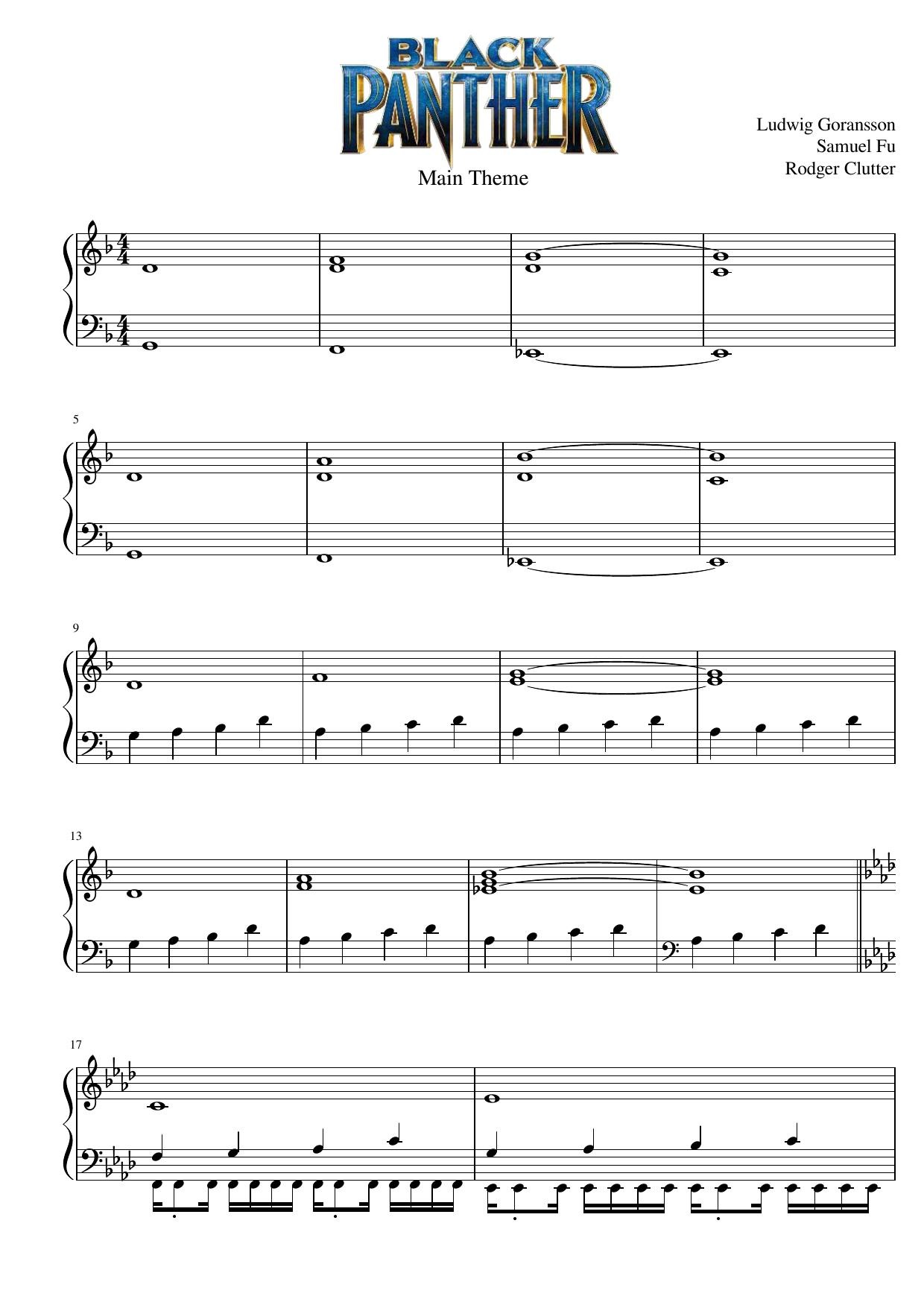
The clearest statement of this philosophy came in his work on Black Panther. Göransson travelled to Senegal and South Africa for research, spending a month with Senegalese musician Baaba Maal and visiting the International Library of African Music (ILAM) in Grahamstown, where he encountered thousands of field recordings and hundreds of instruments that had fallen out of common use. Confronted with the challenge of blending a 132-piece Western orchestra with traditional African music without diluting either tradition, he arrived at a conceptual breakthrough: rather than foregrounding melody and harmony, he treated each section of the orchestra as a rhythmic element, “as a different drum”. Just as an African drum circle assigns distinct interlocking patterns to the djembe, dunun, and bara drums, Göransson assigned distinct rhythmic roles to the string section, the brass, the woodwinds, and the percussion, so that the orchestra itself became a kind of monumental drum circle. This is not a gimmick; it is a fundamental rethinking of orchestral hierarchy, and it explains why the Black Panther score feels simultaneously symphonic and polyrhythmically alive. The horns swell and the polyrhythms “rumble not with a distant awe, but with a believable intimacy,” as one critic observed, because the rhythmic logic is genuinely rooted in African practice rather than merely decorated with African instruments.
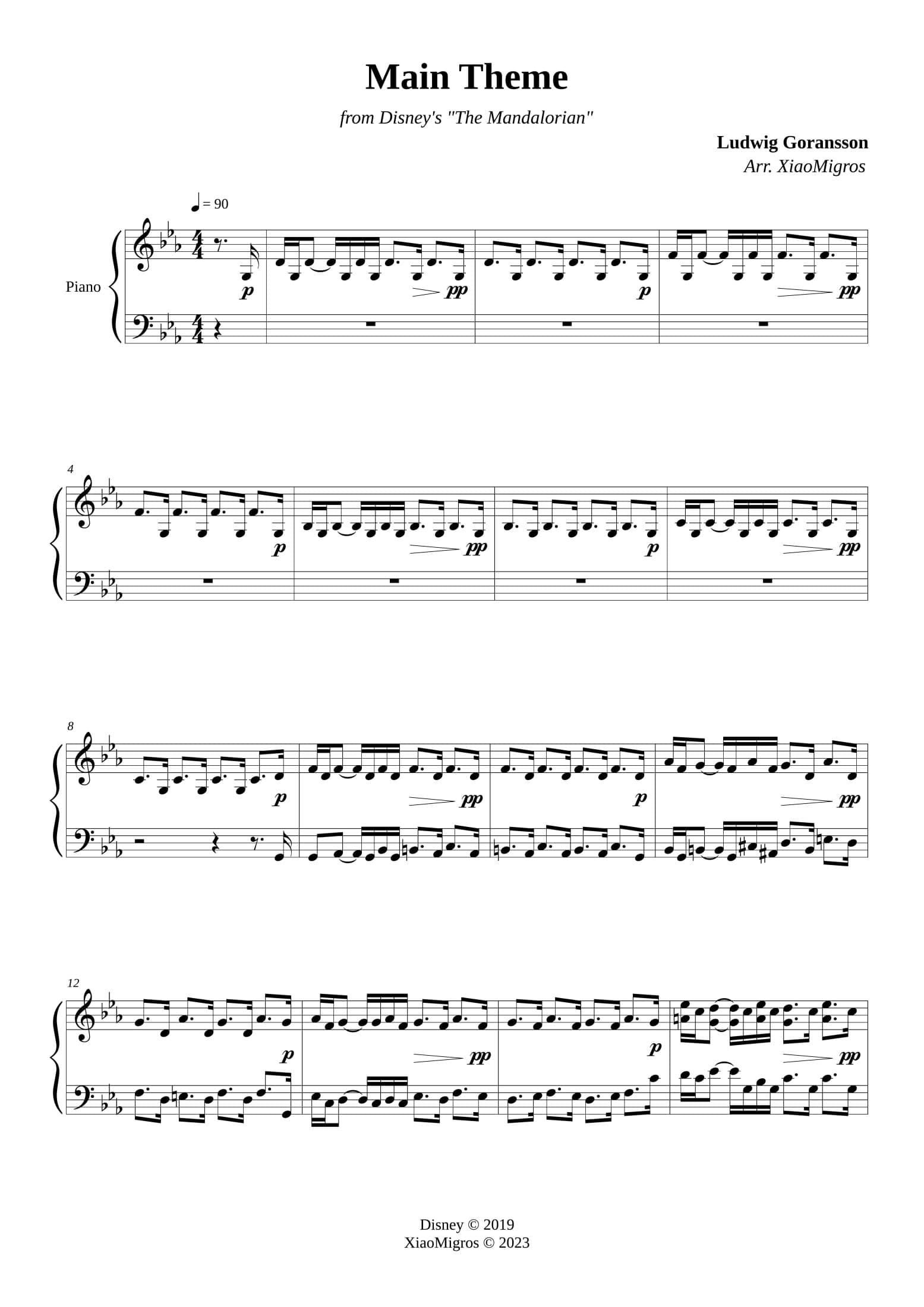
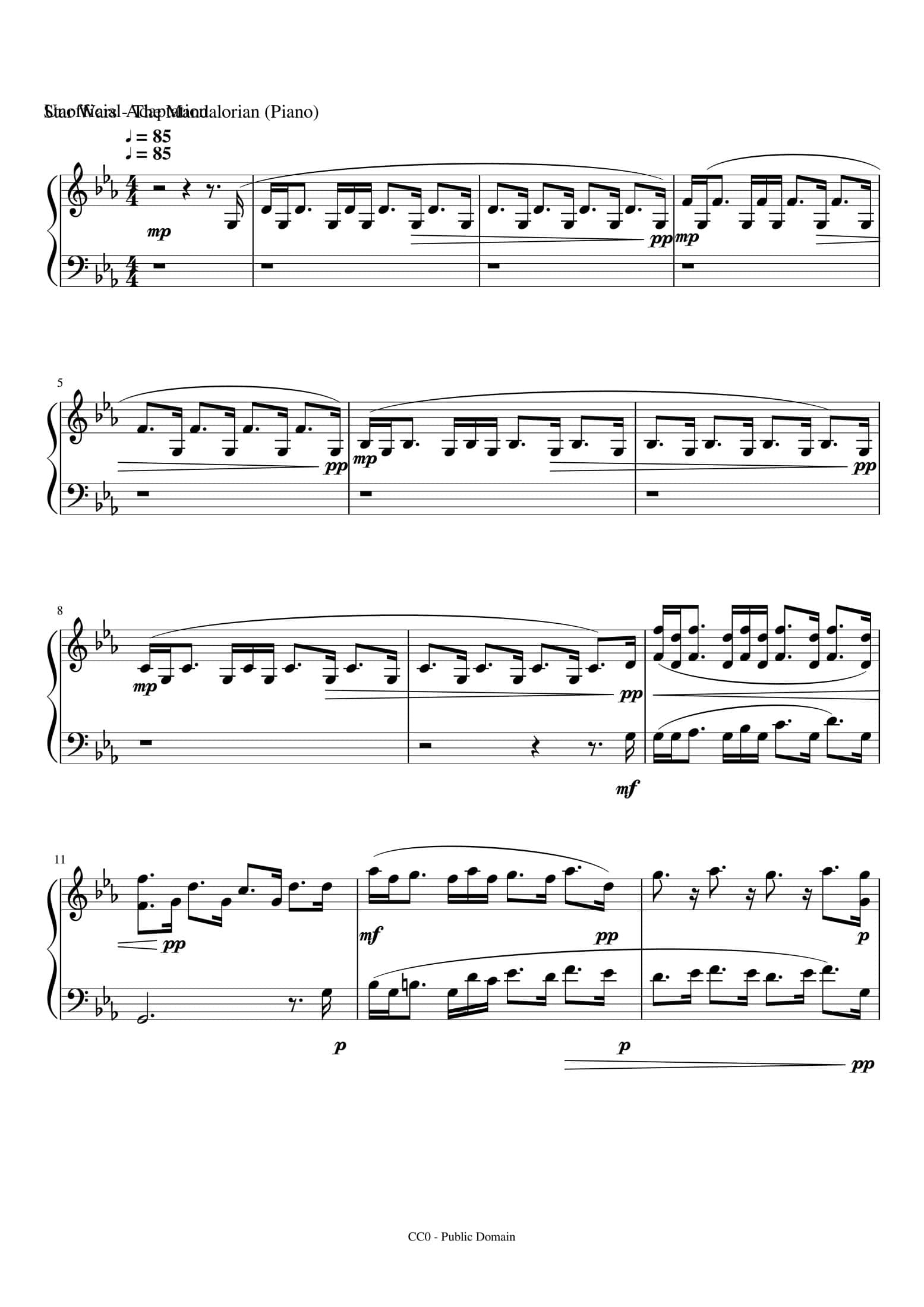
That commitment to rhythmic architecture extends across his filmography. For The Mandalorian, Göransson stripped the Star Wars soundworld down to its most primitive elements: a single solo bass recorder became the signature sound of the helmeted protagonist, a lonely, organic timbre that he then surrounded with heavy, distorted drums and industrial synthetic textures evoking the coldness of beskar armour. He bought a collection of recorders, retreated into the woods to play them in nature, and deliberately sought an “organic” core before layering on technological grit and cinematic orchestra. The result was a score that felt like a new chapter in the Star Wars musical universe while remaining unmistakably Göransson: rhythmically driven, timbrally obsessive, and emotionally direct. In Oppenheimer, he took the opposite tack, making the violin the score’s psychological centre. Working with his wife, the violinist Serena McKinney, he developed a vocabulary that exploited the instrument’s fretless capacity for extreme expressive shifts—from “the most romantic melodic tone” to a “neurotic and manic” tremolo within a split second—while also employing non-traditional techniques such as tapping or hitting the body of the violin with the bow. The layering of string harmonics in escalating crescendos became a sonic metaphor for atomic spin and mounting dread. Across these three projects, the common thread is a belief that instrumental technique and timbre are not ornamental but narrative: the choice of how a sound is produced is itself a form of storytelling.
Göransson’s production work in pop music reinforces the same instinct. His collaborations with Childish Gambino—Camp, Because the Internet, “Awaken, My Love!”, and the standalone single “This Is America”—show a producer who thinks in terms of sonic space, contrast, and rhythmic dislocation rather than conventional song structure. On “Awaken, My Love!” he co-wrote and co-produced the entirety of the album, drawing on Funkadelic’s psychedelic funk vocabulary while keeping the low-end modern and the arrangements unpredictable. The through-line between his pop production and his film scoring is an insistence that groove and texture can carry as much meaning as melody and harmony.
Harmonic Language: Disorientation, Modulation, and Dramatic Truth
If rhythm is Göransson’s architectural foundation, harmony is his dramatic tool—and he uses it with a boldness that is unusual in mainstream film scoring. His harmonic language is not organised around the long-range tonal planning of a John Williams or the static modal fields of a Hans Zimmer; instead, it is characterised by abrupt, unexpected, and complex modulations designed to disorient the listener and mirror psychological or narrative instability. In Oppenheimer, for example, the score features fast, jarring key shifts that mimic atomic reactions, scientific breakthroughs, and Oppenheimer’s spiralling emotions. The music constantly fluctuates between major and minor, trapping the listener between hope and devastation. The opening track, “Can You Hear the Music?”, shifts from B minor to D major and then to A-flat minor within a minute—a harmonic restlessness that reflects the protagonist’s rapidly shifting thoughts and the overwhelming scale of atomic discovery. These are not arbitrary chromatic adventures; they are structural metaphors. The relentless ascending scales and rapid key changes create the illusion of an unstoppable force, mirroring nuclear fission itself.
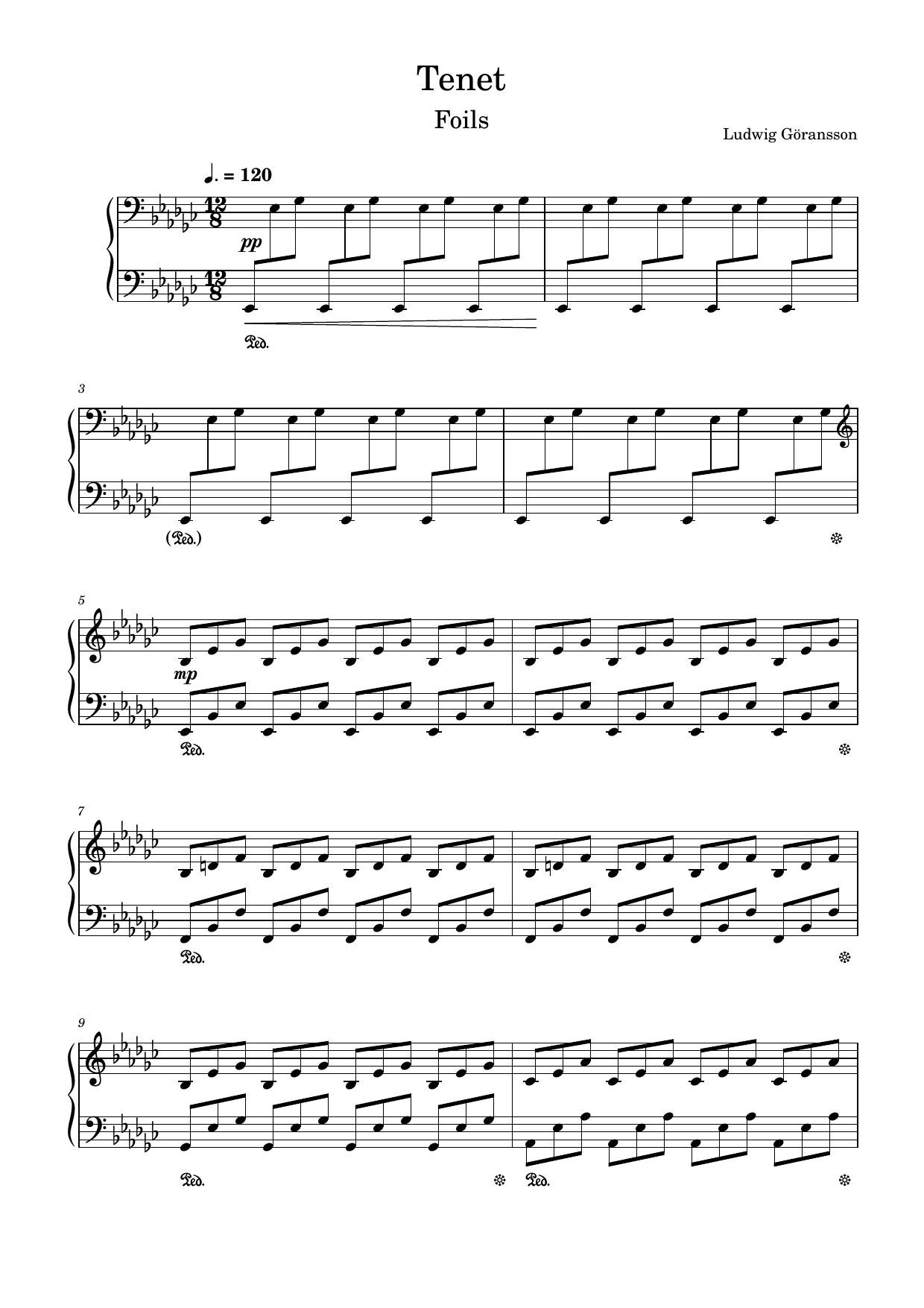
In Tenet, Göransson pushed harmonic technique into even more conceptual territory. To represent the film’s central conceit of time inversion, he literally reversed harmonic structures, using retrograde modulation—playing a phrase in reverse harmonic order—so that the music feels as though it is running both forward and backward simultaneously. In the cue “Posterity,” the piece modulates from D minor to A-flat major and back to D minor, but with inverted harmonic motion, producing a paradoxical, disorienting effect that reinforces the film’s time-bending narrative. This is harmony deployed not as colour but as plot: the listener experiences the film’s intellectual puzzle through the behaviour of keys.
Even in Black Panther, where the harmonic language is more grounded in modal and pentatonic colours, Göransson uses harmonic change to articulate character psychology. The score distinguishes the atmospheric world of Wakanda from the psychological world of Erik Killmonger through instrumentation and harmonic weight: the tambin flute appears as a ghostly presence, its windy notes “puncturing with the urgency of an ancestral cry,” before the theme resolves with trap hi-hats that re-centre Killmonger as an African-American whose generational plight pits him against Wakanda’s isolationism. Harmonic and timbral choices become markers of cultural and psychological identity. What unites all of this is a principle of dramatic truth over theoretical elegance: Göransson’s modulations are designed to make the audience feel the instability, acceleration, or inversion that the images and narrative demand.
Best Songs and Compositions: The Essential Göransson
Further information: Ludwig Göransson discography
Any account of Göransson’s best work must acknowledge that his catalogue spans two parallel worlds—pop production and narrative scoring—and that the boundary between them is deliberately porous. In the pop sphere, his partnership with Childish Gambino produced a string of defining recordings. “Redbone” (from “Awaken, My Love!”) is a slow-burning psychedelic soul track whose woozy harmonic atmosphere and infectious groove became a crossover phenomenon; Göransson has spoken about how the song’s success was never a foregone conclusion, which makes its ubiquity all the more striking. “This Is America” is the other pole: a visceral, rhythmically dislocating protest record that Göransson co-wrote and co-produced, and which became a cultural event as much as a hit song, winning Grammy Awards for Record of the Year and Song of the Year. The song’s power lies in its refusal to settle—its abrupt shifts between choral warmth and trap aggression enact the very contradictions the lyrics confront.
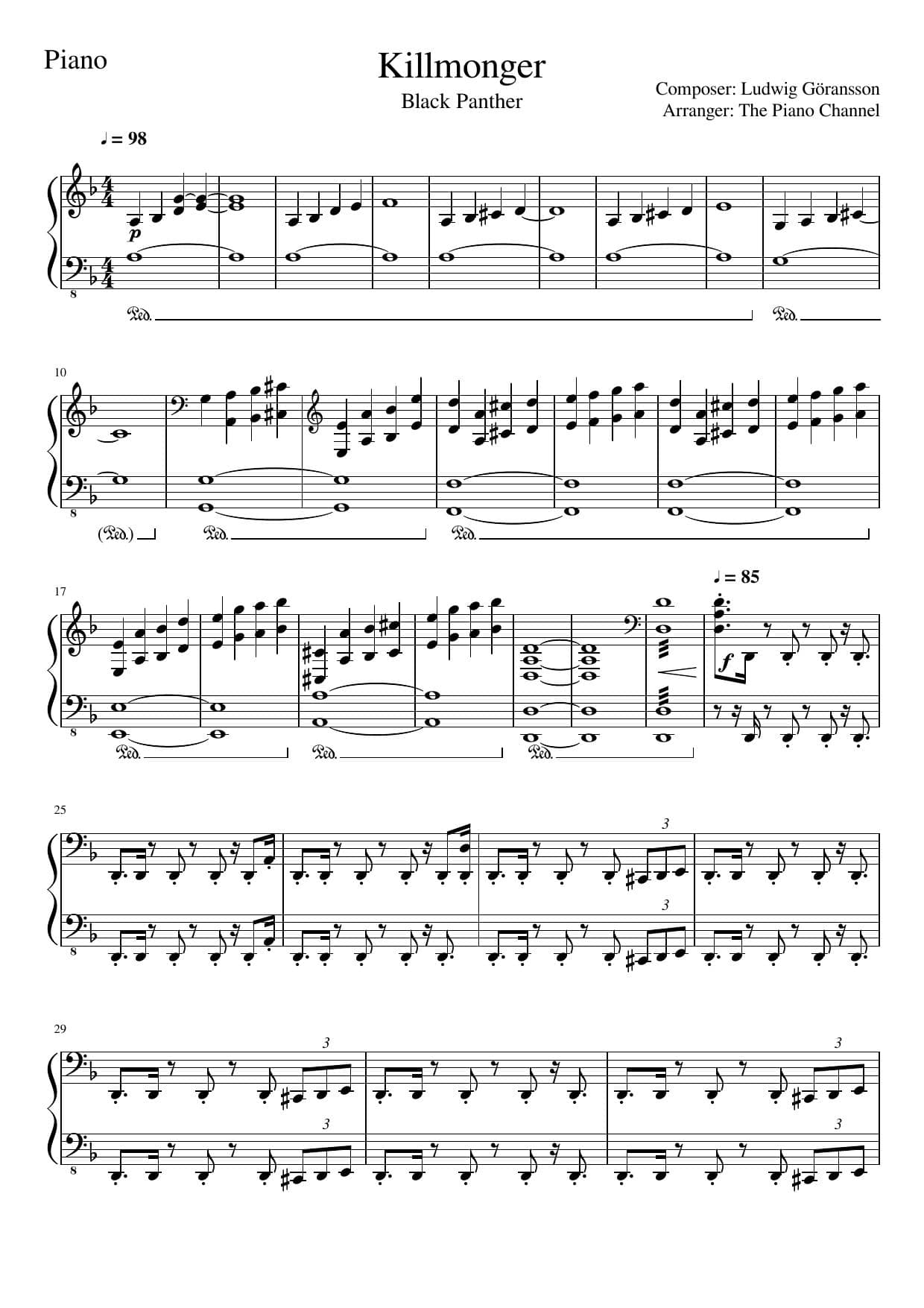
In the film world, several compositions have become signature works. “Wakanda” from Black Panther is a majestic statement of national identity, opening with Baaba Maal’s solemn vocal—a metaphor for the fallen king—before regal brass and layered percussion unfold a panorama of the fictional nation. “Killmonger” is its shadow-self: a theme built around the ghostly tambin flute and trap hi-hats that embodies the villain’s inner conflict and his diasporic fracture. From Oppenheimer, “Can You Hear the Music?” has become the most celebrated single cue of Göransson’s career, a relentless accelerando of string harmonics and rhythmic drive that captures both the ecstasy and the terror of scientific discovery; it was nominated for Best Instrumental Composition and has taken on a life in concert halls and on streaming platforms. “Destroyer of Worlds” and “A Lowly Shoe Salesman” are among the most-streamed tracks from the score, testament to the fact that listeners are drawn to the music’s psychological complexity even outside the film.
The Mandalorian yielded another instantly recognisable theme: the “Mandalorian” motif, built around a lone bass recorder and heavy, industrial percussion, which manages to be both a frontier ballad and a piece of science-fiction world-building. The series’ main theme, with its unusual blend of Morricone-style whistling, Zimmer-esque hybrid orchestration, and Williams-like leitmotif logic, has become one of the most distinctive television themes of its era. And in Sinners (2025), Göransson’s third Oscar-winning score, he turned toward a blues-heavy horror idiom, earning nominations for both Best Original Score and Best Original Song (for “I Lied to You,” shared with Raphael Saadiq)—a rare double recognition that speaks to the breadth of his craft.
Music in Films and Television: A Complete Spectrum
Göransson’s filmography is remarkable not only for its awards but for its range. His breakthrough in narrative scoring came through television, with Community, which led to his long-running collaboration with Donald Glover. But it was his partnership with Ryan Coogler that established him as a major film composer. He scored Coogler’s short film Locks while both were at USC, and then went on to score all of Coogler’s feature films: Fruitvale Station (2013), Creed (2015), Black Panther (2018), Black Panther: Wakanda Forever (2022), and Sinners (2025). This is one of the defining director-composer relationships of the 21st century, comparable in its creative intimacy to Hitchcock and Herrmann or Spielberg and Williams. For Fruitvale Station, Göransson wrote understated, elegiac melodies; for Creed, he built a muscular, hip-hop-inflected score that sampled the sounds of a boxing gym; for Black Panther, he reinvented the sonic vocabulary of the superhero blockbuster by fusing African rhythmic traditions, Western orchestra, and modern trap production. The Black Panther score made history as the first superhero film to win the Academy Award for Best Original Score, and it also earned Göransson Grammy Awards for Best Score Soundtrack for Visual Media.
Beyond the Coogler films, Göransson’s credits include Venom (2018), Creed II (2018), Pixar’s Inner Workings (2016), Turning Red (2022), and Christopher Nolan’s Tenet (2020). His work on Tenet is a particularly fascinating case study: Nolan’s film is built around the concept of time inversion, and Göransson responded with a score that literalises the idea through retrograde harmonic motion and reversed sonic textures. The music is not merely atmospheric; it is a structural puzzle that rewards close listening. In Oppenheimer (2023), he reunited with Nolan to create a score that is at once intimate and apocalyptic, using the violin as the voice of Oppenheimer’s psyche and silence as a dramatic weapon. The score won him his second Academy Award and a Golden Globe, and its centrepiece, “Can You Hear the Music?”, has become a standalone concert piece.
On television, The Mandalorian (2019–2023) represents another major achievement. Göransson was faced with the daunting task of writing music for the Star Wars universe—the “holy grail of film music,” as he himself described it—and he chose to begin from a place of deliberate naivety: a single solo bass recorder, a sound of loneliness and frontier austerity, around which he built a score that could accommodate orchestral sweep, synthetic grit, and spaghetti-western inflection. He won two Primetime Emmy Awards for his work on the series, and the Mandalorian theme has become one of the most recognisable pieces of television music of the streaming era. He also scored The Book of Boba Fett (2021–2022), extending the sonic world he had established. His film work continues to expand: he is attached to Christopher Nolan’s The Odyssey (2026), and his score for Sinners has already entered the awards canon.
Collaborations: The Chemistry of Trust
Göransson’s career is a case study in the power of long-term creative partnerships. The two most important are with Donald Glover and Ryan Coogler, and both began at USC in the late 2000s. With Glover, Göransson found a musical foil who shared his appetite for genre collision and conceptual risk. He produced Glover’s debut album Camp, the ambitious Because the Internet, and the psychedelic funk opus “Awaken, My Love!”, and he co-wrote and co-produced “This Is America,” a song that became a cultural flashpoint and won the Grammy for Record of the Year. The Glover partnership is not simply a producer-artist relationship; it is a laboratory in which both artists test ideas that later migrate into their other work. The rhythmic audacity and timbral playfulness of the Childish Gambino records are audible in the Black Panther score, just as the cinematic scope of Göransson’s film work informs the ambition of Glover’s albums.
With Coogler, Göransson has built something rarer still: a director-composer partnership in which the music is developed from the earliest stages of production, often before shooting begins. Coogler works without a temp score, which gives Göransson unusual freedom and responsibility; the composer can research, experiment, and send early themes to actors (as he did with Killmonger’s theme for Michael B. Jordan) before a frame is shot. This trust has produced a body of work that is remarkably coherent across genres: the intimate realism of Fruitvale Station, the crowd-pleasing energy of Creed, the mythic grandeur of Black Panther, and the gothic blues of Sinners are all unmistakably the work of the same creative pair. Göransson has also collaborated with Justin Timberlake on the Trolls films, co-producing songs and working for two and a half years on Trolls World Tour, a testament to his willingness to move between radically different registers of popular music. His work with artists such as Baaba Maal, Raphael Saadiq, and the musicians he recorded in Senegal and South Africa reflects a collaborative ethic grounded in respect for tradition and a refusal to treat non-Western music as mere decoration.
Influences and Legacy: A New Model for the Film Composer
Göransson’s influences are a deliberately incongruous constellation. He has spoken about the formative impact of John Williams’s Star Wars scores and Danny Elfman’s Batman, and his teenage years were spent absorbing both film music and the rock and metal riffs his father played. His jazz training at the Royal College of Music gave him a harmonic and rhythmic sophistication that he wears lightly, and his production work is informed by funk, soul, hip-hop, and electronic music. Scholarly analysis of The Mandalorian theme has identified a synthesis of three major film-music influences: Ennio Morricone’s expressive use of unusual instrumentation and rhythmic motifs, Hans Zimmer’s romantic minimalism and hybrid orchestration, and John Williams’s harmonic sophistication and leitmotif construction. This is not pastiche; it is a genuine assimilation of traditions into a personal language. Göransson’s achievement is to have absorbed the canon without being intimidated by it, and to have added something genuinely new: a rhythmic, anthropological, production-minded approach to scoring that treats the orchestra as a living, breathing, polyrhythmic organism rather than a inherited monument.
His legacy is already being written in real time. He is the first composer in the 21st century to win three Academy Awards for Best Original Score, and the first composer to win two Oscars for Best Original Score in collaboration with the same director since Howard Shore and Peter Jackson. He is one of the youngest composers ever to win three scoring Oscars, and his awards cabinet also includes Emmys, Grammys, a Golden Globe, a BAFTA, and a Critics’ Choice Award. But the numbers tell only part of the story. More significant is the model he has established for a new generation of composers: a model in which film scoring is not a hermetic discipline but an extension of record production, in which research and cultural immersion are not optional extras but creative necessities, and in which the composer can move between the Billboard Hot 100 and the Academy Awards without ever seeming to change gear. Göransson has demonstrated that a blockbuster score can be rhythmically radical, that a pop record can be cinematically ambitious, and that the two pursuits can nourish each other. In doing so, he has helped to dissolve the lingering hierarchy that separates “serious” film composition from popular music, and he has opened the door for a generation of composers who grew up with drum machines and orchestras in equal measure.
Ludwig Göransson: Personal Life, Method, and Milestones
Göransson is married to the violinist Serena McKinney, who has become an important creative collaborator; her expertise in extended violin technique was instrumental in shaping the Oppenheimer score, particularly its exploration of harmonics, vibrato, and non-traditional bowing. The couple travelled together to Africa during the Black Panther research trip, an experience Göransson has described as life-changing. In interviews he comes across as unassuming and collaborative, someone who describes a steady paying job as a composer as his early ideal and who credits his success to friendships and curiosity rather than naked ambition. He is signed to the publishing unit of Jay-Z’s Roc Nation, a detail that underscores his straddling of the film and popular-music industries. His creative process often begins with intensive research—field recordings, instrumental study, conversations with musicians—and moves toward what he has called an “anthropological approach to music,” in which the cultural context of a sound is as important as its acoustic properties.
He has a distinctive personal style, known in Hollywood circles for his mane of brown hair and funky, self-styled looks, but it is the musical style that commands attention. As he enters the next phase of his career, with The Odyssey on the horizon and a body of work that already spans some of the most significant films and television series of the past decade, Ludwig Göransson stands not merely as a successful composer but as a genuinely transformative figure: a Swedish jazz guitarist who became the sound of 21st-century Hollywood, and who did so by insisting that rhythm, research, and risk-taking matter more than convention. His legacy is still unfolding, but its shape is already clear: he has made the film score a place where the drum circle, the orchestra, and the drum machine can finally speak the same language.