
Table of Contents
Scores for all instruments: 16,000+ (active and growing), over 236,000 pages.
All genres and levels: Jazz & Blues, Rock & Pop, Classical & Contemporary, Film & Musicals;
books & biographies; methods, études, play-along tracks (MP3) for Jazz & Rock.
Access & benefits: US$15.99 one-time payment, valid for lifetime, full Library access.
Mahalia Jackson: the 100 most inspiring musicians of all time
American gospel music singer Mahalia Jackson.
(b. Oct. 26, 1911, New Orleans, La., U.S.—d. Jan. 27, 1972, Evergreen Park, near Chicago, Ill.) is known as the “Queen of Gospel Song.
Jackson was brought up in a strict religious atmosphere. Her father’s family included several entertainers, but she was forced to confine her own musical activities to singing in the church choir and listening—surreptitiously—to recordings of Bessie Smith and Ida Cox as well as of Enrico Caruso. When she was 16 she went to Chicago and joined the Greater Salem Baptist Church choir, where her remarkable contralto voice, soon led to her selection as a soloist.
Jackson first came to wide public attention in the 1930s, when she participated in a cross-country gospel tour, singing such songs as “He’s Got the Whole World in His Hands” and “I Can Put My Trust in Jesus.” In 1934 her first recording, “God Gonna Separate the Wheat from the Tares,” was a success, leading to a series of other recordings.
Jackson’s first great hit, “Move on Up a Little Higher,” appeared in 1945; it was especially important for its use of the “vamp,” an indefinitely repeated phrase (or chord pattern) that provides a foundation for solo improvisation.
The best sheet music download from our Library.


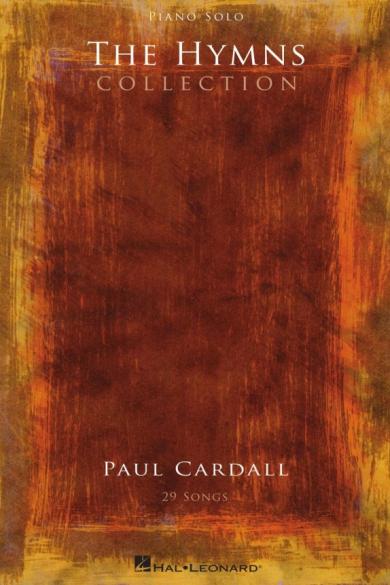
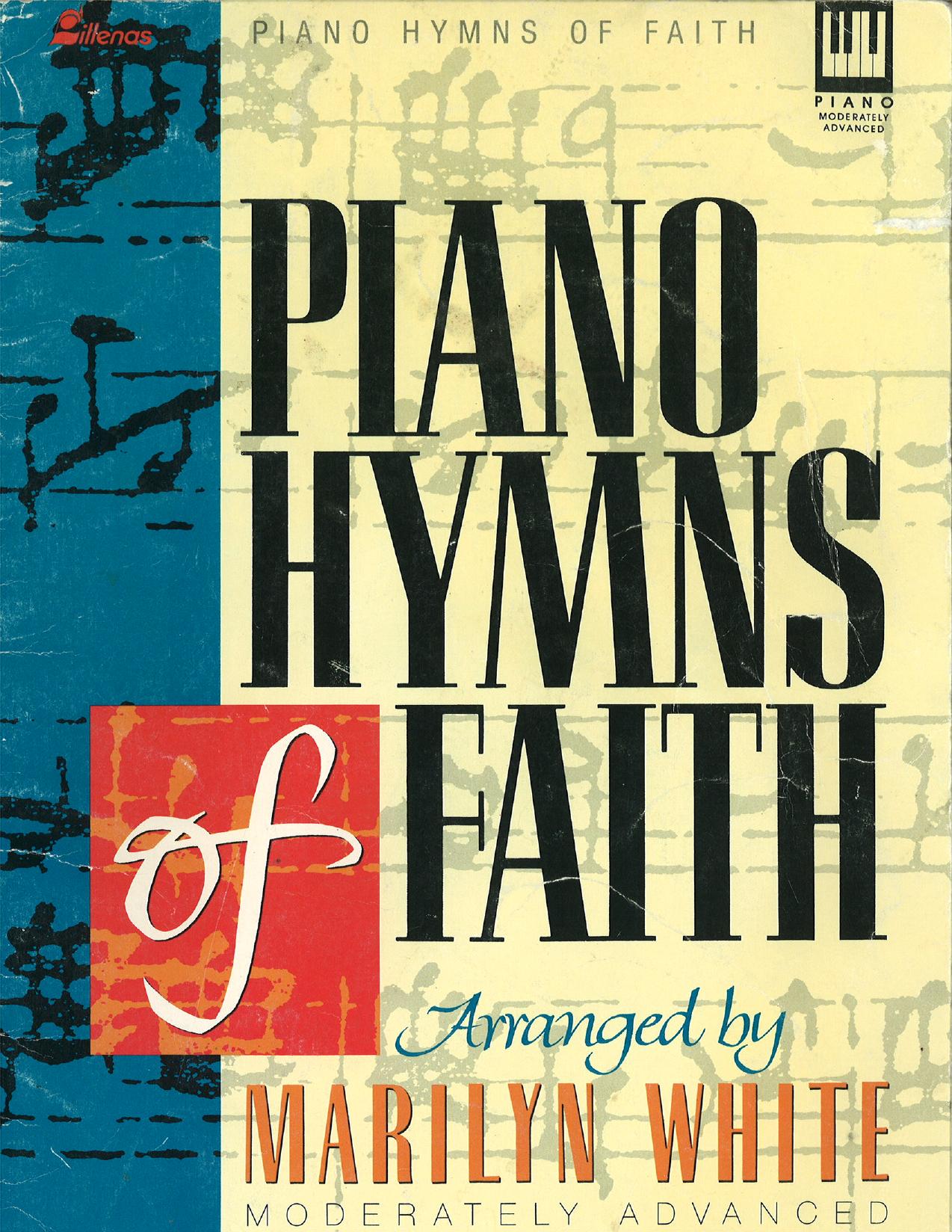
All the songs with which she was identified—including “I Believe,” “Just over the Hill,” “When I Wake Up in Glory,” and “Just a Little While to Stay Here”—were gospel songs, with texts drawn from biblical themes and strongly influenced by the harmonies, rhythms, and emotional force of blues. Jackson refused to sing any but religious songs, or indeed to sing at all in surroundings that she considered inappropriate. But she sang on the radio and on television and, starting in 1950, performed to overflow audiences in annual concerts at Carnegie Hall in New York City. Eight
of Jackson’s records sold more than a million copies each.
Jackson was enormously popular abroad; her version of “Silent Night,” for example, was one of the all-time bestselling records in Denmark. She made a notable appearance at the Newport (Rhode Island) Jazz Festival in 1957—in a program devoted entirely, at her request, to gospel songs— and she sang at the inauguration of President John F. Kennedy in January 1961. In the 1950s and ’60s she was active in the civil rights movement; in 1963 she sang the old African American spiritual “I Been ’Buked and I Been Scorned” for a crowd of more than 200,000 in Washington, D.C., just before Civil Rights leader Martin Luther King, Jr., delivered his famous “I Have a Dream” speech.
Best Gospel and Spirituals sheet music from our online Library.
MAHALIA JACKSON - "Take My Hand, Precious Lord" (Rev. Thomas A. Dorsey) LIVE
Please, subscribe to our Sheet Music Library. Sheet music should be accessible and affordable for all musicians, from professionals to absolute beginners.
Precious Lord, Take My Hand (Live) · Gaither · Sherman Andrus New Orleans Homecoming.
Lyrics:
When my way groweth drear
Precious Lord, linger near-ear
When my li-ight is almost gone
Hear my cry, hear my call
Hold my ha-and lest I fa-all
Take my hand, precious Lor-ord
Lead me on
Precious Lord, take my hand
Lead me on, let me sta-and
I am tired, I'm weak, I am worn
Through the storm, through the night
Lead me on to the li-ight
Take my ha-and, precious Lor-ord
Lead me home
When my work is all done
And my race here is are you-un
Let me see-ee by the light
Thou hast shown
That fair city so bright
Where the lantern is the li-ight
Take my ha-and, precious Lor-ord
Lead me on
Precious Lord, take my hand
Lead me on, let me sta-and
I am tired, I'm weak, I am worn
Through the storm, through the night
Lead me on to the li-ight
Take my ha-and, precious Lor-ord
Lead me home