Scores for all instruments: 16,000+ (active and growing), over 236,000 pages.
All genres and levels: Jazz & Blues, Rock & Pop, Classical & Contemporary, Film & Musicals;
books & biographies; methods, études, play-along tracks (MP3) for Jazz & Rock.
Access & benefits: US$15.99 one-time payment, valid for lifetime, full Library access.
Table of Contents
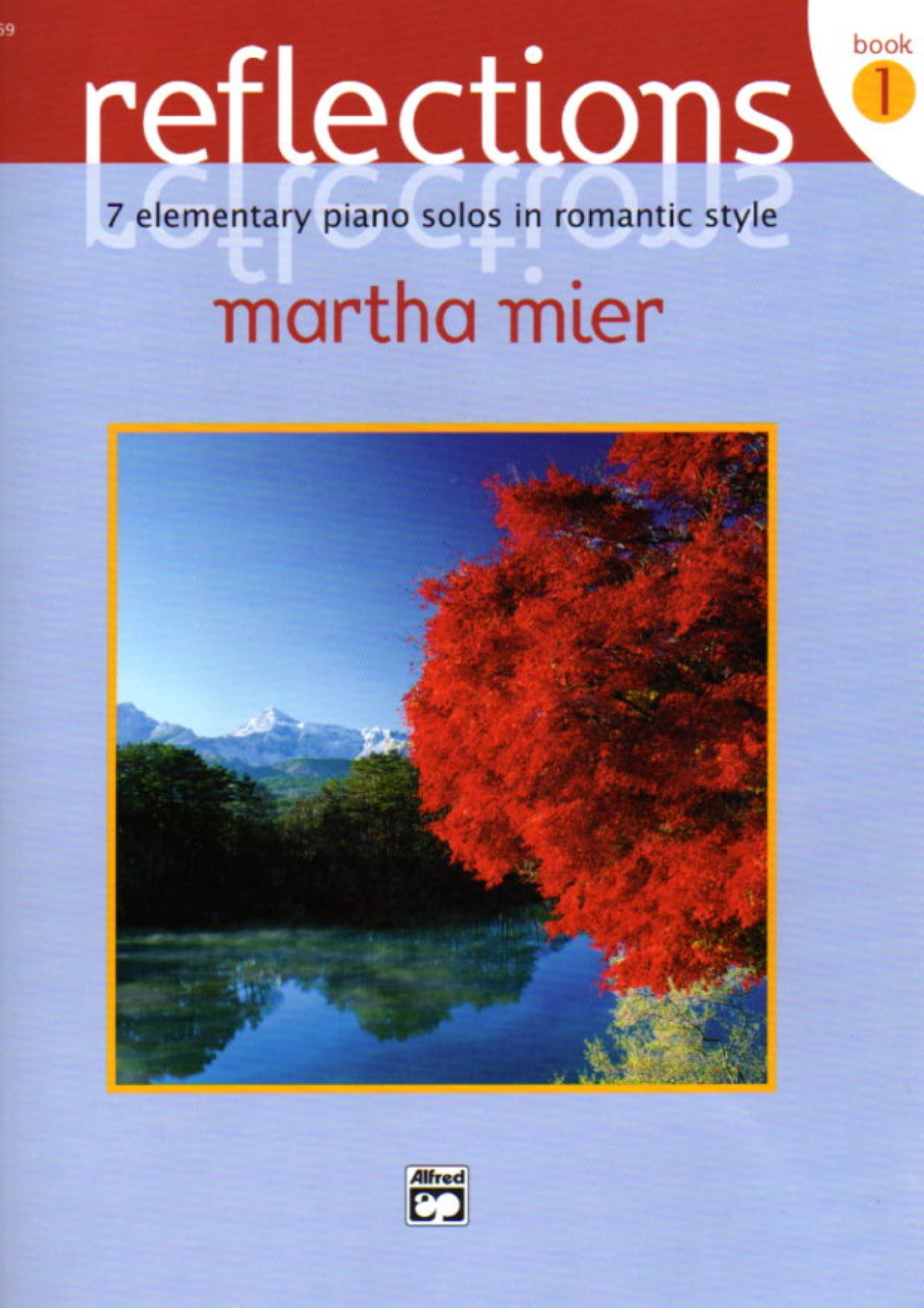
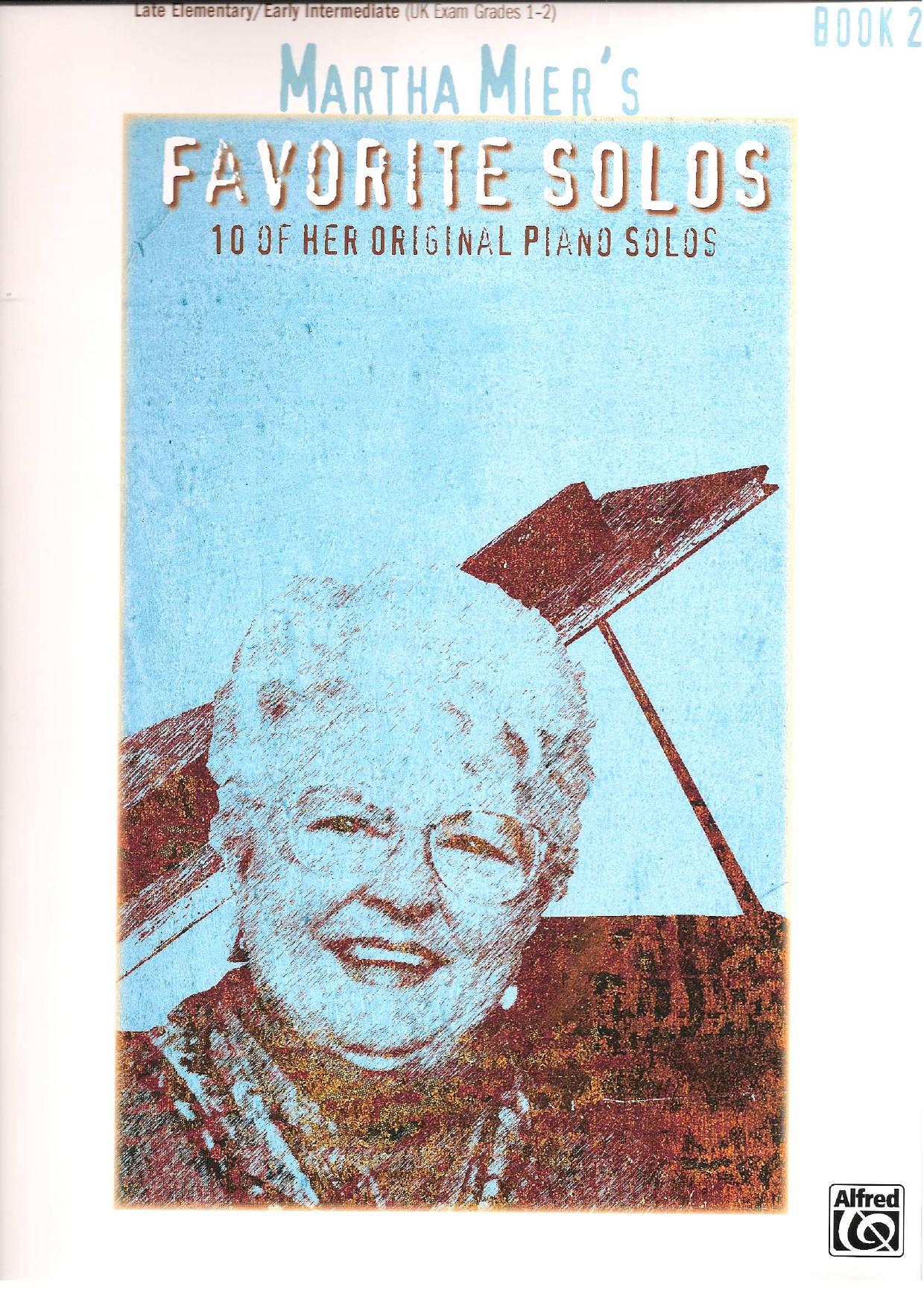

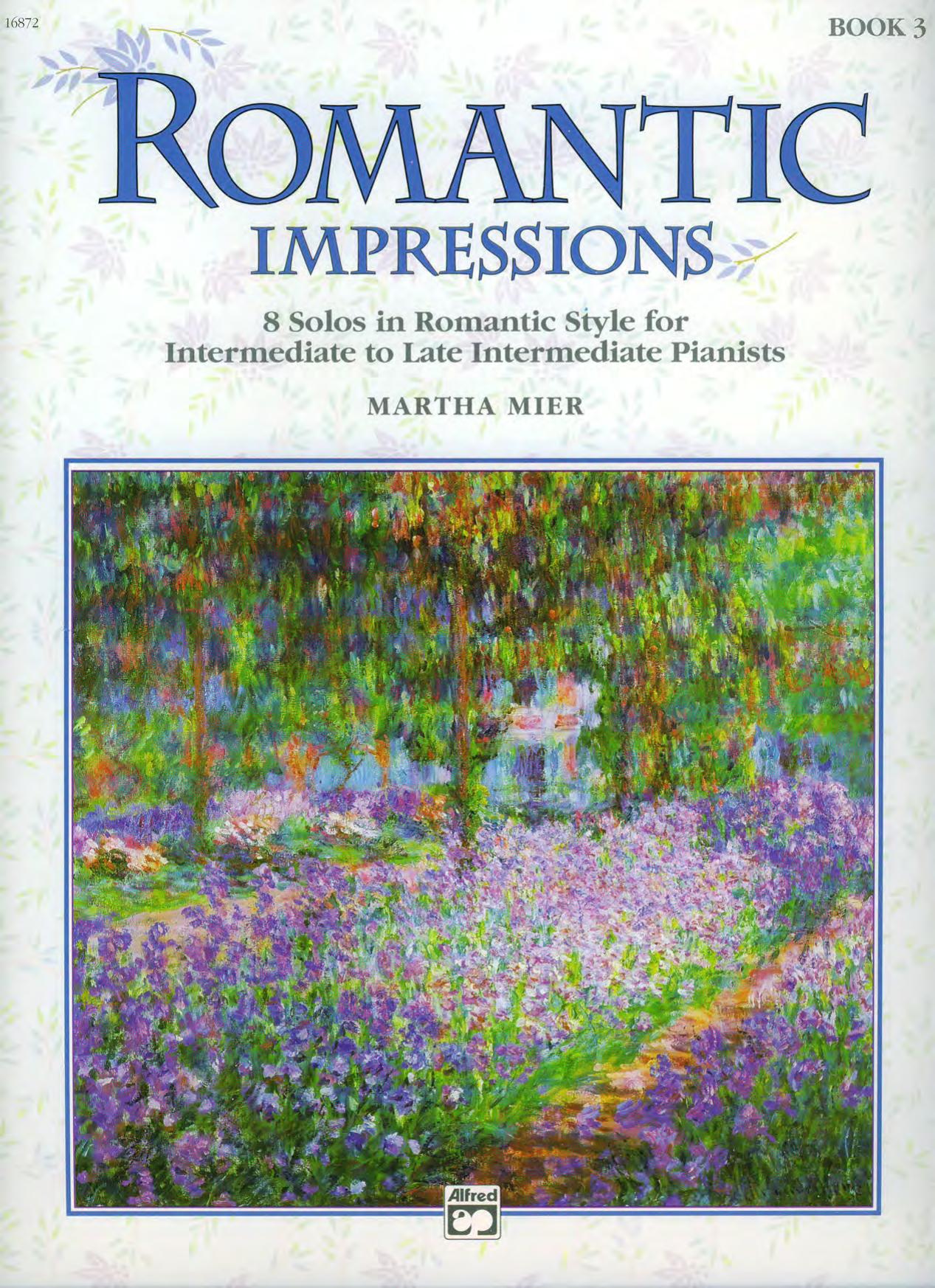

The best sheet music download from our Library.
Please, subscribe to our Sheet Music Library. Sheet music should be accessible and affordable for all musicians, from professionals to absolute beginners.
Martha Mier: The Composer Who Brought Jazz, Ragtime, and Blues to the Piano Studio
Martha Mier occupies a unique and quietly monumental place in the world of piano pedagogy. She is not a concert hall titan or a film score celebrity, but an internationally recognized composer and clinician whose educational piano music has made her one of the most popular and widely studied composers of her generation. For decades, her name has been synonymous with a specific kind of musical magic: the ability to distill the sophisticated, soulful, and rhythmically complex languages of jazz, ragtime, and blues into pieces that are accessible, enjoyable, and deeply educational for pianists of all ages and levels. Her work has shaped the musical lives of countless students worldwide, making her a cornerstone of modern piano instruction and a vital bridge between the great American vernacular traditions and the next generation of musicians.
Search your favorite sheet music in the Sheet Music Library Catalog


A Life in Music: The Biography of Martha Mier
Martha Mier was born on December 10, 1936, and her journey into music began in a home filled with it. Growing up with five older brothers, each of whom took piano lessons, she was immersed in the sounds of the instrument from her earliest years. She has recalled being inspired by her oldest brother, who was already playing Liszt’s Hungarian Rhapsodies and Chopin Waltzes when she was only three or four years old. This environment fostered a deep love for the piano and a natural curiosity about the music her brothers were learning.
Mier’s formal musical education culminated at Florida State University, where she graduated with honors and was a member of Sigma Alpha Iota, the national honorary music fraternity. After a brief stint teaching music in a junior high school, she realized that she preferred the one-on-one relationship that piano teaching offered, a decision she later described as “a wise choice”. She subsequently established and ran a private piano studio in Lake City, Florida, for many years, a location she still calls home. In addition to her studio teaching, she has been active in church music and as a professional accompanist.
A pivotal moment in her career came in 1989 when she joined Alfred Music Publishing as a composer and clinician. This partnership would lead to the creation of her most famous series and secure her legacy in the world of music education. Today, she is recognized as a composer, arranger, and retired independent piano teacher, a frequent clinician and adjudicator who has presented workshops for teachers not only across the United States but also in Australia and New Zealand. Her professional affiliations are a testament to her commitment to the field; she is a member of the Music Teachers National Association (MTNA), the Florida State Music Teachers Association, and the National Guild of Piano Teachers, holding state and national certification through these organizations.


The Mier Signature: Musical Style and Technique
Martha Mier’s music is immediately recognizable. It possesses a “trademark Mier sound” that is a carefully crafted blend of accessibility and authenticity. Her primary stylistic achievement lies in her ability to translate the essential elements of jazz, ragtime, and blues into a pedagogical language that students can understand and execute without losing the genres’ characteristic spirit.
Her stylistic influences are drawn from the wellspring of American music. Her language is rooted in the structures and foundations of jazz and blues, and her style often evokes the great American composers: the rhythmic drive of Scott Joplin, the sophisticated harmonies of Duke Ellington, the melodic genius of George Gershwin, the open textures of Aaron Copland, and the angular playfulness of Thelonious Monk. However, her most significant influence is perhaps less a specific composer and more a philosophy: she writes for her students. Mier has stated that her piano writing is strongly influenced by the tastes, reactions, and comments of her own students, her first audience, with the guiding principle of “Give them what they want”.
This student-centric approach defines her technique and compositional style. Her pieces are meticulously graded, allowing a student to gradually assimilate complex concepts. For example, her Jazz, Rags & Blues series contains original solos that reflect the various styles of the jazz idiom for pianists from the late-elementary to the early-advanced levels. A piece like “Slightly Blue” is designed for the late-elementary student, exploring the melodic blues scale in C major with a motive that uses both E-flat and E-natural, and presenting seventh-chord harmonies in a simplified form. In this way, Mier introduces the harmonic flavor of the blues without overwhelming the student with technical complexity. Similarly, a piece like “Tambourine Dance” captures the energy of a gypsy dance through crisp staccatos, accents, and tempo changes, all while remaining in a manageable A-B form with a coda. Her technique is one of strategic simplification, preserving the soul of the genre while scaling its technical demands to the developing pianist.
The Harmonic Palette of Martha Mier
Harmony is the vibrant core of Mier’s compositional voice. Her approach is fundamentally tonal and functional, but it is enriched and colored by the characteristic harmonic vocabulary of jazz and blues. She does not abandon traditional functional harmony; rather, she extends it. Her most frequent harmonic devices include the liberal use of seventh chords in their various forms—dominant, major, and minor seventh chords are staples of her style, providing the “blue” notes and the lush, jazzy color that defines her sound. These harmonies are often presented in simplified voicings for beginners, as seen in “Slightly Blue,” but become more fully realized and complex in her intermediate and advanced collections.
Her harmonic language often employs modal mixture and blue notes—the use of both the major and minor third (the E-flat and E-natural in “Slightly Blue”)—to create the characteristic tension and release of the blues. This technique is central to her ability to evoke an authentic blues feeling within a short, accessible piece. For example, in a study of her ragtime pieces, the harmony is described as “tonal functional” where the use of the primary tonal degrees predominates, but other chords, such as the sixth chord, are frequently used to add color and stylistic authenticity. Her harmonic progressions are sophisticated yet logical, creating a sense of forward motion and emotional depth that is rare in educational music.
The creativity in her harmonic handling is a key finding of academic analyses of her work. Her compositions do not merely reproduce jazz clichés but demonstrate a sophisticated and creative approach to harmonic progression, flexible rhythm, and diverse expressive styles. This harmonic richness is a primary reason why her music sounds “wonderful” and makes students excited to play, even when the technical demands are modest.
The Composer’s Canvas: Best Songs and Compositions
Martha Mier’s catalog is vast, with over 200 educational piano publications to her name. Her legacy, however, is anchored by a few signature series and compositions that have become standards in piano studios around the world.
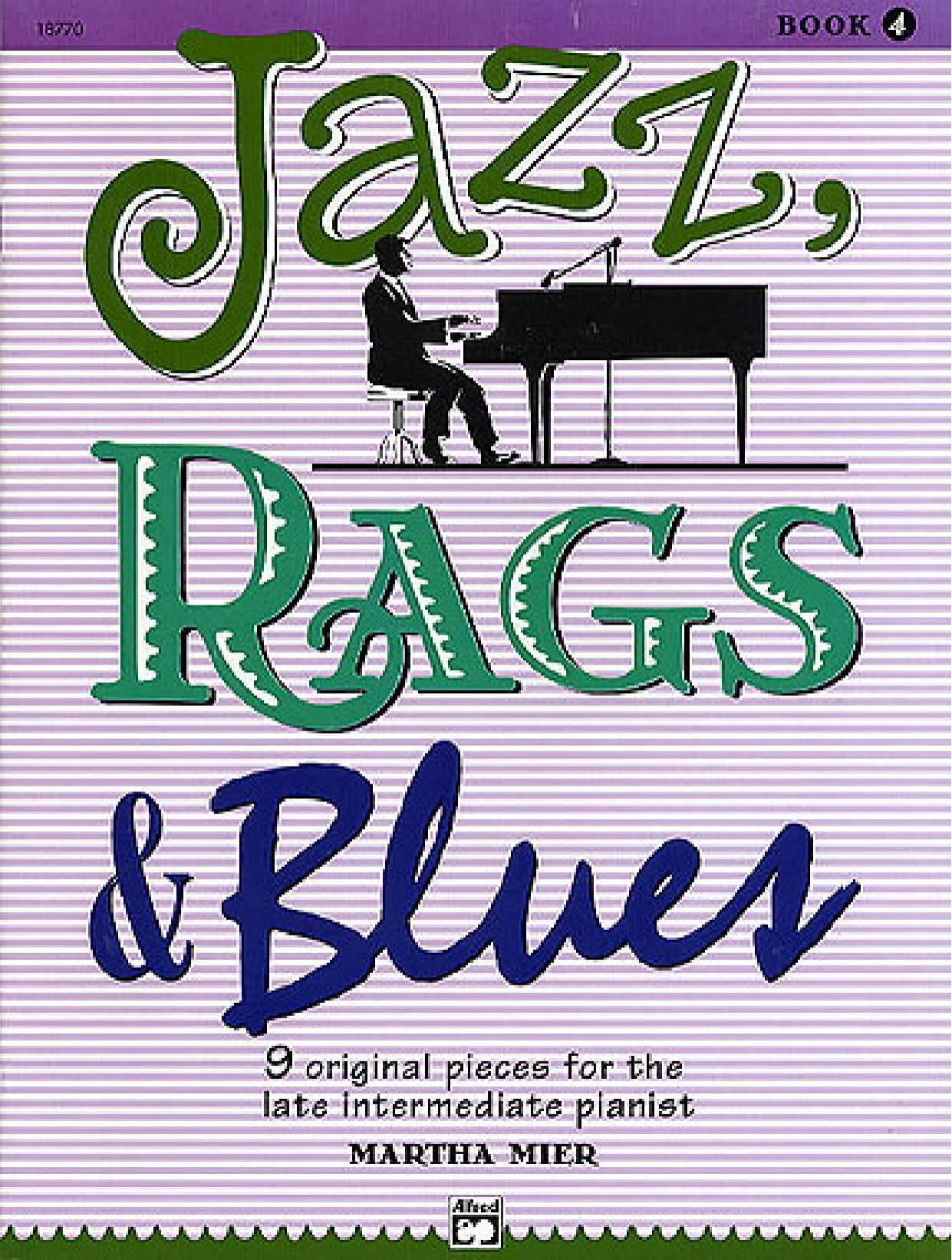
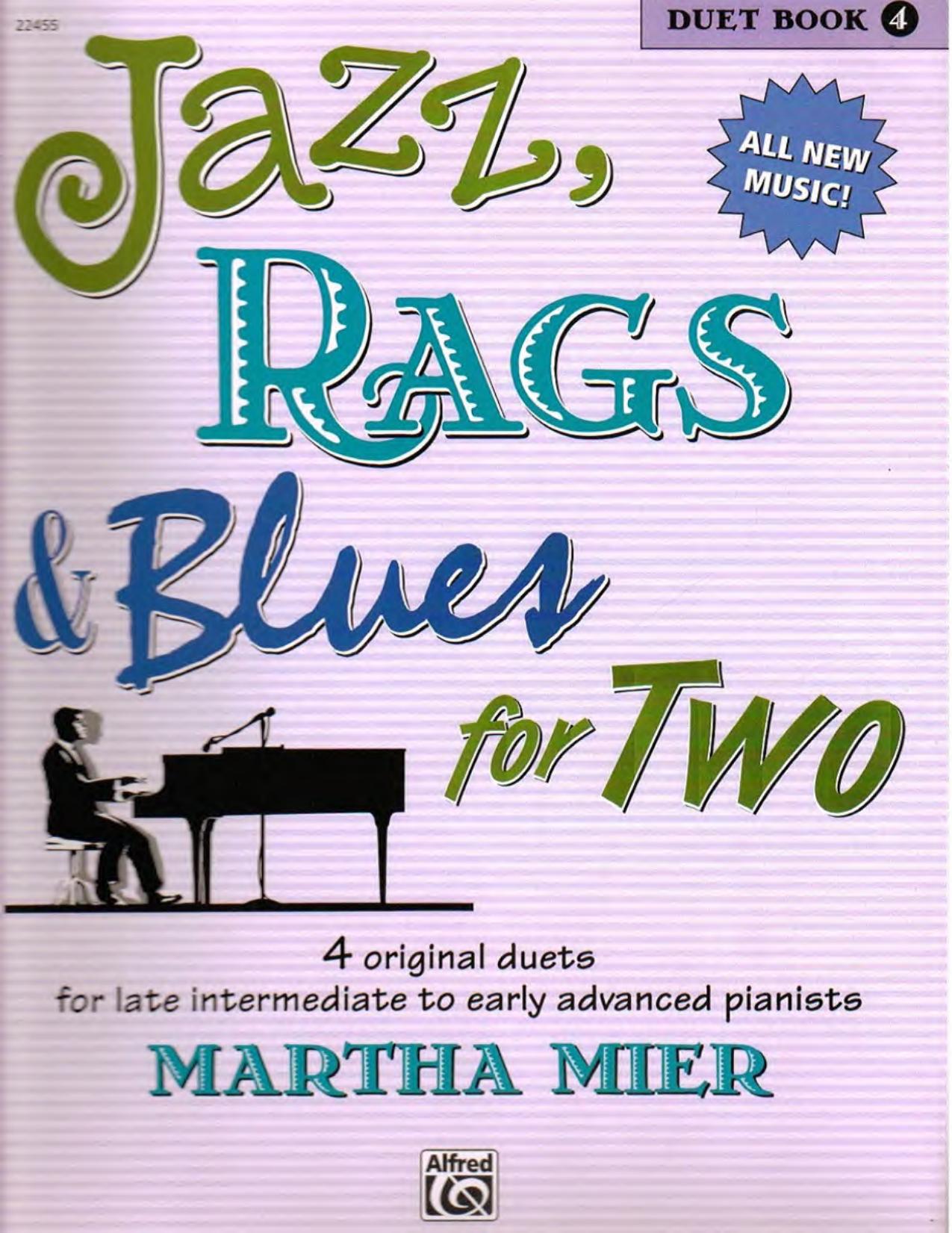
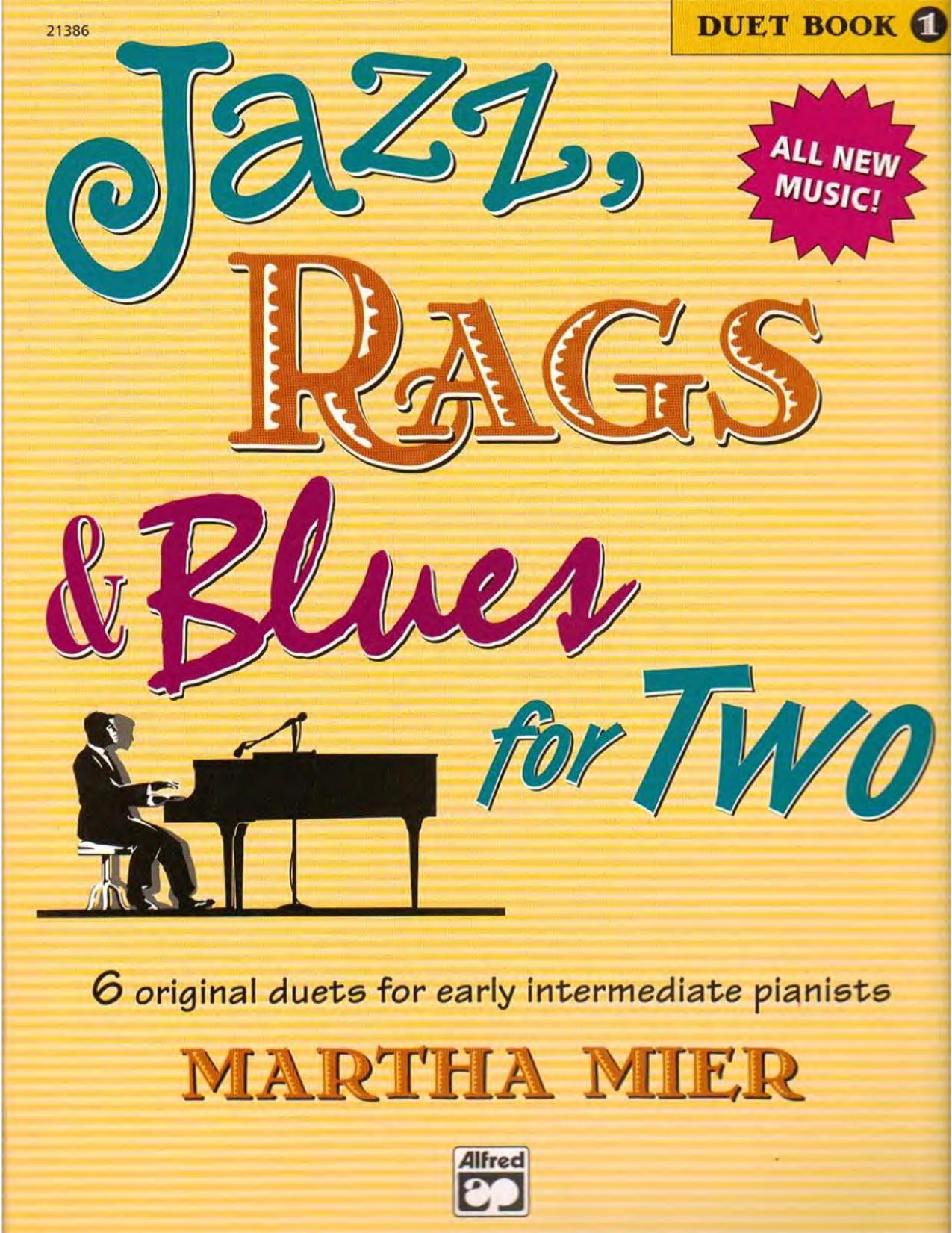
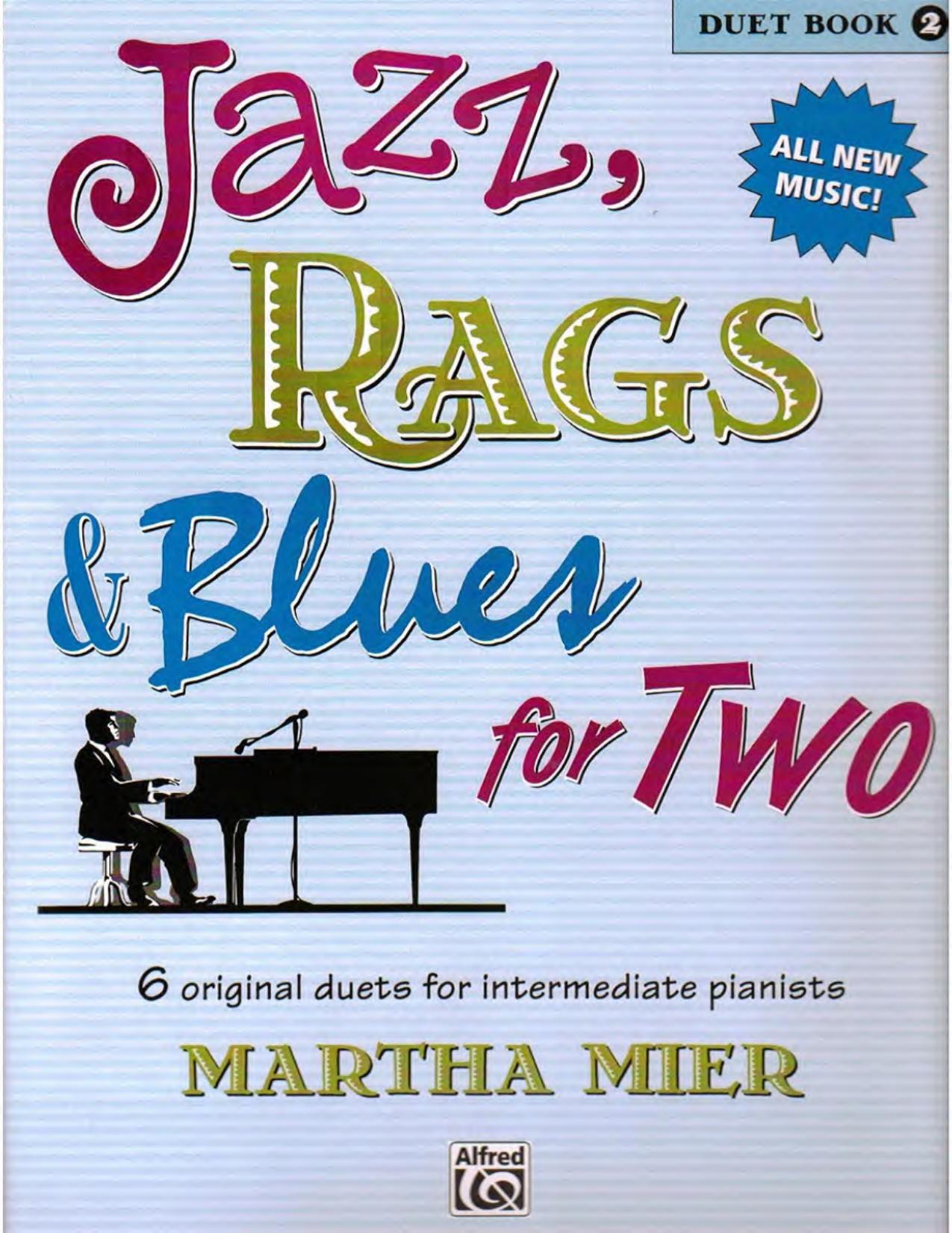
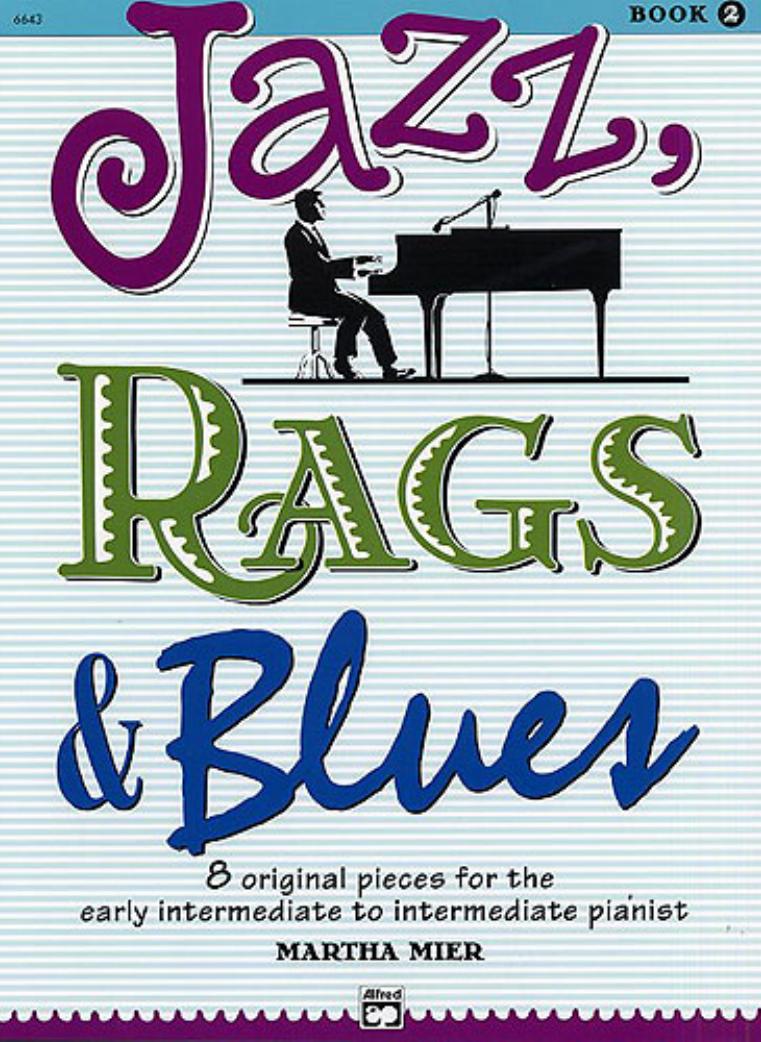
The most famous of these is the Jazz, Rags & Blues series. This multi-volume collection is her magnum opus. It is a comprehensive, meticulously graded journey through the American musical vernacular. Book 1, for the late-elementary to early-intermediate pianist, contains such beloved pieces as “Seventh Street Blues,” the composition for which she is most widely known. Other popular titles from the series include “Sneaky Business,” “Surfboard Boogie,” and “Ragtime Do-Si-Do” from Book 1, “Jackson Street Blues” (which was selected for the ABRSM Grade 5 syllabus), and “Tuxedo Jazz” from later volumes. The series continues with books up to an early-advanced level, featuring titles like “Blue Interlude,” “Hot Potato Rag,” and “Memphis Blues”.
A complementary and equally celebrated series is Romantic Impressions. This collection was written to provide pianists with the experience of expressive, lyrical playing, a crucial aspect of the development of any intermediate pianist. The series is characterized by warm, cantabile melodies and rich harmonic structures, carefully graded across four levels. In this series, Mier channels the spirit of the Romantic era, with pieces that demand a singing tone and sensitive phrasing.
Other significant works and collections include:
- The Best of Martha Mier series: These are compilations of her most popular solos, chosen by the composer herself. Book 2 includes favorites like “Taco Rock,” “Appaloosa Pony,” and “Lady Brittany’s Ballad,” which Mier cites as one of her personal favorite compositions for its “romantic, modal sound”. Book 3 features “Autumn Glow,” “Dance of the Scarecrow,” and “Fountain of Dreams”.
- Classical Jazz, Rags & Blues: In this inventive series, Mier takes well-known classical melodies from piano, opera, and orchestral literature and reimagines them in jazz, ragtime, and blues styles. This series is a brilliant pedagogical tool for showing students the connections between different musical worlds.
- Christmas Jazz, Rags & Blues: This series applies her signature style to beloved Christmas carols, providing festive repertoire that is both fun and educational.
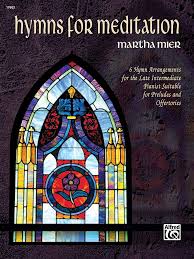
- Hymns for Meditation: Demonstrating her versatility and her background in church music, this collection features her arrangements of traditional hymns such as “’Tis So Sweet to Trust in Jesus” and “It Is Well with My Soul”.
Individual pieces that stand out in her catalog include “Celebration Scherzo,” which she loves for its “rhythmic vitality and fun octaves,” and “The Purple Hills of Heather,” admired for its romantic sound. Other popular titles frequently mentioned include “Bumblebee Blues,” “Frog on a Log,” “The Hiccup Song,” and “Whistlin’ Joe”.
Martha Mier and the World of Film
An exhaustive search of available sources reveals no evidence that Martha Mier has composed original music for films. Her entire known compositional output is focused on educational piano repertoire and arrangements. While her music is highly evocative and programmatic—pieces like “Medieval Castle,” “King of the Jungle,” or “Dance of the Scarecrow” create vivid musical pictures—these are intended for the piano studio and recital hall, not for the silver screen. Her legacy is firmly rooted in the world of music education, not in Hollywood.
Collaborations and the Community of Musicians
While primarily a solo composer, Mier has been involved in significant collaborative projects. The most notable is her role as a co-author of Alfred’s Premier Piano Course, a comprehensive and widely used piano method for students of all ages. This places her in a community of esteemed pedagogues and authors, contributing her unique voice to a foundational curriculum for countless piano students. Her work as a clinician also involves a form of collaboration, as she shares her insights and techniques with piano teachers worldwide, helping to shape the way jazz and blues are taught in the studio.
In terms of direct musical collaborations, her music has been performed and recorded by other artists. For instance, recordings of her works appear on albums featuring performances by pianists like Nikki Iles and Dinara Klinton, demonstrating that her compositions have a life beyond the pedagogical sphere and are appreciated by professional musicians. Her inclusion in the MusicBrainz database alongside artists like Dennis Alexander, Gayle Kowalchyk, and E.L. Lancaster further indicates her integration into the broader community of educational piano composers and performers. She also composed the “Jazz Suite in Color” for B-flat clarinet, B-flat trumpet, and piano, which was commissioned by the Music Teachers National Association to provide young musicians with the experience of collaborative music-making.
Influences and the Mier Legacy
Martha Mier’s influences are twofold. Musically, she draws from the great American songbook of jazz, blues, and ragtime, with a particular affinity for the “older jazz pianists, such as Count Basie,” and a deep, lifelong love for the classics, exemplified by her desire to have dinner with Chopin to understand his “beautiful romantic style”. But her most profound influence has been her students. Her entire pedagogical output is a response to their needs, tastes, and abilities, a fact that has made her music so universally effective and beloved.
Her legacy, therefore, is not measured in awards or chart positions but in the millions of students who have learned to love jazz and blues through her pieces. Her music serves as a highly effective pedagogical tool, helping students develop musical thinking, aural perception, and performance skills. She has successfully demystified complex American musical idioms, making them accessible and enjoyable for beginners. Teachers consistently praise her work for being “pretty easy but they have such a wonderful sound that it makes kids really excited to play and perform piano music”. This emotional connection is the heart of her legacy: she creates music that students want to play, thereby fostering genuine motivation and a lifelong love of music. Her works have been chosen for the National Federation of Music Clubs Junior Festival Bulletin, further cementing her status as a standard composer in the pedagogical canon.
Additional Notes on a Musical Life
Beyond the notes on the page, Martha Mier’s philosophy of teaching and composing offers valuable lessons. She advises new teachers to “treat students as individuals, and tailor a curriculum to fit that particular student,” and to “always be enthusiastic about the music,” because students will pick up on that enthusiasm. For young composers, her advice is simple and profound: “keep writing. Continue to explore and create”. She began composing in high school “just for the fun of it,” and that spirit of joy and exploration remains the bedrock of her entire body of work.
In her retirement in Lake City, Florida, Martha Mier’s influence continues to resonate in piano studios across the globe. She has not sought the spotlight but has instead built a quiet, enduring empire of musical education. Her compositions are a testament to the idea that music does not have to be technically formidable to be artistically profound. By bringing the soul of jazz, the drive of ragtime, and the heart of the blues into the hands of students, Martha Mier has ensured that the great American musical traditions will continue to thrive, one student, one piece, and one “AHA!” moment at a time.
Browse in the Sheet Music Library:
Or browse in the categories menus & download the Library Catalog PDF: