
Scores for all instruments: 16,000+ (active and growing), over 236,000 pages.
All genres and levels: Jazz & Blues, Rock & Pop, Classical & Contemporary, Film & Musicals;
books & biographies; methods, études, play-along tracks (MP3) for Jazz & Rock.
Access & benefits: US$15.99 one-time payment, valid for lifetime, full Library access.
Table of Contents
Remembering Peppino di Capri, born on this day in 1939.
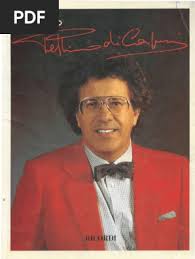
The best sheet music download from our Library.
Peppino di Capri: The Voice That Bridged Naples and the World
When Peppino di Capri passed away on July 11, 2026, at the age of 87, Italy lost not merely a singer but a living chronicle of its musical transformation. Born Giuseppe Faiella on the island of Capri on July 27, 1939, he became one of the most iconic figures in Italian popular music—a pianist, singer, and songwriter whose career spanned over six decades and whose influence reached far beyond his native shores.
From entertaining American troops as a four-year-old prodigy to winning the Sanremo Festival twice, from introducing the twist to Italy to representing his country at Eurovision, Peppino di Capri was a true pioneer who modernized the Italian song tradition without ever abandoning its soul.
Please, subscribe to our Sheet Music Library.

Biography
Early Years: A Musical Destiny
Music was woven into the fabric of Peppino di Capri's family. His grandfather played in the island's band, and his father, Bernardo, ran a record and instrument shop while playing countless instruments in his spare time. This environment nurtured a talent that manifested extraordinarily early. At just four years old, Peppino was already performing on the piano for American troops stationed on Capri during the Second World War. These early encounters with American standards, jazz, and the nascent sounds of rock and roll left an indelible mark on his musical identity.
At six, he began formal piano studies with a strict German teacher in Naples. However, his true calling pulled him in a different direction. In 1953, at the age of fourteen, he began performing in nightclubs on Capri and the neighboring island of Ischia with his drummer friend Ettore Falconieri as the "Duo Caprese". When his piano teacher discovered these performances, she expelled him—a turning point that freed Peppino to dedicate himself entirely to the emerging rock music imported from America.
The Birth of a Legend
In 1956, Peppino and Falconieri appeared on the television program "Primo applauso," hosted by Enzo Tortora, performing "Cry" and "Tu vuo' fa' l'americano"—and won, taking home a television set as their prize. Two years later, they formed the "Capri Boys" with Pino Amenta (bass), Mario Cenci (guitar), and Gabriele Varano (saxophone). The group, inspired by American rockers, alternated rearranged Neapolitan songs with American hits.
In August 1958, during an evening performance in Ischia, they were noticed by a Milanese record executive from Carisch. A record deal followed, and at Cenci's suggestion, the band's name was changed to "Peppino di Capri e i suoi Rockers". Between September and December 1958, they recorded ten songs in the Carisch studios.
Success exploded with "Nun è peccato," released on November 28, 1958—a Neapolitan song that became an instant evergreen. The first 33 rpm album, released on December 16, became one of the season's best-selling records. In 1959, another triumph arrived with "Voce 'e notte," a 1905 classic that Peppino brought back to the top of the charts.
The 1960s: International Stardom
The year 1960 marked Peppino's consecration as a major star. He released numerous singles and two albums, was omnipresent in the hit parade, performed at the Ballo dei Re in Naples, and launched evergreens like "Nessuno al mondo," "Nun giurà," and "Luna caprese". He also began his film career, appearing alongside Mina and Maurizio Arena in the musicarelli (musical films) of the time.
In 1961, Peppino married the Turin model Roberta Stoppa. That same year, he performed at Carnegie Hall and conquered South America. It was also the period of his famous lamé jackets, which became a visual trademark.
December 1961 saw Peppino launch the twist in Italy with "Let's Twist Again," which reached a million copies in 1962 and topped the charts. He became known throughout Italy as "the king of twist". To reinforce his image, he famously purchased an American Ford Thunderbird cabriolet.
Between the late 1950s and early 1970s, Peppino recorded a string of hits that have become evergreens of Italian music: "Nessuno al mondo," "Luna Caprese," "Parlami d'amore Mariù," "I te vurria vasà," "Per un attimo," "Lassame," "Anema e core," "Freva," "Torna piccina," "A pianta 'e stele," "Roberta" (dedicated to his wife), "Melancolie," "Scetate," "Accarezzame," "Ghiaccio," "Ieri," "Frennesia," and "L'ultimo romantico".
In 1970, he created his own record label, Splash, as an outlet for his ever-mounting sales. His marriage to Roberta Stoppa ended in divorce in 1976; he later married Giuliana Gagliardi, with whom he had two children, Edoardo and Daria, in addition to his son Nico from his first marriage.
The 1970s: Sanremo Victories and "Champagne"
Peppino di Capri was represented fifteen times at the prestigious Sanremo Music Festival. He won twice: in 1973 with "Un grande amore e niente più" (a song also co-written by Franco Califano) and in 1976 with "Non lo faccio più".
Perhaps his most enduring international success came in 1974 with "Champagne". The song was originally demoed by Peppino with the sole purpose of getting Charles Aznavour and Domenico Modugno to listen to it and possibly record it. However, he fell in love with the song and decided to launch it himself. "Champagne" became especially popular in Germany, Spain, and Brazil, and has been covered by artists including Andrea Bocelli, Roberto Carlos, Manolo Otero, José Luis Rodríguez, Mino Reitano, Nico Fidenco, and Agnaldo Timóteo.
Later successes included a 1978 cover version of The Bee Gees' "How Deep Is Your Love" (as "Fiore de carta"), "Nun chiagnere," and "La panchina". In 1987, he recorded his first live album, performing at London's Royal Albert Hall.
The 1990s and Beyond
In 1991, Peppino represented Italy at the Eurovision Song Contest with "Comm'è ddoce 'o mare," becoming the first Italian artist to perform a song in the Neapolitan dialect at the festival. He finished in seventh place.
His recording activity continued from 1958 to 2024, with his last discographic participation dating to 2024. Over his career, he released 39 studio albums, 3 live albums, 17 EPs, and an astonishing 110 compilations—a testament to his enduring popularity and prolific output.
Music Style and Harmony
A Fusion of Traditions
Peppino di Capri's musical style defies simple categorization. He blended rock, pop, and Neapolitan influences into a sound that was both distinctly Italian and thoroughly modern. His music has been described as vivacious, energetic, and uplifting—ideal for dancing and gatherings, with "infectious" and "irresistible" rhythms and appealing melodies.
Music critic Vacalebre aptly described him as "a great innovator, a bridge between Carosone and Pino Daniele". This captures his unique position in Italian music history: he modernized the Italian song tradition by opening its windows to international influences while never losing its Mediterranean soul. His great merit was understanding how to preserve an Italian identity without being封闭 within it.
Harmonic Characteristics
As a classically trained pianist who embraced rock and pop, Peppino's harmonic language was sophisticated yet accessible. His songs often featured:
Rich Chord Progressions: His Sanremo-winning "Un grande amore e niente più" employs a progression moving through Am, Em, G, A, D7, Gmaj7, and Cmaj7—a harmonic palette that blends minor-key melancholy with major-key resolution, perfectly matching the song's theme of love and loss.
Neapolitan Modal Influences: Many of his Neapolitan-language songs incorporated the characteristic harmonic turns of the traditional canzone napoletana, including the use of the Neapolitan sixth chord and modal inflections that give the music its distinctive Mediterranean flavor.
Twist and Rock Progressions: His twist-era hits like "St. Tropez Twist" utilized the driving 12-bar blues-inspired progressions of early rock and roll, adapted to Italian melodic sensibilities.
Jazz-influenced Harmonies: His early training and performances for American troops exposed him to jazz standards, and this influence can be heard in his sophisticated chord voicings and occasional use of extended harmonies.
Melodic and Rhythmic Elements
Peppino's melodies were characterized by their singability and emotional directness. Whether in standard Italian or the Neapolitan dialect—"his mother tongue, full of feeling, which he never forgot"—his vocal lines flowed naturally, often employing the expressive portamenti and microtonal inflections of the Neapolitan tradition within a modern pop framework.
Rhythmically, he was a master of adaptation. He could deliver the driving backbeat of rock and roll, the syncopated energy of the twist, the gentle sway of a ballad, or the infectious dance rhythms that made his music a staple of celebrations.
Relationship with Other Artists
The Beatles Connection
One of the most remarkable episodes in Peppino's career occurred in 1965 when the Beatles came to Italy. The Liverpool quartet, who changed popular music forever, chose Peppino di Capri as their opening act. This was no small honor—it signified that Peppino was considered the Italian artist best equipped to bridge the gap between Italian musical tradition and the new British Invasion sound. The Beatles' recognition of his talent underscored his international standing and his role as a cultural ambassador.
Search your favorite sheet music in the Sheet Music Library Catalog

Renato Zero
Peppino shared a deep and lasting bond with Renato Zero, founded on years of mutual respect and esteem that began at the dawn of their careers and grew stronger through collaborations over time. Zero's tribute—"I will always carry you in my heart"—speaks to the profound connection between these two giants of Italian music.
Mina and Other Collaborators
Peppino worked alongside Mina, one of Italy's greatest female vocalists, in several film projects. He also collaborated with Hanne, Adria, Carlo, and others in films like Viale della canzone, Terra bruciata (Scorched Earth Policy), and Canzoni a tempo di twist.
Songwriting Partnerships
His Sanremo-winning "Un grande amore e niente più" bore the signature of Franco Califano. "Champagne" was written by Depsa, Sergio Jodice, and Domenico di Francia—a testament to his ability to interpret and elevate the work of other songwriters while also being a composer in his own right.
Influence on and by Other Artists
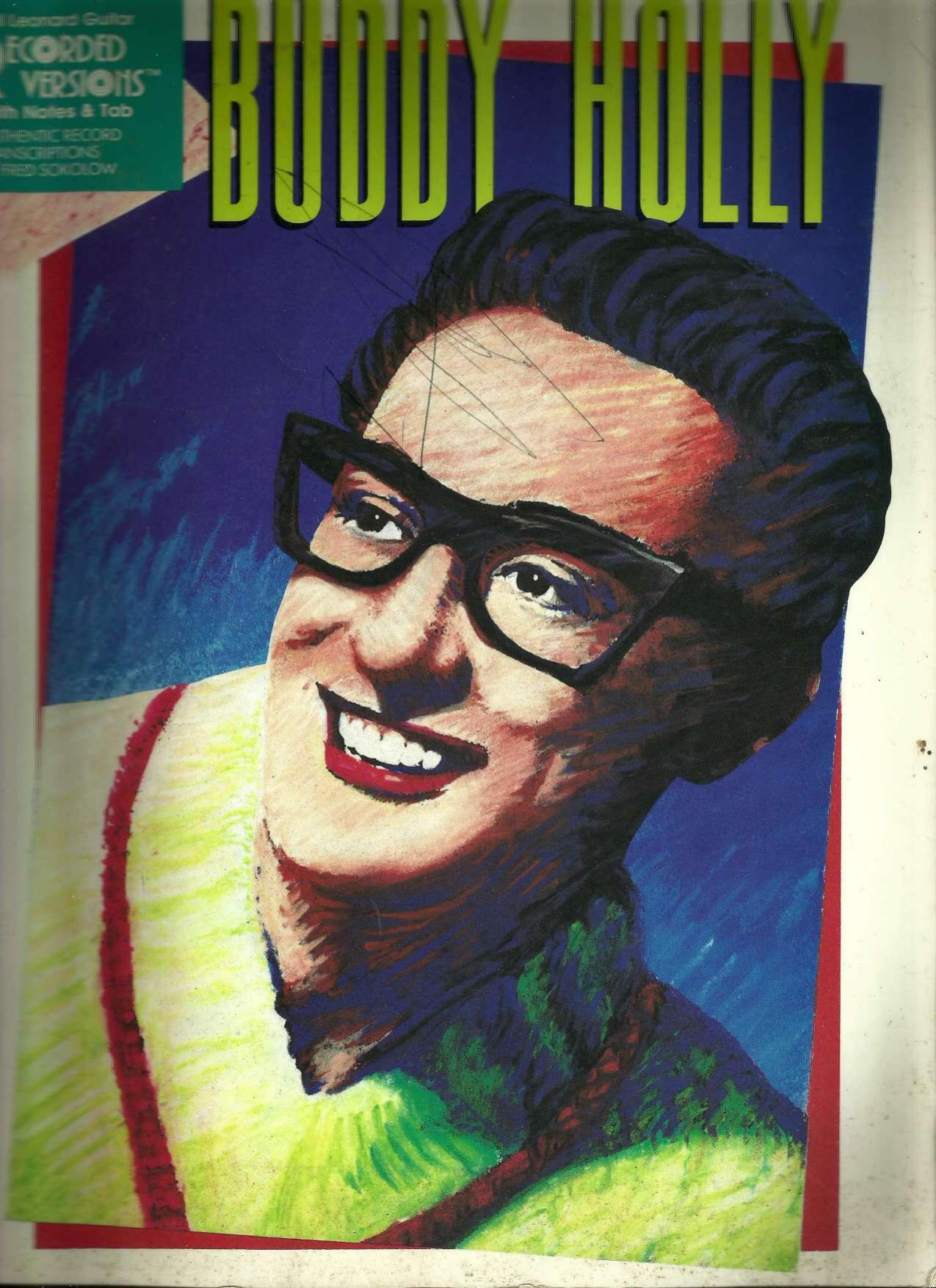
Peppino was heavily influenced by Buddy Holly, earning him the affectionate nickname "the Italian Buddy Holly". He and his band initially turned out Italian versions of American rock'n'roll and twist numbers. In turn, he influenced generations of Italian singers who followed, serving as a bridge between the older tradition of Renato Carosone and the more modern sounds of Pino Daniele.
Influences
Peppino di Capri's influences were remarkably diverse:
American Rock and Roll: Buddy Holly was a primary influence. The early rock and roll sound, with its driving rhythms and youthful energy, shaped his approach to performance and arrangement.
Jazz and American Standards: His childhood performances for American troops exposed him to the Great American Songbook. This early immersion in jazz harmony and phrasing informed his sophisticated pianism and vocal style.
Neapolitan Tradition: The canzone napoletana—with its emotional depth, melodic richness, and distinctive harmonic language—was his musical mother tongue. He never abandoned it, even as he embraced modern pop.
Twist and Dance Crazes: He was instrumental in bringing the twist to Italy, and his music always maintained a danceable, celebratory quality.
The British Invasion: His selection as the Beatles' opening act suggests a mutual influence and respect between British rock and Italian pop.
Legacy
Peppino di Capri's legacy is monumental. He was, in the words of one tribute, "the soundtrack of an Italy that was learning to dream". His music accompanied parties, loves, summers, and moments of everyday life, entering the collective imagination of the country.
Cultural Bridge
He was the artist who best explained the transformation of Italian popular music during the second half of the twentieth century. He took Neapolitan melodies, vocal turns, and Mediterranean sensitivity and mixed them with rhythms from across the Atlantic. Songs like "St. Tropez Twist" were not just commercial hits; they were signals of change. The twist, rock, and youthful aesthetics began to modify the cultural habits of a Europe emerging from postwar hardship and looking toward a new idea of freedom.
Enduring Popularity
His over 60-year career is encapsulated in a repertoire that managed to unite romanticism, Neapolitan tradition, and international influences. His songs have become part of the heritage of popular music. "Champagne" in particular remains one of the most recognizable and sung songs in the national repertoire, capable of uniting different generations.
Modernizer of Italian Music
Peppino was one of the first Italian artists to understand that tradition was not a museum piece but a living material that could dialogue with rock, twist, and the youth culture arriving from the United States. His modernization was not a violent rupture but a renewal from within.
Works
Studio Albums
Peppino di Capri's discography includes 39 studio albums. His early albums, released by Carisch, were often self-titled or named after hit songs: Peppino di Capri e i suoi Rockers (1960, 1961, 1962, 1963, 1964), Nessuno al mondo (1960), Girl (1966). Later albums included Napoli ieri - Napoli oggi (1970, 1971) and numerous others released on his own Splash label.
Live Albums
He recorded three live albums, including his 1987 performance at London's Royal Albert Hall.
Compilations
With 110 compilations, Peppino's greatest hits have been repackaged countless times for new generations of listeners.
EPs and Singles
He released 17 EPs and an astonishing number of singles—averaging ten singles a year for a decade at the height of his career.
Film Work
Peppino di Capri also appeared in several Italian films with musical content, usually playing himself. His filmography includes:
- Musicarelli of the 1960s: He appeared alongside Mina and Maurizio Arena in the musical films of that era.
- Viale della canzone: A musical film featuring several Italian singers.
- Terra bruciata (Scorched Earth Policy): Another film appearance.
- Canzoni a tempo di twist: A film celebrating the twist craze.
Most Known Compositions and Performances
Signature Songs
- "Nun è peccato" (1958): His first true success, a pure Neapolitan song that announced his arrival.
- "Malatia" (1957/8): One of his first big hits, performed in the Neapolitan dialect.
- "Voce 'e notte" (1959): A 1905 classic that he brought back to the top of the charts.
- "Nessuno al mondo" (1960): An evergreen that became a standard.
- "Luna Caprese": A tribute to his beloved island.
- "St. Tropez Twist" (1962): The song that defined the twist era in Italy.
- "Roberta": Dedicated to his first wife, this song became one of his most beloved ballads.
- "Un grande amore e niente più" (1973): His first Sanremo-winning song.
- "Non lo faccio più" (1976): His second Sanremo-winning song.
- "Champagne" (1974): His most internationally successful song, an evergreen of Italian music.
- "E mo' e mo'" (1985): Presented at Sanremo.
Major Performances
- Carnegie Hall (1961): A milestone in his international career.
- Sanremo Music Festival: Fifteen appearances, two wins.
- Royal Albert Hall (1987): His first live album recording.
- Eurovision Song Contest (1991): Represented Italy with "Comm'è ddoce 'o mare".
Documentaries
"Champagne" (2025)
The most significant documentary about Peppino di Capri is the film Champagne, directed by Cinzia TH Torrini, released in 2025. The 100-minute documentary traces the life of Giuseppe Faiella, from his childhood on Capri during the Second World War to his victory at the Sanremo Festival in 1973. The film features actors including Francesco Del Gaudio, Arianna Di Claudio, Gaja Masciale, and Antonia Truppo.
The documentary was broadcast on Rai 1 on March 24, 2025, and was also presented at the Capri, Hollywood film festival, where first images were shown in tribute to the legendary artist. The film explores how Peppino's life and music became a mirror of Italy's transformation.
Other Tributes
At the 29th edition of the Capri, Hollywood festival, Peppino di Capri was celebrated alongside Pino Daniele and Frank Sinatra, underscoring his status as a global cultural icon.
So, who was Peppino di Capri?
Peppino di Capri was far more than the voice of "Champagne." He was a musician who embodied the transformation of Italian popular music in the second half of the twentieth century. From a child prodigy entertaining American troops on his native island to a Sanremo winner and Eurovision representative, from the king of twist to the elegant balladeer, he navigated changing musical landscapes with remarkable grace and consistency.
His greatest achievement was understanding that tradition and modernity need not be enemies. He took the Neapolitan song tradition—with its deep emotional wellspring and distinctive melodic character—and opened it to the rhythms and energies of rock, twist, and international pop. In doing so, he created a sound that was at once unmistakably Italian and thoroughly modern.
The sheer scope of his career—39 studio albums, 3 live albums, 17 EPs, 110 compilations, 15 Sanremo appearances, 2 wins, a Carnegie Hall performance, a Royal Albert Hall live album, and a Eurovision appearance—testifies to his extraordinary longevity and enduring appeal.
As music critic Vacalebre observed, Peppino di Capri "was a great innovator, a bridge between Carosone and Pino Daniele". He linked the golden age of Neapolitan song to the modern Italian pop that followed. His music—whether the joyful energy of "St. Tropez Twist," the romantic yearning of "Roberta," the melancholic elegance of "Champagne," or the heartfelt emotion of "Un grande amore e niente più"—continues to resonate across generations and borders.
When Peppino di Capri passed away on his beloved island in 2026, he left behind not just a catalog of songs but a legacy: the sound of an Italy that learned to dream, to dance, and to embrace the world while never forgetting its soul. His life in notes and memories remains an indelible part of Italian cultural history—a testament to the power of music to bridge tradition and innovation, island and continent, past and future.
Browse in the Sheet Music Library:
Or browse in the categories menus & download the Library Catalog PDF:
Peppino di Capri official website
Champagne Peppino di Capri
"Champagne" is a legendary 1973 Italian song performed by singer and pianist Peppino di Capri. Composed by Mimmo Di Francia, Depsa, and Sergio Iodice, it is universally recognized as one of the most famous and enduring classics of Italian popular music.
The Story Behind the Song
- Accidental Masterpiece: Mimmo Di Francia composed the melody during a taxi ride through Naples.
- Demo to Hit: Di Capri initially recorded a simple demo meant for international stars Charles Aznavour or Domenico Modugno. However, he fell in love with the track and chose to release it himself.
- Slow Burn Success: Di Capri premiered the song at the Canzonissima festival in December 1973. It initially suffered tepid reviews and failed to reach the top ten, but steadily grew into an iconic anthem for piano bars and nightclubs worldwide.
Meaning and Themes
Despite the celebratory title, "Champagne" is a deeply melancholic romantic ballad. The lyrics tell the story of a bittersweet, clandestine affair. Standing alone at the end of a party, the narrator asks the waiter for one final glass of champagne to toast to the bittersweet memory and the definitive end of a forbidden love.
Legacy and Pop Culture
- Global Covers: The song has been covered globally by prestigious artists, including Andrea Bocelli (who performed a live version in Portofino), Roberto Carlos, and Manolo Otero.
- Modern Reinvention: In 2015, Peppino di Capri teamed up with Italian rapper Guè Pequeno to record a reimagined version called "Fiumi di Champagne" for the soundtrack of the comedy film Natale col Boss.