Scores for all instruments: 16,000+ (active and growing), over 236,000 pages.
All genres and levels: Jazz & Blues, Rock & Pop, Classical & Contemporary, Film & Musicals;
books & biographies; methods, études, play-along tracks (MP3) for Jazz & Rock.
Access & benefits: US$15.99 one-time payment, valid for lifetime, full Library access.
Table of Contents
Comparing piano and guitar learning:
How do the learning curves for piano and guitar differ for beginners?
For absolute beginners, piano is easier to start, but harder to master, while guitar is harder to start, but offers a faster path to casual playing.
Quick Comparison
| Factor | Piano | Guitar |
| Initial Sound Quality | Immediate: Pressing a key produces a perfect, clear tone right away. | Frustrating: Fingers buzzing against strings causes muted or harsh sounds at first. |
| Physical Pain | None: Zero finger strength or calluses required. | Moderate: Takes 2–4 weeks to build finger calluses and hand strength. |
| Visual Layout | Linear & Intuitive: Notes go left-to-right from low to high in a simple repeating pattern. | Grid-Based: Notes repeat across 6 different strings and 20+ frets, making navigation complex. |
| Reading Music | Demanding: Requires reading both treble and bass clefs simultaneously. | Simple: Most beginners rely on TAB notation, which maps directly to finger positions. |
| Early Progression | Week 1: Basic melodies with one hand. Month 3: Both hands working independently (major hurdle). | Week 1: Finger soreness, slow chord changes. Month 3: Strumming complete 3- or 4-chord songs smoothly. |
The best sheet music download from our Library.
Key Takeaways for Decision-Making
- Choose Piano if you want to understand music theory quickly, prefer clear visual layouts, or play a harmonically wider sound.
- Choose Guitar if you would like to sing along while playing popular songs quickly, value portability, or prefer learning via chord charts rather than traditional sheet music.
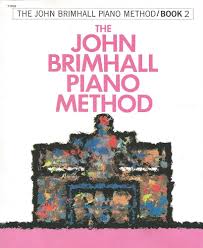
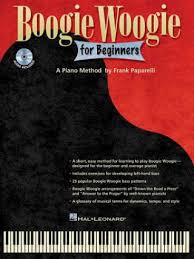
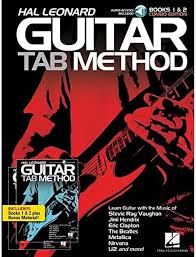

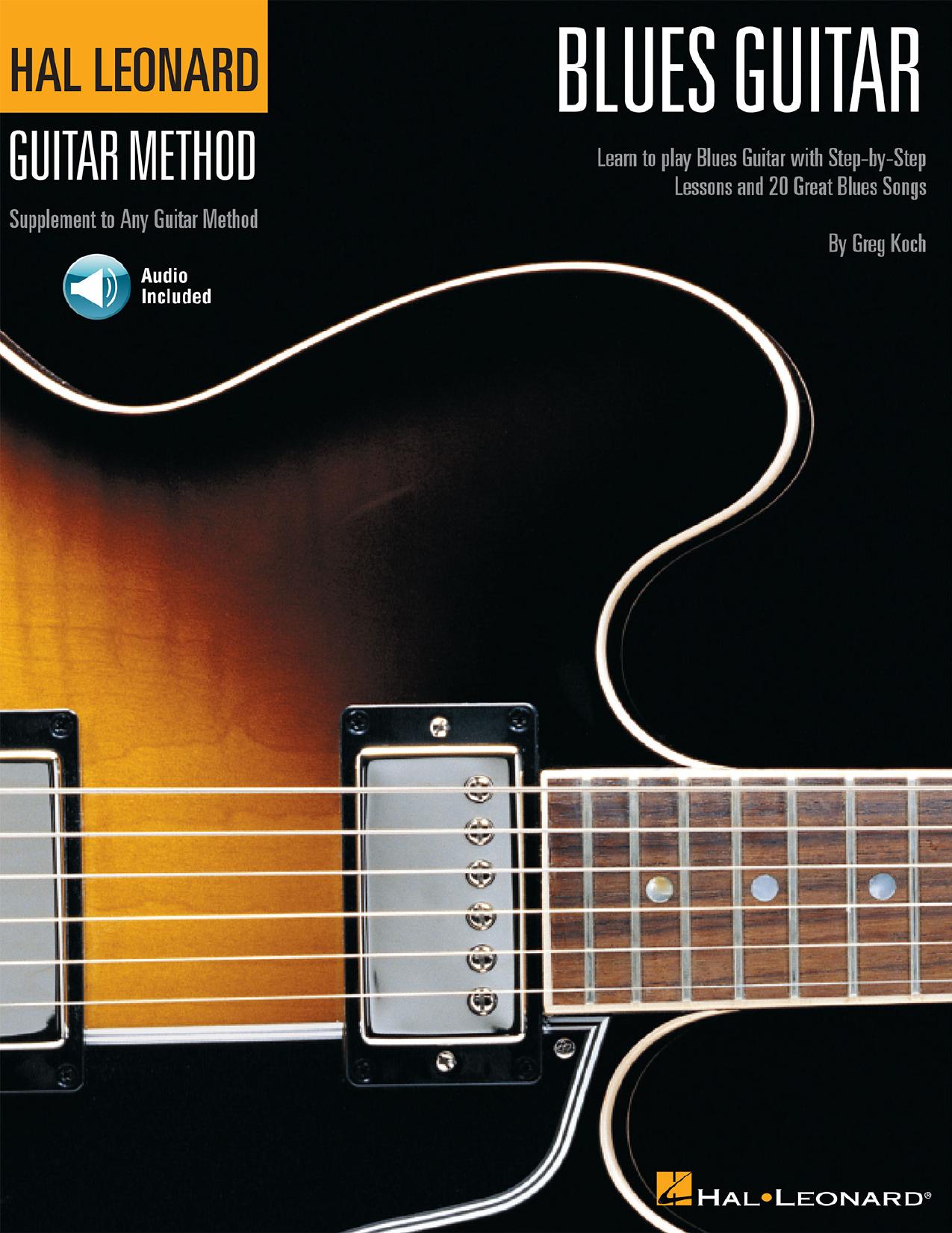

Please, subscribe to our Sheet Music Library.
The piano (including digital keyboards) is widely recognized as the most played musical instrument in the world.
The piano (including digital keyboards) is widely recognized as the most played musical instrument in the world.
Several key factors contribute to its global dominance:
- Foundation for Music Theory: Its linear layout makes visual comprehension of notes, scales, and chords straightforward. Because of this, learning piano is standard practice for vocalists, composers, and multi-instrumentalists.
- Extreme Versatility: With a pitch range spanning over seven octaves, it fits into nearly every genre—from classical and jazz to pop, rock, and electronic music.
- Accessibility: The rise of affordable electronic keyboards and digital pianos has made the instrument widely accessible across household budgets and space constraints.
Global Instrument Rankings
While the piano holds the top spot globally, a few other instruments are nearly as ubiquitous:
- Piano / Digital Keyboard: The foundation of modern music education and composition.
- Guitar (Acoustic & Electric): An extremely close second due to its portability, affordability, and central role in popular music genres.
- Violin: The most widely played orchestral string instrument, heavily studied in both classical traditions and regional folk genres.
- Drums / Percussion: Essential for rhythm across almost all global musical traditions.
- Flute: One of the oldest and most popular wind instruments taught in school programs worldwide.
(Note: While the human voice is technically the most practiced musical medium globally, the piano remains #1 among constructed instruments.)
The contrast between the guitar's tactile intimacy and the piano's symphonic scope reflects two entirely different artistic dimensions.
The Guitar: Intimate, Tactile, and Vocal
The guitar is a physical extension of the player. Because your fingers directly touch the strings while the body rests against your chest, the connection is immediate and sensual.
- Tone Shaping: Every micro-adjustment in fingertip flesh, fingernail angle, string bending, or vibrato directly alters the timbre.
- Vocal Quality: A sustained note on a single guitar string can mimic the breath, swell, and emotional inflection of a human voice in a way a hammer striking a mechanical piano wire never can.
The Piano: The Acoustic Canvas and Self-Contained Orchestra
Where the guitar feels like an intimate conversation, the piano functions as a full symphonic hall commanded by ten fingers. Spanning more than seven octaves, its layout gives a single musician the power to be conductor, rhythm section, and soloist simultaneously.
- Orchestral Reductions & Film Scores (OSTs): The piano is the ultimate tool for reductions because of its sheer frequency range. A pianist can play thunderous brass bass notes and driving timpani rhythms with the left hand while executing complex woodwind arpeggios and violin lead themes with the right.
- Polyphony & Harmonic Density: A piano allows you to voice up to ten notes at once, maintaining independent melodic lines (counterpoint) while using the sustain pedal to blend resonant harmonics into massive, lush soundscapes.
While a guitarist coaxes a deeply personal, singing tone out of six strings, a pianist wields the architectural capacity to recreate an entire orchestra on a single frame.
Browse in the Sheet Music Library:
Or browse in the categories menus & download the Library Catalog PDF:
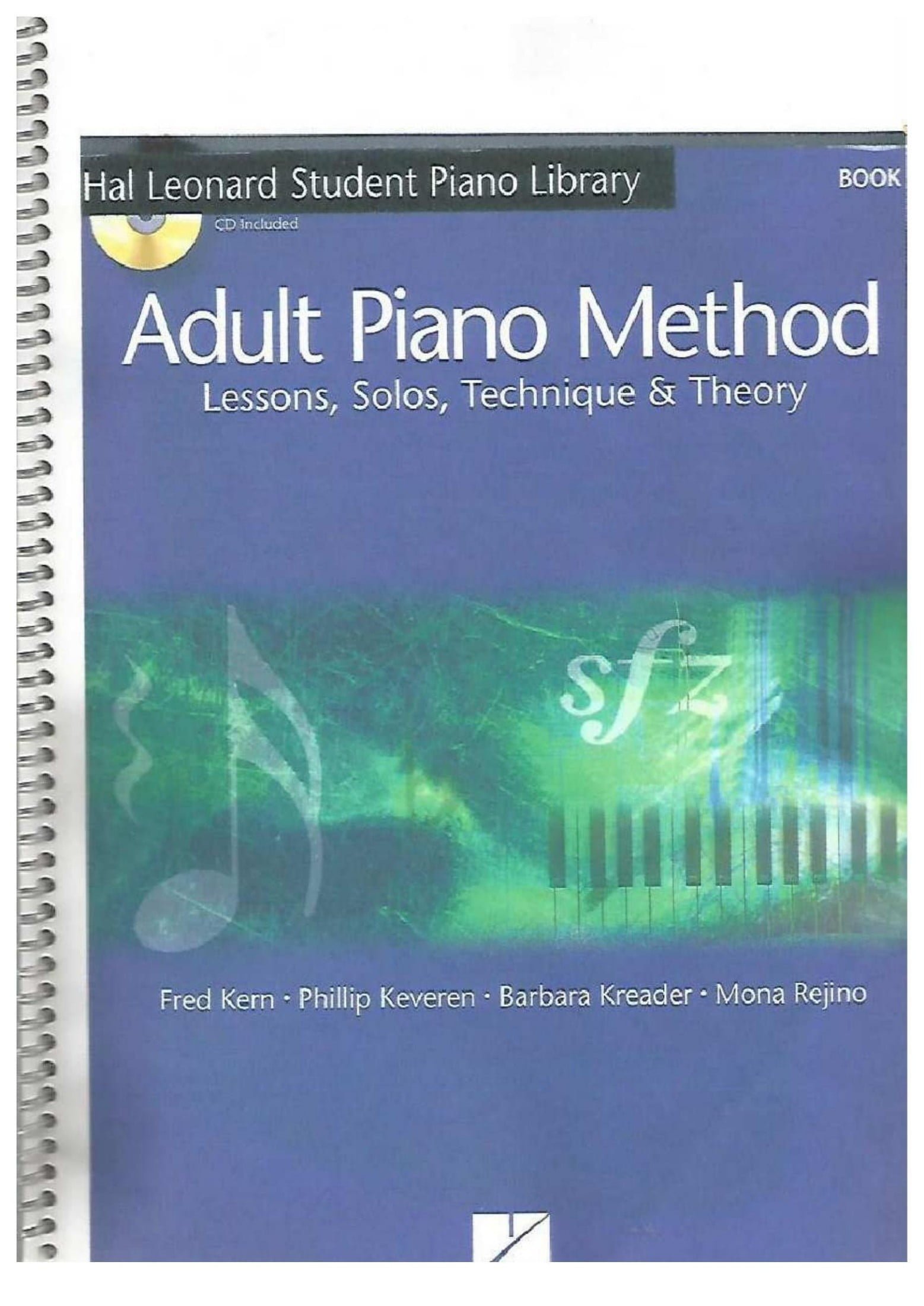
Essential learning methods for PIANO (and KEYBOARDS)
Here are essential learning methods and pedagogical books, organized by skill level and goal for PIANO (and KEYBOARDS):
1. Fundamental Adult Methods & Foundations
If you are learning from scratch or coming back to the piano after a long hiatus, comprehensive adult methods build sight-reading and harmonic understanding systematically.
- Alfred’s Adult All-in-One Course (Books 1–3): One of the gold standards for adult self-learners. It combines chord theory, reading, and progressive repertoire in a practical way that gets you playing two-handed arrangements quickly.
- Ferdinand Beyer – School of Velocity / Vorschule im Klavierspiel (Op. 101): A classic European foundational method that focuses heavily on clean finger technique, reading both clefs, and hand coordination.
- John Thompson’s Modern Course for the Piano: Famous for teaching clear note reading and early musicality across structured levels.
2. Technique, Dexterity & Finger Independence
To play complex arrangements (like film scores or classical reductions), developing independent finger strength and fluid wrist movement is essential.
- Charles-Louis Hanon – The Virtuoso Pianist in 60 Exercises: The universally famous exercise book designed to build agility, finger independence, wrist flexibility, and scale/arpeggio fluency.
- Carl Czerny – Practical Exercises for Beginners (Op. 599) & The School of Velocity (Op. 299): Essential musical studies (études) that bridge raw finger exercises with actual classical repertoire.
- Muzio Clementi – Gradus ad Parnassum: Advanced studies focused on polyphonic control, hand independence, and classical technique.
3. Harmonic Structure, Voicings & Jazz/Pop Realization
Since you're interested in orchestral reductions and OST (Original Soundtrack) arrangements, understanding harmony, chord voicings, and lead sheets is a game-changer.
- Mark Levine – The Jazz Piano Book: A definitive guide for understanding modern harmony, voice leading, shell voicings, re-harmonization, and upper structures—vital for rearranging film scores or pop themes.
- Mark Levine – The Drop 2 Book: Focuses on four-part chord voicings, showing how to spread dense harmonies across both hands to create a wide, orchestral sound.
Recommended Progression Path
| Phase | Core Book / Method | Goal |
| Phase 1: Reading & Fundamentals | Alfred’s Adult All-in-One or Beyer Op. 101 | Build two-hand coordination, staff reading, and basic triad harmonies. |
| Phase 2: Technique & Agility | Hanon (Exercises 1–20) + Czerny Op. 599 | Develop equal strength in all 10 fingers, evenness, and scale fluency. |
| Phase 3: Voicings & Arrangements | Mark Levine + Beginner OST/Classical Collections | Learn to read lead sheets, voice dense chords, and play full-sounding reductions. |
Standard methods, studies, and technique manuals for GUITAR
For the guitar, learning resources are divided depending on whether your goal is classical/polyphonic fingerstyle—which lets you play bass, harmony, and melody all at once—or popular strumming, lead, and jazz improvisation.
Here are the standard methods, studies, and technique manuals for guitar:
1. Fundamental Classical & Fingerstyle Methods
Classical methods are the best way to develop true finger independence, polyphonic control (playing basslines and melodies simultaneously), and precise sight-reading.
- Matteo Carcassi – Method for Guitar (Op. 59): One of the most famous foundational methods in classical guitar literature. It takes you step-by-step through scales, cadences, arpeggio patterns, and progressive pieces across various keys.
- Mauro Giuliani – 120 Studies for the Right Hand (Op. 1): The ultimate manual for mastering right-hand fingerstyle technique. It presents 120 different arpeggio variations over two simple chords, building exceptional finger agility and tone control.
- Dionisio Aguado – New Guitar Method: A historic comprehensive manual focused on posture, hand mechanics, clear articulation, and thumb-finger independence.
2. Intermediate & Advanced Repertoire / Etudes
Once foundational mechanics are set, these collections bridge the gap between basic technical exercises and full concert repertoire.
- Fernando Sor – 20 Methodical Studies (Op. 60, Op. 35, Op. 31, Op. 6) (ed. Andrés Segovia): Essential musical studies that teach voice leading, sustained counterpoint, and expressive phrasing on a single instrument.
- Heitor Villa-Lobos – 12 Études for Guitar: A peak of 20th-century guitar literature. Highly challenging studies exploring modern harmonies, rapid arpeggios, barre techniques, and dramatic dynamics.
3. Jazz, Harmony & Fretboard Visualization
If you want to understand chord construction, voice leading, and how to navigate the entire fretboard for arrangements or solos:
- Mick Goodrick – The Advancing Guitarist: A modern classic for intermediate to advanced players that shifts away from rote patterns to focus on fretboard geometry, voice leading, triad pairs, and deep harmonic concepts.
- Ted Greene – Chord Chemistry: The bible of guitar voicings. It demonstrates how to move beyond basic open chords into rich, voice-led inversions across the neck—crucial for chord-melody arrangements.
Recommended Progression Path for Guitar
| Phase | Core Book / Method | Primary Focus |
| Phase 1: Mechanics & Reading | Carcassi Op. 59 + Giuliani 120 Studies | Reading standard notation, hand mechanics, and basic fingerstyle arpeggios. |
| Phase 2: Polyphony & Voice Leading | Sor 20 Studies (Segovia Edition) | Balancing bass, accompaniment, and melody lines simultaneously. |
| Phase 3: Fretboard Mastery & Harmony | Ted Greene's Chord Chemistry or Villa-Lobos Études | Navigating chord inversions across all 6 strings and mastering advanced tone. |
What about jazz piano?
The Sheet Music Library (PDF) catalog features a rich collection of dedicated jazz piano methods, theory manuals, style-specific guides, and backing-track collections.
Here are the standout jazz piano courses, methods, and play-along systems available in the SML library:
1. Comprehensive Jazz Methods & Harmony
These books serve as full-featured textbooks for transitioning from classical reading to jazz harmony, chord voicings, and improvisation.
- Mark Levine—The Jazz Piano Book: The benchmark text used by jazz conservatories worldwide. It covers everything from three-note shell voicings and rootless 7th/9th chords to pentatonic scales, diminished harmonies, and modern modal voicings.
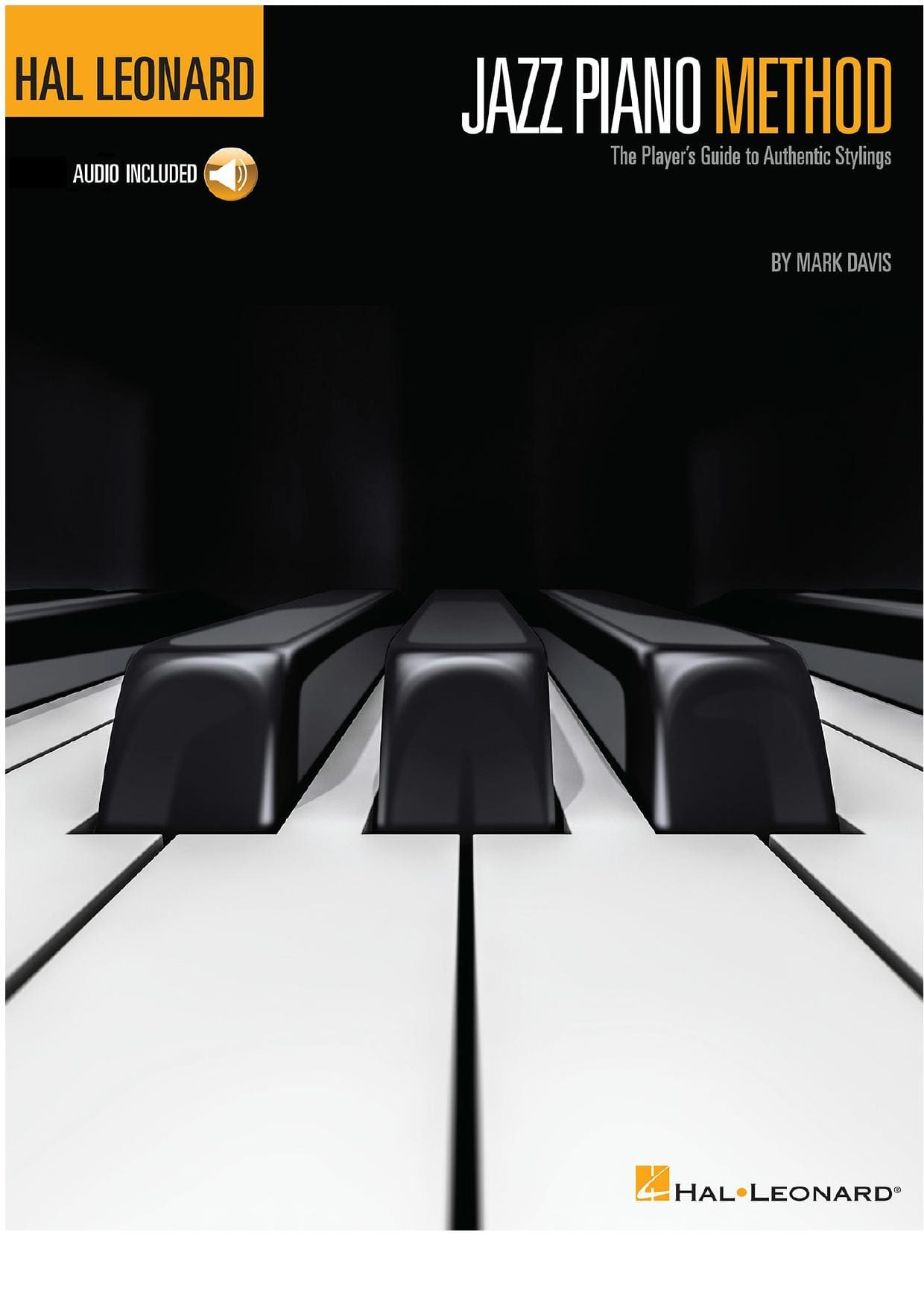
- Mark Davis—Hal Leonard Jazz Piano Method: A structured, step-by-step method designed for complete jazz novices. It breaks down basic swing feel, shell voicings, 2-5-1 chord progressions, and simple improvisation over standards.
- Mark Levine—The Drop 2 Book (Jazz Piano Masterclass): A specialized guide focusing on spreading four-part chord voicings across both hands to create dense, block-chord arrangements.
2. Style-Specific Methods & Left-Hand Techniques
If you want to master specific historical sub-genres or solve the common question of what the left hand should be doing in jazz piano:
- John Valerio – Bebop Jazz Piano (Book + Audio): Focuses specifically on the language of bebop, chord voicings, comping patterns, scales/tonality, and the distinct playing styles of masters like Bud Powell and Thelonious Monk.
- Ron Drotos / Jazz Piano Left-Hand Guides: Pedagogical resources within the library detailing essential left-hand styles—such as 1930s Stride piano, walking basslines for solo playing, and two-note shell voicings used when playing with a bassist.
3. Practice & Play-Along Systems (Audio + Lead Sheets)
Learning jazz requires practicing over real rhythm sections. The library hosts an expansive series that pairs PDF lead sheets with MP3 backing tracks:
- Jamey Aebersold Jazz Series (Volumes 1–114+): The premier play-along system. Volumes like Vol. 1: How to Play Jazz & Improvise, Vol. 54: Maiden Voyage, and artist-specific editions (Miles Davis, Herbie Hancock, Bill Evans) include stereo backing tracks where you can mute the recorded piano channel to play along with a live bass and drum section.
- Hal Leonard Jazz Play-Along Series: Features lead sheets in standard C keys alongside backing tracks for practicing comping and soloing over iconic jazz standards.
Recommended Jazz Piano Learning Path
| Phase | Recommended Resource | What You Learn |
| Phase 1: Getting Started | Hal Leonard Jazz Piano Method (Mark Davis) | Basic swing feel, 7th chords, guide tones, and simple 2-5-1 progressions. |
| Phase 2: Core Harmony | The Jazz Piano Book (Mark Levine) | Rootless voicings, alter scales, modes, and re-harmonization techniques. |
| Phase 3: Real-World Application | Aebersold Series + Bebop Jazz Piano (Valerio) | Comping behind a soloist, playing over backing tracks, and mastering idiom-specific riffs. |
Core Guitar Playing Styles
Guitar playing styles are primarily defined by how the right hand (plucking hand) interacts with the strings, ranging from direct fingertip contact to plectrum mechanics.
- Classical (Nylon String): Played strictly with right-hand fingernails/fingertips on nylon strings. Positioned resting on the left leg, players execute precise rest strokes (apoyando) and free strokes (tirando) to handle multi-part polyphony, balance counterpoint, and sustain individual voices.
- Fingerpicking / Fingerstyle (Acoustic Steel-String): Uses bare fingertips, nails, or thumb/fingerpicks to pluck individual strings. Common in folk, blues, and country (such as Travis picking, where the thumb alternates a steady bassline while fingers play syncopated melodies). Modern "percussive fingerstyle" adds body-slaps and harmonics.
- Flatpicking / Plectrum Style: Uses a single plastic pick (plectrum) held between thumb and index finger. It provides maximum projection, bright attack, and rapid alternate picking for single-note leads or rhythm strumming in rock, pop, bluegrass, and jazz.
- Hybrid Picking: Combines a pick held between thumb and index finger with the middle and ring fingers picking adjacent higher strings. Popular in country, fusion, and rock to execute wide string skips quickly.
- Flamenco: A highly specialized nylon-string technique emphasizing explosive rhythmic attack. Key strokes include rasgueado (rapid outward finger-fanning rolls), golpe (tapping the soundboard), and fast thumb-driven basslines (alzapúa).
- Slap & Tapping (Electric / Acoustic): Uses two-handed fretboard tapping (pressing strings against frets with right-hand fingers) or electric bass-style thumb slaps and pops to produce piano-like or percussive multi-voiced passages.
Style Feature Comparison
| Technique | Primary Tool | Best For | Sound Character |
| Classical | Nails / Fingertips | Bach counterpoint, Renaissance, Spanish repertoire | Warm, round, highly controlled dynamics |
| Fingerpicking | Bare fingers / Thumbpick | Folk, blues, acoustic solo arrangements | Intimate, rhythmic, independent bass/melody |
| Flatpicking | Plectrum (Pick) | Rock solos, bluegrass leads, strumming chords | Bright, punchy, crisp percussive attack |
| Hybrid | Pick + Fingers | Country licks, complex fusion arpeggios | Versatile, fast string-jumping capability |
| Flamenco | Nails & Soundboard | Flamenco Palo rhythms, Andalusian folk | Percussive, fiery, rapid strumming rolls |
Strumming a guitar is a rhythm technique where your hand sweeps across multiple strings in a single fluid motion—downwards or upwards—using a guitar pick or your fingernails.
Unlike fingerpicking, which plucks individual strings one at a time to create melodies or arpeggios, strumming sounds full chords all at once to create the rhythmic foundation, accompaniment, and beat of a song.
Core Mechanics of Strumming
- Downstrokes: The hand moves downward toward the floor, usually striking the thicker bass strings first. Downstrokes naturally land on strong beats (like beats 1, 2, 3, and 4 in standard time).
- Upstrokes: The hand moves upward toward your face, striking the thinner treble strings first. Upstrokes typically fall on off-beats (the "and" between counts: 1 and 2 and 3 and 4).
- Wrist Motion: The motion should come primarily from a relaxed wrist rather than a stiff elbow. Stiffening your arm makes the pick catch on the strings rather than gliding across them smoothly.
Common Strum Patterns
The rhythm of a song comes from combining downstrokes and upstrokes while occasionally "missing" or passing over the strings on certain beats to create syncopation:
