
Scores for all instruments: 16,000+ (active and growing), over 236,000 pages.
All genres and levels: Jazz & Blues, Rock & Pop, Classical & Contemporary, Film & Musicals;
books & biographies; methods, études, play-along tracks (MP3) for Jazz & Rock.
Access & benefits: US$15.99 one-time payment, valid for lifetime, full Library access.
Table of Contents
Billie Holiday Songbook - Cole Porter - sheet music, Noten, partitura, spartiti, partition, 楽譜
Please, subscribe to our Sheet Music Library. Sheet music should be accessible and affordable for all musicians, from professionals to absolute beginners.


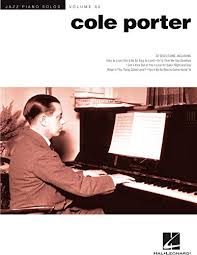
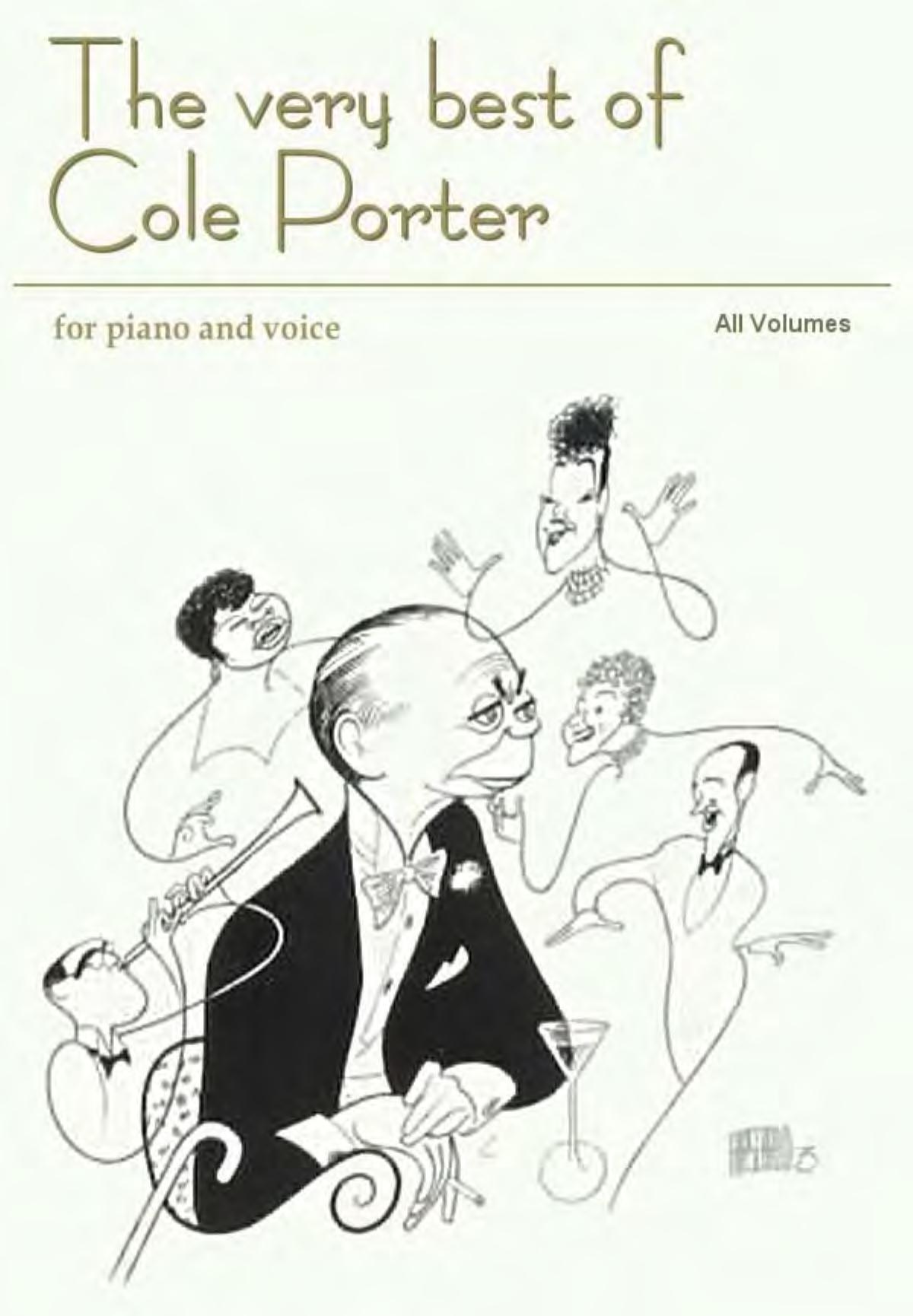
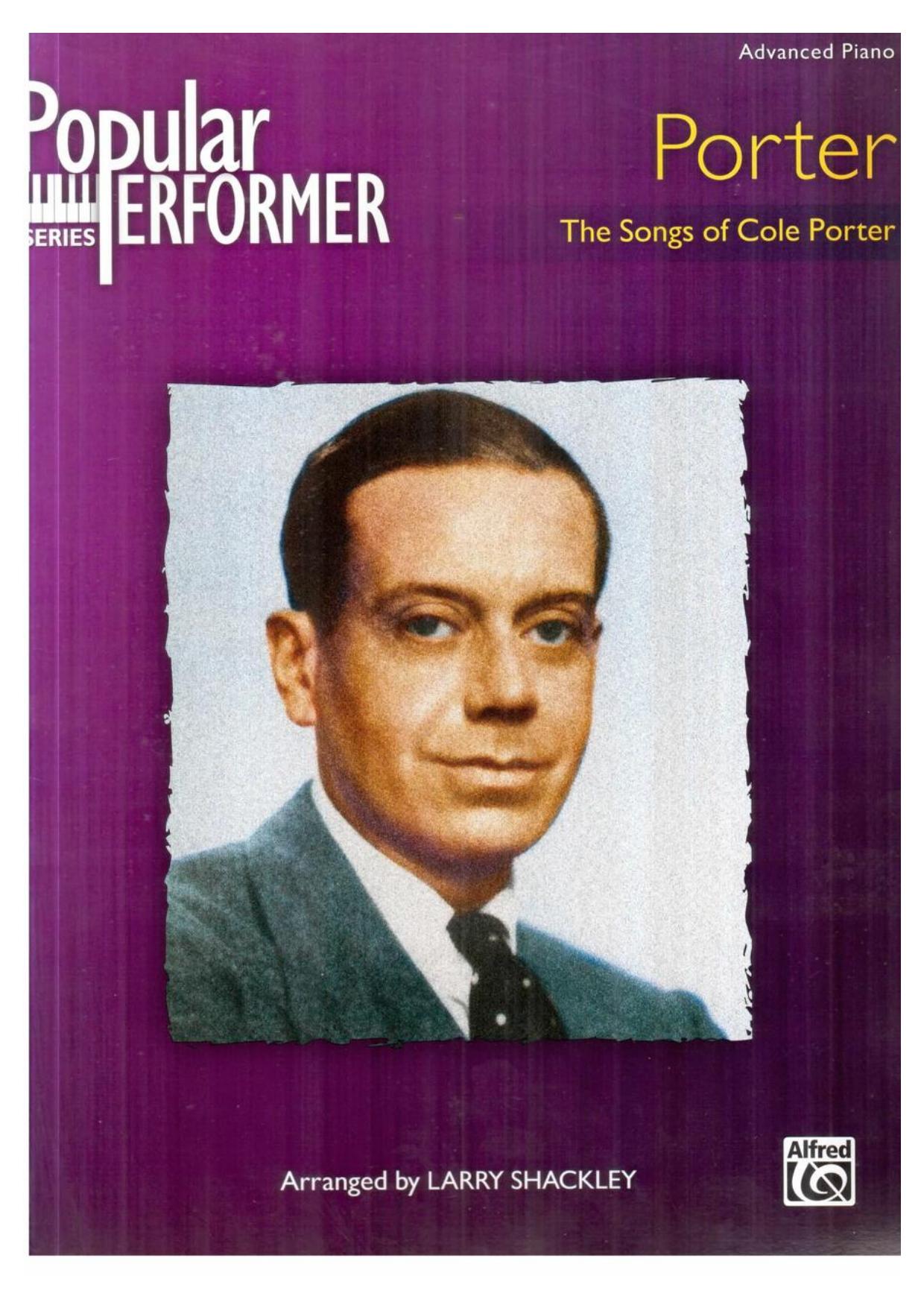
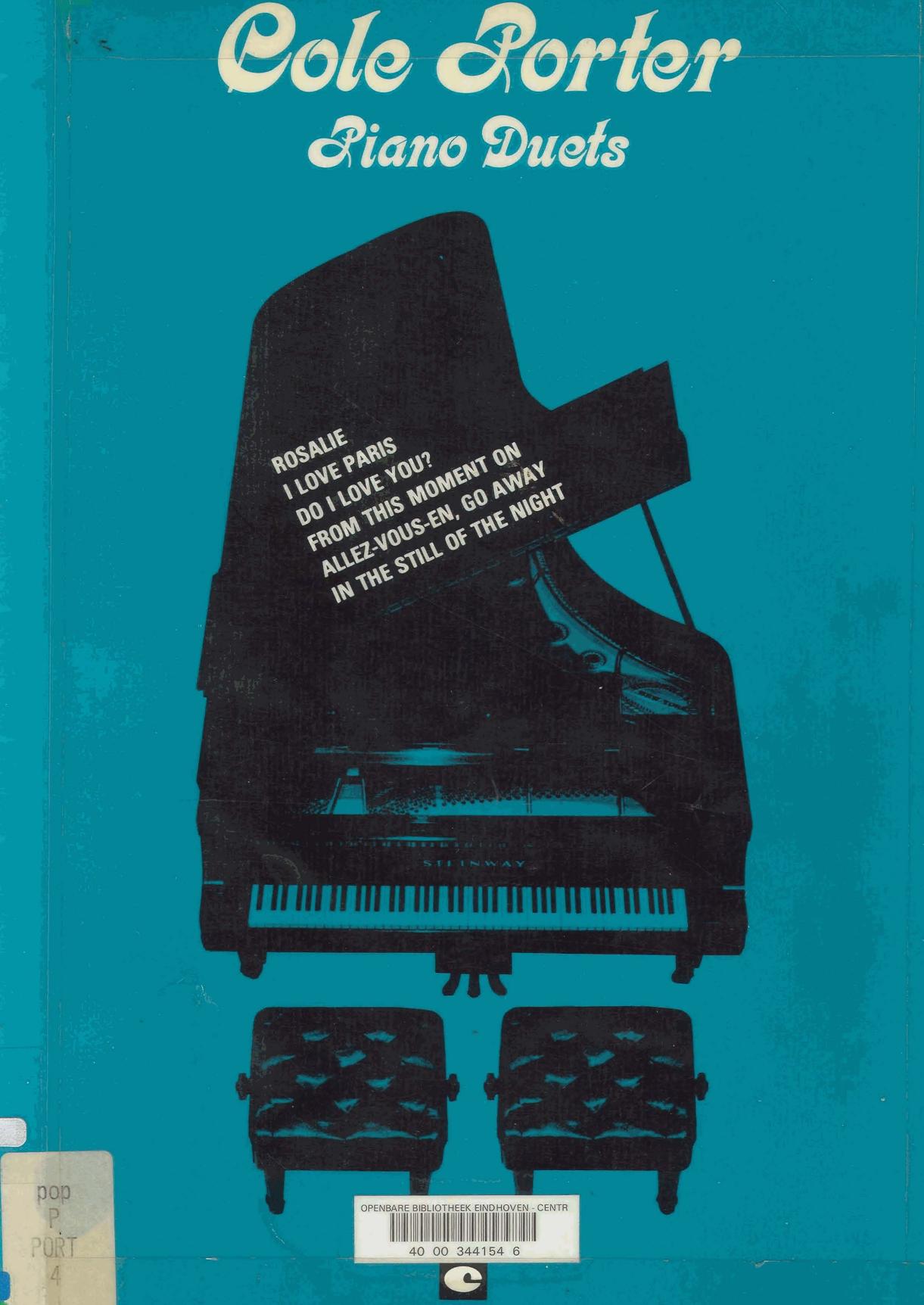
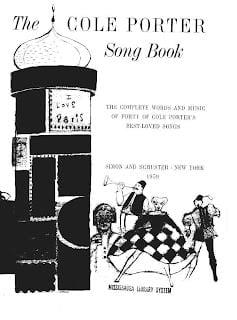
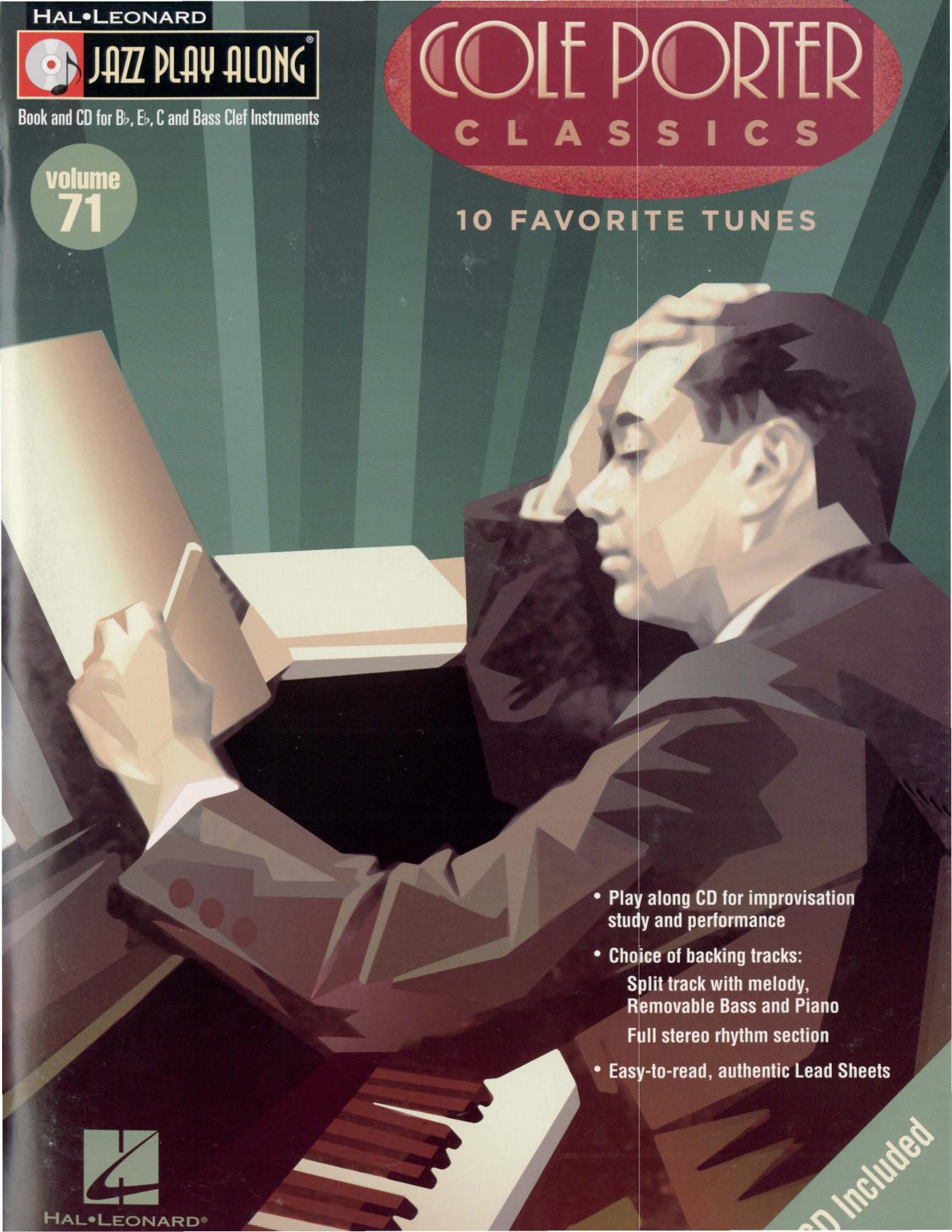

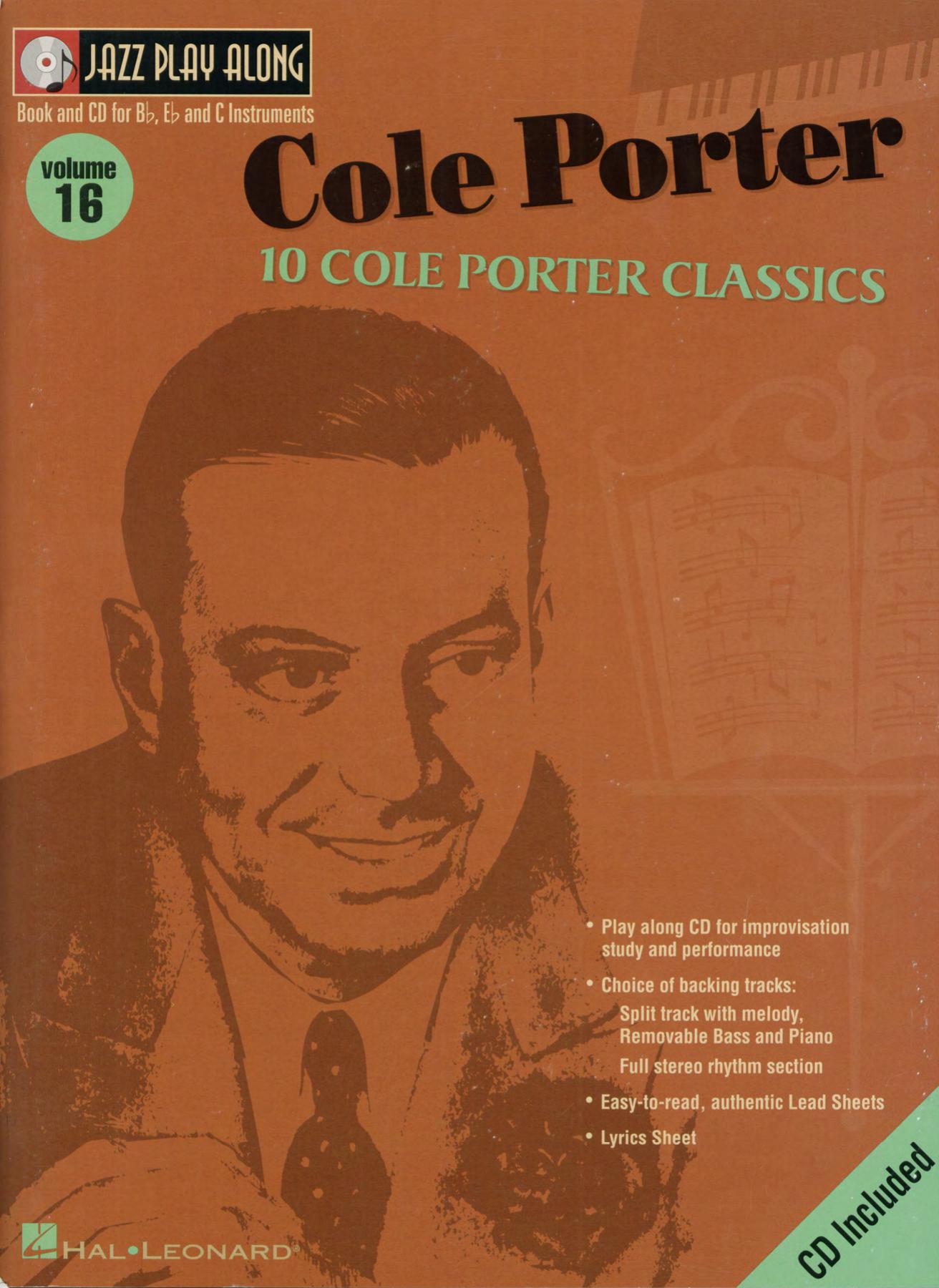

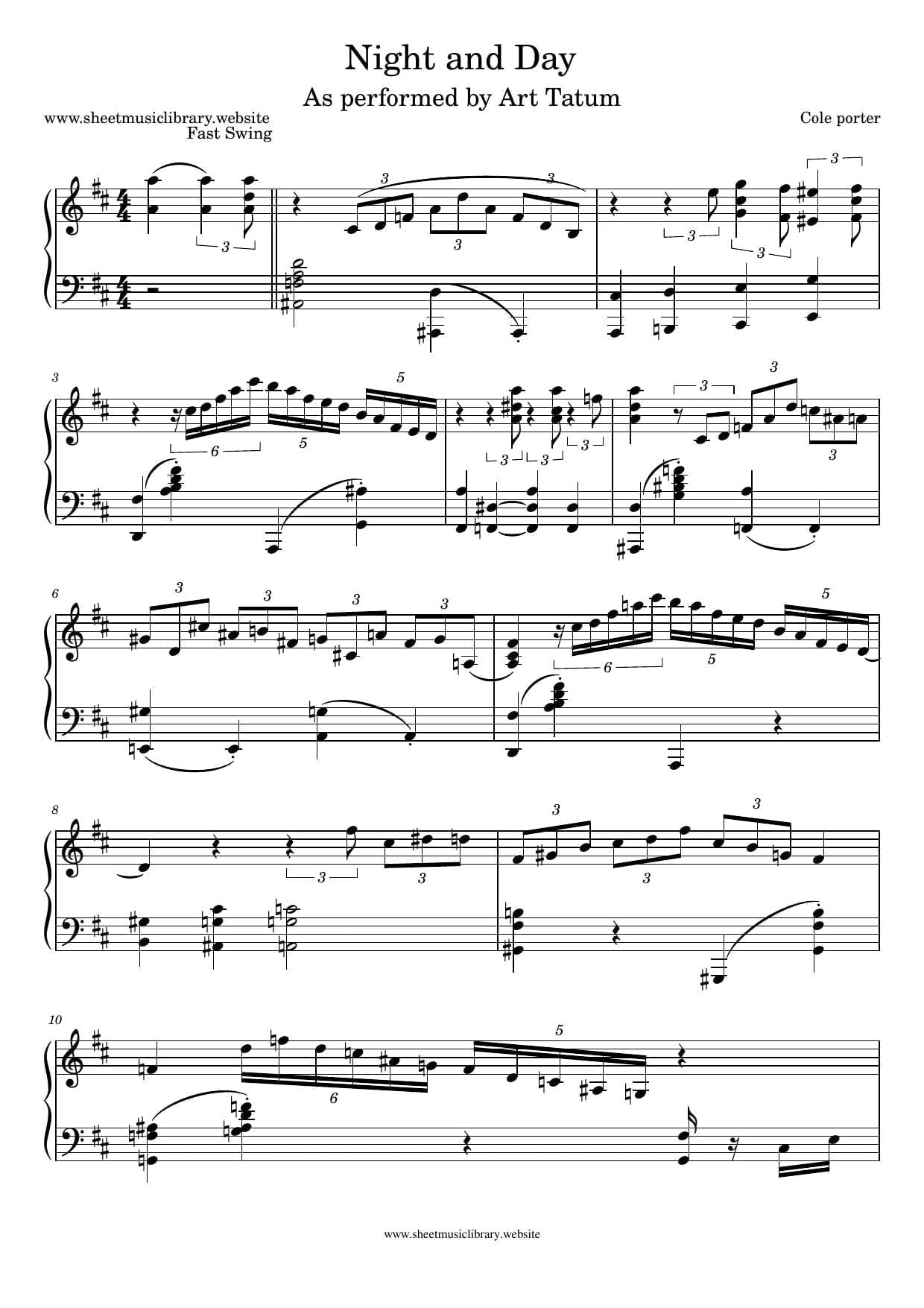
The best sheet music download from our Library.
Scores for all instruments: 16,000+ (active and growing), over 236,000 pages.
All genres and levels: Jazz & Blues, Rock & Pop, Classical & Contemporary, Film & Musicals;
books & biographies; methods, études, play-along tracks (MP3) for Jazz & Rock.
Access & benefits: US$15.99 one-time payment, valid for lifetime, full Library access.
Please, subscribe to our Sheet Music Library. Sheet music should be accessible and affordable for all musicians, from professionals to absolute beginners.
Who was Cole Porter?
Cole Porter: The Supreme Sophisticate of American Song
Search your favorite sheet music in the Sheet Music Library Catalog
Biography
Cole Albert Porter was born on June 9, 1891, in Peru, Indiana, into a wealthy and privileged family. The grandson of a millionaire speculator, Porter grew up in moderately affluent circumstances that would profoundly shape both his worldview and his artistic sensibility. He began his musical education early, starting violin at age six and piano at eight. His precocious talent emerged quickly: at age ten he composed an operetta in the style of Gilbert and Sullivan, and by eleven he had his first composition, a waltz called "Bobolink Waltz," published with his mother's encouragement.
Porter attended Yale University, graduating in 1913, where he composed approximately 300 songs, including enduring college rally songs like "Eli," "Bulldog," and "Bingo Eli Yale". He also wrote college shows and led the Glee Club, his social charm and musical gifts making him a campus figure. Following graduation, his wealthy grandfather persuaded him to enter Harvard Law School, but he lasted only two years before transferring to the Harvard Graduate School of Arts and Sciences to study music.
Porter made his Broadway debut with the musical comedy See America First in 1916, but it was a disastrous flop, closing after only 15 performances. Shortly afterward, he moved to Paris in 1917, joining the famous community of American expatriates. His inherited wealth allowed him to live a lavish lifestyle, giving fabulous parties and entertaining high society. He continued his musical studies at the Schola Cantorum in Paris, composing for musical theater and ballet.
In 1919, Porter married Linda Lee Thomas, a wealthy older American divorcée. Though Porter was rather openly homosexual, the marriage was a close and loving alliance that lasted 35 years until her death in 1954. The couple spent the next two decades in lively partying and social traveling, sometimes together, sometimes apart.
The turning point in Porter's career came in 1928 when he composed several songs for the Broadway success Paris, leading to a string of hit musical comedies throughout the 1930s. Then, in 1937, catastrophe struck: a horseback riding accident left Porter without the use of his legs, and for the rest of his life he was in almost constant pain. He buried himself in work, producing Panama Hattie and Something for The Boys. After several slow years, he made a triumphant comeback in 1948 with his greatest success, Kiss Me, Kate, which won the first Tony Award for Best Musical and ran for more than a thousand performances. In 1958, one of his legs was amputated. Lonely and reclusive in his final years, Cole Porter died in Santa Monica, California, on October 15, 1964.
Musical Style
Porter's musical style is characterized by a sophisticated blend of wit, elegance, and harmonic adventurousness that set him apart from his contemporaries. As the New York Times observed, "Cole Porter seems endlessly flexible in his approach to chords, melody, rhythm and lyrics". His classical training was of great significance because he enriched popular music precisely by using the sophisticated techniques of classical music.
Unlike many successful Broadway composers, Porter wrote both the lyrics and the music for his songs. He composed complete lyrics and melody himself before calling on the assistance of musical secretaries to notate the accompaniments. However, although he worked with several musical assistants over the course of his career, the harmony in Porter's songs has a distinctive and consistent style, suggesting that his harmonic trademarks are reflections of his own harmonic concept. Porter was "quite precise in what he wanted, and his instructions would be closely followed".
His harmonies are often adventuresome and demonstrate a strong relationship with his lyrics. As one analysis notes, "Porter's masterful but sometimes esoteric lyrics are softened and warmed by his music, a process in which harmony plays a crucial part". The inventiveness and intricacy of Porter's harmony may not be as immediately noticeable as his clever rhymes or distinctive melodies, yet it often reinforces the content of the lyrics, "at times even adding shades of meaning that the lyrics alone cannot convey".
Chord Progressions and Music Harmony
Porter's harmonic language is one of the most distinctive aspects of his music. He made extensive use of chromaticism, half-diminished chords, and unexpected modulations that were far more sophisticated than the typical popular music of his era.
Perhaps the most famous example of Porter's harmonic ingenuity is "Night and Day" from Gay Divorce (1932). The song is well known for its unusual chord changes: the tune begins with a pedal dominant with a major seventh chord built on the flattened sixth of the key, which then resolves to the dominant seventh in the next bar. As one guitarist observed, "Cole Porter is all about referencing the minor: parallel or relative". The harmonic movement is more adventurous than much popular music of its era, giving performers genuine expressive material to work with rather than simply following a predictable progression.
Porter frequently employed the opposition of major and minor keys, often withholding decisive resolution until moments of lyrical importance. "Just One of Those Things" is in the key of F major, but as musicologist Forte notes, that chord is "cadential only in the final phrase". Similarly, "I Love You" and "Easy to Love" both begin on non-tonic minor chords (IVm and IIm respectively), and despite resolving to the tonic multiple times, they only employ perfect authentic cadences at the very end of the form as their lyrics resolve as well.
His use of chromaticism is particularly notable in songs dealing with physical attraction and desire. As one analysis points out, in one of his songs, "In the course of its sixty-four measures there are only eight melodic steps that are not chromatic". This emphasis on chromaticism seems to be a natural choice for conveying emotional intensity and longing.
Porter's harmonic sophistication had a lasting influence beyond his own songs. "What Is This Thing Called Love?" has spawned not only hundreds of recordings but also multiple "contrafacts"—new melodies written over its harmonic structure. Tadd Dameron's "Hot House" and John Coltrane's "Fifth House" both use Porter's song as a harmonic template, evidence of the lasting influence of Porter's harmony on jazz musicians.
Relationship with Other Artists
Porter's relationships with other artists were extensive and often complex. He worked with and befriended many of the major figures of American musical theater. His letters reveal explorations of his relationships with friends, lovers, and stars including Irving Berlin, Ethel Merman, and Orson Welles.
Ethel Merman was one of Porter's most important collaborators and interpreters. He wrote some of his most memorable songs for her powerful voice and commanding stage presence, including numbers from Anything Goes, Red, Hot and Blue, and DuBarry Was a Lady. The partnership between Porter and Merman produced some of the most electric moments in Broadway history.
Porter's personal life featured "exuberant parties, scandalous affairs, and chronic health problems". His letters provide surprising insights into his attitudes toward Hollywood and Broadway, and toward money, love, and dazzling success. He maintained a wide circle of friends among the wealthy and famous, embodying in his life the sophistication of his songs.
His marriage to Linda Lee Thomas, though unconventional, was a central relationship in his life. They spent decades in lively social traveling together and apart, and her death in 1954 left him devastated. The song "Night and Day" has been suggested to draw inspiration from his affair with Edward Tauch.
Influences
Porter's influences were wide-ranging and classical in orientation. From an early age, he was exposed to Gilbert and Sullivan, composing an operetta in their style at age ten. His studies at Harvard and the Paris Conservatoire gave him formal training in music theory, history, harmony, and counterpoint.
His lyrics drew from an equally sophisticated palette. Scholars have explored his influences from Greek mythology and Shakespeare to Gilbert and Sullivan, demonstrating how Porter transformed musical theater and popular song with his witty and sophisticated command of language. Kiss Me, Kate, his greatest success, was based directly on Shakespeare's The Taming of the Shrew.
Porter's classical background was of great significance because "he enriched popular music precisely by using the sophisticated techniques of classical music". Unlike many of his contemporaries who came from more humble musical backgrounds, Porter's formal training gave him access to harmonic and structural devices that he deployed with remarkable sophistication in popular song.
Legacy and Influence
Cole Porter's influence on American music and culture has been profound and enduring. Even when he died in 1964, years after rock 'n' roll supposedly made "pop standards" obsolete, Porter's influence never disappeared. He left behind over 800 songs, many of uncommon distinction.
His impact extends across multiple generations and genres. Paul McCartney borrowed from Porter. Rufus Wainwright's lavish pop songs are "indebted to piano bar balladry" and show Porter's influence. Nellie McKay includes Porter among an even more diverse group of influences, drawing on his inspiration alongside piano jazz and hip-hop. Stephen Fry has famously claimed that "hip hop artists are the greatest songwriters since Cole Porter," citing Porter's witty lyricism as the gold standard for innovative songwriting.
Porter's work seamlessly blended elements of jazz with traditional song forms, creating timeless classics that have influenced both jazz and popular music styles. His clever lyrics and sophisticated harmonies provided a fresh take on popular music, encouraging other composers to experiment with jazz influences and demonstrating that jazz could coexist with and enhance mainstream music.
He has remained an icon in cabaret music and gay culture by virtue of both his music and his glamorous, if contradictory, lifestyle. Porter helped create fundamental change in the music industry, transforming popular music in the 1920s and 1930s. His work continues to be performed, recorded, and celebrated, a testament to the enduring power of his art.
Major Works: Musicals
Porter's Broadway career produced a remarkable string of hit musical comedies. His major works include:
- See America First (1916) – his disastrous debut, which closed after 15 performances
- Paris (1928) – his breakthrough success
- Fifty Million Frenchmen (1929)
- Gay Divorce (1932) – featuring "Night and Day"
- Anything Goes (1934) – featuring "I Get a Kick Out of You," "You're the Top," "All Through the Night," and "Blow, Gabriel, Blow"
- Red, Hot and Blue (1934)
- Jubilee (1935) – featuring "Begin the Beguine"
- DuBarry Was a Lady (1939)
- Panama Hattie (1940)
- Something for The Boys
- Kiss Me, Kate (1948) – his greatest success, based on Shakespeare's The Taming of the Shrew, winner of the first Tony Award for Best Musical
- Can-Can (1950s)
- Silk Stockings (1955)
Film Scores
Porter also composed scores for Hollywood films from the 1930s to the 1950s. His original film scores include:
- Born to Dance (1936) – featuring "You'd Be So Easy to Love" and "I've Got You Under My Skin"
- Rosalie (1937) – featuring "In the Still of the Night"
- Broadway Melody of 1940 (1940)
- The Pirate (1948)
- High Society (1956) – featuring "True Love"
- Les Girls (1957)
Additionally, film adaptations of his Broadway musicals include the 1936 and 1956 versions of Anything Goes.
Most Known Compositions
Porter's catalog of hit songs is extraordinary in its breadth and enduring popularity. His numerous hit songs include:
- "Night and Day" (from Gay Divorce, 1932)
- "Begin the Beguine" (from Jubilee, 1935)
- "I Get a Kick Out of You" (from Anything Goes, 1934)
- "Well, Did You Evah!"
- "I've Got You Under My Skin" (from Born to Dance, 1936)
- "Let's Do It, Let's Fall in Love"
- "My Heart Belongs to Daddy"
- "You're the Top" (from Anything Goes, 1934)
- "In the Still of the Night" (from Rosalie, 1937)
- "Love for Sale"
- "Anything Goes"
- "So In Love" (from Kiss Me, Kate)
- "You'd Be So Nice to Come Home To"
- "True Love" (from High Society, 1956)
- "Easy to Love" (from Born to Dance, 1936)
Discography
Porter's works have been recorded in hundreds of versions. The Discography of American Historical Recordings documents 358 entries from 1916 to 1956, showcasing Porter in roles from composer to occasional vocalist and pianist.
Key original cast recordings include:
- Kiss Me, Kate (1948 original Broadway cast)
- Can-Can (original Broadway cast)
- Silk Stockings (1955 original Broadway cast)
- Anything Goes (1989 London Symphony Orchestra recording conducted by John McGlinn)
Important compilation albums include:
- It's De Lovely: The Authentic Cole Porter Collection (RCA Bluebird, 2004)
- The Essential Cole Porter (multiple volumes)
- The Complete Cole Porter Songbooks (Hannibal Records, 1993)
- The Songs of Cole Porter (Hannibal Records, 1994)
Porter himself occasionally recorded, including the album Cole Sings Porter.
Documentaries and Films
Several documentaries have explored Porter's life and music:
You're the Top: The Cole Porter Story (1990) – This American Masters documentary, hosted by cabaret entertainer Bobby Short, chronicles Porter's life through rare photographs and archival footage. It features interviews with performers and artists who knew Porter best and includes more than 20 classic performances from his movie musicals. The film captures "the spirit of the man who wrote the funniest and most romantic songs of an era".
Looking for Cole – Described as the first in-depth documentary to explore the life and music of Porter, this film was produced over the course of three years and offers unique insight into the remarkable life of the "supreme sophisticate".
Porter's life has also been the subject of numerous biographies, including the definitive biography that charts his life from a fruit farm in Indiana through Yale, Harvard, and the Paris Conservatoire. The comprehensive collection of his letters, edited by Cliff Eisen and Dominic McHugh, provides unprecedented access to his personal and professional relationships.
Cole Porter stands as one of the towering figures of American popular music. His sophisticated wit, harmonic ingenuity, and lyrical craftsmanship created a body of work that has endured for nearly a century. From the playful double entendres of "Let's Do It" to the aching longing of "Night and Day," from the madcap energy of Anything Goes to the Shakespearean ambition of Kiss Me, Kate, Porter's music captures a world of elegance, wit, and emotional complexity that continues to resonate with audiences today.
His classical training, his privileged upbringing, his unconventional personal life, and his remarkable resilience in the face of devastating injury all contributed to the unique voice that emerged in his songs. As the Britannica notes, Porter "brought a worldly élan to the American musical and embodied in his life the sophistication of his songs". In the words of one scholar, "Porter was 'the top' and lived at the top". His legacy of over 800 songs, many of them enduring standards, ensures that his sophisticated voice will continue to be heard for generations to come.
Cole Porter discography
Browse in the Sheet Music Library:
Or browse in the categories menus & download the Library Catalog PDF: