
Scores for all instruments: 16,000+ (active and growing), over 236,000 pages.
All genres and levels: Jazz & Blues, Rock & Pop, Classical & Contemporary, Film & Musicals;
books & biographies; methods, études, play-along tracks (MP3) for Jazz & Rock.
Access & benefits: US$15.99 one-time payment, valid for lifetime, full Library access.
Table of Contents
Danny Elfman: Drama & Dark Delights
Video Timecodes 0:00 - Danny Elfman 2:03 - Dead Man's Wire 3:47 - Script vs Film Imagery 8:39 - Dracula 10:59 - Send Help 14:40 - Working with Directors 18:10 - Visualizing the Music 33:33 - Coachella Chaos 37:16 - Tattoos & COVID 47:18 - A$AP Rocky 53:05 - Supernatural Energies 57:49 - Film Composer Life 1:00:23 - Being Very Different 1:02:18 - Early Career 1:13:35 - Getting Started 1:18:10 - Nightmare's Legacy 1:22:27 - Outro
Please, subscribe to our Sheet Music Library. Sheet music should be accessible and affordable for all musicians, from professionals to absolute beginners.
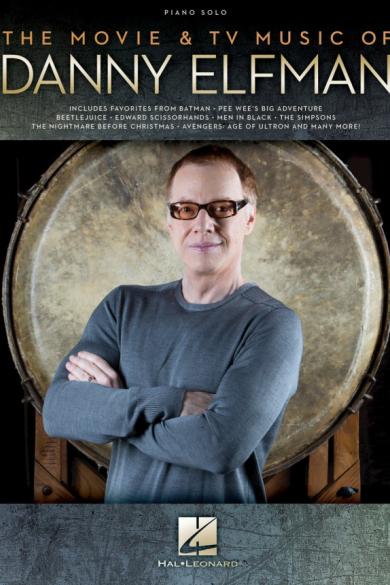

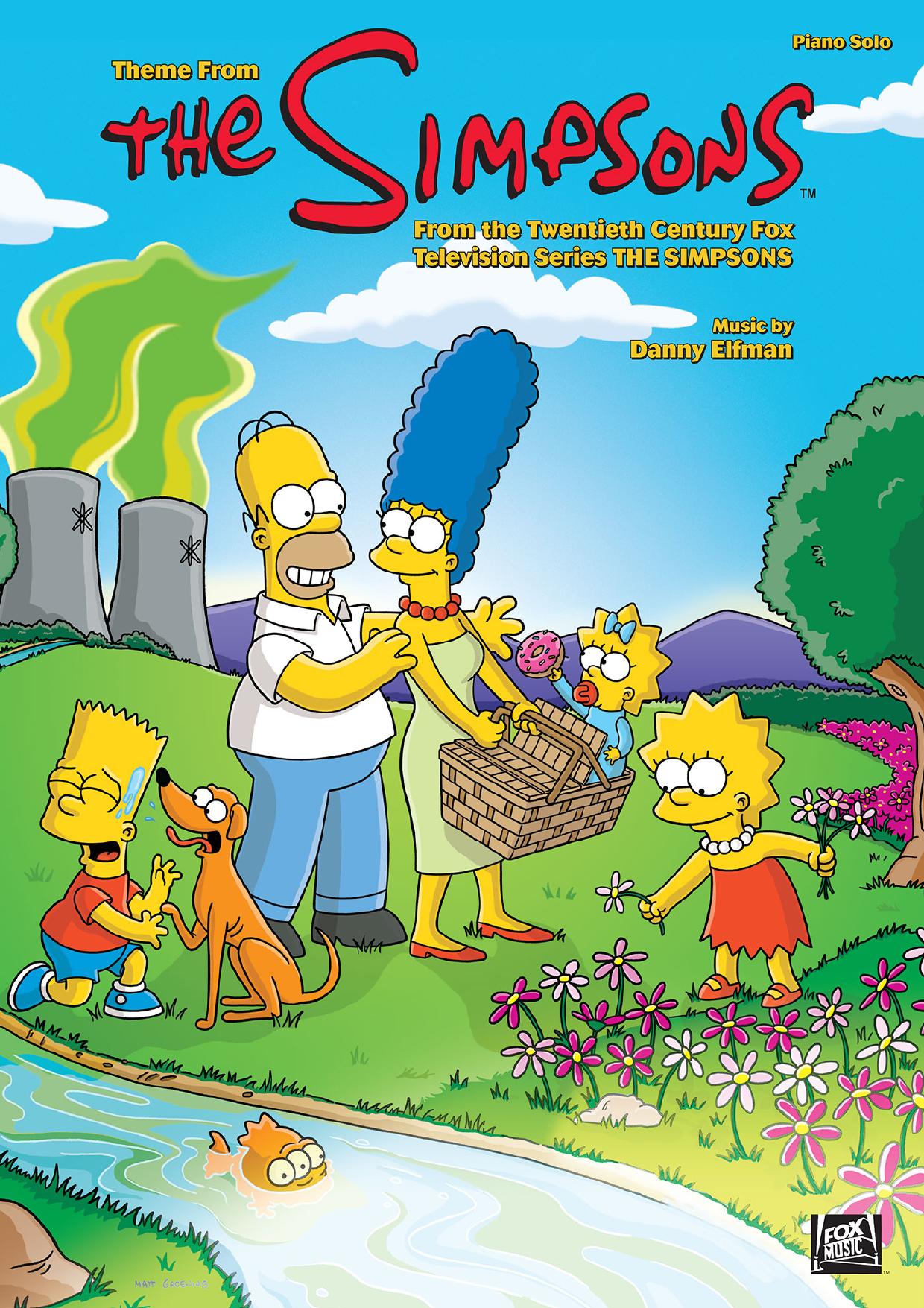
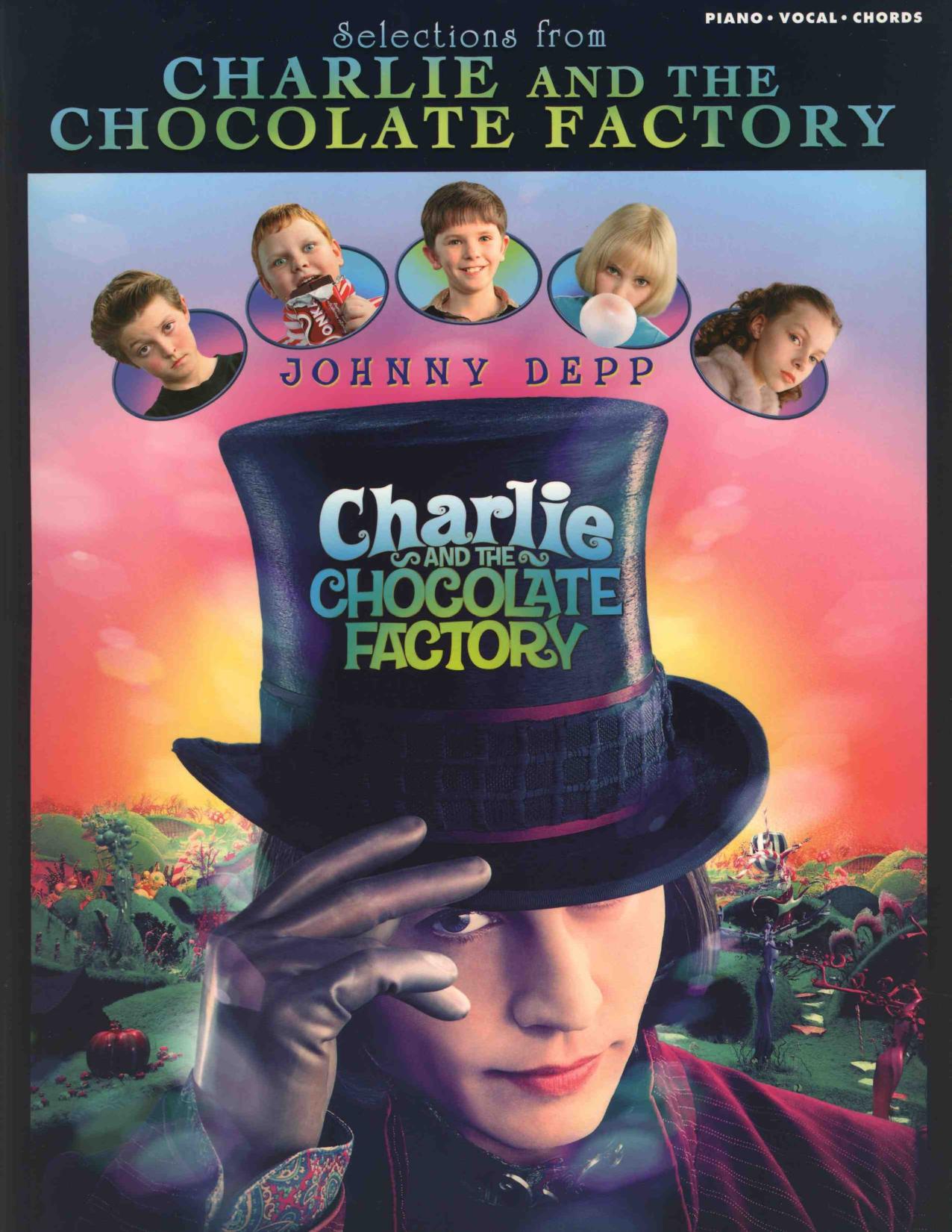
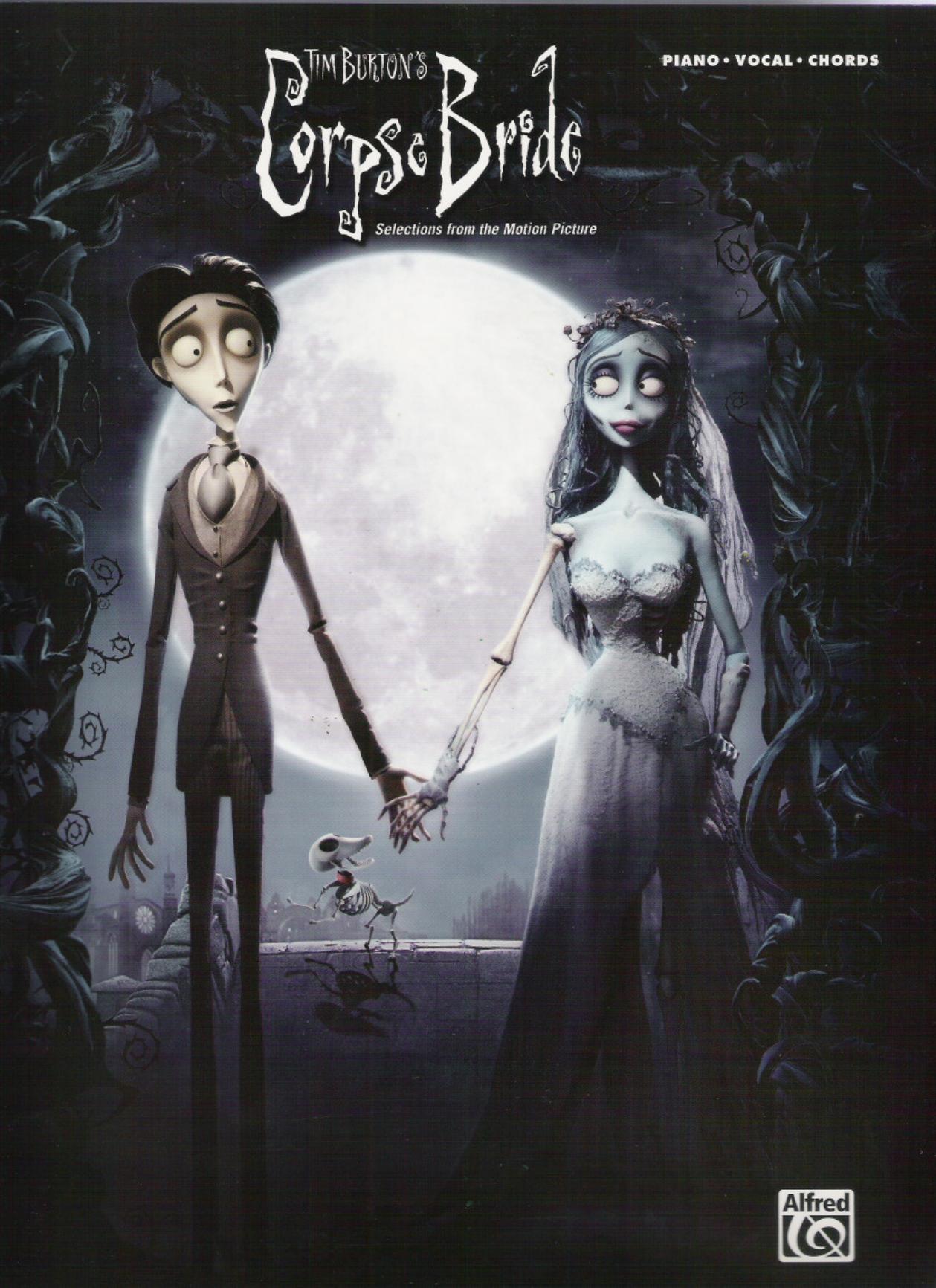

The best sheet music download from our Library.
Scores for all instruments: 16,000+ (active and growing), over 236,000 pages.
All genres and levels: Jazz & Blues, Rock & Pop, Classical & Contemporary, Film & Musicals;
books & biographies; methods, études, play-along tracks (MP3) for Jazz & Rock.
Access & benefits: US$15.99 one-time payment, valid for lifetime, full Library access.
Please, subscribe to our Sheet Music Library. Sheet music should be accessible and affordable for all musicians, from professionals to absolute beginners.
Who is Danny Elfman?
Danny Elfman: The Maverick Composer Beyond the Blues Label
Danny Elfman is globally renowned as a film composer, the frontman and songwriter for the new wave band Oingo Boingo, and a genre-defying artist whose work spans orchestral scoring, punk rock, ska, and avant-garde theatre. While his vast catalogue occasionally features tracks with bluesy inflections or titles (such as Diner Blues from the Midnight Run soundtrack), his artistic identity is rooted far more in the theatrical, the grotesque, and the fantastical than in the 12-bar structures of Delta or Chicago blues.
Search your favorite sheet music in the Sheet Music Library Catalog
Part I: Early Life and Musical Awakening
Danny Elfman was born on May 29, 1953, in Los Angeles, California, into a Jewish family. His father, Milton Elfman, was a teacher and a U.S. Air Force veteran, while his mother, Blossom Elfman, was a writer and author of children's books. Danny grew up in the racially diverse Baldwin Hills neighborhood of L.A., an environment that subtly informed his eclectic musical palette.
Contrary to the typical prodigy narrative, Elfman was not a natural-born instrumentalist. He spent much of his youth obsessively watching films, developing a deep fascination with the dramatic scores of Bernard Herrmann (Psycho) and Franz Waxman (Sunset Boulevard). In high school, he played in a ska band alongside other "band geeks," but his formal education was cut short when he dropped out and followed his brother, Richard Elfman, to France.
In Paris, he joined a surrealist musical theatre troupe called Le Grand Magic Circus, where he soaked in the chaotic energy of avant-garde performance. This was merely a prelude to his most formative adventure: traveling through West Africa with nothing but a violin. He traversed Ghana, Mali, and Upper Volta (now Burkina Faso), immersing himself in local drumming and Highlife music. Interestingly, Elfman often claimed he "started too late" to master any instrument properly—a self-deprecating admission that ironically freed him from academic constraints, allowing his raw, instinctual creativity to flourish.
Part II: From Mystic Knights to Oingo Boingo
In the early 1970s, Danny and his brother Richard co-founded The Mystic Knights of Oingo Boingo, a 15-piece avant-garde theatrical troupe. Their performances were chaotic cabarets, blending Harlem big-band jazz, German cabaret, Balinese gamelan, and West African percussion into a dizzying spectacle.
In 1976, Elfman streamlined the collective into a tight rock band, simply named Oingo Boingo. With Danny as the lead singer, guitarist, trombonist, and primary songwriter, the band became a staple of the burgeoning Los Angeles alternative rock scene. Oingo Boingo was renowned for their high-octane live shows and genre-bending sound, which mixed ska rhythms, punk aggression, and pop melodies. They garnered a cult following throughout the 1980s and early 1990s. Despite their success, Elfman grew weary of the rock-star lifestyle and disbanded Oingo Boingo after a final, legendary Halloween concert in 1995 to focus entirely on composing.
Part III: The Film Score Breakthrough
Elfman’s foray into film scoring began with his brother Richard’s cult classic, Forbidden Zone (1982). The soundtrack was a bizarre fusion of his theatre and rock sensibilities, but it was only a warm-up.
The seismic shift occurred in 1985. Director Tim Burton and actor Paul Reubens (Pee-wee Herman) were huge fans of Oingo Boingo. Burton, then a young animator making his directorial debut, asked Elfman to score Pee-wee's Big Adventure. Elfman accepted, despite having no formal training in orchestration (he famously hired orchestrator Steve Bartek to transcribe his humming and piano plunking into sheet music).
The quirky, carnivalesque score was a massive success. This collaboration sparked one of the most enduring and productive director-composer partnerships in Hollywood history. Elfman would go on to define the sonic landscape for Burton’s most iconic films, including:
- Beetlejuice (1988)
- Batman (1989)
- Edward Scissorhands (1990)
- The Nightmare Before Christmas (1993) – for which he also wrote the songs and provided the singing voice of Jack Skellington.
- Big Fish (2003)
- Alice in Wonderland (2010)
- Dumbo (2019)
Part IV: Musical Style and Compositional Techniques
1. The Signature Sound
Elfman’s compositional style is often described as "dark carnival" music. It is a potent cocktail of late-Romantic classical music (heavily influenced by Stravinsky, Prokofiev, and Tchaikovsky) and the rhythmic propulsion of rock and pop. His scores are characterized by:
- Whimsical dissonance: Using jarring, atonal clusters to create unease.
- Galumphing rhythms: Heavy, marching percussion that feels both childlike and menacing.
- Soaring, tragic melodies: Often featuring high, keening woodwinds that evoke longing and melancholy (perfectly exemplified in Edward Scissorhands).
Critics have noted that his music possesses a "madcap signature touch," bringing a sense of gothic whimsy and psychological depth to the screen.
2. Improvisation and "Licks"
Although not a jazz or blues improviser in the traditional sense, Elfman relies heavily on instinctive improvisation during his writing process. He has detailed his method for his solo album Big Mess:
"When I found a heaviness that I liked, I started improvising on the guitar. I would hit a rhythm, strum hard to get harmonics, and when I found a piece I liked, I would loop it. It sounded very jagged."
He intentionally preserves this "raw" quality. Guitar-wise, he cites Adrian Belew’s work on David Bowie’s Scary Monsters as a pivotal influence—specifically, the concept of controlled, rhythmic, and melodic playing where the notes feel "almost random" but are actually meticulously placed to create texture rather than just melody.
3. The "Outsider" Philosophy
Elfman has always viewed himself as an outsider. He once admitted: "When I started in film, I felt very unwelcome. I didn't care what other composers thought. I only cared if the director liked it and if the musicians enjoyed playing it." This punk-rock ethos has persisted throughout his career, even when he transitioned to writing classical concert pieces, where he was often greeted with skepticism by the classical elite.
Part V: Key Collaborations and Filmography
Elfman has worked with a wide array of directors beyond Burton:
| Director | Notable Films |
|---|---|
| Tim Burton | Pee-wee, Beetlejuice, Batman, Edward Scissorhands, Nightmare Before Christmas, Big Fish, Alice in Wonderland, Dumbo |
| Sam Raimi | Darkman, Spider-Man, Spider-Man 2, Oz the Great and Powerful |
| Gus Van Sant | Good Will Hunting, Milk, To Die For |
| Peter Jackson | The Lovely Bones |
| David O. Russell | Silver Linings Playbook, American Hustle |
| Ang Lee | Ride with the Devil |
| Guillermo del Toro | Nightmare Alley |
As of 2025, Elfman has composed for over 100 feature films.
Part VI: Most Famous Songs and Themes
Iconic Film Themes
- Batman Theme (1989) – A dark, heroic march that redefined the superhero genre. (Grammy Award winner).
- The Nightmare Before Christmas – Songs like This Is Halloween and Jack's Lament have become holiday standards.
- Edward Scissorhands – The ice-dancing suite (Ice Dance) is one of the most beloved minimalist piano/string pieces in cinema.
- Milk (2008) – A poignant, minimalist score that earned him an Oscar nomination.
- Good Will Hunting (1997) – A melancholic, acoustic guitar-driven score.
Television
- The Simpsons Theme – Perhaps the most recognizable TV theme in history, composed in just a few days.
- Desperate Housewives Theme – A cheeky, baroque-sounding piece that won him an Emmy.
Personal Album
- Big Mess (2021) – His first solo rock album in over 30 years. Featuring 18 tracks, it combines industrial synths, distorted guitars, and orchestral bursts. Elfman wrote, performed, and produced it himself during the pandemic.
Part VII: Documentaries and Appearances
- Score: A Film Music Documentary (2017) – Elfman features prominently as a talking head, discussing the art of film scoring alongside legends like John Williams and Hans Zimmer.
- The Unknown Known (2013) – Elfman composed the unsettling, looping score for Errol Morris’s documentary about Donald Rumsfeld.
- Live Concert Films – Numerous live performances of The Nightmare Before Christmas in concert have been filmed, featuring Elfman reprising his vocal role as Jack Skellington.
- Oingo Boingo Farewell Concert – Farewell: Live from the Universal Amphitheatre (1995) is a cult classic DVD among fans.
Part VIII: Awards and Accolades
Danny Elfman’s career is studded with major industry recognition:
- 4 Academy Award (Oscar) Nominations (Good Will Hunting, Men in Black, Big Fish, Milk).
- 1 Grammy Award (for Batman).
- 1 Primetime Emmy Award (for Desperate Housewives).
- Richard Kirk Award (2002) for outstanding career achievement in film music.
- Disney Legends Award (2015) for his contributions to the Disney legacy.
Part IX: Discography Highlights
Elfman’s discography is vast. Here are the key pillars:
With Oingo Boingo (Studio Albums):
- Only a Lad (1981)
- Nothing to Fear (1982)
- Good for Your Soul (1983)
- Dead Man's Party (1985) – Featuring the hit Weird Science.
- Boi-ngo (1987)
- Dark at the End of the Tunnel (1990)
- Boingo (1994)
Selected Soundtracks:
- Pee-wee's Big Adventure (1985)
- Batman (1989)
- Edward Scissorhands (1990)
- The Nightmare Before Christmas (1993)
- Men in Black (1997)
- Spider-Man (2002)
- Big Fish (2003)
- Charlie and the Chocolate Factory (2005)
- Alice in Wonderland (2010)
Solo/Concert Works:
- So-Lo (1984 – a side project EP)
- Big Mess (2021)
- Serenada Schizophrana (2006 – his first full-length classical concert piece)
Part X: Conclusion
He is a polymath of sound: a rock provocateur, a symphonic dramatist, a master of the macabre, and a surprisingly tender melodist.
His journey—from the streets of L.A. to the villages of West Africa, from the chaotic stages of a surrealist theatre troupe to the podium of the Hollywood Bowl—is the story of an artist who consistently defied categorization. His nearly forty-year partnership with Tim Burton has gifted cinema with some of its most distinctive and thrilling soundscapes. Even in his seventies, Elfman continues to subvert expectations, releasing aggressive solo albums and complex orchestral works that challenge both his fans and his critics.
Danny Elfman’s universe is a realm of dark fantasy, black humor, and boundless imagination. It is a musical world far more expansive, twisted, and exhilarating than the blues could ever contain—and that is precisely what makes him an irreplaceable icon of modern music.
List of compositions by Danny Elfman
Danny Elfman discography
Search your favorite sheet music in the Sheet Music Library Catalog
Browse in the Sheet Music Library:
Or browse in the categories menus & download the Library Catalog PDF:
Best of Danny Elfman (Suite)
Track List:
0:00 Beetlejuice - Main Titles (1988) 2:28 Batman (1989) & Batman Returns (1992) - Main Titles 5:01 The Simpson - Opening Theme (1989) 6:20 Edward Scissorhands - Main Title (1990) 8:56 The Nightmare before Christmas - Main Theme (1993) 10:47 Mission: Impossible - Main Theme from Lalo Schifrin (1996) 11:42 Mars Attacks! - Main Titles (1996) 14:01 Men in Black - Main Theme (1997) 16:58 Good Will Hunting - Main Title (1997) 19:34 Sleepy Hollow - Main Titles (1999)
22:32 Spider-Man (2002) & Spider-Man 2 (2004) - Medley (Main Titles, On the Bridge, He's Back, Declared Love) 28:12 Desperate Housewives - Opening Theme (2004) 28:53 Charlie and the Chocolate Factory - Main Titles (2005) 33:06 Hellboy II: The Golden Army - Main Titles (2008) 34:22 Alice in Wonderland (2010) & Alice Through the Looking Glass (2016) - Alice's Theme 39:25 Oz: The Great and Powerful - Main Titles (2013) 42:18 Fifty Shades of Grey - Shades of Grey (2015) 44:18 Dumbo - Trains a Comin, feat. Oliver Wallace (2019) 46:19 Doctor Strange in the Multiverse of Madness - Main Titles (2022) 48:49 Wednesday - Opening Theme (2022)