
Scores for all instruments: 16,000+ (active and growing), over 236,000 pages.
All genres and levels: Jazz & Blues, Rock & Pop, Classical & Contemporary, Film & Musicals;
books & biographies; methods, études, play-along tracks (MP3) for Jazz & Rock.
Access & benefits: US$15.99 one-time payment, valid for lifetime, full Library access.
Table of Contents
David Bowie - Starman
The official video for Starman by David Bowie, featuring footage from the Ziggy Stardust tour shot in the UK during 1972 and 1973. Filmed by late Bowie collaborator, photographer Mick Rock, the footage features the album version of Starman as its soundtrack.

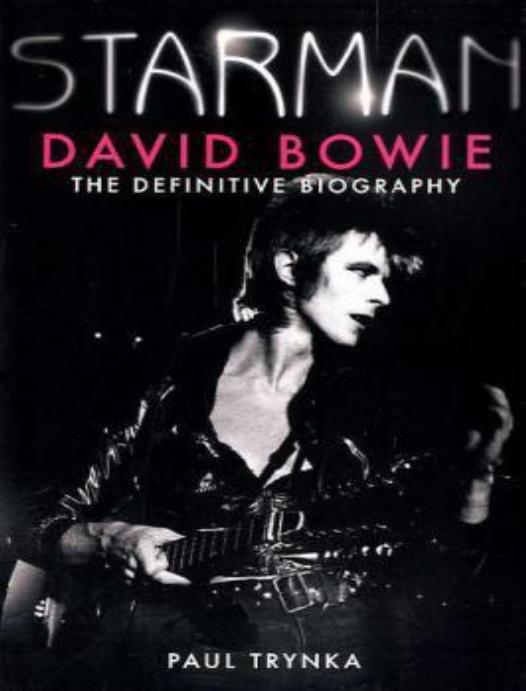

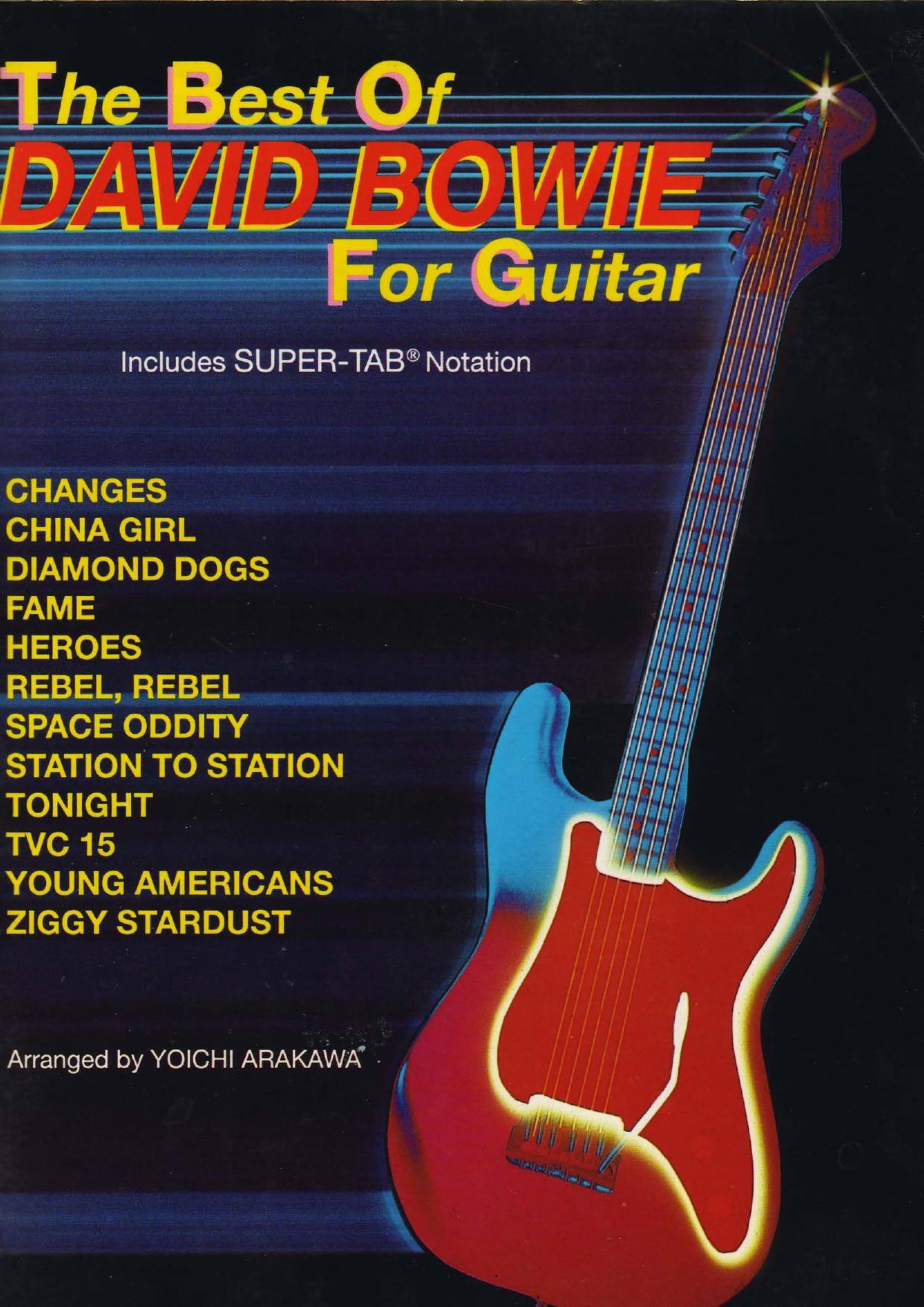
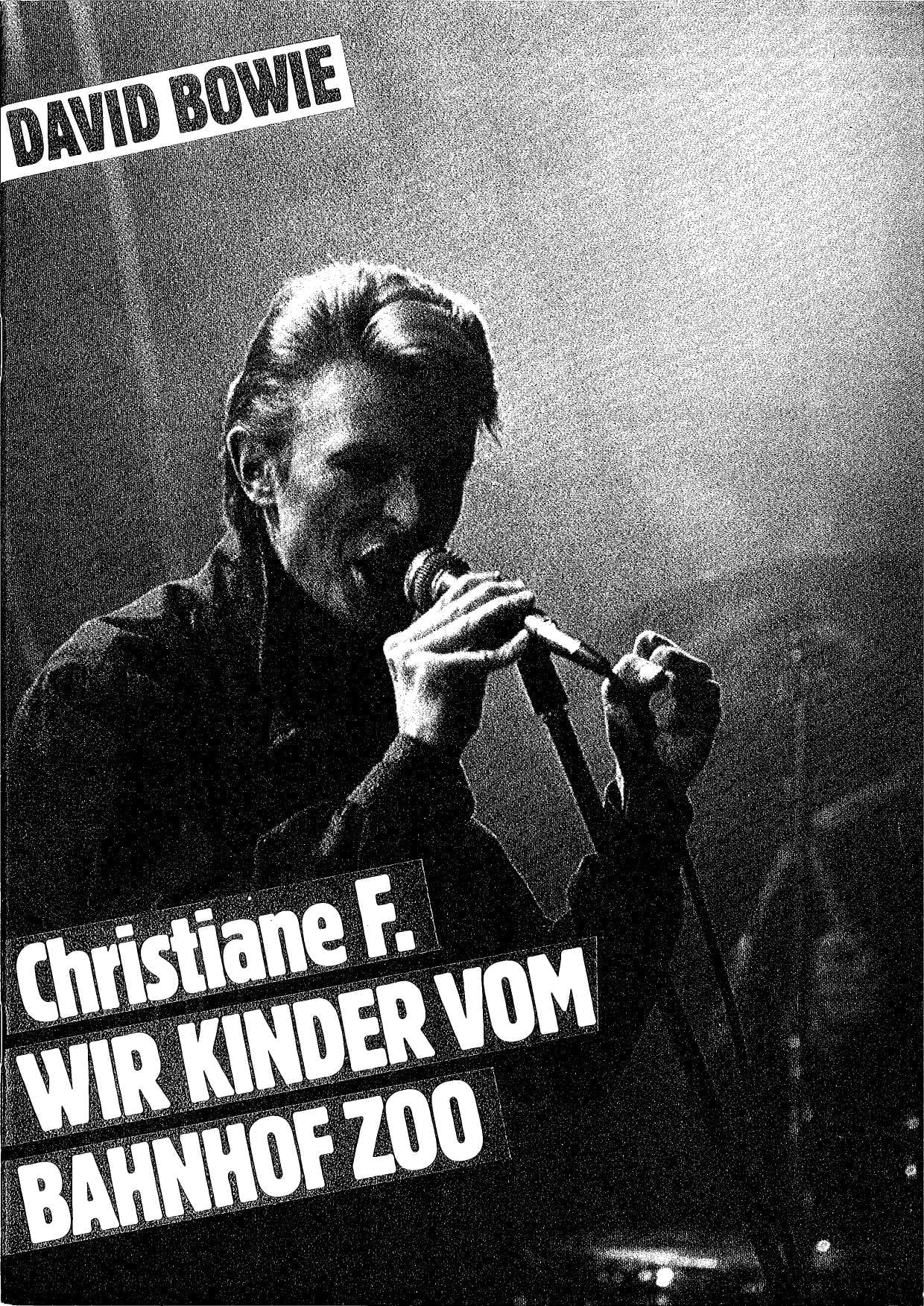
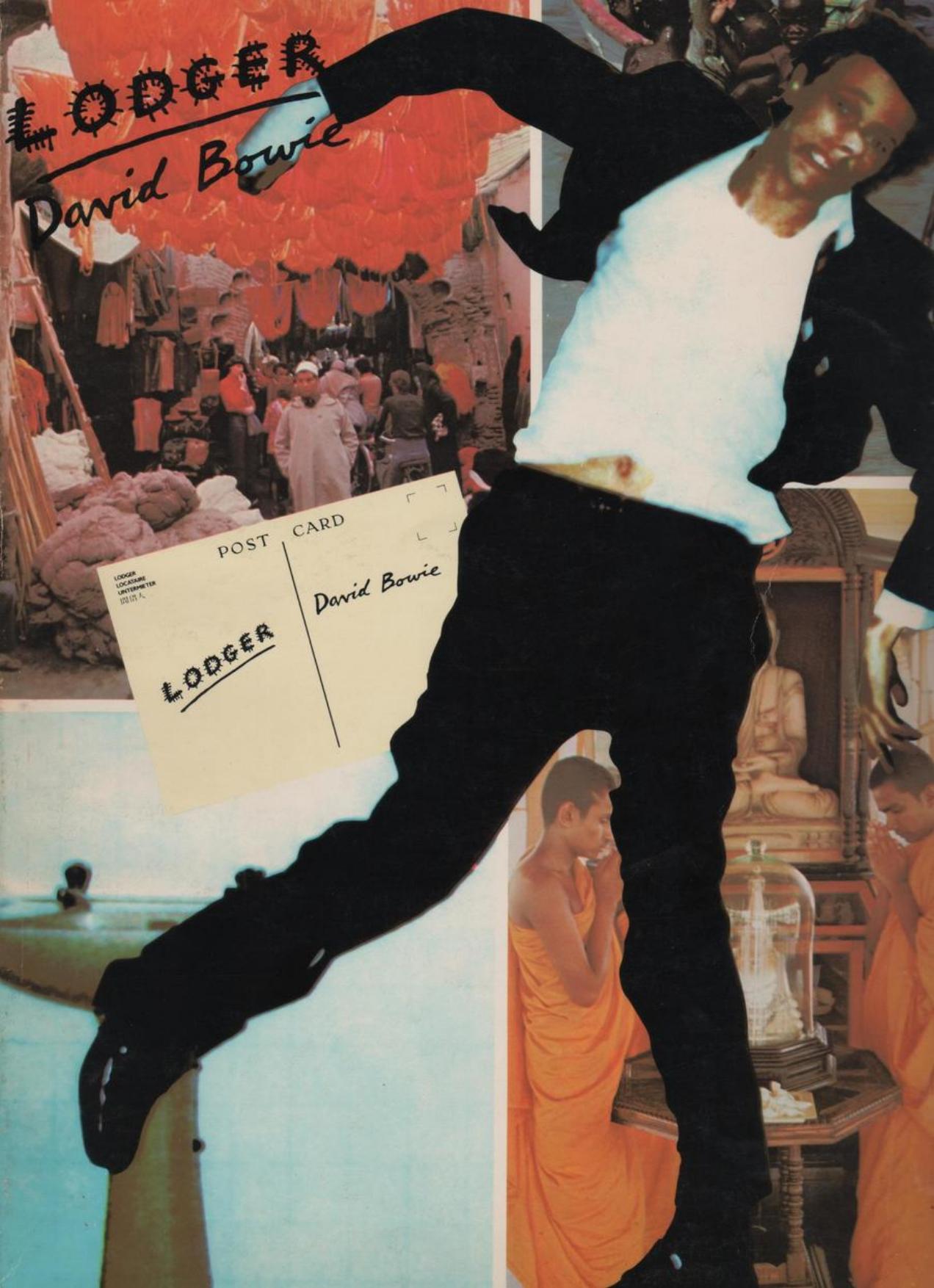
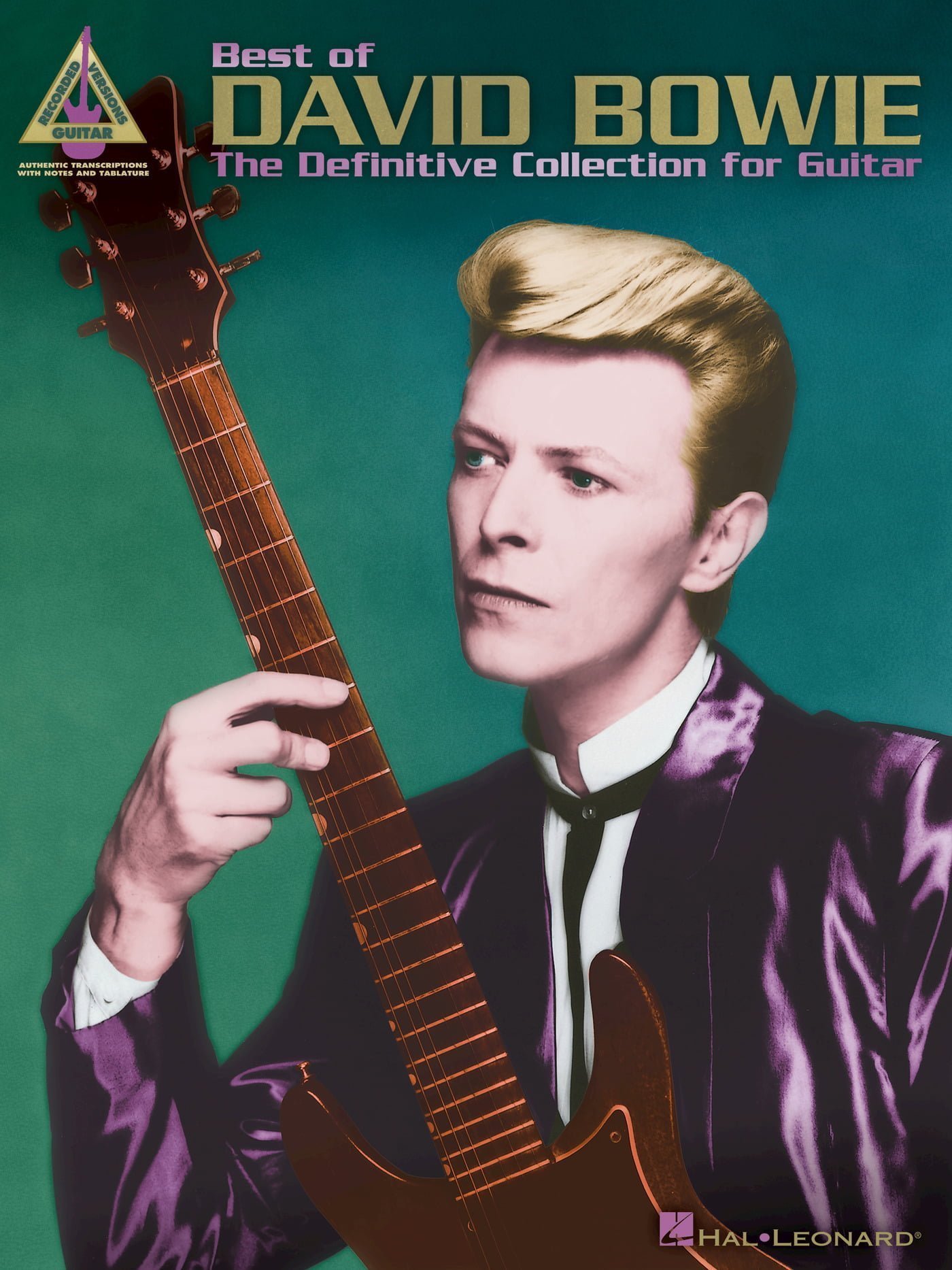


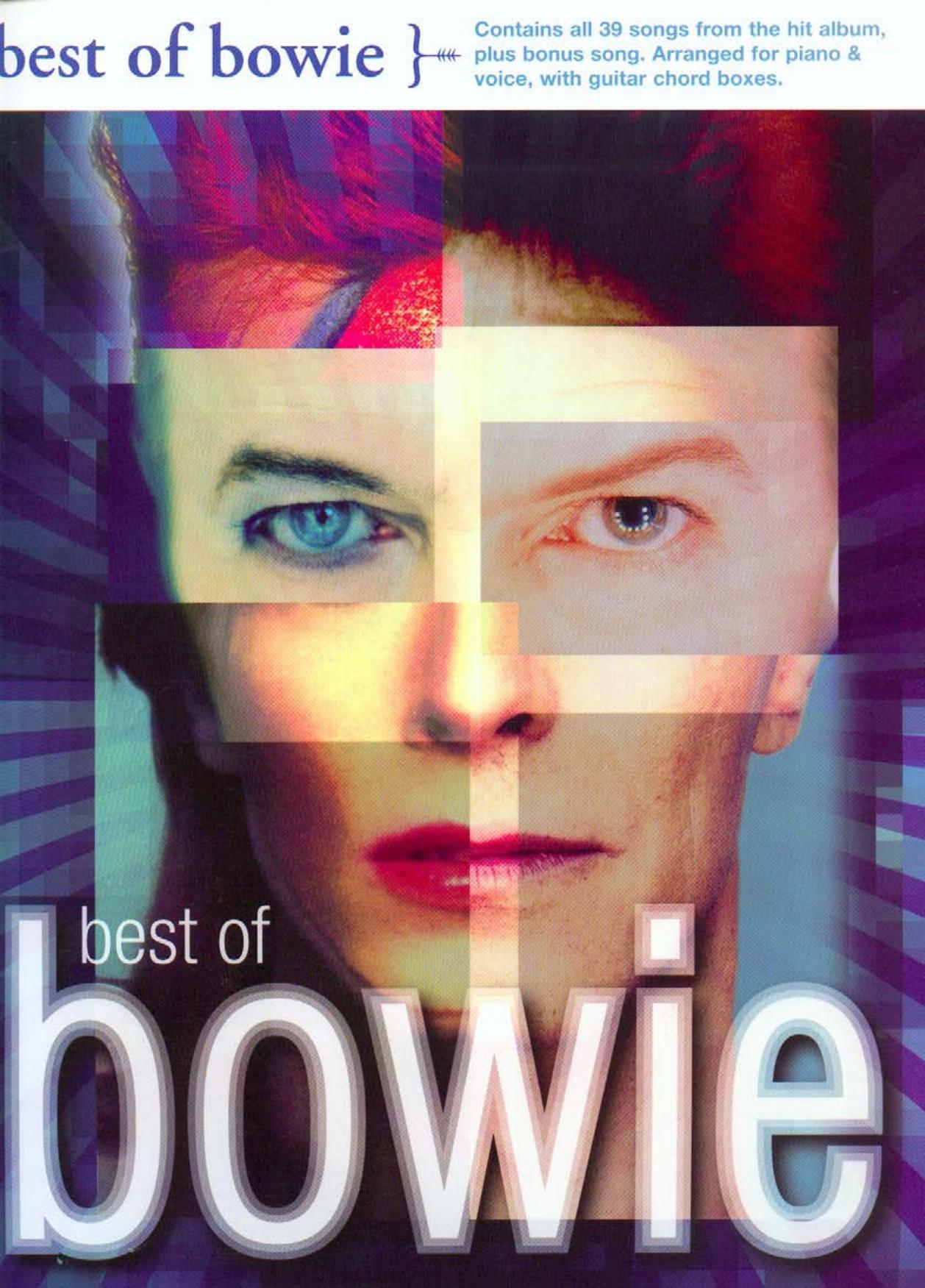
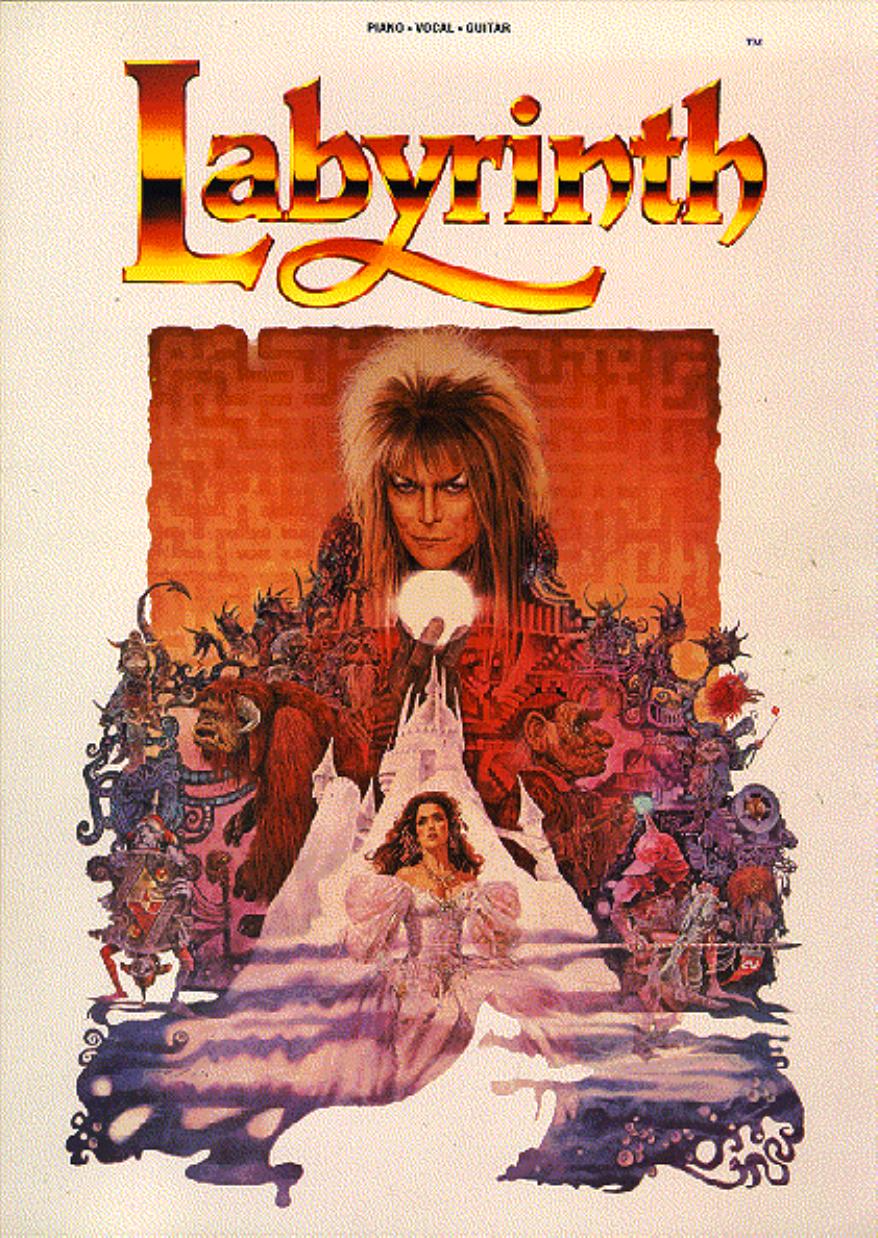
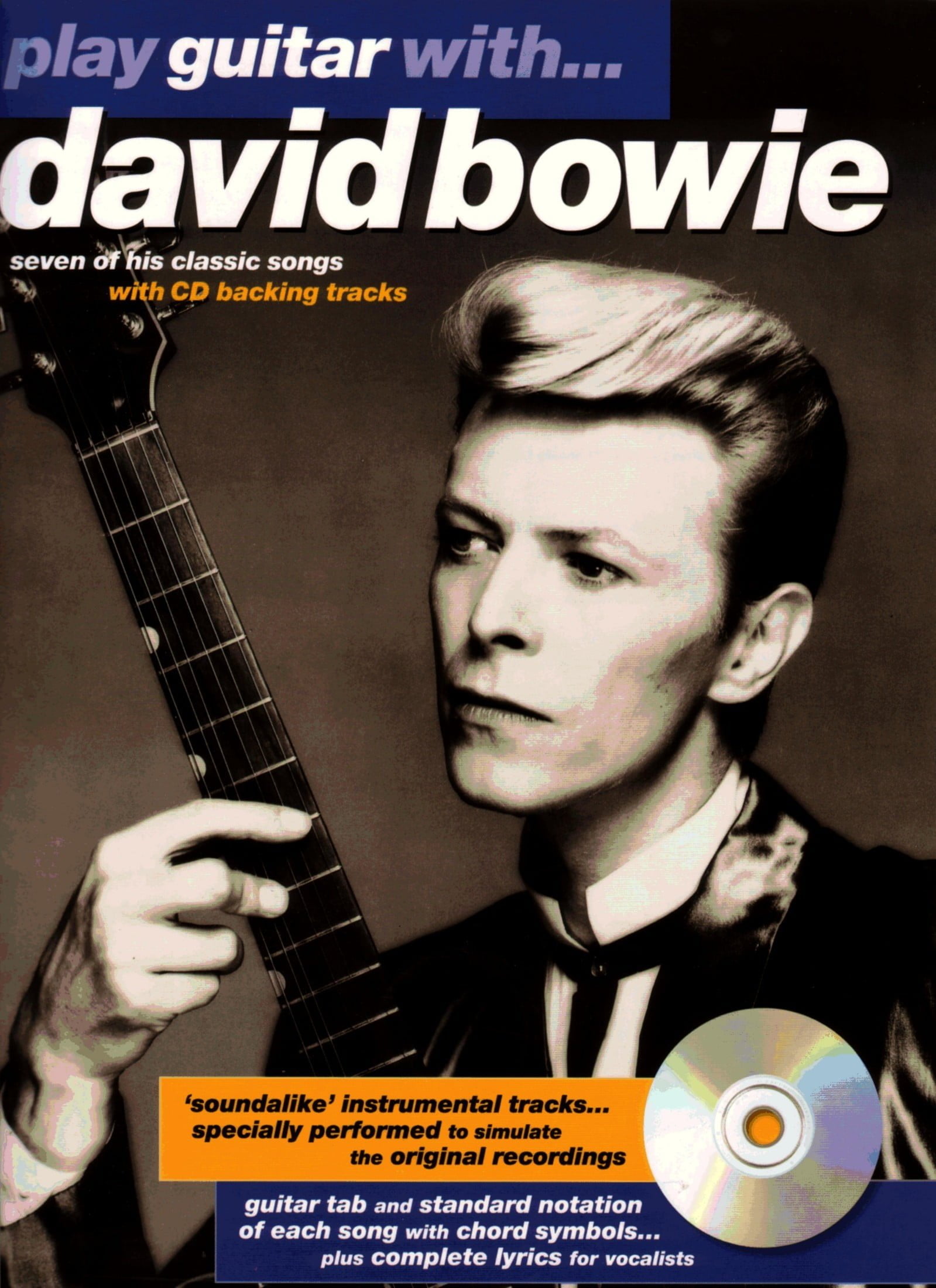

The best sheet music download from our Library.
Please, subscribe to our Sheet Music Library.
Who was David Bowie?
David Bowie: The Chameleon of Rock
David Bowie was not simply a musician; he was a cultural seismograph, an artist who anticipated and shaped the shifting tectonic plates of art, fashion, sexuality, and identity. Over a career spanning nearly five decades, he transformed himself so completely and so often—from the androgynous alien Ziggy Stardust to the haunted Thin White Duke, from the plastic soul crooner to the art-rock pioneer and back again—that the only constant was his relentless drive to create something new. His work changed the very DNA of popular music, and his death in 2016, two days after releasing the visionary final album Blackstar, was a final, perfectly orchestrated act of artistic control. Let's dive into the exhaustive world of David Bowie: his life, his music’s inner workings, his relationships, and his colossal legacy.
Search your favorite sheet music in the Sheet Music Library Catalog
Biography: A Life in Acts
David Robert Jones was born on January 8, 1947, in Brixton, London. A childhood fight over a girl left him with a permanently dilated left pupil, giving him the uncanny, mismatched gaze that became part of his mystique. He was already a saxophonist and a mod by his teens, drifting through a series of bands—the Kon-rads, the King Bees, the Manish Boys, the Lower Third—none of which found success. The defining moment of his early life came when he watched his half-brother Terry Burns, who introduced him to Beat poetry and jazz, descend into schizophrenia. The trauma of Terry’s institutionalization and eventual suicide would haunt Bowie’s art, manifesting in characters like Aladdin Sane (“a lad insane”) and the fractured psyche of the Thin White Duke.
Adopting the name David Bowie in 1966 to avoid confusion with Davy Jones of The Monkees, he released a self-titled debut album of whimsical music-hall pop that sank without a trace. For two years, he retreated, studying mime with Lindsay Kemp, who awakened his understanding of stagecraft and androgynous expression. The breakthrough came in 1969 with “Space Oddity,” a haunting, folk-tinged ballad about a fictional astronaut, Major Tom, released just days before the Apollo 11 moon landing. The BBC used it in their coverage, and it became a top-five hit.
Bowie’s next phase was a rocket launch. He married model Angela Barnett in 1970, and their son Duncan (later Zowie) was born in 1971. With the release of The Man Who Sold the World (1970), he began to wear the “man’s dress” that scandalized the public, draping his thin frame over a chaise longue on the album’s cover. Hunky Dory (1971) introduced the world to his full melodic and lyrical genius with songs like “Changes” and “Life on Mars?”, but it was merely the calm before the storm.
On June 6, 1972, the release of The Rise and Fall of Ziggy Stardust and the Spiders from Mars detonated pop culture. Bowie, now with fiery red hair, painted nails, and skin-tight Kansai Yamamoto bodysuits, became the omnisexual alien rock star Ziggy. Backed by the brutally tight Spiders from Mars, led by guitarist Mick Ronson, he presented rock as theater. A year later, he killed Ziggy onstage at London’s Hammersmith Odeon, shocking the world. The messy, proto-punk Aladdin Sane (1973) followed, his first number-one album in the UK, featuring a lightning bolt face that became iconic.
By 1974, Bowie had moved to America and dismantled the Spiders. Cocaine addiction began to take hold. He plunged into “plastic soul” on the masterful Young Americans (1975), during which his encounter with John Lennon produced the funk-rock hit “Fame,” his first US number one. He then starred in Nicolas Roeg’s surreal science-fiction film The Man Who Fell to Earth (1976), playing the alien Thomas Jerome Newton, a role that blended dangerously with his own fragile psyche. This period culminated in the skeletal, fascism-flirting Thin White Duke of Station to Station (1976). Psychologically adrift and consuming a diet of peppers, milk, and massive amounts of cocaine, Bowie relocated to West Berlin with his friend Iggy Pop.
The Berlin period (1977–1979) was a creative rebirth. Collaborating with producer Brian Eno and Tony Visconti, he created the so-called “Berlin Trilogy”: Low and “Heroes” (both 1977) and Lodger (1979). These experimental, electronic, ambient-infused works abandoned traditional song structures for fragmented lyrics, motorik beats, and atmospheric textures. “Heroes”, the song, a thrilling wall of sound about two lovers kissing by the Berlin Wall, was recorded with Visconti’s innovative three-microphone gated reverb technique.
After divorcing Angela, Bowie returned to the mainstream in the 1980s with Scary Monsters (and Super Creeps) (1980), a sharp, angular album that produced “Ashes to Ashes,” revisiting Major Tom as a junkie in space. In 1983, the Nile Rodgers-produced Let’s Dance turned him into a global pop superstar, selling millions with title track, “Modern Love,” and “China Girl.” But this commercial triumph triggered an artistic crisis. The follow-ups Tonight (1984) and Never Let Me Down (1987) were widely panned, and a Glass Spider world tour became emblematic of empty 80s spectacle. Bowie himself later called it his “Phil Collins years.”
Disgusted with his own work, he formed the hard-rock band Tin Machine in 1989, a noisy, democratic group that allowed him to shed his star persona. The band’s two albums were not commercial juggernauts, but they re-energized him. He then met Somali supermodel Iman, whom he married in 1992, settling into a stable, grounded life in New York. His 1993 solo album Black Tie White Noise explored the spirituals of his wedding and his attempt to fuse soul with the rave culture of the time. In 1995, he reunited with Eno for the industrial, narrative concept album 1. Outside, a dense, haunting murder mystery set in a hyper-capitalist dystopia. The jungle-and-drum-and-bass-inflected Earthling (1997) proved his enduring ability to absorb contemporary underground music. Hours (1999) was a ruminative, guitar-driven album, and the majestic Heathen (2002) and the stripped-back Reality (2003) were heralded as magnificent returns to form. Then, following a heart attack backstage in 2004, he vanished.
For a decade, the world believed Bowie had retired. He had not. On his 66th birthday, January 8, 2013, he unexpectedly released The Next Day, a sharp, secretive album recorded with the core of his longtime band. Finally, on January 8, 2016, his 69th birthday, he released Blackstar, an avant-garde jazz-rock masterpiece teeming with death-haunted symbolism. Two days later, on January 10, 2016, David Bowie died of liver cancer, a diagnosis he had kept private. The album was his epitaph, a final, breathtaking work of art that found him choreographing his own departure.
Music Style: The Art of Permanent Reinvention
Bowie’s music resists easy categorization. He was not a genre-hopping tourist but a master synthesizer who internalized disparate styles and transmuted them into something entirely his own. His approach can be divided into several major stylistic periods, each representing a fundamental shift in sound, songwriting, and persona.
The Folk and Early Pop (1967–1970): His early work was steeped in Anthony Newley-esque vaudeville, music-hall storytelling, and the baroque folk of Jacques Brel. “Space Oddity” combined folk guitar arpeggios with a Mellotron from Rick Wakeman, creating a lonely, cosmic expanse.
Glam Rock and Proto-Punk (1971–1974): With Hunky Dory and the Ziggy Stardust era, Bowie defined glam rock. The songs were rooted in piano-driven cabaret (“Life on Mars?”), crunchy, catchy guitar riffs (“Rebel Rebel,” “Suffragette City”), and anthemic, sing-along choruses. Mick Ronson’s guitar was the perfect foil: mixing heavy rock riffs with lyrical string arrangements. Lyrically, Bowie wrote in fragments and dystopian visions, blending science fiction with strange, intimate characters.
Plastic Soul and Funk (1974–1976): Moving to the US, Bowie immersed himself in Philadelphia soul and funk. Young Americans was built on lush saxophones, “fat” drum fills (courtesy of Andy Newmark), backing vocals by then-unknown Luther Vandross, and liquid basslines. The sound was smooth, cynical, and feverish, driven by his growing cocaine psychosis.
The Berlin Trilogy and Art Rock (1977–1979): This period saw a radical shift. Songs became deconstructed; vocals were processed and treated as an instrument; rhythms were driven by repetitive drum machines, motorik Krautrock beats, and electronic synthesizers (ARP, EMS Synthi, Chamberlin). The “song” as a traditional verse-chorus narrative dissolved into soundscapes, instrumental pieces, and fractured lyrics assembled from cut-ups. This was not rock; this was avant-garde painting with sound. The technique of multi-layered, gated reverb on the drum sound of “Heroes” became a foundational element of 1980s rock production.
Pop Colossus and the 1980s: Scary Monsters wedded the experimentation of Berlin to a post-punk, hard-edged rock sound. Let’s Dance was Bowie’s spectacular take on post-disco dance-rock, with Nile Rodgers’s sharp, funky guitar, an upfront rhythm section, and an expansive, radio-friendly sheen. The horns of the Borneo Horns added a punchy, soulful layer.
The Later Experiments (1990s–2016): Bowie’s 1990s output was a restless search. 1. Outside used industrial noise, spoken-word interludes, and avant-jazz saxophone. Earthling embraced the frantic breakbeats of drum and bass, with Bowie singing as if surfing a digital tsunami. Blackstar is arguably his most radical late work, created with a New York jazz quartet led by saxophonist Donny McCaslin. The music fuses frantic breakbeats, avant-garde sax skronk, and liturgical chants, often in irregular time signatures, pushing the boundaries of what a “rock” star’s final statement could be.
Relationships with Other Artists
Bowie was a tremendous collaborator and a generous catalyst for the careers of others. His first and most mythic partnership was with guitarist Mick Ronson, the arranger and co-producer of the Ziggy Stardust era albums. Ronson’s majestic string arrangements and soulful guitar tone—a raw, wailing Les Paul through a wah-wah—are inseparable from the sound of “Life on Mars?” or “Moonage Daydream.”
His friendship with Iggy Pop was transformative. Bowie produced Iggy’s solo masterpieces The Idiot and Lust for Life in Berlin in 1977, co-writing classics like “China Girl” (which Bowie later covered), “Nightclubbing,” and “Lust for Life.” He often served as Iggy’s musical brain, giving structure to the Stooges frontman’s raw genius.
Brian Eno was Bowie’s other great conceptual foil. Their collaboration on the Berlin Trilogy and later 1. Outside was not just music production; it was a philosophical exercise. Eno introduced Bowie to his “Oblique Strategies” cards, synthesized textures, and the idea of the studio as a generative tool for happy accidents. Their relationship was one of parallel play, each pushing the other into abstraction.
Bowie had a knack for duets and transformative collaborations. His encounter with John Lennon in 1975 resulted in “Fame,” a cynical, funky takedown of celebrity, with Lennon’s howling backing vocals driving the coda. With Queen, the urgent, bassline-driven “Under Pressure” (1981) was reportedly improvised in a studio jam session in Montreux, its iconic vocal trade-offs with Freddie Mercury a masterclass in performance. Later, he worked with Trent Reznor of Nine Inch Nails, finding a kindred spirit in the industrial rocker; Reznor’s remix of “I’m Afraid of Americans” and their chaotic joint tour in 1995 bridged two generations of confrontational art.
He was also a patron and talent scout. He produced Lou Reed’s Transformer (1972), giving him the hit “Walk on the Wild Side” and forever gifting Reed the glam sound he had always pretended to disdain. He produced Mott the Hoople’s hit “All the Young Dudes,” essentially giving them a Ziggy-era anthem and resurrecting their career. His circle of musicians—Carlos Alomar (guitar), George Murray (bass), Dennis Davis (drums)—became the D.A.M. rhythm section, a funky, elastic, and ferociously inventive unit that powered his records from Station to Station through Scary Monsters.
Chord Progressions and Music Harmony
Bowie’s harmonic language was far more sophisticated than the blues-based rock of many of his peers. His chord progressions often displayed a theatrical, almost jazzy, restlessness, constantly modulating and undercutting expectations to serve the drama of the lyrics.
Chromaticism and the “Bowie Shift”: A hallmark of his writing is the unexpected chromatic shift, often a whole step up. The chorus of “Life on Mars?” begins in B-flat major, then on the line “the film is a saddening bore,” the progression suddenly lifts a semitone to B major, before arriving at the devastatingly beautiful C major for “Mars.” This isn't a standard modulation; it feels like a rupture, a sudden ascension that mirrors the song’s yearning for escape. Similarly, “Heroes” is built on a steady, propulsive loop of D–G–D–G–C–D–G. The bassline is repetitive, but on the song’s iconic, gradually climbing vocal, the underlying loop doesn’t change until the arrival of the A major (the V chord) in the chorus, which feels like a massive wall of light after the static verse. The harmonic movement is minimal, which throws all the weight onto the vocal’s heroic, stepwise ascent.
Jazz and Modal Borrowing: “Aladdin Sane (1913–1938–197?)” is a piano-driven piece that moves between a grinding, rock E–D–A vamp and an avant-garde piano solo by Mike Garson. Garson’s solo is famously atonal and dissonant over the blues-based changes, creating a clashing, psychotic effect that perfectly captures the lad’s insanity. In “Word on a Wing,” the chords are deeply liturgical, moving through rich, suspended voicings and borrowed minor plagues, echoing church hymns to reflect a prayer for survival during his lowest moments of addiction.
The Soul and Funk Foundations: The plastic soul era used classic funk harmony—lean, often staying on a single dominant 7th or 9th chord for long vamps. “Fame” is essentially a one-chord groove based on a mutated James Brown funk riff, with sparse, percussive guitar and bass interlocking. “Golden Years” is more sophisticated, using a laid-back shuffle with unexpected chromatic bass movements under a seemingly simple chord progression (C#m–B–A–E in the verse). The tension comes from the syncopated horn stabs and the way the progression slides into the bridge.
Fractured Song Structures: Starting with Low, Bowie abandoned typical pop harmony. The A-side of Low features short, jagged “songs” like “Breaking Glass,” which is built on a lurching, call-and-response riff between guitar and bass, the harmony stark and repetitive. The instrumental B-side tracks on “Warszawa” and “Subterraneans” abandon functional Western harmony almost entirely, using layered synth drones, chant-like melodies based on modal and pentatonic scales, and textural shifts instead of chord progressions to create a slow, vast, emotional journey.
The Blackstar Enigma: The title track of Bowie’s final album is a harmonic labyrinth. It shifts dramatically between several distinct sections: an otherworldly, arabesque vocal melody over a sparse synth pad; a frantic, jagged drum-and-bass section in a shifting 9/8 and 4/4 time; and a funky, almost soulful middle section. The harmony is rarely resolved, drifting through minor modes, surprising chromatic descents, and a final, elegiac saxophone melody that seems to ascend into silence.
Influences
Bowie was a voracious cultural omnivore, and his influences were as eclectic as his output. From the American 1950s, he adored Little Richard’s flamboyant wildness, Elvis Presley’s magnetism, and the vocal styling of doo-wop. From the British music hall, he absorbed the camp theatricality and narrative delivery of Anthony Newley, whose exaggerated cockney inflections you can hear in early Bowie tracks. He devoured the Beat poets—William S. Burroughs’s cut-up technique became his own lyric-writing method in the 1970s, literally cutting up phrases and rearranging them to find unexpected meanings, a process that produced the abstract lyricism of Diamond Dogs and Station to Station.
Musically, his blueprint expanded in the late 60s. The Velvet Underground, managed by Andy Warhol, taught him that rock could be art, noise, and decadent, dark poetry. He covered “I’m Waiting for the Man” early on and befriended Lou Reed. The Dadaist and Surrealist art movements, the cinema of Stanley Kubrick (2001: A Space Odyssey clearly informing “Space Oddity”), and German Expressionist film all fed his visual and conceptual imagination. During his Berlin years, Krautrock bands like Kraftwerk, Neu!, and Cluster provided a new rhythmic and electronic vocabulary. He became fascinated by the spiritual questing of John Coltrane and the avant-garde jazz of Eric Dolphy, seeds that bloomed fully on Blackstar. He was also deeply influenced by Japanese design (Kansai Yamamoto’s costumes) and the Kabuki theatre, which informed his onstage alter-egos.
Legacy: The Man Who Fell to Everywhere
David Bowie’s legacy is immeasurable because he altered not just music but the very idea of what a popular artist could be. He made self-invention an artistic medium. Before Bowie, rock stars changed their clothes; Bowie changed his skeleton. He gave permission to generations of outsiders, queer kids, and freaks to see their otherness as a superpower. His open bisexuality in the early 1970s, even though he later described it as partially a persona, was a watershed moment in the public representation of fluid sexuality.
Musically, his influence radiates outward in every direction. Punk borrowed his raw energy and dystopian vision. New Romantic acts like Duran Duran and Spandau Ballet modeled their entire aesthetic on his. Industrial bands, from Nine Inch Nails to Ministry, mined his late-70s abrasion. Post-punk and art-rock bands, from Joy Division to Radiohead, are unthinkable without his Berlin Trilogy. Madonna, Lady Gaga, and countless pop stars inherited his template of the popstar as a shape-shifting performance artist. The entire 1980s “New Pop” movement owes a debt to Let’s Dance. Even rappers—Kanye West sampled him, Jay-Z worked with him—recognize his avant-garde fearlessness.
The week of his death, the world witnessed an unprecedented outpouring of grief, not just for the man but for what he represented: the eternal possibility of starting again, of making art until the very last moment. Brixton became a shrine. His final, posthumous message was a masterstroke: an artist controlling his narrative to the grave and beyond.
Works and Discography
Bowie’s catalog is an epic in chapters.
Discography
Main articles: David Bowie discography and List of songs recorded by David Bowie
- David Bowie (1967)
- David Bowie (1969)
- The Man Who Sold the World (1970)
- Hunky Dory (1971)
- The Rise and Fall of Ziggy Stardust and the Spiders from Mars (1972)
- Aladdin Sane (1973)
- Pin Ups (1973)
- Diamond Dogs (1974)
- Young Americans (1975)
- Station to Station (1976)
- Low (1977)
- "Heroes" (1977)
- Lodger (1979)
- Scary Monsters (and Super Creeps) (1980)
- Let's Dance (1983)
- Tonight (1984)
- Never Let Me Down (1987)
- Black Tie White Noise (1993)
- The Buddha of Suburbia (1993)
- Outside (1995)
- Earthling (1997)
- Hours (1999)
- Heathen (2002)
- Reality (2003)
- The Next Day (2013)
- Blackstar (2016)
- Toy (posthumous, 2021)
Notable Live Albums: David Live (1974), Stage (1978), A Reality Tour (2010).
Works on Film
Bowie was a major cinematic presence, both as an actor and a provider of film music. His acting debut in The Man Who Fell to Earth (1976) is legendary; he played the alien Thomas Jerome Newton with a haunting, hollow vulnerability, barely needing to act his own disorientation. He brought a manic energy to the vampire thriller The Hunger (1983) alongside Catherine Deneuve and Susan Sarandon. In Jim Henson’s Labyrinth (1986), he became the Goblin King Jareth for an entire generation, delivering songs like “Magic Dance” and “As the World Falls Down” with a wicked, fey charm. Other notable film roles include Pontius Pilate in Martin Scorsese’s The Last Temptation of Christ (1988), a short but memorable turn as Warhol in Basquiat (1996), and the enigmatic inventor Nikola Tesla in Christopher Nolan’s The Prestige (2006). He also appeared as himself in the cult comedy Zoolander (2001), famously judging a “walk-off.”
His songs have been diegetic anchors in countless films. Wes Anderson’s use of “Life on Mars?” in The Life Aquatic with Steve Zissou or the Portuguese cover of “Starman” in The Seu Jorge Project gave his music new, cinematic life.
Main article: David Bowie filmography
- The Man Who Fell to Earth (1976)
- Just a Gigolo (1978)
- The Hunger (1983)
- Merry Christmas, Mr. Lawrence (1983)
- Absolute Beginners (1986)
- Labyrinth (1986)
- The Last Temptation of Christ (1988)
- The Linguini Incident (1991)
- Twin Peaks: Fire Walk with Me (1992)
- Basquiat (1996)
- Gunslinger's Revenge (1998)
- Everybody Loves Sunshine (1999)
- Mr. Rice's Secret (2000)
- The Prestige (2006)
- Arthur and the Minimoys (2006)
- August (2008)
Most Known Compositions and Performances
Iconic Compositions: “Space Oddity,” “Changes,” “Life on Mars?,” “Ziggy Stardust,” “Starman,” “Rebel Rebel,” “Fame,” “Young Americans,” “Golden Years,” “Heroes,” “Ashes to Ashes,” “Under Pressure” (with Queen), “Let’s Dance,” “China Girl,” “Modern Love,” “Lazarus,” and the title track “Blackstar.”
Legendary Performances:
- Starman on Top of the Pops (1972): The 6 July 1972 performance where Bowie, in a rainbow catsuit, pointed directly at the camera and sang “I had to phone someone so I picked on you-o-o,” launched a thousand stars. It was a seismic moment in British pop culture, beaming a future of androgynous possibility into millions of living rooms.
- The Retirement of Ziggy Stardust (Hammersmith Odeon, 3 July 1973): Filmed by D.A. Pennebaker, this concert where he abruptly announced, “Of all the shows on this tour, this particular show will remain with us the longest, because not only is it the last show of the tour, but it’s the last show we’ll ever do,” killed Ziggy before an audience that erupted in tears.
- Live Aid (1985): At Wembley Stadium, a golden-maned Bowie delivered a tight, jubilant set that included “Heroes,” “Rebel Rebel,” and a duet of “Dancing in the Street” (via video link with Mick Jagger) that defined the philanthropic rock spectacle.
- The Freddie Mercury Tribute Concert (1992): His performance of “Heroes” and “All the Young Dudes,” with Mick Ronson on guitar in what would be one of Ronson’s last great public appearances, was an emotional, trembling triumph.
- Glastonbury 2000: Returning to the Pyramid Stage as a living legend, he delivered a two-hour masterclass spanning his entire catalog, culminating in a breathtaking “Heroes” that seemed to heal the post-90s cynicism of the crowd.
Documentaries and Biopics
Bowie’s life and art have been explored in numerous documentaries, several of which are masterpieces in their own right. Cracked Actor (1975) by Alan Yentob is a terrifying, unflinching BBC fly-on-the-wall portrait of Bowie at the height of his cocaine psychosis during the Diamond Dogs tour, riding in limos, sniffling, and philosophizing about emptiness. Ziggy Stardust and the Spiders from Mars (1979) is D.A. Pennebaker’s film of the legendary final Ziggy concert.
Following his death, a wave of acclaimed retrospectives appeared. David Bowie: Five Years (2013) focuses on five key years: 1971, 1975, 1977, 1980, and 1983, using brilliant archive footage. David Bowie: The Last Five Years (2017) is a deeply moving document of his final burst of creativity, covering the making of The Next Day, the musical Lazarus, and the Blackstar album, revealing how he faced his mortality through art. Moonage Daydream (2022), directed by Brett Morgen, is not a standard talking-head documentary but a kaleidoscopic, immersive sensory experience approved by the Bowie estate, using remastered concert footage, Bowie’s own paintings, and his voice as narration. It’s less a biography and more an attempt to simulate the experience of being inside his mind. There is also The Man Who Fell to Earth itself, which remains the ultimate meta-textual document of Bowie’s alien existence on Earth.
David Bowie was an artist who saw the end from the beginning. He stared into the void—outer space, addiction, the fragmentation of the self—and sent back reports dressed as pop songs, paintings, and poses. He taught us that identity is a costume we can choose, and that true art often requires the destruction of the thing you just built. He fell to Earth, but he showed us all the stars.
David Bowie Playlist - Greatest Hits - Best Of David Bowie
Browse in the Sheet Music Library:
Or browse in the categories menus & download the Library Catalog PDF: