Scores for all instruments: 16,000+ (active and growing), over 236,000 pages.
All genres and levels: Jazz & Blues, Rock & Pop, Classical & Contemporary, Film & Musicals;
books & biographies; methods, études, play-along tracks (MP3) for Jazz & Rock.
Access & benefits: US$15.99 one-time payment, valid for lifetime, full Library access.
Table of Contents
Faces of the Forest - David Lanz
Please, subscribe to our Sheet Music Library.


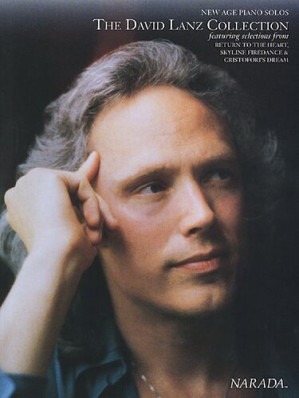
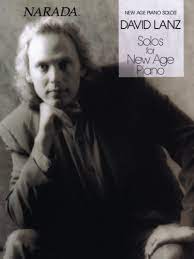
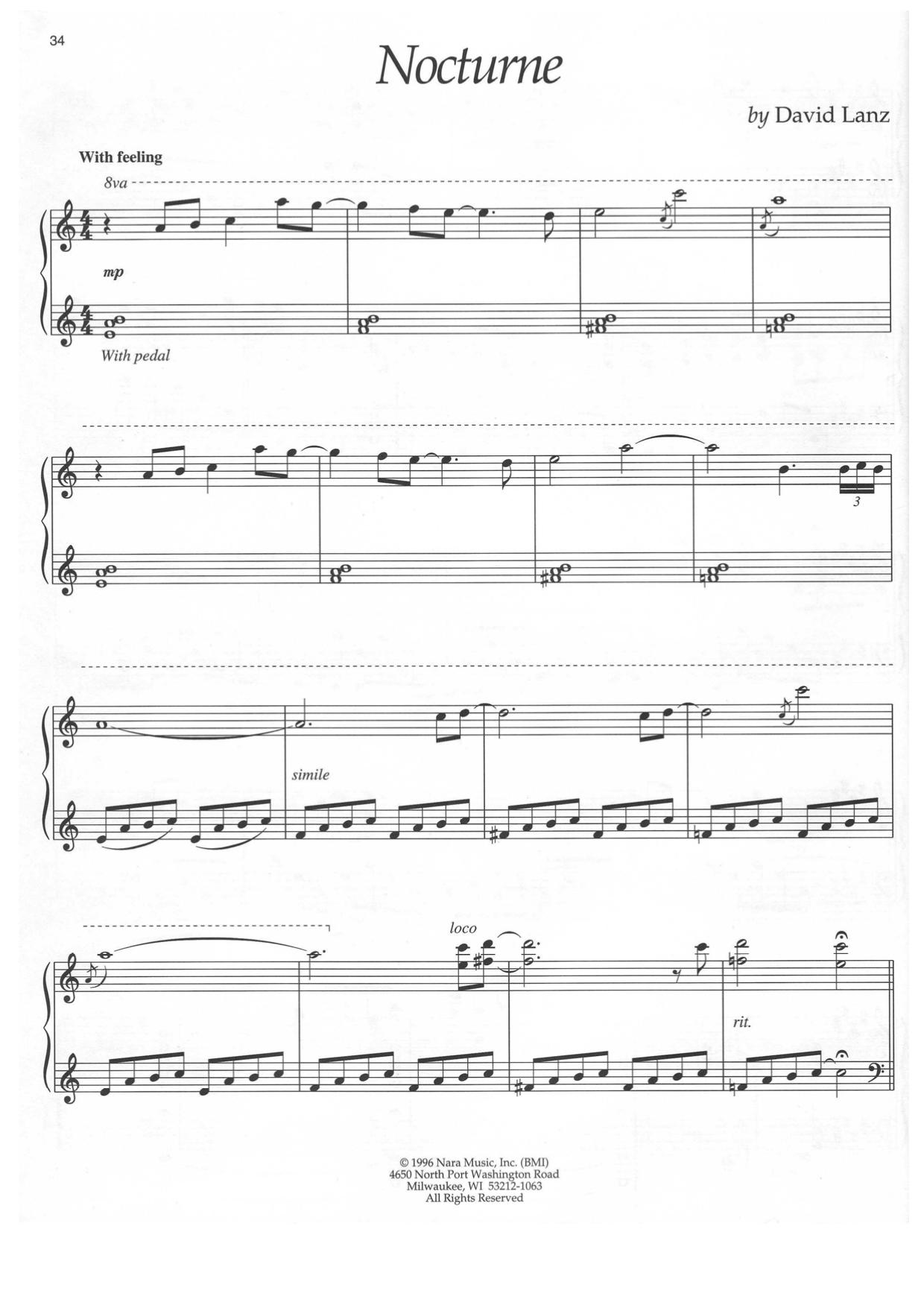
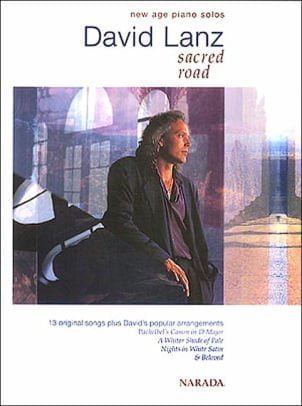
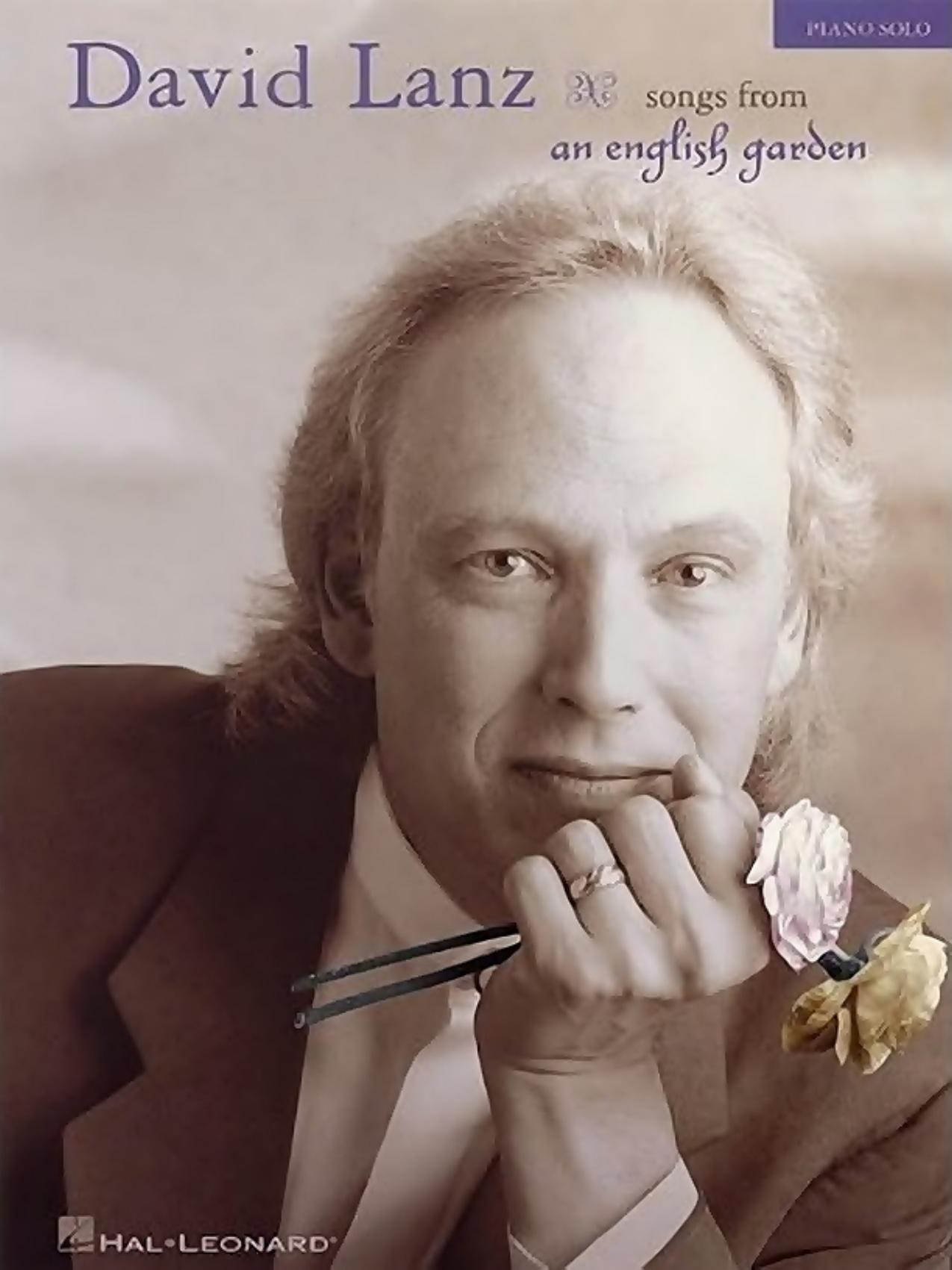
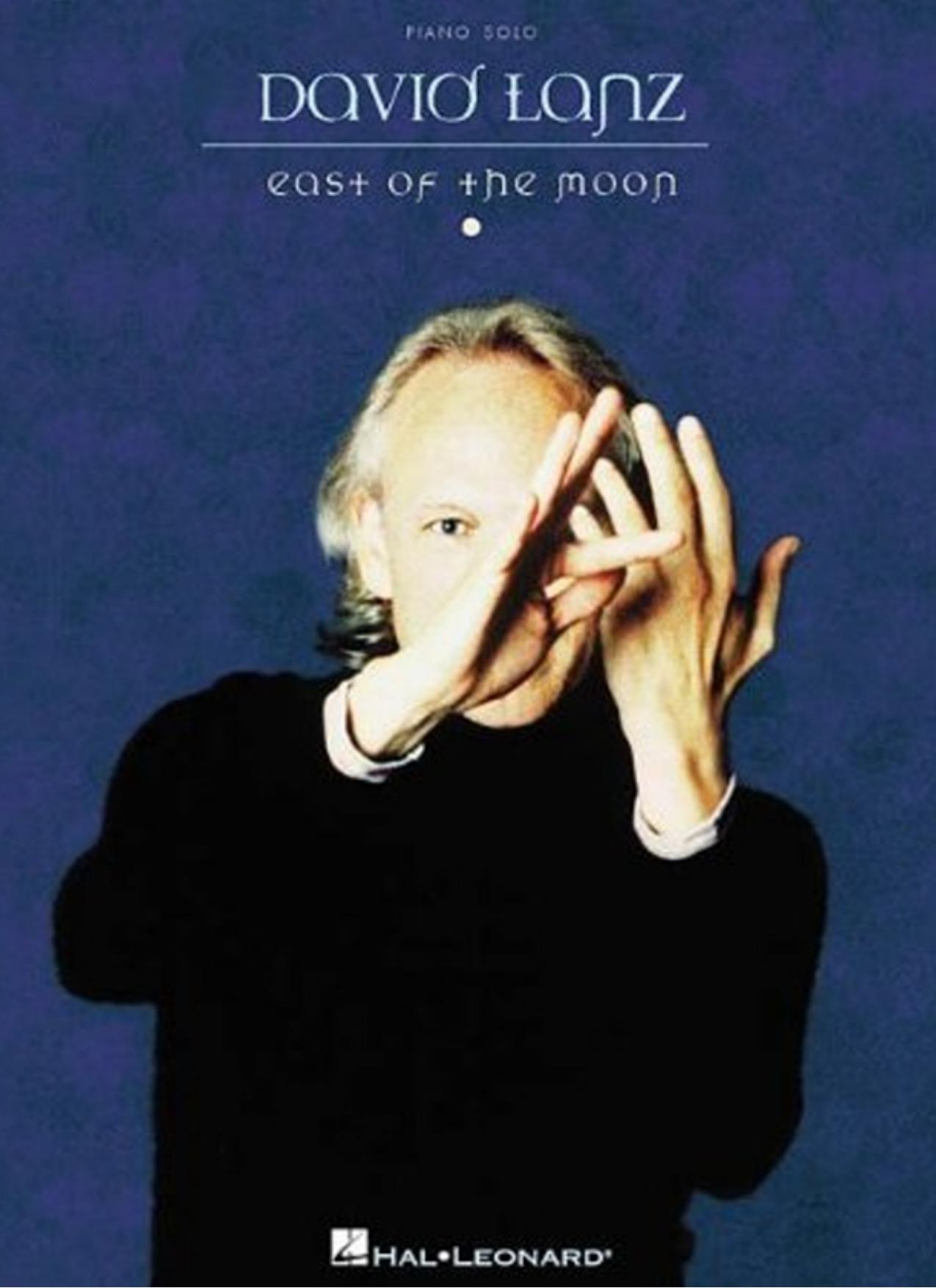
The best sheet music download from our Library.
Who is David Lanz?
David Lanz: The Poetic Traveler of New Age Piano
In the vast landscape of contemporary instrumental piano and New Age music, David Lanz shines as a lasting and warm light. Hailing from Seattle, Washington, this pianist and composer has become one of the most representative figures of the New Age movement, thanks to his emotionally rich performances, flowing melodies, and signature warm tone. His music transcends mere entertainment; listeners around the world regard it as a source of healing, inspiration, and spiritual nourishment. As his self-coined term Heavy Mellow suggests, his music finds a unique balance between profound emotional weight and gentle, soothing beauty.
Early Life and Musical Beginnings
David Howard Lanz was born on June 28, 1950, in Seattle, Washington. He has Native American heritage, a background that may have subtly influenced the deep, nature-connected quality present in his later work.
Lanz's early fascination with the piano dates back to his childhood in the Pacific Northwest. He once remarked that as children, the piano was one of the first machines they encountered and one of the first they were allowed to explore. However, it was his mother who truly ignited his passion for music. She often played songs by Ray Charles, Frank Sinatra, and Nat King Cole on the piano. These sounds became Lanz's earliest musical nourishment, and his mother remained his first and most significant musical mentor. By the age of ten, Lanz was already arranging Boogie-Woogie pieces.
During the 1960s, as a teenager, Lanz began his performing career. He played keyboards for a local rock band called The Towne Cryers. These early experiences gave him a solid instrumental foundation that would later support his evolution into more introspective styles.
Search your favorite sheet music in the Sheet Music Library Catalog
The Transition from Rock to New Age
In 1970, Lanz began performing piano at a small nightclub in Seattle. It was in this intimate setting that he gradually shifted away from rock music and toward more contemplative compositions, starting to write his own material. Lanz humorously refers to this period as the worlds first New Age piano bar.
In 1971, Lanz recorded an album with the Canadian band Brahman for Mercury Records. He also played keyboards on Terry Jacks's hit song Seasons in the Sun, which remains one of the most widely recognized commercial projects of his early career.
During the late 1970s, Lanz served as the musical director for the Seattle-based band The Sweep, which featured lead vocalist Ken McCann, lead guitarist Peter Pendras, drummer Glenn Ayers, and bassist Hugh Gerrard. His childhood friend and multi-instrumentalist Jeff Simmons occasionally joined or substituted for band members.
It was after his work with The Sweep that Lanz committed fully to solo performance. Playing his original compositions in Seattle nightclubs, he completed a personal transformation from rock to jazz and blues, and finally to New Age music. This unconventional path eventually led him to become one of Americas most beloved contemporary New Age masters.
The Rise of a Recording Career
In 1983, Lanz joined the newly formed Narada Records and recorded his debut album, Heartsounds. Although somewhat raw in its production, the album remains a notable early work of the New Age genre. It not only marked the starting point of Lanz's personal career but also significantly boosted Narada Records growing reputation.
Over the following five years, Lanz released six more albums. His collaborations with guitarist Paul Speer proved particularly fruitful. Their joint projects Natural States (1985) and Desert Vision (1987) both entered the Billboard album charts. He also worked with Michael Jones on Solstice (1985) and with Tingstad and Rumbel on Woodlands (1987).
However, it was the 1988 release of Cristoforis Dream that truly propelled Lanz to the pinnacle of his career.
Cristofori's Dream: The Masterpiece That Defined a Legend
Cristoforis Dream is David Lanz's seventh studio album, released in 1988. The albums creative inspiration came from Bartolomeo Cristofori (1655-1731), the Italian instrument maker who invented the piano around 1709. Lanz composed this music as a heartfelt tribute to the inventor of his chosen instrument.
The album achieved remarkable commercial success. It reached number one on Billboard's first Adult Alternative/New Age chart and remained there for an extraordinary 27 weeks. The album eventually achieved Platinum certification. To this day, Cristoforis Dream remains Lanz's best-selling and most widely recognized work.
In terms of musical production, Lanz employed a 16-piece string orchestra for the first time on this album, integrating flutes, percussion, and synthesizers with the piano to create rich, multi-layered textures. This arrangement greatly expanded the expressive capacity of New Age piano music and marked a significant leap in Lanz's artistic vision. The title track runs approximately six minutes and eight seconds to six minutes and twenty-two seconds, with a tempo of 166 BPM.
In 2012, to commemorate the 25th anniversary of this masterpiece, Lanz released Cristoforis Dream… Re-Envisioned, presenting all the original album tracks in solo piano form, along with two bonus tracks.
Musical Style and Artistic Philosophy
Heavy Mellow A Unique Musical Philosophy
David Lanz coined a distinctive term to describe his musical style: Heavy Mellow. This phrase cleverly plays on Heavy Metal and accurately captures the core of his music, the balance between the emotional depth and weight of expression and the gentle, soothing quality of the melodies.
Lanz's musical goal is to create an atmosphere filled with hope and enlightenment. In an interview with Barnes and Noble, he admitted that he wanted to create an atmosphere similar to Steven Halperns music but with more popular hooks. He stated that the piano is the most sacred instrument on the planet, with a tremendous appeal to our left-brain and right-brain relationship. His aim is to create music that entertains while also providing hope and enlightenment.
An Intimate Musical Language
In the preface to The David Lanz Collection sheet music book, Lanz articulates his musical philosophy clearly. He writes that at the piano, he is able to communicate in a way that is very intimate and direct. He compares his approach to music to talking with a friend, noting that one does not need to speak in complex terms. If one speaks from the heart, it is usually very simple.
This intimate, conversational musical language is the core reason why Lanz's works transcend cultures and generations, deeply moving listeners worldwide. His music is often described as having intimate melodies that awaken emotions and welcome listeners like an old friend.
Warm Tone and Natural Imagery
David Lanz's piano playing is renowned for its warm tone and fluid melodic lines. He excels at interpreting natural beauty and peaceful atmospheres through romantic melodies, with performances that flow effortlessly. His works frequently revolve around natural imagery, from forests and oceans to starry skies, making music a spiritual bridge connecting humanity with nature.
Breadth and Diversity of Style
Although Lanz is classified as a New Age musician, his style actually spans a wide range. His repertoire includes pop song collections. His 2009 album Liverpool: Re-imagining The Beatles, created with flute and Xiao master Gary Stroutsos, pays tribute to the Beatles. Lanz has also received a Grammy Award nomination, in the Best New Age Album category, for East of the Moon. His music is often described as larger than life, both immensely expansive and yet approachable and grounded.
Harmony, Chord Progressions, and Musical Structure
David Lanz's harmonic language blends elements of jazz, classical, and New Age music to form a distinctive personal style.
Chord Colors and Minor Tonality
From a harmonic analysis perspective, David Lanz's works frequently revolve around minor chords. For instance, in his signature piece Cristoforis Dream, the three most important chords, built on the first, fourth, and fifth scale degrees, are all minor chords, D minor, G minor, and A minor. This preference for minor tonalities gives his music a profound, introspective, yet warm emotional quality.
Left-Hand Accompaniment Texture
In David Lanz's piano works, the left hand has a distinct textural character. The left hand almost always includes the root and the third, or the root and the sixth or seventh, thereby completing the full chord in every measure alongside the right hand. This approach ensures harmonic richness while maintaining the clarity and recognizability of the melodic line.
Tonality and Modulation
David Lanz's works display considerable tonal diversity. For example, on the album Return to the Heart, the songs span eleven different keys, with A, D-sharp, and D being the most common, and the major mode predominating. This rich variation in tonality gives his albums a sense of contrasting color and flow amidst overall unity.
Rhythm and Energy
From a rhythmic standpoint, Lanz's music typically features stable rhythmic structures and repetitive musical patterns. Cristoforis Dream, for instance, has a tempo of 166 BPM and a relatively high perceived energy. This rhythmic stability and sustained energy make his music suitable both for deep listening and for providing a gentle, danceable groove.
Evolution from Minimalism to Grandeur
As his reputation grew, Lanz was no longer satisfied with his earlier forms. His works began to play with larger and larger ensembles, collaborating with more orchestral groups. This experimentation reached a peak with 1990s Skyline Firedance. From his initial solo piano works to the introduction of string orchestras, synthesizers, and percussion, David Lanz's harmonic and orchestrational language continuously expanded, all while he maintained the clarity of melody and sincerity of emotion.
Influences and Inspirations
David Lanz draws his musical inspiration from an exceptionally diverse range of sources, spanning rock, jazz, classical, and Eastern philosophy.
Early Rock and Pop Influences
David Lanz's musical roots are deeply embedded in rock music. His experiences in rock bands during the 1960s and 1970s provided him with a sense of rhythm and improvisational skills. His involvement with Terry Jackss Seasons in the Sun also gave him exposure to mainstream pop production and expression.
Jazz Piano Masters
Lanz is deeply influenced by several jazz piano masters, including Dave Brubeck, McCoy Tyner, and Bill Evans. From these giants, he absorbed a rich harmonic vocabulary, an improvisational spirit, and meticulous control over piano tone.
Classical Music Tradition
In classical music, Lanz draws inspiration from Bach, Ravel, Mozart, and Beethoven. Bachs contrapuntal thinking, Ravels harmonic colors, Mozarts melodic gifts, and Beethovens emotional depth all leave their marks on David Lanz's music.
Eastern Philosophy and Indian Classical Music
David Lanz's musical turn away from disco, funk, and rock toward atmospheric and meditative states was greatly inspired by Eastern philosophy. Influenced by classical Indian musicians, he explored how to create trance states through music. This integration of Eastern philosophy elevated his music beyond pure entertainment into a medium for spiritual practice.
Mothers Influence
Among all influences, the most fundamental and personal is his mother. Her renditions of Ray Charles, Frank Sinatra, and Nat King Cole on the piano were David Lanz's earliest musical memories and shaped his understanding of melody and emotional expression.
Collaborations with Other Artists
Throughout his long career, David Lanz has collaborated with numerous artists, greatly enriching his musical expression.
Paul Speer
Paul Speer is one of David Lanz's most important long-term partners. Together they made several albums, including Natural States (1985), Desert Vision (1987), and Bridge of Dreams (1993). These collaborative works achieved both artistic success and Billboard chart placement. Speers guitar playing creates a beautiful dialogue and complement to David Lanz's piano.
David Arkenstone
In 1996, Lanz collaborated with another significant figure in New Age music, David Arkenstone, on the album Convergence. The fusion of their two styles produced a work that bore the hallmarks of both artists.
Kristin Amarie
In recent years, Lanz has worked closely with his wife, composer and soprano Kristin Amarie. Lanz has commented that with Kristin Amarie's stunning voice and artistry, he has once again found his lyrical path and the perfect collaborator to realize it. Their joint works include Silhouettes of Love (2015), Forever Christmas (2014), and several singles such as Ave Maria.
Gary Stroutsos
In 2009, Lanz collaborated with flute and Xiao master Gary Stroutsos to pay tribute to the Beatles with Liverpool: Re-imagining The Beatles. The blending of Eastern and Western instruments breathed new life into the Beatles classic melodies.
Other Collaborators
Lanz has also worked with Michael Jones on Solstice (1985), Tingstad and Rumbel on Woodlands (1987), and others. Additionally, Grammy-winning producer Hugh Padgham, known for his work with Sting and Phil Collins, produced David Lanz's Grammy-nominated album East of the Moon.
Discography
Since his debut in 1983, David Lanz has released dozens of albums, spanning studio recordings, live albums, compilations, and singles.
Studio Albums
1983: Heartsounds
1984: Nightfall
1985: Natural States with Paul Speer
1985: Solstice with Michael Jones
1987: Woodlands with Tingstad and Rumbel
1987: Desert Vision with Paul Speer
1988: Cristoforis Dream
1990: Skyline Firedance
1991: Return to the Heart
1993: Bridge of Dreams with Paul Speer
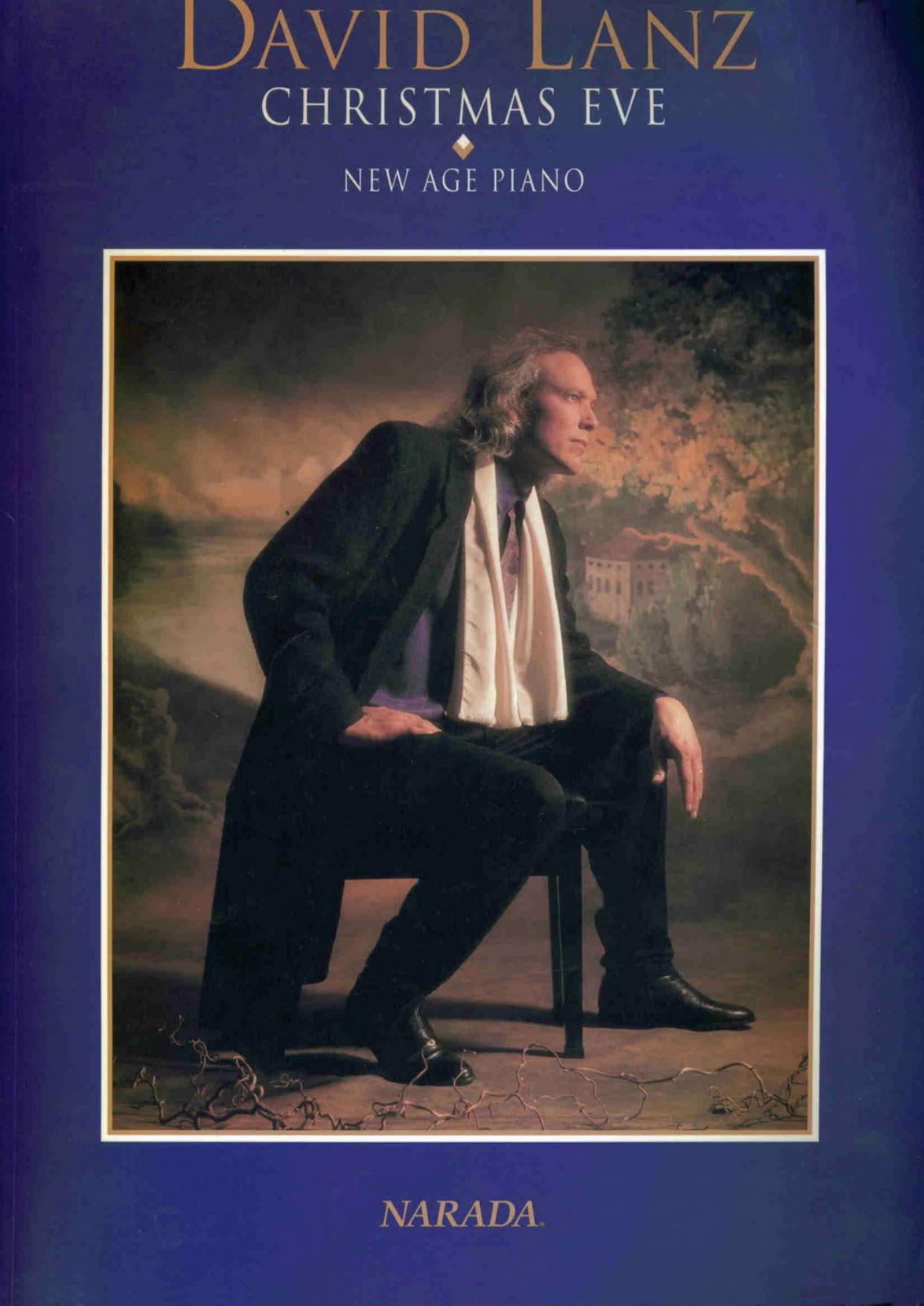
1994: Christmas Eve
1996: Sacred Road
1996: Convergence with David Arkenstone
1998: Songs from an English Garden
1999: The Christmas Album
2000: East of the Moon
2002: Finding Paradise
2003: The Symphonic Sessions
2004: The Good Life
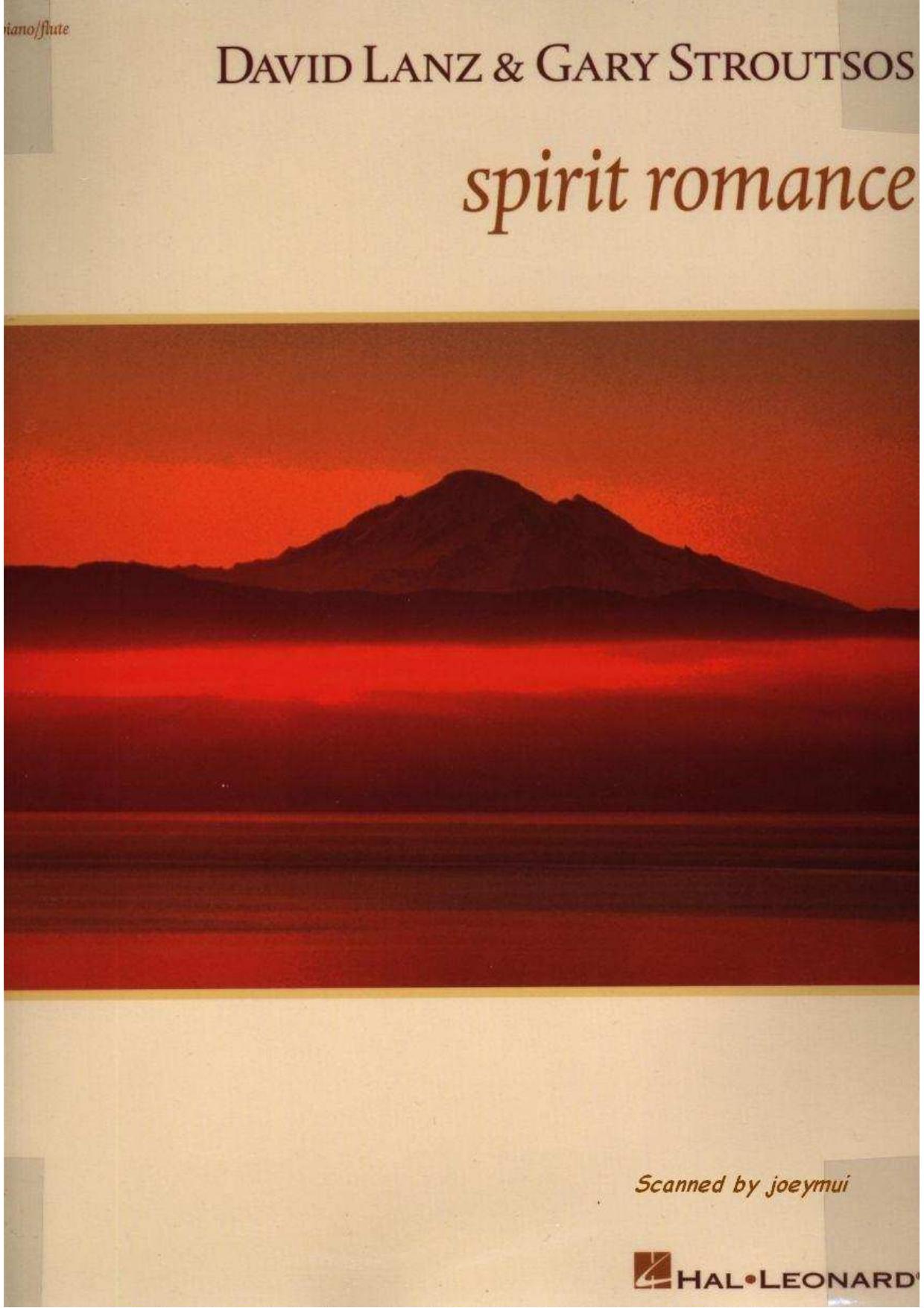
2005: Spirit Romance
2007: A Cup of Moonlight
2008: Painting the Sun
2009: Liverpool: Re-imagining the Beatles with Gary Stroutsos
2011: Here Comes the Sun
2012: Cristoforis Dream… Re-Envisioned
2012: Joy Noel
2013: Movements of the Heart
2016: Norwegian Rain
2017: French Impressions
2020: Water Sign
2022: Lettere dAmore
2024: Valentine Hill
Live Albums
2010: Liverpool Trio: Live in Seoul
Compilations and Collections
1995: Beloved: A David Lanz Collection
2001: Love Songs
2002: Romantic: The Ultimate David Lanz Collection
2005: The Best of David Lanz
Singles
In recent years, Lanz has continued to release singles, including Sonata (2022), Aria (2022), Mary Did You Know (2022), Ave Maria (2023), Caruso (2023), Gloria in Excelsis Deo (2023), Winter Sonata (2023), and The BitterSweet (2024).
Film Scores and Visual Media
David Lanz's musical talents extend beyond album recordings to film scoring. Available records indicate that his film music credits include Desert Vision (1987) for music, Story of a Mother (2003) for music, and The Phony (2003) for music. He has also produced the short musical film Dream of the Forgotten Child. Additionally, his music is frequently used in various television productions, documentaries, and commercials, though detailed records are limited.
Notably, live performance videos of Lanz are widely circulated online, including a solo concert performance of Cristoforis Dream at Piano Haven. These recordings capture his extraordinary charisma as a performer.
Most Famous Works and Performances
Cristoforis Dream
Without question, Cristoforis Dream is David Lanz's most famous composition. It not only reached number one on the Billboard New Age chart and remained there for nearly two years but is also widely regarded as a classic of New Age piano music, influencing countless subsequent pianists and composers. According to available statistics, the piece has over 58,000 listeners on Last.fm.
Valencia
Valencia is another widely recognized composition, featured on multiple albums. This Spanish-inflected piece demonstrates David Lanz's melodic versatility and international outlook.
Leaves on the Seine
Leaves on the Seine is one of David Lanz's most beloved works, with over 27,000 listeners on Last.fm. The piece is celebrated for its beautiful melody and its romantic evocation of the Parisian riverbanks.
Return to the Heart
Return to the Heart (1991) is another significant album, and its title track remains a staple of his live performances.
Live Performances
David Lanz's live performances are renowned for his improvisational ability and intimate connection with the audience. One concert review described a free outdoor performance in the Portland area, where David Lanz's playing on a Schimmel piano was breathtaking. He has also performed spectacular concerts involving multiple pianos played simultaneously. In 2010, Lanz performed live in Seoul, which resulted in the live album Liverpool Trio: Live in Seoul.
Awards and Legacy
Grammy Nomination
In 2000, Lanz received a Grammy Award nomination for Best New Age Album for East of the Moon. This nomination stands as a significant validation of his artistic achievements.
Commercial Success
David Lanz's album Cristoforis Dream achieved Platinum certification. His early solo piano albums remain the best-selling releases on the Narada label. Natural States climbed to number 125 on the Billboard 200 album chart.
Influence on New Age Music
David Lanz is widely recognized as one of the worlds most influential New Age piano artists. His Heavy Mellow style opened a new direction for New Age piano music, a musical language that is both profound and accessible. His work helped forge the New Age music movement.
Enduring Influence
Having released his debut album in 1983, Lanz has remained active in the music industry for over four decades, a lengthy professional career uncommon in the music business. His music is described as serving to heal, inspire, and offer spiritual nourishment to audiences around the world. In 2015, Lanz moved to Europe, yet his musical influence continues to expand. As of 2024, he continues to release new work, with Valentine Hill and the single The BitterSweet proving that his creative vitality has never waned.
Sheet Music Publications and Educational Contributions
David Lanz is not only a performer and composer but also a music educator. He has published numerous sheet music collections, allowing his music to reach a broader audience of piano students and enthusiasts.
His major publications include The David Lanz Collection, Sacred Road, Songs from an English Garden, By Request, The Ultimate David Lanz Collection (simplified version), The David Lanz Collection 2000-2011, A Cup of Moonlight, East of the Moon, Finding Paradise, The Good Life, Spirit Romance, Living Temples, Painting the Sun, Liverpool Re-Imagining the Beatles, Here Comes the Sun, Joy Noel, Cristoforis Dream Re-Envisioned, Movements of the Heart, Forever Christmas, Silhouettes of Love, Norwegian Rain, French Impressions, and Water Sign.
The publication of these scores ensures that David Lanz's music exists not only on recordings but also under the fingertips and in the hearts of countless piano students worldwide.
Documentaries and Video Archives
Currently, dedicated documentary films specifically about David Lanz are limited. However, his music videos and live performance footage are widely distributed across multiple platforms. These visual records capture his presence as a performer and serve as important resources for fans to understand his music.
Furthermore, Lanz has appeared as a guest on programs such as Cosmos Talk Radio, where he shared his musical philosophy and career stories. In one interview, he reflected that during his years playing rock and gradually moving into jazz and classical music, he had a feeling he might be destined for some success. He noted that the fact that it all ultimately materialized through instrumental piano was a wonderful surprise.
David Lanz's musical journey is an extraordinary transformation from rock keyboardist to New Age piano master. Over a career spanning more than four decades, he has created dozens of albums and hundreds of compositions, influencing countless listeners and musicians around the world. With his warm tone, fluid melodies, and profound emotional expression, his music has become an indispensable treasure in the New Age music canon.
As he himself said, at the piano, he is able to communicate in a way that is very intimate and direct. Through the black and white keys, David Lanz has sustained a deep, heartfelt dialogue with the world for half a century. And that dialogue continues to this day.
Listen to David Lanz's music on Spotify
Browse in the Sheet Music Library:
Or browse in the categories menus & download the Library Catalog PDF: