Scores for all instruments: 16,000+ (active and growing), over 236,000 pages.
All genres and levels: Jazz & Blues, Rock & Pop, Classical & Contemporary, Film & Musicals;
books & biographies; methods, études, play-along tracks (MP3) for Jazz & Rock.
Access & benefits: US$15.99 one-time payment, valid for lifetime, full Library access.
Table of Contents
Supercalifragilisticexpialidocious - FULL SONG (Clip) | Mary Poppins (1964)
Please, subscribe to our Sheet Music Library.
The best sheet music download from our Library.
Scores for all instruments: 16,000+ (active and growing), over 236,000 pages.
All genres and levels: Jazz & Blues, Rock & Pop, Classical & Contemporary, Film & Musicals;
books & biographies; methods, études, play-along tracks (MP3) for Jazz & Rock.
Access & benefits: US$15.99 one-time payment, valid for lifetime, full Library access.
What can we say about the music of the Disney factory (that we do not know yet)?
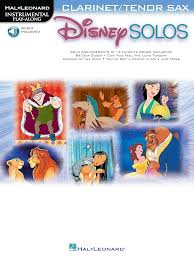
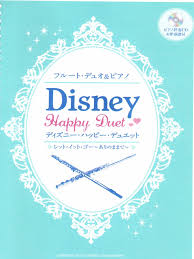
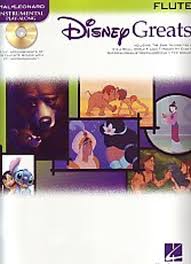
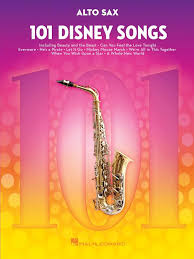

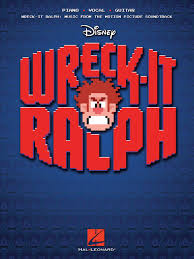


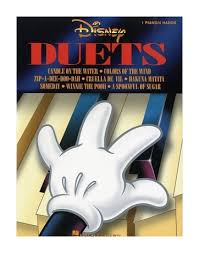
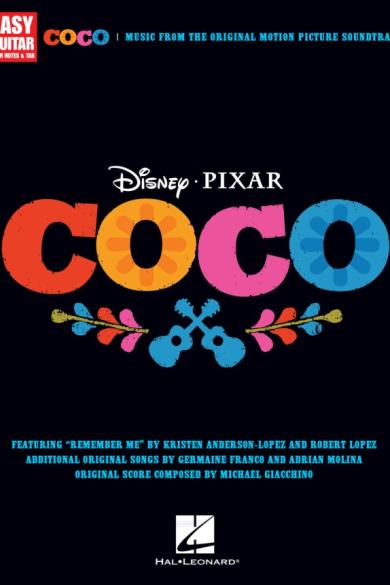

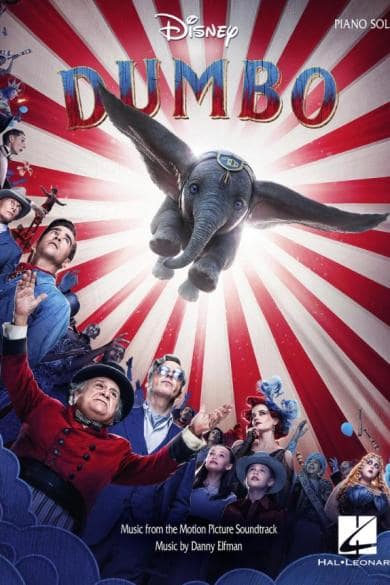

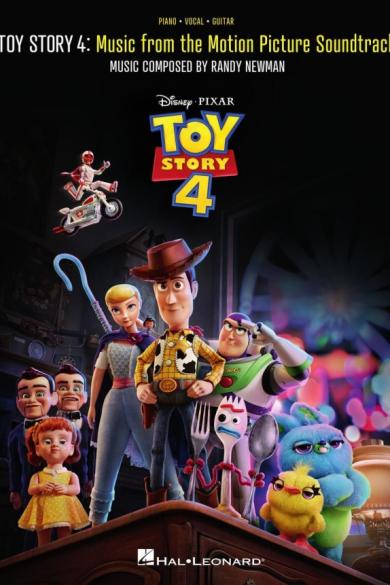
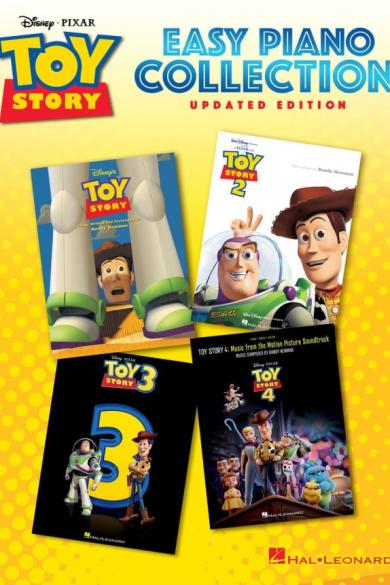
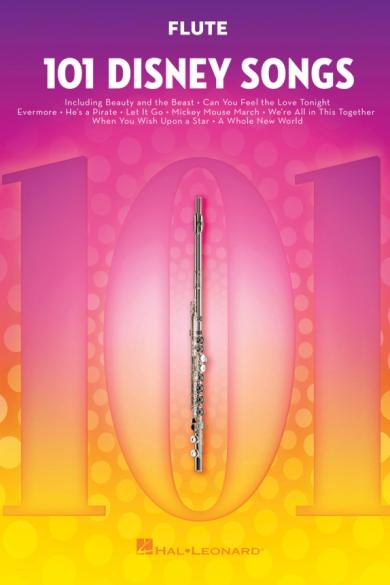
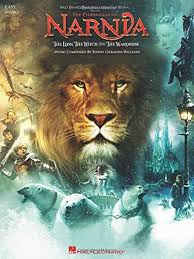
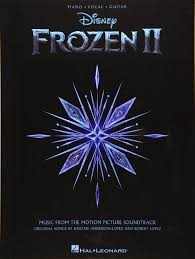
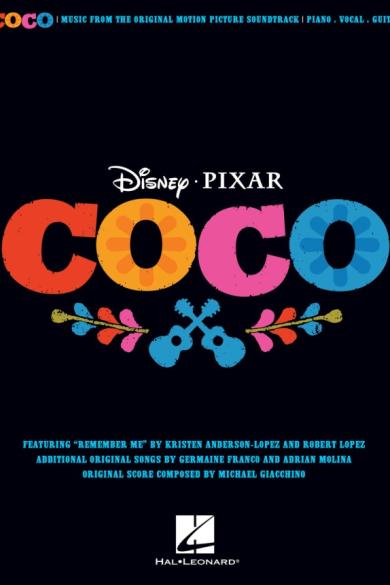
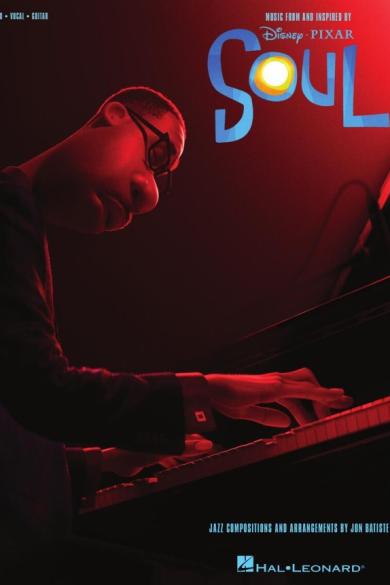
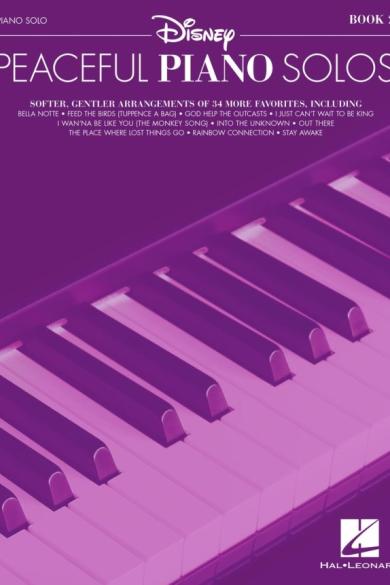
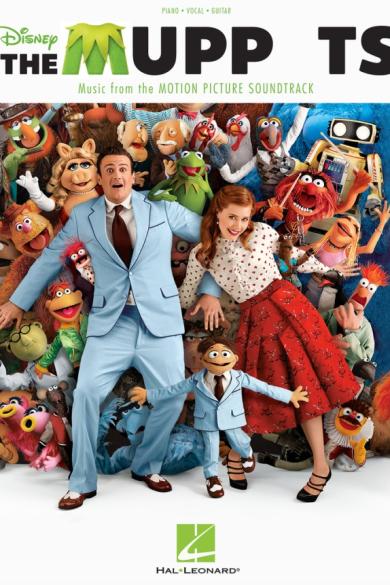
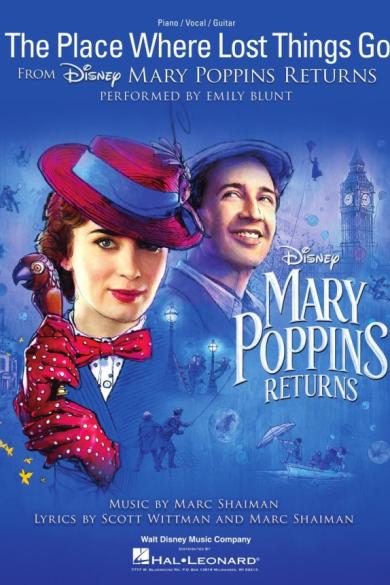
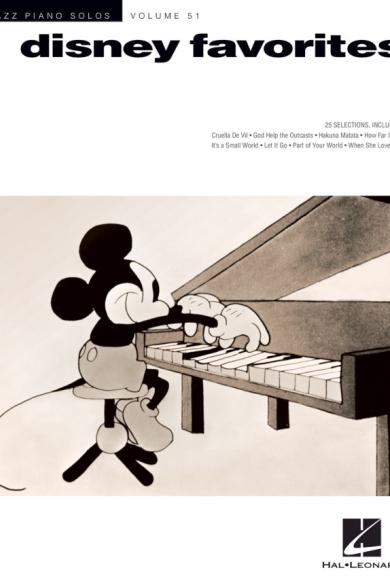
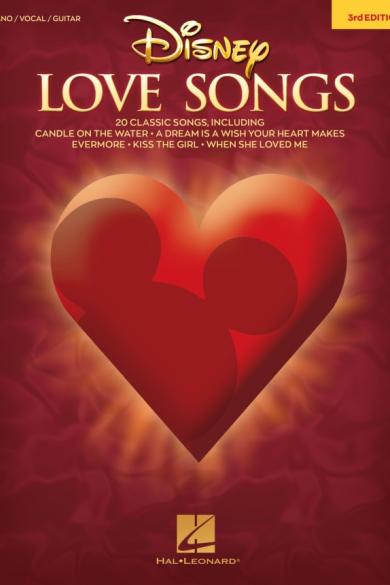
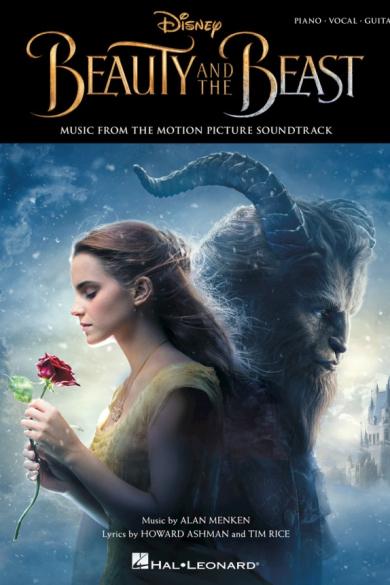
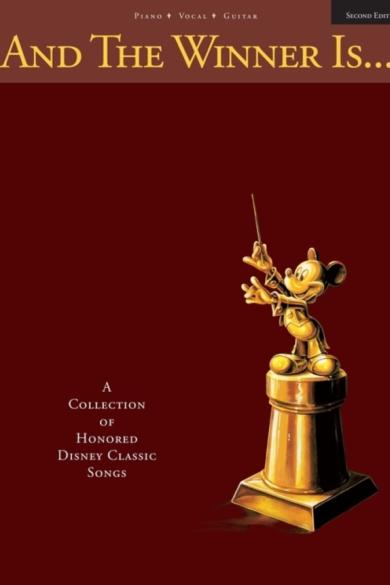
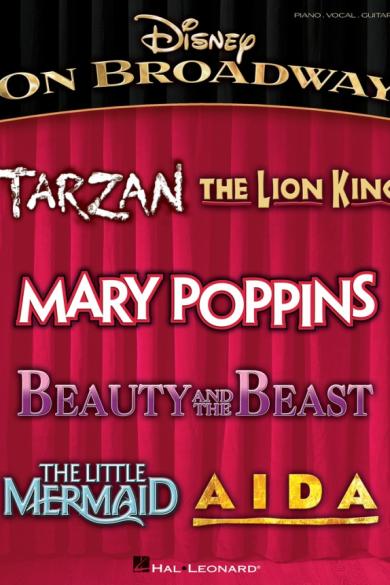
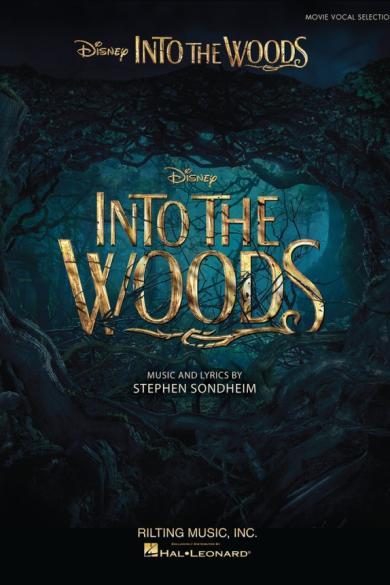
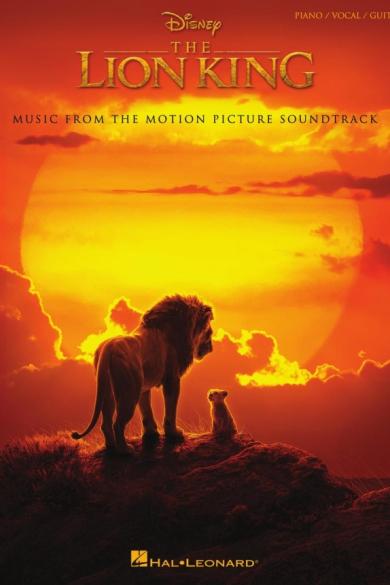
The best sheet music download from our Library.
The Ineffable Spell: A Deep Exploration of Music in Disney’s Films
The Kingdom of Sound
From the very first frame of Steamboat Willie in 1928, where a whistling Mickey Mouse steered a boat in perfect sync with a jaunty melody, music was not an ornament to Disney storytelling—it was its heartbeat. Walt Disney himself once declared, “There’s a terrific power to music. You can run any of these pictures and they’d be dragging and boring, but the minute you put music behind them, they have life and vitality they don’t get any other way.” Over nearly a century, the music of Disney’s films has evolved from the Tin Pan Alley novelties of the 1930s to the sweeping Broadway-inflected scores of the Renaissance, from the pop-rock anthems of the 1990s to the globally infused chart-toppers of Encanto. This musical legacy is not merely a collection of earworms; it is an intricate tapestry of harmonic sophistication, cultural adaptation, artistic collaboration, and psychological engineering that continues to shape how we tell stories in animation and beyond.
This exhaustive article traces the composers, musical styles, harmonic languages, artistic relationships, influences, and enduring legacy of Disney film music. We will journey through every era—from the Golden Age to the Revival, including Pixar’s complementary evolution—and examine why these melodies, chord progressions, and performances remain so astonishingly influential today.
I. Historical Panorama: The Musical Eras of Disney
The Golden Age (1937–1942): Symphonic Fairy Tales and Tin Pan Alley
Disney’s first five animated features—Snow White and the Seven Dwarfs (1937), Pinocchio (1940), Fantasia (1940), Dumbo (1941), and Bambi (1942)—established the template for the animated musical. The studio recruited composers from the Hollywood studio system and Broadway. Frank Churchill (with lyricist Larry Morey) penned Snow White’s “Someday My Prince Will Come” and “Whistle While You Work,” crafting melodies that fused operetta’s lilt with the accessible sentiment of popular song. Leigh Harline and Ned Washington gave Pinocchio the immortal “When You Wish Upon a Star,” a song whose gentle aspiration set the standard for the “I Want” archetype that would define Disney’s protagonist songs forever. Fantasia elevated classical music to a cinematic art form, collaborating with conductor Leopold Stokowski to animate the works of Bach, Tchaikovsky, Stravinsky, and others—a bold assertion that animation could be a vehicle for high art. Dumbo’s “Baby Mine” (Churchill/Washington) brought a lullaby that could reduce entire theaters to tears, while Bambi’s score by Frank Churchill and Edward Plumb wove impressionistic orchestral textures to mirror nature’s rhythms.
Search your favorite sheet music in the Sheet Music Library Catalog
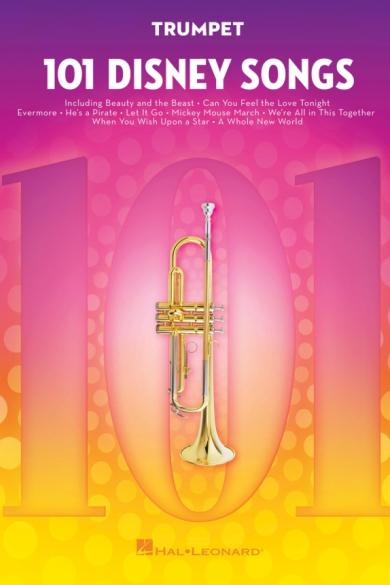
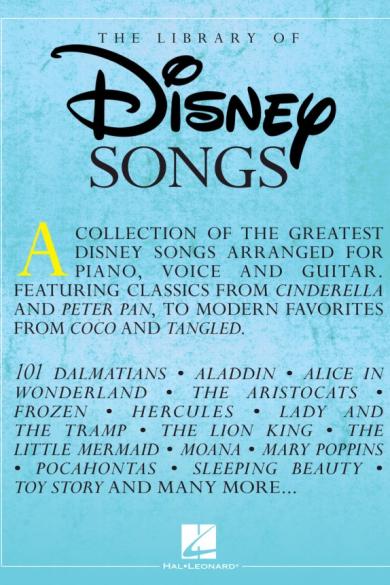
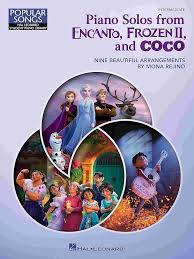
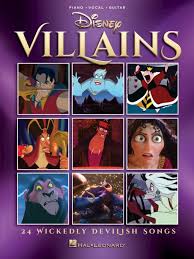
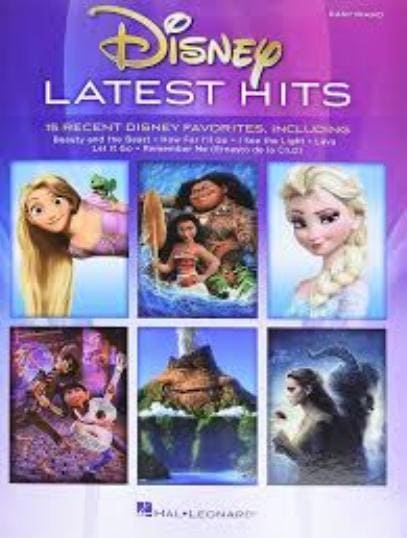
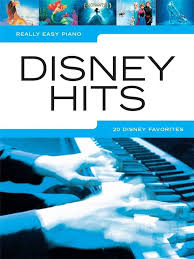


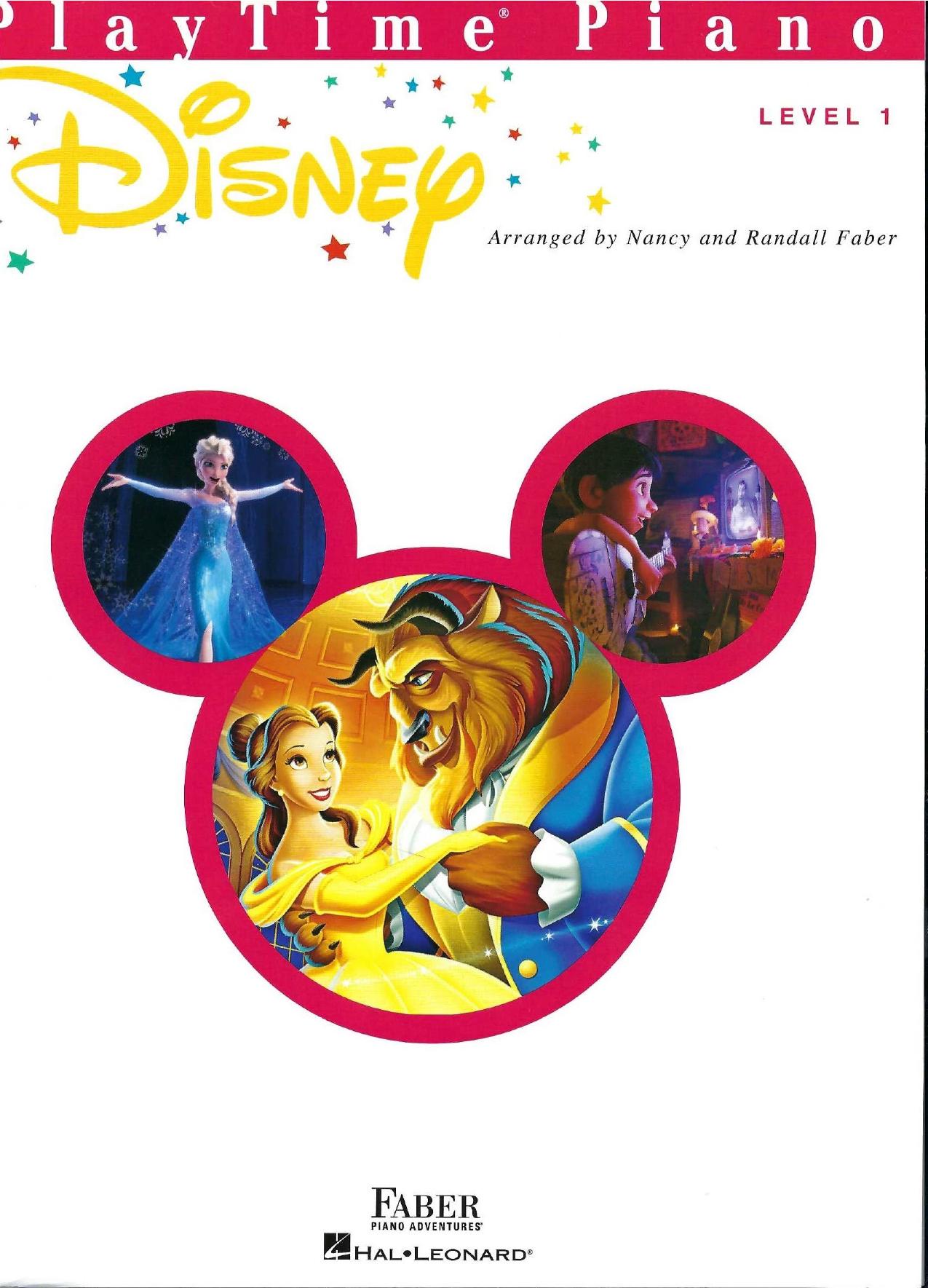
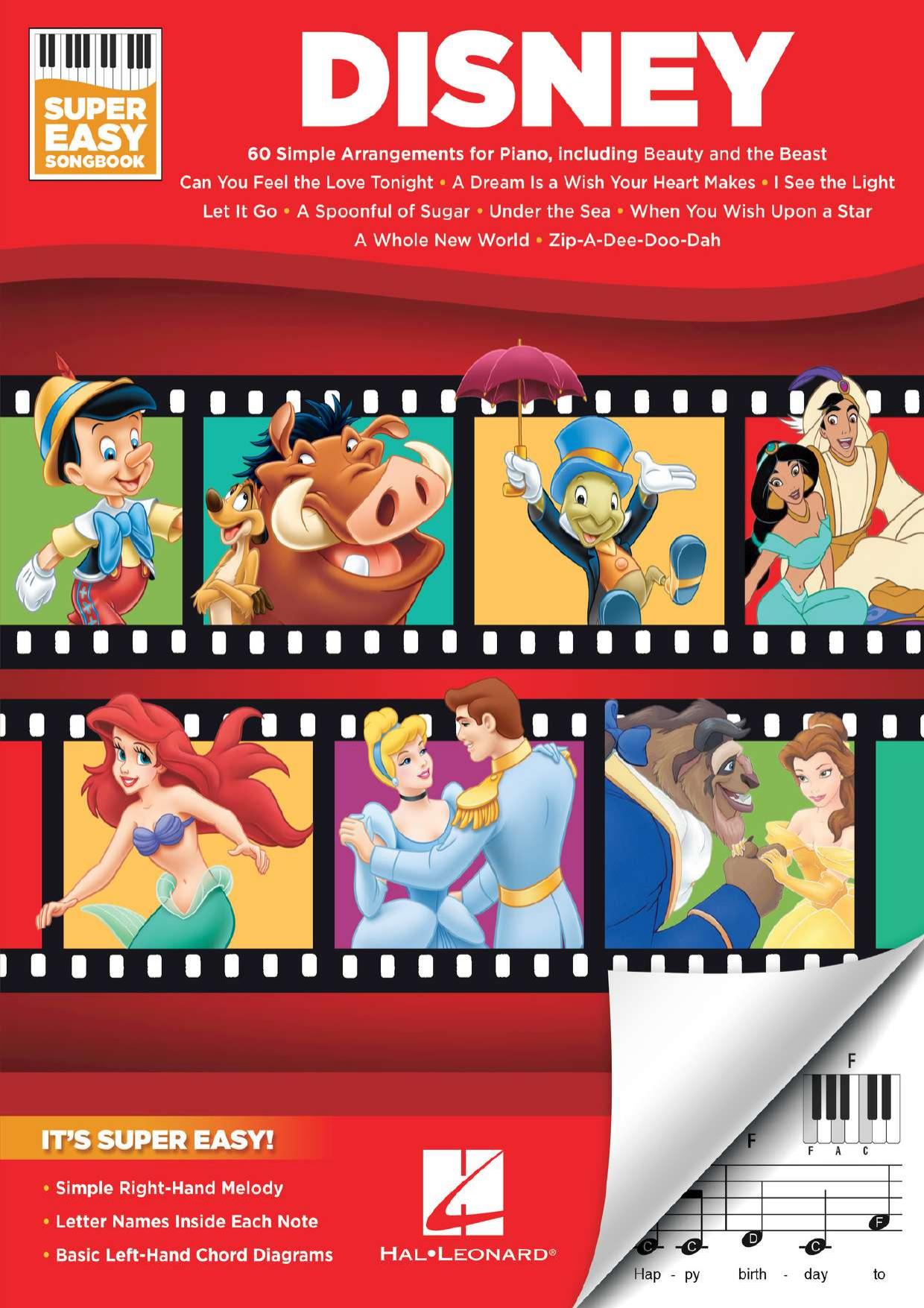
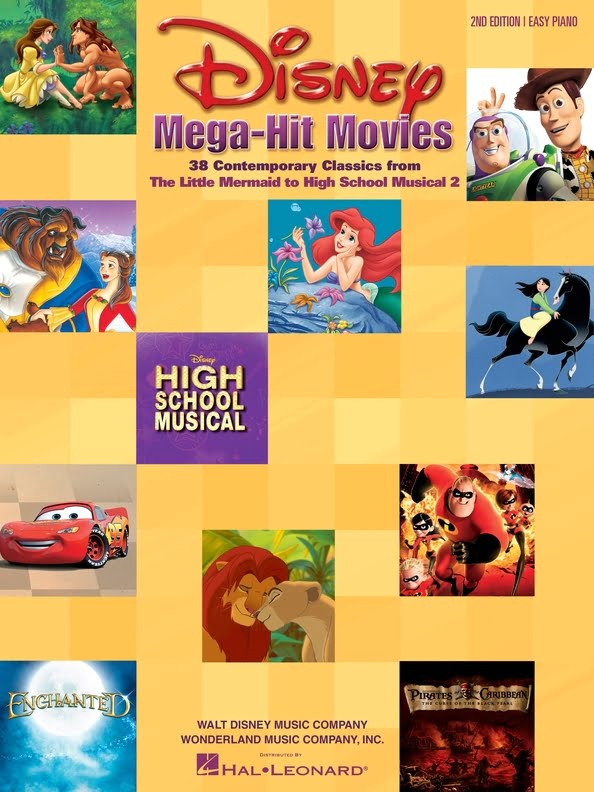
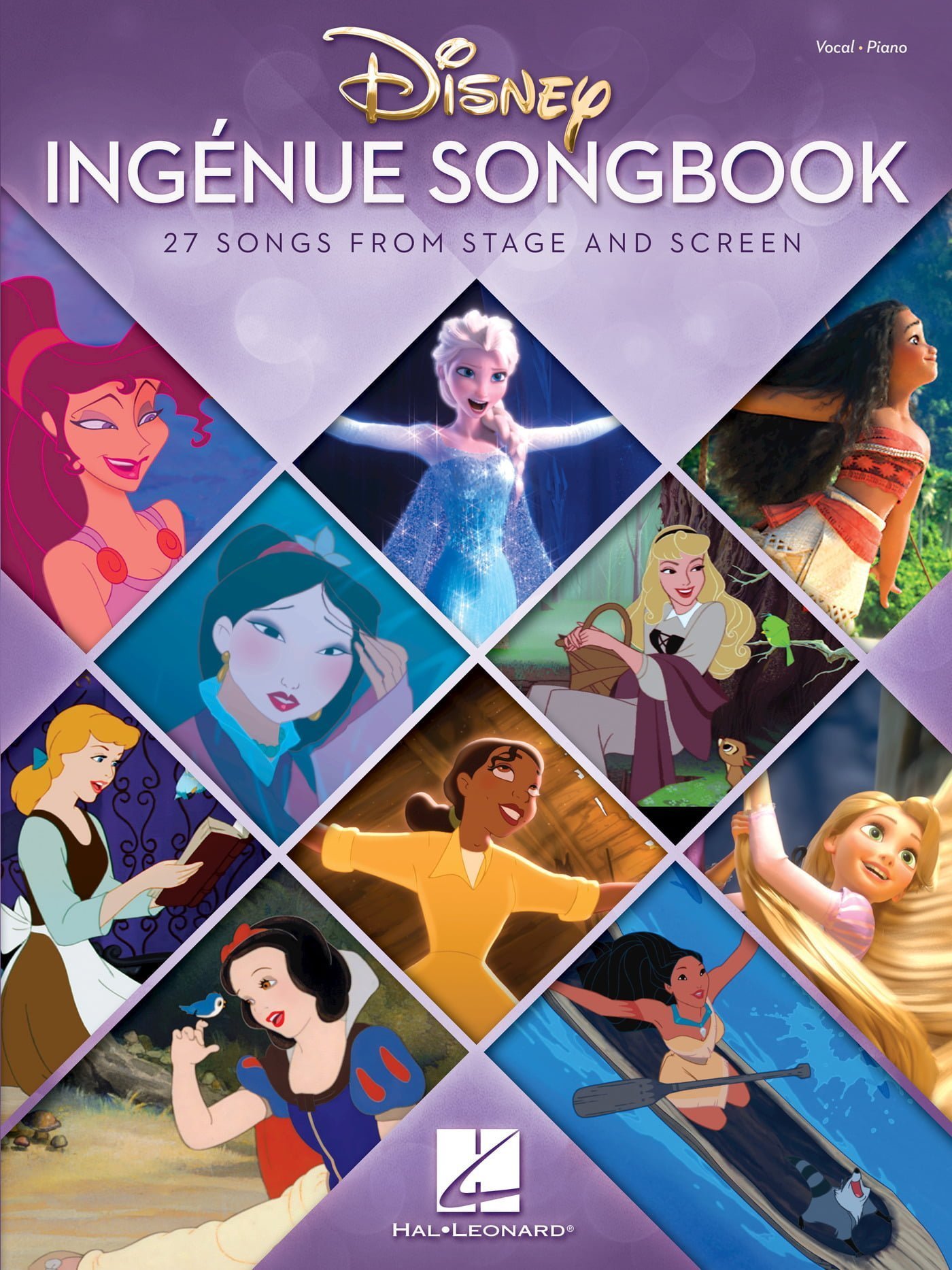
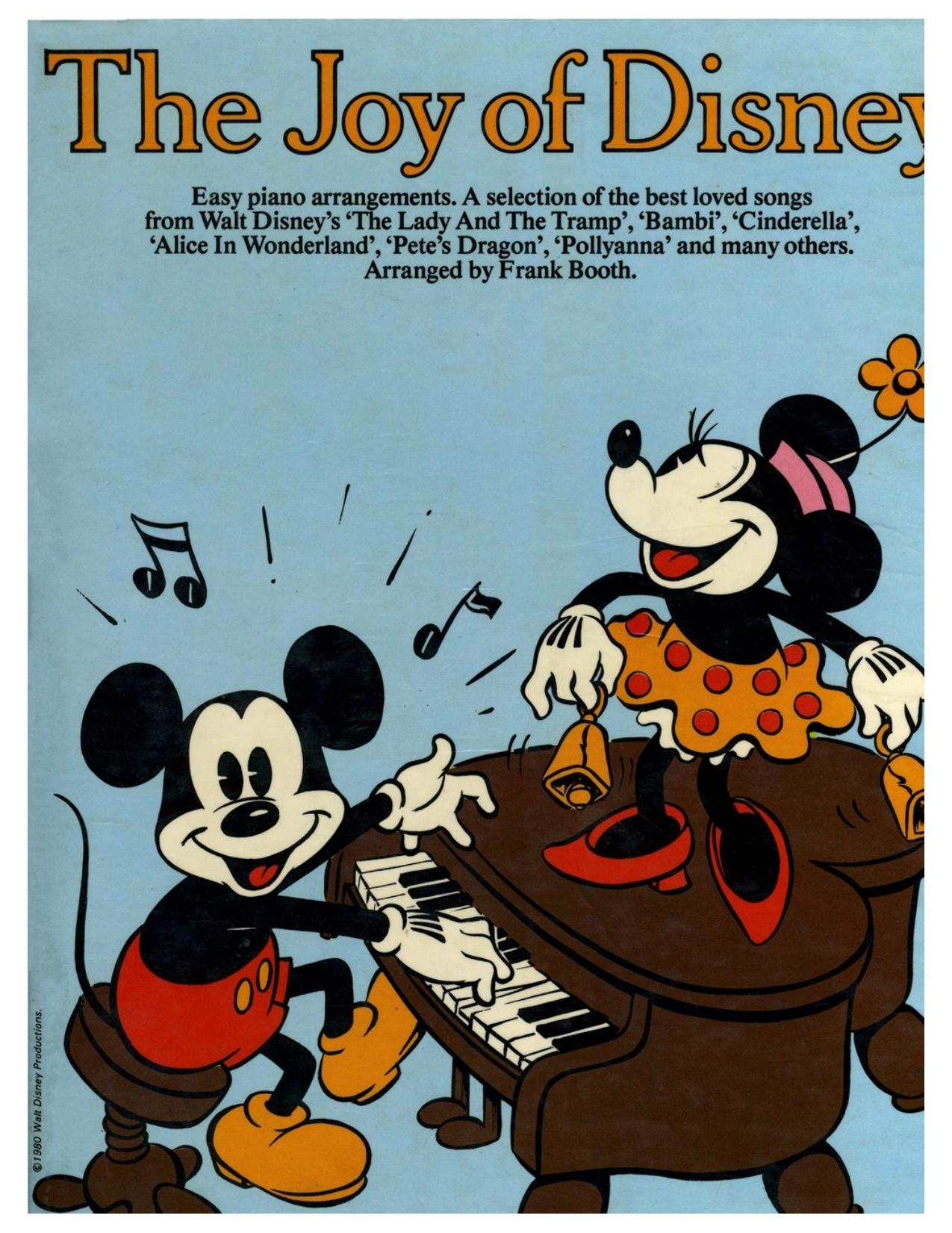
The Wartime Package Era and the Return to Form (1943–1950)
During World War II, Disney produced anthology features with episodic musical vignettes. Saludos Amigos and The Three Caballeros introduced Latin American rhythms, engaging Brazilian and Mexican artists. By 1950, Cinderella marked a triumphant return to the fairy-tale musical. Composers Mack David, Al Hoffman, and Jerry Livingston contributed “A Dream Is a Wish Your Heart Makes” and “Bibbidi-Bobbidi-Boo,” songs that leaned heavily on Tin Pan Alley craftsmanship. Ilene Woods’ warm, unadorned soprano set a new vocal aesthetic, moving away from the highly stylized Snow White voice toward a more naturalistic warmth.
The Silver Age (1951–1967): Sherman Brothers Ascendancy
The 1950s saw George Bruns adapt Tchaikovsky’s ballet for Sleeping Beauty, turning the score into a pseudo-operetta where melodies from the ballet became songs (“Once Upon a Dream”). But the seismic shift occurred in the 1960s with the arrival of the Sherman Brothers, Richard M. and Robert B. Sherman. Their wit, wordplay, and melodic genius defined Mary Poppins (1964)—a live-action/animation hybrid that earned an Academy Award for Best Original Score and Best Song (“Chim Chim Cher-ee”). Their music for The Jungle Book (1967) injected Dixieland jazz and swing into the jungle, creating iconic tunes like “The Bare Necessities” (written by Terry Gilkyson) and “I Wan’na Be Like You.” The Sherman Brothers’ ability to craft songs that served character, advanced plot, and functioned as pop singles set a gold standard.
The Dark Age and Transition (1970–1988)
Following Walt’s death, the studio’s musical identity grew fragmented. The Aristocats (1970) and Robin Hood (1973) retained a folksy, jazz-inflected style. The Rescuers (1977) brought a soft pop sensibility with Shelby Flint’s “Someone’s Waiting for You.” By the mid-1980s, Disney attempted to integrate contemporary pop writers: Oliver & Company (1988) featured songs by Billy Joel, Barry Manilow, and Howard Ashman in his first Disney collaboration (“Once Upon a Time in New York City”). This transitional period laid the groundwork for the radical reinvention to come.
The Disney Renaissance (1989–1999): The Broadway Revolution
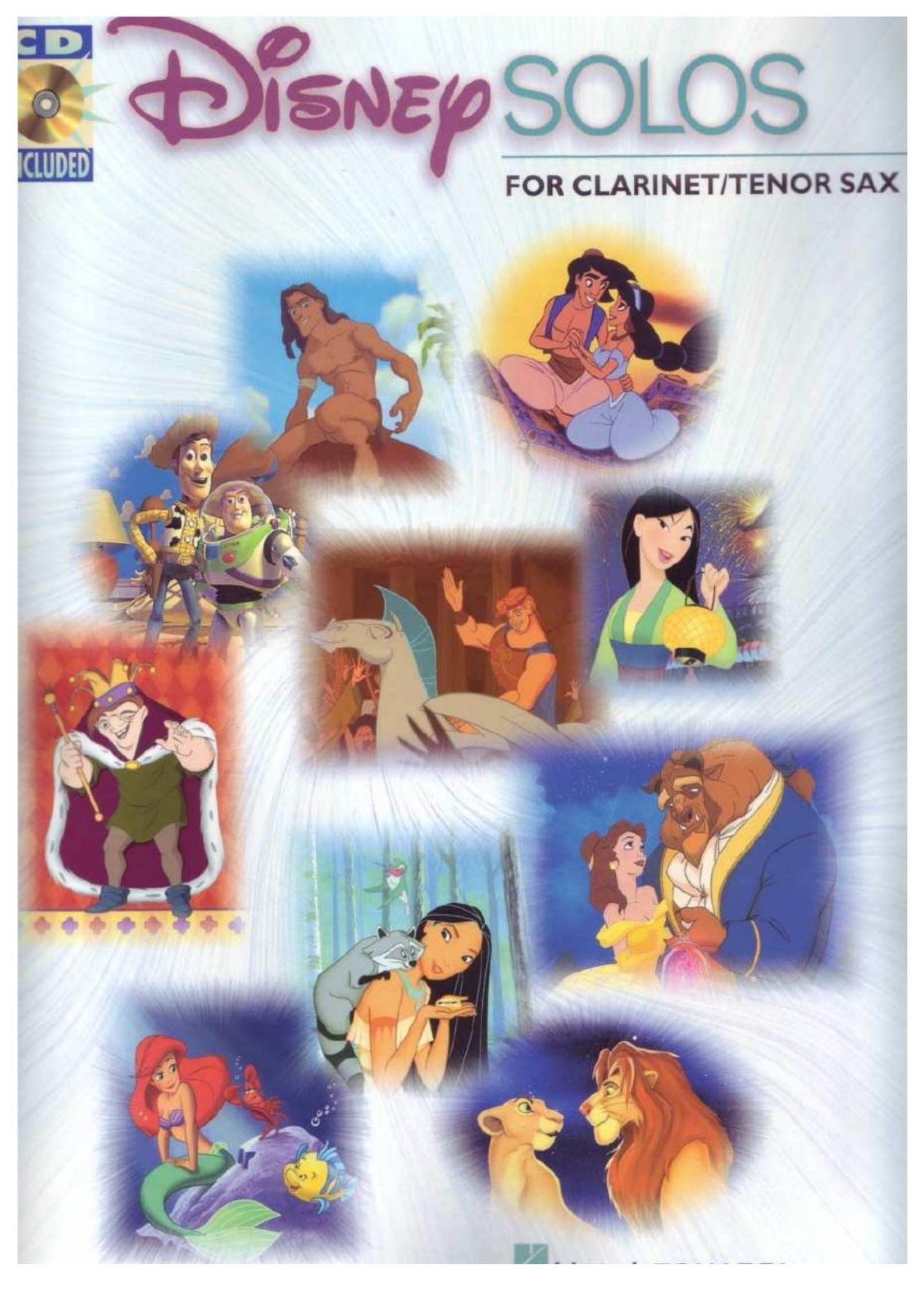
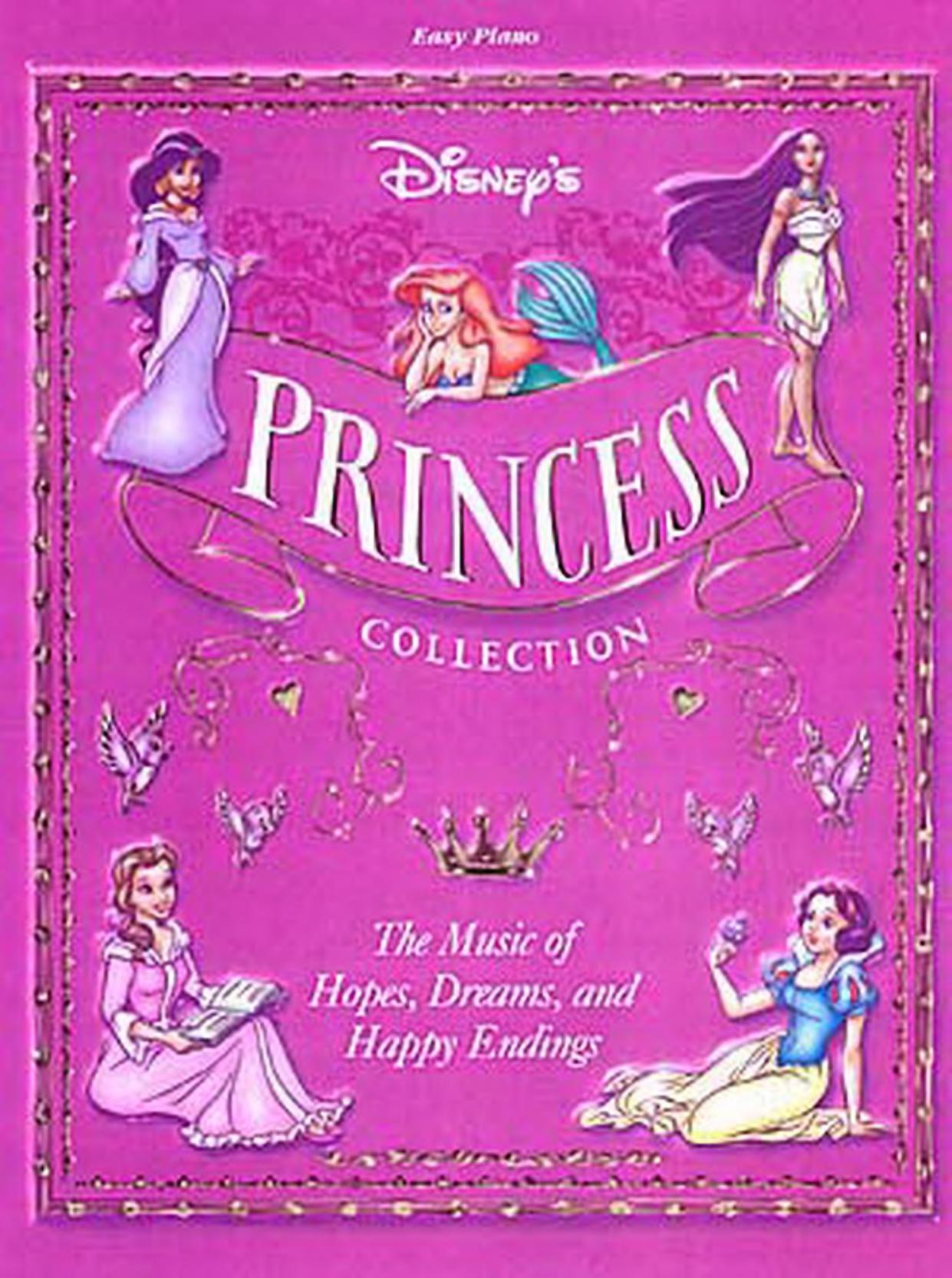
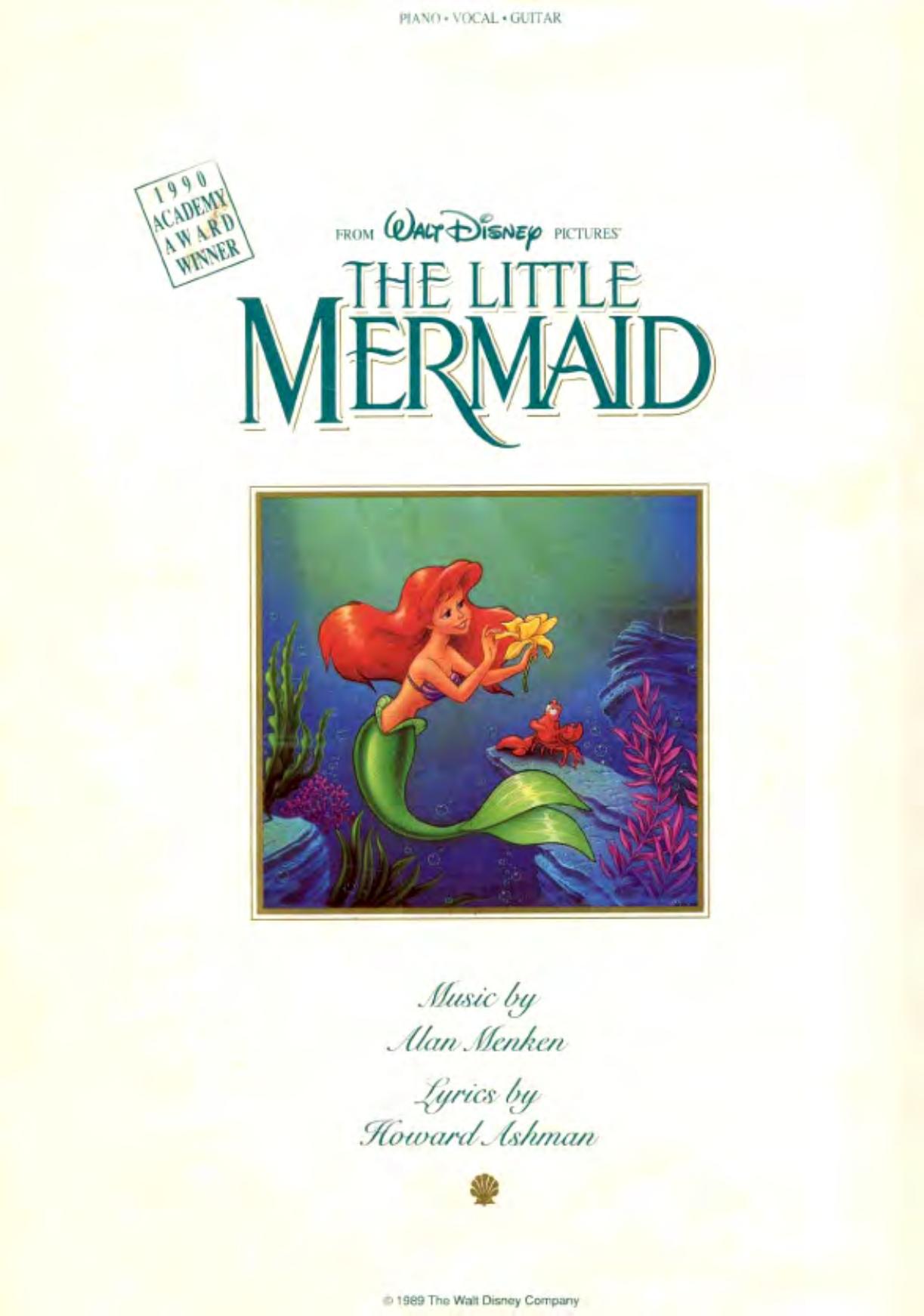
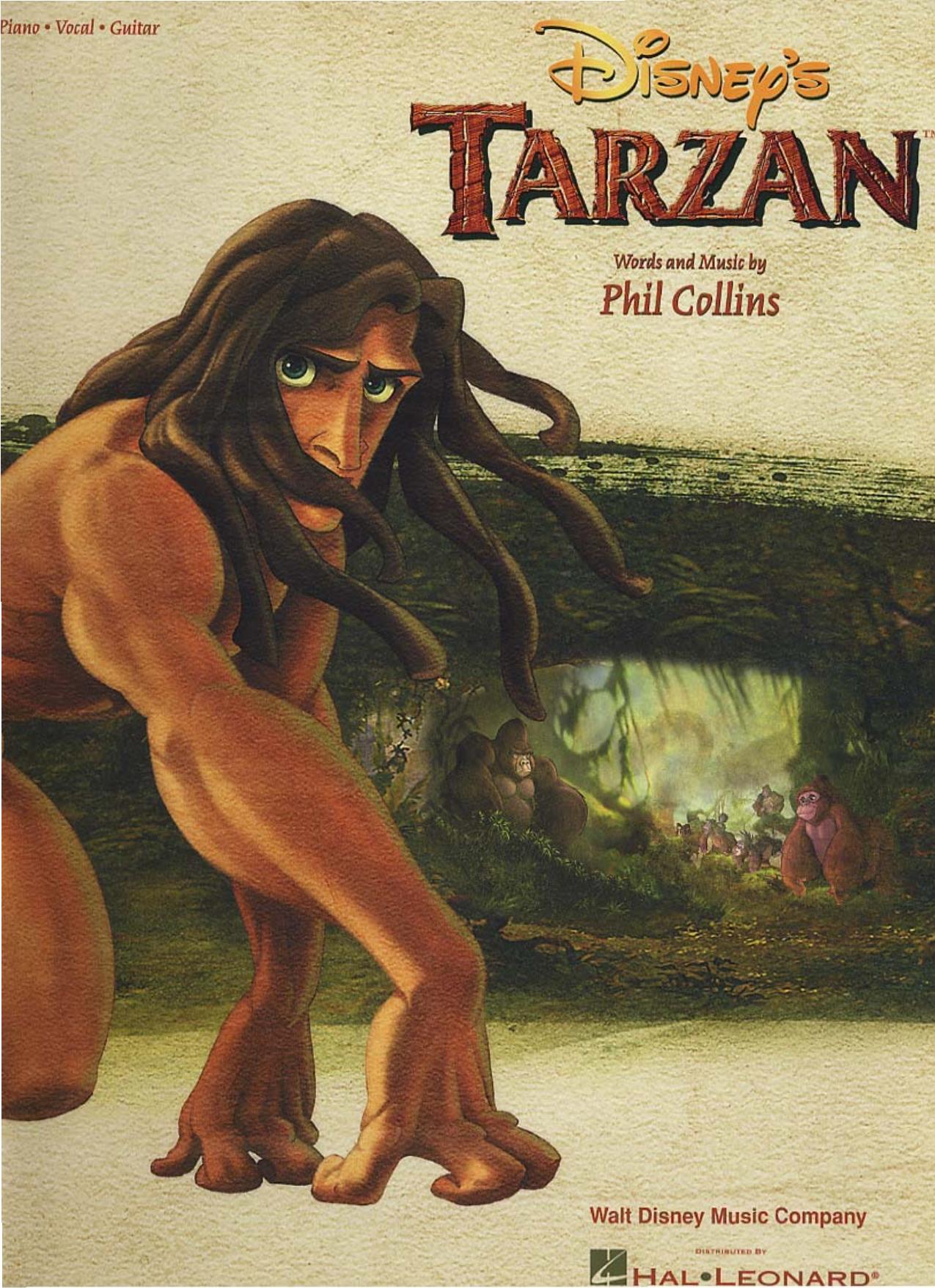
Howard Ashman and Alan Menken, fresh from their off-Broadway hit Little Shop of Horrors, were invited to compose for The Little Mermaid (1989). Their fusion of Menken’s Broadway-ready scores and Ashman’s clever, emotionally resonant lyrics revolutionized the animated musical. Under producer Chris Montan’s guidance, the film’s songs were treated as dramatic beats in a book musical. This formula of integrated storytelling, initiated with “Part of Your World,” restored Disney’s dominance. The Menken-Ashman partnership continued with Beauty and the Beast (1991) and the posthumous completion of Aladdin (1992) songs (Tim Rice stepped in after Ashman’s untimely death). The Renaissance era also brought Elton John and Tim Rice’s African- and pop-infused The Lion King (1994), Stephen Schwartz’s Pocahontas and The Hunchback of Notre Dame, and Phil Collins’ tribal-rock score for Tarzan (1999). These films not only dominated the box office but also the Billboard charts, with soundtracks going multi-platinum.
Post-Renaissance to Revival (2000–Present): New Voices, Global Sounds
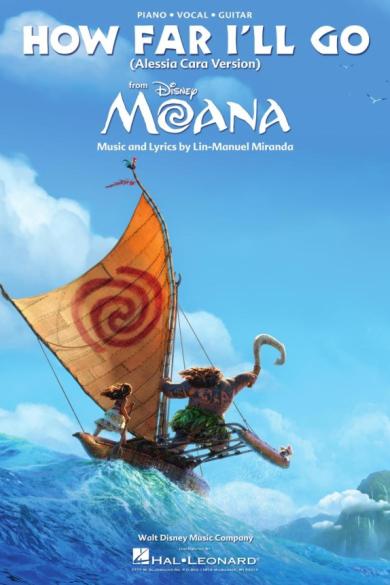
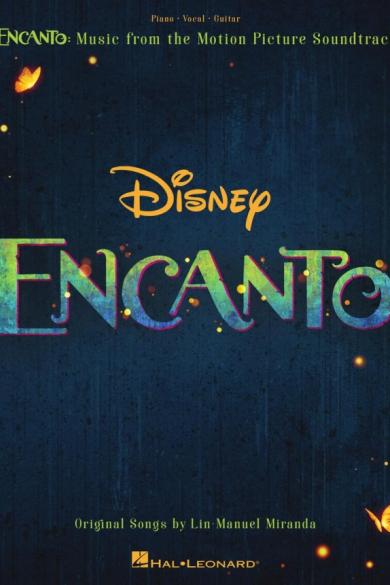
The early 2000s saw varied experiments: Randy Newman’s jazzy New Orleans score for The Princess and the Frog (2009) returned to hand-drawn tradition. Alan Menken returned for Tangled (2010) with Glenn Slater. The 2013 release of Frozen, with songs by Kristen Anderson-Lopez and Robert Lopez, became a cultural phenomenon, spawning the inescapable “Let It Go.” The Lopezes subsequently crafted Frozen II (2019) and the music for the WandaVision-esque meta-musical Olaf’s Frozen Adventure. Lin-Manuel Miranda burst onto the scene with Moana (2016), co-writing with Opetaia Foa’i and Mark Mancina, blending Polynesian musical traditions with his characteristic hip-hop-inflected theatricality. Miranda later contributed songs to Encanto (2021), whose soundtrack exploded on TikTok, yielding the chart-topping “We Don’t Talk About Bruno,” a multi-character narrative number that broke records and demonstrated the modern streaming power of Disney music.
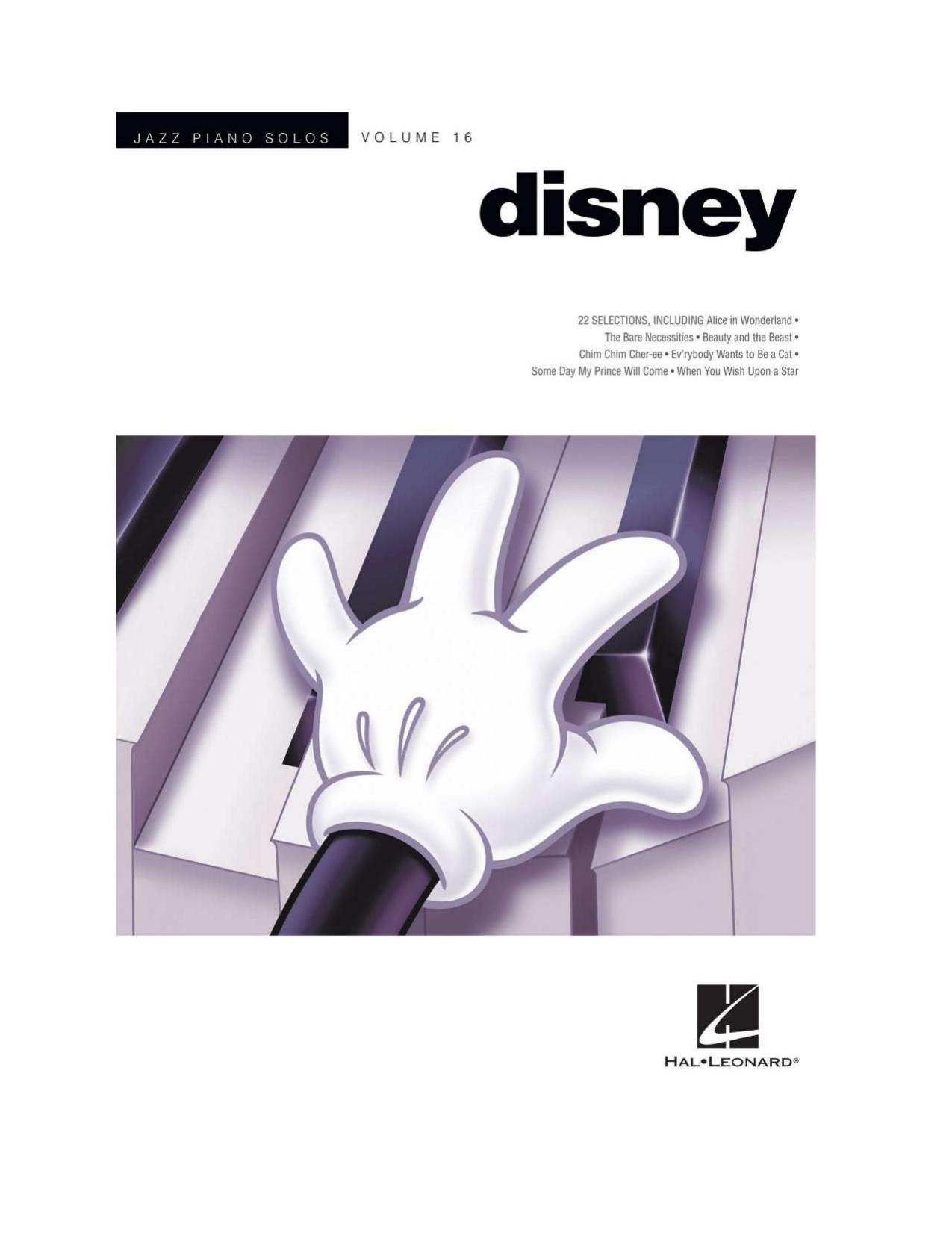





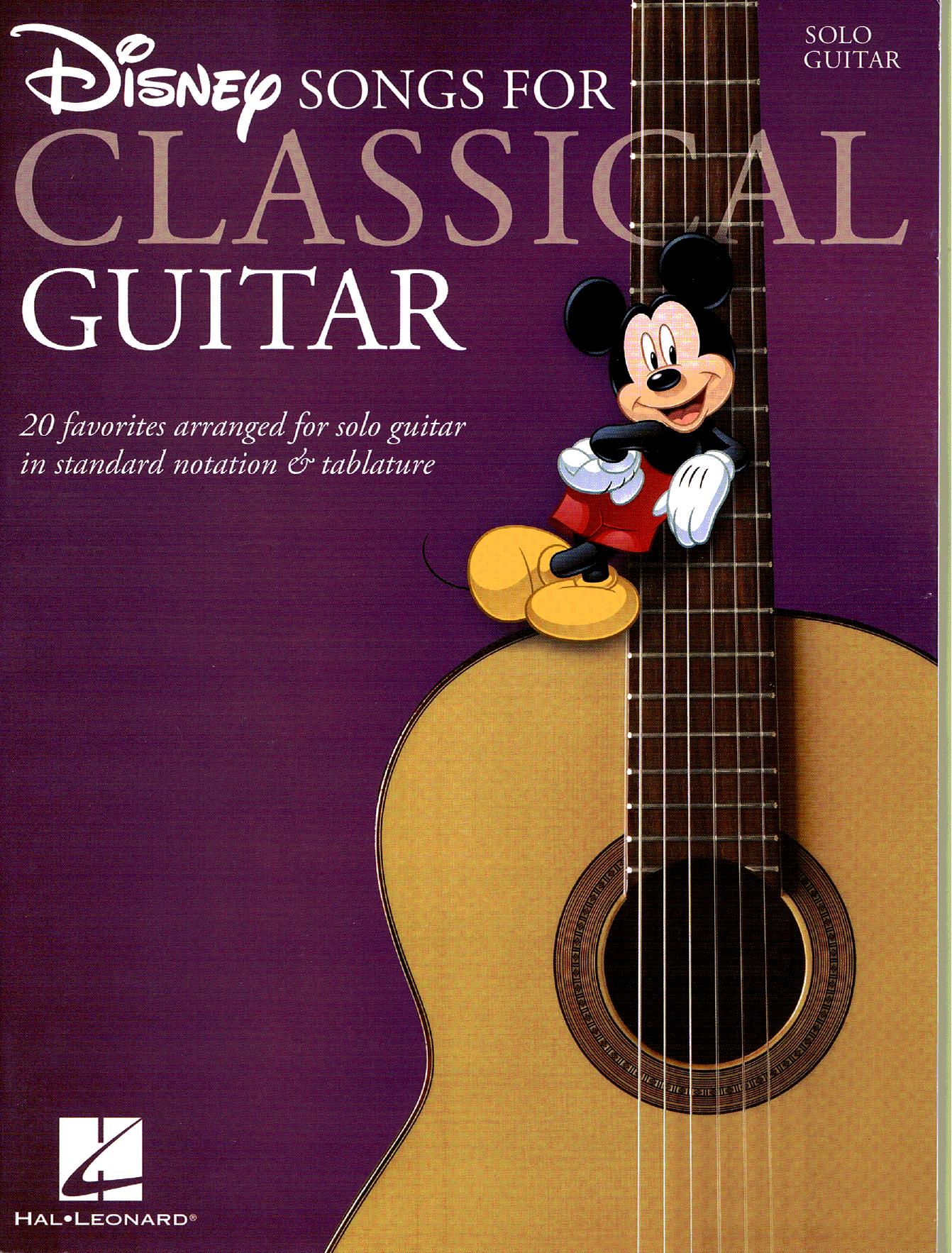
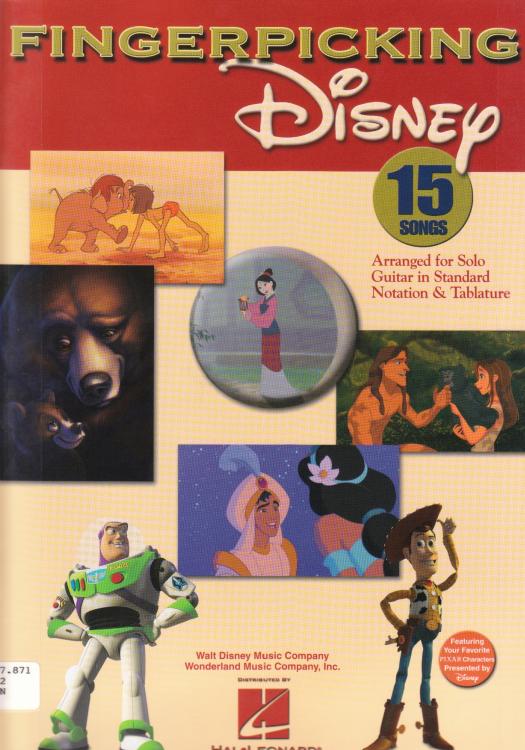
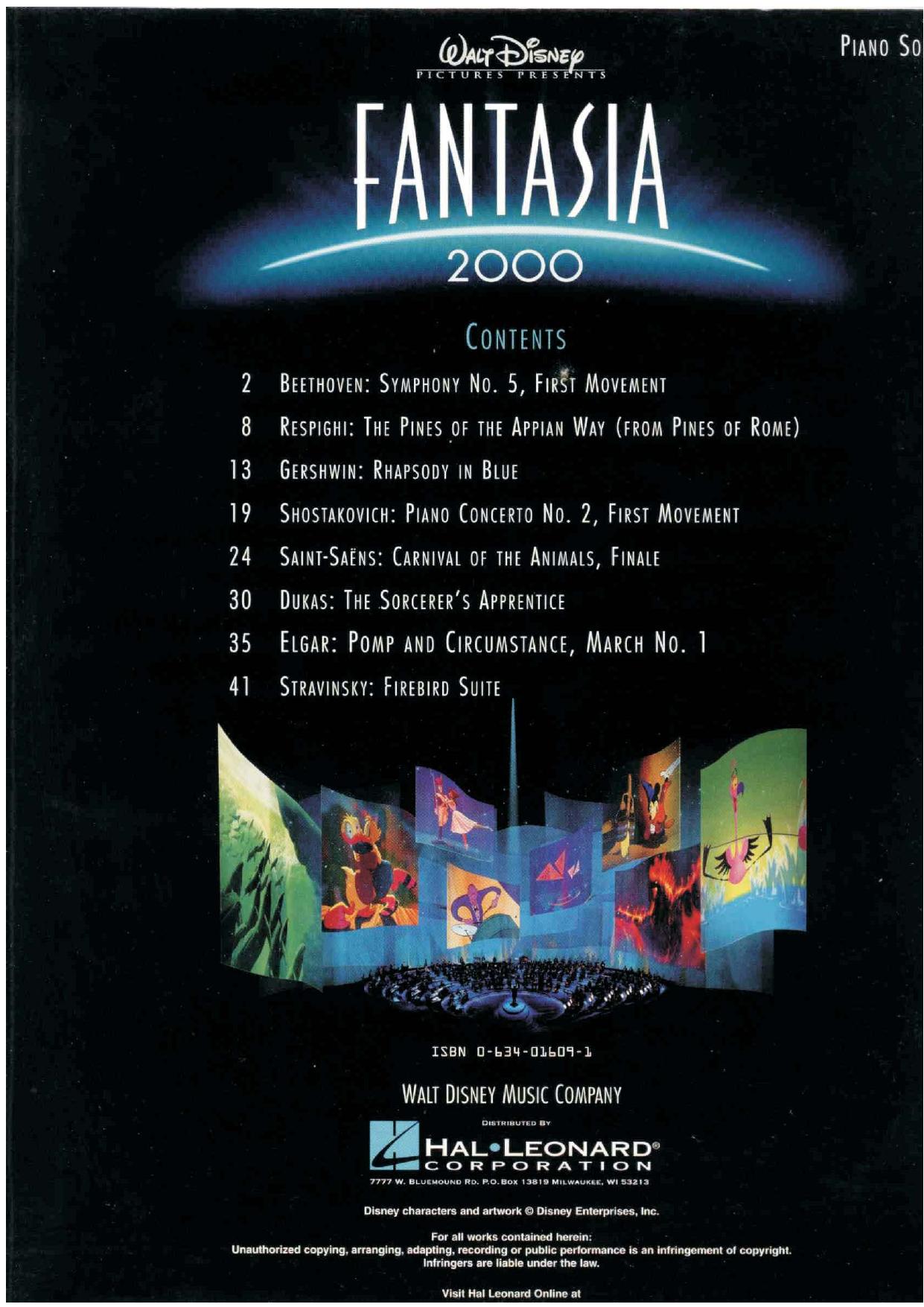

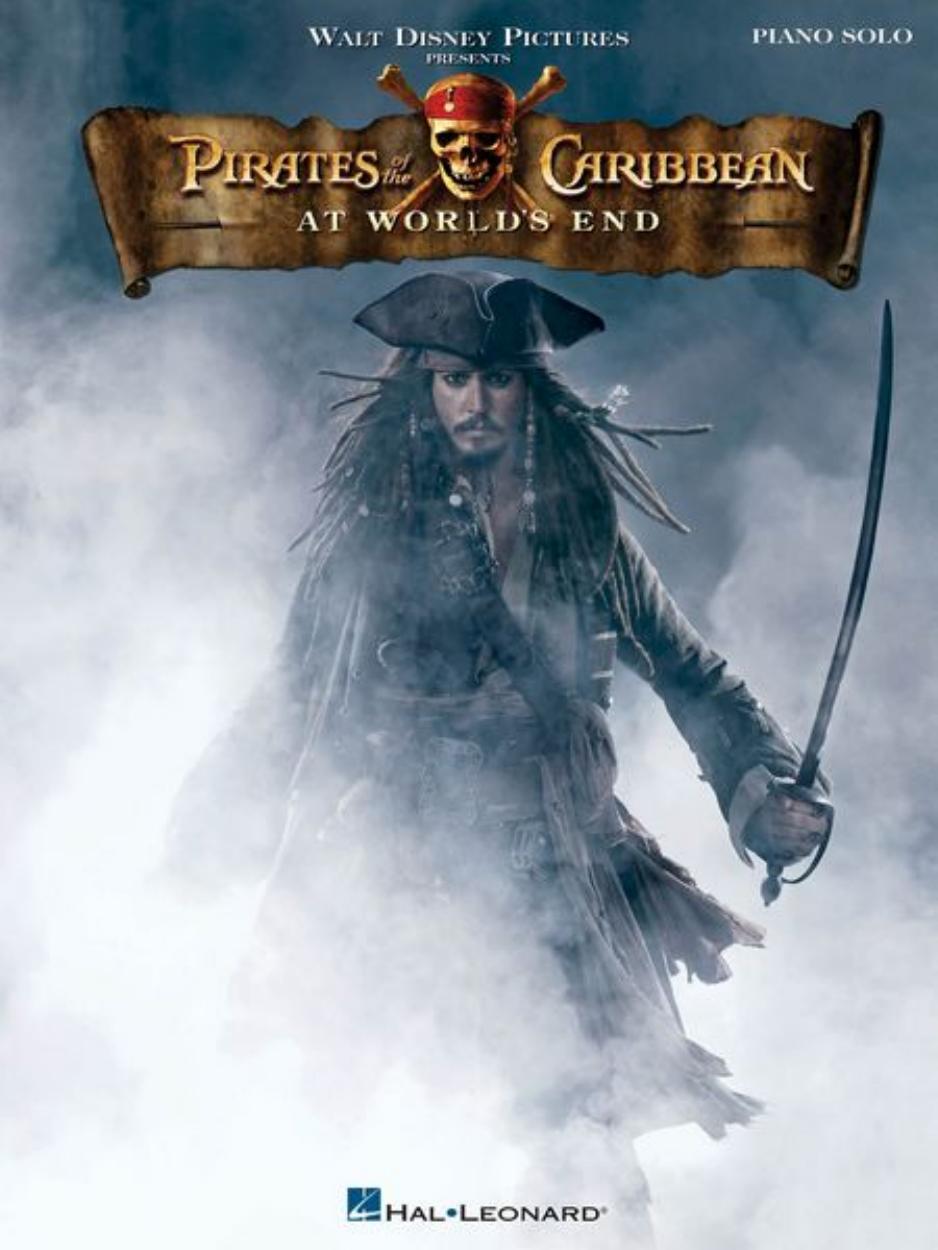
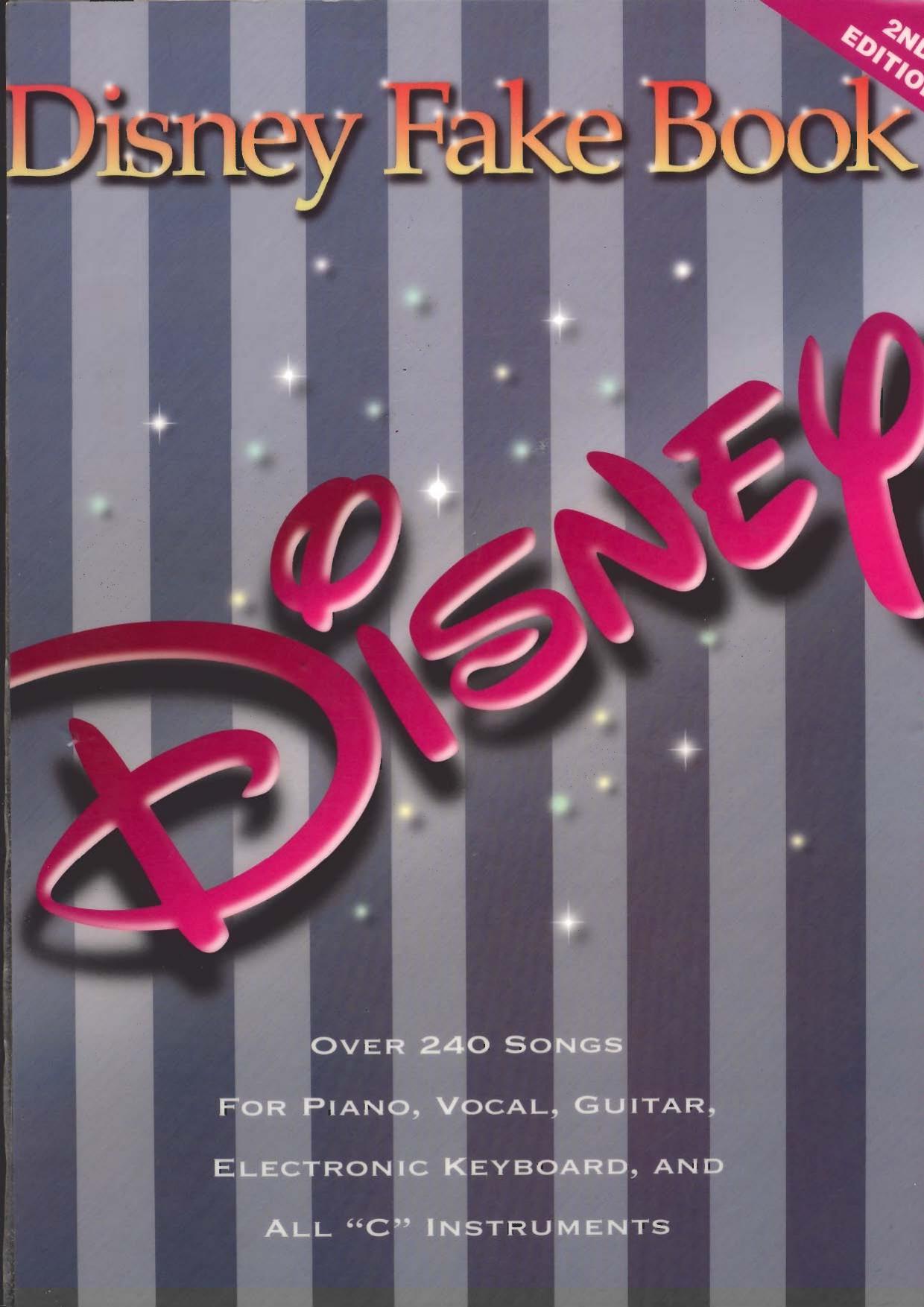
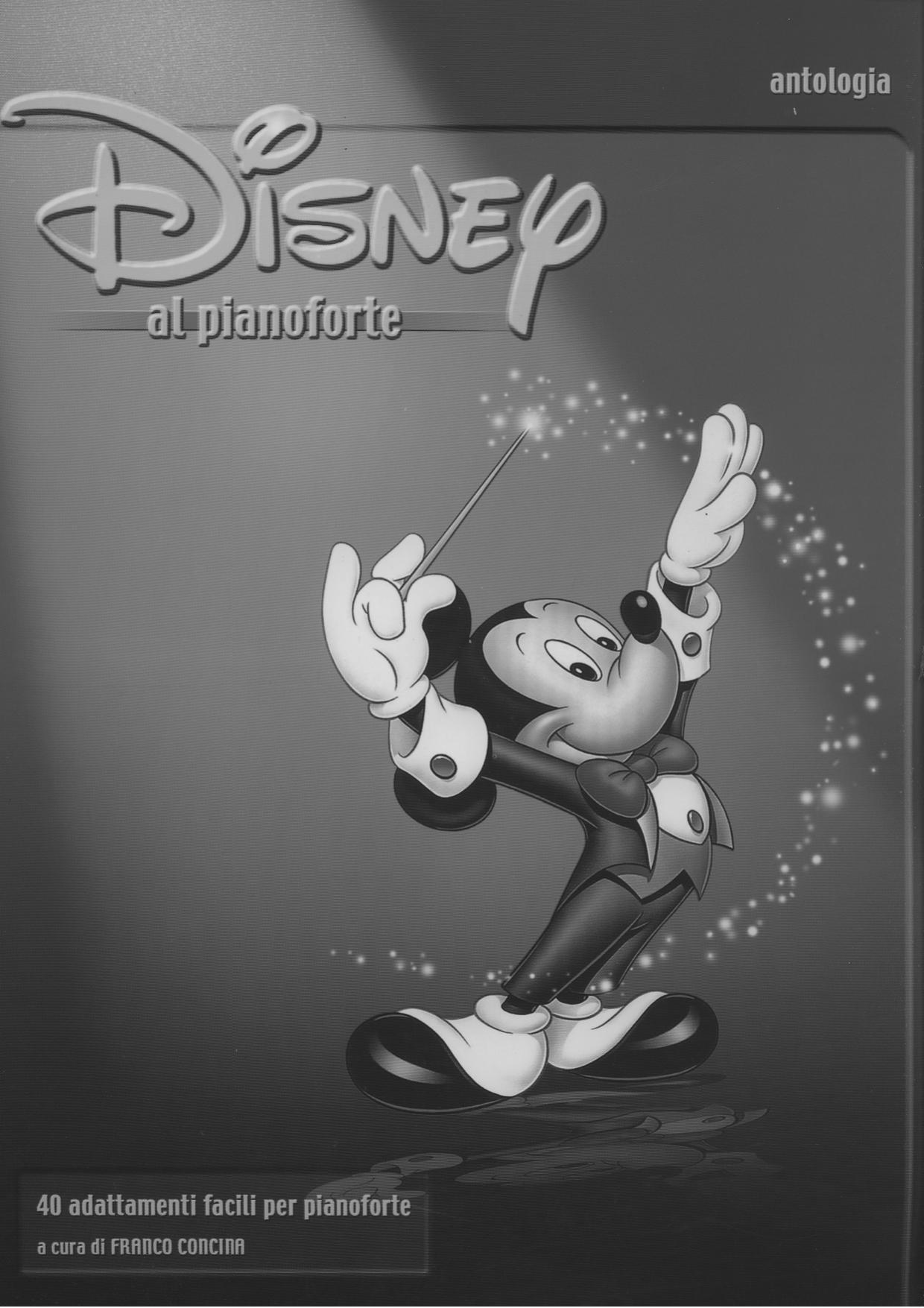
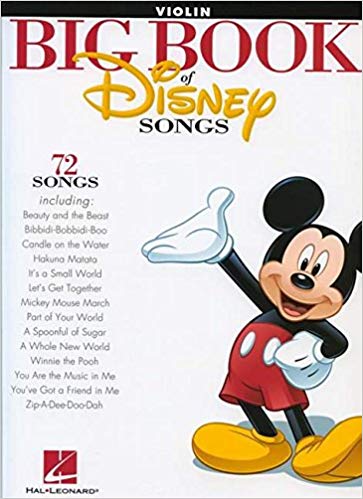

II. The Composers and Lyricists: A Pantheon of Melodic Architects
Search your favorite sheet music in the Sheet Music Library Catalog
- Frank Churchill & Leigh Harline: Churchill’s gentle, waltz-time melodies (he favored 3/4 meter for yearning) and Harline’s ability to fuse light classical with pop made Snow White and Pinocchio eternal. Churchill’s suicide in 1942 remains one of the studio’s great tragedies.
- The Sherman Brothers: The in-house geniuses behind Mary Poppins, The Jungle Book, The Aristocats, Bedknobs and Broomsticks, and the theme park earworm “It’s a Small World.” Their mastery of internal rhyme, rapid-fire patter, and simple but unexpected melodic turns (the shift from minor to major in “Feed the Birds”) built a language of joyous inventiveness.
- Alan Menken: The most Academy Award–winning composer still living (8 Oscars). His musical vocabulary draws on Rodgers and Hammerstein, Stephen Sondheim, and pop. Menken’s hallmark is the seamless integration of score and song, using leitmotifs derived from his own tunes. The “Belle” melody recurrs orchestrally, the “Transformation” theme echoes “Beauty and the Beast.” His scores for The Little Mermaid, Beauty and the Beast, Aladdin, Pocahontas, The Hunchback of Notre Dame, Hercules, Tangled, and many others form the backbone of modern Disney music.
- Howard Ashman: The lyricist and dramatic architect who taught Disney that songs must function as scenes. Ashman demanded that animation support the singer’s emotional truth, leading to the iconic close-up of Ariel reaching toward the light during “Part of Your World.” His death from AIDS in 1991 robbed the world of a transformative voice.
- Tim Rice: Lyricist for Aladdin and The Lion King, Rice brought a rock-opera sensibility. His witty, anachronistic wordplay (“Ali Baba had them forty thieves, Scheherazade had a thousand tales”) suited Genie’s anarchic energy, while Lion King lyrics like “He lives in you” filtered African philosophy through pop idioms.
- Elton John & Phil Collins: The pop-star recruitments. Elton’s piano-driven melodies for The Lion King gave the film arena-sized anthems (“Circle of Life,” “Can You Feel the Love Tonight”), while Collins’ Tarzan songs, performed largely as internal monologue voice-over, broke the “character bursting into song” rule to great emotional effect (“You’ll Be in My Heart”).
- Stephen Schwartz: The Godspell and Wicked maestro brought theatrical grandeur and dark spiritual questioning to Pocahontas (“Colors of the Wind”) and the operatic The Hunchback of Notre Dame (“Hellfire,” “Out There”).
- Randy Newman: The voice of Pixar. Newman’s wry, Americana-inflected harmonic palette (bluesy added-note chords, ragtime piano) gave Toy Story its heart. Songs like “You’ve Got a Friend in Me” became inseparable from the franchise. He composed for A Bug’s Life, Monsters, Inc., Cars, and the Disney animation The Princess and the Frog.
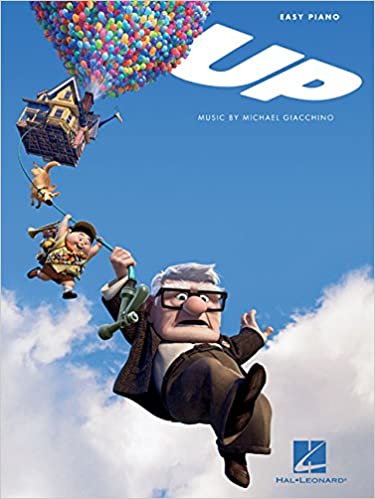
- Michael Giacchino: A master of thematic scoring in the John Williams tradition. For Pixar, Giacchino’s music for The Incredibles, Ratatouille, Up (the heart-rending “Married Life”), and Inside Out demonstrates a profound ability to transmit emotional subtext with a lush, often jazzy orchestral palette. His Coco score (with songs by Germaine Franco and co-writers) honors Mexican folk traditions.
- Robert Lopez & Kristen Anderson-Lopez: The husband-wife team that revolutionized the 21st-century Disney musical with Frozen. Their songs fuse Broadway structure with modern pop, extensive internal rhyming, and the “Lopez twist,” a sudden subversion of expectation (Elsa’s “Let It Go” liberation is actually a flight from responsibility). They also wrote for Winnie the Pooh, Coco (theme song “Remember Me”), and Frozen II.
- Lin-Manuel Miranda: His percussive, word-dense lyrical style brought hip-hop, salsa, and contemporary Latin music fully into the Disney fold. With Moana and Encanto, Miranda demonstrated how traditional musical theater forms can be decolonized and re-centered on non-Western idioms while remaining irresistibly catchy.
III. Musical Style: The Disney Sound as Dramatic Architecture
Disney film music functions as a distinct genre with identifiable structural devices. At its core lies the “book musical” philosophy, where every song must either reveal character, advance plot, or establish world.
The “I Want” Song: Perhaps the most essential Disney archetype, crystallized by Ashman. The protagonist, early in the film, expresses a deep yearning for something more. “Someday My Prince Will Come,” “Part of Your World,” “Belle (Reprise),” “Out There,” “How Far I’ll Go,” and “Waiting on a Miracle” all follow this pattern. Musically, they often begin in a hesitant, limited range, slowly building melodic arc and harmonic complexity to an aspirational climax that leaves the character (and audience) breathless.
The Villain Song: A showcase of dark charisma. “Poor Unfortunate Souls” (Menken/Ashman) moves from seductive tentativeness to a bombastic rock-gospel bridge, manipulating through musical intimidation. “Be Prepared” (Elton John/Tim Rice) channels fascist pageantry. “Hellfire” (Schwartz) is a religiously tormented aria, modulating between whispered guilt and thunderous self-justification. “Mother Knows Best” (Menken) shifts from music-hall patter to Broadway belt. These songs often employ minor keys, chromatic descents, dramatic dynamic shifts, and sarcastic lyrical irony.
The Sidekick and Comic Relief Number: The animators’ playground, enabling physical comedy. “Under the Sea” (calypso), “Hakuna Matata” (pop-reggae), “You’re Welcome” (Miranda’s rap-inflected showtune) often introduce a new musical style as a jolt of energy, using bright tempi and call-and-response structures.
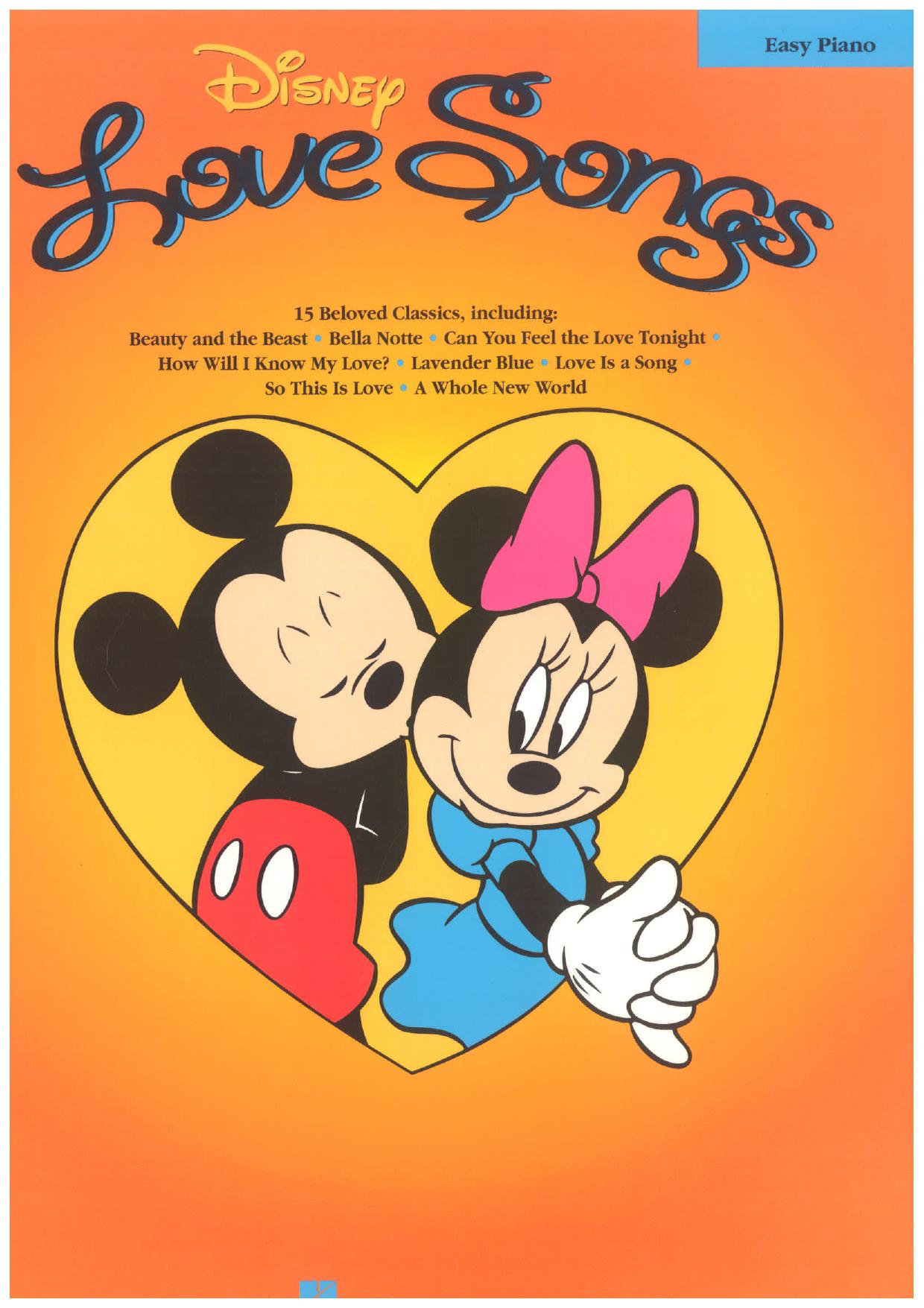
The Love Ballad: Waltz time or slow pop ballad. “Beauty and the Beast” (pop ballad as classic waltz), “A Whole New World” (duet structure with sweeping travelogue), and “Can You Feel the Love Tonight” (soft-rock crescendo) mark moments of emotional connection. The camera often spins or circles the couple as the music swells, a visual-aural fusion.
Scores as Psychological Underpinning: Underscore in Disney animation inherited the Hollywood symphonic tradition of Wagnerian leitmotif and Mickey Mousing—synchronizing musical gestures with on-screen action. Menken’s orchestral scores (often orchestrated by Danny Troob) weave his song melodies into a continuous fabric. The swelling love theme in Beauty and the Beast’s transformation scene is a masterclass in cathartic orchestration.
IV. Chord Progressions and Music Harmony: The Secret Algebra of Emotion
Disney’s harmonic language is deceptively simple in popular memory yet skillfully sophisticated in execution. Many songs rest on foundational pop progressions, but the details reveal a deep understanding of emotional manipulation.
The Classic “Disney Ballad” Progression: A close cousin of the 1950s pop progression I–vi–IV–V (or its variations). “A Dream Is a Wish Your Heart Makes” cycles I–I7–IV–iv–I–V7, using the minor iv (the “Beatles chord”) for a poignant moment of doubt before resolution. “Someday My Prince Will Come” famously traverses a chain of secondary dominants and chromatic shifts that jazz musicians have feasted on for decades (Miles Davis covered it). The verse begins on I, then moves to V7/ii, ii, V7/I, and a chromatic descent in the bridge, creating a dreamlike, drifting quality.
The Menken-Ashman Chromatic Wonder: Alan Menken’s ballads frequently employ chromatic mediants and borrowed chords to elevate yearning. “Part of Your World” contains a stunning sequence: after establishing B♭ major as home, the bridge (“Bet’cha on land…”) leaps to G♭ major (♭VI), a chord that feels both aspirational and alien, exactly mirroring Ariel’s longing for a world beyond her own. The climax lands on a soaring suspension over the dominant before the final plagal cadence. “A Whole New World” (Menken/Rice) is built on a relentless cycle of descending fifths in the B-section, generating forward momentum that mimics flight. The song also shifts modally, touching on the parallel minor for a fleeting hint of danger.
The Power-Pop Anthem Structure: “Let It Go” (Anderson-Lopez/Lopez) employs the now-ubiquitous I–V–vi–IV axis but introduces dramatic structural shifts: a sparse, minor-tinged verse of self-loathing explodes into a defiant chorus with a soaring melody that rides the major scale from the dominant up to a high tonic. The key change (from A♭ major to E♭ major, or in the film version a step up from the bridge) unleashes a waterfall of power, a trope perfected in pop but elevated by Idina Menzel’s vocal belt. “We Don’t Talk About Bruno” breaks traditional song form entirely, operating as a musical mosaic—multiple characters sing simultaneous melodic lines in contrapuntal harmony (a quasi-Sondheim ensemble), with a Latin groove based on a G♭ major modal vamp.
Jazz and Swing Influences: The Jungle Book and The Aristocats revel in the harmonic language of early jazz. “I Wan’na Be Like You” (Sherman Brothers) is a masterclass in Dixieland: a swinging I–VI7–ii7–V7 backbone with blue notes and Louis Prima’s scatting, incorporating the flat third and fifth. The Princess and the Frog’s Randy Newman songs use dense, crunchy chords—dominant seventh sharp fives, thirteenths, and gospel-inflected passing chords that paint New Orleans humidity.
Modal Mixture and the Sublime: Disney excels at the use of the minor subdominant (iv) in a major context, instantly injecting nostalgia or sadness. When Cinderella sings “No matter how your heart is grieving, if you keep on believing,” the minor iv turns hope into a fragile, tearful act of will. “Feed the Birds” (Sherman Brothers) alternates between a fragile F major verse and a chromatic descent over a pedal, its holiness evoked by suspended chords and the Lydian raised fourth that hints at transcendence.
Orchestral color: From Fantasia’s full symphonic palette to the African choruses of The Lion King (arranged by Lebo M), harmonic richness is amplified by orchestration. Menken’s frequent collaborator Danny Troob employs harp glissandi, chimes, and sweeping strings for the “Disney magic” timbre, while Mark Mancina’s Lion King and Moana scores integrate world percussion and vocal layering.
V. Relationship with Artists and Singers: The Collaborative Ecosystem
Disney’s music has always thrived on a symbiotic relationship between composer/lyricist teams, vocal performers, orchestrators, and producers.
The Studio Vocal Tradition: In the Golden Age, casting actors who could sing (like Adriana Caselotti as Snow White) was key, but many iconic voices were professional singers brought in for specific numbers—Cliff Edwards as Jiminy Cricket, Thurl Ravenscroft as the booming voice of Disneyland’s Haunted Mansion and many film inserts. The Renaissance era cemented the Broadway-Disney pipeline: Jodi Benson (Ariel), Paige O’Hara (Belle), and Brad Kane with Lea Salonga (Aladdin and Jasmine) set a benchmark of clear, expressive “legit” voices. Salonga also provided the singing voice for Mulan, bridging cultures. Angela Lansbury, a stage and screen legend, delivered “Beauty and the Beast” in a single take, her aged, warm timbre giving the ballad eternal grace.
Pop Star Synergy: The Lion King utilized Elton John’s pop versions of the songs during the credits to dominate radio, creating a dual soundtrack market. Phil Collins went further on Tarzan, singing his own songs as the inner voice of Tarzan, seamlessly blending soundtrack and pop album. Brother Bear (2003) followed this model with Tina Turner. Disney later recruited contemporary artists for end-credit singles (Christina Aguilera’s “Reflection” for Mulan, Demi Lovato’s “Let It Go,” etc.), ensuring cross-promotion.
The Pixar Divergence and Convergence: Pixar traditionally resisted characters spontaneously singing, yet Randy Newman became the narrative voice in song—his weathered, sincere delivery of “You’ve Got a Friend in Me” and “We Belong Together” served as diegetic commentary. Later, Coco fully embraced the musical format, with characters performing songs as part of the world’s internal logic. Turning Red and Luca incorporated songs by Billie Eilish and Finneas, and Japanese city pop, respectively, reflecting a curated soundtrack model. The Disney-Pixar merger under Bob Iger has led to more fluid cross-pollination: Lin-Manuel Miranda’s work for both Moana (Disney) and Encanto (Disney) exemplifies a shared language.
The Role of the Music Producer: Chris Montan, Disney’s long-time executive music producer, was instrumental during the Renaissance, fostering the Ashman-Menken partnership and ensuring that songs drove story. Tom MacDougall now heads the music department, overseeing the modern songwriting “camps” where multiple writers are brought in to generate material—a process that yielded Frozen II’s “Into the Unknown” and Encanto’s “Surface Pressure.”
VI. Influences: The Musical Pedigree
Disney’s sound is a sponge of global and historical influences:
- Operetta and Vaudeville: The early films borrow from Gilbert and Sullivan patter and Viennese waltz traditions. The Seven Dwarfs’ “Heigh-Ho” is a work song straight out of operetta chorus.
- Broadway’s Golden Age: Rodgers and Hammerstein’s integrated book musicals directly inspired Ashman and Menken. “Carousel”’s “Soliloquy” presages the “I Want” song; “Oklahoma!”’s dream ballet influenced Fantasia’s story-telling through dance.
- Classical Music: Fantasia brought Stravinsky, Mussorgsky, and Beethoven to mass audiences. Sleeping Beauty adapted Tchaikovsky. George Bruns’ score for the “Nutcracker Suite” sequence in Fantasia and Edward Plumb’s impressionistic Bambi score demonstrated the studio’s classical chops.
- Jazz and Blues: From the big-band swing of The Jungle Book to the Delta blues of The Princess and the Frog, jazz licks run deep. Even Elton John’s Lion King ballads are filtered through gospel-inflected rhythm & blues.
- World Music: The late 20th century saw an earnest, if sometimes imperfect, embrace of non-Western sounds. The Lion King incorporated South African choral music and the vocal power of Lebo M, who opened the film with the Zulu cry “Nants ingonyama.” Moana collaborated with Te Vaka’s Opetaia Foa’i to weave Pacific Islander log drums, Polynesian language, and community song styles into the fabric. Encanto immersed itself in Colombian genres—vallenato, cumbia, salsa, reggaeton—consulting with musicians like Carlos Vives.
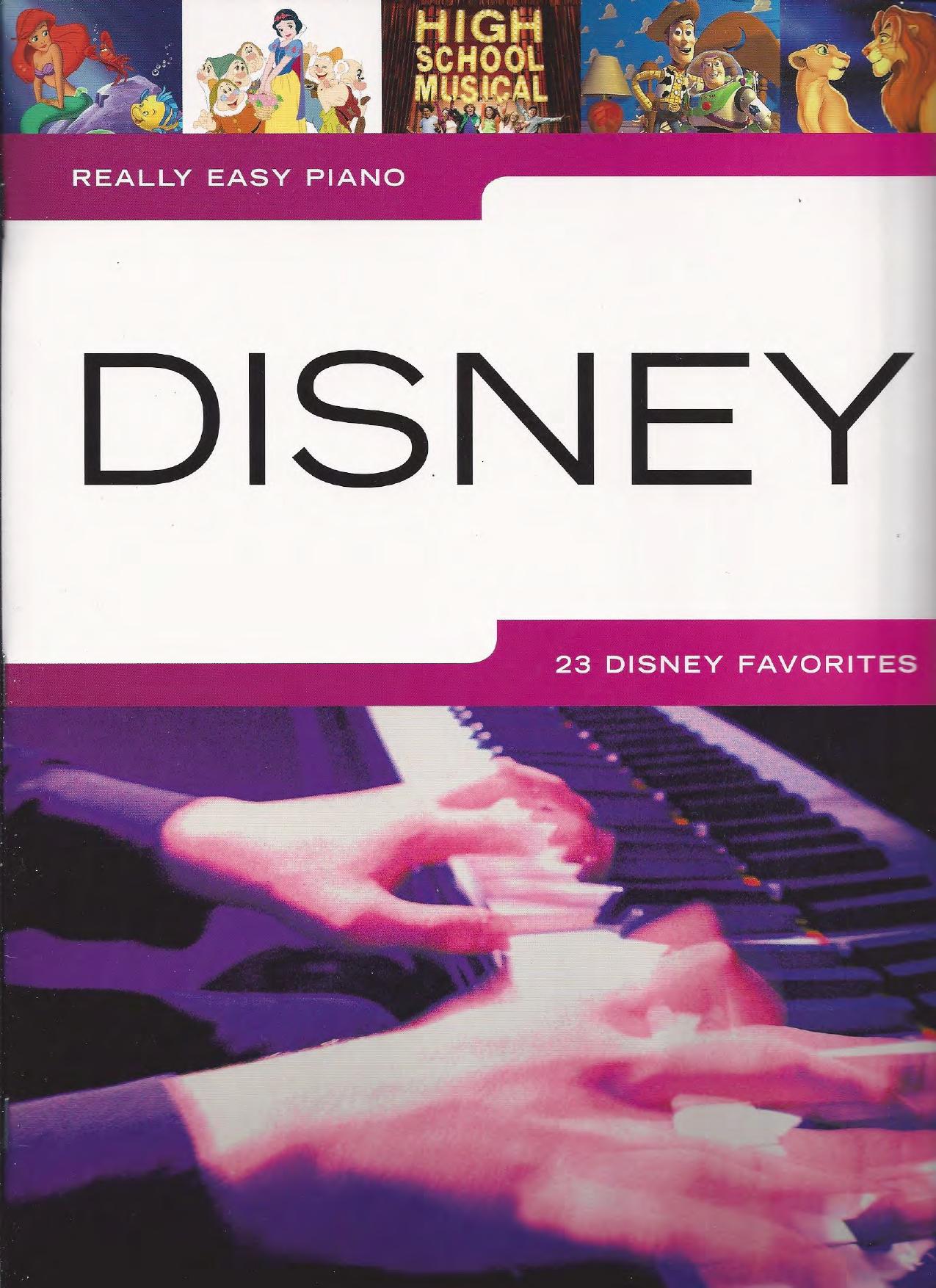
- Pop and Rock: The late 80s onward saw pop-rock production values infiltrate the scores. The High School Musical franchise and Camp Rock, while made for Disney Channel, influenced the teen pop sound; the crossover with contemporary pop remains essential for radio play.
VII. Legacy and Unceasing Influence
Why is Disney music still so influential today? The answer lies in multiple interlocking legacies.
Emotional Imprinting and Nostalgia: The music of childhood is neurologically sticky. Millions associate “A Whole New World” with first wonders, “Circle of Life” with existential awe. This nostalgia is constantly renewed as each generation of parents plays soundtracks for their children, an inheritance loop that sustains cultural dominance.
The Template for Animated Storytelling: The Disney formula—a score-driven emotional journey, clearly delineated song spots, the “I Want” number, the 11 o’clock showstopper—became the default language for animated musicals worldwide. DreamWorks’ The Prince of Egypt (Stephen Schwartz again), Laika’s Coraline, and modern Netflix animations all build on this structure. Even non-musical animated films often use pop soundtracking in a “Disneyesque” manner to externalize inner monologue.
The Broadway Pipeline: The stage adaptations of Disney films—Beauty and the Beast, The Lion King (Julie Taymor’s visionary triumph, still running globally), Aladdin, Frozen, Newsies—created a new genre of mega-musical, making Disney the most dominant force on Broadway this century. These shows often expand the original scores, adding new songs that feed back into the film legacy.
Pixar’s Emotional Score: While Pixar initially rejected characters breaking into song, the studio internalized Disney’s fundamental lesson: music must carry the emotional weight. Michael Giacchino’s Up opening montage, scored with a simple waltz theme that modulates through hope and heartbreak, is as profoundly effective as any lyrical ballad. Randy Newman’s score for Toy Story 2’s “When She Loved Me” sequence (sung by Sarah McLachlan) is a direct descendant of the Disney tragedy ballad. Coco’s “Remember Me” provides the emotional and narrative keystone, functioning exactly as a classic Disney song—a tender lullaby that transforms into a triumphant finale. Pixar absorbed Disney’s DNA and expressed it through score rather than diegetic song, proving the method’s versatility.
Theme Parks and Immersion: Disney music reaches beyond screens into physical space. Visitors to Disney parks are bathed in an algorithmic “soundtrack” of orchestral suites, atmospheric loops, and ride melodies. This continuous sonic branding reinforces emotional attachment and functions as a global, multigenerational ritual.
The TikTok Revolution and Streaming: “We Don’t Talk About Bruno” topped the Billboard Hot 100 for five weeks in 2022, driven by TikTok covers, dance challenges, and lyrical dissection. “Surface Pressure” became an anthem for elder-daughter syndrome. The modern streaming ecosystem allows Disney songs to be deconstructed, memeified, and propagated far beyond the theater, engaging audiences who may not even have seen the film. This viral life extends the songs’ cultural half-life indefinitely.
Music Education and Choirs: Disney sheet music is ubiquitous in school music programs. The ballads teach phrasing and breath support; the production numbers teach harmony. The “Disney Sing-Along” home video series from the 1990s cemented participatory engagement.
VIII. Documentaries: The Stories Behind the Spell
Several documentaries have peeled back the curtain on this musical legacy:
- “Waking Sleeping Beauty” (2009): Director Don Hahn chronicles the turbulent Renaissance era (1984–1994), documenting the rise of Ashman, Menken, and the existential battles that birthed Little Mermaid, Beauty, Aladdin, and Lion King.
- “Howard” (2018): An aching, intimate portrait of Howard Ashman’s life, love, and creative process, revealing how his struggle with AIDS infused the urgency and depth into Little Mermaid and Beauty and the Beast.
- “The Boys: The Sherman Brothers’ Story” (2009): An exploration of the creative and often difficult fraternal partnership that produced the quintessential Disney songbook.
- “Into the Unknown: Making Frozen 2” (2020): A six-episode docuseries showcasing the pressure-cooker creative process, including songwriting sessions with the Lopezes as they struggle to find Elsa’s anthem (“Show Yourself”).
- “The Making of The Little Mermaid,” “The Making of Beauty and the Beast”: Vintage behind-the-scenes TV specials capturing the recording sessions with Jodi Benson, Angela Lansbury, and the animators inspired by vocal performances.
- “The Sweatbox” (2002, rarely screened): Documents Sting’s work on Kingdom of the Sun, which morphed into The Emperor’s New Groove, revealing how a film’s musical identity can be lost in development hell.
These documentaries reveal a fundamental truth: Disney music is born of friction, deep feeling, and exhaustive craft.
IX. Discography and Most Known Works: A Selective Catalog
Essential Original Soundtracks (Animated Canon):
- Snow White and the Seven Dwarfs (1937) – First feature-length soundtrack ever issued.
- Pinocchio (1940) – “When You Wish Upon a Star” becomes the company anthem.
- Cinderella (1950) – Signature romantic ballads.
- Mary Poppins (1964) – A double album’s worth of genius; Sherman Brothers at peak.
- The Jungle Book (1967) – Jazz-inflected fun.
- The Little Mermaid (1989) – Beginning of the Renaissance.
- Beauty and the Beast (1991) – First animated film nominated for Best Picture; score and song Oscars.
- Aladdin (1992) – Menken/Rice pop and patter.
- The Lion King (1994) – Elton John/Tim Rice, plus Hans Zimmer’s majestic score.
- Pocahontas (1995) – Menken/Schwartz’s “Colors of the Wind.”
- The Hunchback of Notre Dame (1996) – The most operatic Disney score.
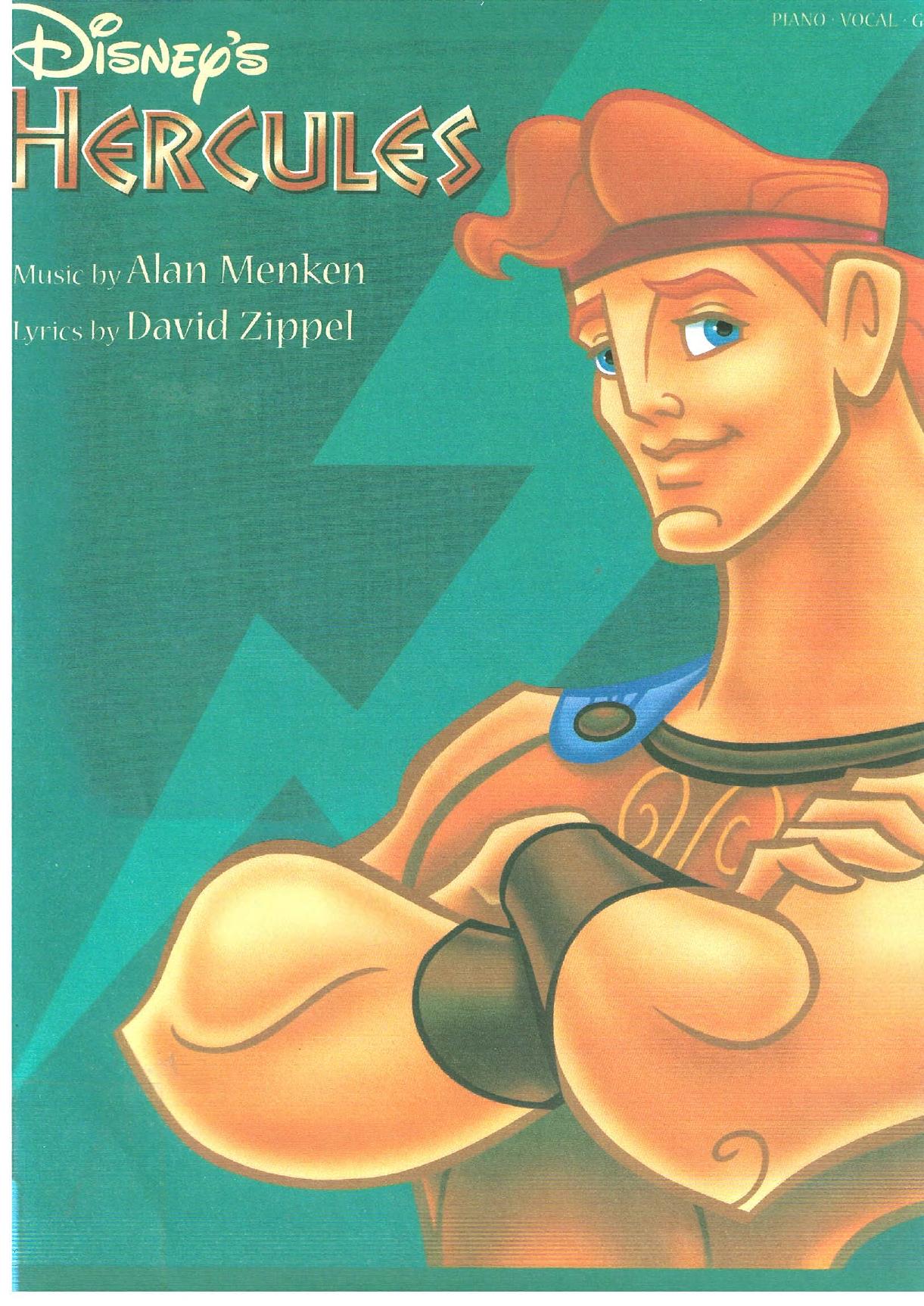
- Hercules (1997) – Gospel- and R&B-inflected Menken/Zippel.
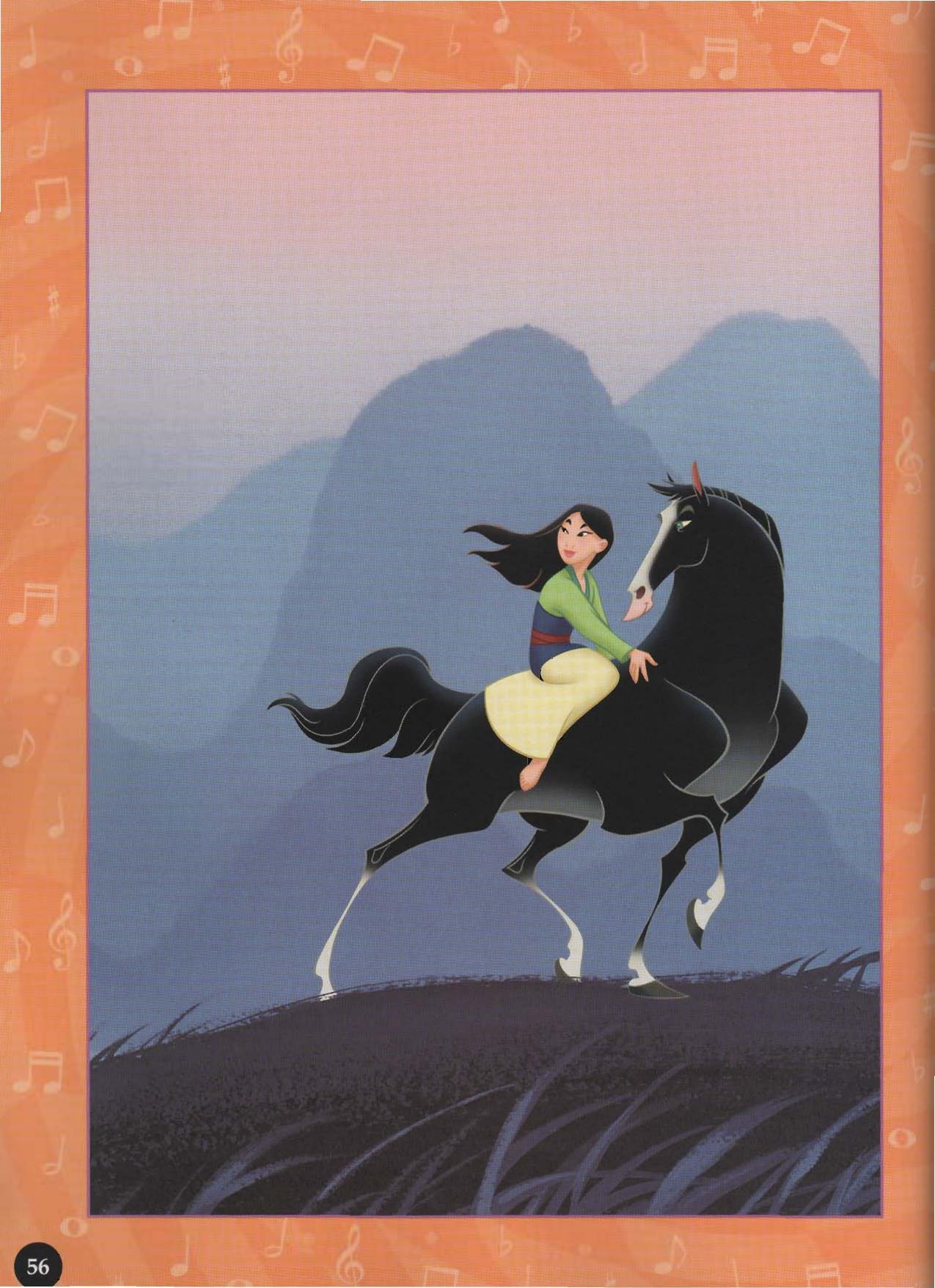
- Mulan (1998) – Jerry Goldsmith score, Wilder/Zippel songs.
- Tarzan (1999) – Phil Collins pop score.
- The Princess and the Frog (2009) – Randy Newman returns to hand-drawn.
- Tangled (2010) – Menken/Slater re-establishes the fairy tale musical.
- Frozen (2013) – Global phenomenon.
- Moana (2016) – Miranda/Mancina/Foa’i.
- Encanto (2021) – Miranda’s Latin-pop ensemble.
Pixar Soundtracks of Note:
- Toy Story trilogy (Randy Newman)
- Up (Michael Giacchino) – Oscar-winning score.
- Coco (2017) – Germaine Franco, Giacchino, and song team.
Compilation Albums:
- Classic Disney: 60 Years of Musical Magic (5 volumes)
- Disney’s Greatest Hits series
- The Legacy Collection reissues with original artwork and demos
X. Prominent Songs and Performances That Shaped Culture
- “When You Wish Upon a Star” (Pinocchio) – Cliff Edwards’ plaintive tenor. Became the Disney brand’s audio logo.
- “Part of Your World” – Jodi Benson’s adolescent yearning, a definitive “I Want” that redefined the Disney princess’s inner life.
- “Beauty and the Beast” – Angela Lansbury as Mrs. Potts; recorded as a demo in one take, the quiver in her voice lending immortality to the waltz.
- “A Whole New World” – Brad Kane and Lea Salonga’s sweeping duet, an Oscar-winning cultural touchstone parodied and revered.
- “Circle of Life” – The opening Zulu wail by Lebo M, followed by Carmen Twillie’s mighty gospel-inflected belt, a cinematic epiphany.
- “Let It Go” – Idina Menzel’s roof-raising delivery and the iconic ice-palace transformation, an anthem of self-acceptance and liberation.
- “We Don’t Talk About Bruno” – A ensemble earworm that defied traditional structure to become an unexpected chart-topper.
- “Hellfire” – Tony Jay’s volcanic bass-baritone, a stunning exploration of religious guilt.
Disney Music: Why the Spell Endures
Disney music persists because it functions as a shared emotional language that transcends generations, borders, and genres. Its chord progressions wire themselves into our neural architecture at exactly the moment our hearts are most open—childhood. The studio’s collaborative process, melding composers, lyricists, performers, and animators, yields a holistic union of sight and sound rarely matched. The Ashman-Menken revolution proved that “cartoon” music could have the psychological depth of adult theater; the pop incorporations of Elton John and Lin-Manuel Miranda keep the sound contemporary; the global collaborations promise ever-expanding diversity.
Pixar, once the silent musical theater of the heart through score alone, has now embraced song, and the entire animation industry dances to the beat Disney established. Whether in a living room where a toddler belted “Let It Go” for the thousandth time, a TikTok choreographed to “Encanto,” or a Broadway theater witnessing the Pride Lands come alive, the music carries forward Walt’s simple, radical belief: animation and melody together can make us feel the truest things. As Jiminy Cricket still promises, if you wish upon a star, the music makes no difference who you are—it brings your heart’s desire into harmony. And that eternal, harmonic magic is why Disney’s music will never fade.
Browse in the Sheet Music Library:
Or browse in the categories menus & download the Library Catalog PDF: