
Scores for all instruments: 16,000+ (active and growing), over 236,000 pages.
All genres and levels: Jazz & Blues, Rock & Pop, Classical & Contemporary, Film & Musicals;
books & biographies; methods, études, play-along tracks (MP3) for Jazz & Rock.
Access & benefits: US$15.99 one-time payment, valid for lifetime, full Library access.
Table of Contents
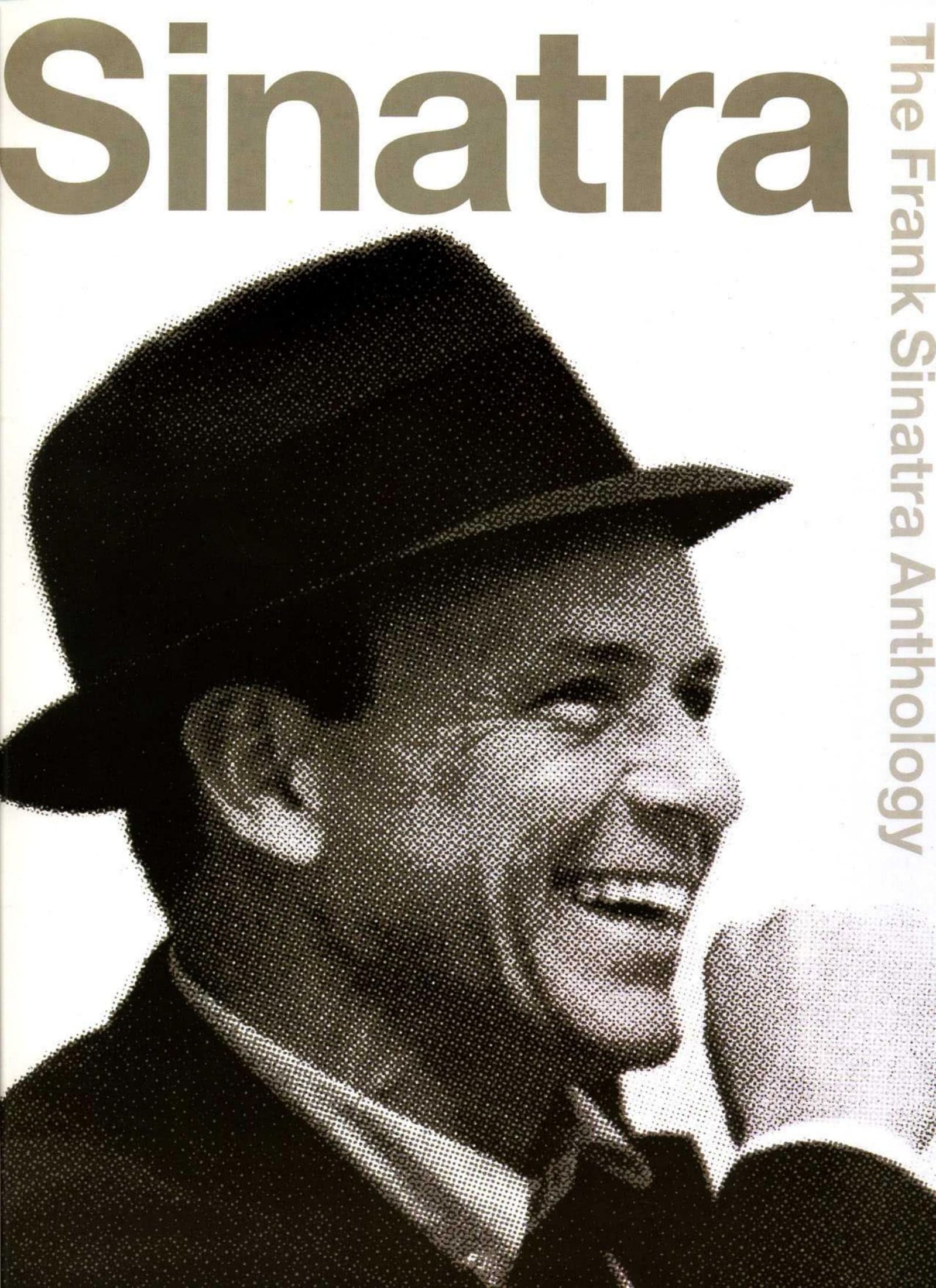
Who was Frank Sinatra?
Frank Sinatra - My Way | Live from The Main Event at Madison Square Garden (1974)
Frank Sinatra: The Voice of a Century – An Exhaustive Study
Few figures in popular culture have achieved the level of cultural saturation and enduring artistic respect commanded by Frank Sinatra. He was not merely a singer but a phenomenon; a force of nature who defined mid-century American cool, redefined the art of popular singing, and built an empire on the sheer force of his will. For over five decades, he was the "Chairman of the Board," a sobriquet that perfectly captured his dominance over the music industry, his meticulous control over his art, and his larger-than-life persona. To examine Sinatra is to examine the very fabric of 20th-century entertainment, from the swing era of the 1940s to the twilight of the Great American Songbook.
The best sheet music download from our Library.
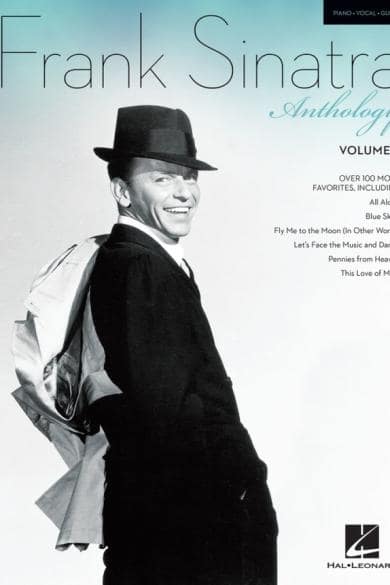
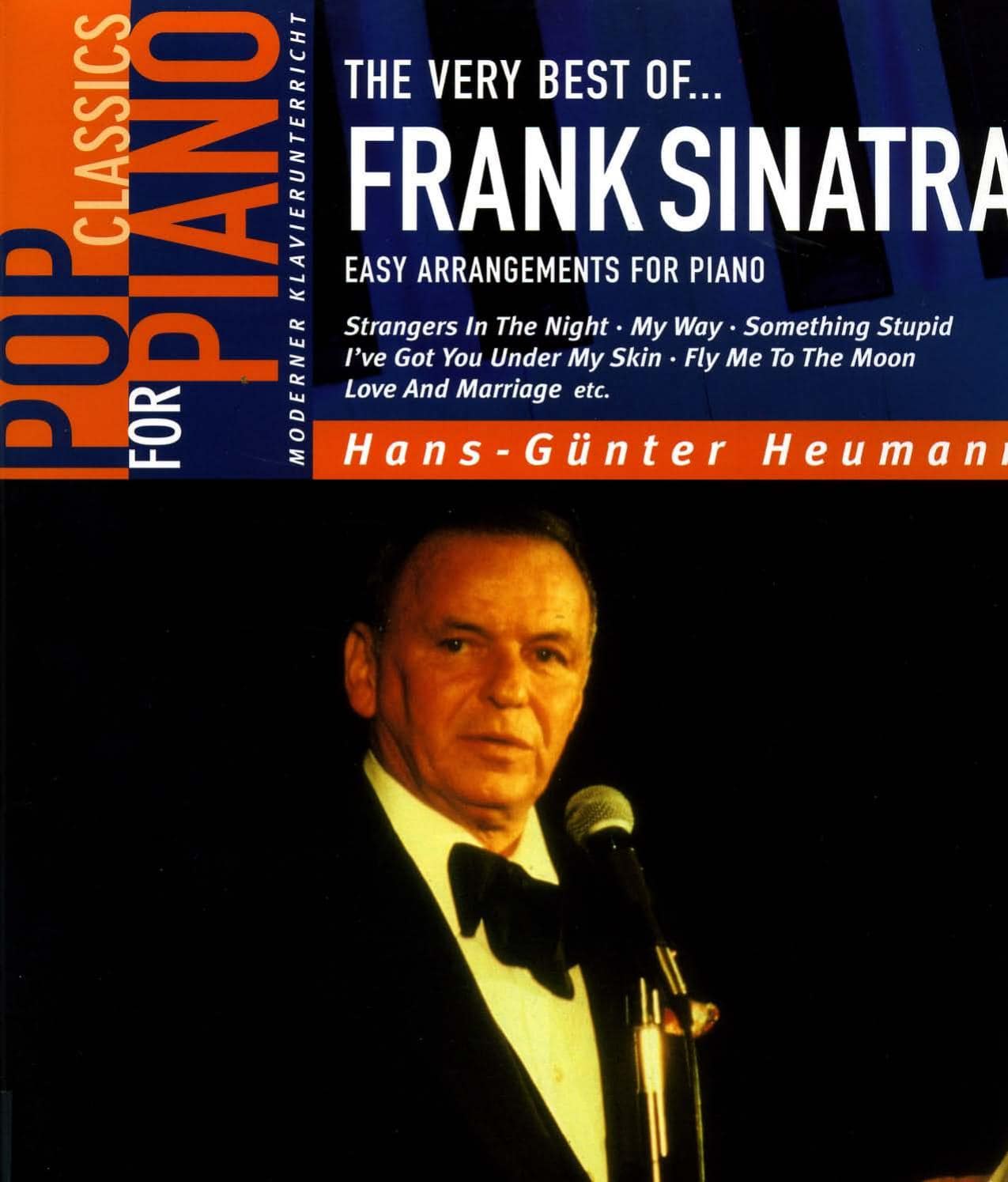

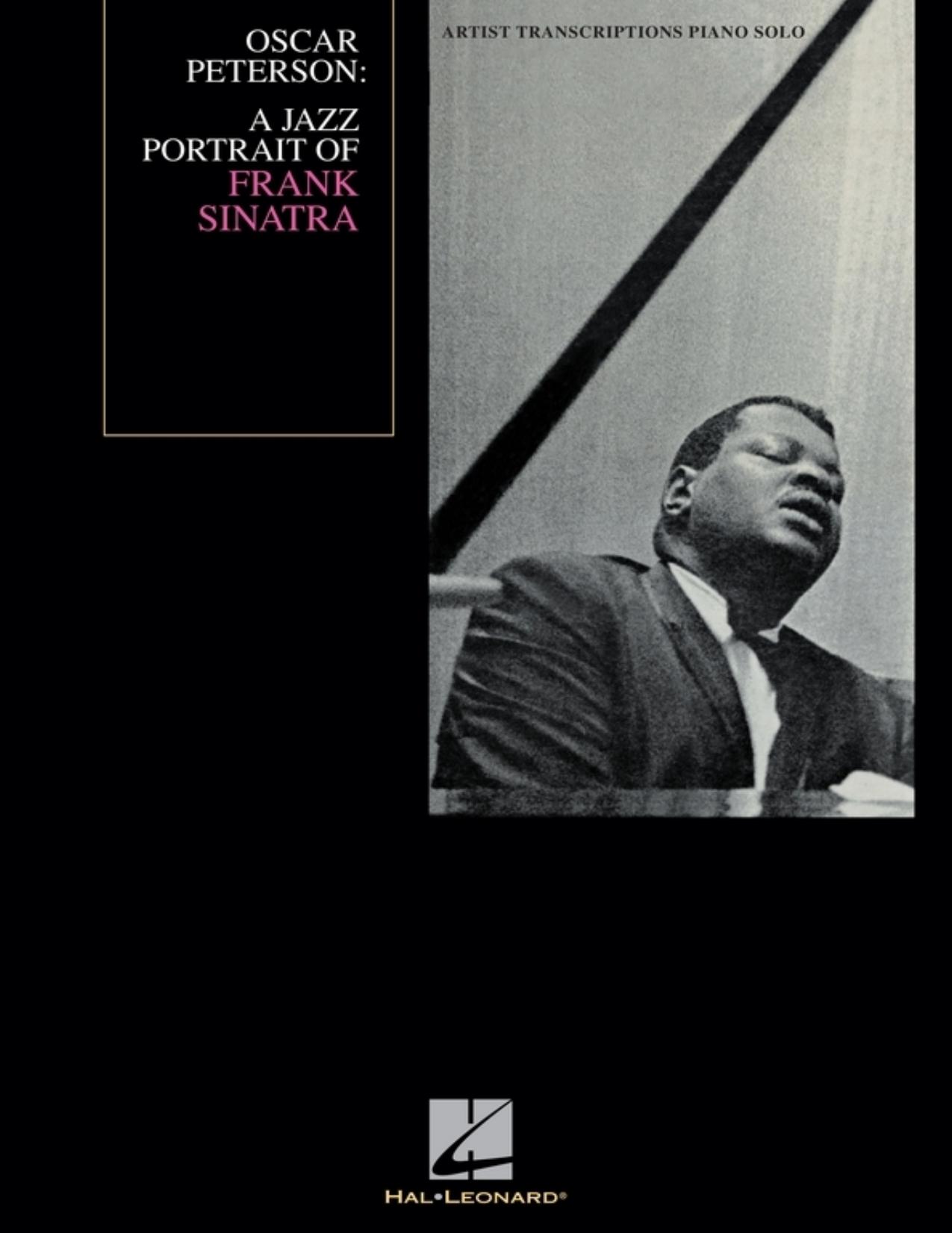
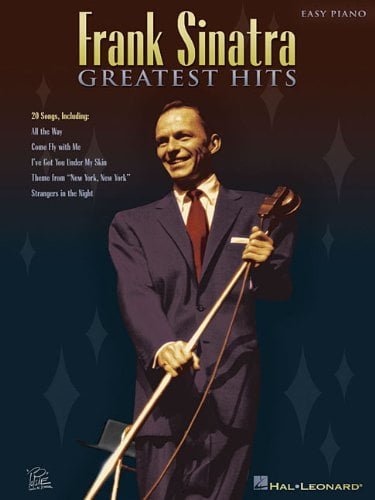
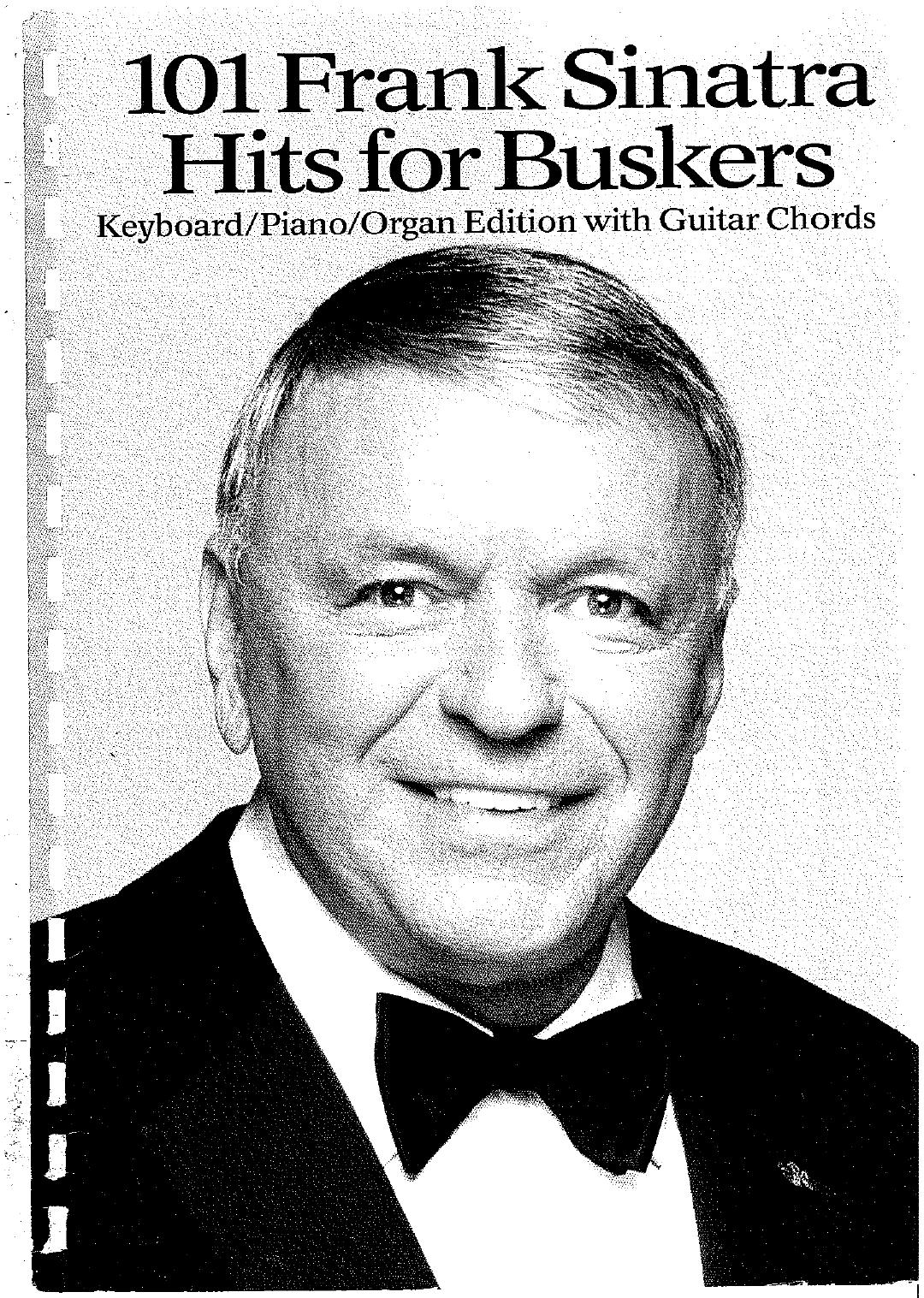
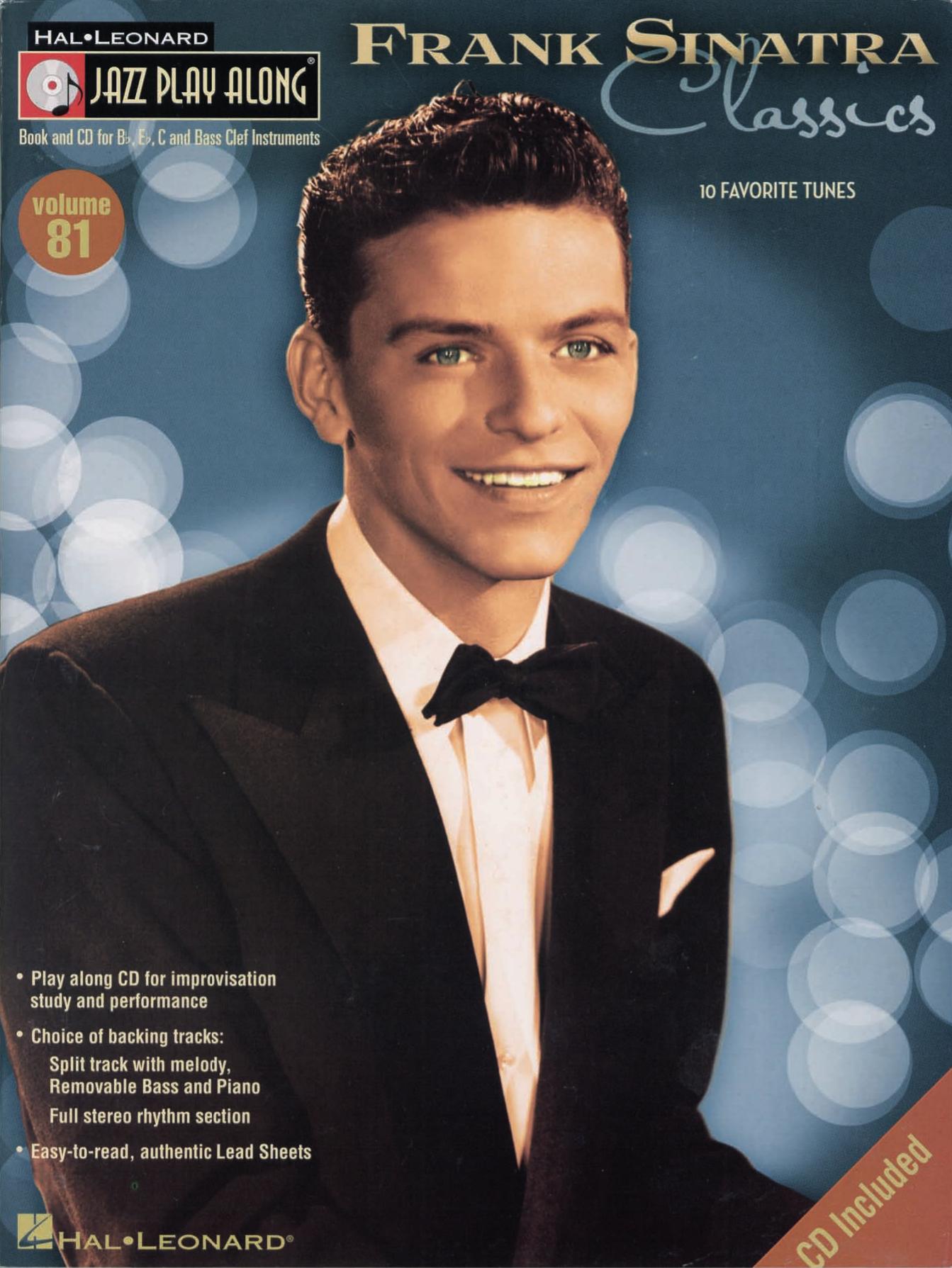
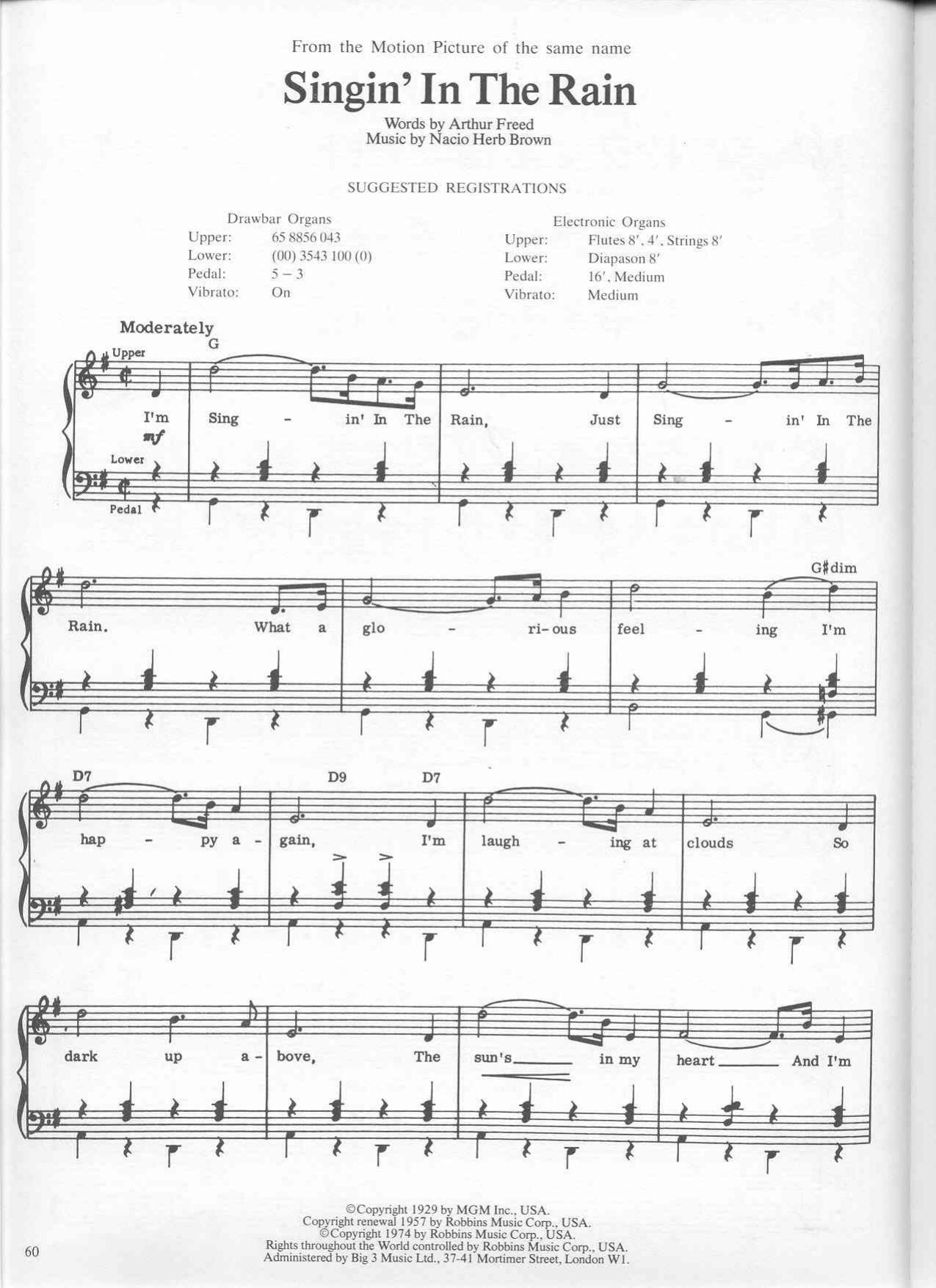
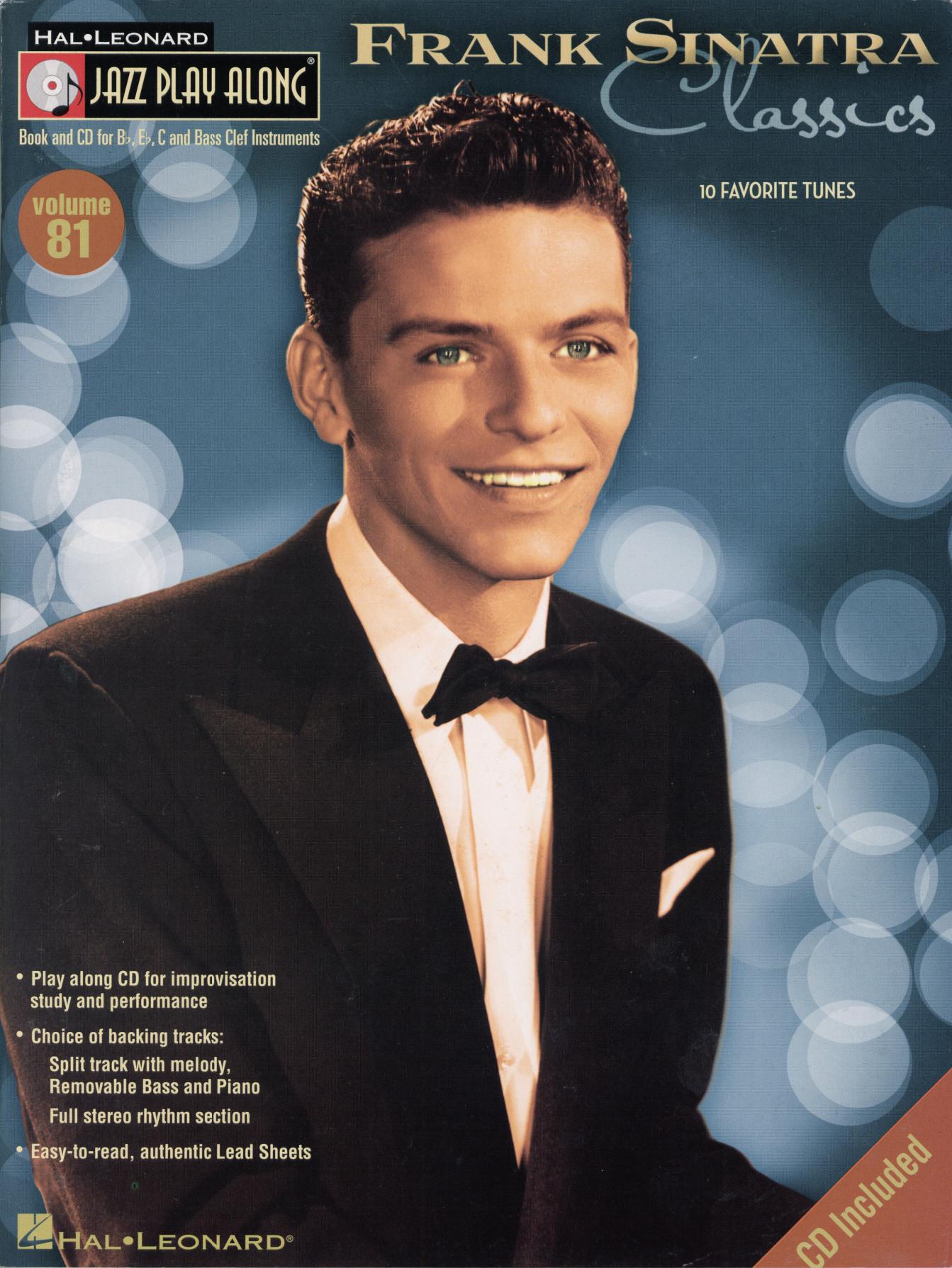
Please, subscribe to our Sheet Music Library.
The Making of an Icon: Biography
A Hoboken Upbringing
Francis Albert Sinatra was born on December 12, 1915, in a humble tenement at 415 Monroe Street in Hoboken, New Jersey . He was the only child of Italian immigrants, Antonino Martino "Marty" Sinatra, a bantamweight boxer and firefighter, and Natalina "Dolly" Garaventa, a forceful, ambitious woman who became a pivotal influence in his life . Dolly was a local political power broker and, according to multiple biographers, ran an illegal abortion service, a fact that speaks to her formidable and pragmatic character . His birth was traumatic; he weighed nearly 14 pounds and had to be delivered with forceps, causing severe scarring to his face and a perforated eardrum that plagued him for life . His grandmother famously resuscitated him by running him under cold water .
This early struggle was a harbinger of a life defined by a relentless drive to overcome obstacles. Sinatra grew up in a tough neighborhood, but his mother’s influence and her ability to provide for him meant he was often the "best-dressed kid in the neighborhood" . Despite his mother's ambitions for him, Sinatra was a rebellious student. He left high school without graduating, expelled after only 47 days for "general rowdiness" . However, he was always drawn to music, idolizing Bing Crosby and listening to big band jazz . He began singing for tips in local nightclubs and bars, honing his craft as an autodidact; he never learned to read music, relying instead on his extraordinary ear and instinct.
Search your favorite sheet music in the Sheet Music Library Catalog
The Rise of a Star
Sinatra's big break came in 1935 when he joined a local singing group, the 3 Flashes, which soon became the "Hoboken Four" . They won a talent contest on the Major Bowes Amateur Hour, and for the first time, Sinatra tasted national exposure . After struggling through the late 1930s, working as a singing waiter at The Rustic Cabin in New Jersey, he was signed by trumpeter Harry James in 1939 . Though his recordings with James, such as "All or Nothing at All," didn't sell well initially, they caught the attention of one of the era's most prominent bandleaders, Tommy Dorsey .
Joining the Tommy Dorsey Orchestra in 1940 was the turning point. Dorsey, a master trombonist, taught Sinatra the importance of breath control and phrasing, famously advising him to "breathe from the diaphragm" and think of his voice as an instrument . Sinatra absorbed this lesson, learning to hold a note with seemingly superhuman breath support, a technique that would define his vocal style. During the war years, his solo career, under contract with Columbia Records, exploded. He became the idol of the "bobby soxers," millions of teenage girls who swooned at his appearances, most famously at the Paramount Theatre in New York in 1942. This was the era of "The Voice," a time of incredible, screaming adulation .
However, success brought turbulence. His first marriage to his childhood sweetheart, Nancy Barbato, began to crumble as his fame and infidelities grew. By the late 1940s, his voice was suffering from a hemorrhage, his affair with the tempestuous Ava Gardner was in full swing, and his record sales had plummeted . The "bobby soxers" grew up, and a new generation was turning to a new sound. His career was in a tailspin.
The Phoenix Rises: The Legend is Forged
The early 1950s were a bleak period. Sinatra was written off as a has-been, his contract with Columbia was not renewed, and his marriage to Gardner was a public and private disaster. In a desperate gambit to resuscitate his acting career, he pleaded for the role of the doomed private, Angelo Maggio, in From Here to Eternity (1953), offering to work for scale . His performance was a revelation. He won the Academy Award for Best Supporting Actor, and the film's success signaled his spectacular comeback .
This resurrection was the launchpad for Sinatra’s greatest artistic period. He signed with Capitol Records in 1953, a move that would forever change the landscape of popular music . No longer a teen idol, he emerged as a mature artist with a darker, more powerful baritone and a world-weary emotional depth. His work with arrangers Nelson Riddle, Billy May, and Gordon Jenkins resulted in a series of albums that are the gold standard of the vocalist's art. He had not only come back; he had been reborn as the undisputed "Chairman of the Board."
In 1961, Sinatra, always a maverick, founded his own record label, Reprise Records, to gain total artistic and financial control . He continued to release great music, including his groundbreaking collaborations with jazz legends Count Basie and Duke Ellington, and the bossa nova masterpiece with Antônio Carlos Jobim . He also deepened his "Rat Pack" persona with friends like Dean Martin and Sammy Davis Jr., performing and partying in Las Vegas, becoming the unofficial mayor of a city built on mid-century glamour and vice. While his music in the late 1960s and 70s became more commercially driven, he still delivered iconic hits, including the career-defining "My Way" in 1969 and the enduring anthem "Theme from New York, New York" in 1980 . He performed until 1995 and died of a heart attack on May 14, 1998, at the age of 82 .
The Art of the Song: Musical Analysis
Early Influences and Vocal Technique
Sinatra's style was a culmination of various influences, with Bing Crosby being the most significant . Crosby introduced an intimate, conversational style to popular singing, a radical departure from the belting style of the vaudeville era. Sinatra learned from this, taking the intimacy to new heights. But where Crosby was relaxed and unflappable, Sinatra was emotionally direct and intense.
His time with Tommy Dorsey was crucial . The trombone's legato phrasing and its ability to sustain a note without a break became the model for his vocal technique. He developed remarkable breath control, allowing him to hold long, sweeping phrases that made his singing feel unprecedentedly legato and fluid. As critic Robert Christgau noted, his breath control "evoked both operatic bel canto and Dorsey's trombone, fueling the long phrases that made his singing so magically conversational" .
The Essence of His Artistry: Phrasing and Interpretation
Above all else, Sinatra was a master interpreter. He treated a song as a miniature drama, and he was both the lead actor and the director. His primary focus was the lyric. He studied a song's lyrics until he understood its emotional core and narrative arc, then sculpted his performance around the meaning of the words .
One of his most defining hallmarks was his complex, conversational phrasing. He would often place a note just a fraction of a second before or after the beat, creating a sense of rhythmic tension and release that made the song feel alive and spontaneous . He deconstructed the melody, shifting its emphasis to suit the natural cadence of the words. This is evident in his masterful recording of "One for My Baby," where he stretches out words, employs a "delicious downward glissando," and creates a profoundly lonely, late-night atmosphere . He was not just singing the notes; he was telling a story, and the rhythm and melody were his tools to do so.
His harmonic approach was intelligent and emotional. Often, he would introduce "blue notes"—flatted thirds or sevenths—that imbued a phrase with melancholy or soul . He was not afraid to change a song's melody to create a more powerful emotional effect. Musicologist Alec Wilder, a rigorous analyst, famously noted that Sinatra's recordings of Gershwin's "I've Got a Crush on You" permanently altered his perception of the song, as Sinatra's changed notes were "better than the original ones" . This ability to "improve" upon the work of the great songwriters was a testament to his immense musicality.
The "Concept Album" and the Power of the Arranger
Sinatra is often credited with inventing the "concept album"—an LP where all the songs are curated to explore a single theme or mood . In the Wee Small Hours (1955) is the definitive example, a masterwork of late-night loneliness and romantic despair . This concept was built not just by the song selection but through the symbiotic relationship between Sinatra and his arrangers.
His collaborations with Nelson Riddle are legendary . Riddle had an instinctive sense of how to frame Sinatra's voice. He would use a "dominant solo instrument," like a mournful trombone, to act as a second voice in a duet of sorrow . For his uptempo work, Riddle developed a "heartbeat rhythm"—a steady, slightly slower-than-usual pulse meant to emulate "the pulse rate of the human heart after a brisk walk" . This gave Sinatra's swing numbers a powerful, grounded feeling, distinct from the frantic speed of a typical big band chart. Billy May's arrangements were more zany and exuberant, perfect for albums like Come Fly With Me, while Gordon Jenkins' lush string arrangements created a backdrop of poignant melancholy . Sinatra, a notorious perfectionist, chose his arrangers as carefully as he chose his material, using their talents to construct the perfect world for his voice to inhabit .
The Works: A Comprehensive Overview
Discography and Key Albums
Sinatra's discography is vast and multifaceted, spanning over five decades. While a complete list is too extensive, the following represent critical milestones:
The Columbia Years (1943-1952):
- The Voice of Frank Sinatra (1946): His debut album, showcasing the young idol.
- Songs by Sinatra (1947): An early compilation of singles.
- Christmas Songs by Sinatra (1948): A perennial classic.
The Capitol Years (1953-1960): This is considered his artistic peak.
- Songs for Young Lovers (1954) & Swing Easy! (1954): His first albums with Nelson Riddle, signifying his rebirth.
- In the Wee Small Hours (1955): The first great "concept album" of loneliness and despair.
- Songs for Swingin' Lovers! (1956): The quintessential upbeat swing album, featuring the definitive "I've Got You Under My Skin."
- A Swingin' Affair! (1957): Continues the winning swing formula.
- Where Are You? (1957): The first of his masterful collaborations with Gordon Jenkins.
- Come Fly With Me (1958): His first album with Billy May, a travel-themed classic.
- Only the Lonely (1958): A profound return to the depressive balladry of In the Wee Small Hours.
- Come Dance with Me! (1959): Another upbeat collaboration with Billy May, earning him a Grammy Award.
- No One Cares (1959): The final part of his "loneliness trilogy" with Gordon Jenkins.
The Reprise Years (1961-1981):
- Ring-a-Ding-Ding! (1961): His first album on his own label, full of high-energy swing.
- Sinatra-Basie: An Historic Musical First (1962) & It Might as Well Be Swing (1964): Powerful collaborations with the Count Basie Orchestra.
- September of My Years (1965): A reflective, career-capping masterpiece as he turned 50.
- Sinatra at the Sands (1966): A brilliant live album recorded with Basie at the Copa Room.
- Francis Albert Sinatra & Antônio Carlos Jobim (1967): A sublime, understated bossa nova record.
- Francis A. & Edward K. (1968): His only album with Duke Ellington.
- My Way (1969): The album that introduced his signature song.
- Ol' Blue Eyes Is Back (1973): The comeback album from his first retirement.
- Trilogy: Past, Present & Future (1980): An ambitious but uneven concept album containing "New York, New York."
Most Known Compositions and Recordings
Sinatra's signature songs are woven into the fabric of American culture. They include:
- "My Way": A song he famously disliked but became his personal anthem, a statement of defiance and self-determination .
- "I've Got You Under My Skin": His masterpiece with Nelson Riddle, a perfect union of vocal phrasing, arrangement, and raw excitement.
- "Theme from New York, New York": His second, more triumphant comeback anthem.
- "Strangers in the Night": A pop hit that garnered his first number-one single in over a decade.
- "One for My Baby (and One More for the Road)": The ultimate "saloon song," a masterclass in dramatic, world-weary singing .
- "Fly Me to the Moon": An indelible, swinging interpretation.
- "That's Life": A defiant anthem of resilience in the face of failure, a perfect late-period statement .
- "All the Way": A classic, Oscar-winning ballad from his film The Joker Is Wild.
- "New York, New York": A cover that became so definitively his own that it superseded Liza Minnelli's original.
Film, Television, and Documentaries
Sinatra was a formidable actor, winning an Oscar at a time when pop stars in films were often dismissed . Key films include Anchors Aweigh (1945), On the Town (1949), From Here to Eternity (1953), The Man with the Golden Arm (1955), Guys and Dolls (1955), Pal Joey (1957), and the classic thriller The Manchurian Candidate (1962) . His many film appearances also spawned a large catalog of film songs, compiled on albums like Screen Sinatra .
His music has remained a staple in films and television long after his death, often used to evoke a specific era or state of mind, from The Joker (2019) using "That's Life" to countless other films using his standards .
He was also the subject of numerous documentaries, including the seminal 1965 TV special Frank Sinatra: A Man and His Music, which won an Emmy and served as a definitive portrait of his career at its peak .
Legacy and Influence
The Great American Songbook and Modern Music
Sinatra is the single most important interpreter of the Great American Songbook. His recorded legacy is the primary vehicle through which the works of Gershwin, Porter, Berlin, Rodgers, and Hammerstein were transmitted to later generations. He transformed these Tin Pan Alley songs from simple pop tunes into enduring works of art, cementing them as the "American classics" .
His influence is immeasurable. He mentored or inspired a generation of singers, from Tony Bennett to the young Barbra Streisand. His approach to phrasing and storytelling can be heard in everyone from jazz singers to contemporary pop vocalists. His work set a standard for vocal performance that is the basis of the American popular singing tradition. While he was dismissive of rock 'n' roll, he inadvertently influenced its biggest stars; his rebellious attitude and swagger found a parallel in Elvis Presley, whom he later befriended . In 2009, U2's Bono wrote liner notes for a reissue of the My Way album, demonstrating his cross-generational appeal .
Modern Interpretations, Covers, and Famous Performers
The vast majority of Sinatra's standards have been covered extensively. "My Way" alone has been recorded by everyone from Elvis Presley to Sid Vicious, whose punk cover completely subverts the song's original intent while proving its cultural power. "That's Life" has been covered by David Lee Roth (who had a rock hit with it) and was powerfully featured in the film Joker . Rock and pop artists like Frank Ocean and Michael Bublé have cited him as an influence, and his music is frequently sampled in hip-hop as a signifier of sophistication and resilience . Lady Gaga performed a version of "That's Life" for the trailer of the Joker sequel, continuing the song's cinematic legacy .
Final Years and Lasting Impact
Sinatra's final years were marked by sporadic touring and a slowing of his output. He performed his last show in 1995 at the age of 79, his voice a weathered echo of its former glory, but his interpretive power remained. He passed away in 1998, leaving behind an artistic empire . He was a recipient of the Kennedy Center Honors (1983), the Presidential Medal of Freedom (1985), and the Congressional Gold Medal (1997) . He won eleven Grammy Awards, including the Grammy Legend and Lifetime Achievement Awards .
Frank Sinatra's story is one of transcendence. He was a flawed and complex man, but his artistry was absolute. He took the popular song and elevated it to a high art, achieving a level of emotional expression, technical mastery, and personal charisma that remains the benchmark for popular singers to this day. He didn't just sing; he defined an era and created an enduring, iconic blueprint for how to live, love, and perform "My Way."
Browse in the Sheet Music Library:
Or browse in the categories menus & download the Library Catalog PDF:
Selected discography
Main articles: Frank Sinatra discography and List of songs recorded by Frank Sinatra
Studio albums
- The Voice of Frank Sinatra (1946)
- Songs by Sinatra (1947)
- Christmas Songs by Sinatra (1948)
- Frankly Sentimental (1949)
- Dedicated to You (1950)
- Sing and Dance with Frank Sinatra (1950)
- Songs for Young Lovers (1954)
- Swing Easy! (1954)
- In the Wee Small Hours (1955)
- Songs for Swingin' Lovers! (1956)
- This Is Sinatra! (1956)
- Close to You (1957)
- A Swingin' Affair! (1957)
- Where Are You? (1957)
- A Jolly Christmas from Frank Sinatra (1957)
- Come Fly with Me (1958)
- Frank Sinatra Sings for Only the Lonely (1958)
- Come Dance with Me! (1959)
- No One Cares (1959)
- This Is Sinatra Volume 2 (1959)
- Nice 'n' Easy (1960)
- Sinatra's Swingin' Session!!! (1961)
- Ring-a-Ding-Ding! (1961)
- Come Swing with Me! (1961)
- Swing Along With Me (1961)
- I Remember Tommy (1961)
- Sinatra and Strings (1962)
- Point of No Return (1962)
- Sinatra and Swingin' Brass (1962)
- All Alone (1962)
- Sinatra Sings Great Songs from Great Britain (1962)
- The Concert Sinatra (1963)
- Sinatra's Sinatra (1963)
- Sinatra Sings Days of Wine and Roses, Moon River, and Other Academy Award Winners (1964)
- Softly, as I Leave You (1964)
- September of My Years (1965)
- My Kind of Broadway (1965)
- A Man and His Music (1965)
- Sinatra '65: The Singer Today (1965)
- Moonlight Sinatra (1966)
- Strangers in the Night (1966)
- That's Life (1966)
- The World We Knew (1967)
- Cycles (1968)
- My Way (1969)
- A Man Alone (1969)
- Watertown (1970)
- Ol' Blue Eyes Is Back (1973)
- Some Nice Things I've Missed (1974)
- Trilogy: Past Present Future (1980)
- She Shot Me Down (1981)
- L.A. Is My Lady (1984)
- Duets (1993)
- Duets II (1994)
Collaboration albums
- Sinatra–Basie: An Historic Musical First with Count Basie (1962)
- America, I Hear You Singing with Bing Crosby and Fred Waring (1964)
- It Might as Well Be Swing with Count Basie (1964)
- 12 Songs of Christmas with Bing Crosby and Fred Waring (1964)
- Francis Albert Sinatra & Antonio Carlos Jobim with Antonio Carlos Jobim (1967)
- Francis A. & Edward K. with Duke Ellington (1968)
- The Sinatra Family Wish You a Merry Christmas with Frank Sinatra Jr., Nancy Sinatra and Tina Sinatra (1968)
- Sinatra & Company with Antonio Carlos Jobim (1971)