Scores for all instruments: 16,000+ (active and growing), over 236,000 pages.
All genres and levels: Jazz & Blues, Rock & Pop, Classical & Contemporary, Film & Musicals;
books & biographies; methods, études, play-along tracks (MP3) for Jazz & Rock.
Access & benefits: US$15.99 one-time payment, valid for lifetime, full Library access.
Table of Contents
Who was Frank Zappa?
Frank Zappa - Live in Barcelona 1988 (Full Show
Track List: 00:00:12 Black Page Spanish Intro 00:01:50 The Black Page ( New Age Version ) 00:08:37 Packard Goose I 00:11:35 Royal March from L`Historie du Soldat ( Igor Stravinsky ) 00:12:30 Theme from The Bartok Piano Concierto ( Bela Bartok ) 00:14:00 Packard Goose II 00:16:05 Sharleena 00:22:40 Bamboozled By Love 00:28:00 Black Napkins 00:34:18 When The Lie's So Big 00:37:55 Planet Of The Baritone Women 00:40:37 Any Kind Of Pain 00:45:53 Jesus Thinks You're A Jerk 00:53:23 Sofa 00:56:02 Find Her Finer 00:58:41 Big Swifty 01:10:29 I Ain't Got No Heart 01:12:25 Love Of My Life 01:14:41 The Torture Never Stops Medley ( inc. Theme from "Bonanza" and Lonesome Cowboy Burt ) 01:32:40 Bolero ( Maurice Ravel ) 01:38:05 Watermelon In Easter Hay 01:42:47 Whipping Post 01:48:17 I Am The Walrus 01:51:48 The Illinois Enema Bandit 02:01:20 Strictly Genteel
Personnel: Frank Zappa – sintetizador, guitarra, teclados, voz Ike Willis – sintetizador, guitarra, guitarra rítmica, voz Scott Thunes – sintetizador, bajo, voz, minimoog Bobby Martin – teclados, saxofón, voz Chad Wackerman – batería, voz, percusión Ed Mann – percusión, marimba, vibráfono, percusión Mike Keneally – sintetizador, guitarra, guitarra rítmica, voz Bruce Fowler – trombón Walt Fowler – sintetizador, trompeta, fliscorno Kurt McGettrick – saxofón, saxofón barítono, clarinete Albert Wing – saxofón tenor Paul Carman – saxofón alto, saxofón barítono, saxofón soprano
Frank Zappa: A Comprehensive Exploration of a Musical Iconoclast
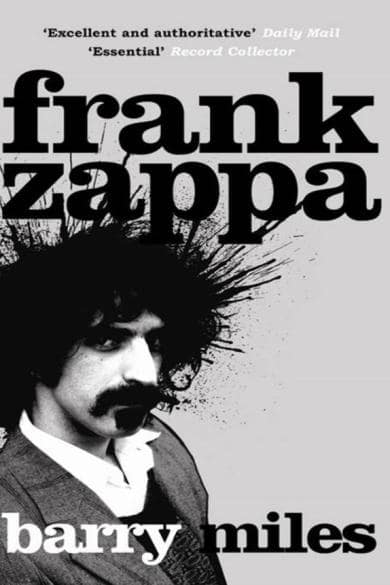
Frank Zappa (December 21, 1940 – December 4, 1993) was one of the most singular and prolific figures in 20th-century music, a composer, guitarist, bandleader, and satirist whose work defied easy categorization. He was, as one profile aptly describes, a figure who "demolished the barriers and hierarchies separating 'high' and 'low' culture" . Over a career spanning more than 30 years, he released over 60 albums, composing music that spanned rock, jazz, classical, avant-garde, and beyond. His work was unified by a "conceptual continuity" he termed "Project/Object," where musical phrases, ideas, and characters reappeared across his vast catalog.
Search your favorite sheet music in the Sheet Music Library Catalog


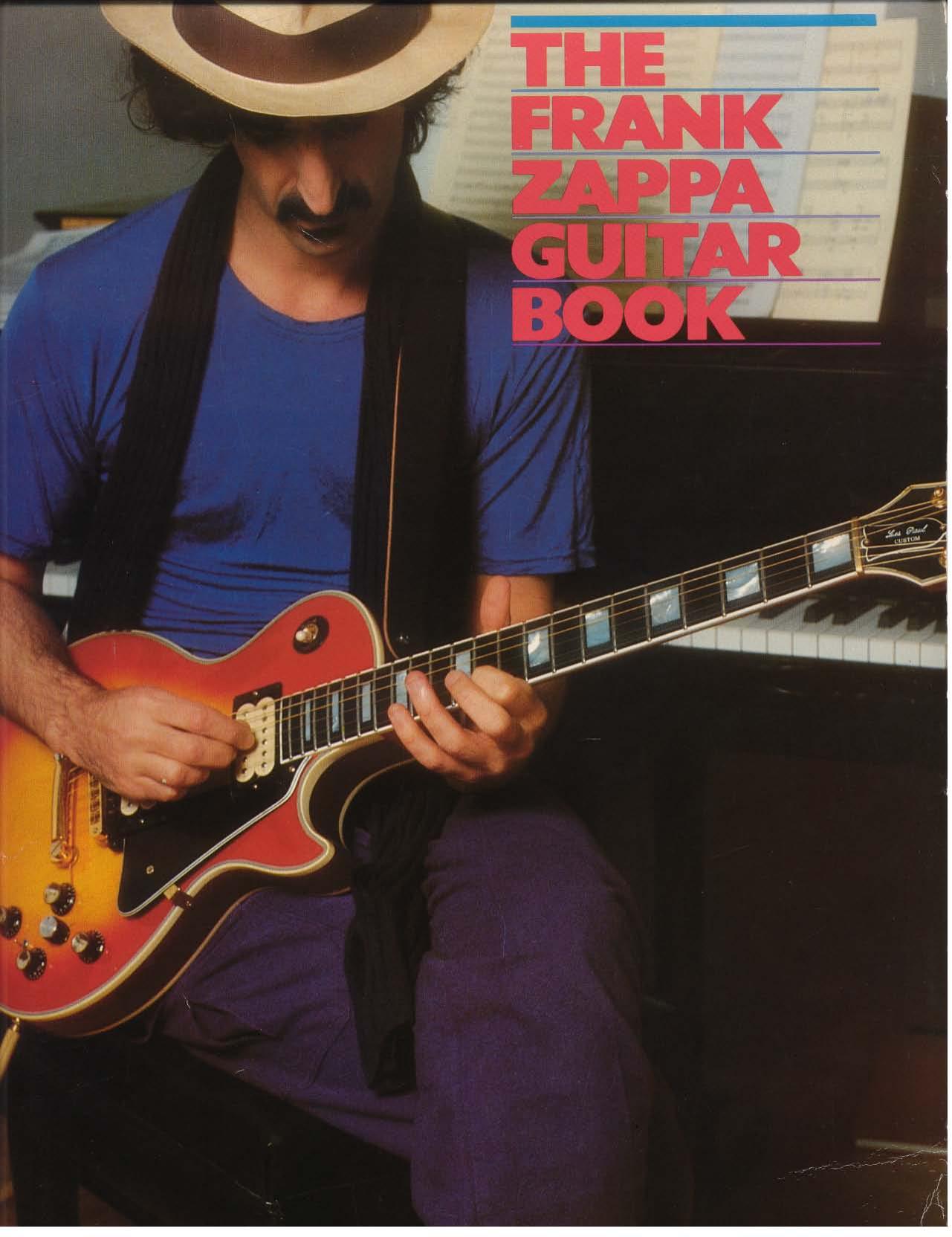
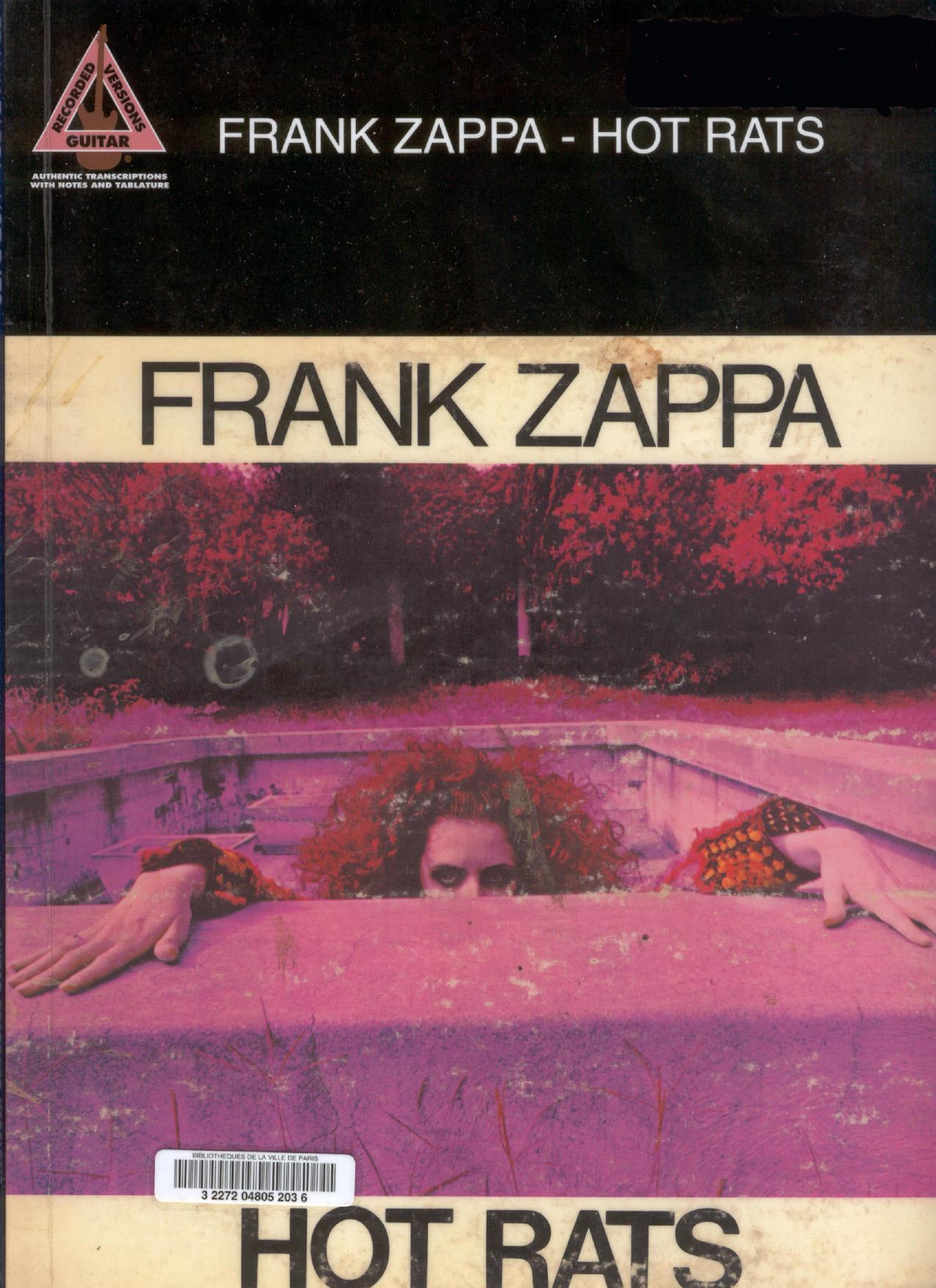
Please, subscribe to our Sheet Music Library. Sheet music should be accessible and affordable for all musicians, from professionals to absolute beginners.
Biography: A Life of Nonconformity
Frank Vincent Zappa was born in Baltimore, Maryland, to a Sicilian immigrant father and a mother of French and Italian descent . His childhood was peripatetic, as his family moved frequently due to his father's work as a meteorologist for the military, with stints in Florida and various towns in Southern California, including Monterey, Claremont, and El Cajon . This transient upbringing and exposure to diverse cultures may have contributed to his eclectic worldview.
From an early age, Zappa demonstrated a deep and eclectic interest in music. He was initially a drummer in rhythm-and-blues bands but soon switched to electric guitar, an instrument with which he would become inextricably linked and on which he became one of the premier improvisers of his generation . His musical education was largely self-taught, driven by an insatiable curiosity. While in high school, he began writing classical music and was profoundly influenced by the avant-garde compositions of Igor Stravinsky and Edgard Varèse . Simultaneously, he was enamored with the raw energy of Chicago blues (Muddy Waters, Guitar Slim), doo-wop (The Penguins, The Five Satins), and R&B . This duality—a love for complex, "serious" music and the visceral power of American popular forms—would define his entire career.
The best sheet music download from our Library.
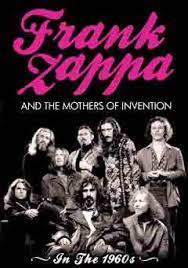
In 1964, Zappa was invited to join a local band called the Soul Giants, which was soon renamed the Mothers. After signing with Verve Records in 1966, the group became the Mothers of Invention . Though he would later drop the "of Invention" appendage, this group served as his primary vehicle for much of the 1960s and 1970s . Zappa remained fiercely independent, gaining control of his recordings and releasing them through his own labels while also touring internationally . He married Gail Sloatman, with whom he had four children: Moon Unit, Dweezil, Ahmet, and Diva, all of whom became artists themselves . Zappa's life was cut short by prostate cancer at the age of 52 . His legacy, however, has only grown, with his music and uncompromising artistic integrity continuing to inspire new generations.
Music Style: A Genre Unto Itself
To categorize Zappa's music is to miss the point entirely. He was a musical polymath who refused to be boxed in, creating a hybrid style that was uniquely his own. His primary vehicle, the rock and roll band, was used to create music that "bordered on jazz and complicated, modern serious music" .
Zappa's style was characterized by an almost obsessive eclecticism. He could incorporate R&B grooves, jazz fusion, hard rock, comedy rock, progressive rock, art rock, experimental music, avant-garde classical composition, chamber music, musique concrète, and later, complex computer music . His albums are a testament to this diversity. His work with the original Mothers of Invention often served as a parody of popular music and the counterculture . Albums like Freak Out! (1966) and We're Only in It for the Money (1968) blended satirical rock songs with extended sound collages that challenged the listener's expectations .
Instrumentally, Zappa was a virtuoso guitarist. His soloing was distinctive, often angular and dissonant, yet capable of breathtaking lyricism. He was also a demanding bandleader, a perfectionist who insisted on the highest levels of musicianship and exacting tuning from his performers, famously using Peterson strobe tuners to ensure precision . This attention to detail extended to his studio work, where he was an innovative producer who used high-speed editing techniques that predated hip-hop's sample-based production .
Relationship with Other Artists: A Web of Collaborations and Influences
Zappa's relationships with other artists were as complex and varied as his music. He was a "first-rate cultural gadfly" who satirized both the political establishment and the counterculture he was often associated with, openly scorning hippies and drug use despite affecting long hair and jeans .
His most famous collaboration was with his childhood friend, the blues singer Captain Beefheart (Don Van Vliet), with whom he had a long and tumultuous relationship. Their partnership yielded the album Bongo Fury (1975), but their creative and personal connection stretched back decades .
Zappa worked with numerous other prominent musicians and ensembles. He directed the Mothers in performances and recordings that featured the Royal Philharmonic Orchestra, with appearances from Ringo Starr and Keith Moon on the film and soundtrack 200 Motels (1971) . He also collaborated with jazz violinist Jean-Luc Ponty and shared stages with bands like Deep Purple, an encounter that famously led to the writing of "Smoke on the Water" after the Montreux Casino burned down during a Zappa concert .
His role as a mentor is also significant. He hired and fostered the talents of numerous virtuoso musicians who passed through his bands, including guitarists Steve Vai and Mike Keneally, keyboardists George Duke and Ian Underwood, and percussionist Ruth Underwood. These artists would go on to have influential careers of their own, often citing their time with Zappa as formative.
Chord Progressions and Music Harmony: The "Impossible" Made Music
Zappa's harmonic language was a central part of his unique sound. He seamlessly blended the vernacular of blues and rock with the advanced harmonic techniques of 20th-century classical music. His music is characterized by sudden and unexpected shifts in key, complex chord voicings, and the use of dissonance that would be jarring in a conventional pop song but is integral to his compositions.
This is evident even in a cursory analysis of his chord progressions. For instance, the song "Yo Cats," from the album FZ Meets the Mothers of Prevention, features a series of chord changes that are anything but standard. The progression, which begins with a relatively straightforward |F Dmi | Bb Gmi |, quickly veers into the unexpected, moving to a |Db | | Db C | B D G | E | section. The song is described as having "subjective chords because the progressions are implied by the melody only," with no "clear chord parts" being played . This indicates a compositional approach where harmony serves the melody, even if it defies conventional harmonic progression.
A more extreme example of his use of dissonance is the instrumental piece "The Black Page," which became notorious for its rhythmic complexity, earning it the nickname "The Black Page" for its intimidating, densely notated sheet music . While a purely rhythmic exercise, its performance requires an ensemble capable of navigating the most dissonant and challenging harmonic territory. Zappa's willingness to explore this territory, however, set him apart, earning him comparisons to composers like Edgard Varèse and Igor Stravinsky, who similarly shattered harmonic conventions .
Influences: A Tapestry of High and Low Art
Zappa's influences were as diverse as his output. On the one hand, he was a devoted student of the avant-garde classical tradition, citing Edgard Varèse, Igor Stravinsky, Anton Webern, and Béla Bartók as key influences . He was particularly inspired by Varèse's use of "organized sound," which informed his own work with musique concrète and sound collages .
On the other hand, Zappa had a profound love for American popular music. He was deeply influenced by the raw blues of Guitar Slim and Howlin' Wolf, the vocal harmonies of doo-wop groups like The Penguins and The Five Satins, and the sophisticated R&B of Johnny "Guitar" Watson .
In terms of his persona and lyrical content, Zappa was heir to a provocative literary and comedic tradition. He shared the iconoclastic spirit of Beat poets like Allen Ginsberg and the edgy, confrontational comedy of Lenny Bruce . This blend of high modernist composition and lowbrow humor, intellectual rigor, and scatological satire, made him a singular figure in the history of popular culture.
Legacy: A Defender of Freedom and a Composer's Composer
Zappa's legacy is multifaceted. He is remembered not only for his music but also for his fierce advocacy for freedom of expression. In the 1980s, he became a vocal opponent of music censorship, famously testifying before the U.S. Congress against the Parents' Music Resource Center (PMRC) and its proposal for warning labels on records . He considered his political activism a part of his creative effort, even editing his testimony into one of his albums .
His influence on musicians is immense. He is posthumously enshrined in the Rock and Roll Hall of Fame (1995) and received a Grammy Lifetime Achievement Award (1997) . He remains a major influence on generations of musicians who admire his fearless experimentation and technical mastery. His recording We're Only in It for the Money was added to the U.S. Library of Congress's National Recording Registry in 2005, a testament to its cultural significance .
Zappa's global legacy is also unique. He was a cultural hero in Czechoslovakia, where his music was once banned. After the Velvet Revolution, his commitment to individual freedom won him the admiration of President Václav Havel, who named him a special ambassador to the West on trade, culture, and tourism . While the appointment was retracted under pressure from U.S. officials, it underscored the profound political impact of his art.
Major Works, Discography, and Film
Zappa's discography is colossal. He released more than 60 albums during his lifetime, and his estate has continued to release archival recordings, bringing the total to over 130 albums . Some of his most acclaimed works include:
- Freak Out! (1966): A landmark double album debut that established the Mothers of Invention as a force of musical and social satire .
- We're Only in It for the Money (1968): A savage parody of hippie culture and a response to the Beatles' Sgt. Pepper's Lonely Hearts Club Band, the cover of which it famously parodied .
- Hot Rats (1969): Zappa's first solo album and a hugely influential jazz-rock fusion record, featuring the track "Peaches en Regalia" .
- 200 Motels (1971): A surrealist film and soundtrack album co-directed by Zappa and Tony Palmer. The film was one of the first to be shot on videotape and transferred to film .
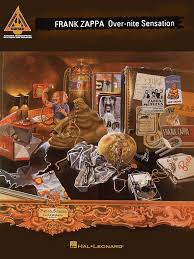
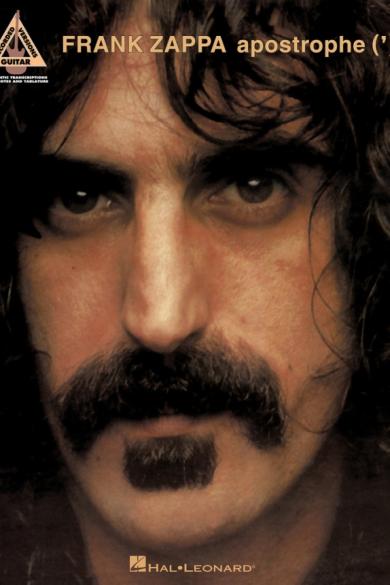
- Over-Nite Sensation (1973) and Apostrophe (') (1974): A pair of commercially successful and critically acclaimed albums that showcased his band's virtuosity and his humor .
- Joe's Garage (1979): A sprawling rock opera about a dystopian future where music is illegal, a concept reflecting his concerns about censorship .
- The Yellow Shark (1993): His final major project, a live album recorded with the Ensemble Modern in Germany, showcasing his "serious" orchestral music, was released just months before his death .
Works on Film and Documentaries
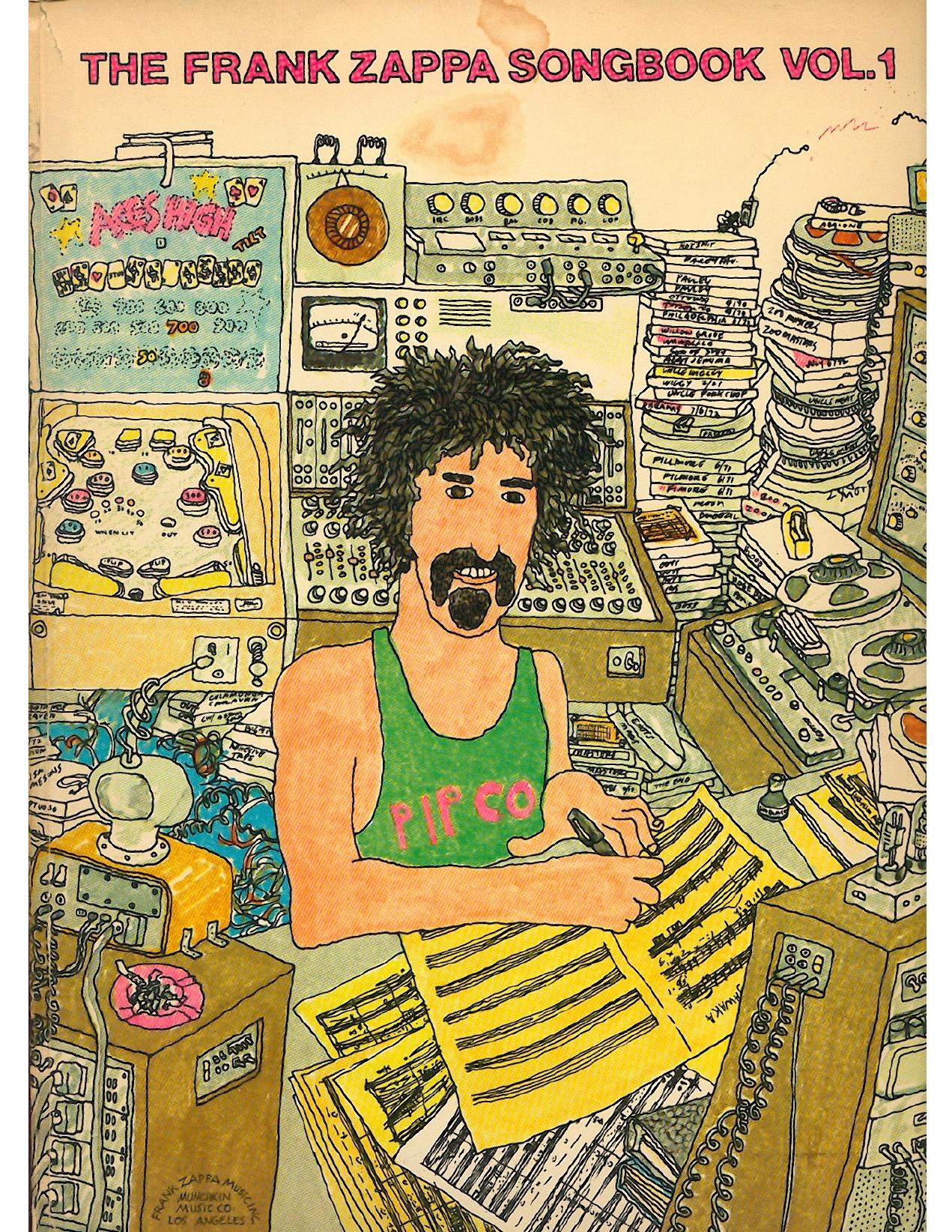
Zappa's relationship with film was a long one. He directed and co-directed 200 Motels and also created Baby Snakes (1979), a concert film that featured clay animation by Bruce Bickford. He also designed his own album covers .
More recently, his life has been explored in two major documentaries:
- Eat That Question: Frank Zappa in His Own Words (2016): A documentary compiled entirely from archival interviews and performances, with no narrator, focusing on his own perspective .
- Zappa (2020): An exhaustive documentary directed by Alex Winter, made with "unfettered access to the Zappa Vault" and his archives. It features appearances by his widow Gail and numerous musical collaborators like Steve Vai, Mike Keneally, and Ruth Underwood. The film was praised for its complexity and for honoring Zappa's legacy without falling into hagiography . The film's 5-LP soundtrack box set includes previously unreleased recordings from across his career, from Freak Out! to The Yellow Shark .
His music has also been featured in numerous films and television shows, with over 40 song placements, a testament to his lasting cultural footprint .
Most Known Compositions and Performances
Discography
Main article: Frank Zappa discography
During his lifetime, Zappa released 62 albums. Since 1994, the Zappa Family Trust has released 73 posthumous albums, making a total of 135 albums. The distributor of Zappa's recorded output is Universal Music Enterprises. In June 2022, the Zappa Trust announced that it had sold Zappa's entire catalog to Universal Music, including master tapes, song copyrights and trademarks.
Among his most famous and frequently cited compositions are:
- "Peaches en Regalia": An instrumental jazz-fusion classic from Hot Rats.
- "Don't Eat the Yellow Snow": A humorous narrative piece from Apostrophe (').
- "Valley Girl": A satirical pop hit from 1982 that featured his daughter Moon Unit and parodied the speech patterns of San Fernando Valley teenagers. It became one of his few mainstream hits, receiving a Grammy nomination .
- "The Black Page": An infamous instrumental piece famous for its rhythmic complexity.
- "Watermelon in Easter Hay": A hauntingly beautiful guitar solo from Joe's Garage .
His live performances were legendary, often featuring jaw-dropping technical displays of virtuosity alongside theatrical and sometimes misogynistic sketches and humor . His 1971 performance at the Montreux Casino in Switzerland, which was interrupted by a fire, is one such legendary event, memorialized by Deep Purple in their song "Smoke on the Water" .
Frank Zappa's importance to music cannot be overstated. He was a composer who challenged the very definition of popular music, a performer of incredible technical skill, a satirist of unparalleled wit, and a tireless defender of artistic freedom. He was, as one source claims, a "one-of-a-kind genius" and a "god of gods," whose influence continues to resonate across the musical landscape .
Browse in the Sheet Music Library:
Or browse in the categories menus & download the Library Catalog PDF: