Scores for all instruments: 16,000+ (active and growing), over 236,000 pages.
All genres and levels: Jazz & Blues, Rock & Pop, Classical & Contemporary, Film & Musicals;
books & biographies; methods, études, play-along tracks (MP3) for Jazz & Rock.
Access & benefits: US$15.99 one-time payment, valid for lifetime, full Library access.
Table of Contents
Who was Genesis?
Genesis - Firth Of Fifth
Genesis: From Prog Architects to Pop Titans – An Exhaustive Exploration
Genesis stands as one of the most successful and musically diverse British bands of all time. Formed in 1967, their journey from progressive rock pioneers to global pop phenomenon represents one of the most remarkable transformations in popular music . With approximately 150 million albums sold worldwide, Genesis ranks among the highest-selling recording artists in history, their legacy spanning five decades of continuous evolution .
The band's story is one of constant reinvention—from the theatrical, classically-influenced epics of the early 1970s to the chart-topping pop anthems of the 1980s and beyond. Yet throughout these changes, the core musical identity forged by keyboardist Tony Banks and bassist/guitarist Mike Rutherford remained a consistent thread, creating a distinctive sound that influenced generations of musicians.
Search your favorite sheet music in the Sheet Music Library Catalog
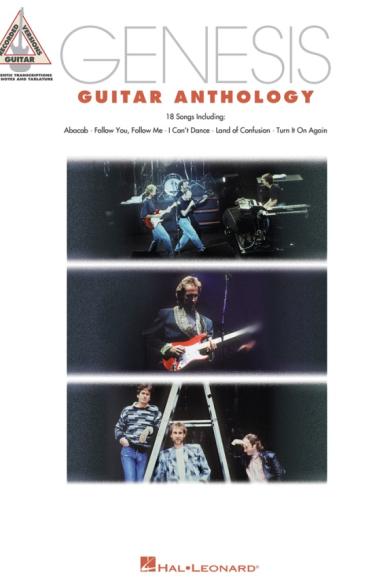
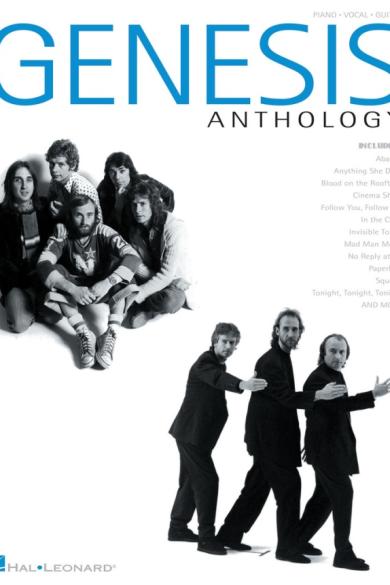
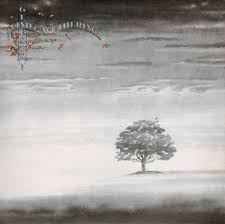
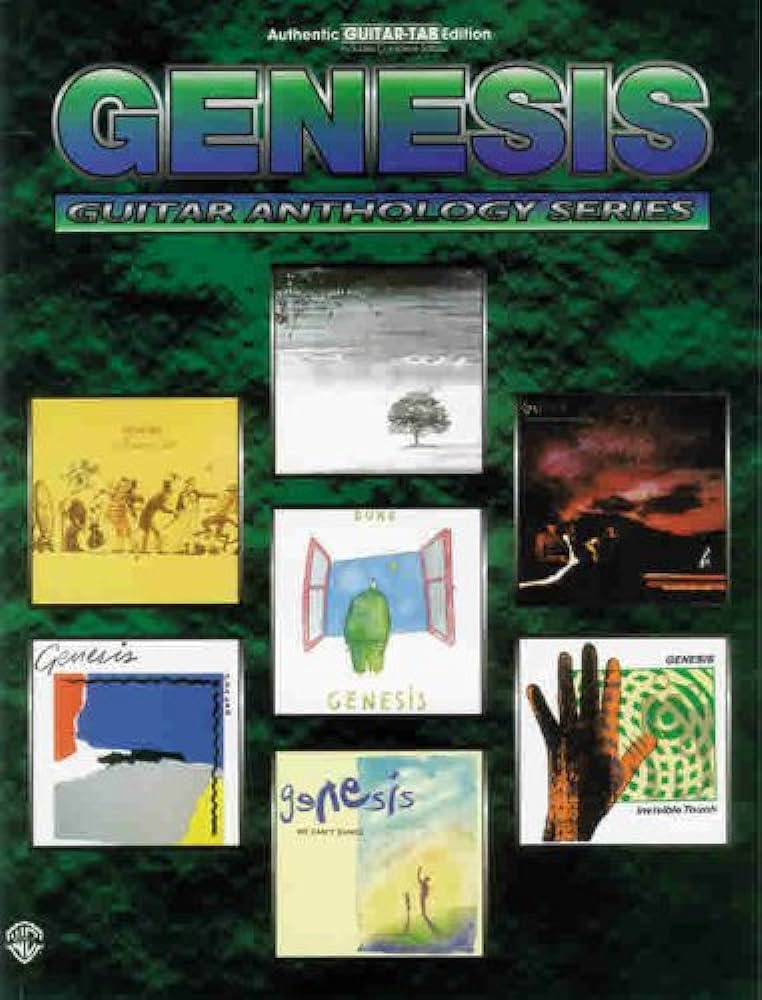
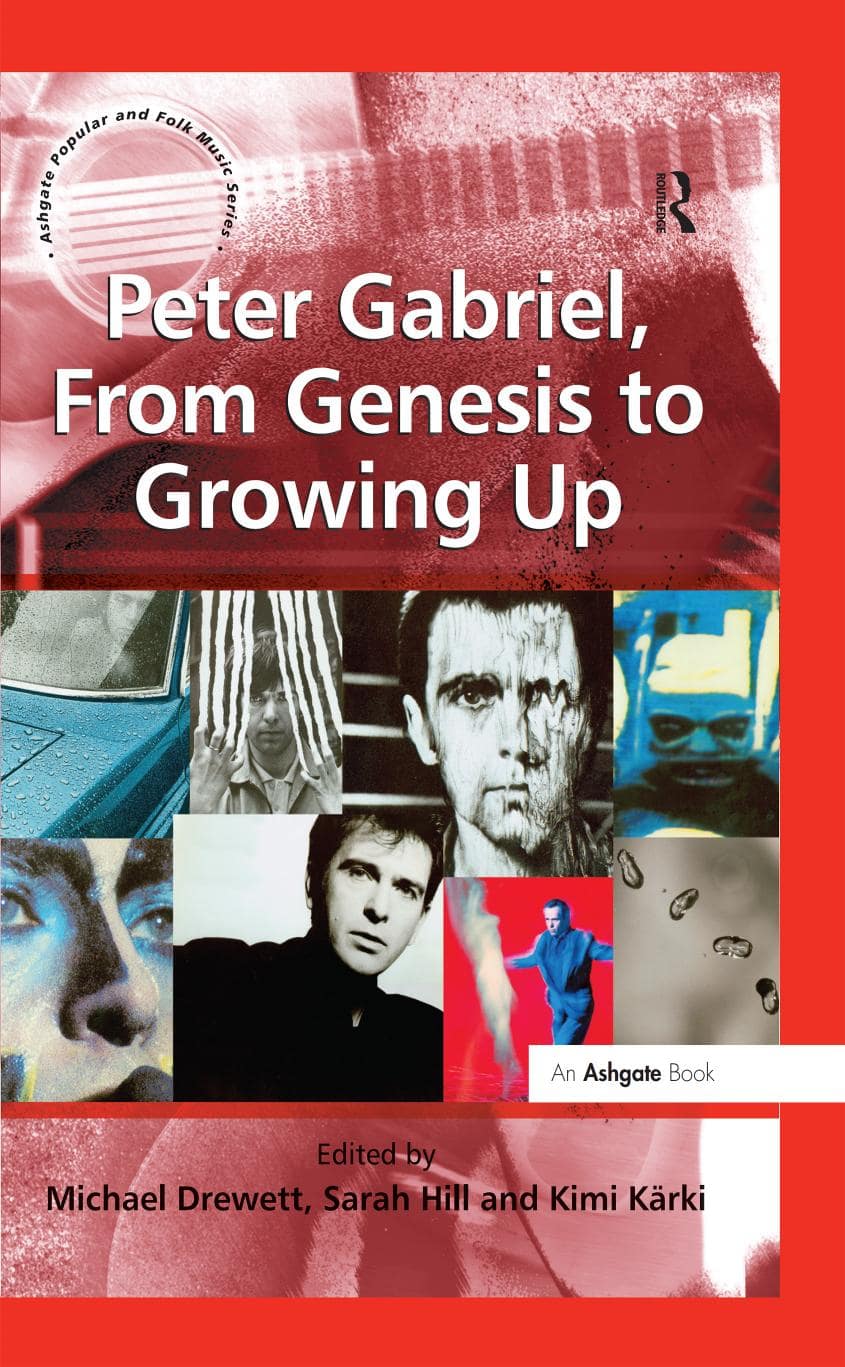

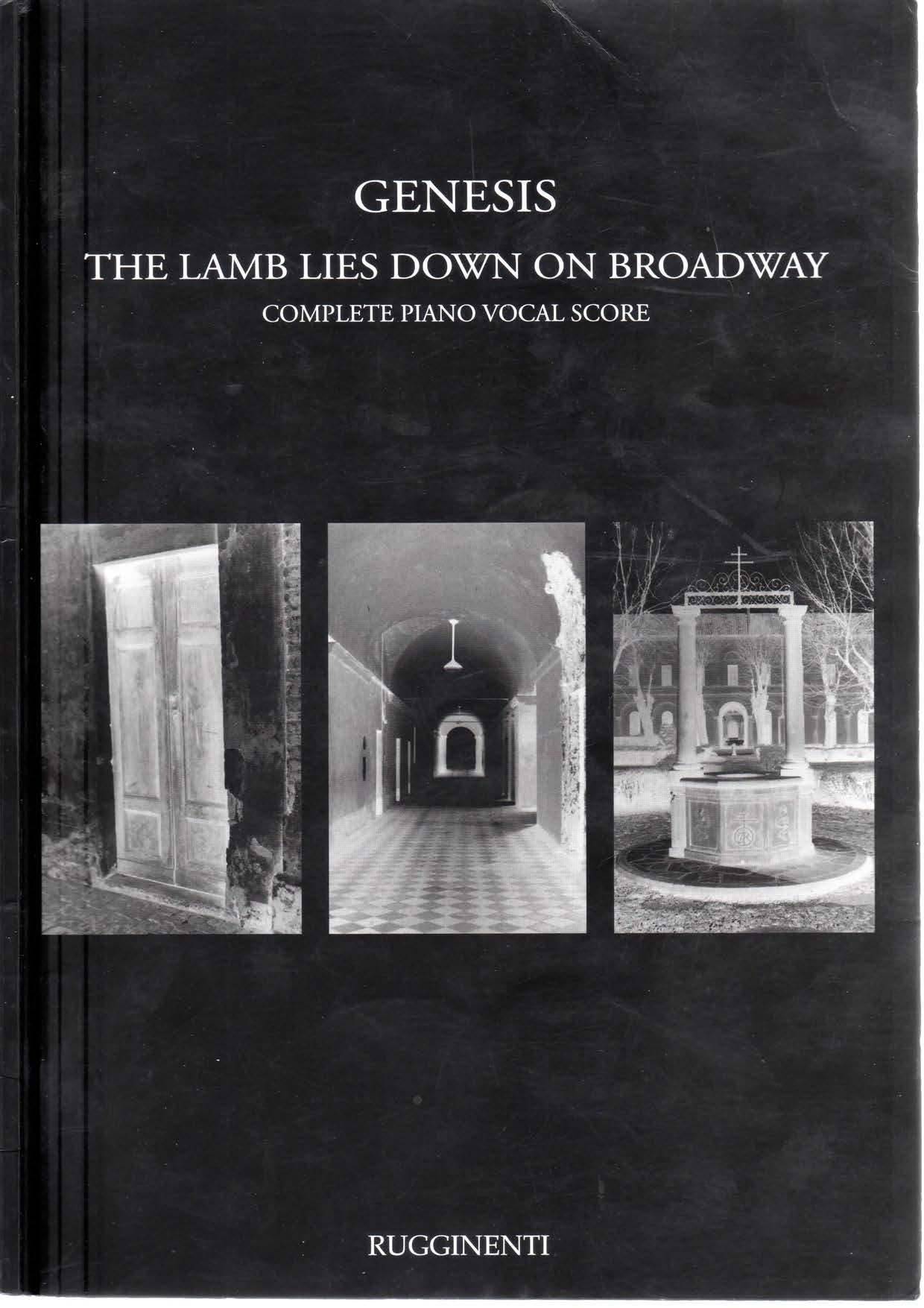
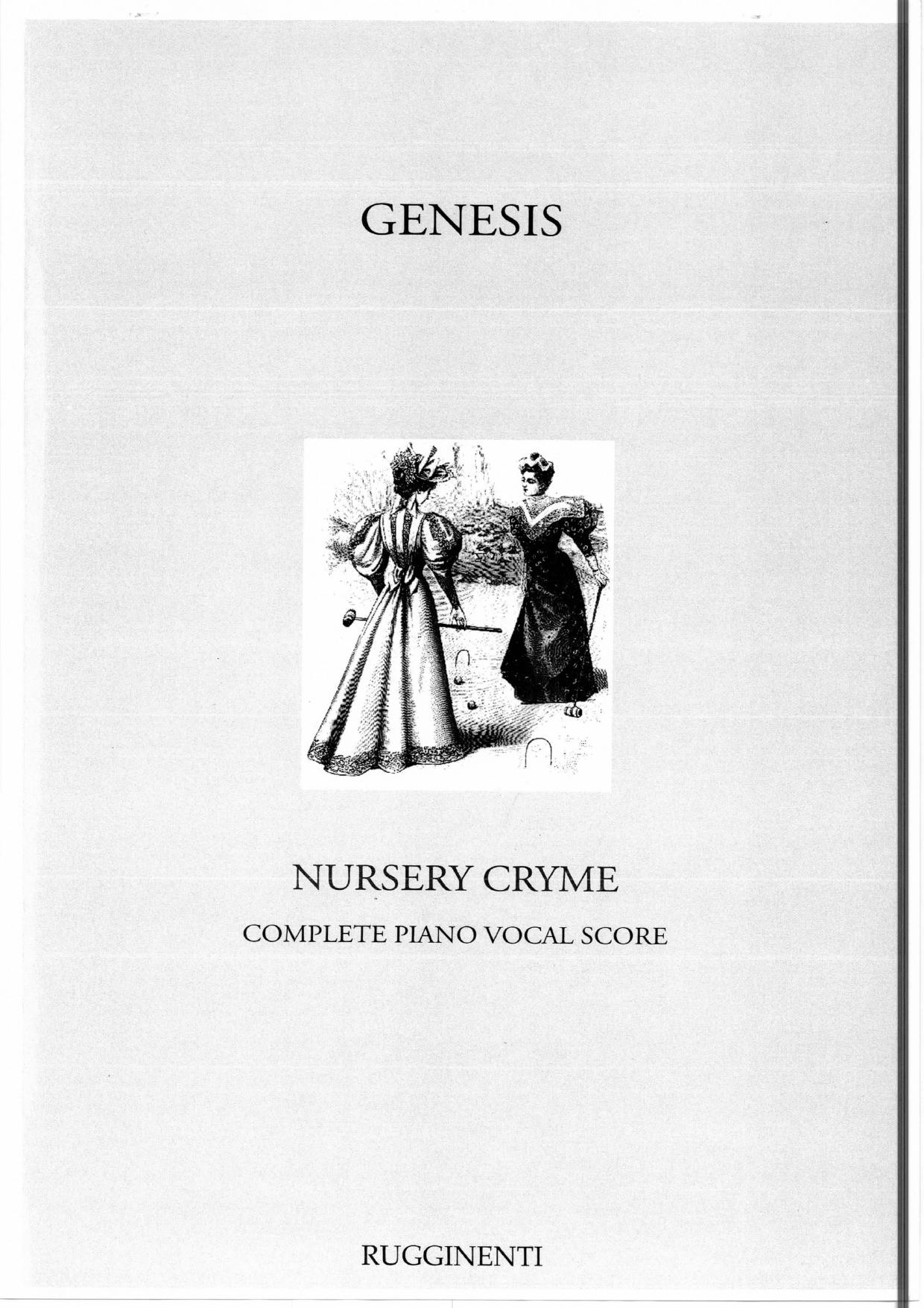
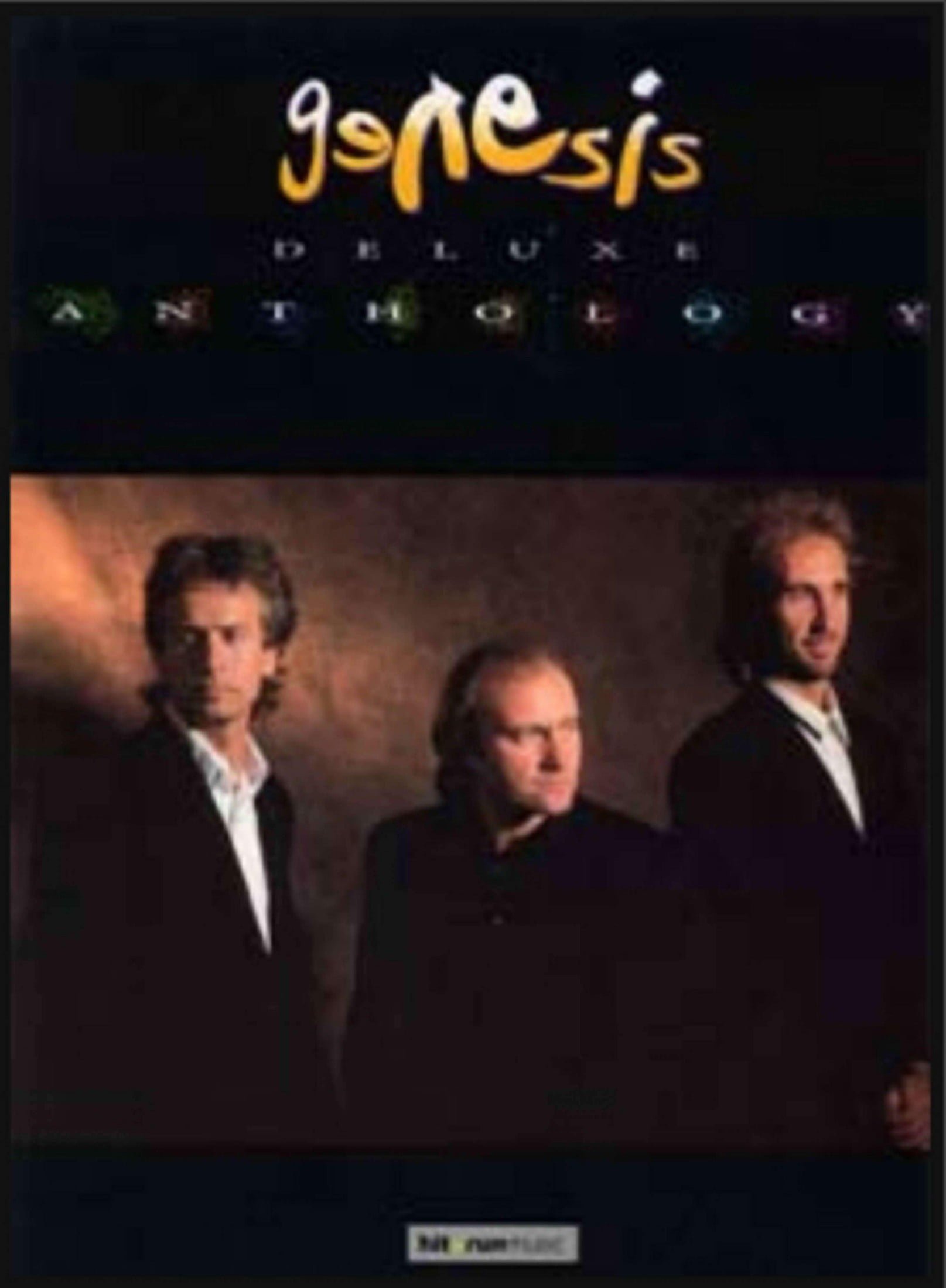
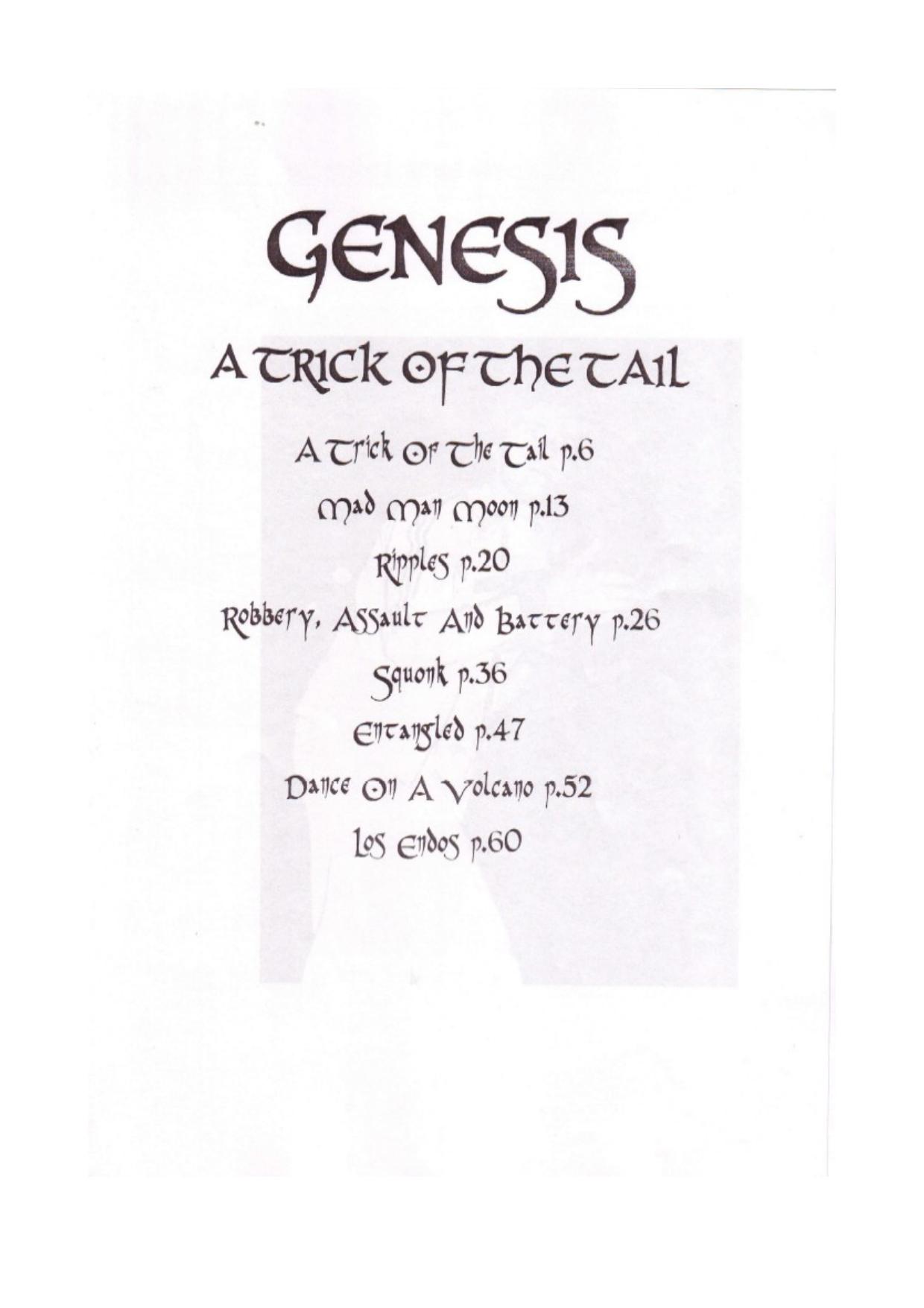
The best sheet music download from our Library.
Personnel and Biography
The Charterhouse Years (1967-1970)
The seeds of Genesis were sown at Charterhouse, one of England's most prestigious public schools, where Peter Gabriel (vocals, flute), Tony Banks (keyboards), Anthony Phillips (guitars), and Mike Rutherford (guitars, bass) were pupils . The band's first recording contract came through an unexpected connection: Jonathan King, a former Charterhouse pupil who had enjoyed a hit with "Everyone's Gone to the Moon" in 1965, heard a demo and was impressed by Gabriel's distinctive voice .
Their debut album, From Genesis to Revelation, was released in 1969 on Decca Records. A concept album attempting to chronicle the Bible's story, it showed signs of early ambition but failed commercially . The album's production by King imposed a pop sheen that the band increasingly resisted, and they soon parted ways with their mentor .
By 1970, the band released Trespass, an album demonstrating significant artistic growth. The songs were longer, less commercial, and displayed the progressive ambitions that would define them. However, the album's creation was plagued by instability: Anthony Phillips departed due to stage fright, and the band cycled through three drummers .
The Classic Lineup: The Five-Man Era (1970-1975)
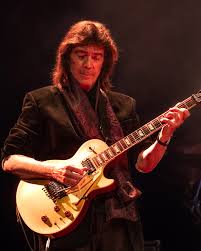
The band's fortunes changed dramatically in 1970 with the arrival of two London musicians: drummer Phil Collins and guitarist Steve Hackett. This lineup—Gabriel, Banks, Rutherford, Hackett, and Collins—would become the "classic" 1970s Genesis and create the band's most celebrated progressive works.
Please, subscribe to our Sheet Music Library. Sheet music should be accessible and affordable for all musicians, from professionals to absolute beginners.
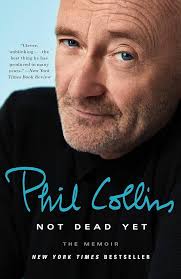

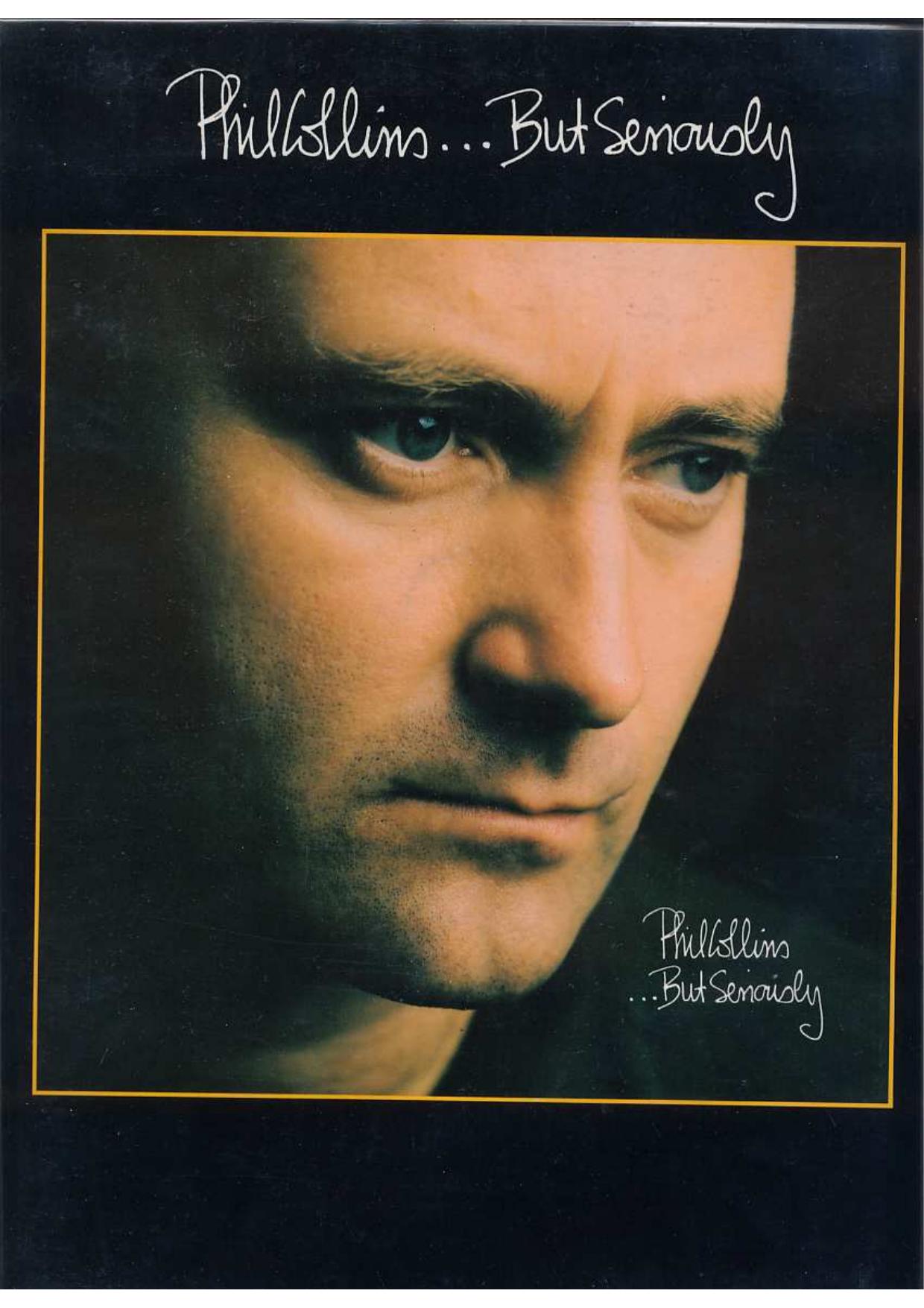

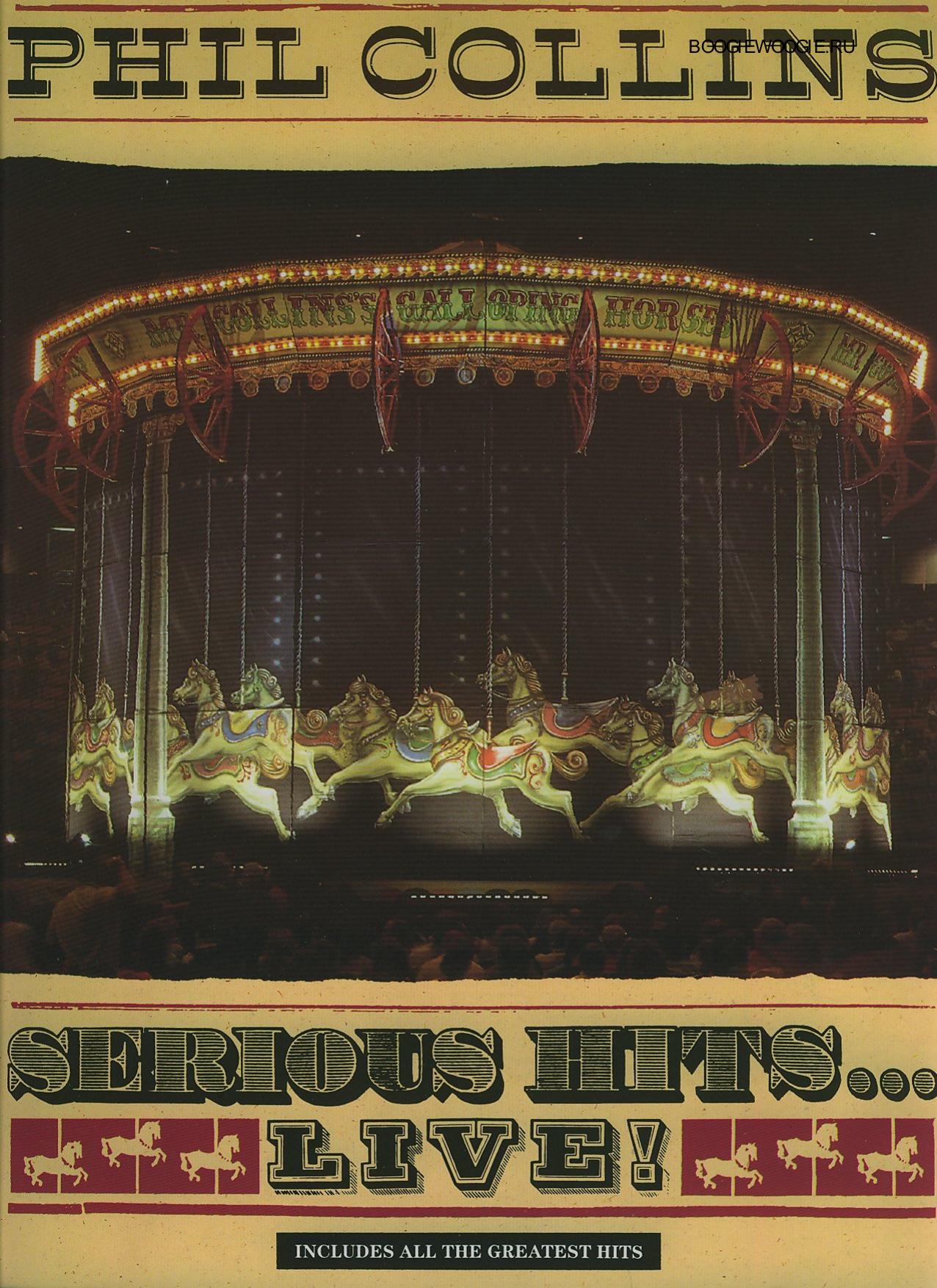
Their first album together, Nursery Cryme (1971), established the band's progressive credentials. It was followed by Foxtrot (1972), which became Genesis's first UK chart entry, peaking at number 12 . Foxtrot featured the monumental "Supper's Ready," a 23-minute suite that has become regarded as one of progressive rock's defining masterpieces.
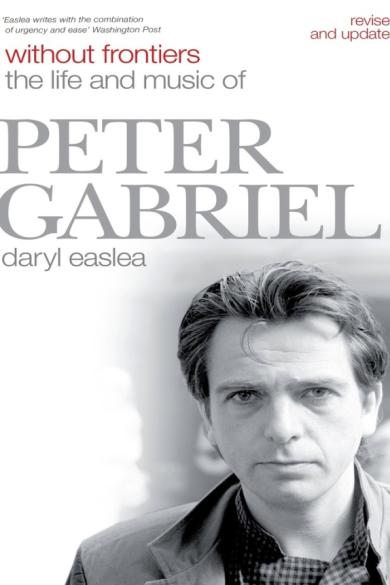
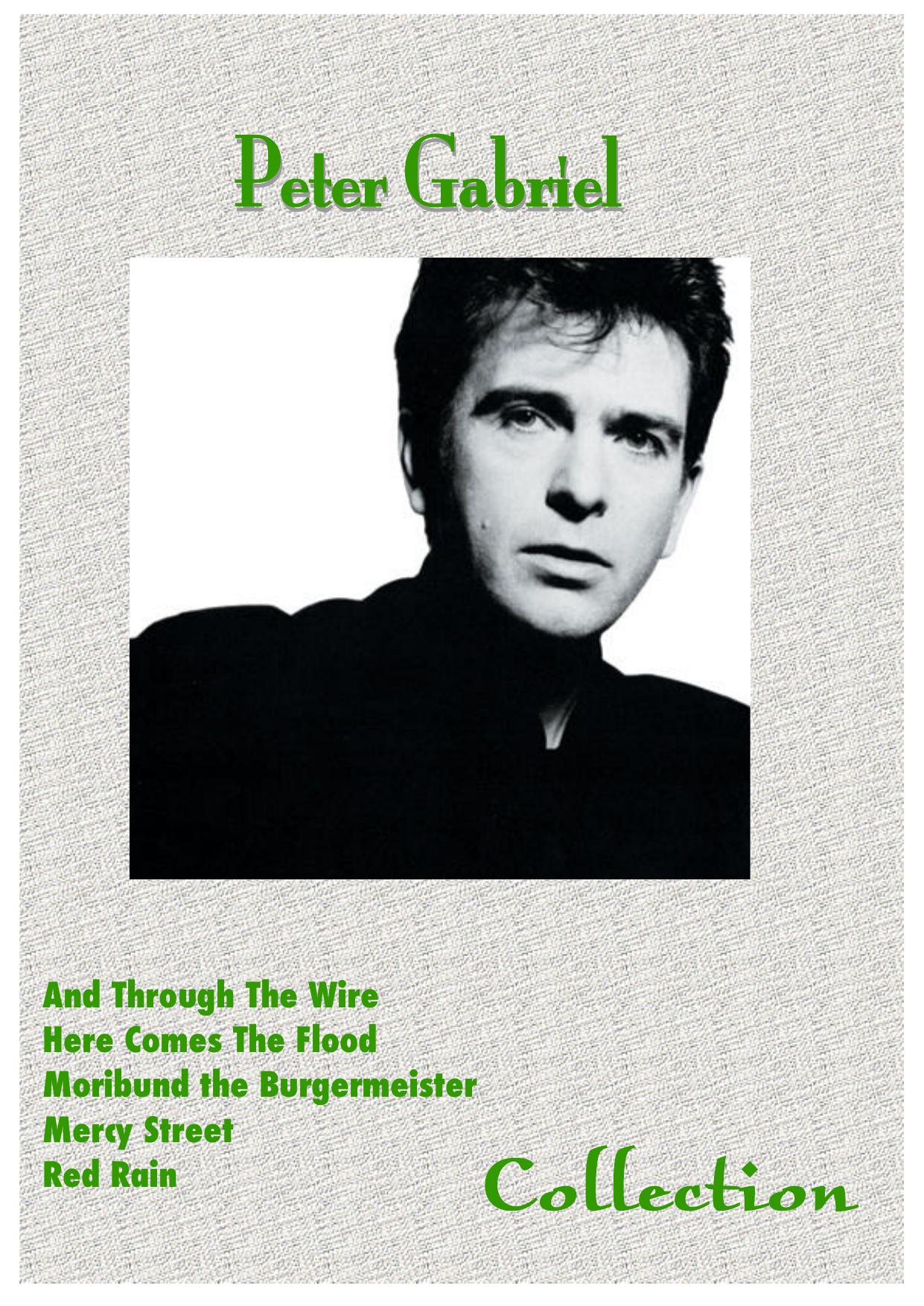
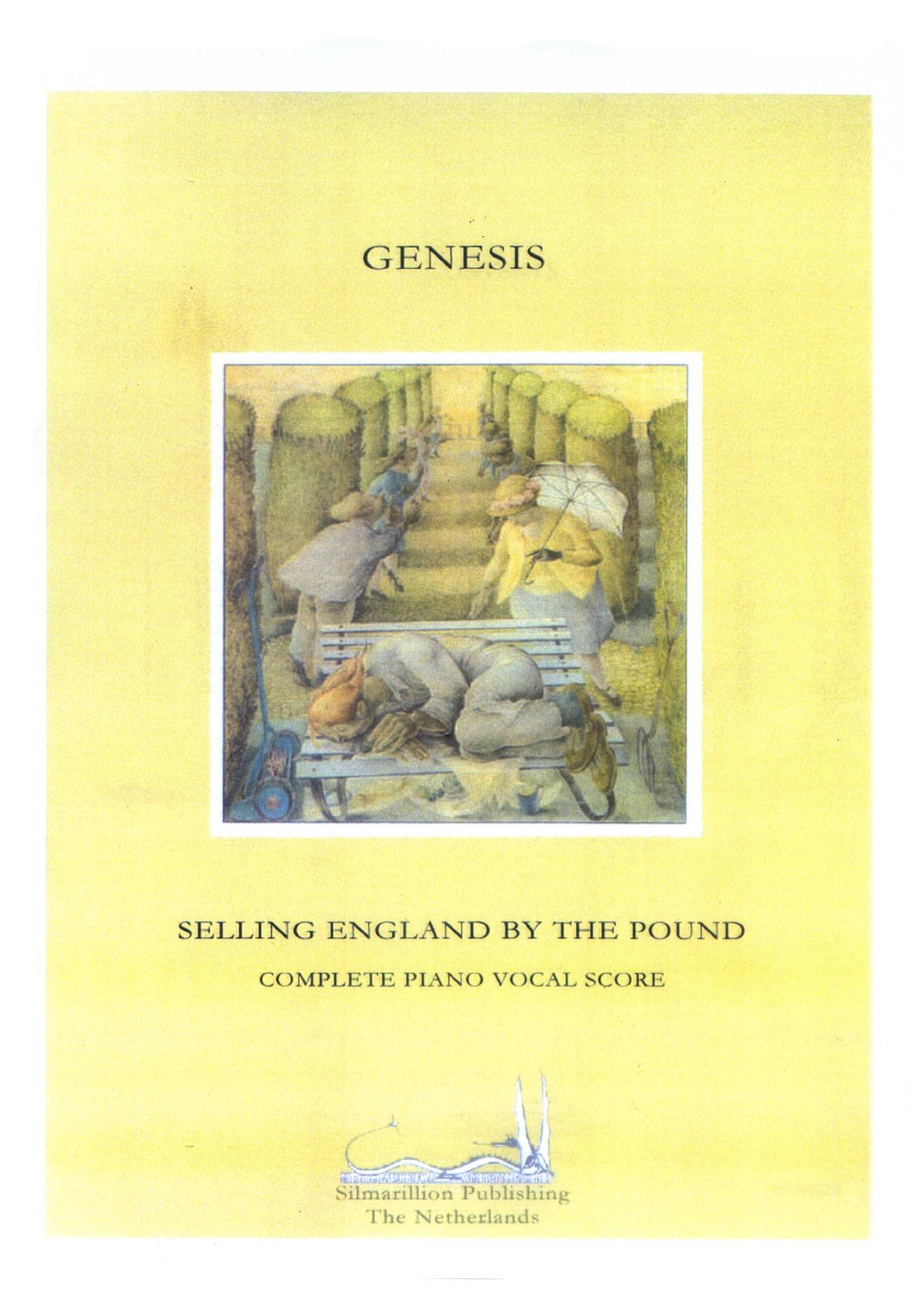
The commercial breakthrough came with Selling England by the Pound (1973), widely considered the band's artistic peak of the decade. The album reached number 3 in the UK and produced their first hit single, "I Know What I Like (In Your Wardrobe)" . The album's fusion of English folk melodies, classical influences, and complex instrumental passages established Genesis as progressive rock royalty.
The Lamb Lies Down on Broadway (1974) represented the zenith of the classic lineup's ambitions. A sprawling double concept album lasting over 90 minutes, with all lyrics written by Gabriel, it told the surreal story of a Puerto Rican street punk named Rael . Opinion on the album remains divided: some consider it Genesis's greatest achievement, while others, including Tony Banks, felt it lacked the focus of its predecessor . The album's commercial performance was relatively modest, peaking at number 10 in the UK and spending only six weeks on the chart .
The Post-Gabriel Transition (1975-1977)
In 1975, Peter Gabriel departed following the tour supporting The Lamb Lies Down on Broadway, citing a desire to spend more time with his family and pursue solo interests . Critics predicted the band's demise; Gabriel had been the public face of Genesis, his theatrical performances and elaborate costumes defining the band's live reputation.
Instead, Collins stepped forward as lead vocalist, proving the naysayers spectacularly wrong. Released in 1976, A Trick of the Tail matched Selling England's number 3 chart position and surpassed its sales, spending 39 weeks on the UK chart . The album proved the band's audience remained, and Genesis had not only survived but thrived.
Wind and Wuthering followed in 1977, reaching number 7 and weathering the punk rock revolution that had transformed the British music landscape . However, Hackett, increasingly frustrated with his limited songwriting role, departed the band later that year .
The Trio Years: Pop Success (1978-1996)
Now reduced to a three-piece of Banks, Rutherford, and Collins, Genesis began their gradual transformation toward a more commercially accessible sound. And Then There Were Three (1978) featured shorter, more direct compositions and yielded the US Top 40 hit "Follow You Follow Me" .
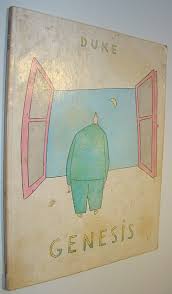
The 1980s brought unprecedented success. Duke (1980) became their first UK number one album and produced the hit "Turn It On Again" . The album pioneered the use of drum machines on the track "Duchess," signaling the band's willingness to embrace new technology .
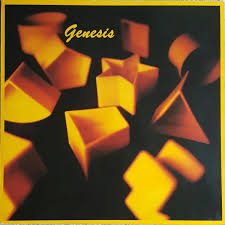
Abacab (1981) and the self-titled Genesis (1983) cemented their transition to stadium-filling pop-rock, while 1986's Invisible Touch achieved their only US number one single with the title track . During this period, all three members pursued successful solo careers: Collins became a global superstar, Rutherford formed Mike + The Mechanics, and Banks released several solo albums .
The Later Years and Hiatus
Collins departed in 1996, and the band recruited former Stiltskin singer Ray Wilson for Calling All Stations (1997) . The album failed to achieve the commercial success of its predecessors, and the band announced an indefinite hiatus .
A 2007 reunion tour featuring Banks, Rutherford, and Collins saw the band perform to 500,000 fans at Rome's Circo Massimo . While the tour was a commercial triumph, it did not lead to new studio material. Genesis was inducted into the Rock and Roll Hall of Fame in 2010 . The band's future remains uncertain following Collins's retirement from the music business .
Music Style and Evolution
Genesis's musical journey can be divided into distinct stylistic phases, each characterized by specific approaches to composition, instrumentation, and arrangement.
The Progressive Rock Era
The 1970s Genesis sound was defined by:
Complex Song Structures: Tracks routinely exceeded ten minutes, with multiple movements and tempo changes. "Supper's Ready" exemplifies this approach, featuring numerous discrete sections unified by recurring musical motifs .
Synthesizer Dominance: Tony Banks's keyboard work became the band's signature. His use of the Mellotron, ARP Pro Soloist, and later the Yamaha CS-80 created lush, orchestral textures that distinguished Genesis from guitar-dominated contemporaries . Banks's harmonic language combined classical influences with jazz sophistication.
Group Interaction over Individual Virtuosity: Unlike progressive contemporaries who showcased individual instrumental prowess, Genesis emphasized ensemble playing and compositional unity . Each member contributed to the collective sound, with minimal soloing for its own sake.
Theatrical Presentation: Gabriel's elaborate costumes and storytelling created a uniquely visual dimension to their performances, elevating concerts to theatrical experiences .
Eccentric Time Signatures: The band frequently employed unusual meters, including 7/8, 5/4, and compound rhythms that challenged conventional rock structures.
The Transitional Period (1978-1980)
And Then There Were Three and Duke represented a bridge between progressive complexity and pop accessibility. While songs became shorter and verse-chorus structures more prominent, progressive elements persisted:
- Sectional Tonality: Songs featured distinct tonal centers for different sections. Analysis of "Duchess" reveals verses in G major shifting to E major for choruses, creating dramatic harmonic contrast .
- Extended Harmonies: The use of unconventional chord progressions continued. The dissertation "From Prog to Pop" documents how Genesis retained progressive harmonic vocabulary even as song structures simplified .
The Pop-Rock Era (1981-1991)
This period saw Genesis achieve their greatest commercial success, but progressive elements remained integrated into the pop framework:
- Driving Rhythms: The signature Collins drum sound—reverberant, powerful, and precise—defined the band's rhythmic approach.
- Hook-driven Songwriting: Catchy choruses and memorable guitar riffs dominated the sound.
- Horn Sections and Synthesizers: The incorporation of brass and sophisticated synth arrangements on albums like Genesis and Invisible Touch created a polished, radio-friendly production.
Chord Progressions and Music Harmony
Genesis's harmonic language represents one of the most sophisticated applications of chord theory in rock music. The analysis of their compositions reveals several distinct approaches.
The Progressive Harmonic Vocabulary
The band's 1970s work is characterized by:
Chromatic Mediant Relationships: Genesis frequently employed chords a third apart that share a single common tone. A passage from "Firth of Fifth" demonstrates this elegantly—an E♭ major chord is reinterpreted as a major triad on the lower sixth degree of G major, established through a bVI-bVII-I progression . This harmonic technique, more commonly associated with classical and jazz, creates unexpected harmonic shifts.
Modal Interchange: Borrowing chords from parallel modes was a signature device. Major key sections would incorporate chords from the minor mode, creating dramatic contrast.
Extended Dominants: The use of ninth, eleventh, and thirteenth chords added harmonic sophistication rarely found in rock contexts.
Sectional Tonality: Different sections of songs frequently occupied distinct tonal centers. Analysis of "Heathhaze" reveals the introduction in E major/minor, verses modulating from E major to D major via pivot chords, and interlude sections in B♭ major . This technique, documented in Guy Capuzzo's "Sectional Tonality in Rock," was central to the band's progressive approach .
Overlapping Keys: Multiple keys could coexist within song sections, creating harmonic ambiguity and surprising resolutions .
The Pop-Rock Harmonic Language
As the band's style evolved, their harmonic approach adapted while retaining sophistication:
Larger Harmonic Vocabulary: Unlike typical pop-rock based on I-IV-V progressions, Genesis incorporated multiple extended chords. Analysis of "In Too Deep" reveals chords from F major and A♭ major, creating rich harmonic textures uncommon in pop .
Third Relations: The song structures frequently pivot on third-related harmonies, maintaining connections to their progressive heritage .
Cadence Variety: The band used different cadence types within songs, including authentic, modal, and plagal cadences, to establish and modulate tonal centers .
Double Plagal Progressions: Repeating patterns (VII–IV–I) created dramatic buildups, as documented in analyses of "Heathhaze" .
Relationship with Other Artists
The Beatles Connection
Perhaps the most significant endorsement Genesis received came from John Lennon himself. According to Steve Hackett, Lennon regarded Genesis as one of two bands that were "true sons of the Beatles" (alongside Electric Light Orchestra) . The comment was made on a tape recording in which Lennon noted he had acquired all Genesis records from Nursery Cryme onward.
Hackett identified the connection in the "storytelling aspect, and the Jabberwocky aspect, and the wordplay" that both Gabriel and Lennon shared, as well as a distinctively British sensibility .
Progressive Rock Contemporaries
Genesis existed within a rich progressive rock ecosystem that included Yes, King Crimson, Jethro Tull, and Emerson, Lake & Palmer. While sharing the genre's ambition, Genesis distinguished themselves through:
- Greater emphasis on songwriting over instrumental display
- Stronger integration of theatrical elements
- A pastoral English sensibility compared to the more cosmopolitan approaches of contemporaries
Solo Collaborations
The band's members built extensive relationships through their solo careers:
- Peter Gabriel collaborated with Laurie Anderson, Kate Bush, and Youssou N'Dour on his breakthrough solo album So
- Gabriel's work with world musicians through WOMAD and Real World Records created a vast international network
- Mike Rutherford's Mike + The Mechanics featured collaborations with Paul Young and other vocalists
Influences
Genesis's musical development was shaped by multiple influences:
Classical Music: The complex harmonic language and structural ambition derived from classical sources. Banks's keyboard work showed particular debt to composers like Rachmaninoff and Ravel.
British Folk Music: The pastoral melodies of Selling England by the Pound and Foxtrot reflected English folk traditions.
Jazz Fusion: The band's rhythmic complexity and use of extended harmonies showed awareness of jazz developments, particularly in the use of sophisticated chord voicings .
The Beatles: As Lennon's endorsement suggests, the Fab Four's melodic inventiveness, studio experimentation, and songwriting sophistication formed a crucial foundation .
Contemporary Progressive Rock: The band existed in dialog with their progressive contemporaries, absorbing and responding to innovations across the genre.
Legacy
Genesis's influence extends across multiple generations and genres:
Progressive Rock: The band inspired subsequent progressive groups including Marillion, Rush, and Phish, all of whom acknowledged Genesis's influence .
Alternative Rock: Artists as diverse as Radiohead and Elbow have cited Genesis's atmospheric textures and harmonic sophistication as influences .
Pop Evolution: The band's successful transition from progressive complexity to pop accessibility charted a path later followed by artists navigating similar transformations.
Critical Reappraisal: While early punk-era critics dismissed Genesis as pretentious, academic studies increasingly recognize their sophistication. The dissertation "From Prog to Pop" provides scholarly analysis of their harmonic techniques .
Works
Discography
Main article: Genesis discography Studio albums (on Wikipedia)
- From Genesis to Revelation (1969)
- Trespass (1970)
- Nursery Cryme (1971)
- Foxtrot (1972)
- Selling England by the Pound (1973)
- The Lamb Lies Down on Broadway (1974)
- A Trick of the Tail (1976)
- Wind & Wuthering (1976)
- ...And Then There Were Three... (1978)
- Duke (1980)
- Abacab (1981)
- Genesis (1983)
- Invisible Touch (1986)
- We Can't Dance (1991)
- Calling All Stations (1997)
Live albums
- Genesis Live (1973)
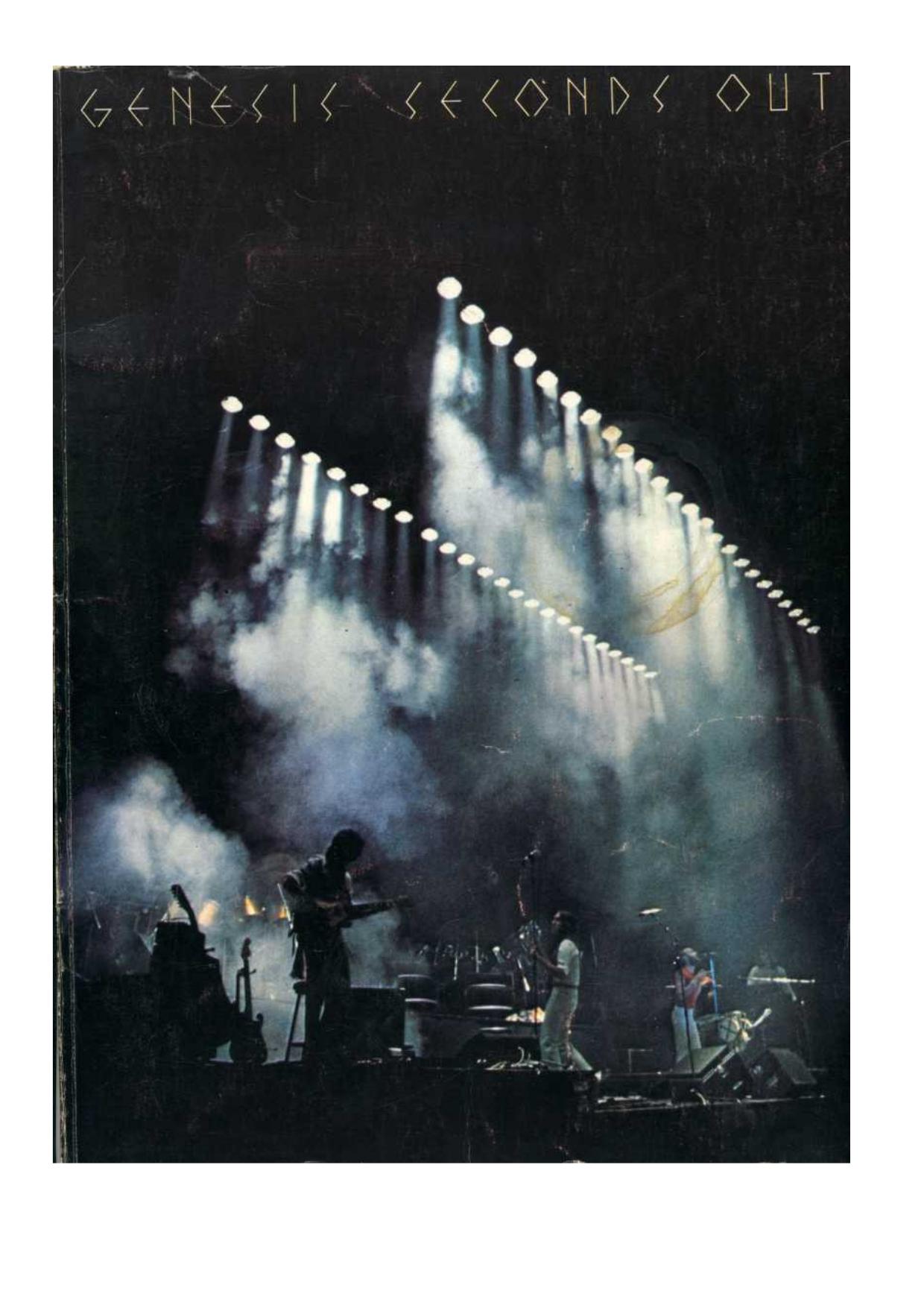
- Seconds Out (1977)
- Three Sides Live (1982)
- The Way We Walk, Volume One: The Shorts (1992)
- The Way We Walk, Volume Two: The Longs (1993)
- Live over Europe 2007 (2007)
Studio Albums
- From Genesis to Revelation (1969)
- Trespass (1970)
- Nursery Cryme (1971)
- Foxtrot (1972)
- Selling England by the Pound (1973)
- The Lamb Lies Down on Broadway (1974)
- A Trick of the Tail (1976)
- Wind and Wuthering (1977)
- And Then There Were Three (1978)
- Duke (1980)
- Abacab (1981)
- Genesis (1983)
- Invisible Touch (1986)
- We Can't Dance (1991)
- Calling All Stations (1997)
Live Albums and Compilations
Notable live recordings include Seconds Out (1977), Three Sides Live (1982), and the 2007 reunion recordings. Compilations include Turn It On Again: The Hits and the extensive R-Kive box set .
Works on Films
Genesis's music has been featured in numerous films and documentaries:
Concert Films: The band's live performances have been released on DVD and Blu-ray, including the acclaimed Genesis: Sum of the Parts/Three Sides Live .
Soundtracks: Individual members have contributed extensively to film scores:
- Peter Gabriel scored Martin Scorsese's The Last Temptation of Christ (released as Passion), earning a Grammy Award
- Gabriel composed the score for Rabbit-Proof Fence
- The band's catalog has been licensed for numerous films and television programs
Most Known Compositions and Performances
Key Songs
Progressive Era:
- Supper's Ready – a 23-minute masterpiece considered one of progressive rock's defining works
- Firth of Fifth – celebrated for its sophisticated harmonic structure
- The Musical Box – a signature early work showcasing the band's theatrical ambition
- Dancing with the Moonlit Knight – opening track of Selling England
Pop Era:
- Invisible Touch – the band's only US number one single
- Turn It On Again – their second UK Top 10 hit
- Mama – bold experimentation blending pop hooks with dark subject matter
- I Can't Dance – hit single from We Can't Dance
Notable Performances
The 2007 reunion tour included a free concert at Rome's Circo Massimo before 500,000 fans, representing the band's largest single performance .
Documentaries
Multiple documentaries document the band's history:
Genesis: Sum of the Parts – the official authorized documentary made with full band cooperation, covering the entire career from Charterhouse through the 2007 reunion .
Genesis: Together and Apart – a 2014 BBC documentary directed by John Edginton that reunited Gabriel, Collins, Banks, Rutherford, and Hackett for the first time since 1982 .
The documentary generated controversy when Steve Hackett described it as a "biased account of Genesis history" that "totally ignores" his solo work . Mike Rutherford partially agreed, emailing Hackett in support . Critics praised the documentary while noting its omissions, including no mention of Ray Wilson's tenure and limited coverage of fan-favorite albums like Selling England by the Pound and Wind and Wuthering .
Genesis represents a unique achievement in rock history: a band that successfully navigated the transition from progressive rock's most ambitious experiments to global pop stardom without losing their essential musical identity. Their sophisticated harmonic language, theatrical sensibility, and willingness to evolve created a body of work that continues to inspire and reward listeners.
From the pastoral English landscapes of Selling England through the synth-drenched pop of Invisible Touch, Genesis demonstrated that artistic ambition and commercial success need not be mutually exclusive. Their legacy continues through their music, their influence on subsequent generations of rock musicians, and the individual achievements of their members—from Peter Gabriel's innovative solo career to Phil Collins's global superstardom and the sustained creative output of Banks and Rutherford.
With over 200 recorded songs, dozens of albums, and 150 million in global sales, Genesis's place in the pantheon of British rock is secure . Their story, from Charterhouse schoolboys to Rock and Roll Hall of Fame inductees, remains one of popular music's most compelling narratives of transformation, resilience, and artistic evolution.
Search your favorite sheet music in the Sheet Music Library Catalog
Browse in the Sheet Music Library:
Or browse in the categories menus & download the Library Catalog PDF:
Genesis - The Lamb Lies Down On Broadway (2025 Remaster) [Full Album]
00:00 The Lamb Lies Down On Broadway 04:48 Fly On a Windshield 07:34 Broadway Melody Of 1974 09:44 Cuckoo Cocoon 11:56 In The Cage 20:12 The Grand Parade Of Lifeless Packaging 23:01 Back in N.Y.C. 28:36 Hairless Heart 30:57 Counting Out Time 34:39 The Carpet Crawlers 39:54 The Chamber Of 32 Doors 45:39 Lilywhite Lilith 48:20 The Waiting Room 53:47 Anyway 56:54 Here Comes The Supernatural Anaesthetist 59:55 The Lamia 1:07:02 Silent Sorrow in Empty Boats 1:10:02 The Colony Of Slippermen 1:18:15 Ravine 1:20:20 The Light Dies Down on Broadway 1:23:54 Riding The Scree 1:27:52 In The Rapids 1:30:13 it
Genesis - Genesis "Shapes" (Full Album)
Tracklist: 00:00:00 Mama (2007 Remaster) 00:06:53 That's All (2007 Remaster) 00:11:20 Home by the Sea (2007 Remaster) 00:16:29 Second Home by the Sea (2007 Remaster) 00:22:38 Illegal Alien (2007 Remaster) 00:27:54 Taking It All Too Hard (2007 Remaster) 00:31:53 Just a Job to Do (2007 Remaster) 00:36:42 Silver Rainbow (2007 Remaster) 00:41:14 It's Gonna Get Better (2007 Remaster)