
Scores for all instruments: 16,000+ (active and growing), over 236,000 pages.
All genres and levels: Jazz & Blues, Rock & Pop, Classical & Contemporary, Film & Musicals;
books & biographies; methods, études, play-along tracks (MP3) for Jazz & Rock.
Access & benefits: US$15.99 one-time payment, valid for lifetime, full Library access.
Table of Contents
Who was George Benson?
George Benson - Tribute to Nat King Cole - Full Concert [HD] | Live at North Sea Jazz 2009
George Benson: The Virtuoso Who Bridged Jazz and Pop
A Legacy Beyond Labels
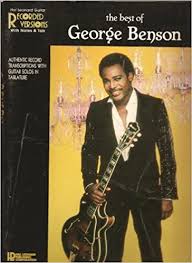
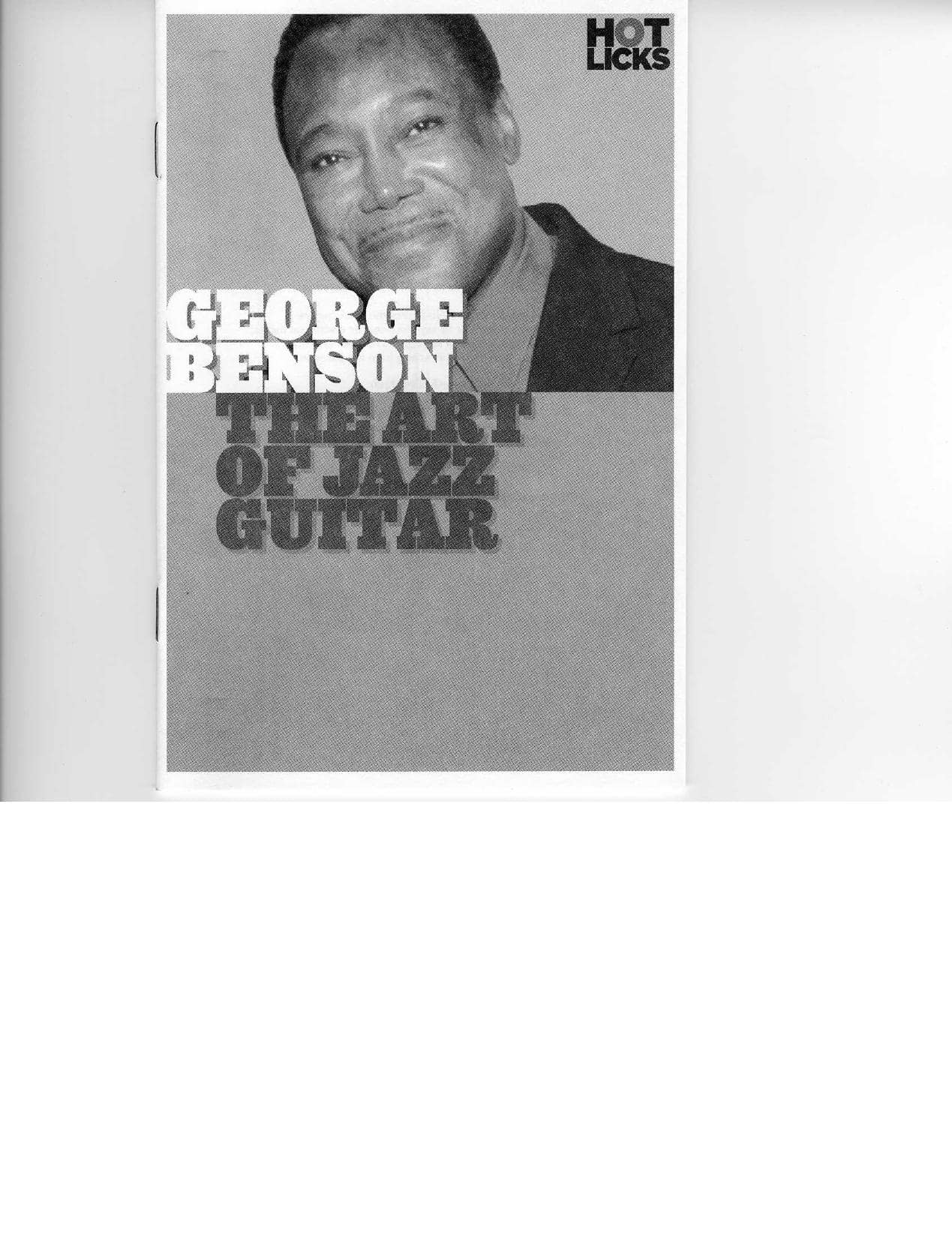
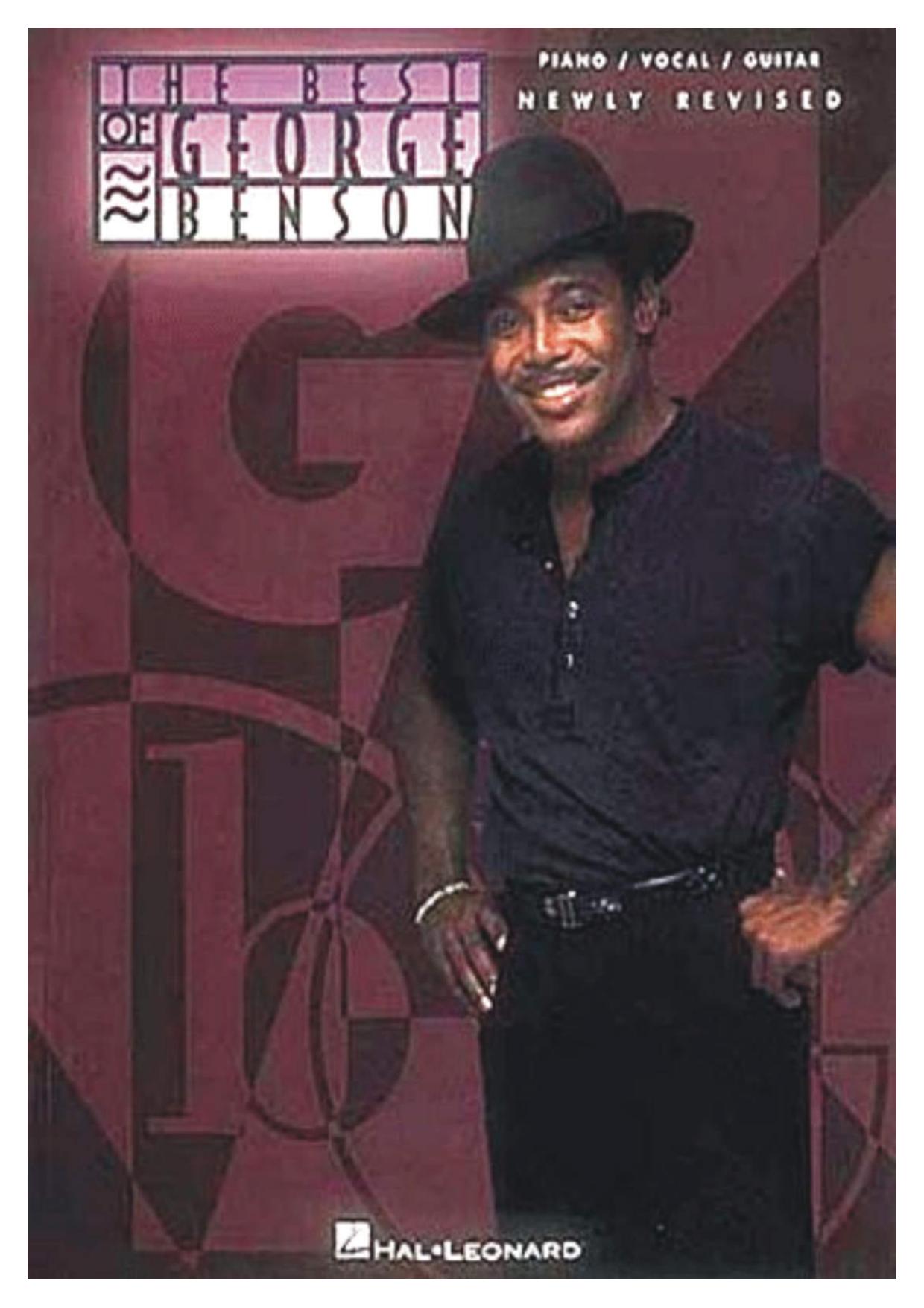
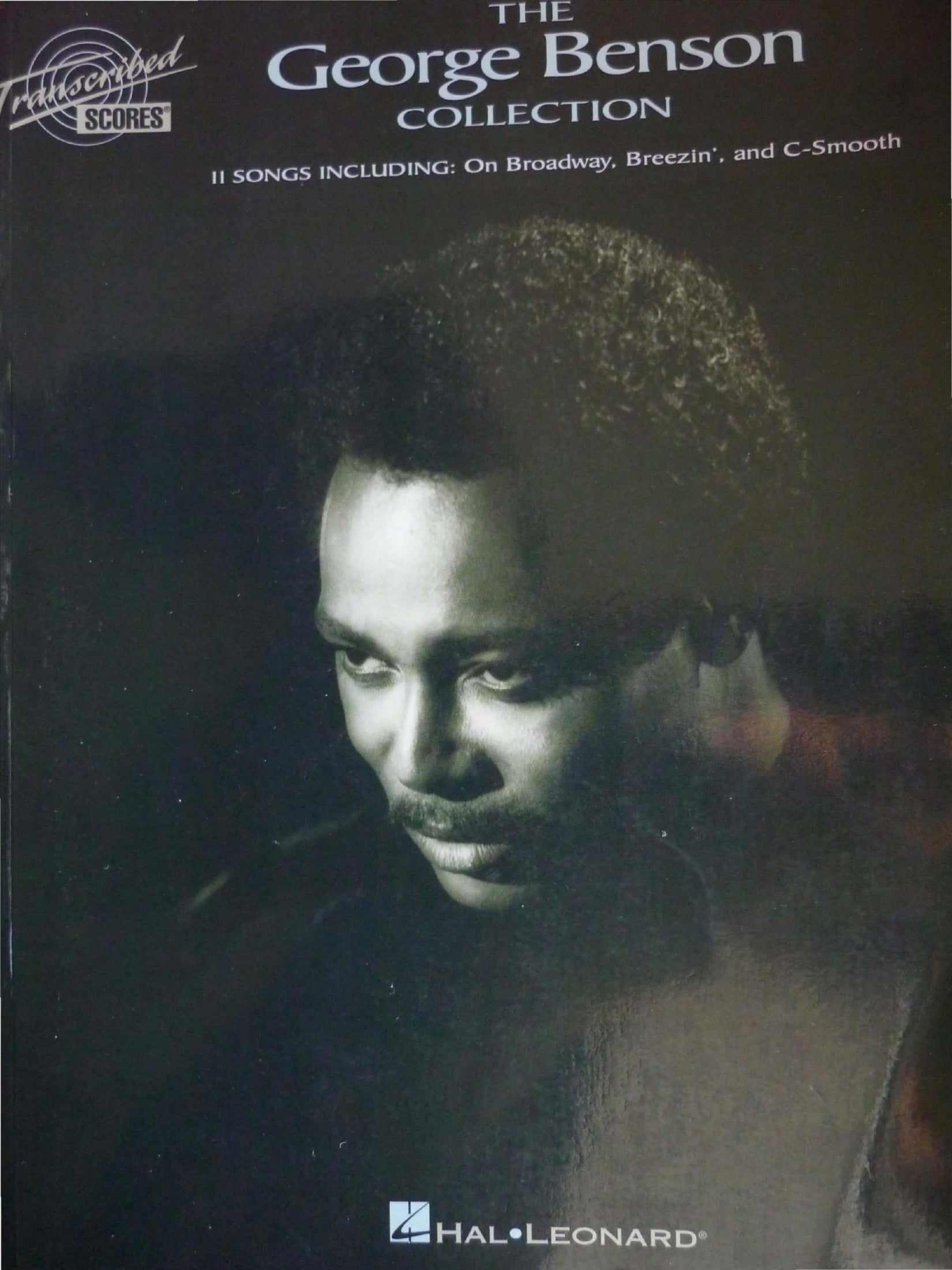
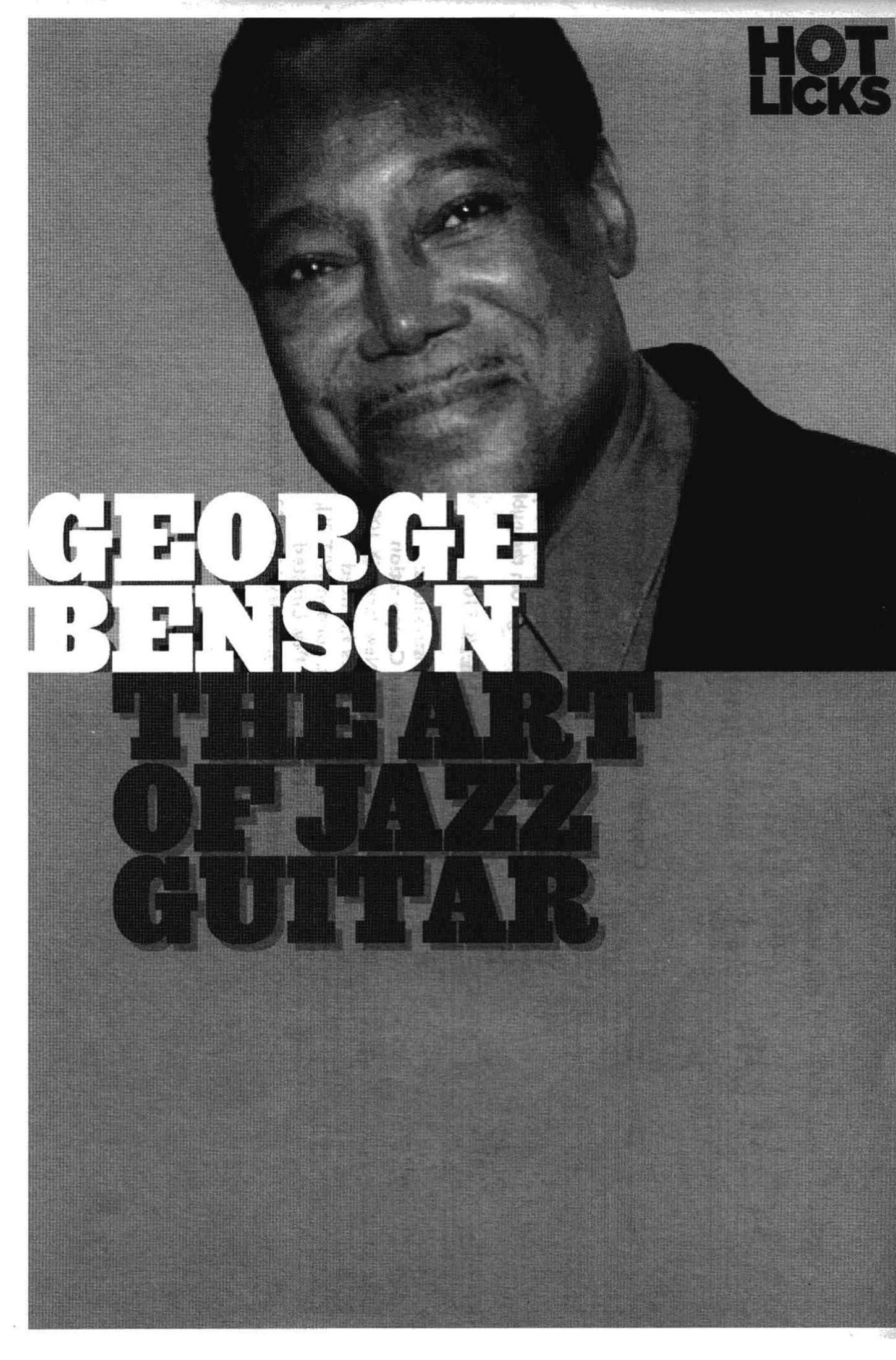
George Benson is more than a guitarist; he is a living bridge between the complex world of jazz and the universal language of popular music. His story is not simply one of technical brilliance, though he possesses that in abundance, but of an artist who refused to be confined by genre expectations. Born on March 22, 1943, in the Hill District of Pittsburgh, Benson emerged as a child prodigy and grew into a musician whose influence transcends generations . With ten Grammy Awards, a National Endowment for the Arts Jazz Master honor, and a career spanning over six decades, he is one of the most celebrated and versatile musicians in American history .
His journey is marked by a remarkable duality: he is both a guitarist's guitarist, revered for his impeccable technique and harmonic sophistication, and a pop star, known for his smooth, soulful voice and chart-topping hits. This ability to navigate two worlds has made him a unique figure in music. He can perform a burning bebop solo with the speed and precision of Charlie Parker, yet also deliver a vocal performance on "This Masquerade" that resonates with millions. This article explores his life, musical style, encounters with other artists, compositional characteristics, legacy, and extensive discography, painting a comprehensive picture of an artist who has truly earned his place among the greats.
The best sheet music download from our Library.
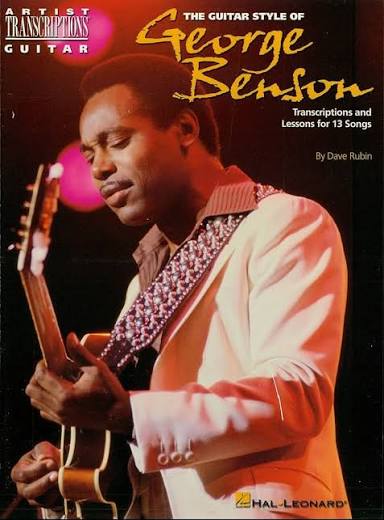

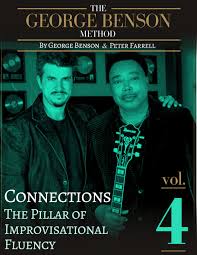



The Foundations of a Prodigy (1943-1964)
Early Life in the Hill District
Please, subscribe to our Sheet Music Library.
George Benson's journey began in the vibrant, culturally rich Hill District of Pittsburgh, Pennsylvania . This historically African American neighborhood was a crucible of jazz and blues, a fertile ground that nurtured his early talent. He was born into a musical family, and his innate ability was evident from the age of seven when he began performing publicly. His first instrument was not the guitar but the ukulele, chosen because his hands were too small for a standard guitar . He would stand in a corner drugstore, playing for a few dollars, a humble beginning for a future superstar .
At just eight years old, Benson was already performing on a more professional level, playing guitar in an unlicensed nightclub on Friday and Saturday nights . This early exposure to the professional music scene was short-lived, however, as the police soon shut the club down. Undeterred, his talent continued to blossom. By the age of ten, he had recorded his first single for RCA Victor, "She Makes Me Mad," marking his first entry into a recording studio .
The Formative Years and First Influences
While his early professional work began with singing blues and honky-tonk songs, the turning point in his musical development came during his teenage years . He became deeply inspired by jazz. A watershed moment was hearing Charlie Parker's soulful version of the standard "Just Friends" from the Charlie Parker with Strings record . This exposed him to the depth and harmonic complexity of jazz, which would become a cornerstone of his signature sound. He began to develop a style that was steeped in the blues but infused with the harmonic language of bebop . Another crucial influence was the guitar playing of legends like Wes Montgomery and Charlie Christian, whose innovative approaches to the instrument shaped his own technique .
Search your favorite sheet music in the Sheet Music Library Catalog
Entry into the Jazz World: Jack McDuff
Benson's entry into the professional jazz scene came through his association with the soul-jazz organist Brother Jack McDuff. This partnership was the catalyst that brought him to worldwide attention . Benson's skill was a perfect match for McDuff's hard-swinging, bluesy organ combo. In 1964, at the age of 21, he recorded his debut album as a leader, The New Boss Guitar of George Benson, which featured the McDuff quartet . The album was an immediate statement of intent. It displayed a guitarist already in full command of his instrument, blending bebop lines with a soulful groove. As a review notes, "The eight-song record includes several blues songs, a few popular jazz standards… and ends with an up-tempo burner that shows off Benson's astonishing facility as a soloist" . This album was a masterclass in guitar playing, swing, and small group arrangement, and it solidified his reputation as a new "boss" of the guitar . Tracks like the chord-melody arrangement of "Easy Living" demonstrated his profound harmonic knowledge, while his single-note lines on the blues numbers showcased his impeccable rhythmic feel and fiery technique .
The Rise of a Jazz Virtuoso (1965-1975)
The Columbia and Verve Years
Following his debut, Benson's career gained momentum. Talent scout John Hammond, a legendary figure who discovered artists like Billie Holiday and Bob Dylan, signed Benson to Columbia Records . This led to a series of albums that further explored his blend of hard bop and soul-jazz. Albums like It's Uptown (1966) and The George Benson Cookbook (1967) featured dynamic organ groups with Lonnie Smith and Ronnie Cuber, showcasing Benson's ability to navigate complex changes and cook over infectious grooves . His playing during this period was fiery, fluid, and always swinging, with a deep blues sensibility that made his jazz accessible . During this time, he also made his first forays into singing on record, revealing a soulful voice that would later become central to his popularity .
A Brush with Greatness: Miles Davis
A pivotal moment in Benson's career was his collaboration with Miles Davis in the mid-1960s. Davis, ever the forward-thinking innovator, employed Benson on the track "Paraphernalia," which appeared on Davis's seminal 1968 album Miles in the Sky . This was a significant endorsement. The album was a departure for Davis, incorporating elements of rock and electric instruments. Benson's electric guitar contribution fit perfectly within this emerging fusion aesthetic. Davis's decision to feature Benson not only showcased the guitarist's talent to a wider audience but also placed him at the forefront of jazz innovation.
The CTI Years and Commercial Success
Benson's career took another significant turn when he signed with Creed Taylor's CTI Records. Taylor was a master of producing jazz albums that were both artistically respected and commercially viable. For Benson, this meant recording with larger ensembles and all-star orchestras, often with lush string arrangements by the brilliant composer and conductor Claus Ogerman . This period yielded a string of critically and commercially successful albums, including Beyond the Blue Horizon (1971), White Rabbit (1972), and Body Talk (1973). His 1974 release, Bad Benson, climbed to number one on the Billboard jazz chart .
These albums broadened his audience. They featured his stunning guitar work, often in a more lyrical and accessible context. His covers of popular songs like "The Theme from 'Good King Bad'" and "White Rabbit" (a hit for Jefferson Airplane) demonstrated his ability to transform non-jazz material into vehicles for virtuosic jazz improvisation. The CTI years were crucial in establishing Benson as a major instrumental star, setting the stage for the crossover phenomenon that was about to follow.
The Crossover King and Pop Icon (1976-1980s)
Breezin': A Landmark Achievement
In 1976, George Benson signed with Warner Bros. Records, a move that would redefine his career and the landscape of popular music. His first album for the label was Breezin', a record that would achieve the impossible: it became a number-one hit on the Billboard 200, as well as topping the jazz and R&B charts . It was the first jazz album to achieve platinum status, eventually selling over three million copies . The album's success was unprecedented and turned Benson into a household name.
The album was a perfect storm. It was produced by Tommy LiPuma and featured a sophisticated, smooth sound. While Benson’s virtuosic guitar playing was front and center on the instrumental title track, it was the album's sole vocal track, "This Masquerade," that became the massive pop hit . His warm, accessible tenor voice, combined with his signature scat-singing style, captivated the public. The song won a Grammy Award for Record of the Year, and the album itself earned Benson two more Grammys for "Breezin'" and "Theme From Good King Bad" . Breezin' was inducted into the Grammy Hall of Fame in 2008 . As the SFJAZZ organization notes, "On the heels of his era-defining procession of masterful recordings for producer Creed Taylor’s CTI imprint, Benson’s 1976 Warner Brothers album Breezin’ was a worldwide smash" .
The Voice, The Hits, and The Quincy Jones Connection
Following Breezin', Benson leaned into his vocal talents. His 1977 live album Weekend in L.A. featured a stunning live rendition of "On Broadway," which earned him another Grammy . He also recorded the original version of "The Greatest Love of All" for the 1977 Muhammad Ali biopic The Greatest, a song later immortalized by Whitney Houston .
A key figure in this phase of Benson's career was the legendary producer and arranger Quincy Jones. Jones signed Benson to his Qwest label and produced his 1980 album Give Me the Night . This album was a masterwork of pop, funk, and R&B. The title track, written by Rod Temperton, became a massive hit, reaching the top ten on both pop and R&B charts . This album cemented Benson's status as a pop star. Throughout the 1980s, he continued to score hits with songs like "Turn Your Love Around," "Inside Love," "Lady Love Me," and "20/20" . While his guitar playing was often more in the background on these records, his singing was front and center, proving that he could be a major force in pop music.
Musical Style and Technique
The Guitar Sound: Speed, Tone, and Rhythm
At the core of George Benson's playing is a sound that is instantly recognizable. He uses a rest-stroke picking technique, similar to the style of gypsy jazz great Django Reinhardt, which allows for tremendous speed and precision while maintaining a powerful, resonant tone . His right-hand technique is legendary, producing notes that are clear, articulate, and full of "pop." His single-note lines are characterized by their fluidity, bluesy phrasing, and a masterful use of swing and syncopation. He doesn't just play notes; he makes them feel good, always with "an unquenchable urge to swing" .
Beyond his single-note playing, Benson is a master of chord-melody. This technique, where the guitarist plays the melody and harmony simultaneously, was a hallmark of his early work, exemplified in his beautiful arrangement of "Easy Living" on his debut album . He has a vast vocabulary of chords and can create complex, rich harmonies that fill the sonic space of a group. As one commentator put it, he is "one of the best rhythm guitarists around, supportive to soloists and a dangerous swinger" .
Harmony and Tonality: Bop Roots and Blues Feel
Benson's harmonic approach is deeply rooted in the bebop tradition. His solos often navigate complex chord progressions with the same sophistication as his idol, Charlie Parker, outlining upper extensions and altered tones with fluid ease . However, he never lets the technical side of harmony overshadow the emotional content. His improvisations are built on a foundation of blues. This fusion of advanced jazz harmony with a soulful blues sensibility is the secret to his success. It allows his music to be intellectually stimulating for jazz aficionados while remaining accessible and emotionally resonant for a broader audience.
A perfect example is his tune "Affirmation," which, like his classic "Breezin'," is built on a simple, catchy progression—a 1-6-2-5 in a major key—but is made harmonically interesting through his use of "tonicisation" and the exploration of different key centers . This ability to transform simple material into something harmonically rich is a hallmark of his style.
Composition and Melodic Style
Benson is a master of the "earworm"—creating melodies that are both simple and instantly memorable. His instrumental hits, like "Breezin'" and "Affirmation," are built on catchy, repetitive motifs that are easy to hum, yet he improvises over them with incredible depth and complexity. As a vocalist, he sings in a lush, soulful tenor, often compared to Stevie Wonder and Donny Hathaway, with a similar use of melisma and rhythmic phrasing . His scat singing, where he improvises vocally with the same fluidity and speed as his guitar, is a distinctive element of his style, effectively blurring the lines between his two instruments.
Legacy, Influence, and Later Works
An Unending Influence
George Benson's influence on other guitarists is immense. He is cited as a primary influence by generations of jazz, fusion, and pop guitarists. As a fellow guitar legend, Pat Metheny, has remarked, "If George made a guitar trio record every year, the world would be a better place…. He is one of my favorite guitar players of all time, right there with Wes, Django, Kenney Burrell, and Jim Hall" . This sentiment is echoed across the musical spectrum, with players like Mike Stern, Jeff Beck, and many others naming him a favorite . His towering influence can be heard in the playing of contemporary jazz guitarists such as Bobby Broom, Mark Whitfield, Peter Bernstein, and Russell Malone .
The Return to Jazz and Honoring the Past
By the late 1980s, Benson began to re-emphasize his instrumental prowess, recording albums of standards like Tenderly and recording with the Count Basie Orchestra . This trend continued into the new millennium. In 2006, he collaborated with fellow jazz-pop vocal legend Al Jarreau on the album Givin' It Up . This project, which earned several Grammy nominations, featured an all-star cast of guests, including Paul McCartney, Jill Scott, Herbie Hancock, and Marcus Miller . The album was a celebration of both artists' careers, featuring new takes on classics like "Summer Breeze," "God Bless the Child," and even a version of "Breezin'" with Jarreau adding vocals . Billboard reported that the album featured "some big names" and served as a major event in the jazz world .
Benson continued to honor his influences. In 2009, he was named an NEA Jazz Master, the highest honor in the genre . The following year, he released Songs and Stories, produced by Marcus Miller . In 2013, he released Inspiration: A Tribute to Nat King Cole, an album that paid homage to one of his greatest vocal inspirations, featuring artists like Wynton Marsalis and Idina Menzel .
Film, Covers, and Recent Works
Benson's music has had a significant presence in film and television. His version of "On Broadway" is an iconic performance, and his original recording of "The Greatest Love of All" was a major part of the 1977 film The Greatest . His music continues to be used in various media, and his songs have been covered by a wide range of artists, from Whitney Houston's cover of "The Greatest Love of All" to numerous jazz and pop musicians interpreting his extensive catalog.
In 2011, he released Guitar Man, his first primarily instrumental album in 35 years, a clear statement of his enduring passion for his instrument . At 81, Benson has announced he will stop touring, though his contributions to the music world remain as powerful as ever . In 2026, he was honored with the SFJAZZ Lifetime Achievement Award at the "Milestones: Celebrating Miles & Trane at 100" gala, a testament to his lasting legacy and his place alongside the giants of jazz history .
Works and Discography
Main article on Wikipedia: George Benson discography
Selected Albums
| Album Title | Year | Label | Key Notes |
|---|---|---|---|
| The New Boss Guitar of George Benson | 1964 | Prestige | Debut album as leader, with Jack McDuff. |
| It's Uptown | 1966 | Columbia | With Lonnie Smith and Ronnie Cuber. |
| The George Benson Cookbook | 1967 | Columbia | More soul-jazz with Lonnie Smith. |
| Beyond the Blue Horizon | 1971 | CTI | Beginning of CTI era with large ensembles. |
| White Rabbit | 1972 | CTI | Covers of pop/rock songs. |
| Body Talk | 1973 | CTI | Featuring "Body Talk" and "Take Five." |
| Bad Benson | 1974 | CTI | His first number-one jazz album. |
| Breezin' | 1976 | Warner Bros. | His masterpiece; #1 on Billboard 200. |
| In Flight | 1977 | Warner Bros. | Features "The Greatest Love of All" cover. |
| Weekend in L.A. | 1978 | Warner Bros. | Live album featuring "On Broadway." |
| Give Me the Night | 1980 | Qwest/Warner Bros. | Quincy Jones-produced pop-R&B classic. |
| In Your Eyes | 1983 | Warner Bros. | Contained the hit "Lady Love Me (One More Time)." |
| 20/20 | 1985 | Warner Bros. | Title track was another major pop hit. |
| Tenderly | 1989 | Warner Bros. | Return to jazz standards. |
| The Essence of George Benson | 1991 | Warner Bros. | Later pop/jazz vocal album. |
| Standing Together | 1998 | GRP | Contemporary jazz/pop album. |
| Absolute Benson | 2000 | GRP | Return to instrumental jazz. |
| All Blues | 2001 | GRP | Blues-influenced album. |
| Givin' It Up (with Al Jarreau) | 2006 | Concord | Grammy-nominated duet album. |
| Songs and Stories | 2009 | Concord | Produced by Marcus Miller. |
| Guitar Man | 2011 | Concord | First primarily instrumental album in 35 years. |
| Inspiration: A Tribute to Nat King Cole | 2013 | Concord | Vocal tribute album. |
Grammy Awards (Selection)
George Benson has won ten Grammy Awards from twenty-five nominations . This recognition reflects both his instrumental mastery and his vocal ability across various categories .
Key Songs and Recordings
- Breezin' (1976) - Instrumental hit.
- This Masquerade (1976) - Grammy-winning vocal hit.
- On Broadway (1978) - Grammy-winning live version.
- Give Me the Night (1980) - Top 10 pop and R&B hit.
- Turn Your Love Around (1981) - Hit single.
- The Greatest Love of All (1977) - Original version.
- Affirmation (1976) - Popular instrumental.
George Benson: The Eternal Essence
George Benson’s career is a testament to the power of musical versatility and the ability to stay true to one's artistic vision while achieving massive commercial success. He began as a child prodigy, honed his craft in the crucible of the jazz organ combo, and went on to conquer the pop charts without ever abandoning the core principles of jazz improvisation and blues feeling.
His story is one of a remarkable duality: a virtuoso guitarist who could be a pop star, and a pop star who could still burn on a jazz standard. This balance is his legacy. He opened the door for countless jazz musicians to reach a wider audience, proving that artistic integrity and commercial appeal are not mutually exclusive. As he himself stated, "If you play music for the right reasons, the rest of the things will come. The right reason to play music is that you love it. That's why I play music" . That love is the thread that runs through every note of his extensive discography, from the fiery blues of his early days to the smooth sophistication of his later work. George Benson remains not just one of the greatest guitarists in history, but also one of the most important and beloved musicians of the 20th and 21st centuries.
Browse in the Sheet Music Library:
Or browse in the categories menus & download the Library Catalog PDF: