Scores for all instruments: 16,000+ (active and growing), over 236,000 pages.
All genres and levels: Jazz & Blues, Rock & Pop, Classical & Contemporary, Film & Musicals;
books & biographies; methods, études, play-along tracks (MP3) for Jazz & Rock.
Access & benefits: US$15.99 one-time payment, valid for lifetime, full Library access.
Table of Contents
Who was George Gershwin?
George Gershwin, "Rhapsody in Blue" - Piano Solo.
Please, subscribe to our Sheet Music Library. Sheet music should be accessible and affordable for all musicians, from professionals to absolute beginners.
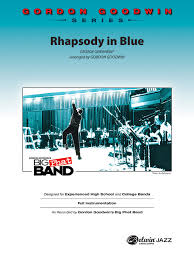
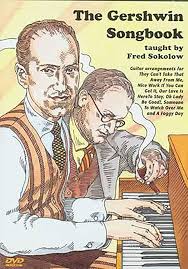
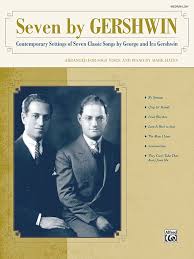
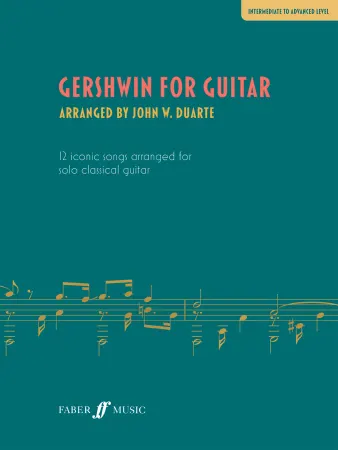



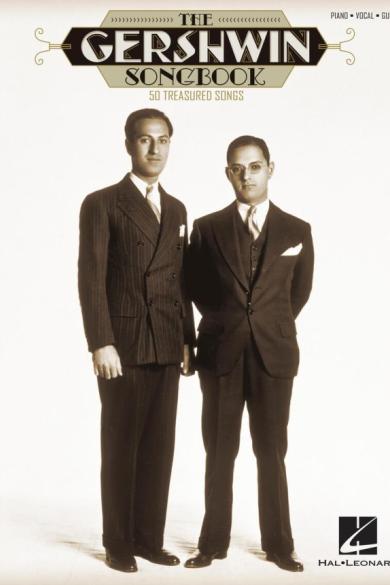
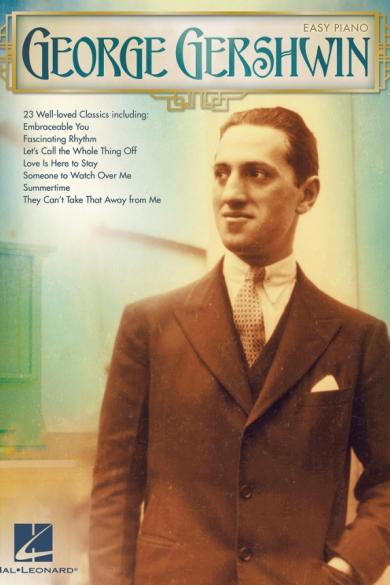
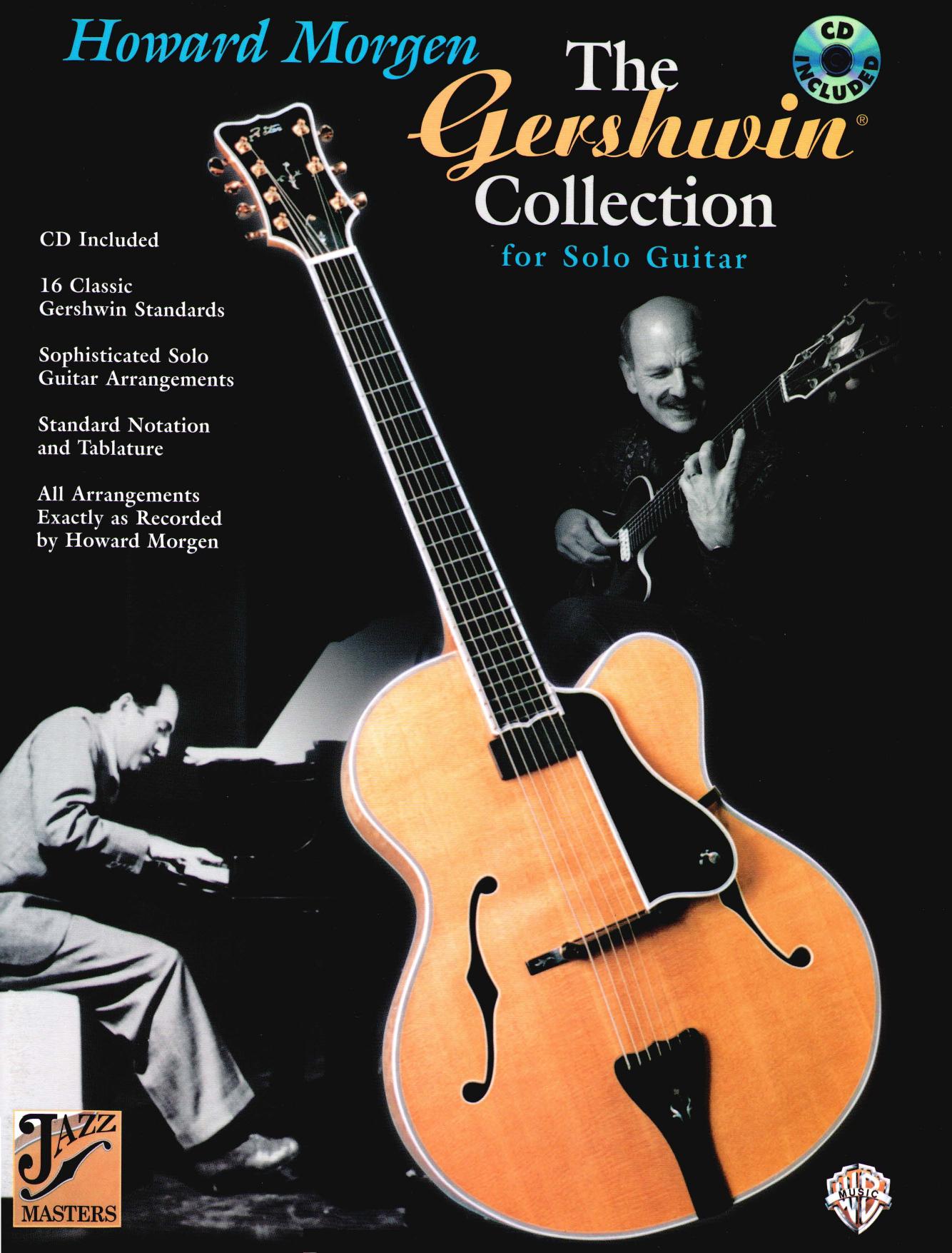
The best sheet music download from our Library.
George Gershwin: The Rhapsodic Architect of the American Sound
George Gershwin was not merely a composer; he was a cultural alchemist. He took the raw, syncopated energy of American jazz and popular song and fused it with the structural rigor and dramatic scope of European classical music, forging an entirely new alloy. In a career tragically cut short, he became the sonic embodiment of the Roaring Twenties and the aspirational spirit of the Jazz Age, bridging worlds that had previously existed in separate, often antagonistic, spheres. He was a hitmaker on Tin Pan Alley, a conqueror of Broadway, a darling of the concert hall, and a painter of the American scene in sound. His music, from the playful strut of "Swanee" to the operatic grandeur of Porgy and Bess, possesses a vitality and melodic genius that remain as potent today as they were a century ago.
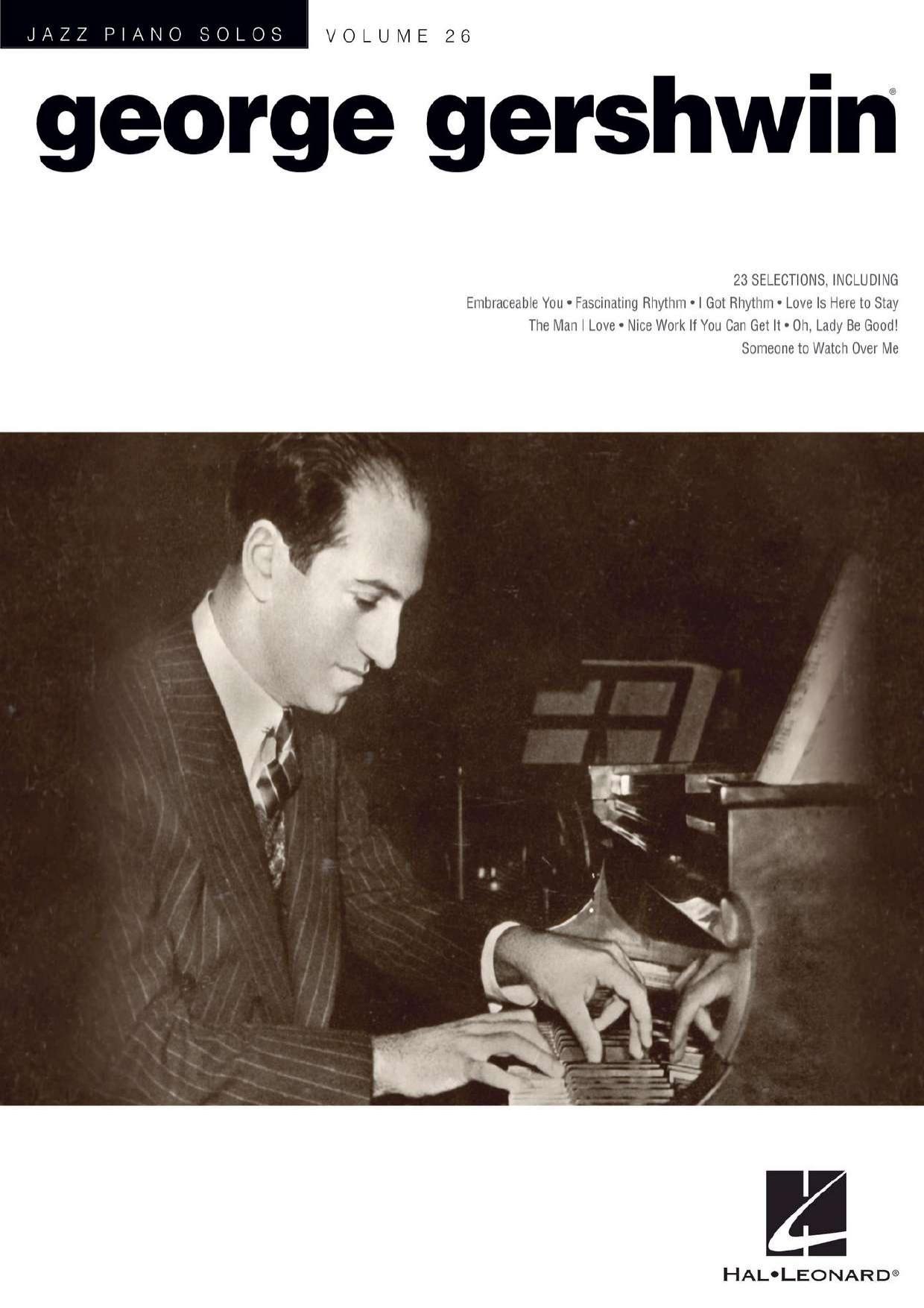
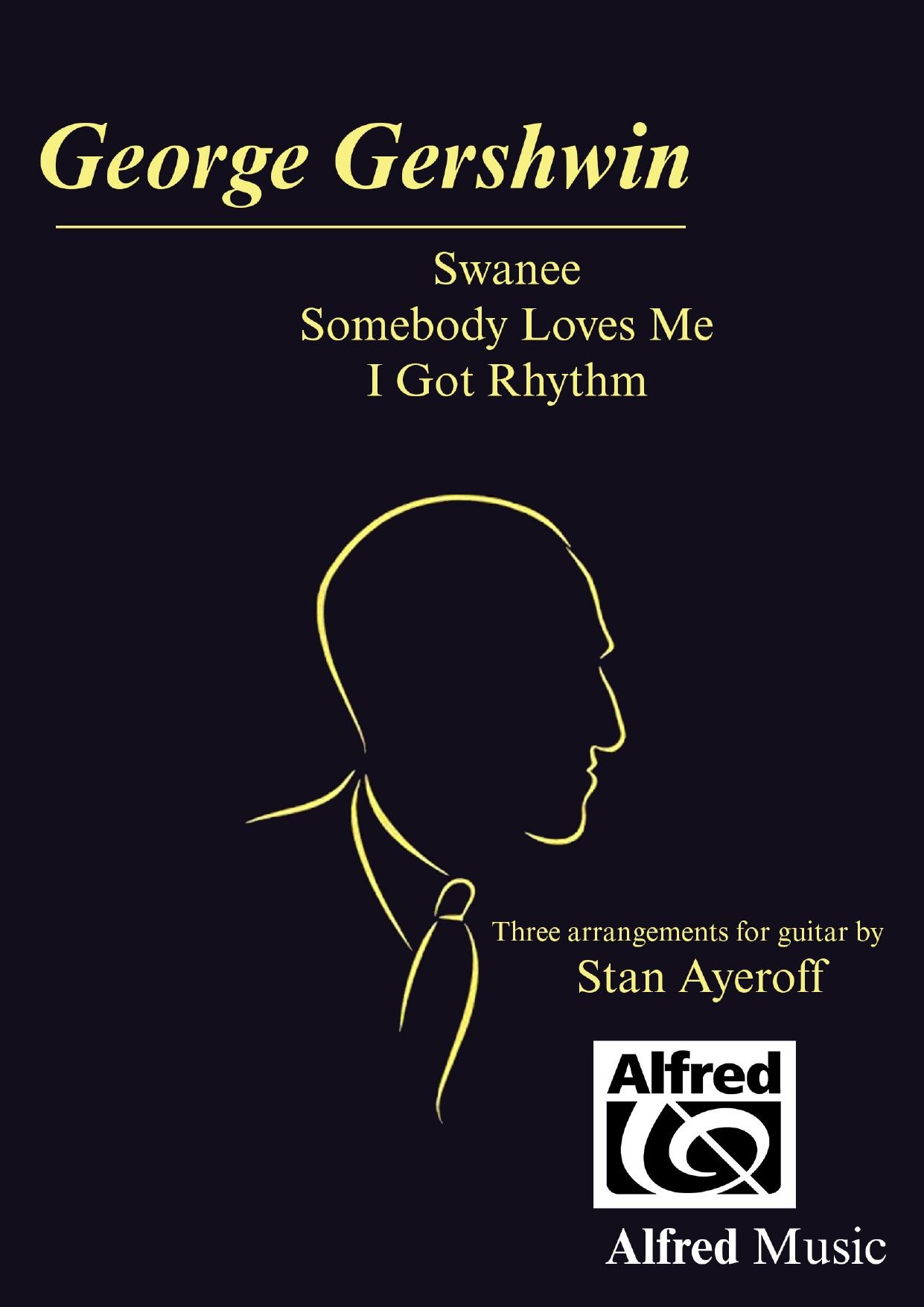
Search your favorite sheet music in the Sheet Music Library Catalog
I. Biography: From the Streets of Brooklyn to the Pinnacle of Fame
Humble Beginnings and a Fateful Piano (1898-1914)
The story of George Gershwin begins not with a prodigy at the keyboard, but with a restless boy on the streets of New York. He was born Jacob Gershowitz (later anglicized to Gershwin) on September 26, 1898, in Brooklyn, New York, to Moishe and Roza Bruskina Gershowitz, Russian-Jewish immigrants. His childhood was a typical one of a first-generation American: he was athletic, a bit of a troublemaker, and far more interested in street games like roller-skating and "cat" than in academic pursuits or music. The family piano was purchased for his older brother, Ira, who dutifully began lessons. George, however, was the one who was magnetically drawn to the instrument.
The defining moment came around 1910 when the family acquired a piano, and George, then 12, sat down and played a popular tune of the day with surprising facility. He soon began formal studies, and at 14, his musical life took a decisive turn when he began studying with Charles Hambitzer, a classically trained pianist and composer of great perception. Hambitzer immediately recognized the raw, untamed genius in the young Gershwin. He famously wrote to his sister, "I have a new pupil who will make his mark if anybody will. The boy is a genius." Hambitzer introduced George to the world of classical music—the works of Chopin, Liszt, Debussy, and the intricate harmonies that would later become a hallmark of his style—while ensuring he maintained his connection to the popular music of the day.
Tin Pan Alley: The Apprentice Becomes a Hitmaker (1914-1919)
At the age of 15, Gershwin dropped out of high school to work as a "song plugger" for the Jerome H. Remick & Co. publishing house on Tin Pan Alley. This was the bustling, cutthroat epicenter of American popular music. A song plugger's job was to play and sing the company's newest songs for vaudeville performers, bandleaders, and sheet music buyers, with the goal of making them into hits. This immersive experience was Gershwin's true academy. He learned the mechanics of a hit song, the importance of a catchy hook, and the commercial realities of the music business. It also honed his virtuosic piano skills, as he could play in any key and improvise with dazzling ease.
His first published song, "When You Want 'Em, You Can't Get 'Em," appeared in 1916. But his first national smash hit came in 1919 with "Swanee," popularized by the electrifying performer Al Jolson. "Swanee" sold millions of copies of sheet music and records, catapulting the 20-year-old Gershwin to fame and financial independence. It is ironic that his first mega-hit was a piece of Tin Pan Alley "hokum," as his future work would transcend such simple categorizations.
Broadway and the Jazz Age (1920-1924)
The 1920s saw George Gershwin become the toast of Broadway. He was a prolific composer of musicals for the George White's Scandals and other revues. However, he was growing beyond simple song-writing. Collaborating with lyricist Buddy DeSylva, he created a short "jazz opera" called Blue Monday for a 1922 revue. Though it was pulled after one performance, it was a crucial experiment that foreshadowed his later, more ambitious works.
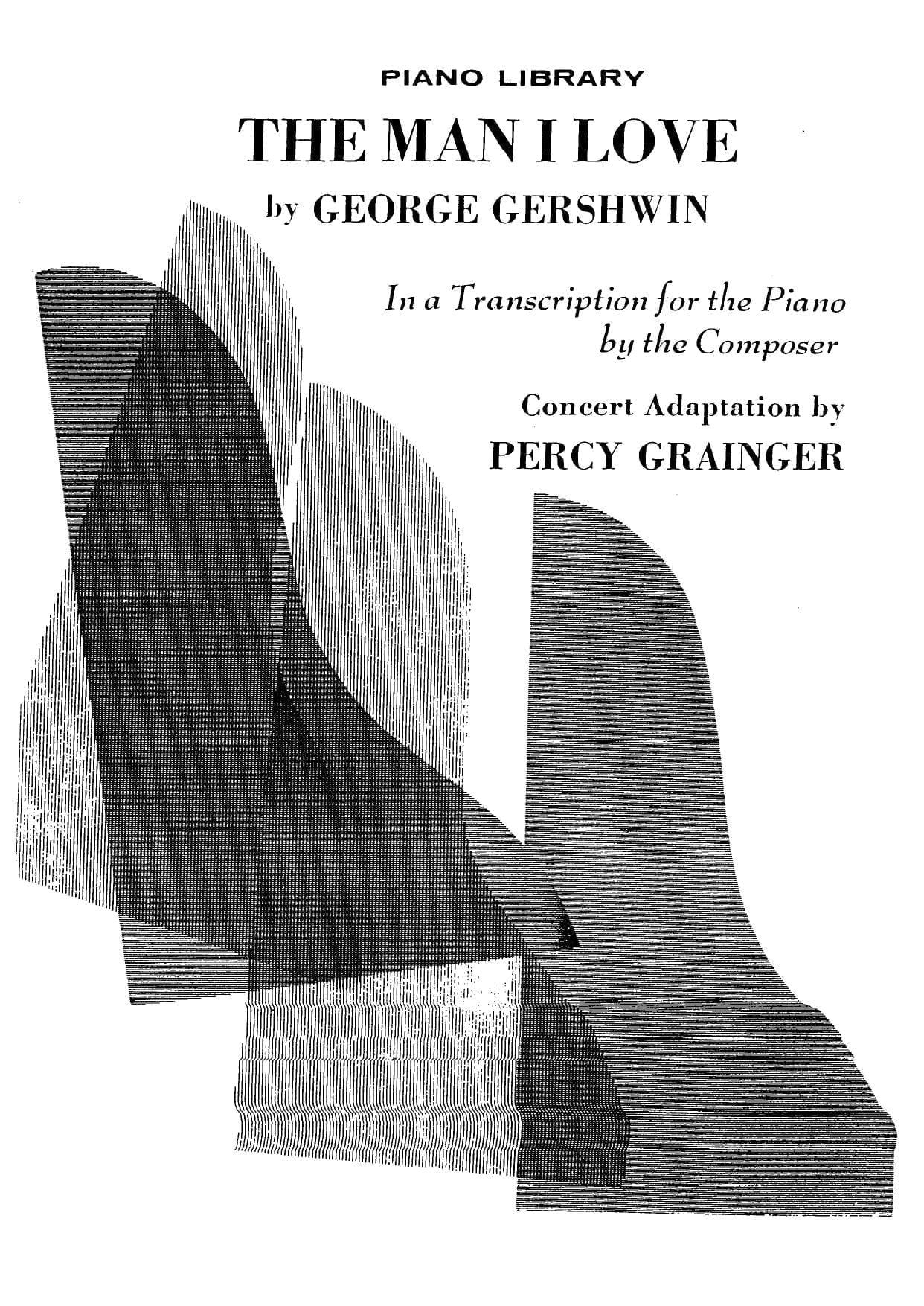
His relationship with lyricist and brother Ira Gershwin began in earnest in 1924, creating one of the most celebrated songwriting partnerships in history. Their first major hit together was "The Man I Love" (1924). Their collaboration was unique; George would typically compose the music first, and Ira would then craft lyrics that fit the melody's rhythm, inflection, and mood with uncanny precision. Ira’s witty, sophisticated, and conversational lyrics were the perfect match for George’s jazz-inflected, chromatically rich melodies.
The Concert Hall Beckons: Rhapsody in Blue and Beyond (1924-1930)
The single most defining moment of George Gershwin’s career occurred on February 12, 1924, at Aeolian Hall in New York City. Bandleader Paul Whiteman, seeking to elevate jazz to an art form, organized a concert titled "An Experiment in Modern Music." He commissioned Gershwin to write a concerto-like piece for piano and jazz band. Famously, Gershwin had forgotten about the commission until he saw an advertisement in the newspaper announcing the concert just over a month away. He composed Rhapsody in Blue in a frenzy, sketching it for two pianos and leaving the orchestration largely to Whiteman's arranger, Ferde Grofé.
The premiere was a sensation. Opening with the most famous clarinet glissando in music history (played by Ross Gorman), Rhapsody in Blue was a bold, brash, and brilliant synthesis of jazz rhythms, blues-inflected melodies, and virtuosic piano writing. It was a musical manifesto, announcing that American popular music was capable of producing works of lasting artistic merit. While critics debated its formal structure, the public was enraptured, and the work became Gershwin's calling card.
Following this triumph, Gershwin dedicated himself to mastering the tools of the classical composer, studying orchestration, counterpoint, and form with a succession of teachers, including Edward Kilenyi, Wallingford Riegger, and the esteemed theorist Joseph Schillinger. This period produced his Concerto in F (1925), a fully-fledged three-movement piano concerto; An American in Paris (1928), a vivid, jazzy tone poem evoking the sounds and energy of the French capital; and the Second Rhapsody (1931).
The Pinnacle: Porgy and Bess (1935)
George Gershwin’s ultimate ambition was to create a truly American opera. He found his subject in DuBose Heyward's novel Porgy, about the inhabitants of Catfish Row, a fictional African American community in Charleston, South Carolina. Gershwin worked closely with Heyward (who wrote the libretto) and Ira (who co-wrote the lyrics) on the project, which he called a "folk opera."
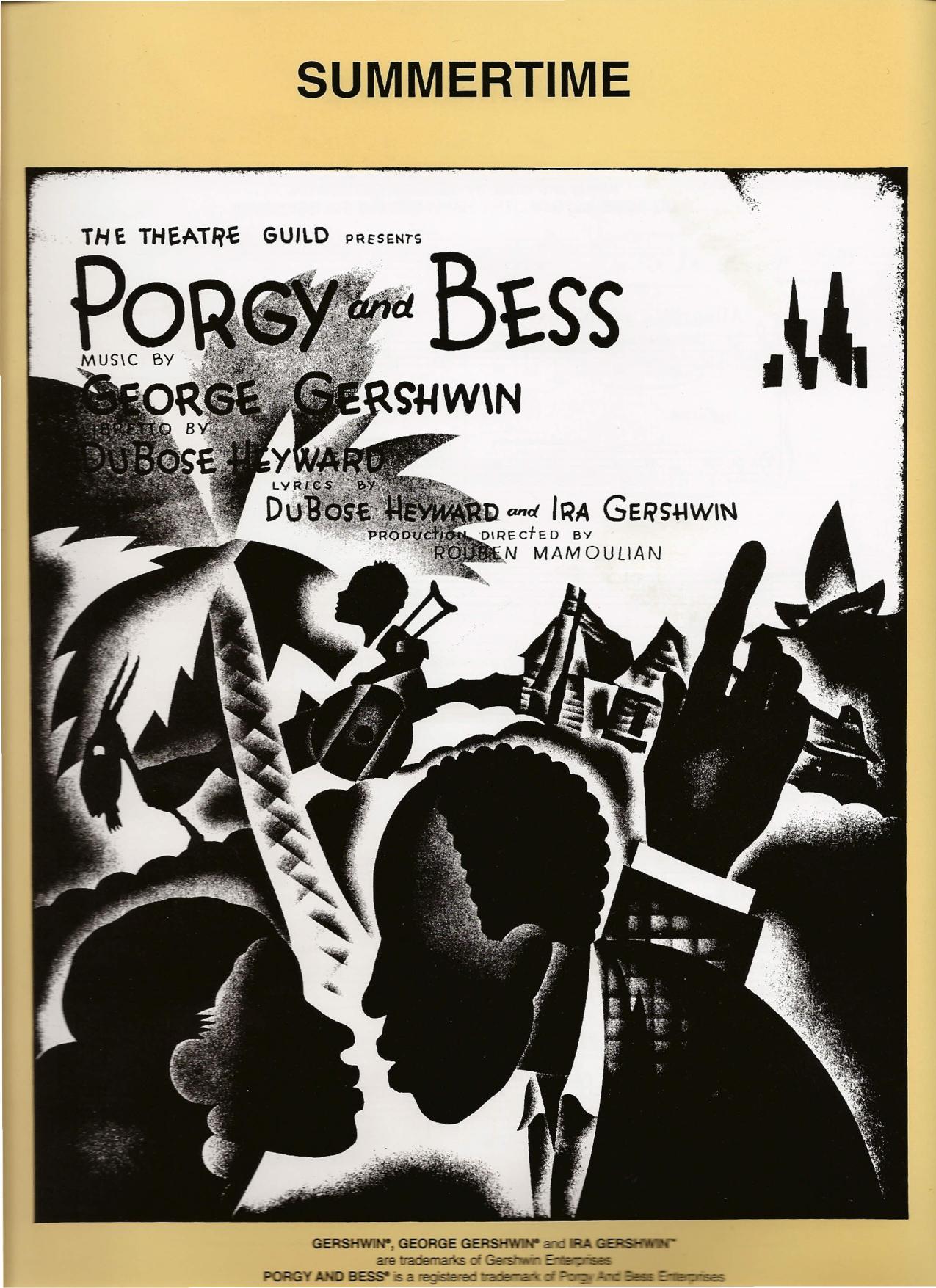
To prepare, Gershwin spent time in the Gullah communities of coastal South Carolina, absorbing their music, rhythms, and language. The result, Porgy and Bess, premiered in 1935, was a masterpiece. It was a work of staggering scope and ambition, featuring unforgettable songs like "Summertime," "I Got Plenty o' Nuttin'," "It Ain't Necessarily So," and "Bess, You Is My Woman Now." It demanded operatic voices but was rooted in jazz, blues, and spirituals. Though its initial run was considered a commercial disappointment due to its high production costs and its complex genre, it is now rightly regarded as one of the greatest American operas ever written and a cornerstone of 20th-century music.




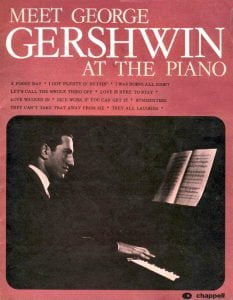


A Tragic End (1937)
Search your favorite sheet music in the Sheet Music Library Catalog
By 1937, George Gershwin was at the height of his fame, having moved to Hollywood to write for films with Ira. He was working on the scores for Shall We Dance and A Damsel in Distress when he began suffering from severe headaches, dizzy spells, and olfactory hallucinations (he smelled burning rubber). His behavior became erratic, and his piano playing was affected. Doctors initially dismissed his symptoms as stress. Tragically, they missed the diagnosis of a malignant brain tumor.
On July 9, 1937, he collapsed while working and fell into a coma. A desperate emergency surgery was performed to remove the tumor, but it was too late. George Gershwin died on July 11, 1937, at the age of 38. The world was stunned. The man who had so vibrantly captured the pulse of American life was gone, leaving behind a legacy that would only grow in stature.
II. Music Style and Harmonic Language
Gershwin's musical style is a unique and brilliant fusion. His genius lay not in inventing entirely new forms, but in synthesizing disparate elements into a cohesive and instantly recognizable voice.
The Foundation of Jazz and Blues: The core of Gershwin's sound is built on the syncopated rhythms and "blue" notes (flattened thirds, fifths, and sevenths) of jazz and blues. His melodies are often built on pentatonic scales and blues scales, giving them a distinctly American, vernacular quality. The driving energy of ragtime is also a constant presence.
The Influence of European Harmony: What elevates Gershwin's music beyond simple jazz is his sophisticated harmonic language, borrowed from his studies of European classical composers.
- Chromaticism: His melodies and harmonies are filled with chromatic passing tones and unexpected shifts. He loved to slide between major and minor tonalities.
- Debussy and Ravel: He was a great admirer of French Impressionists like Claude Debussy and Maurice Ravel. Their use of extended chords (9ths, 11ths, 13ths), whole-tone scales, and non-functional harmony profoundly influenced his ballads and concert works. The lush, dreamy quality of songs like "The Man I Love" or "But Not for Me" owes much to this influence.
- Russian and Jewish Music: Elements of his heritage can be heard in his use of the minor second interval and certain modal inflections, which add a touch of melancholy or exoticism to many of his themes.
- Frequent Modulations: A hallmark of Gershwin's songwriting is his tendency to shift keys multiple times within a single song, often in the bridge or "release" section. This technique keeps the music fresh and builds emotional intensity.
Iconic Chord Progression: The "Gershwin Chord" and "I Got Rhythm" Changes
Gershwin's harmonic signature is so distinct that it has entered the lexicon of music theory.
- The "Gershwin Chord": This often refers to a specific voicing used in "Rhapsody in Blue." It is a dominant 7th chord with both a flatted 9th and a major 3rd. For example, an E7(b9) chord voiced with the G# (major 3rd) placed above the F natural (b9). This creates a brilliant, biting dissonance that is both jazzy and modern. More broadly, the term describes his love for rich, extended harmonies.
- "I Got Rhythm" Changes: The chord progression from his 1930 song "I Got Rhythm" became one of the most important harmonic frameworks in all of jazz. Known simply as "Rhythm Changes," it is a 32-bar AABA progression. Its defining feature is a series of rapid-fire chord changes in the "A" section, often based on the circle of fifths (e.g., B♭ Gm | Cm F7 | Dm G7 | Cm F7…). This progression was so compelling that jazz musicians adopted it as a standard vehicle for improvisation. Countless jazz tunes, including Charlie Parker's "Anthropology" and Sonny Rollins's "Oleo," are based directly on "Rhythm Changes."
His melodic gift was equally profound. He had an unerring ability to create melodies that were both sophisticated and instantly hummable. They are often characterized by:
- Syncopation: Melodies that dance around the beat.
- Repeated Notes: Building rhythmic momentum through repetition before taking a leap.
- Wide Leaps: Contrasting stepwise motion with dramatic, expressive leaps.
- Conversational Inflection: A quality that made them perfect for Ira's witty, everyday-language lyrics.
III. Relationships with Other Artists
George Gershwin was a charismatic and magnetic figure, and his circle was vast and influential.
- Ira Gershwin: His brother and primary lyricist. Their collaboration was symbiotic. Ira was the quiet, literary craftsman who provided the perfect words for George's dynamic music. Together, they wrote the score for the "American songbook."
- Paul Whiteman: The "King of Jazz" bandleader who commissioned Rhapsody in Blue. Whiteman’s "symphonic jazz" movement provided the perfect platform for Gershwin’s early concert ambitions.
- Kay Swift: A brilliant composer in her own right and Gershwin's long-time mistress and musical confidante. She was a crucial sounding board for his ideas, and he consulted her on everything from his songs to Porgy and Bess.
- Fred and Adele Astaire: The legendary dance duo (and Fred's solo career) were the primary interpreters of the Gershwins' Broadway shows in the 1920s, including Lady, Be Good! and Funny Face. Their elegance and rhythmic precision were ideal for Gershwin's music.
- Oscar Levant: A virtuoso pianist, composer, and wit, Levant was one of Gershwin's closest friends and greatest champions. After Gershwin's death, Levant became a leading interpreter of his concert works.
- Gertrude Lawrence, Ethel Merman, and Ginger Rogers: These iconic performers brought Gershwin's songs to life on stage and screen, each leaving an indelible mark on songs like "Someone to Watch Over Me," "I Got Rhythm," and "Embraceable You."
- Arnold Schoenberg: The father of atonality, surprisingly, was a friend and admirer. Gershwin often played tennis with Schoenberg in Hollywood. Schoenberg, in a moving eulogy, praised Gershwin as "one of the most outstanding musicians of his generation," recognizing the seriousness of his craft beneath the popular veneer.
- Maurice Ravel: A famous anecdote encapsulates their relationship. Gershwin, seeking to study with the great French composer, approached Ravel during a trip to Paris. Ravel reportedly declined, asking, "Why be a second-rate Ravel when you are already a first-rate Gershwin?" This story, whether fully accurate or not, highlights the mutual respect between the popular American and the classical European.
IV. Influences and Legacy
Influences:
Gershwin's style was a melting pot.
- From Tin Pan Alley: The craft of concise songwriting, the importance of the hook, and the energy of ragtime.
- From Jazz and Blues: The rhythmic vitality, the blue notes, and the spirit of improvisation, which he captured in notated form.
- From European Classics: The formal structures (concerto, tone poem, opera), the lush harmonies of Debussy and Ravel, and the developmental techniques of the masters he studied with.
Legacy:
Gershwin's legacy is immeasurable.
- He legitimized American vernacular music. He proved to the classical world that jazz and popular song were not inferior forms, but could be the basis for serious, lasting art.
- He shaped the "Great American Songbook." Along with Irving Berlin, Cole Porter, and Jerome Kern, he defined the sound of American popular music for the first half of the 20th century. His songs are standards, interpreted by generations of jazz and pop artists.
- He influenced countless musicians. Jazz giants from Duke Ellington and Charlie Parker to Herbie Hancock have explored his harmonies. Classical composers like Leonard Bernstein and John Adams owe a debt to his fearless blending of styles.
- His music became a symbol of American optimism and energy. Pieces like Rhapsody in Blue are sonic shorthand for the American experience, evoking the dynamism of New York City and the promise of the modern age. The Gershwin Prize for Popular Song, awarded by the Library of Congress, stands as a testament to his enduring impact.
V. Works: A Comprehensive Overview
Main article on Wikipedia: List of compositions by George Gershwin
A. Broadway Musicals & Revues (Selected):
- La La Lucille (1919) - First full Broadway score.
- George White's Scandals (1920-1924) - Annual revues.
- Lady, Be Good! (1924) - Featuring "Fascinating Rhythm" and "The Man I Love."
- Tip-Toes (1925)
- Oh, Kay! (1926) - Featuring "Someone to Watch Over Me."
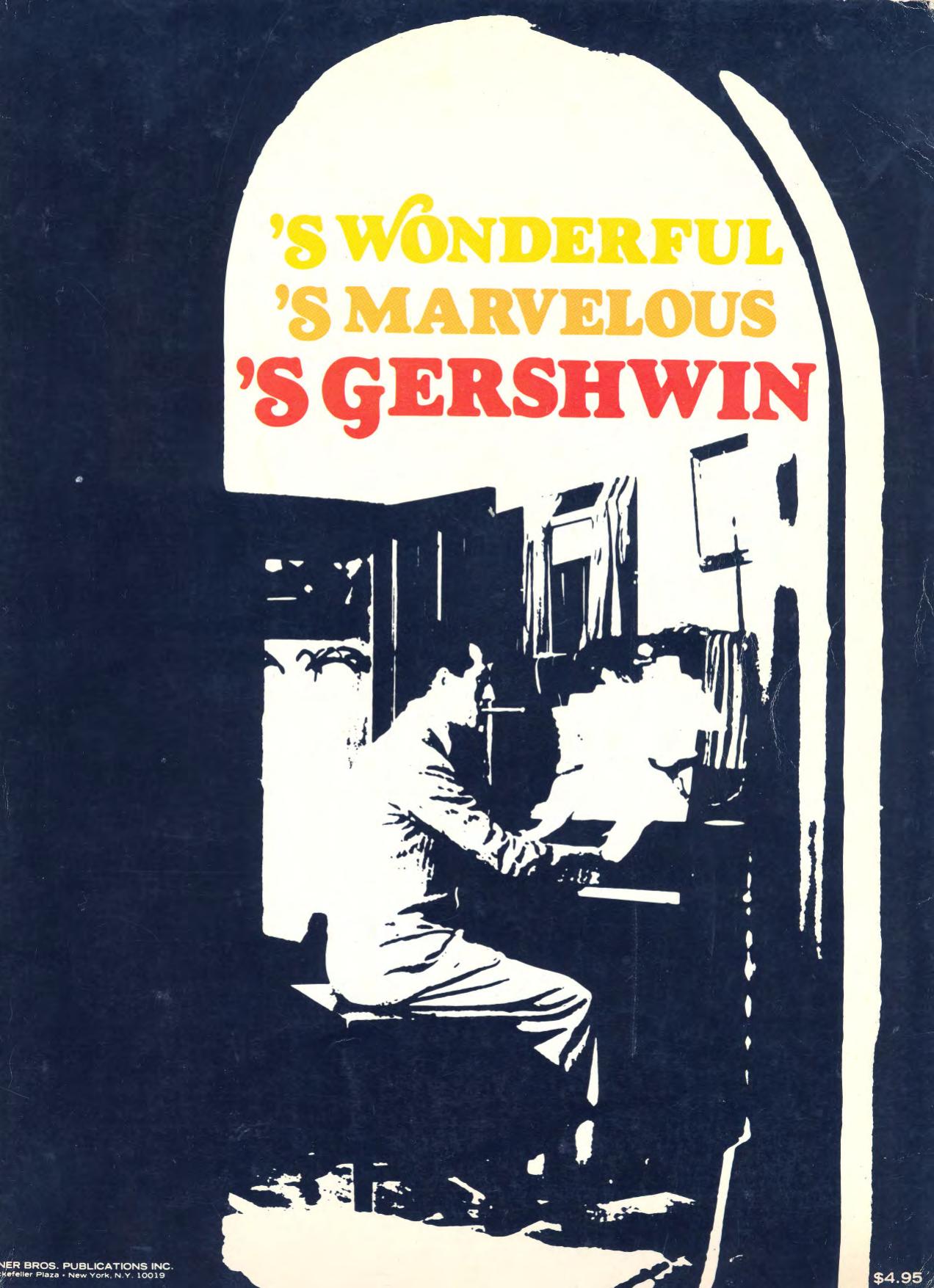
- Funny Face (1927) - Featuring "'S Wonderful."
- Rosalie (1928)
- Treasure Girl (1928)
- Show Girl (1929) - Featuring "Liza (All the Clouds'll Roll Away)."
- Strike Up the Band (1930)
- Girl Crazy (1930) - Featuring "I Got Rhythm," "Embraceable You," "But Not for Me."
- Of Thee I Sing (1931) - First musical to win the Pulitzer Prize for Drama.
- Pardon My English (1933)
- Let 'Em Eat Cake (1933)
B. Opera:
- Blue Monday (1922) - A one-act "jazz opera" (precursor to Porgy).
- Porgy and Bess (1935) - The masterwork "folk opera."
C. Orchestral and Concert Works:
- Rhapsody in Blue (1924) - For piano and jazz band/orchestra.
- Concerto in F (1925) - For piano and orchestra.
- An American in Paris (1928) - A tone poem for orchestra.
- Second Rhapsody (1931) - For piano and orchestra.
- Cuban Overture (1932) - An orchestral work inspired by a trip to Havana.
- "I Got Rhythm" Variations (1934) - A set of variations for piano and orchestra.
- Catfish Row (1936) - An orchestral suite derived from Porgy and Bess.
D. Film Scores:
Gershwin moved to Hollywood in 1936. The scores for his film musicals were primarily composed by George, with lyrics by Ira.
- Delicious (1931) - His first film work, featuring "New York Rhapsody."
- Shall We Dance (1937) - Starring Fred Astaire and Ginger Rogers. Features "They Can't Take That Away from Me" and "Let's Call the Whole Thing Off."
- A Damsel in Distress (1937) - Starring Astaire, Joan Fontaine, and Burns & Allen. Features "A Foggy Day" and "Nice Work If You Can Get It."
- The Goldwyn Follies (1938) - Released posthumously. Features "Love Is Here to Stay" and "Our Love Is Here to Stay."
VI. Discography (Key Recordings & Interpretations)
Gershwin himself was a brilliant pianist and made a number of recordings. However, the most significant performances of his work have come from a vast array of artists.
Gershwin's Own Recordings:
- George Gershwin Plays George Gershwin (piano rolls and acoustic recordings from the 1920s and 30s, offering a glimpse into his own virtuosic style).
Landmark Interpretations of the Concert Works:
- Leonard Bernstein with the Columbia Symphony Orchestra: Bernstein's recordings of Rhapsody in Blue and An American in Paris (where he both conducts and plays piano) are legendary for their energy and authenticity.
- André Previn: A brilliant jazz and classical pianist, Previn's recordings of the Concerto in F and other works are definitive.
- Michael Tilson Thomas: A devoted champion of Gershwin, Tilson Thomas's recordings with the San Francisco Symphony are noted for their textural clarity and fidelity to Gershwin's intentions.
- Earl Wild: His recording of the Rhapsody is considered one of the most virtuosic ever made.
Landmark Interpretations of the Songs (Porgy and Bess):
- Ella Fitzgerald and Louis Armstrong: Their 1958 album Porgy and Bess is a masterclass in jazz interpretation, turning the operatic arias into intimate, swinging duets.
- Miles Davis with Gil Evans: Their 1959 orchestral jazz album Porgy and Bess is a landmark of cool jazz, reimagining the score with lush, brooding textures.
- Sarah Vaughan: Her renditions of Gershwin standards are the gold standard for vocal artistry.
- Frank Sinatra: His phrasing and swagger brought a new dimension to songs like "I've Got a Crush on You" and "A Foggy Day."
VII. Documentaries and Films About Gershwin
- "Rhapsody in Blue" (1945): A biographical film starring Robert Alda (Alan Alda's father) as Gershwin. It is a romanticized Hollywood account but features many of his songs and a famous performance of the title work.
- "George Gershwin Remembered" (1987): A documentary produced for the BBC's American Masters series. It is an insightful look at his life and work, featuring interviews with those who knew him, including Kay Swift and Irving Caesar.
- "Porgy and Bess: An American Voice" (1998): A PBS documentary that explores the complex history and legacy of the opera, including its controversies and triumphs.
- "Gershwin's Summertime: The Song That Conquered the World" (2011): A documentary that traces the origins and global impact of one of the most recorded songs in history.
The Final Question: Did He Compose Jazz or Classical Music?
This is the central, enduring question about George Gershwin, and the answer is not a simple either/or. It is, instead, a resounding both, and neither, and something entirely new.
The Case for Classical: Gershwin composed in classical forms—the concerto, the tone poem, the opera. His works were meticulously notated and were intended for performance by concert orchestras and classically trained singers. He studied counterpoint and form with the goal of mastering these disciplines. Works like Concerto in F and Porgy and Bess have an architectural weight and dramatic arc that aligns them with the classical tradition. He sought the validation of the classical world.
The Case for Jazz: The very essence of his musical language is jazz and blues. The rhythms, the harmonies (blue notes, seventh chords), the melodic inflections, and the spirit of his music are all born from the African American musical experience. He was a master improviser at the piano. Rhapsody in Blue was initially performed by a "jazz" band and embodies the improvisational spirit of the genre. His songs are the bedrock of jazz repertoire, serving as vehicles for improvisation for nearly a century.
The Synthesis: Creating a "Third Stream": The most accurate answer is that Gershwin created a brilliant and seamless synthesis. He was not a jazz composer in the same way Duke Ellington was, writing for his own ensemble of soloists. Nor was he a classical composer in the traditional Austro-Germanic sense. He was a pioneer of what would later be called "Third Stream" music—a genre that exists in the fertile space between jazz and classical.
He took the structural grammar of classical music and filled it with the vocabulary of jazz. This is what made him revolutionary. Critics of his time, from both the jazz and classical camps, often failed to understand this. Some jazz purists felt his works were too "arranged" and not "authentic" jazz. Some classical critics felt his large-scale forms were structurally weak, relying on brilliant moments rather than rigorous development.
But George Gershwin's goal was not to be a purist. His goal was to capture the sound of America. As he himself said, "Jazz I regard as an American folk music; not the only one, but a compelling one that is probably in the blood and feeling of the American people more than any other style of folk music." He saw himself as a composer who drew from the wellspring of his time and place.
He did not simply put jazz into a classical mold; he created a new mold altogether. The clarinet glissando that opens Rhapsody in Blue is a jazz sound in a concert hall. The lullaby "Summertime" is a blues-inflected aria in an opera. This was his genius. He took the syncopated heartbeat of American popular music and gave it the ambition and scale of great art.
In the end, the debate over whether he was a jazz or classical composer misses the point. George Gershwin was an American composer. His music transcended the labels of its era to become something timeless. It is music that swings and soars, that is both deeply sophisticated and immediately accessible. It is the sound of a nation finding its voice, and that voice is unmistakably, and eternally, Gershwin's. His premature death remains one of music's greatest tragedies, but the work he left behind is more than a legacy—it is a living, breathing part of the world's musical soul.
Browse in the Sheet Music Library:
Or browse in the categories menus & download the Library Catalog PDF:
- In 1937, Gershwin received his sole Academy Award nomination for Best Original Song at the 1937 Oscars for "They Can't Take That Away from Me", written with his brother Ira for the 1937 film Shall We Dance. The nomination was posthumous; Gershwin died two months after the film's release.
- In 1982, George Gershwin was inducted into the Jewish-American Hall of Fame.
- In 1985, the Congressional Gold Medal was awarded to George and Ira Gershwin. Only three other songwriters, George M. Cohan, Harry Chapin, and Irving Berlin, have received this award.
- In 1998, a special Pulitzer Prize was posthumously awarded to Gershwin "commemorating the centennial year of his birth, for his distinguished and enduring contributions to American music."
- The George and Ira Gershwin Lifetime Musical Achievement Award was established by UCLA to honor the brothers for their contribution to music and for their gift to UCLA of the fight song "Strike Up the Band for UCLA".
- In 2006, Gershwin was inducted into the Long Island Music Hall of Fame.
- In 2007, the Library of Congress created the Library of Congress Gershwin Prize for Popular Song (aka, Gershwin Prize) in honor of both George and Ira Gershwin.
George Gershwin: An American in Paris
Gershwin: An American in Paris · San Francisco Symphony · Seiji Ozawa Russo: Street Music; 3 Pieces – Gershwin: An American in Paris.
Gershwin: Complete Songbook for Piano
Enrico Fagnoni (piano).
Tracklist:
0:00:00 Do It Again 0:01:35 Fascinating Rhythm 0:02:24 Do Do Do 0:03:26 My One and Only 0:04:09 Clap Yo' Hands 0:04:54 Somebody Loves Me 0:06:03 I'll Build a Stairway to Paradise 0:06:40 That Certain Feeling 0:08:13 Liza 0:10:39 Strike up the Band 0:11:34 Sweet and Low Down 0:12:28 Nobody But You 0:13:31 ’S Wonderful 0:14:38 Who Cares 0:15:49 Swanee 0:16:33 Oh, Lady Be Good 0:17:46 I Got Rhythm
0:18:57 The Man I Love Gershwin: Songbook (arranged by Enrico Fagnoni) 0:21:22 Do It Again 0:23:37 Fascinating Rhythm 0:24:30 Do Do Do 0:26:59 My One and Only 0:28:51 Clap Yo' Hands 0:29:42 Somebody Loves Me 0:32:08 I'll Build a Stairway to Paradise 0:34:26 That Certain Feeling 0:36:14 Liza 0:39:24 Strike up the Band 0:41:34 Sweet and Low Down 0:44:07 Nobody But You 0:46:03 ’S Wonderful 0:48:09 Who Cares 0:50:04 Swanee 0:51:26 Oh, Lady Be Good 0:55:17 I Got Rhythm 0:56:53 The Man I Love