
Scores for all instruments: 16,000+ (active and growing), over 236,000 pages.
All genres and levels: Jazz & Blues, Rock & Pop, Classical & Contemporary, Film & Musicals;
books & biographies; methods, études, play-along tracks (MP3) for Jazz & Rock.
Access & benefits: US$15.99 one-time payment, valid for lifetime, full Library access.
Table of Contents
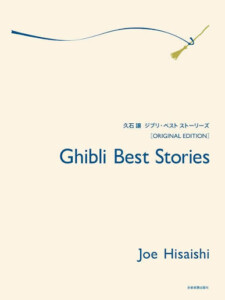
The best sheet music download from our Library.
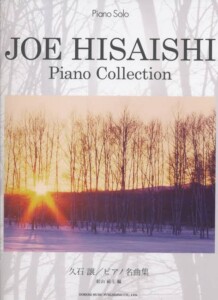
Please, subscribe to our Sheet Music Library. Sheet music should be accessible and affordable for all musicians, from professionals to absolute beginners.
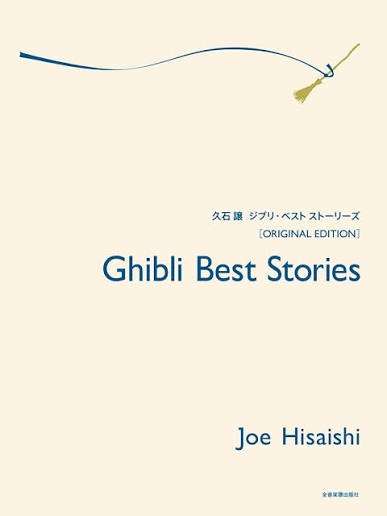
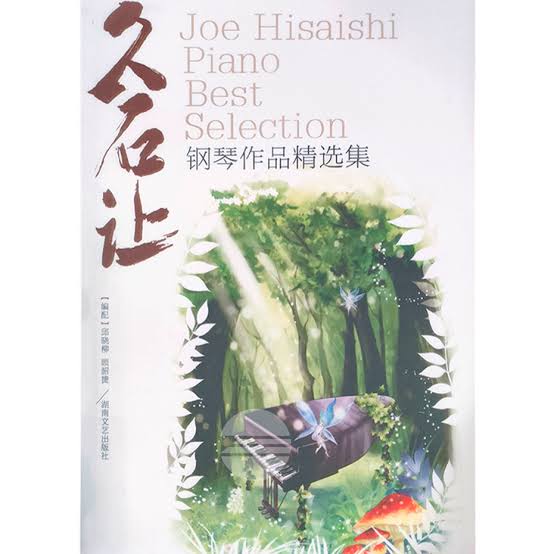
Joe Hisaishi Howl's Moving Castle Merry Go Round Life sheet music, Noten, partitura, spartiti 楽譜, 乐谱
Search your favorite sheet music in the Sheet Music Library Catalog
Joe Hisaishi: The Composer Who Gave Anime Its Soul and Beyond
Joe Hisaishi is one of the most beloved and widely recognized film composers in the world. For more than four decades, his music has accompanied some of the most cherished animated films ever made, particularly the works of Hayao Miyazaki and Studio Ghibli. Yet Hisaishi is far more than a composer for animation. He is a classically trained musician, a conductor, a pianist, a modernist, a minimalist, and a melodist of extraordinary gifts. His music has moved from Japanese television and pop arranging into the global concert hall, from intimate piano solos to sold-out performances in stadiums. He has composed for live-action cinema, contemporary classical music, and international productions. His career is a bridge between East and West, between popular and serious music, between the cinema and the concert stage.
This article explores Hisaishi’s life, his musical language, his most important works, his collaborations, his influences, and his legacy. It is a portrait of an artist whose melodies have become part of the emotional vocabulary of millions.
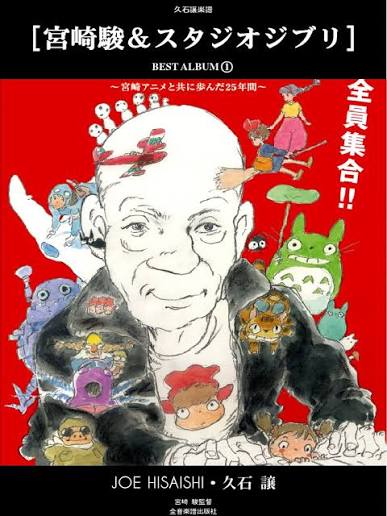

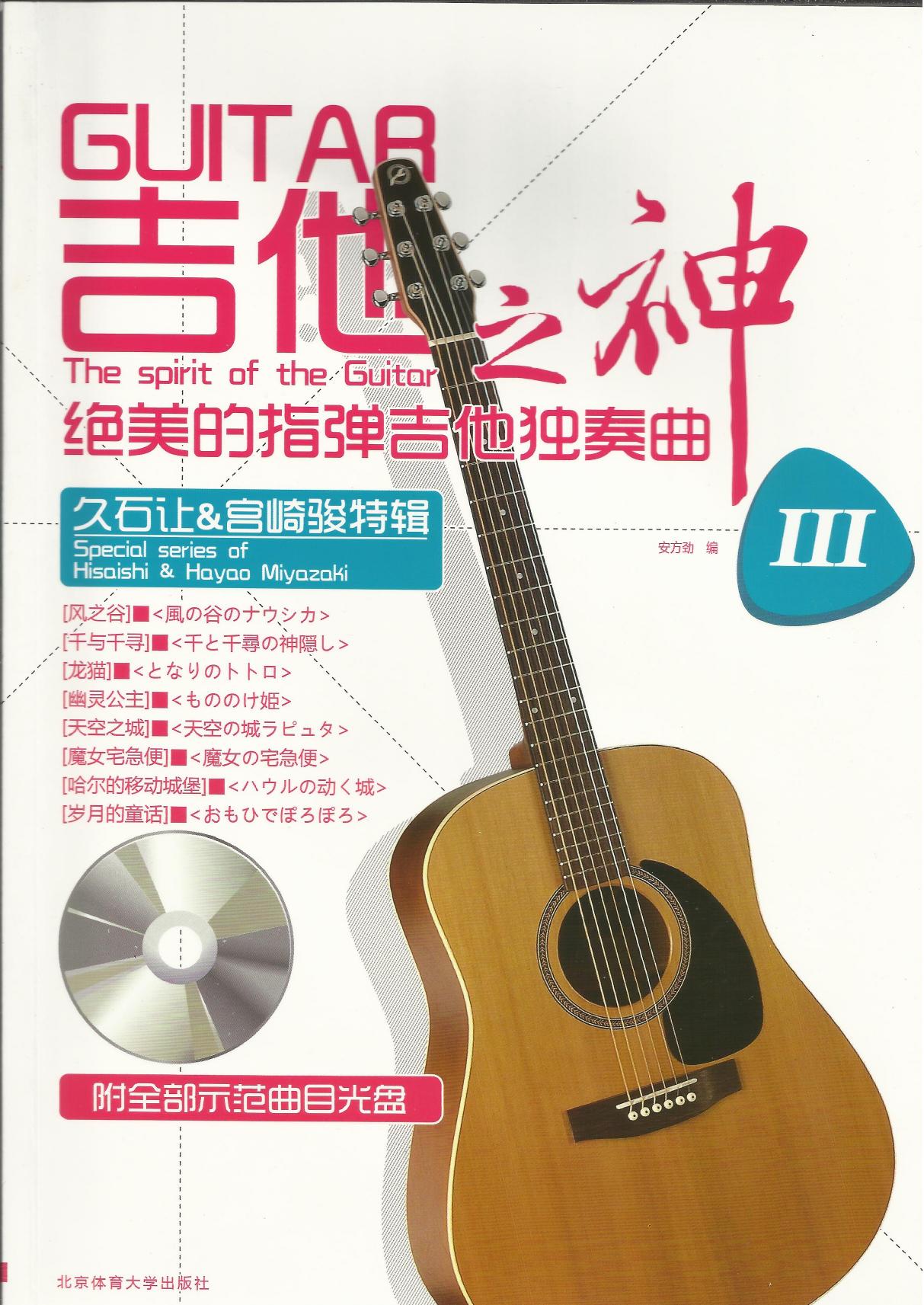

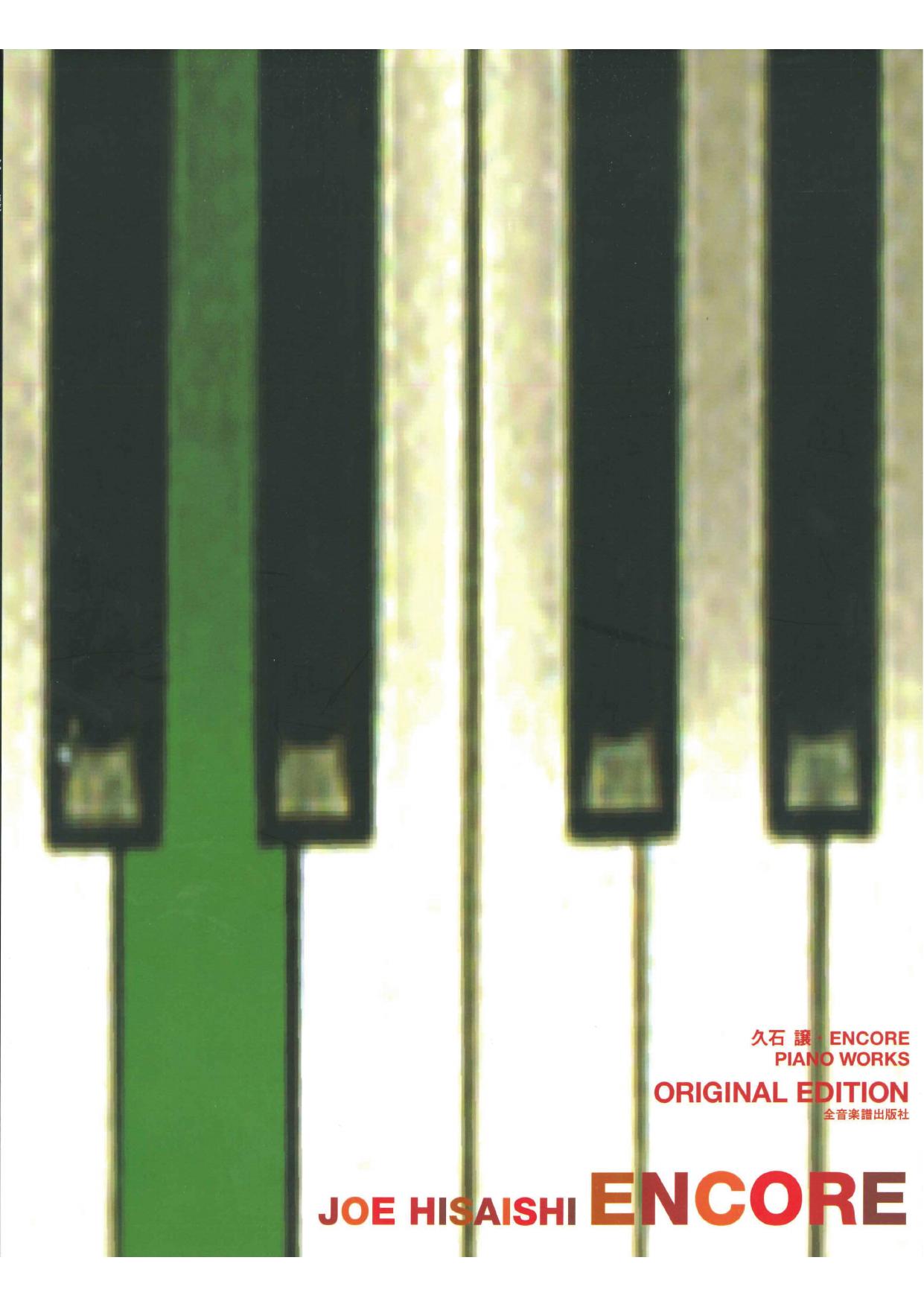
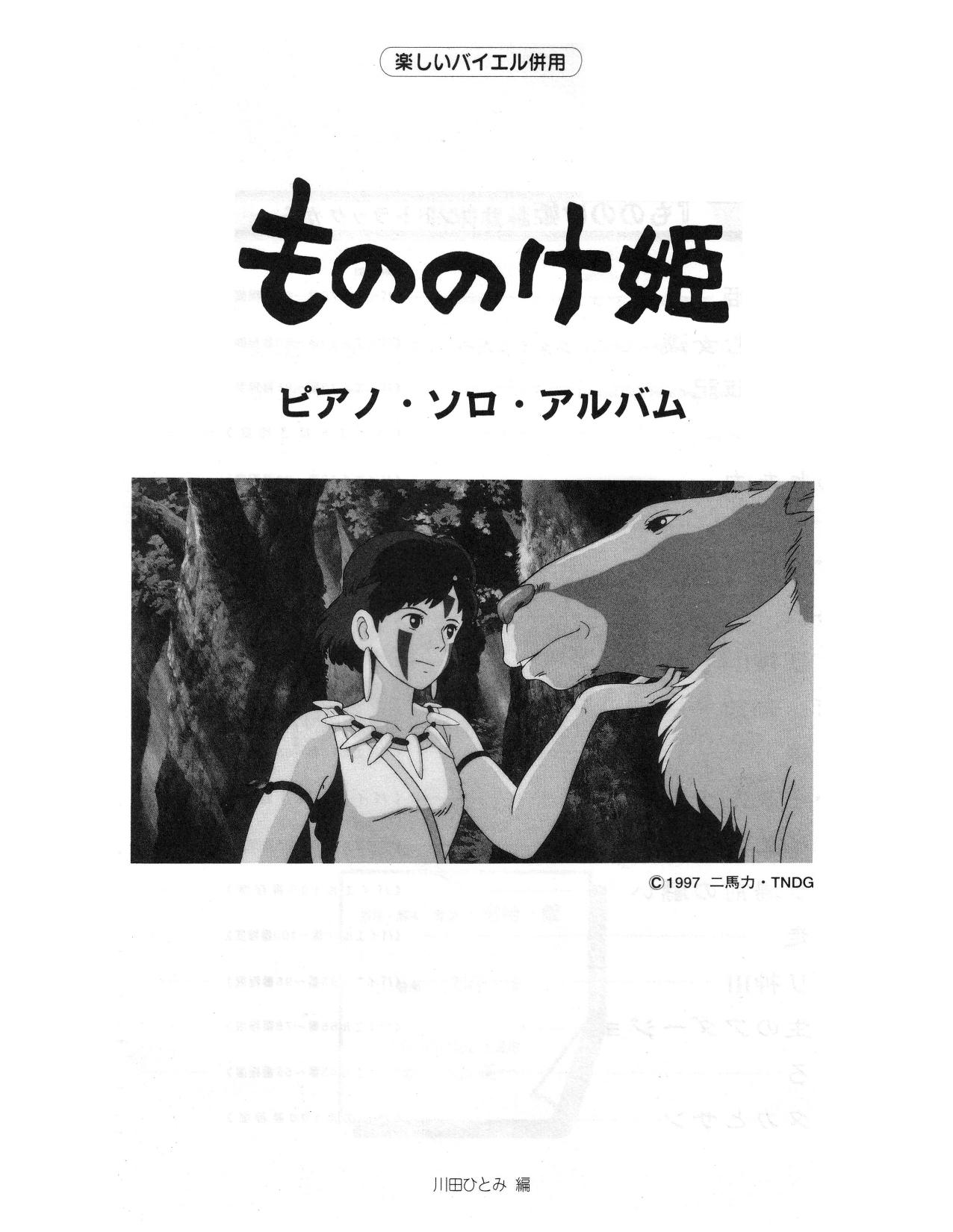



Early Life and Education
Joe Hisaishi was born Mamoru Fujisawa on December 6, 1950, in Nakano, Nagano Prefecture, Japan. His childhood was marked by two formative experiences. The first was music. At the age of four, he began studying violin at the Suzuki Violin School, an institution famous for its method of teaching young children to play by ear and by imitation. This early training gave him a deep connection to melody, phrasing, and the human voice of instruments. The second was cinema. His father took him to see films regularly, and it is said that during his youth he watched as many as three hundred films a year. That immersion in image and sound shaped his understanding of how music functions in narrative. He did not simply learn to write music; he learned to listen to stories.
In 1969, Hisaishi entered the Kunitachi College of Music, where he studied composition. The late 1960s and early 1970s were a time of experimentation in music. Minimalism was emerging as a major force through composers such as Steve Reich, Philip Glass, and Terry Riley. Electronic music, free jazz, and rock were expanding the boundaries of what music could be. Hisaishi absorbed these influences while also receiving rigorous training in traditional harmony, counterpoint, and orchestration. He graduated in 1974 and began working as a professional composer.
His first major work in animation came in 1974, when he composed music for the anime series Gyatoruzu. This was followed by work on other television projects, but his early career was not limited to film and television. He also worked as an arranger and producer for Japanese pop artists, an experience that sharpened his sense of rhythm, texture, and commercial appeal. In 1981, he released MKWAJU, an album of minimalist music that announced his interest in repetition, atmosphere, and non-Western scales. In 1982, he released Information, his first solo album as Joe Hisaishi. Around this time he adopted the stage name Joe Hisaishi. The name is often said to have been inspired by Quincy Jones, and it gave him a distinct identity as he moved from studio work into the public eye.

The Meeting with Miyazaki and the Birth of a Partnership
The turning point in Hisaishi’s career came in 1983. Hayao Miyazaki was preparing Nausicaä of the Valley of the Wind, an animated film based on his own manga. The production was ambitious and uncertain. Hisaishi was brought in to compose the score. When Nausicaä was released in 1984, it was a critical and commercial success. Its profits helped pave the way for the founding of Studio Ghibli in 1985. More importantly, it began one of the most celebrated partnerships in cinema history.
Miyazaki and Hisaishi are often compared to other great director-composer pairs: Alfred Hitchcock and Bernard Herrmann, Sergio Leone and Ennio Morricone, Steven Spielberg and John Williams. What makes the Miyazaki-Hisaishi partnership distinctive is its balance of wonder and restraint. Miyazaki’s worlds are filled with flight, nature, war, childhood, and spiritual mystery. Hisaishi’s music does not simply illustrate these images. It gives them an inner life. It can be grand and sweeping, as in Princess Mononoke, or gentle and playful, as in My Neighbor Totoro. It can be mysterious and floating, as in Spirited Away, or nostalgic and bittersweet, as in The Wind Rises. In every case, the music feels inseparable from the film.
The Ghibli Years: A Musical Universe
Hisaishi’s work for Studio Ghibli constitutes the heart of his popular reputation. The list of films he scored reads like a canon of modern animation.
For Nausicaä of the Valley of the Wind (1984), he created a score that mixed symphonic writing with electronic textures and ancient-sounding melodies. Tracks such as “The Legend of the Wind” and “The Valley of the Wind” establish the film’s ecological and mythic scale. The music feels both futuristic and prehistoric, a quality that would recur throughout his career.
Castle in the Sky (1986) produced one of his most enduring melodies, “Carrying You” (also known as “Kimi wo Nosete”). The song’s soaring theme captures the film’s spirit of adventure and longing. The score also includes energetic brass fanfares, delicate piano passages, and mysterious atmospheric writing.
My Neighbor Totoro (1988) is perhaps Hisaishi’s most purely joyful score. The main theme, “My Neighbor Totoro,” and the infectious “Hey Let’s Go” are simple, childlike, and unforgettable. Yet the score also contains quieter pieces such as “Path of the Wind” and “The Wind Forest,” which evoke the mystery of the countryside and the invisible world of the spirits. The music is not childish; it is childlike in the best sense, open to wonder.
Kiki’s Delivery Service (1989) gave Hisaishi the opportunity to write music with a European flavor. The story of a young witch in a seaside town inspired themes such as “A Town with an Ocean View,” which blends lightness, independence, and a touch of melancholy.
Porco Rosso (1992) is one of his most stylish scores. Set in the Adriatic between the wars, the film called for jazz, tango, and Mediterranean colors. “The Bygone Days” is a wistful, elegant theme that captures the nostalgia of a flying ace haunted by the past. The score shows Hisaishi’s ability to absorb popular idioms without losing his own voice.
Princess Mononoke (1997) is a landmark in both Miyazaki’s career and Hisaishi’s. The film is epic, violent, and spiritually profound. Hisaishi responded with a large orchestral score, a boys’ choir, and powerful percussion. “The Legend of Ashitaka” is one of his greatest themes: a slow, noble melody that rises above the conflict between nature and civilization. “Ashitaka and San” is tender and tragic. The score won widespread acclaim and helped introduce Hisaishi to international audiences beyond anime fandom.
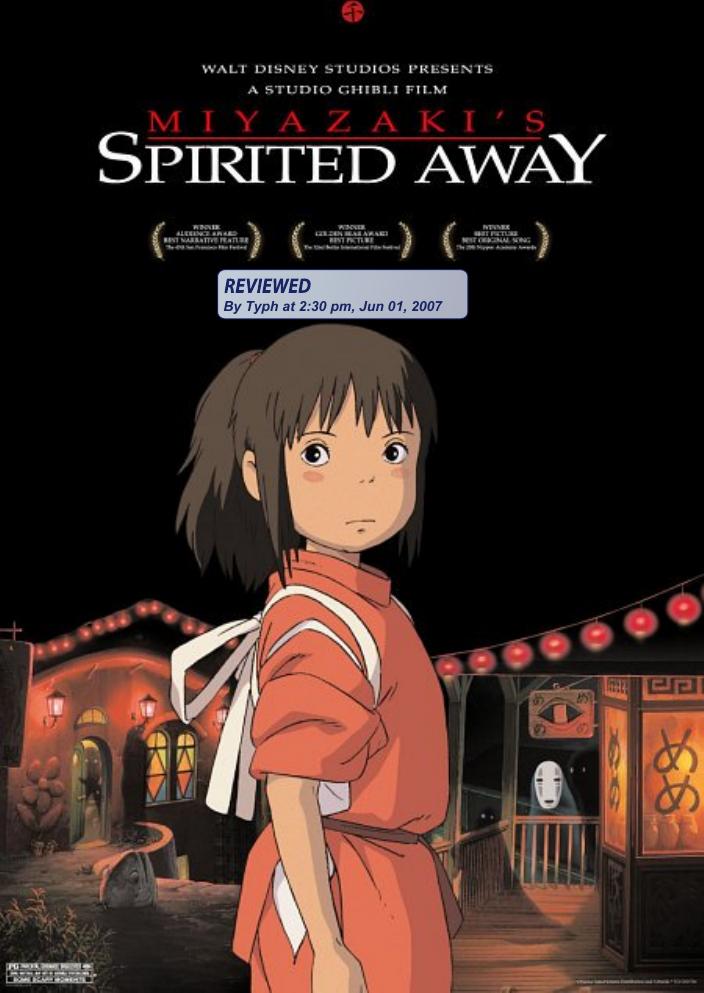
Spirited Away (2001) is often considered Hisaishi’s masterpiece. The story of Chihiro’s journey into a spirit world allowed him to write music that is by turns eerie, delicate, humorous, and deeply moving. “One Summer’s Day” is a piano-led theme of exquisite simplicity, its melody unfolding over gentle strings and subtle harmonies. “The Dragon Boy,” “Reprise,” and the ending song “Always With Me” have become standards. The score won the Japan Academy Prize for Best Music and remains one of the most beloved film scores of the twenty-first century.
Howl’s Moving Castle (2004) contains “Merry-Go-Round of Life,” perhaps Hisaishi’s most famous waltz. The theme is elegant, swirling, and bittersweet, perfectly matching the film’s blend of romance, magic, and anti-war sentiment. The score also includes “The Promise of the World” and a rich array of orchestral and chamber textures.
Ponyo (2008) returned to a simpler, more childlike world. The title song “Ponyo on the Cliff by the Sea” is bright and catchy, while the orchestral score evokes the sea, storms, and the wonder of childhood.
The Wind Rises (2013) is one of Hisaishi’s most mature scores. The film is a fictionalized biography of an aircraft designer, and the music is filled with longing, beauty, and sadness. “A Journey (A Dream of Flight)” and “Naoko” are delicate and elegiac. The score feels like a summation of Hisaishi’s art: melodic, restrained, and deeply human.
The Tale of Princess Kaguya (2013), directed by Isao Takahata, gave Hisaishi another kind of challenge. The film’s charcoal-sketch animation and folkloric story called for music that was both ancient and modern. His score uses harp, flute, percussion, and strings to create a world that feels like a memory of a lost Japan.
The Boy and the Heron (2023) marked another late-career collaboration with Miyazaki. Hisaishi took a different approach. He watched the film only when it was nearly complete, and Miyazaki gave him considerable freedom. The resulting score is spare and introspective. It relies heavily on piano, with intermittent strings, brass, timpani, and electronic effects. Critics praised its restraint. It does not overwhelm the images; it leaves space for them to breathe. In 2026, Hisaishi rearranged the score into a piano and orchestra symphonic suite, recorded with the Royal Philharmonic Orchestra, with himself as piano soloist.
Beyond Ghibli: Kitano, International Cinema, and Hollywood
Hisaishi’s talent was never confined to animation. In 1991, he began a long collaboration with director Takeshi Kitano on A Scene at the Sea. The film is almost silent, and Hisaishi’s music carries much of its emotional weight. Their partnership continued with Kids Return (1996), Hana-Bi (1997), Kikujiro (1999), Brother (2000), and Dolls (2002). Kitano’s films are often violent, deadpan, and melancholic. Hisaishi’s music for them is correspondingly spare and reflective. The score for Kikujiro produced “Summer,” a piano theme of such lightness and charm that it has become one of his most recognizable pieces. Hana-Bi won the Golden Lion at Venice, and Hisaishi’s music helped define its elegiac tone.
In Asia, Hisaishi has worked with several major directors. He composed for Jiang Wen’s The Sun Also Rises (2007) and Let the Bullets Fly (2010), for Ann Hui’s The Postmodern Life of My Aunt (2006) and Our Time Will Come (2017). His score for The Postmodern Life of My Aunt won the Hong Kong Film Award for Best Original Film Score. He also composed the music for Yojiro Takita’s Departures (2008), a film about a cellist who becomes an undertaker. The score, built around a deeply moving cello theme, won international acclaim and contributed to the film’s Academy Award for Best Foreign Language Film.
In 2025, Hisaishi made his Hollywood scoring debut with Kogonada’s A Big Bold Beautiful Journey. The film, a romantic fantasy, allowed him to work within an American production while retaining his distinctive voice. His ability to move between Japanese, Chinese, and Hollywood cinema demonstrates the universality of his musical language.
Musical Style and Technique
Hisaishi’s style is difficult to reduce to a single formula, but several features recur across his work.
Minimalism and Repetition
Hisaishi was deeply influenced by minimalist composers such as Steve Reich, Philip Glass, and Terry Riley. In his film scores, minimalism appears not as a rigid system but as a flexible technique. He often takes a short melodic or rhythmic figure and repeats it, gradually adding layers, changing harmony, or shifting orchestration. This creates a sense of forward motion without traditional symphonic development. In Spirited Away, for example, “One Summer’s Day” builds from a simple piano figure into a full orchestral statement. The repetition gives the music a hypnotic, memory-like quality.
Theme Transformation
Hisaishi frequently uses a technique known as thematic transformation. A single theme may appear in different guises throughout a film: major or minor, fast or slow, solo piano or full orchestra. In Princess Mononoke, the Ashitaka theme is heard as a heroic call, a lament, and a prayer. In Howl’s Moving Castle, the “Merry-Go-Round of Life” theme returns in waltz, march, and ballad forms. This technique gives his scores structural coherence and emotional depth.
Harmony
Hisaishi’s harmony is eclectic. He is comfortable with traditional tonal harmony, but he often colors it with quartal chords, suspended chords, extended tertian chords, and modal scales. He uses the pentatonic scale and other Japanese or Asian-sounding modes, but he rarely quotes folk melodies directly. Instead, he creates a synthesized East Asian atmosphere that feels both authentic and personal. He also uses relative major and minor relationships, modal mixture, and jazz-influenced voicings. In works such as Spirited Away and Howl’s Moving Castle, his harmonic language is lush but never merely decorative. It serves the drama.
Melody
Above all, Hisaishi is a melodist. His themes are singable, memorable, and emotionally direct. They often have a narrow range and a simple rhythmic profile, which makes them easy to remember and adapt. Yet they are not simplistic. They contain subtle intervals—fourths, sixths, and ninths—that give them a distinctive flavor. His melodies can be joyful, as in My Neighbor Totoro; tragic, as in Princess Mononoke; nostalgic, as in Porco Rosso; or mysterious, as in Spirited Away. This melodic gift is the foundation of his popularity.
Orchestration and Piano
Hisaishi’s orchestration is precise and often restrained. He does not overload his scores with percussion or brass. He prefers clear textures, solo lines, and carefully judged climaxes. The piano is central to his sound. He is himself a pianist, and many of his most famous pieces are piano-led. In The Boy and the Heron, he deliberately reduced the orchestration, using muted strings, solo piano, and occasional electronic textures to create a sense of distance and reflection. This late style shows a composer more interested in silence and space than in spectacle.
Jazz, Pop, and Classical Influences
Hisaishi’s early work as an arranger for pop music left a mark on his style. He understands groove, hook, and arrangement. His scores for Kitano often have a jazz-like looseness. His Ghibli scores draw on classical forms—waltz, march, chorale, nocturne—but filter them through a modern sensibility. He is equally at home writing a three-minute song or a twenty-minute symphonic suite.
Best-Known Compositions
Any list of Hisaishi’s greatest works is inevitably incomplete, but certain pieces stand out.
- “Summer” from Kikujiro: A bright, gentle piano theme that has become a standard for pianists around the world.
- “One Summer’s Day” from Spirited Away: A haunting piano melody that captures the film’s blend of wonder and loneliness.
- “Always With Me” from Spirited Away: A warm, folk-like song that closes the film with hope.
- “Merry-Go-Round of Life” from Howl’s Moving Castle: A sweeping waltz that has become one of his most performed concert pieces.
- “The Legend of Ashitaka” from Princess Mononoke: A noble, epic theme that ranks among his finest orchestral writing.
- “Ashitaka and San” from Princess Mononoke: A tender duet between piano and orchestra.
- “Carrying You” from Castle in the Sky: A soaring anthem of adventure.
- “My Neighbor Totoro” and “Path of the Wind” from My Neighbor Totoro: Music of childhood wonder.
- “A Town with an Ocean View” from Kiki’s Delivery Service: A breezy, optimistic theme.
- “The Bygone Days” from Porco Rosso: A nostalgic, jazz-tinged melody.
- “Ponyo on the Cliff by the Sea” from Ponyo: A playful children’s song.
- “A Journey (A Dream of Flight)” from The Wind Rises: A sweeping, melancholy theme.
- “Okuribito” from Departures: A cello-led meditation on life and death.
- “Hana-Bi” from Hana-Bi: A spare, beautiful piano theme.
- “The Sun Also Rises” from The Sun Also Rises: A bold, theatrical score.
- “The Great Collapse” from The Boy and the Heron: A late-career example of his restrained, atmospheric writing.
Collaborations
Hisaishi has collaborated with a wide range of musicians, orchestras, and directors. His most famous partnership is with Hayao Miyazaki, but he has also worked repeatedly with Takeshi Kitano, Isao Takahata, and international filmmakers. In the concert hall, he has conducted the London Symphony Orchestra, the Royal Philharmonic Orchestra, the Vienna Symphony Orchestra, the Helsinki Philharmonic Orchestra, the Toronto Symphony Orchestra, the Chicago Symphony Orchestra, and the Los Angeles Philharmonic, among many others.
He has also invited contemporary composers to his “Music Future” concert series, including Philip Glass, Nico Muhly, Bryce Dessner, and others. These collaborations reflect his curiosity about new music and his desire to build bridges between film music and the contemporary classical world. In 2024, he was appointed composer-in-association with the Royal Philharmonic Orchestra. In 2025, he became music director of the Japan Century Symphony Orchestra and composer-in-residence with the Philadelphia Orchestra. These roles confirm his status not only as a film composer but as a central figure in the international classical music community.
Influences
Hisaishi’s influences are diverse. From Western classical music, he draws on the impressionism of Debussy and Ravel, the rhythmic drive of Stravinsky, and the emotional directness of Mahler and Tchaikovsky. From minimalism, he takes repetition and gradual process. From jazz, he takes harmony, swing, and improvisational color. From Japanese music, he takes a sense of space, silence, and seasonal melancholy. From pop music, he takes melody and arrangement. The result is a style that is instantly recognizable but never narrow.
He has also been influenced by the cinema itself. His father’s love of films, his early work in animation, and his long experience of scoring images have given him an acute sense of timing. He knows when music should speak and when it should remain silent. This dramatic instinct is as important as his technical skill.
Legacy and Recognition
Joe Hisaishi’s legacy is already immense. He has won the Japan Academy Prize for Best Music multiple times, the Hong Kong Film Award, the Purple Ribbon Medal, and the Order of the Rising Sun, Gold Rays with Rosette. He has been nominated for a Golden Globe for The Boy and the Heron. His scores for Spirited Away and Departures are attached to films that won Academy Awards. His album A Symphonic Celebration topped Billboard’s classical and classical crossover charts.
His concert tours have broken records. He holds Guinness World Records for the most tickets sold by a classical composer at the Tokyo Dome, the longest run at Radio City Music Hall, and the highest sales for a classical music event at the Hollywood Bowl. In 2025, he performed three sold-out shows at the Tokyo Dome to an audience of about 130,000 people. He has appeared at the BBC Proms and continues to tour internationally.
But his greatest legacy may be emotional. For millions of people, Hisaishi’s music is the sound of childhood, of wonder, of loss, and of hope. It is music that can be hummed, played on the piano, or heard in a concert hall. It crosses generations and cultures. It has become part of the way people remember not only films but also their own lives.
Later Career and the Future
Now in his mid-seventies, Hisaishi shows no sign of slowing down. He continues to compose, conduct, and perform. He has written three symphonies, a viola concerto, and numerous chamber and orchestral works. He has reimagined his Ghibli scores as symphonic suites. He has signed a new agreement with Deutsche Grammophon to release further orchestral albums based on his film music. His schedule extends into the 2030s.
In an interview, he once said that he wants to keep writing music that reaches people. That simple ambition has guided his entire career. Whether he is writing for a child watching My Neighbor Totoro for the first time, a pianist playing “Summer,” or an audience of thousands in a stadium, Joe Hisaishi remains devoted to melody, emotion, and the space between image and sound.
Joe Hisaishi
Joe Hisaishi is not just a composer for films. He is a composer for memory. His music has the rare ability to feel both intimate and vast, both simple and sophisticated. It belongs to Japan, but it speaks to the world. It belongs to animation, but it fills concert halls. It belongs to the late twentieth century, but it continues to grow in the twenty-first.
From the windswept valleys of Nausicaä to the spirit world of Spirited Away, from the silent seaside of A Scene at the Sea to the flying machines of The Wind Rises, Hisaishi has given cinema some of its most enduring melodies. He has also given listeners a way to feel wonder, grief, joy, and peace. In doing so, he has secured a place among the great composers of our time—not only in Japan, not only in animation, but in the history of music itself.
Search your favorite sheet music in the Sheet Music Library Catalog
Search your favorite Sheet Music of Film, movie and musicals.
Selected discography
For a more comprehensive list, see Joe Hisaishi discography on Wikipedia.
- Nausicaä of the Valley of the Wind (1984)
- Laputa: Castle in the Sky (1986)
- My Neighbor Totoro (1988)
- Kiki's Delivery Service (1989)
- A Scene at the Sea (1991)
- Porco Rosso (1992)
- Sonatine (1993)
- Kids Return (1996)
- Princess Mononoke (1997)
- Hana-bi (1997)
- Kikujiro (1999)
- Brother (2000)
- Spirited Away (2001)
- Dolls (2002)
- Howl's Moving Castle (2004)
- Ponyo (2008)
- Departures (2008)
- Ni no Kuni: Wrath of the White Witch (2011)
- The Wind Rises (2013)
- The Tale of the Princess Kaguya (2013)
- Ni no Kuni II: Revenant Kingdom (2018)
- The Boy and the Heron (2023)
- A Big Bold Beautiful Journey (2025)
Browse in the Sheet Music Library:
Or browse in the categories menus & download the Library Catalog PDF: