Scores for all instruments: 16,000+ (active and growing), over 236,000 pages.
All genres and levels: Jazz & Blues, Rock & Pop, Classical & Contemporary, Film & Musicals;
books & biographies; methods, études, play-along tracks (MP3) for Jazz & Rock.
Access & benefits: US$15.99 one-time payment, valid for lifetime, full Library access.
Table of Contents
Who is John Williams?
The Music of John Williams - E.T., Indiana Jones, Stars Wars... – ARTE Concert
Please, subscribe to our Sheet Music Library.
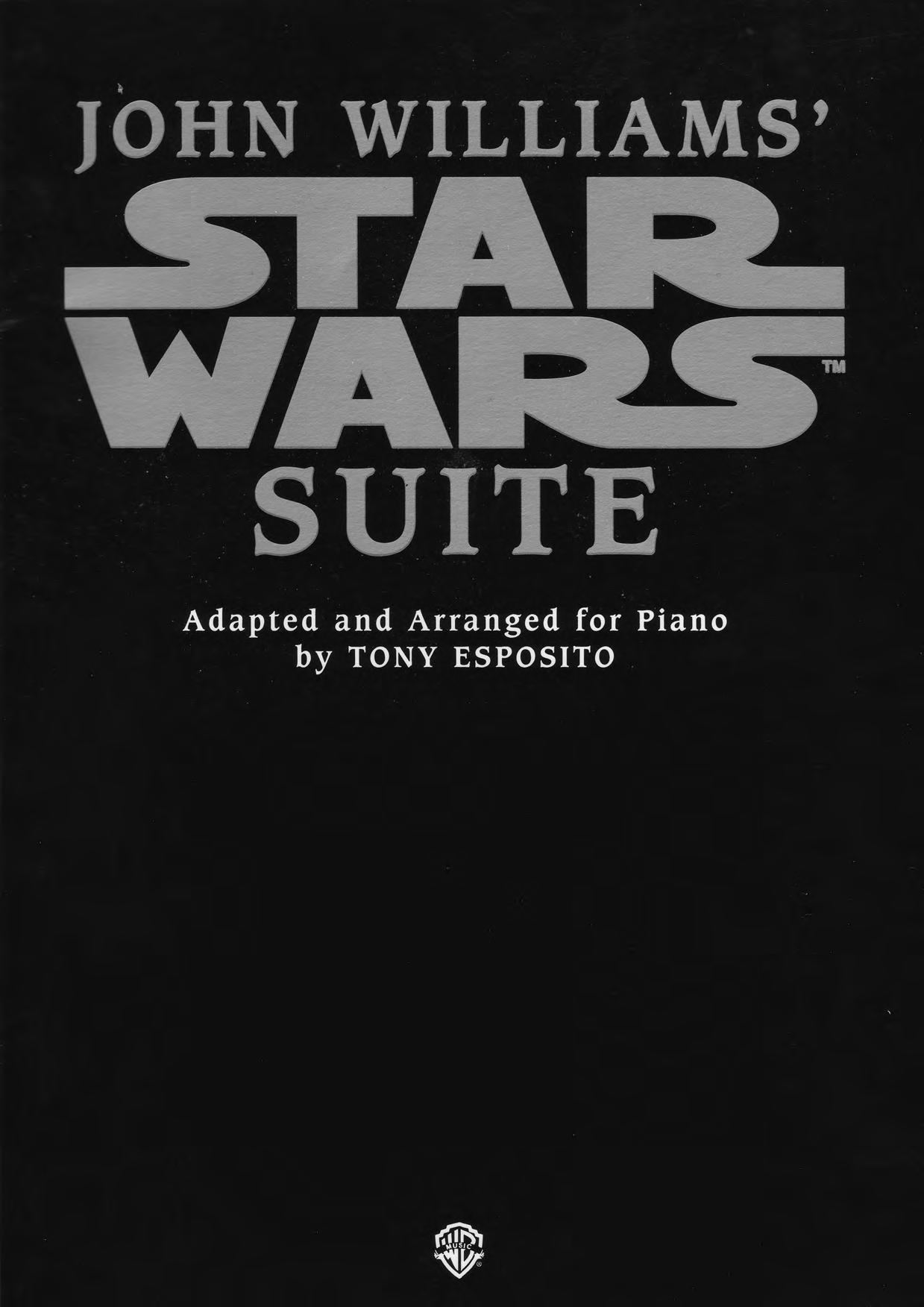
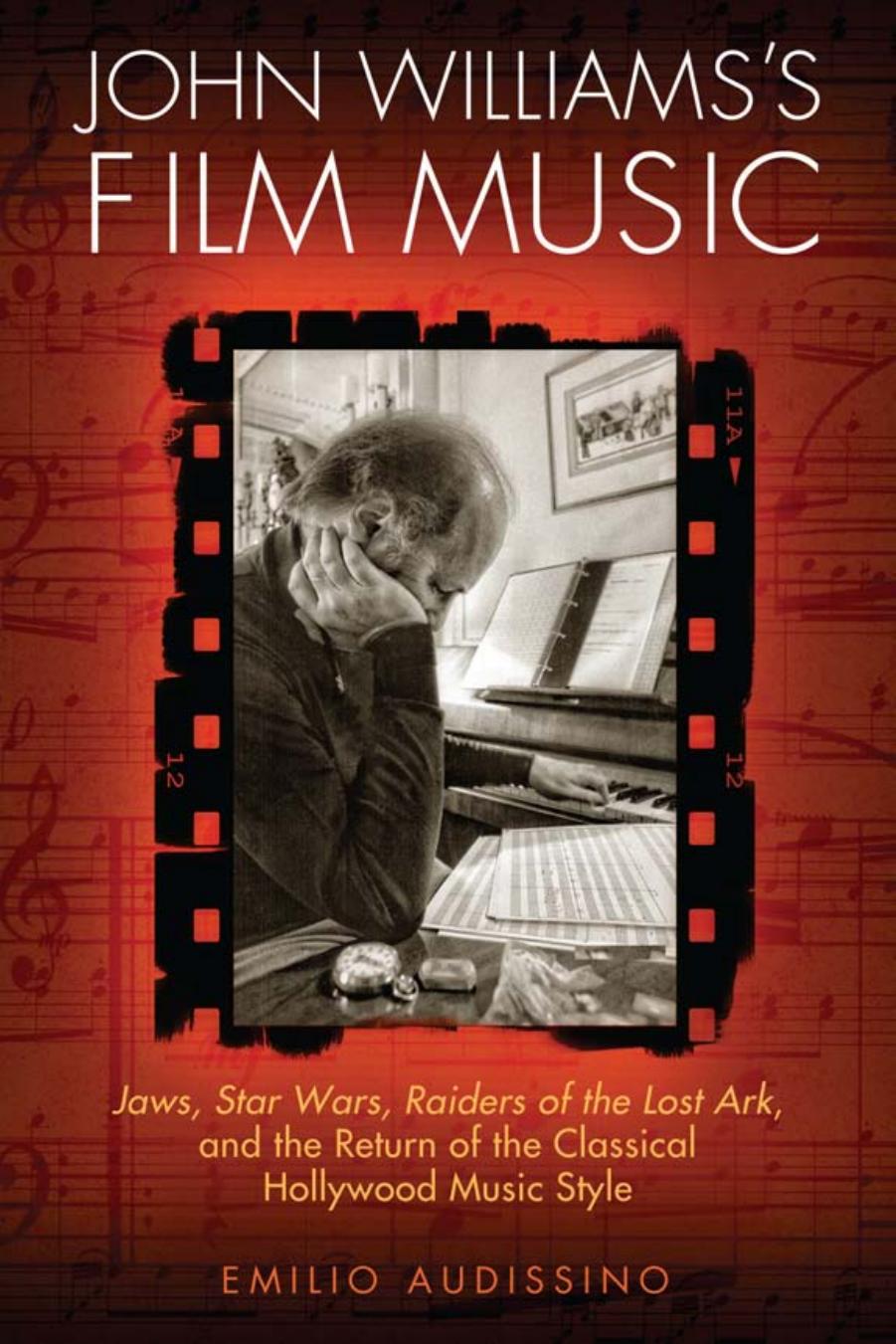
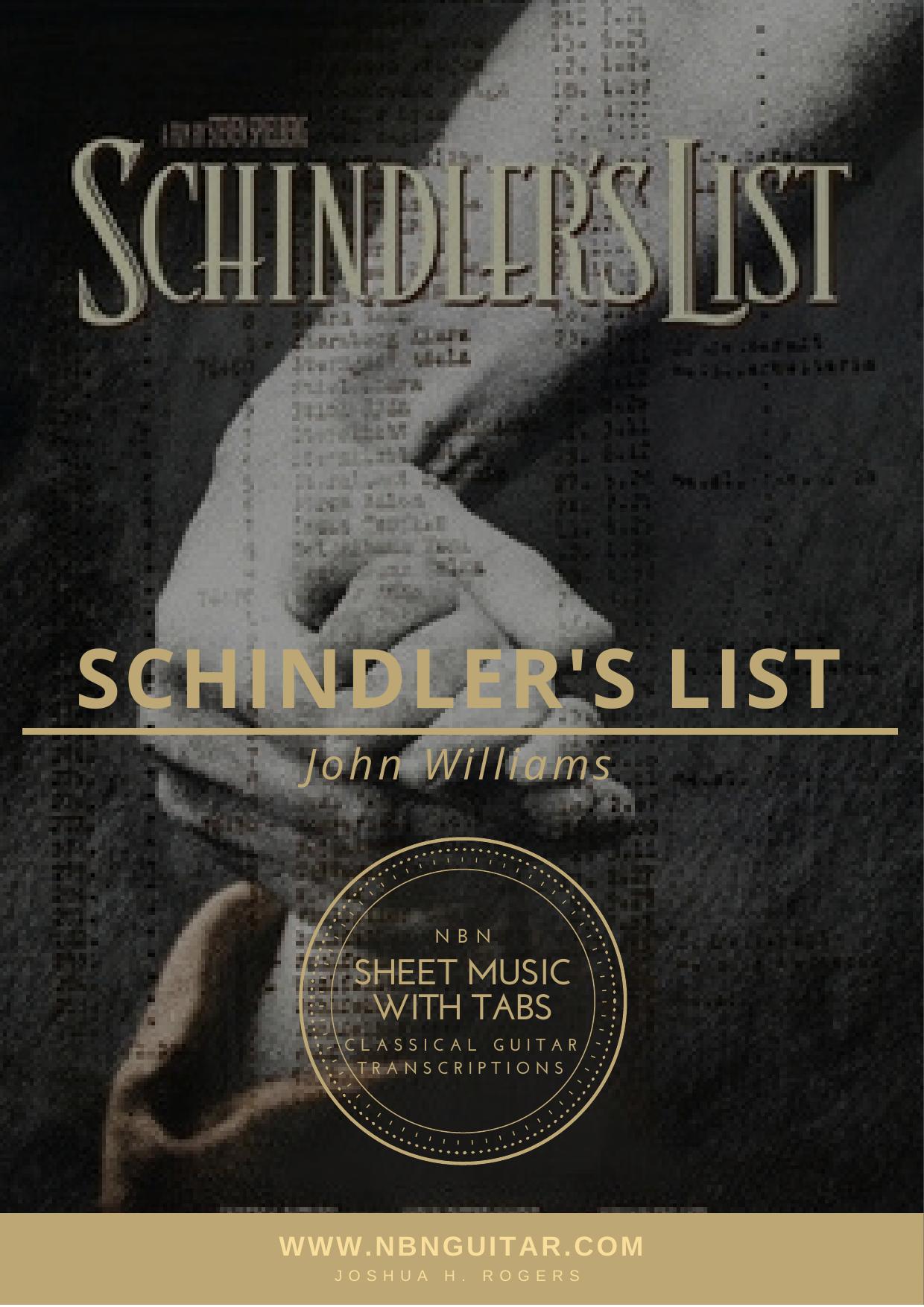
John Williams - Jurassic Park John Williams - Indiana Jones John Williams - Harry Potter John Williams - E.T. l'extra-terrestre John Williams - La Liste de Schindler John Williams - Star Wars



The best sheet music download from our Library.
John Williams: The Composer Who Gave Cinema Its Voice
For more than six decades, John Williams has written music that millions of people can hum without having heard a note of the rest of the score. The two-note menace of the shark in Jaws, the brass fanfare that opens Star Wars, the soaring flight of the bicycles in E.T., the celesta lullaby of Harry Potter and the lonely violin of Schindler's List are shared cultural memories, recognised across languages and generations. Williams is the most widely known film composer in history. He is also a serious concert composer, a celebrated conductor, a former jazz pianist and one of the last great representatives of a tradition that stretches back through Hollywood's golden age to Wagner and the nineteenth-century symphonic orchestra.
With 54 Academy Award nominations, a total exceeded only by Walt Disney, and five Oscar wins, Williams is the most nominated living person in the award's history. He is also, by a wide margin, the most frequently nominated composer. Yet statistics only hint at his real achievement. In the mid-1970s the large symphonic score was considered a relic in Hollywood. Williams revived it so completely that an entire generation of listeners came to associate the sound of a full orchestra with adventure, wonder and emotion.
Early Life and Musical Education
John Towner Williams was born on 8 February 1932 in Floral Park, Queens, New York. His father, Johnny Williams, was a jazz drummer and percussionist who worked with the Raymond Scott Quintette and later became a studio musician in film and radio. His mother, Esther, was a homemaker. Music was part of daily life in the household, and the young Williams began studying piano as a child. He also played trombone, trumpet and clarinet, an early familiarity with wind and brass instruments that would later shape his orchestral writing.
In 1948 the family moved to Los Angeles, where the film industry was at its peak. Williams attended North Hollywood High School, and his father's connections meant he met working studio musicians while still a teenager. He studied piano with Bobby van Eps and orchestration with Arthur Olaf Andersen. He also studied composition privately with Mario Castelnuovo-Tedesco, an Italian-born composer who taught several generations of future film musicians, among them Henry Mancini and Jerry Goldsmith. From Castelnuovo-Tedesco, Williams absorbed a rigorous European approach to counterpoint and form, applied to the practical demands of writing for the screen.
Williams attended Los Angeles City College and then UCLA. In the early 1950s he served in the United States Air Force, where he conducted and arranged for service bands. The experience gave him hands-on training in writing quickly for ensembles of varying size and ability, a skill that proved essential in his later television and film career.
After his service he moved back to New York and enrolled at the Juilliard School, where he studied piano with Rosina Lhévinne, one of the great piano pedagogues of the century. To support himself he played jazz piano in New York clubs and worked as a rehearsal pianist and session player. He had originally planned to become a concert pianist, but he later said that hearing the extraordinary pianists of his generation convinced him that his talents lay elsewhere, in composition.
The Hollywood Apprenticeship
Williams returned to Los Angeles in the mid-1950s and entered the studio system at its most productive. As a pianist he became one of the busiest session players in town, appearing on recordings and film scores for leading composers, including Henry Mancini (his piano can be heard on the celebrated jazz-inflected score for the television series Peter Gunn), Elmer Bernstein and Jerry Goldsmith. Playing in these sessions was in effect a second education. Williams sat inside the orchestra while some of Hollywood's finest craftsmen worked, and he learned how scores were balanced, rehearsed and recorded under real-world time pressure.
He also worked as an arranger and orchestrator, and in these years he was credited as "Johnny Williams." His first film credits came in the late 1950s and early 1960s with modest pictures such as Daddy-O (1958) and I Passed for White (1960). His career took shape largely through television, particularly at Universal, where he composed music for series including Wagon Train, Checkmate, Lost in Space and Land of the Giants. Writing weekly scores under deadline pressure built the facility with melody, rhythm and dramatic pacing that later became his trademark.
Throughout the 1960s he also scored films with growing confidence, including The Killers (1964), None but the Brave (1965) and How to Steal a Million (1966). In 1967 his orchestral arrangement work on Valley of the Dolls earned his first Oscar nomination. Other notable works from this period include Goodbye, Mr. Chips (1969) and The Reivers (1969), the latter a warm, Americana-flavoured score that anticipates the style he later applied to Spielberg's more nostalgic films.
His first Oscar came in 1972 for his adaptation of Jerry Bock's score for Fiddler on the Roof. Williams adapted and conducted the music, and the celebrated violin solos were played by Isaac Stern, an early example of his lifelong habit of writing for great soloists. By then Williams was already acknowledged as a first-rank film composer, and the disaster-film boom of the early 1970s kept him busy with The Poseidon Adventure (1972), The Towering Inferno (1974) and Earthquake (1974).
Search your favorite sheet music in the Sheet Music Library Catalog
The same period showed his stylistic range. For Robert Altman's Images (1972) he wrote a challenging, avant-garde score using sparse textures and unconventional percussion, with Japanese percussionist Stomu Yamashta, and earned another Oscar nomination. For Altman's The Long Goodbye (1973) he took a single song and re-imagined it in every style imaginable, from lounge jazz to Mexican street band to orchestral underscore, so that the melody becomes the sound of the whole film. These scores prove that Williams, long before his blockbuster fame, was an experimental and versatile composer.
Spielberg, Lucas and the Revival of the Symphonic Score
Williams met a young director named Steven Spielberg in the early 1970s, and their first feature collaboration was The Sugarland Express (1974), with an unforgettable harmonica solo from the great jazz harmonica player Toots Thielemans. The next film made them both famous. Jaws (1975) became the first summer blockbuster, and a large part of its success is attributed to Williams's score. The famous two-note motif, alternating between E and F, played by the low strings and tuba, requires no melody at all. It is rhythm, pitch and pacing, and it speeds up as the shark nears. Spielberg has said many times that the film would have been far less successful without the music. The score won Williams his second Oscar.
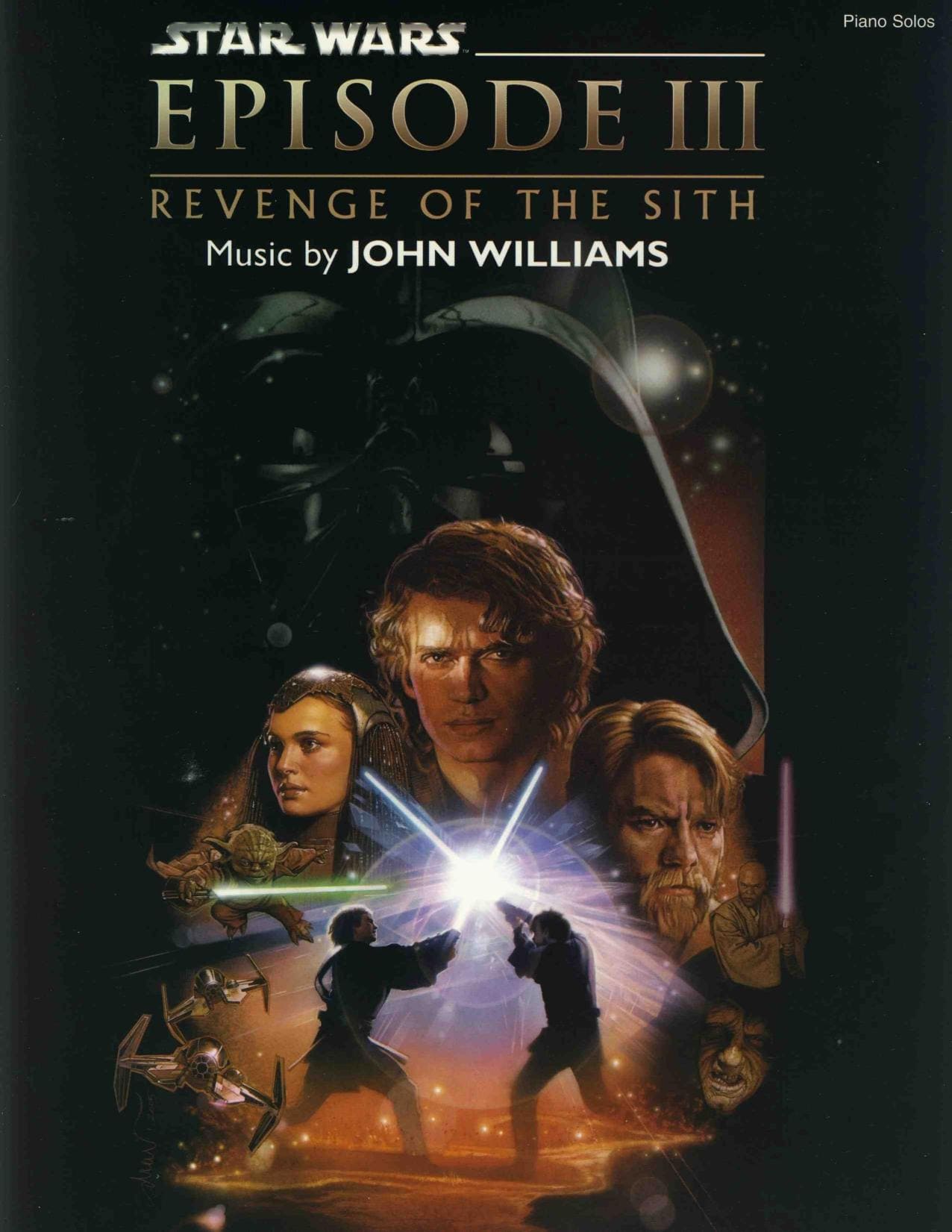
Two years later came the film that changed everything. George Lucas, a friend of Spielberg's, wanted a rich, old-fashioned orchestral score for Star Wars (1977). Lucas had temp-tracked the film with classical pieces, including Holst's The Planets, and he wanted the music to feel familiar and emotionally direct even though the film's world was strange. Williams answered with a score that is both a homage to the golden-age romantic composers, particularly Erich Wolfgang Korngold, and an entirely original body of themes. Recorded with the London Symphony Orchestra, it won an Oscar and became one of the best-selling orchestral recordings of all time. The score is arguably the most influential in film history, because it persuaded studios that the symphony orchestra was still the best way to create wonder on screen.

Also in 1977, Williams composed Close Encounters of the Third Kind, with its famous five-note motif that becomes a musical language through which humans and aliens communicate. Spielberg and Williams reportedly tried many combinations of notes before settling on the final phrase, working at the piano to find a sequence that sounded like a greeting. The film's score gradually moves from dissonant, mysterious textures to a radiant, consonant resolution, a musical structure that mirrors the film's narrative.
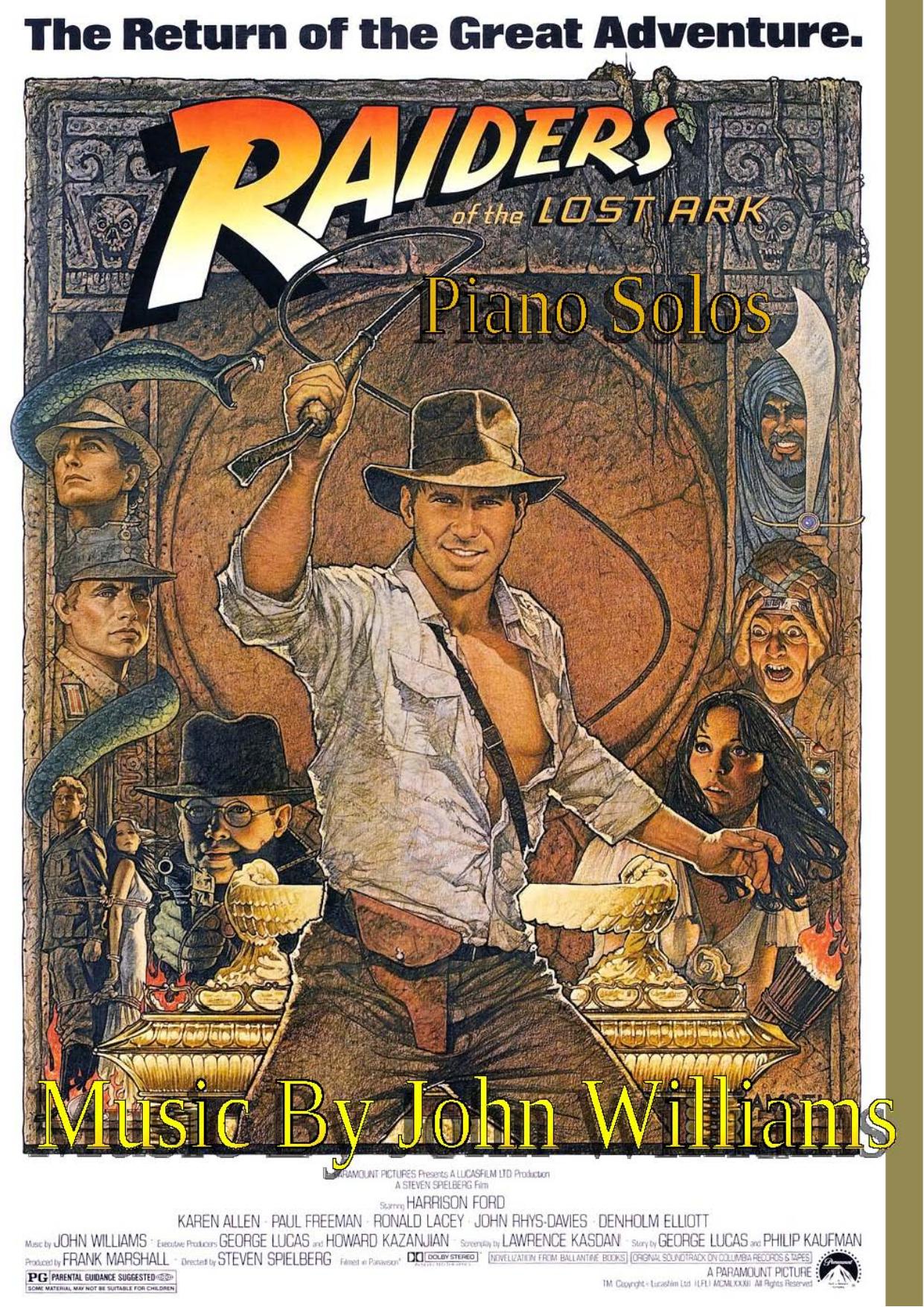
The next decade made Williams the foremost composer of Hollywood spectacle. Superman (1978) gave the superhero a heroic march that remains the benchmark for the genre. The Empire Strikes Back (1980) introduced "The Imperial March," which has become shorthand for villainy. Raiders of the Lost Ark (1981) gave us one of the most recognisable adventure marches ever written. E.T. the Extra-Terrestrial (1982), which won his fourth Oscar, achieved an emotional, almost operatic intensity in its finale: Spielberg famously edited the film's closing sequence to fit the music Williams had written, rather than the other way round. Return of the Jedi (1983), Indiana Jones and the Temple of Doom (1984) and Indiana Jones and the Last Crusade (1989) extended this run of success.
Boston Pops and the Concert Hall
In 1980, in the middle of this extraordinary film career, Williams accepted an appointment as the conductor of the Boston Pops Orchestra, succeeding the legendary Arthur Fiedler. He held the post until 1993 and then became its Laureate Conductor. The role allowed him to engage with a living orchestra week after week, to conduct a wide repertoire (not only film music but American classics, orchestral showpieces and light classical works) and to introduce his own scores to concert audiences. It also placed him in the tradition of American musicians who bridge popular and classical music.
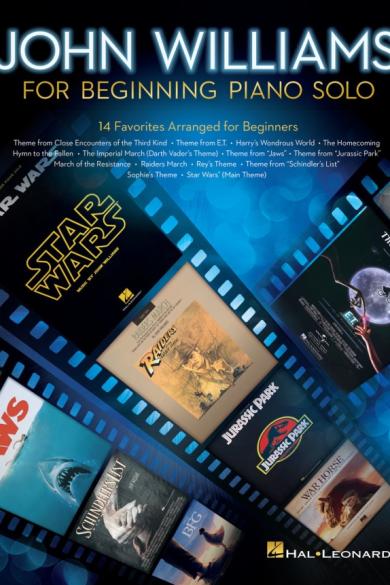
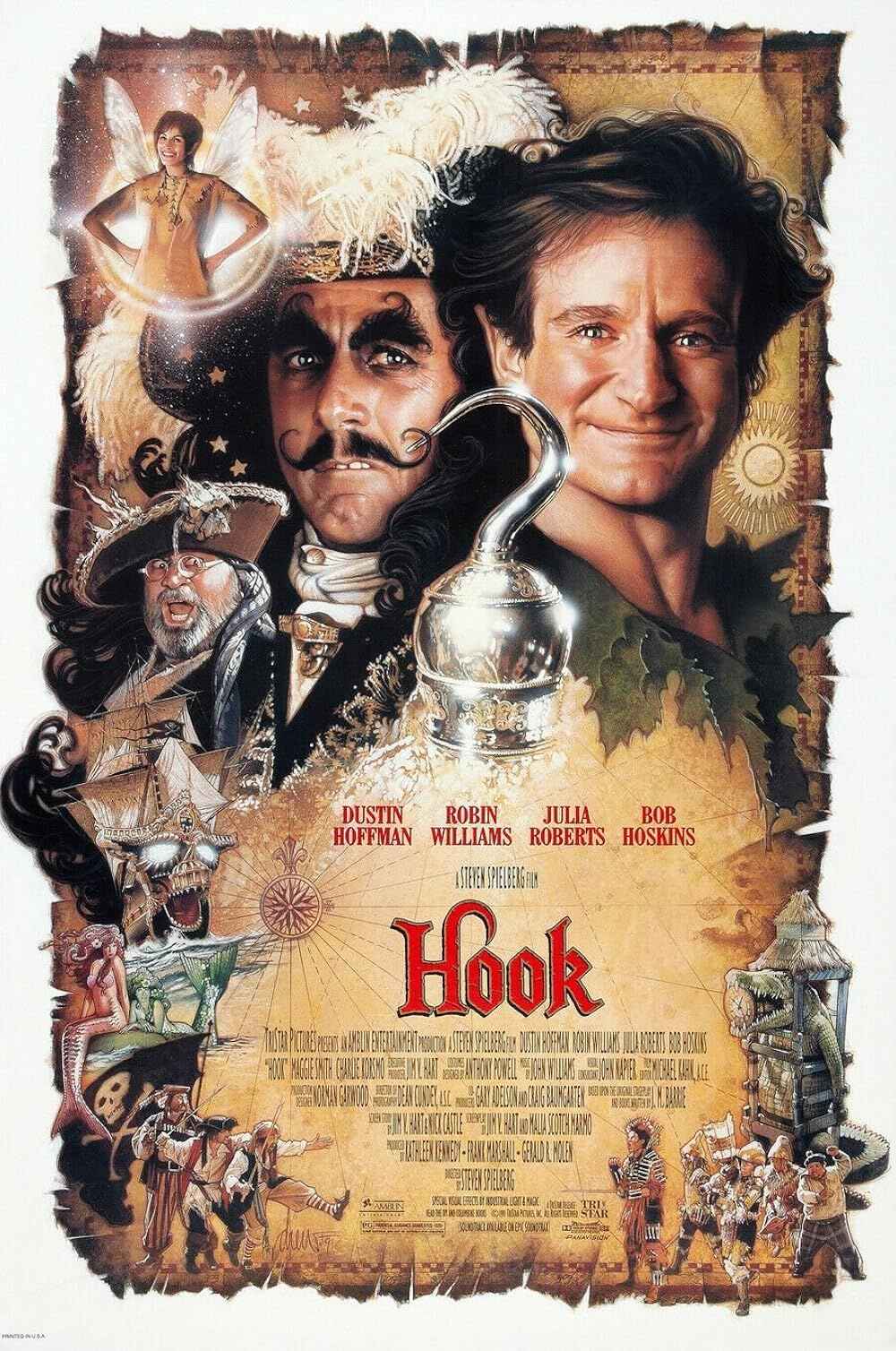
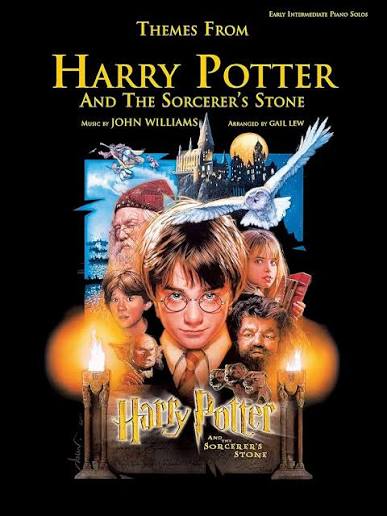
His conducting work also fed his concert compositions. He composed fanfares and ceremonial works for major events, including the "Olympic Fanfare and Theme" for the 1984 Los Angeles Games, "Liberty Fanfare" for the centennial of the Statue of Liberty in 1986, and "Summon the Heroes" for the 1996 Atlanta Games. He also wrote the instantly recognisable theme for NBC's Sunday Night Football, a theme from The Mission used for NBC News, and a series of occasional works that range from the intimate to the monumental. In 2009 he composed "Air and Simple Gifts" for the first inauguration of President Barack Obama, performed by Yo-Yo Ma, Itzhak Perlman, Gabriela Montero and Anthony McGill.
Over the decades he has also built a substantial catalogue of concert works that stand apart from his film scores. These include a Symphony No. 1 (1966, long unperformed and later revived), concertos for flute, clarinet, bassoon, trumpet, tuba, horn, oboe, viola, cello and two for violin, and various chamber and solo works. The Cello Concerto, written for Yo-Yo Ma and premiered at Tanglewood in 1994, shows the lyricism and structural care of a composer who treats the concerto as a serious form. The Tuba Concerto (1985) shows his humour and his understanding of instrumental character. The Violin Concerto No. 2, written for Anne-Sophie Mutter, premiered in 2021. These works reveal a composer whose voice, while recognisably the same, is often more spare, more modernist and more rhythmically adventurous than his film scores.
The Spielberg Dramas, the Prequels and Harry Potter
The 1990s showed that Williams was not just a master of fantasy. Schindler's List (1993) is perhaps the most profound score of his career. Given the weight of the subject matter, Williams reportedly told Spielberg that the film needed a better composer than he was. According to the oft-told story, Spielberg replied that he knew, but all of them were dead. The result is a restrained, elegiac score centred on a haunting solo violin, played by Itzhak Perlman. The music speaks with a quiet, aching simplicity that the film's imagery demanded, and it won him his fifth Oscar.
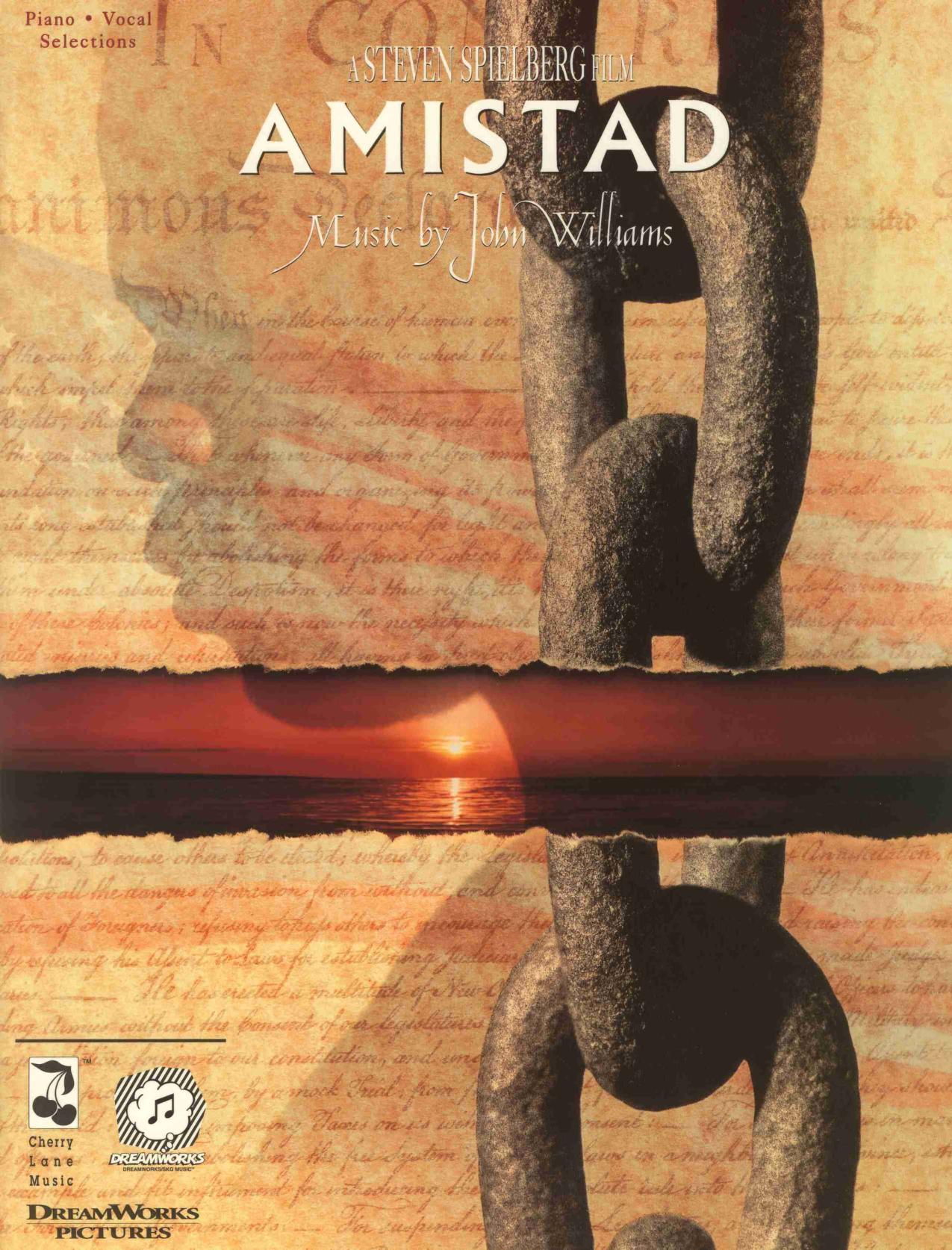
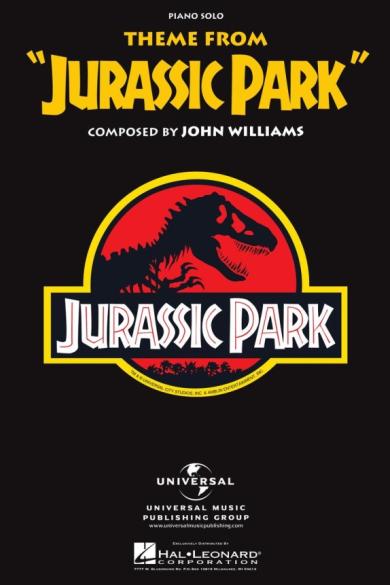
In the same year, Jurassic Park gave him another unforgettable theme, a majestic main melody for the sense of wonder and a more menacing, rhythmic music for the predators. He followed this with a sequence of Spielberg dramas including Amistad (1997), Saving Private Ryan (1998), Catch Me If You Can (2002), Munich (2005), War Horse (2011) and Lincoln (2012), and with Oliver Stone's JFK (1991), Born on the Fourth of July (1989) and Nixon (1995). In each case the music expresses a different emotional world: wartime sorrow, American idealism, mournful reflection, and in the case of Catch Me If You Can, a cool, playful mid-century jazz style that draws on his own jazz roots.
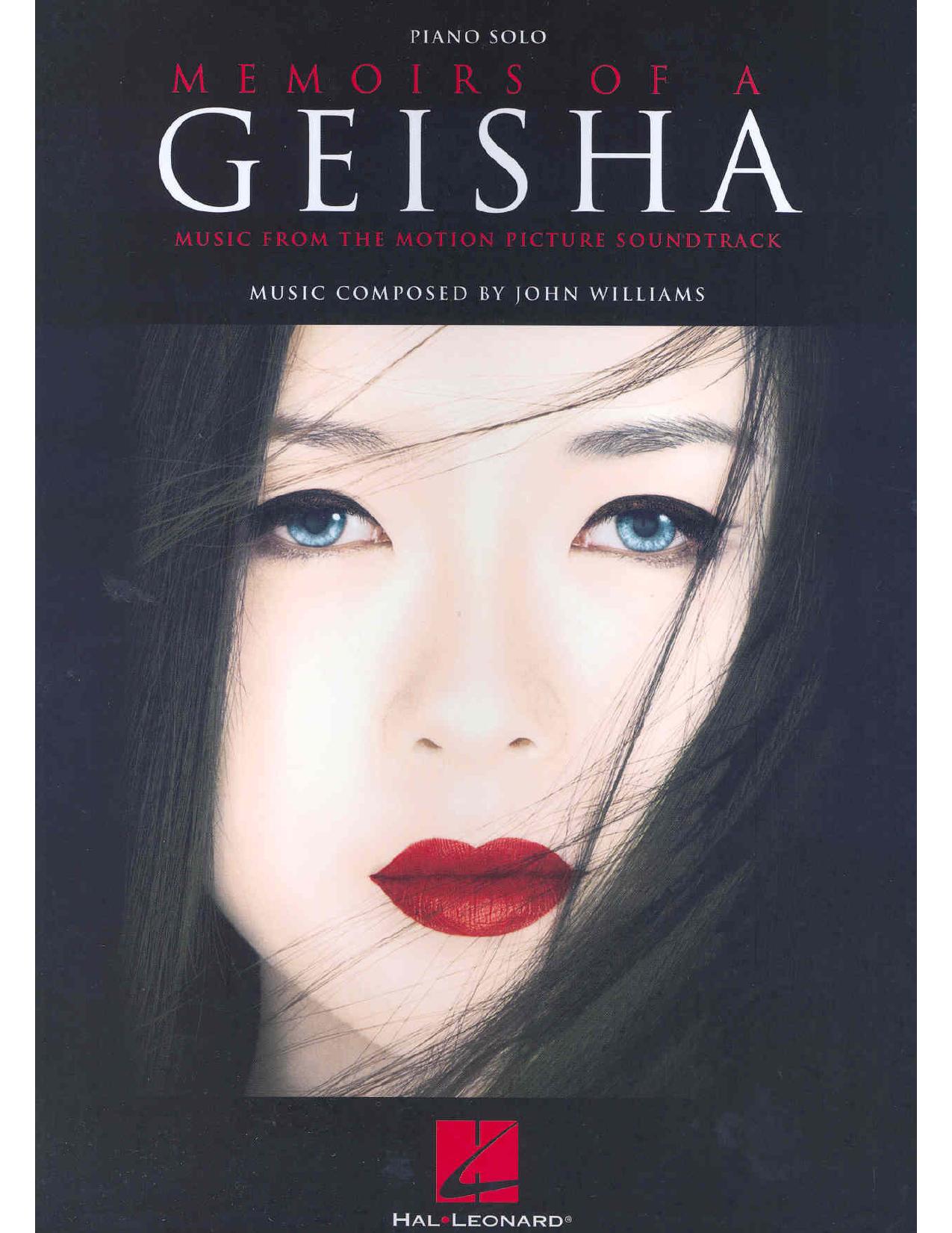
At the turn of the millennium Williams returned to the galaxy far, far away for the prequel trilogy, beginning with The Phantom Menace (1999). The choral piece "Duel of the Fates," with its text drawn from a Welsh poem and rendered in Sanskrit, was a striking new departure, darker and more ritualistic than anything in the original trilogy. In 2001 he scored Harry Potter and the Sorcerer's Stone for director Chris Columbus, and his "Hedwig's Theme," built on a lilting celesta melody in triple metre, became the musical identity of the whole franchise. Even after Williams stepped away from the later Potter films, subsequent composers kept the theme as the series' musical signature. He also scored A.I. Artificial Intelligence (2001), Minority Report (2002) and Memoirs of a Geisha (2005), the last featuring solos from Yo-Yo Ma and Itzhak Perlman.
He completed the Skywalker saga with the sequel trilogy, The Force Awakens (2015), The Last Jedi (2017) and The Rise of Skywalker (2019), bringing a 42-year musical project to a conclusion. In 2022 he said he planned to retire from film scoring after Indiana Jones and the Dial of Destiny (2023), for which he received his 54th Oscar nomination at the age of 91, making him the oldest nominee in Academy history. But he has since been reported to be scoring Spielberg's 2026 film, which would be their 30th collaboration. A career that began in the 1950s has not yet ended.
Musical Style and Technique
Williams's style is often described as neo-romantic, but that label is too narrow. His music combines the late-romantic orchestral language of Wagner, Strauss, Tchaikovsky and Korngold with the colours of French impressionism, the rhythmic energy of Stravinsky and the harmonic and rhythmic vocabulary of jazz. He also uses modernist techniques, including atonality, clusters and extended instrumental effects, more often than casual listeners realise. These tend to appear in suspense, horror and science-fiction passages, and they coexist with the clear melodic writing for which he is famous.
Several features define his craft.
Memorable themes. Williams is above all a melodist. His main themes are short, singable and rhythmically distinctive, which makes them instantly recognisable and easy to transform. Many can be played on a single finger at the piano. His themes also tend to have a strong profile in both rhythm and contour, with an opening gesture (a fanfare triplet, a rising fifth, a repeated note) that identifies them at once.
The leitmotif. Following Wagner, Williams assigns themes to characters, ideas and places, then develops them as the story moves. In the Star Wars saga, themes for Luke, the Force, Leia, Yoda, the Emperor and many others reappear, change and combine across nine films. This allows the music to comment on the drama: a theme can return in a new key, a new orchestration or a fragmentary form to signal change, loss or irony. His sustained use of the leitmotif over decades is one of the most ambitious feats of musical continuity in cinema.
Orchestration. Williams is a master of the orchestra's colours. His brass writing, with bright, ringing trumpets and heroic horns, is the most celebrated element of his sound, but he writes equally sensitively for strings, woodwinds, harp, celesta and percussion. He often uses solo instruments to give a score a human, personal voice: violin in Schindler's List, cello in Memoirs of a Geisha, oboe in several intimate moments, and a solo trumpet in Saving Private Ryan's "Hymn to the Fallen" tradition. He frequently uses choir as an additional colour, as in "Duel of the Fates" and the closing passages of Empire of the Sun. Although orchestrators such as Herbert Spencer, Conrad Pope and John Neufeld assisted him over the years, his sketches are highly detailed, and the sonic identity of his scores is unmistakably his own.
Rhythm and pacing. His marches (Star Wars, Superman, Raiders, "The Imperial March") demonstrate his gift for strong, propulsive rhythm. His action music often layers ostinatos and cross-rhythms, building momentum without losing clarity. His suspense music works by controlling pace and density, as in the gradual quickening of the Jaws motif. He also has a gift for scherzo-like, playful writing, as in the "Flying" sequence from E.T. and the chase music from Catch Me If You Can.
Process. Williams writes at the piano, working out themes and harmonies, and then sketches the score in detail on paper. He often writes themes before or during shooting at the request of directors, which is the reason music in Spielberg and Lucas films feels so integrated with the images. He conducts the recording sessions himself, shaping the performance on the podium. He has long collaborated with the same music editors, engineers and orchestral players, among them the London Symphony Orchestra, the Los Angeles studio orchestras and the Boston Symphony, and that continuity has contributed to a consistent sound.
Harmony
Williams's harmonic language is rooted in tonal harmony but is far from conventional. Several traits are worth singling out.
Chromatic mediant relationships. A hallmark of his writing is the movement between chords whose roots are a third apart without sharing the expected diatonic relationship, for example from a major chord to another major or minor chord a third above or below. These shifts create a sense of wonder, magic or epic scale. They are used throughout his fantasy and adventure scores, and they give his harmony the "shimmering" quality that listeners find so distinctive. They were also a favourite device of Korngold and, before him, of Liszt and Wagner.
Modality. Williams frequently colours his tonal themes with modal inflections, including Lydian, Mixolydian and Dorian touches, which lend a sense of open space, timelessness or folk-like simplicity. The raised fourth of the Lydian mode, for instance, contributes to the buoyant, uplifting character of several of his flying and wonder themes.
Quartal and open-fifth harmony. The opening fanfare of Star Wars is built around fourths and fifths rather than the thirds of conventional triads, giving it an open, heroic sound. Quartal harmony, associated both with Hindemith and with jazz, appears in his adventure scores and in passages of expansive, "American" music. The open fifths in works such as The Reivers and Lincoln evoke the American landscape and the legacy of Aaron Copland.
Dissonance and atonality for tension. In suspense and horror scores such as Jaws, The Fury, Dracula and parts of Close Encounters, he uses clusters, tritones, whole-tone and twelve-tone-like material, polytonality and aleatoric effects. The two-note Jaws motif exploits the dissonance of a half step, while the arrival-of-the-mothership sequence in Close Encounters weaves chaotic orchestral textures into a fully consonant final chord.
Minor-key grandeur. "The Imperial March" in G minor combines a stern, march-like rhythm with a sequence of chords that moves between minor and major regions, producing an effect of power and menace. Its relationship to the "Mars" movement of Holst's The Planets has been widely discussed, and the fact that Williams works in conversation with the classical repertoire, not in imitation of it, is part of his artistry.
Jazz harmony. Williams's early years as a jazz pianist surface in extended chords, walking basslines and cool, understated voicings, particularly in scores like Catch Me If You Can, The Long Goodbye, Sabrina and the "Cantina Band" cue from Star Wars, which pays tribute to the swing era of Benny Goodman.
Harmonic simplicity when needed. Williams also knows when not to be complex. The simple, diatonic harmony of "Hedwig's Theme," or the plain, hymn-like writing in the most emotional moments of Schindler's List and Saving Private Ryan, shows his understanding that, in dramatic music, plainness can be the most powerful choice.
The Best Songs and Compositions
Choosing a "best" list from a catalogue this vast is necessarily subjective, but certain works stand out for their musical quality, cultural impact or both.
Star Wars: Main Title and the saga's themes. The opening fanfare is probably the most recognisable piece of film music ever written. Beyond it, the "Force Theme," "Princess Leia's Theme," "The Imperial March," "Yoda's Theme," "Duel of the Fates," "Rey's Theme" and the "Throne Room" finale each exemplify a different aspect of his craft.
Jaws: Main Title. Proof that a few notes, a tempo and an orchestra can generate more terror than any special effect.
Close Encounters of the Third Kind. An unusual score that moves from avant-garde texture to radiant consonance, ending in one of cinema's most moving musical dialogues.
E.T. the Extra-Terrestrial: "Flying" and "Adventures on Earth." Rhapsodic, ecstatic and technically brilliant, with the finale as an extended concert piece in its own right.
Raiders of the Lost Ark: "The Raiders March." A model adventure march, full of swagger and forward drive.
Superman: Main Title and "Love Theme." The heroic fanfare, the lyrical love music and the flying sequence show his full range for a superhero epic.
Schindler's List. A profound, restrained score and one of the greatest examples of music humanising a historical tragedy.
Jurassic Park: Theme. A soaring melody that captures awe, together with a more rhythmic, menacing music for the dinosaurs.
Harry Potter: "Hedwig's Theme." A magical waltz that evokes childlike wonder with a hint of mystery.
Saving Private Ryan: "Hymn to the Fallen." A solemn, noble piece for chorus and orchestra, balancing grief and dignity.
Home Alone: "Somewhere in My Memory" and "Carol of the Bells" arrangements. The score combines comedy, winter magic and nostalgia, with the gentle theme (to a text by Leslie Bricusse) becoming a seasonal favourite.
Empire of the Sun, Hook, The Cowboys, The Reivers. Less famous than the franchises but deeply loved by admirers, these scores show his lyrical and descriptive gifts.
Catch Me If You Can. A stylish jazz-inflected score that reveals a lighter, wittier side.
Concert works. The Cello Concerto, the Tuba Concerto, the Violin Concertos, "Liberty Fanfare," "Olympic Fanfare and Theme," "Summon the Heroes," "Air and Simple Gifts" and the Symphony No. 1 are the key pieces for those who wish to hear Williams outside the cinema.
Williams in Film: A Director-by-Director View
Williams's film music is best understood as a series of long creative partnerships.
Steven Spielberg. The most celebrated director–composer relationship in cinema, spanning nearly fifty years and approaching thirty films. It encompasses adventure (Raiders, Jurassic Park), science fiction (Close Encounters, E.T., A.I., Minority Report), historical drama (Schindler's List, Saving Private Ryan, Lincoln, Munich, Amistad), thriller and comedy (Catch Me If You Can, The Terminal) and the personal memoir The Fabelmans (2022), for which he received another Oscar nomination. Spielberg has often said that he shows Williams the rough cut and the composer responds with a piece of music that elevates the film beyond what he imagined.
George Lucas. The Star Wars saga, Williams's largest single musical project, and the Indiana Jones series, which Lucas co-created and Spielberg directed. Lucas's love of classical music was crucial in encouraging a symphonic approach.
Chris Columbus. Home Alone, Home Alone 2, Harry Potter and the Sorcerer's Stone, Chamber of Secrets and Stepmom, among others. These collaborations produced some of Williams's most popular and family-friendly music.
Oliver Stone. Born on the Fourth of July, JFK and Nixon show Williams in a serious, politically charged and often elegiac register.
Robert Altman, Brian De Palma, Alfred Hitchcock and others. Williams scored Altman's Images and The Long Goodbye, De Palma's Obsession-era contemporary The Fury (1978), and Hitchcock's final film, Family Plot (1976), in a playful, witty style. Other collaborators included Richard Donner (Superman), Irvin Kershner (The Empire Strikes Back), J. J. Abrams (the sequel trilogy) and Alfonso Cuarón (Harry Potter and the Prisoner of Azkaban, for which his score was strikingly more experimental, with early-music colours and unusual instrumentation).
Collaborations with Other Musicians
Williams has worked with many of the great musicians of his time, as pianist, arranger, composer and conductor.
Soloists. Itzhak Perlman (Schindler's List, Memoirs of a Geisha, "Air and Simple Gifts"), Yo-Yo Ma (the Cello Concerto, Seven Years in Tibet, Memoirs of a Geisha, many recordings and performances), Anne-Sophie Mutter (the album Across the Stars in 2018, and the Violin Concerto No. 2), Isaac Stern (Fiddler on the Roof), Gil Shaham (the violin work TreeSong and many film solos), Toots Thielemans (The Sugarland Express), and a series of principal players from the Boston Symphony and Los Angeles orchestras, for whom he has written concertos and solo pieces.
Orchestras and conductors. The London Symphony Orchestra (the Star Wars recordings), the Boston Pops and Boston Symphony (including Tanglewood), the Los Angeles Philharmonic and the Hollywood Bowl, where he has appeared with Gustavo Dudamel, a passionate advocate of his music. In his later years he has also conducted the Vienna and Berlin Philharmonic orchestras, bringing film music to the heart of the classical establishment.
Jazz and studio colleagues. In his early career he played alongside and arranged for leading figures of the Hollywood studio scene, including Henry Mancini, and he worked with the cream of Los Angeles studio players, many of whom stayed with him for decades. His long-time collaborators behind the scenes include music editor Ken Wannberg, scoring mixer Shawn Murphy and orchestrators such as Herbert Spencer and Conrad Pope.
Family. Williams's son Joseph Williams is a singer and songwriter, best known as the lead vocalist of the rock band Toto and as the singing voice of the adult Simba in Disney's The Lion King, a reminder that music runs in the family.
Influences
Williams has acknowledged a wide range of musical heroes. Several strands are especially important.
The late romantics. Wagner provided the model for the leitmotif and the dramatic use of the orchestra. Richard Strauss, Tchaikovsky, Mahler and Elgar influenced his sense of grand orchestral rhetoric and his emotional directness.
The Hollywood pioneers. Korngold, Max Steiner, Alfred Newman and Franz Waxman established the sound of the classical Hollywood score, with lush orchestration and leitmotivic structure. Bernard Herrmann, with his bold, economical, psychologically sharp writing, influenced Williams's suspense music, and Miklós Rózsa's rich, modal approach is also audible.
Twentieth-century modernists. Stravinsky's rhythmic vitality and orchestration (The Rite of Spring and The Firebird are often cited), Prokofiev's wit and lyricism, Bartók's night music, Shostakovich's drama and Holst's planetary pageantry all left a mark. Williams's use of dissonance to evoke fear or mystery owes much to these composers.
The impressionists and national schools. Debussy and Ravel contributed to his handling of orchestral colour, while Vaughan Williams, Walton, Sibelius and Dvořák informed his pastoral and heroic writing.
American music. Aaron Copland's open harmonies and wide-open-spaces sound shaped Williams's Americana, as did the broader traditions of American folk music and hymnody. His jazz background, nourished by Duke Ellington, Count Basie and the swing and bebop pianists, provided another distinct vocabulary.
Teachers. Mario Castelnuovo-Tedesco, Arthur Olaf Andersen, Rosina Lhévinne and Bobby van Eps each helped shape his technique, from composition and orchestration to piano playing.
Honours and Recognition
Williams's list of awards is extraordinarily long. Besides the five Academy Awards (for Fiddler on the Roof, Jaws, Star Wars, E.T. and Schindler's List) and 54 nominations, he has won more than two dozen Grammy Awards, seven BAFTA Awards, four Golden Globes and three Emmys. He received the Kennedy Center Honors in 2004, the National Medal of Arts in 2009, the Olympic Order in 2003 and, in 2016, the American Film Institute's Life Achievement Award, the first time that honour went to a composer. He has also received major international prizes and honorary degrees from leading universities and conservatories. In 2024 the documentary Music by John Williams, directed by Laurent Bouzereau and produced with Spielberg's involvement, offered a portrait of the composer for a new generation of viewers.
Legacy and Influence
Williams's influence on film music and on popular culture is difficult to overstate.
He revived the symphonic film score. Before Star Wars, many studios favoured pop-oriented or minimalist scores. After it, the full orchestra returned to Hollywood. Composers such as James Horner, Alan Silvestri, Michael Giacchino, Alexandre Desplat, Howard Shore and countless others have worked in a tradition that Williams made commercially viable again, and many have openly acknowledged his example.
He gave blockbusters musical identity. The idea that a film franchise should have a memorable main theme, recognisable instantly and capable of being developed across sequels, owes much to Williams. His themes became part of the brand identity of the films, and the notion of a "signature theme" is now a standard expectation.
He brought orchestral music to new audiences. Millions of people first heard an orchestra live at a Williams concert, and concerts of film music are now a staple of symphony seasons around the world. Through his work with the Boston Pops and with orchestras on every continent, he has helped keep the orchestral tradition alive and relevant, and his music is performed by school bands, youth orchestras and professional ensembles everywhere. His sheet music is among the most widely played contemporary repertoire for students.
He showed that popular and serious music are not opposites. His concertos, symphonic pieces and ceremonial works demonstrate a commitment to the concert tradition. His career argues that a composer can write for the mass audience with integrity and craftsmanship without sacrificing artistic seriousness.
He created a musical memory for generations. Perhaps his greatest legacy is the emotional one. For people who grew up in the last fifty years, the soundtrack of childhood, of going to the cinema, of wonder, fear and joy, is largely written by John Williams. His melodies are woven into family memory and global culture.
Additional Information and Curiosities
- Williams is known for his modesty and for describing himself as a craftsman first. He has said he writes with a pencil and paper and works at the piano, and that he regards film composition as a collaborative service to the story.
- His first marriage, to actress and singer Barbara Ruick, ended with her death in 1974. He later married photographer Samantha Winslow in 1980. He has three children from his first marriage: Jennifer, Mark and Joseph.
- The Close Encounters five-note motif has a link with solfège, the system of naming scale degrees, which suited the film's idea of music as a universal language.
- Williams has often said he prefers concert writing to film scoring, since the former allows him to work without the constraints of picture and deadline. Even so, his film work remains the core of his public identity.
- He is a long-time supporter of music education, and has donated time and resources to young musicians and to institutions such as Tanglewood and the Juilliard School.
- The Skywalker saga's music, recorded across more than four decades, is the longest continuous project of its kind in film history, running from the 1977 original to the 2019 finale.
- He has conducted "The Imperial March" and the Star Wars suite for audiences of tens of thousands at the Hollywood Bowl, and the encore performances have become a tradition for fans.
John Williams, the sorcerer of music
John Williams stands at an unusual and enviable intersection of art and popularity. He is a trained pianist and jazz musician who became the defining orchestral voice of modern cinema. He is a melodist in an age that often distrusted melody, a craftsman whose scores are studied in conservatories, and a conductor who has brought film music into the world's greatest concert halls. His themes are among the most widely recognised music of the twentieth and twenty-first centuries, and his technique, with its thematic clarity, vivid orchestration and flexible harmonic language, continues to teach composers how to tell stories with sound.
Whether in the nervous pulse of a shark, the triumphant brass of a space adventure, the childlike magic of a flying bicycle or the sorrowful violin that accompanies the memory of the Holocaust, Williams has given film audiences some of their most powerful emotional experiences. As he continues to work well into his nineties, his career stands as proof that the orchestra, and the human desire for melody, remain as vital as ever.
Browse in the Sheet Music Library:
Or browse in the categories menus & download the Library Catalog PDF: