
Scores for all instruments: 16,000+ (active and growing), over 236,000 pages.
All genres and levels: Jazz & Blues, Rock & Pop, Classical & Contemporary, Film & Musicals;
books & biographies; methods, études, play-along tracks (MP3) for Jazz & Rock.
Access & benefits: US$15.99 one-time payment, valid for lifetime, full Library access.
Table of Contents
Led Zeppelin - Physical Graffiti (Full Album)
The best sheet music download from our Library.
Custard Pie – 00:00:00 The Rover – 00:04:15 In My Time of Dying – 00:09:54 Houses of the Holy – 00:21:02 Trampled Under Foot – 00:25:06 Kashmir – 00:30:42 In the Light – 00:39:19 Bron-Yr-Aur – 00:48:06 Down by the Seaside – 00:50:12 Ten Years Gone – 00:55:27 Night Flight – 01:02:01 The Wanton Song – 01:05:39 Boogie with Stu – 01:09:47 Black Country Woman – 01:13:39 Sick Again – 01:18:03
Please, subscribe to our Sheet Music Library.
Who were Led Zeppelin?

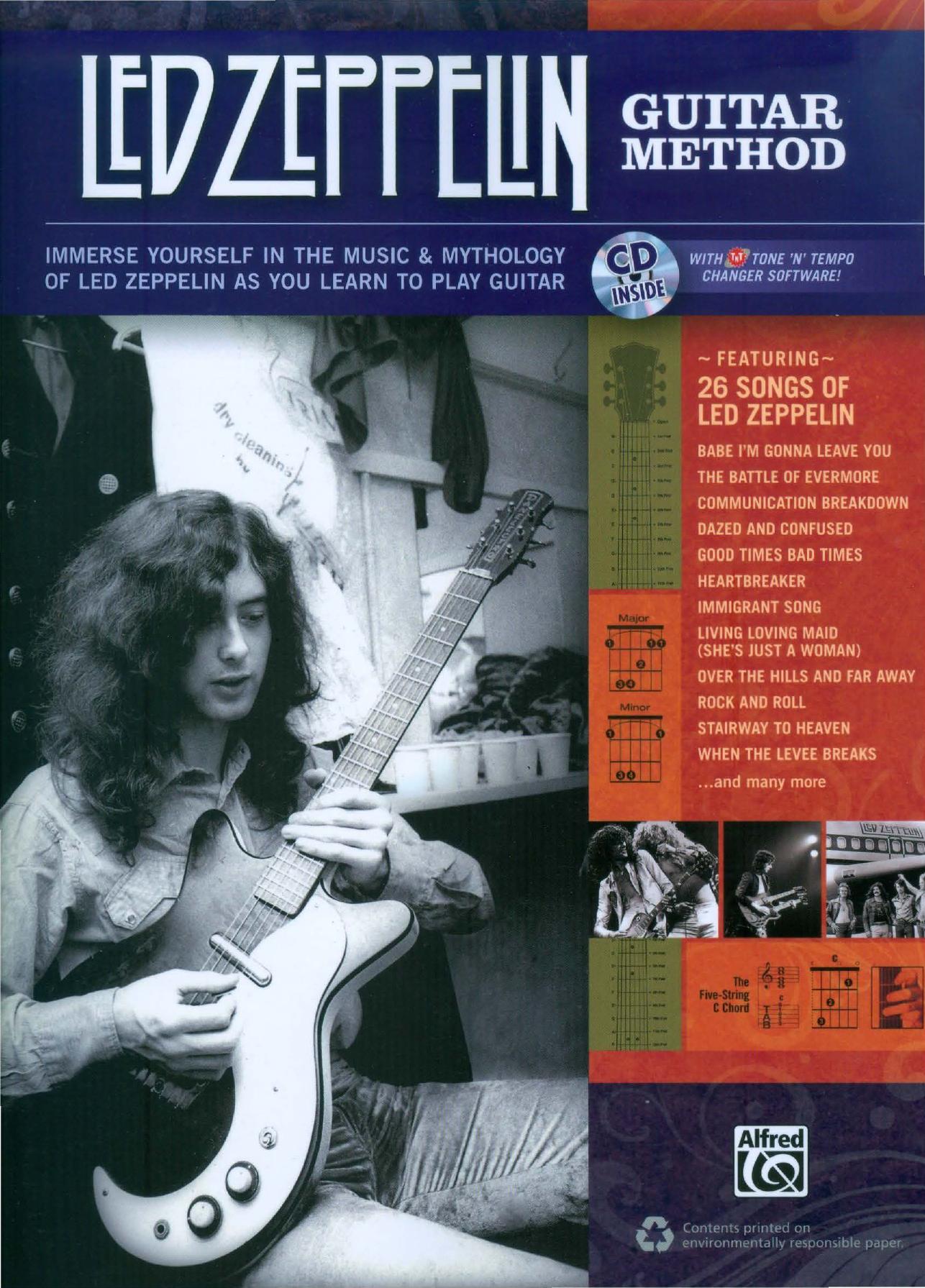
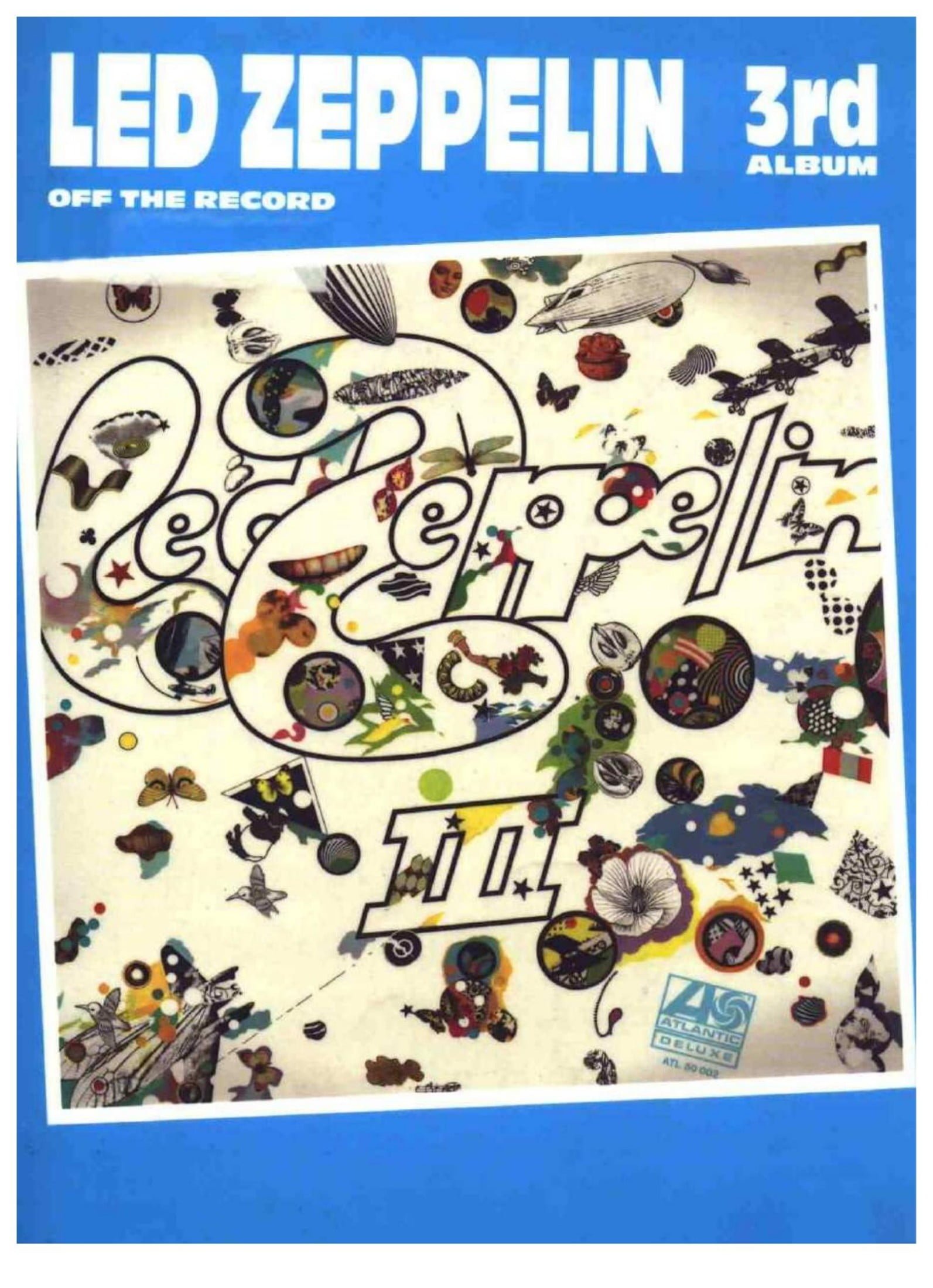
Search your favorite sheet music in the Sheet Music Library Catalog
Led Zeppelin: The Titans of Rock
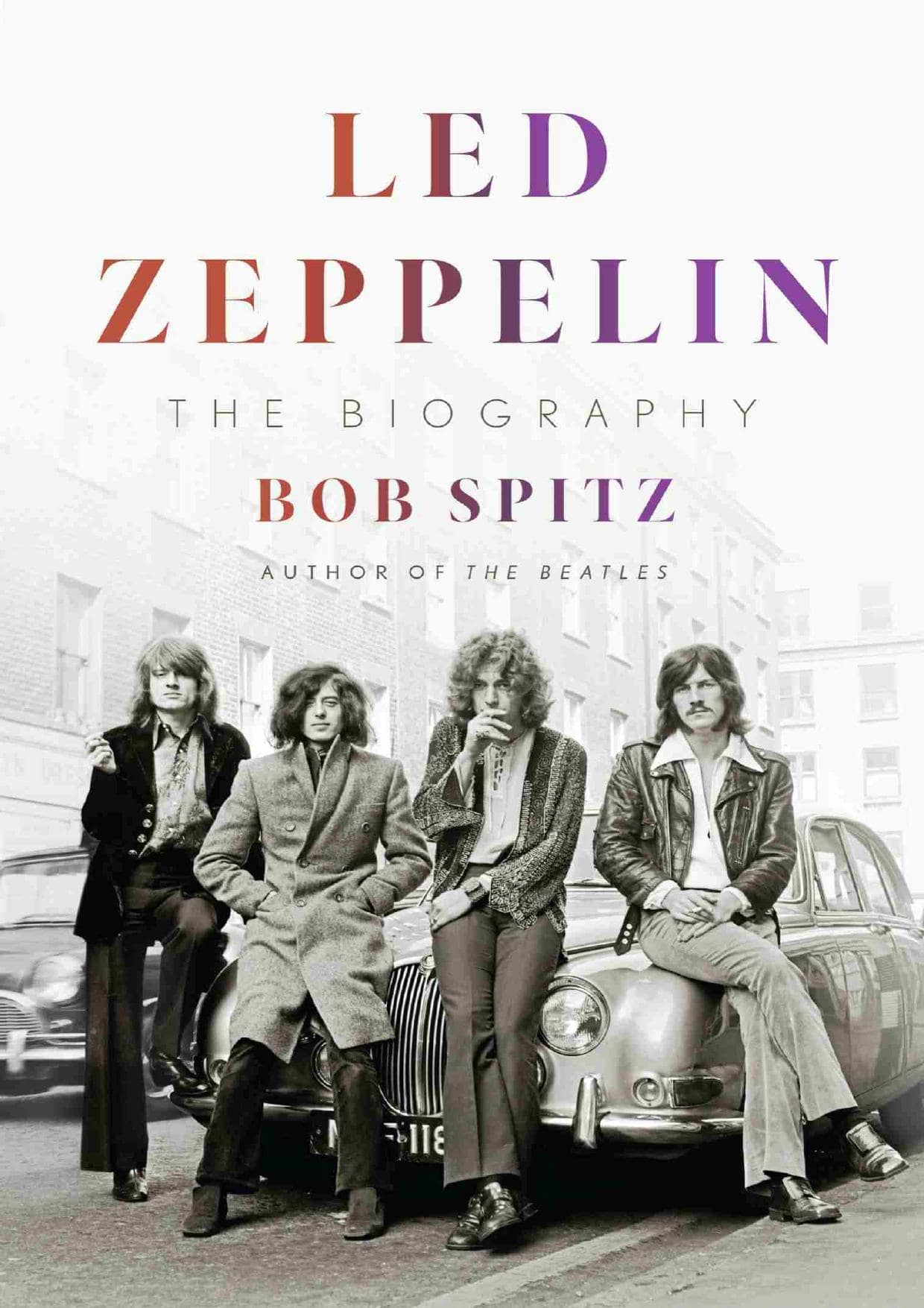
Led Zeppelin were not merely a band; they were a seismic event in the history of popular music. Formed in London in 1968, the quartet of guitarist Jimmy Page, vocalist Robert Plant, bassist and keyboardist John Paul Jones, and drummer John Bonham created a body of work that fundamentally redefined the possibilities of rock music. Their sound—a monolithic fusion of blues, folk, hard rock, and Eastern influences—was larger than life, and their legacy as one of the most successful, innovative, and influential bands in history is undisputed. With their heavy, guitar-driven sound, they are regularly cited as one of the progenitors of heavy metal and hard rock, yet their music consistently transcended such simple categorisation.
The Genesis of a Leviathan
The story of Led Zeppelin begins in the ashes of The Yardbirds, the legendary 1960s R&B band that had been a home to guitar heroes Eric Clapton and Jeff Beck. In 1968, guitarist Jimmy Page, one of the most experienced and prolific session musicians of the decade, found himself the sole remaining member of The Yardbirds with a slate of tour dates still to honour. Page set about recruiting new musicians, beginning with John Paul Jones, another respected session man and musical arranger, who contacted Page after reading about the new band in the music press. Several established vocalists were approached, but all were unavailable. One recommended Robert Plant, a powerful singer from the Midlands. Page went to see him perform and was immediately impressed, finding that they shared very similar musical tastes and ideas. Plant, in turn, recommended an ex-bandmate for the drumming duties: John Henry Bonham.
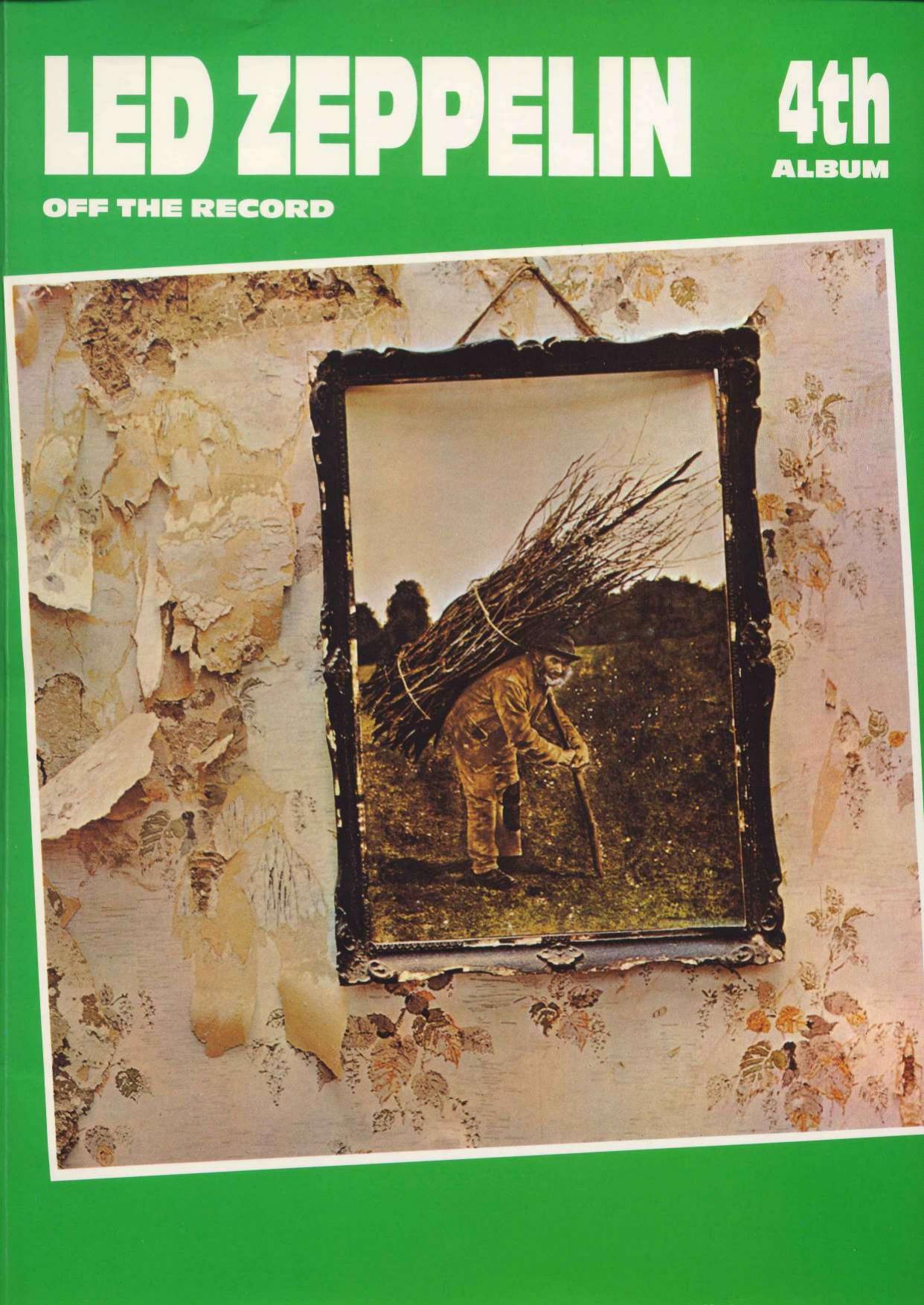

Search your favorite sheet music in the Sheet Music Library Catalog
The name "Led Zeppelin" was born from a humorous aside. The year before, Page had played a session with his old friend Jeff Beck and other players, including The Who's Keith Moon and John Entwistle. They enjoyed playing together and discussed forming a new group, but decided the idea would "go over like a lead Zeppelin". The perfect name for a heavy-rock band, it was adjusted to "Led Zeppelin" for correct pronunciation. The band first played in Scandinavia in July 1968 as The New Yardbirds, and their first gig as Led Zeppelin was at Surrey University in October 1968.
The Architects of a Sonic Revolution
The combination of the four musicians was stunning. They worked their way through any number of blues, folk, and rock 'n' roll standards, adding elements of American West Coast rock, before starting to put together their own songs. As John Paul Jones later explained, "Led Zeppelin were a central, reserved area between four musicians who had more or less different tastes in music... Among the blues influences of Robert and the rock & roll influences of Jimmy, who also had strong blues influences, the soul influences of Bonzo and the soul and jazz influences of mine, there seemed to be a sort of common area which was Led Zeppelin—the fusion of all the different types of music and interests".
Jimmy Page, the band's leader and producer, was the sonic architect. His guitar work was a study in contrasts: the angelic face and frail figure seemed at odds with the huge, snarling sound he coaxed from his instrument. He was a master of the studio, employing innovative techniques like backwards echo, guitar overdubbing, and the revolutionary use of a theremin.
Robert Plant was the archetypal arena-rock frontman, with his golden mane, open shirts, and soaring, heroic voice. His lyrics drew heavily on blues and folk roots, often incorporating mythology, Tolkienesque fantasy, and a profound sense of wanderlust.
John Paul Jones was the "compleat technician," whose command of bass, keyboards, and other instruments allowed him to do the work of dozens. His arrangements and musical sophistication provided the harmonic and structural glue that held the band's wilder experiments together.
John "Bonzo" Bonham was the engine room. His ferocious strength and unfailing time gave his drumming the power and authority of rhythm incarnate. His distinctive, heavy groove—often played without a click track—became the rhythmic signature of the band.
The Discography: A Catalogue of Titans
Led Zeppelin's discography, spanning from 1969 to 1982, is a testament to their restless creativity and refusal to repeat themselves. Their catalogue has spent an almost incomprehensible ten-plus years on the album charts.
- Led Zeppelin (1969): The debut album announced itself as a collision of grand artistic ambition and brute primal force, of English folk music and hard-driving African-American blues. It featured the thunderous "Good Times Bad Times," the epic "Babe I'm Gonna Leave You," and the blues-drenched "Dazed and Confused."
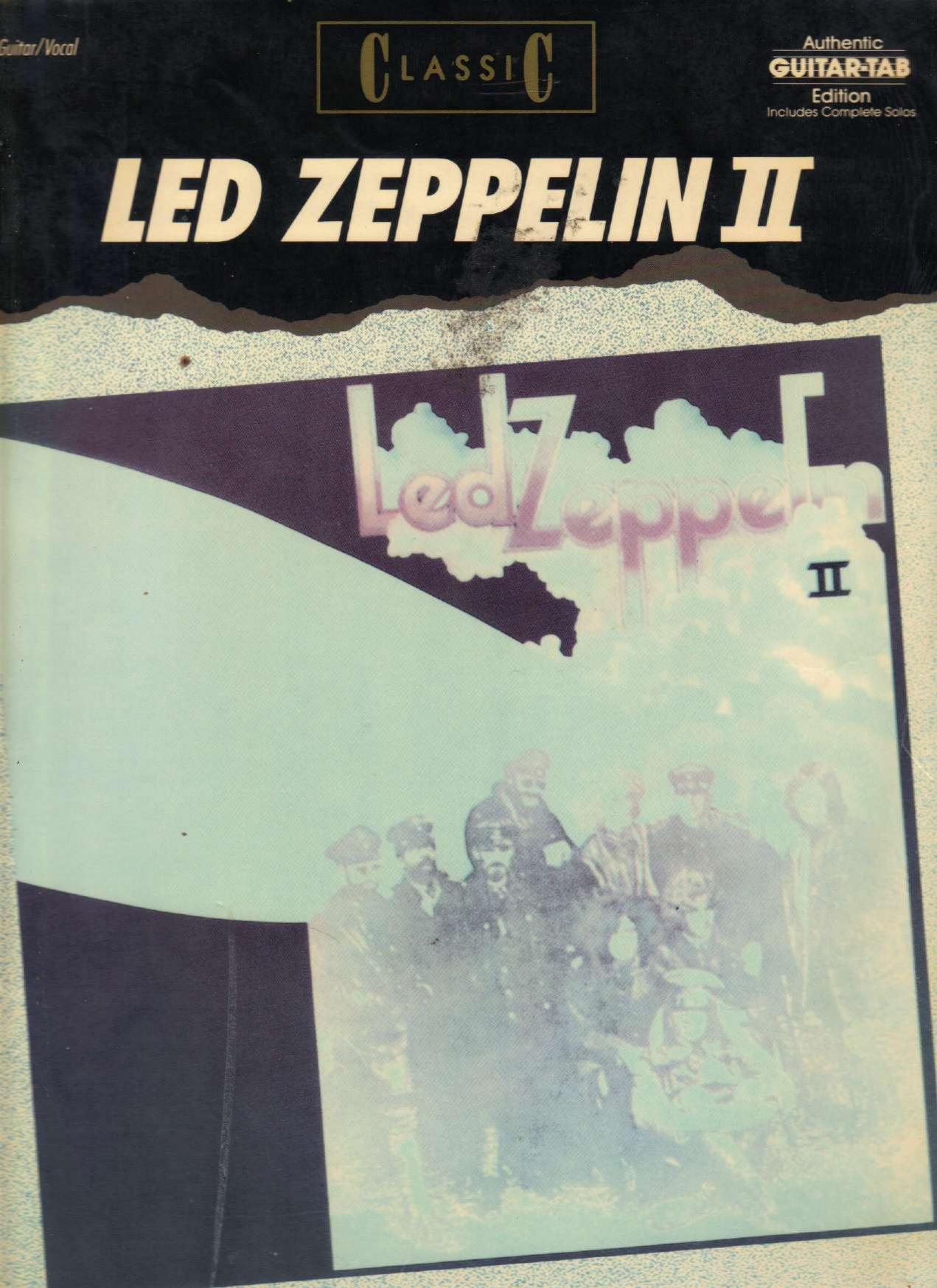
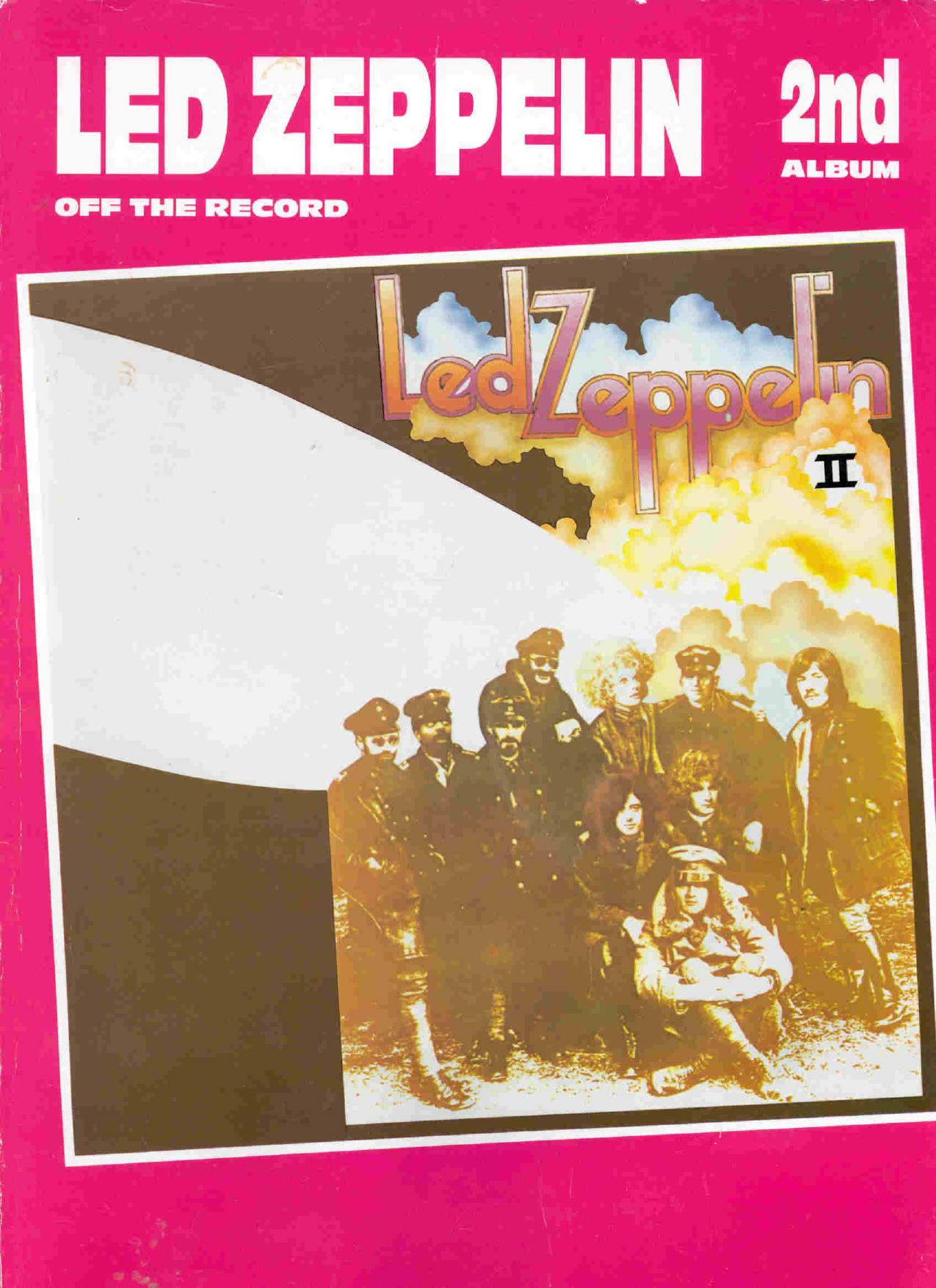
- Led Zeppelin II (1969): Their first number-one album, it includes the iconic "Whole Lotta Love," the swaggering "Heartbreaker," and the folk-inflected "Ramble On". It is widely considered one of the greatest hard rock albums of all time.
- Led Zeppelin III (1970): A deliberate shift towards acoustic and folk-based music, it opens with the thunderous "Immigrant Song" but also contains the gentle "Tangerine" and the bluesy "Since I've Been Loving You".
- Led Zeppelin IV (1971): Officially untitled, this is the album that cemented their legacy. It features "Black Dog," "Rock and Roll," "The Battle of Evermore," "When the Levee Breaks," and the monumental "Stairway to Heaven."
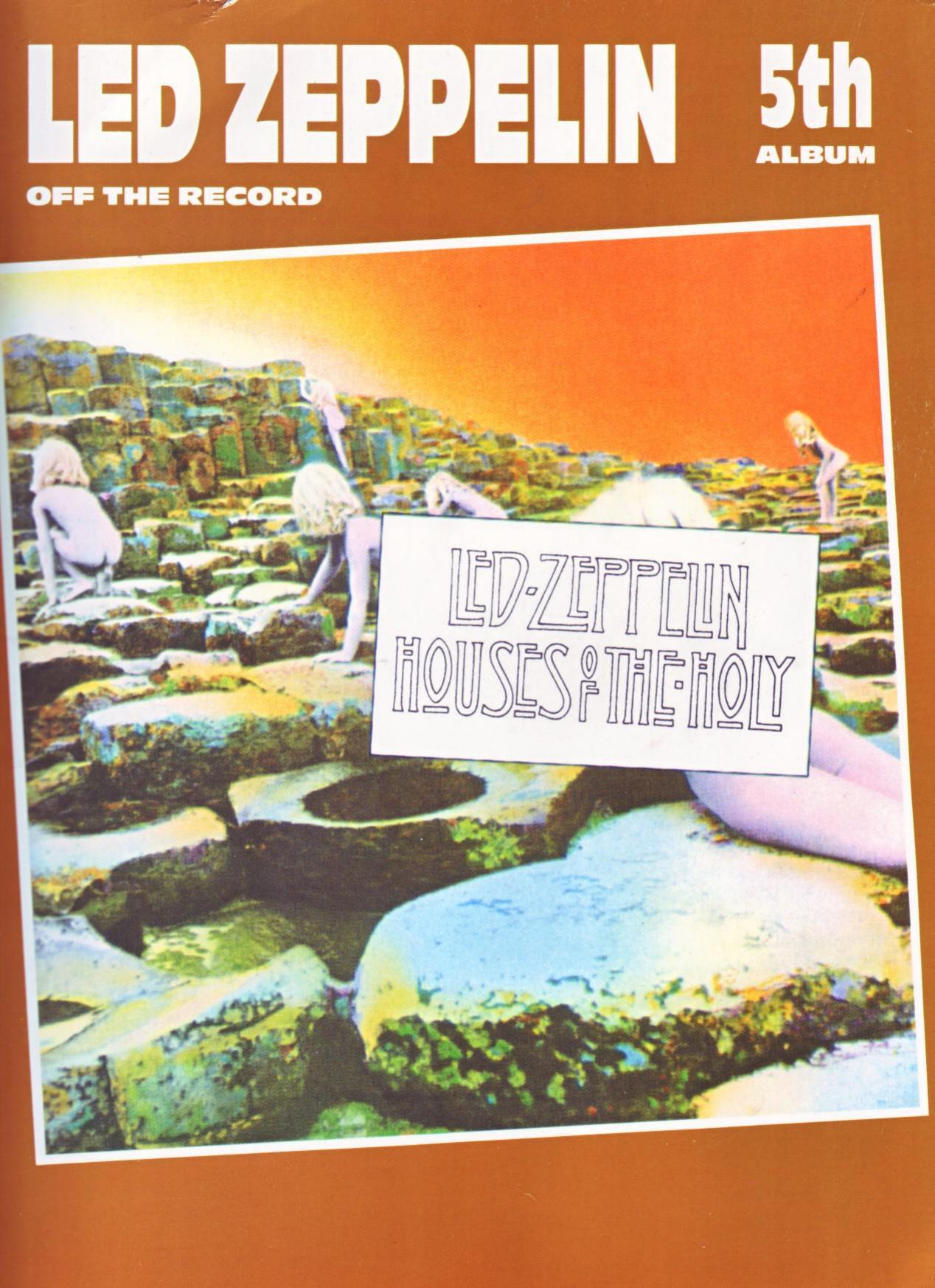
- Houses of the Holy (1973): A diverse and experimental album, it includes the reggae-infused "D'yer Mak'er," the funk-laden "The Crunge," and the epic "No Quarter" and "The Rain Song."
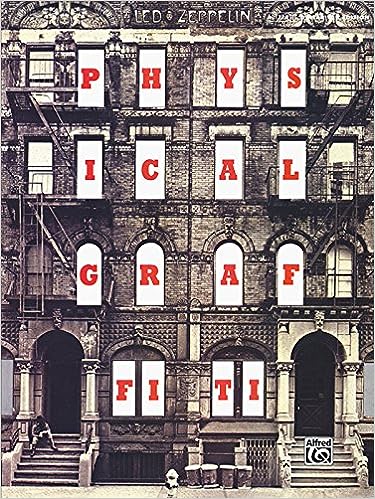
- Physical Graffiti (1975): A sprawling double album, it showcased the band's full range, from the Eastern-tinged "Kashmir" to the hard-rocking "Custard Pie" and the acoustic "Bron-Yr-Aur."
- Presence (1976): Recorded in a burst of creativity, it features the epic "Achilles Last Stand" and the haunting "Nobody's Fault but Mine."
- In Through the Out Door (1979): Their final studio album before Bonham's death, it leaned more heavily on keyboards and featured the hit "Fool in the Rain."
- Coda (1982): A posthumous compilation of outtakes and rarities, released after the band's dissolution.
The best sheet music download from our Library.
Discography
Main articles on Wikipedia: Led Zeppelin discography and List of songs recorded by Led Zeppelin
- Led Zeppelin (1969)
- Led Zeppelin II (1969)
- Led Zeppelin III (1970)
- Untitled album (1971) (commonly known as Led Zeppelin IV)
- Houses of the Holy (1973)
- Physical Graffiti (1975)
- Presence (1976)
- In Through the Out Door (1979)
- Coda (1982)
The Anatomy of the Riff: Chord Progressions and Harmony
Led Zeppelin's music was rooted in the blues, but they took that influence in a heavier direction than most of their peers, creating a powerful, stomping sound that also incorporated elements of British folk, psychedelia, soul, reggae, and Celtic and Arabic music. Their harmonic language was equally diverse.
A key example is "Stairway to Heaven." Its legendary intro opens with an arpeggiated, finger-picked guitar chord progression with a chromatic descending bassline: A–A♭–G–G♭–F. The chord sequence begins with Am, then transitions to an Am9(maj7) (or Am9/G♯), followed by an Am7/G, and finally a D/F♯. The song's final progression is a i–VII–VI (natural minor) progression (Am–G–F), a mainstay of rock music.
"Kashmir" is another landmark, built around a hypnotic, descending chord progression played on a guitar tuned to DADGAD (D–A–D–G–A–D). The song incorporates many sound patterns from Moroccan and Middle Eastern music, creating a sense of exotic grandeur. The main riff cycles through chords like D5, B♭maj7/D, D6, and D7(omit3), creating a sense of circular motion that mirrors the song's lyrical journey.
The riff to "Whole Lotta Love" is a masterclass in simplicity and power. Built around a simple but massive combination of descending notes, bends, and space, it sounds more complicated than it actually is. Page used a deceptively simple technique to give one of its notes an unusually thick, almost doubled quality. The song is primarily based in the E minor pentatonic scale, and its raw energy and iconic riff are a testament to the power of syncopated rhythms and open-string riffs.
A Legacy Forged in Influence
Led Zeppelin's influence is immeasurable. They set new parameters for what a rock band could achieve, and their tours broke records, creating the template for stadium touring that remains to this day. Many say Led Zeppelin invented heavy metal, and their sound wafted out of thousands of guitar shops worldwide during the 1970s. Their legacy is felt from punk to hip-hop; The Beastie Boys in particular relied heavily on Led Zeppelin samples.
Their impact extends far beyond hard rock. Bands and artists from diverse genres have acknowledged their influence, including Madonna, Shakira, Lady Gaga, and Katie Melua. Led Zeppelin laid the foundation for the big hair of 80s bands such as Mötley Crüe and Skid Row, and their influence can be heard in everyone from Nirvana to Soundgarden.
On Screen and On Stage
Led Zeppelin's music has had a significant presence in film. Their concert film and soundtrack, "The Song Remains the Same" (1976), captured their legendary 1973 performances at Madison Square Garden, mixed with live concert footage, fantasy sequences, and interviews. The soundtrack is effectively an official live album, featuring definitive versions of "Rock and Roll," "Black Dog," "Since I've Been Loving You," "Dazed and Confused," "Stairway to Heaven," "Whole Lotta Love," and more.
Beyond their own film, their songs have been used to great effect in other movies. "When the Levee Breaks" was featured in Adam McKay's The Big Short, "Tangerine" in Cameron Crowe's Almost Famous, and "What Is and What Should Never Be" in David O. Russell's Silver Linings Playbook. The band also allowed their music to be used in School of Rock, with Jack Black famously pleading for the rights to "Immigrant Song".
Their live performances were the stuff of legend. The band toured for months on end, building a reputation for unrivalled live performances, with concert reviews noting that audiences would actually sit down when the band started playing—knocked back into their seats by the sheer force of the sound. Notable shows include their 1970 gig at the Royal Albert Hall, which ranks as one of the best representations of the band's musical capabilities, and their 1971 "Electric Magic" shows at Wembley Arena, which featured circus performers. Their 1973 Vienna show and their 1980 Westfalen Halle performance are also well-documented.
Documenting the Myth
The band's history has been chronicled in several documentaries. The most significant recent addition is "Becoming Led Zeppelin" (2025), the first-ever authorized documentary about the band. Directed by Bernard MacMahon, it features new interviews with Jimmy Page, Robert Plant, and John Paul Jones, and unveils a huge amount of unseen performance footage, including The Fillmore West (January 1969) and their triumphant show at London's Royal Albert Hall in 1970. The film focuses on the band members' formative years as kids and musicians, telling the story of their "becoming" rather than their later years of excess.
Relationships and Collaborations
The individual members of Led Zeppelin had rich musical lives outside the band. John Paul Jones, a sought-after session musician before joining, provided the distinctive string arrangement for The Rolling Stones' "She's a Rainbow" and later added piano to "Rock and Roll". Jimmy Page played a surprise set with The Beach Boys in 1985 and later collaborated with Keith Richards. Robert Plant collaborated with Jimmy Page on various projects after the band's dissolution, and later found great success with Alison Krauss, re-recording the Page/Plant song "Please Read the Letter" for their Grammy-winning album Raising Sand. John Paul Jones formed the supergroup Them Crooked Vultures with Josh Homme and Dave Grohl, and has collaborated with a wide range of artists from Paul McCartney to Etta James.
Led Zeppelin: The Song Remains
Led Zeppelin's story is one of unparalleled creative ambition and commercial success. From their humble beginnings in a small rehearsal room, they forged a sound that was uniquely their own—a fusion of blues, folk, rock, and world music that defied categorisation. They were, as the Rock and Roll Hall of Fame describes, "as influential in their era as the Beatles were in the prior one". Their music, from the primal roar of "Whole Lotta Love" to the mystical majesty of "Kashmir" and the timeless grandeur of "Stairway to Heaven," continues to inspire and excite new generations of listeners. They were not just a band; they were a force of nature, and their legacy is eternal.
Browse in the Sheet Music Library:
Or browse in the categories menus & download the Library Catalog PDF: