Scores for all instruments: 16,000+ (active and growing), over 236,000 pages.
All genres and levels: Jazz & Blues, Rock & Pop, Classical & Contemporary, Film & Musicals;
books & biographies; methods, études, play-along tracks (MP3) for Jazz & Rock.
Access & benefits: US$15.99 one-time payment, valid for lifetime, full Library access.
Table of Contents
The best sheet music download from our Library.

Please, subscribe to our Sheet Music Library.
Miles Davis - So What
Search your favorite sheet music in the Sheet Music Library Catalog

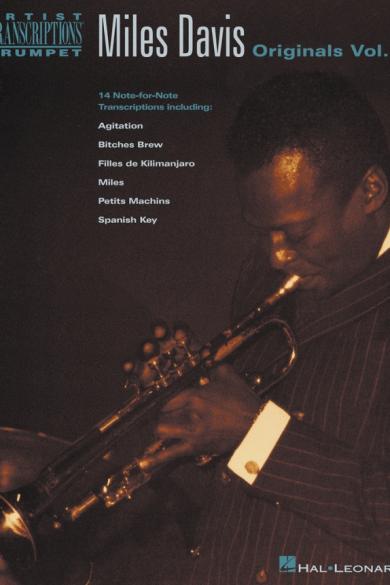
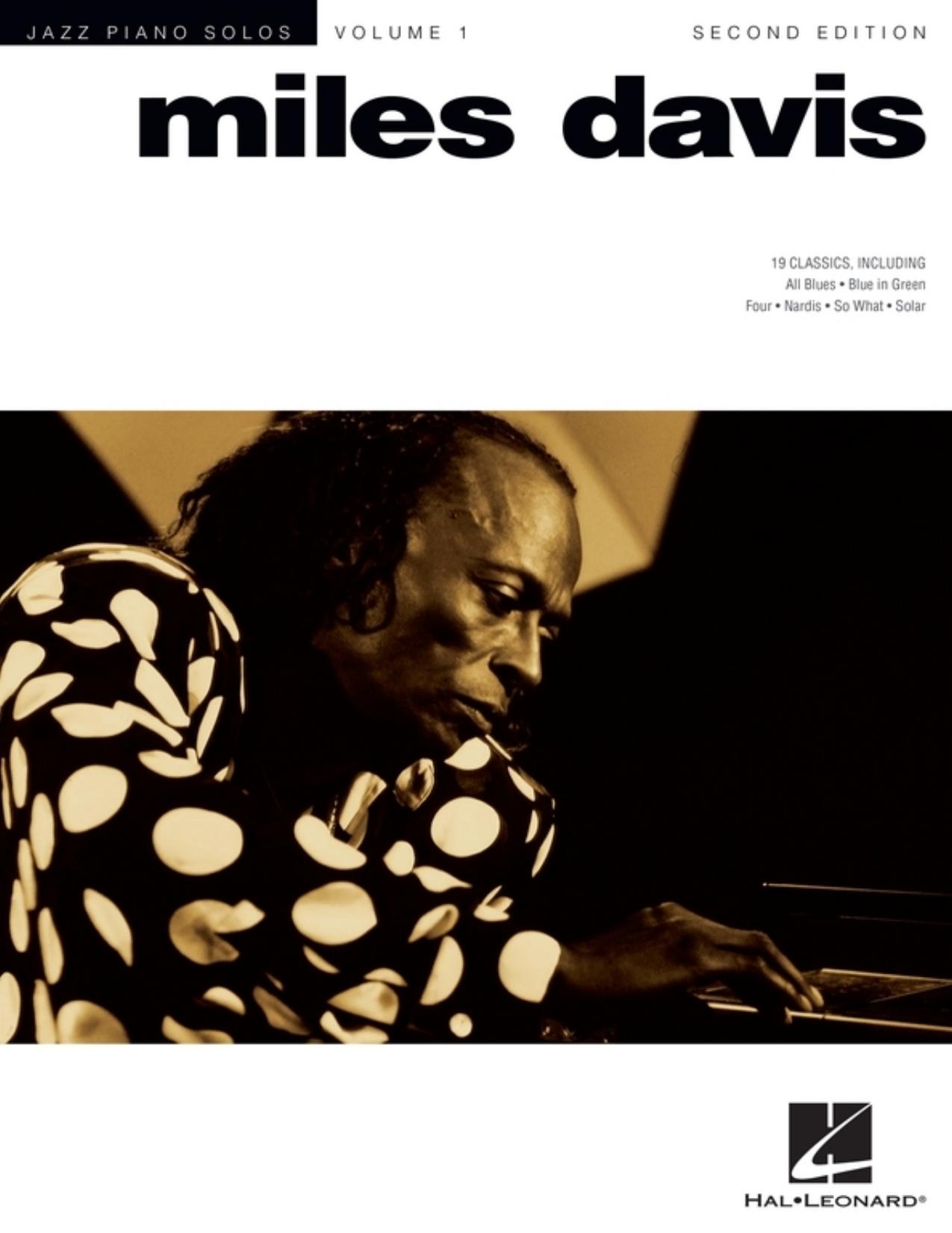

Miles Davis: The Restless Architect of Modern Jazz
Few musicians have shaped the sound of the twentieth century as deeply as Miles Dewey Davis III (1926-1991). Trumpeter, bandleader, composer and talent scout, he reinvented jazz at least five times, and each reinvention became a school of its own. He started in the bebop revolution beside Charlie Parker, helped invent "cool jazz," established hard bop as a mainstream language, took jazz into modal improvisation with Kind of Blue, led one of the most adventurous acoustic quintets ever assembled, and then plugged in and created the jazz-rock fusion that dominated the 1970s. In the 1980s he returned with a slick, synthesizer-driven pop sound that divided critics but won new audiences.
Miles Davis was not the fastest or the most technically dazzling trumpeter of his generation. His authority came from tone, phrasing, taste, silence, and an unerring instinct for choosing the right collaborators. His fragile, vocal sound, often played with a Harmon mute close to the microphone, became one of the most recognizable timbres in all of music.
Early Life: From Alton to East St. Louis
Miles Dewey Davis III was born on May 26, 1926, in Alton, Illinois, and grew up in East St. Louis. His father, Miles Dewey Davis Jr., was a successful dentist who also owned farmland. His mother, Cleota Mae Henry, was a talented pianist and violinist by some accounts, and a strong-willed woman who did not especially encourage her son's career in music. The family was comfortably middle class, a fact that distinguishes Davis from many of his contemporaries and that shaped his confidence, his elegant manner, and his sense of entitlement to the highest standards.
He received a trumpet around the age of thirteen. His father's friend and patient, the trumpeter Elwood Buchanan, became his first serious teacher. Buchanan insisted on a clear, round tone without heavy vibrato, a principle that stayed with Davis all his life. He also heard and met Clark Terry, whose lyrical, liquid style left a lasting impression, and he studied the local trumpet tradition of St. Louis. By his mid-teens he was playing in school bands and with a local group, Eddie Randle's Blue Devils.
A decisive moment came in 1944, when the Billy Eckstine Orchestra, a band stocked with the pioneers of the new bebop style including Charlie Parker and Dizzy Gillespie, passed through St. Louis. Davis sat in for an indisposed trumpeter and realized what music was happening in New York.
Search your favorite sheet music in the Sheet Music Library Catalog

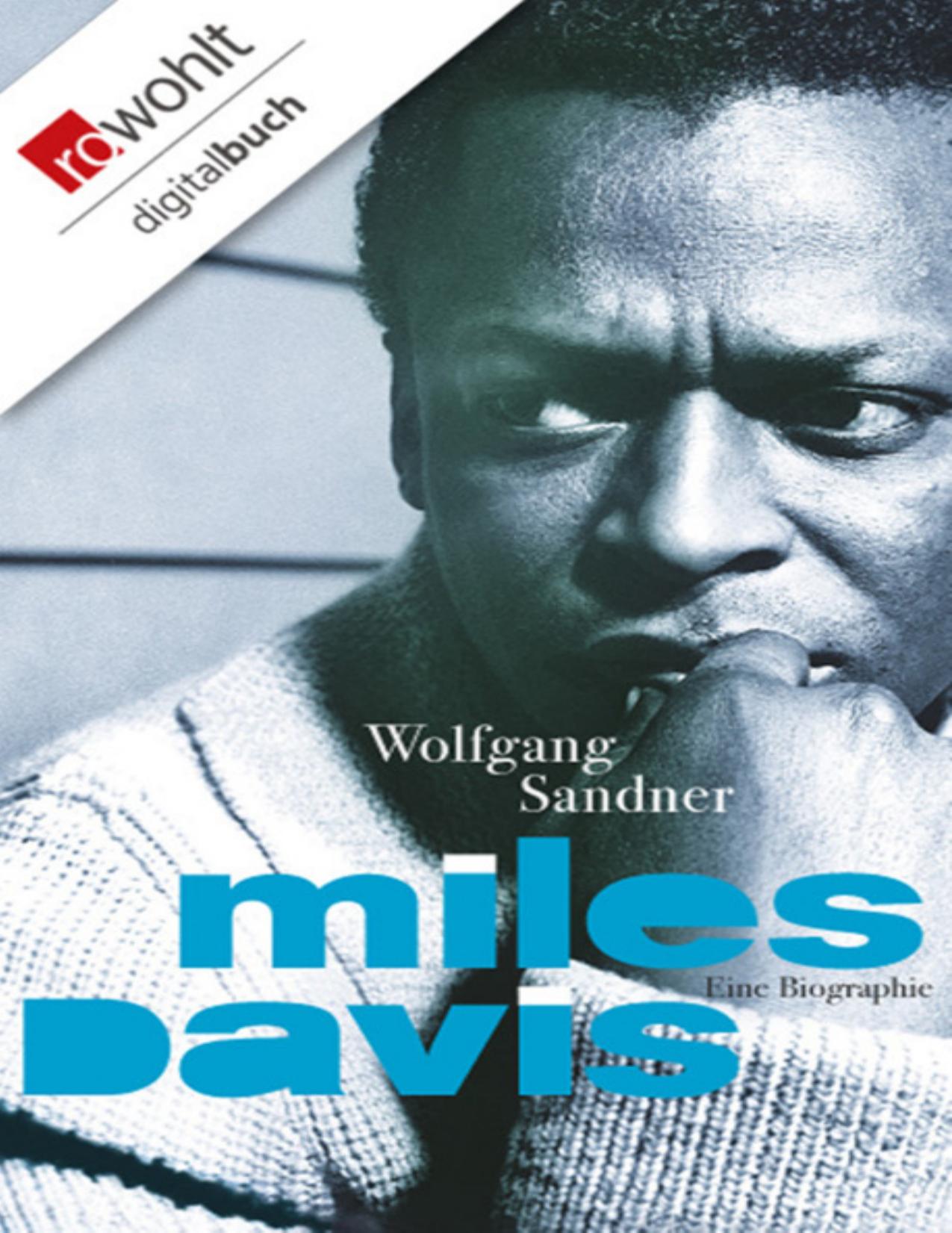
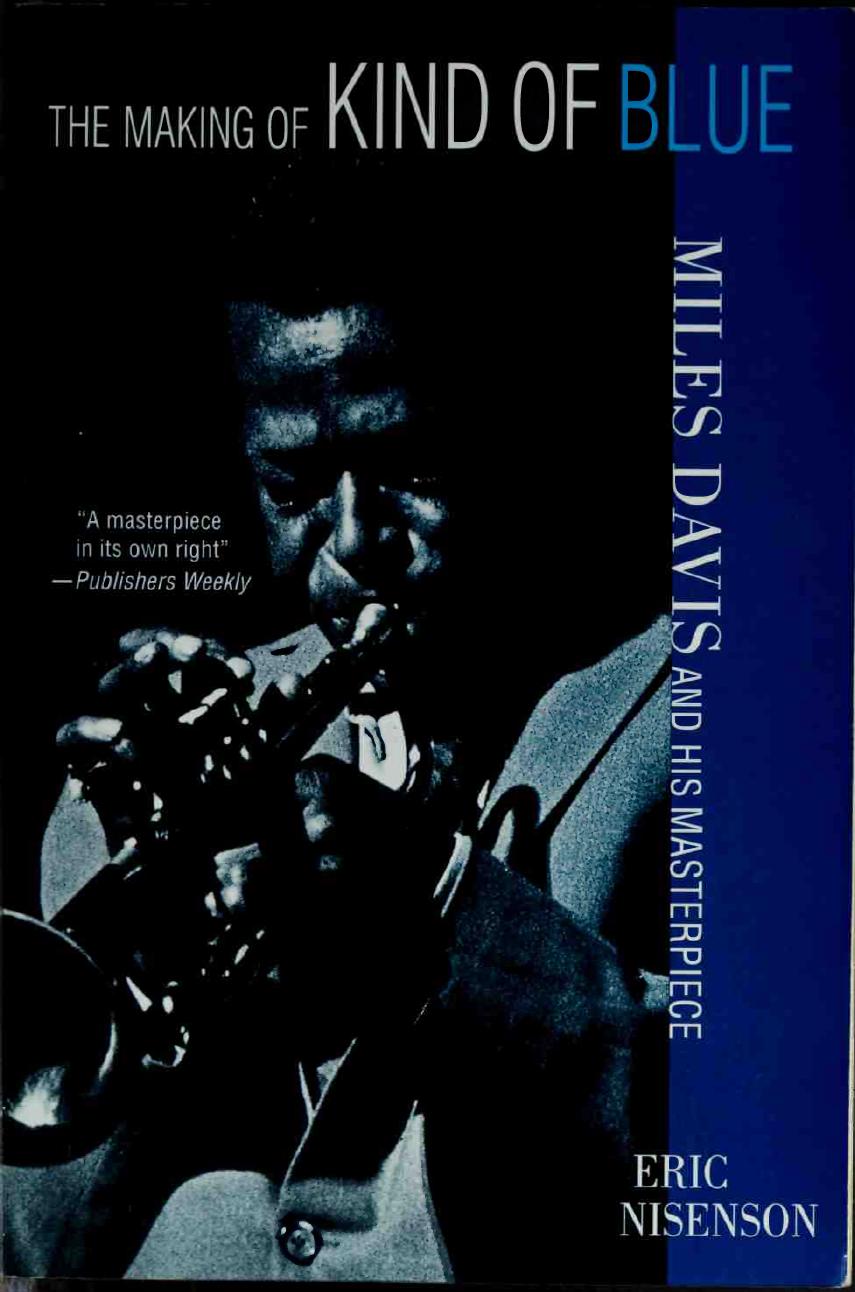

New York, Juilliard and Bebop
In the autumn of 1944 Davis moved to New York, officially to attend the Juilliard School. His real education took place on 52nd Street and in Harlem, where he sought out Charlie Parker, who became his mentor, sometimes landlord, and occasional exploiter. Davis later said he used Juilliard's classical training, including theory and orchestration, as a tool while spending his evenings in the clubs, and he left the school after a few terms.
Playing bebop in the mid-1940s, Davis stood out for what he could not do. He lacked Gillespie's blazing high register and rapid-fire virtuosity. Instead he developed a sparse, middle-register approach built around space, with notes that were tender, slightly hesitant, and carefully placed. Critics at first thought him inadequate in comparison to Gillespie. Parker, however, understood that this restraint was an asset, and he hired Davis in 1947 for his quintet. Davis recorded with Parker for Savoy and Dial in 1945-1948, and tracks such as "Now's the Time," "Billie's Bounce," "Donna Lee" and "Chasin' the Bird" are early documents of his playing.
By late 1948 Davis was ready to leave Parker's group. He was developing his own ideas, and the strain of Parker's chaotic life was considerable.
Birth of the Cool and the Gil Evans Partnership
In 1948-1949 Davis assembled a nonet, an unusual ensemble of trumpet, trombone, French horn, tuba, alto saxophone, baritone saxophone and rhythm section. The musicians included arrangers and players who would shape postwar jazz: Gil Evans, Gerry Mulligan, John Lewis, Lee Konitz, J.J. Johnson, Kenny Clarke and Max Roach. The group played a brief engagement at the Royal Roost in 1948 and recorded for Capitol in 1949 and 1950. The sessions were later gathered as the album Birth of the Cool (1957).
The music was a conscious turn away from bebop's frenzy toward a softer, more orchestral sound: dense but light textures, restrained dynamics, relaxed tempos, and arrangements that blended the horns the way a small orchestra would. The tuba and French horn gave the ensemble a dark, rounded warmth. Pieces such as "Boplicity," "Jeru," "Moon Dreams," "Israel," "Godchild" and "Venus de Milo" became touchstones of what was later called cool jazz and influenced the West Coast jazz of the 1950s.
The most important long-term result was Davis's friendship with Gil Evans, a Canadian-born arranger of extraordinary harmonic imagination. Their later orchestral collaborations are among the greatest achievements in jazz history.
The Wilderness Years and the Comeback
The early 1950s were difficult. Davis developed a heroin addiction, and his career lost momentum. He recorded for Prestige and Blue Note, producing important but uneven work, including sessions with Sonny Rollins ("Oleo," "Airegin," "Doxy"), with Milt Jackson ("Bags' Groove," with Thelonious Monk), and the landmark 1954 session that included "Walkin'." He eventually kicked the habit through sheer will at his father's farm in 1954, and he returned to New York determined.
His public breakthrough was the 1955 Newport Jazz Festival, where he played Thelonious Monk's "'Round Midnight" with a Harmon mute. The performance created a sensation and led to a contract with Columbia Records, then the most powerful label in the United States.
The First Great Quintet
Davis formed a quintet in 1955 with John Coltrane on tenor saxophone, Red Garland on piano, Paul Chambers on bass and "Philly" Joe Jones on drums. The group is considered one of the finest small ensembles in jazz history. Davis's cool, melodic lyricism sat against Coltrane's dense, searching, "sheets of sound" attack, a contrast that gave the band its dramatic tension.
To fulfill his Prestige contract while moving to Columbia, the quintet recorded two marathon sessions in 1956 that produced four albums: Cookin', Relaxin', Workin' and Steamin'. These records, full of ballads and standards played with unfussy perfection ("My Funny Valentine," "It Never Entered My Mind," "If I Were a Bell," "Round Midnight"), are among the best-selling and most-loved of the hard bop era. The Columbia debut, 'Round About Midnight (1957), followed.
The Orchestral Collaborations with Gil Evans
At Columbia, Davis reunited with Gil Evans on three major orchestral projects:
- Miles Ahead (1957): Davis, playing flugelhorn, is featured in front of a large ensemble with lush, seamless arrangements, including tracks such as "The Maids of Cadiz" and "My Ship."
- Porgy and Bess (1958): a reimagining of Gershwin's opera, including "Summertime," "I Loves You, Porgy" and "Gone."
- Sketches of Spain (1960): built around Joaquín Rodrigo's Concierto de Aranjuez, with original pieces by Evans and a flamenco-influenced "Saeta," it remains one of the most ambitious projects of Davis's career.
These records revealed Davis as a lyrical soloist of extraordinary depth and Evans as a sound-painter who used orchestral color in a radical way. They also established the idea that a jazz album could be a unified, composed artwork rather than a collection of blowing sessions. A later collaboration, Quiet Nights (1962), is less celebrated, but Sketches of Spain has an enduring reputation.
Modal Jazz and Kind of Blue
By the late 1950s Davis was becoming impatient with the harmonic complexity of bebop and hard bop, where improvisers navigated rapid chord changes. Under the influence of George Russell's Lydian Chromatic Concept of Tonal Organization, Bill Evans's impressionistic harmonic sensibility, and perhaps the modal music of Khachaturian, Ravel and other composers, Davis began to base pieces on scales (modes) rather than chord progressions. The idea was to give the improviser more melodic freedom: instead of reacting to rapidly shifting chords, the soloist could explore a single mode for extended periods.
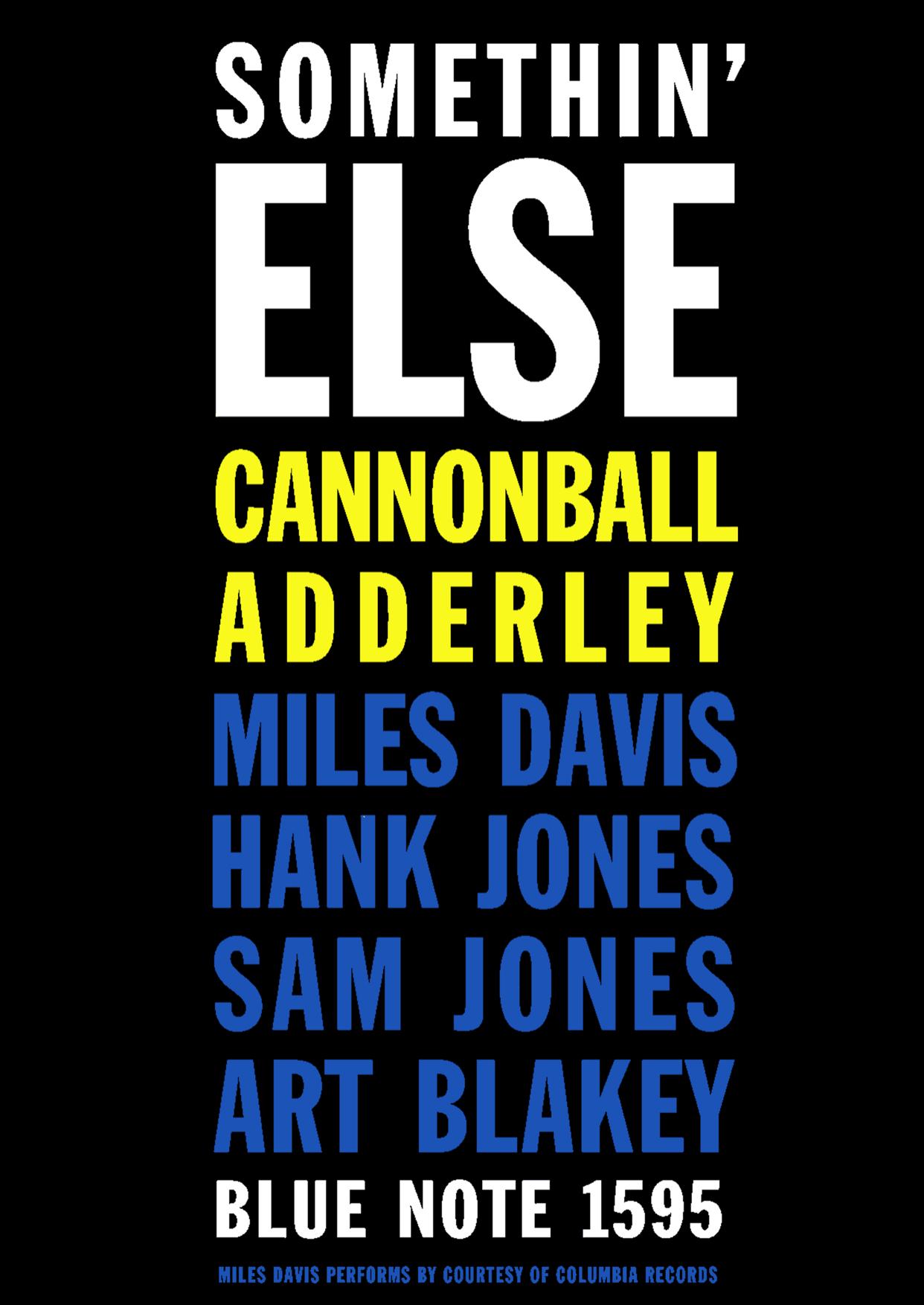
The first signs appeared on Milestones (1958), which includes the title track in a modal framework. The culmination was Kind of Blue, recorded on March 2 and April 22, 1959, in Columbia's 30th Street Studio in New York. The sextet consisted of Davis, Julian "Cannonball" Adderley (alto saxophone), John Coltrane (tenor), Bill Evans (piano; Wynton Kelly on "Freddie Freeloader"), Paul Chambers (bass) and Jimmy Cobb (drums).
The recording sessions were lightly prepared. Davis brought sketches, outlines of modes and melodies, and the musicians recorded with almost no rehearsal. The result is a record of hushed, unforced beauty:
- "So What": an AABA form built on a D Dorian center for the A sections and a half-step shift up to E-flat Dorian for the bridge. The piece opens with a bass figure and a call-and-response chord statement; the chords Bill Evans voices (stacked in fourths) are among the most famous in jazz.
- "Freddie Freeloader": a medium-tempo blues with Wynton Kelly's bright swing.
- "Blue in Green": a slow, ambiguous, floating ballad, credited to Davis, though Bill Evans is widely believed to have written much of it.
- "All Blues": a blues in 6/8 time with a gently rocking ostinato, in G.
- "Flamenco Sketches": a sequence of five scales, each improvised on for as long as the soloist wishes.
Kind of Blue has sold millions of copies, has been certified multi-platinum in the United States, and is regularly named the best-selling jazz album of all time. In 2009 the U.S. House of Representatives passed a resolution honoring it on its fiftieth anniversary.
The Transitional Years (1960-1963)
After Kind of Blue, Coltrane left to lead his own groups, and Davis struggled to build a new stable band. In this period he recorded Someday My Prince Will Come (1961), with its Disney-waltz title track and a guest appearance by Coltrane, and the live albums In Person at the Blackhawk (1961) and At Carnegie Hall (1961) with Gil Evans. Hank Mobley, George Coleman, Frank Strozier and Victor Feldman rotated through the lineup. The rhythm section of Wynton Kelly, Paul Chambers and Jimmy Cobb remained strong, and Seven Steps to Heaven (1963) and the live Four & More and My Funny Valentine (1964, recorded at Lincoln Center) show the band moving toward ever greater speed and intensity.
A notorious episode occurred in August 1959 when Davis, standing outside Birdland in New York after a performance, was beaten by police officers and arrested. He later described the incident as a searing experience of racism, which he did not forget.
The Second Great Quintet
In 1963-1964 Davis assembled what many consider his greatest group. Wayne Shorter joined on tenor saxophone, completing a rhythm section of Herbie Hancock (piano), Ron Carter (bass) and the astonishingly precocious Tony Williams (drums), who was only seventeen when he joined. The quintet's studio albums for Columbia run from E.S.P. (1965) through Miles Smiles (1967), Sorcerer (1967), Nefertiti (1968), Miles in the Sky (1968) and Filles de Kilimanjaro (1968).
The group extended the harmonic and rhythmic language of jazz while keeping the acoustic instrumentation. Their approach is often described as "time, no changes" or "free bop": the pulse stays alive and flexible, the music remains tonally anchored, but the harmony is treated loosely, and chords can be implied, stretched or ignored. The band loved to play with metric displacement and mutual reaction, and Williams's drumming, with its polyrhythms and elastic attack, is almost a fifth voice.
The repertoire was a collective achievement. Shorter contributed some of the best jazz compositions of the era, including "Footprints," "Nefertiti," "Orbits," "Pinocchio," "Fall," "Prince of Darkness" and "Sanctuary." Hancock wrote "Riot" and "Madness," Carter contributed "Eighty-One" (written with Davis), and Williams contributed "Hand Jive" and "Black Comedy." Nefertiti is especially notable: the horns repeat the theme without solos, while the rhythm section improvises underneath, turning the structure of a jazz performance inside out.
The Electric Turn: Fusion and Beyond
By 1968 Davis had begun to feel that jazz was losing its audience to rock and soul. He listened to Jimi Hendrix, Sly and the Family Stone, James Brown, and the experimental work of Karlheinz Stockhausen. Under the influence of his partner at the time, Betty Mabry (a young singer and model), he was exposed to the youthful black music scene. He started adding electric piano, electric guitar, electric bass and, later, wah-wah pedals and electronic effects.
Miles in the Sky and Filles de Kilimanjaro contain the first steps. The key breakthroughs came with:
- In a Silent Way (1969): a quietly hypnotic, ambient piece built from a few sections, with Joe Zawinul, Chick Corea and Herbie Hancock on keyboards, John McLaughlin on guitar, Dave Holland on bass, Tony Williams on drums and Wayne Shorter on soprano saxophone. Producer Teo Macero played a decisive role, editing and arranging the recorded material into a coherent whole.
- Bitches Brew (1970): recorded in August 1969 with a large ensemble including multiple electric pianos, two drummers and percussionists, bass clarinet and electric bass. The music is dense, turbulent and long-form, built from riffs, vamps and studio editing. It became a major commercial success, reaching gold status, and became the foundation stone of jazz-rock fusion.
The 1970s continued with the soundtrack A Tribute to Jack Johnson (1971), with its heavy rock-influenced groove and McLaughlin's blazing guitar; the live Miles Davis at Fillmore (1970) and Live-Evil (1971); the funk-influenced On the Corner (1972), which was poorly received at the time but is now recognized as a prophetic precursor of electronic and hip-hop production; Get Up with It (1974), containing the ethereal tribute "He Loved Him Madly," written for Duke Ellington; and the ferocious live Japanese recordings Agharta and Pangaea (1975), with guitarist Pete Cosey among the key voices.
The band during this period was a nursery of talent. Among its members were Keith Jarrett, Jack DeJohnette, Airto Moreira, Michael Henderson, Dave Liebman, Gary Bartz, Mtume, Reggie Lucas and Al Foster. Davis conducted them with cues, gestures and short instructions, often playing electric organ and effects-laden trumpet himself.
Critics were split. Traditionalists accused Davis of selling out; admirers heard a new continent of sound. History has been kind to the experiment, and the era's concert recordings and previously unreleased material have been widely reissued.
Retirement, Illness and Return
By 1975, years of heavy touring, drug use, sickle cell-related hip problems, an earlier car crash and exhaustion took their toll. Davis stopped performing and recording for about six years, living reclusively in his New York brownstone. In 1981 he returned with The Man with the Horn, and then a series of albums: We Want Miles (1982, which won a Grammy), Star People (1983) and Decoy (1984), with younger musicians including guitarist John Scofield, saxophonist Bill Evans (no relation to the pianist), bassist Marcus Miller and drummer Al Foster.
You're Under Arrest (1985) included covers of Cyndi Lauper's "Time After Time" and Michael Jackson's "Human Nature," which became signature pieces of his later years. In 1986 he left Columbia for Warner Bros., a move that reflected tension with a label he felt had ceased to understand him.
The Warner Bros. Years: Tutu and After
Tutu (1986), named after Archbishop Desmond Tutu, was made in close collaboration with bassist, multi-instrumentalist and producer Marcus Miller. It is built on synthesizers, drum machines and programmed rhythms, over which Davis plays the Harmon mute and open horn with melodic simplicity. The album won a Grammy and divided opinion, but tracks like "Tutu," "Portia" and "Splatch" have become modern classics. He followed with the soundtrack Siesta (1987), Amandla (1989), and a series of tours.
His final studio project, Doo-Bop (1992), was released after his death. Produced with rapper and producer Easy Mo Bee, it merged his trumpet with hip-hop beats and anticipated a later wave of jazz-rap fusion.
Davis died on September 28, 1991, in Santa Monica, California, at the age of 65, from complications of a stroke, pneumonia and respiratory failure. Only weeks earlier, at the Montreux Jazz Festival, he had performed the Gil Evans arrangements of his 1950s orchestral albums under the direction of Quincy Jones, a rare retrospective gesture for a musician famous for never looking back.
Musical Style and Technique
Tone and sound. Davis's tone is the key to his art. He avoided the brash, bravura attack of Gillespie and played in a soft, rounded, almost spoken style, with little vibrato and a distinctive, slightly veiled sound. He often played in the middle register, where the trumpet is most vocal. His use of the Harmon mute, usually with the stem removed and held close to the microphone, created a pointed, intimate, whispering timbre that is one of the signatures of jazz in the 1950s and 1960s.
Space and silence. Perhaps his greatest contribution to trumpet technique is the use of silence. He treated rests as musical events, letting the ensemble breathe and allowing phrases to hang. This economy of means influenced generations of players. A single, well-chosen note after a long pause could carry more weight than a flurry of notes.
Phrasing and melodic approach. His lines are lyrical, singable and often built from brief motifs, repeated, varied and developed. He was a master of the ballad and could infuse a standard such as "My Funny Valentine" or "Autumn Leaves" with a mixture of tenderness and sadness. He also understood rhythmic placement: playing behind or ahead of the beat to create tension.
Imperfection as expression. Davis's playing sometimes included cracked notes, uncertain entries and fragile intonation, particularly in live performances where he pushed the limits of his lip. He accepted these flaws as part of an expressive, human voice.
Flugelhorn and electronics. In the late 1950s he used the flugelhorn for its warmer sound, notably on Miles Ahead. In the electric period he used a wah-wah pedal and other effects, plugging the trumpet into the sonic world of rock. He also played organ and, in the 1980s, synthesizers, using them for atmosphere and texture.
Bandleading. Davis was an exceptional talent spotter and a masterful leader who rarely rehearsed or gave detailed instruction. He provided minimal sketches, hints, moods or concepts, and trusted gifted musicians to find a solution. He expected them to grow, and many of them did. His oft-quoted insistence on constant change was a core principle: a band that stood still, in his view, was dead.
Harmony and Compositional Thinking
Davis's harmonic language evolved with each period:
- Bebop and hard bop. In the 1940s and 1950s he played over fast chord progressions, but already favored simple, melodic paths through the changes over virtuosic arpeggios, often emphasizing the third and seventh and the color tones that give a chord its character.
- Cool jazz and Gil Evans. The nonet arrangements and the Evans albums used extended chords, rich voicings, unusual instrumental combinations and a sense of orchestral color. The harmony is smooth, dense and suggestive.
- Modal jazz. In Milestones and Kind of Blue, Davis replaced rapid chord progressions with scales as the harmonic basis. "So What" uses only two modes (D Dorian and E-flat Dorian); "All Blues" is a G mixolydian blues; "Flamenco Sketches" moves through a sequence of five scales. The harmonic stasis frees the soloist to concentrate on melodic shape, rhythm, tone and mood. The "So What chord," a stack of fourths topped by a major third, became a commonly used jazz voicing, associated with Bill Evans.
- Post-modal "free bop." In the second quintet, harmony becomes fluid. Tunes by Shorter, Hancock and others use ambiguous chord structures, unusual forms, pedal points, and moments of nearly free improvisation within a tonal frame. The rhythm section can leave the harmony open or reharmonize on the fly.
- Electric and funk-based harmony. In the electric period, harmony is often reduced to one or two chords, riffs or vamps, with the interest shifting to rhythm, texture, timbre and studio manipulation. The influence of Stockhausen, Indian music and funk appears in drones, repetition and long-form development.
- 1980s pop-based harmony. With Tutu and later albums, the harmonic frame becomes closer to R&B and pop: clear chord progressions, synthesized pads, bass lines and hooks, with Davis's lines floating over the top.
Throughout his career, Davis preferred simplicity of materials in order to highlight expression. As a composer he wrote relatively few extended works but contributed many enduring tunes and, even more significantly, concepts and frameworks that others developed.
The Best Songs and Compositions
Many of Davis's most famous recordings are interpretations of other composers' work, but he also wrote or co-wrote a substantial body of original material. A selection of essential pieces:
Compositions by Davis (or credited to him)
- "So What" (1959): the defining modal jazz piece.
- "All Blues" (1959): a 6/8 blues of hypnotic grace.
- "Blue in Green" (1959): a delicate, floating ballad (co-written, perhaps largely by Bill Evans).
- "Freddie Freeloader" (1959): a relaxed blues with Wynton Kelly.
- "Flamenco Sketches" (1959, with Bill Evans): the scale-based closing piece of Kind of Blue.
- "Nardis" (1958): written for Cannonball Adderley and later adopted by Bill Evans.
- "Milestones" (1958): the modal title track of the album.
- "Four" and "Tune Up" (1950s): bebop and hard bop staples.
- "Solar" (1954): a durable jazz standard.
- "Pfrancing (No Blues)" (1959) and "Sid's Ahead" (1958).
- "Seven Steps to Heaven" (1963, with Victor Feldman).
- "Boplicity" (1949): a landmark of the nonet, credited to "Cleo Henry," his mother's name.
- "Miles Runs the Voodoo Down" (1970): a slow, brooding track on Bitches Brew.
- "Bitches Brew" (1970): the title track of the fusion landmark.
- "He Loved Him Madly" (1974): an extended, atmospheric tribute to Duke Ellington.
Essential interpretations and collaborative works
- "'Round Midnight" (Monk): the Newport performance and Columbia studio version.
- "My Funny Valentine," "Autumn Leaves," "Bye Bye Blackbird," "Stella by Starlight" and "If I Were a Bell": standards that Davis made his own.
- "Summertime" (Gershwin, arranged by Gil Evans): from Porgy and Bess.
- "Concierto de Aranjuez" (Rodrigo, adapted by Evans): from Sketches of Spain.
- "Nefertiti," "Footprints" and "Orbits" (Shorter): central to the second quintet.
- "Pharaoh's Dance" and "In a Silent Way" (Zawinul): crucial in the electric transition.
- "Time After Time" and "Human Nature": pop covers that became concert favorites.
- "Tutu" (Marcus Miller): the title track of his 1986 album.
Miles Davis and the Cinema
Davis was involved with film in several ways, as a composer, as a performer and as the subject of films.
Ascenseur pour l'échafaud (Elevator to the Gallows, 1958). This is his most celebrated film score. French director Louis Malle invited Davis to record the soundtrack in Paris in December 1957. Davis worked with French musicians (Barney Wilen, René Urtreger, Pierre Michelot) and the American drummer Kenny Clarke. Reportedly, the musicians improvised in a single night while watching scenes from the film projected in the studio, using only a few harmonic sketches. The result is a moody, noir-inflected soundtrack that is regarded as one of the great jazz film scores and a landmark in European cinema, helping to define the sound of the French New Wave era.
A Tribute to Jack Johnson (1970). Davis composed and recorded music for a documentary about the boxer Jack Johnson, directed by William Cayton. The two long tracks, full of rock-influenced power and McLaughlin's guitar, are among his most visceral electric performances.
Siesta (1987). Marcus Miller wrote and produced the score for this film directed by Mary Lambert, with Davis as the featured trumpet soloist. The music blends Spanish color, synthesizers and Davis's plaintive horn.
Street Smart (1987) and other films used Davis's music in the soundtrack, including pieces from Tutu and earlier work. Many other films have used his recordings (especially from Kind of Blue) for atmosphere.
The Hot Spot (1990). Dennis Hopper's neo-noir film featured a bluesy soundtrack by Jack Nitzsche with Davis and John Lee Hooker. Davis's muted trumpet adds a haunting sheen to the music.
Dingo (1991). In this Australian film, Davis acted in a small role as a trumpet player, and he performed music written by Michel Legrand. It was one of his final screen appearances.
On-screen cameos. Davis appeared as himself or in small roles in television and film, including the TV series Miami Vice (1985) and the comedy Scrooged (1988).
Films about Davis. The documentary Miles Davis: The Miles Davis Story (2001), the documentary Miles Davis: Birth of the Cool (2019, directed by Stanley Nelson) and Don Cheadle's biographical film Miles Ahead (2015) are the most prominent portraits of the musician.
Collaborations with Other Musicians
Davis's career can be seen as a series of collaborations, and he regularly used his bands as incubators for the next generation.
- Charlie Parker and Dizzy Gillespie: his bebop mentors.
- Gil Evans: the orchestrator of Birth of the Cool, Miles Ahead, Porgy and Bess and Sketches of Spain, his most important creative partner.
- Gerry Mulligan, John Lewis, Lee Konitz, J.J. Johnson: key figures in the nonet.
- Sonny Rollins and Thelonious Monk: guests on important 1950s sessions (and a famous, tense encounter with Monk on "The Man I Love" in 1954).
- John Coltrane, Red Garland, Paul Chambers and Philly Joe Jones: the first great quintet.
- Cannonball Adderley and Bill Evans: key partners on Milestones and Kind of Blue.
- Wynton Kelly and Jimmy Cobb: a swinging rhythm section in the early 1960s.
- Wayne Shorter, Herbie Hancock, Ron Carter and Tony Williams: the second great quintet.
- Joe Zawinul, John McLaughlin, Chick Corea and Dave Holland: crucial figures in the electric transition. Zawinul and Shorter later founded Weather Report, and McLaughlin the Mahavishnu Orchestra; Corea founded Return to Forever and Hancock launched his funk-jazz groups.
- Keith Jarrett, Jack DeJohnette, Airto Moreira, Pete Cosey, Michael Henderson, Dave Liebman, Mtume, Al Foster: members of the electric bands of 1970-1975.
- Teo Macero: the producer and editor who helped shape the studio-built architecture of the electric albums.
- Marcus Miller, John Scofield, Bill Evans (saxophone), Mike Stern, Kenny Garrett: the leading figures of the 1980s bands.
- Quincy Jones: the conductor of the 1991 Montreux retrospective.
- Scritti Politti, Chaka Khan, Easy Mo Bee and other pop, R&B and hip-hop figures: collaborators in his final years. He recorded a trumpet part for Scritti Politti's "Oh Patti" in 1988, among other guest appearances.
Influences
Davis absorbed many influences throughout his life:
- Trumpeters: Clark Terry (a teacher and idol in his youth), Dizzy Gillespie (the bebop pioneer), Freddie Webster and the lyrical, restrained approach of players such as Harry "Sweets" Edison.
- Charlie Parker: harmonic and rhythmic mastery, and the model of an improviser constantly pushing his instrument.
- Duke Ellington and the big-band tradition: especially in his understanding of orchestral color. His tribute "He Loved Him Madly" expresses this debt.
- Classical and modern composers: Davis studied scores and listened to composers such as Ravel, Stravinsky, Prokofiev, Khachaturian, Rodrigo and later Stockhausen. These shaped his orchestral and modal thinking.
- George Russell and Bill Evans: the theoretical and pianistic inspirations behind modal jazz.
- Funk, soul and rock: James Brown, Sly Stone, Jimi Hendrix and Betty Mabry shaped his electric turn.
- Pop of the 1980s: artists such as Prince, Michael Jackson and Cyndi Lauper stirred his interest in melody and accessibility in his final decade.
Legacy and Influence
Davis's legacy is enormous and diverse:
- Cool jazz and the West Coast movement grew directly from Birth of the Cool.
- Hard bop and mainstream jazz: the Prestige and Columbia quintet albums set the standard for small-group jazz.
- Modal jazz: Kind of Blue opened a path followed by Coltrane, McCoy Tyner, Herbie Hancock, Pat Metheny and countless others. Modal thinking remains a fundamental part of jazz education.
- Post-bop and modern acoustic jazz: the second quintet's music is central to the repertoire and approach of jazz musicians today.
- Jazz-rock fusion: In a Silent Way and Bitches Brew gave birth to the genre. Weather Report, Mahavishnu Orchestra, Return to Forever, the Headhunters and many others descended from his bands.
- Electronic and hip-hop influence: the studio-based, loop-oriented techniques of On the Corner and Doo-Bop anticipated later electronic music and sampling culture.
- Cultural icon: Davis became a symbol of "cool" in the broadest sense: a stylish, uncompromising, enigmatic figure in sharp suits and later in flamboyant designer clothing. His raspy voice, his refusal to speak to audiences and his turned-back stage posture became part of his legend.
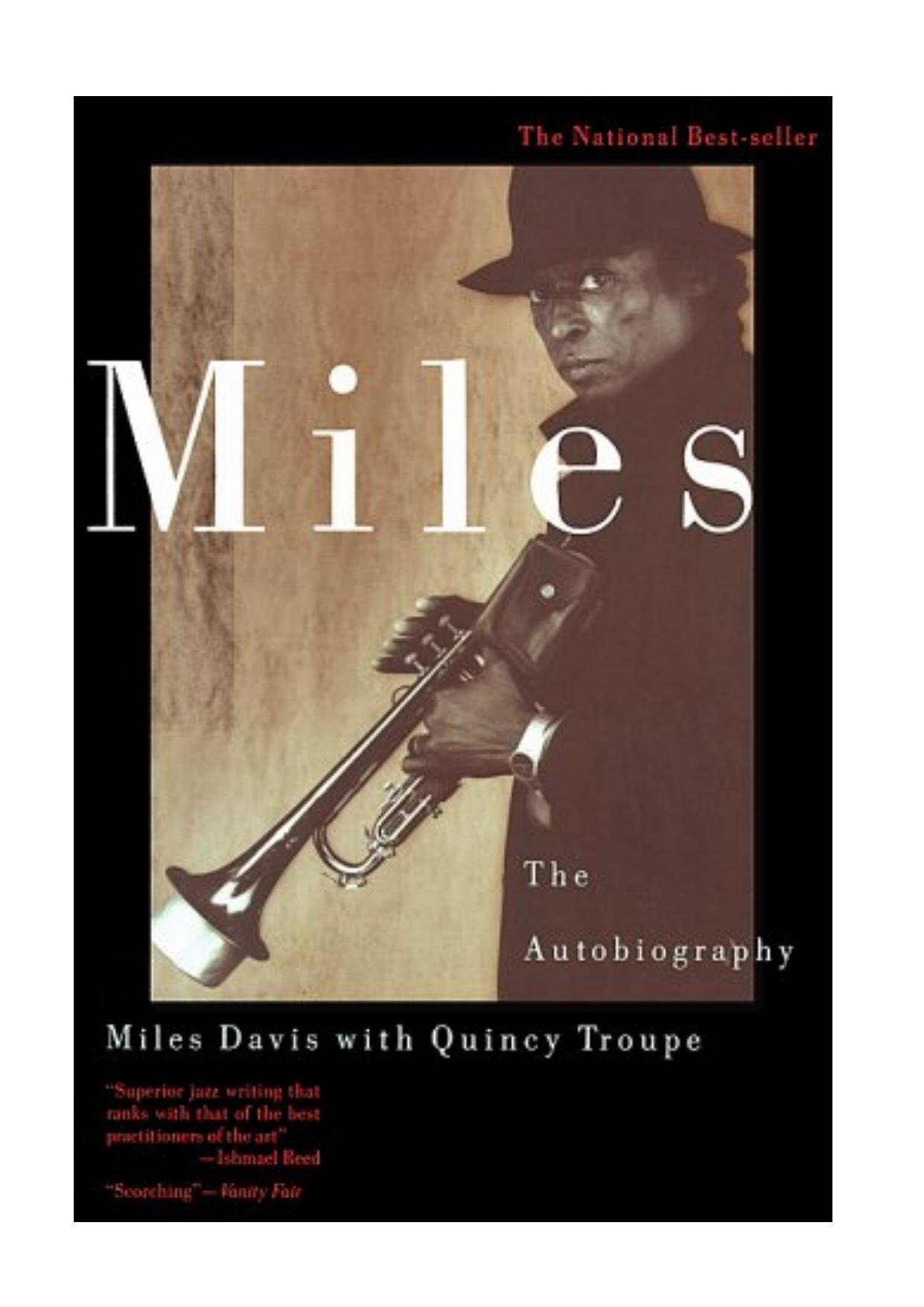
- Honors: He won numerous Grammy Awards, including a Lifetime Achievement award in 1990. He was inducted into the DownBeat Hall of Fame and, posthumously, into the Rock and Roll Hall of Fame (2006). His autobiography, Miles: The Autobiography (1989), written with Quincy Troupe, is a candid and sometimes controversial account of his life.
Additional Information
- Nicknames: "The Prince of Darkness" (a nickname associated with his brooding persona and rasping voice, and also the title of a Wayne Shorter composition) and "the Picasso of jazz."
- Voice: His raspy whisper was the result of a throat operation in 1956 and an argument shortly afterward in which he damaged his vocal cords.
- Personal life: He had relationships with several prominent women, including the dancer Frances Taylor, the singer Betty Mabry (Betty Davis), and the actress Cicely Tyson, whom he married in 1981. He had children, including Cheryl, Gregory, Miles IV and Erin.
- Painting: In his later years he devoted much time to drawing and painting, producing colorful, abstract works that were exhibited in galleries.
- Cars and fashion: He loved fast cars, including a Ferrari and a Lamborghini, and he took great care over his clothes, from the Brooks Brothers look of the 1950s to the extravagant outfits of the 1980s.
- Reissues and archives: Columbia and Legacy have issued extensive box sets and archival releases of his work, including complete recordings of his quintets, the Complete Bitches Brew Sessions, and the Miles Davis Quintet: Live in Europe 1967. These are invaluable for scholars and fans.
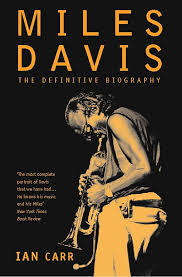
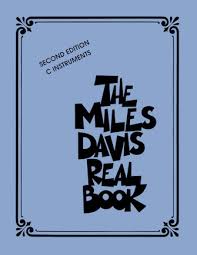
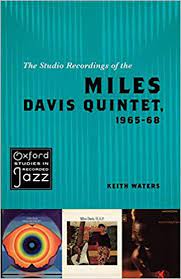
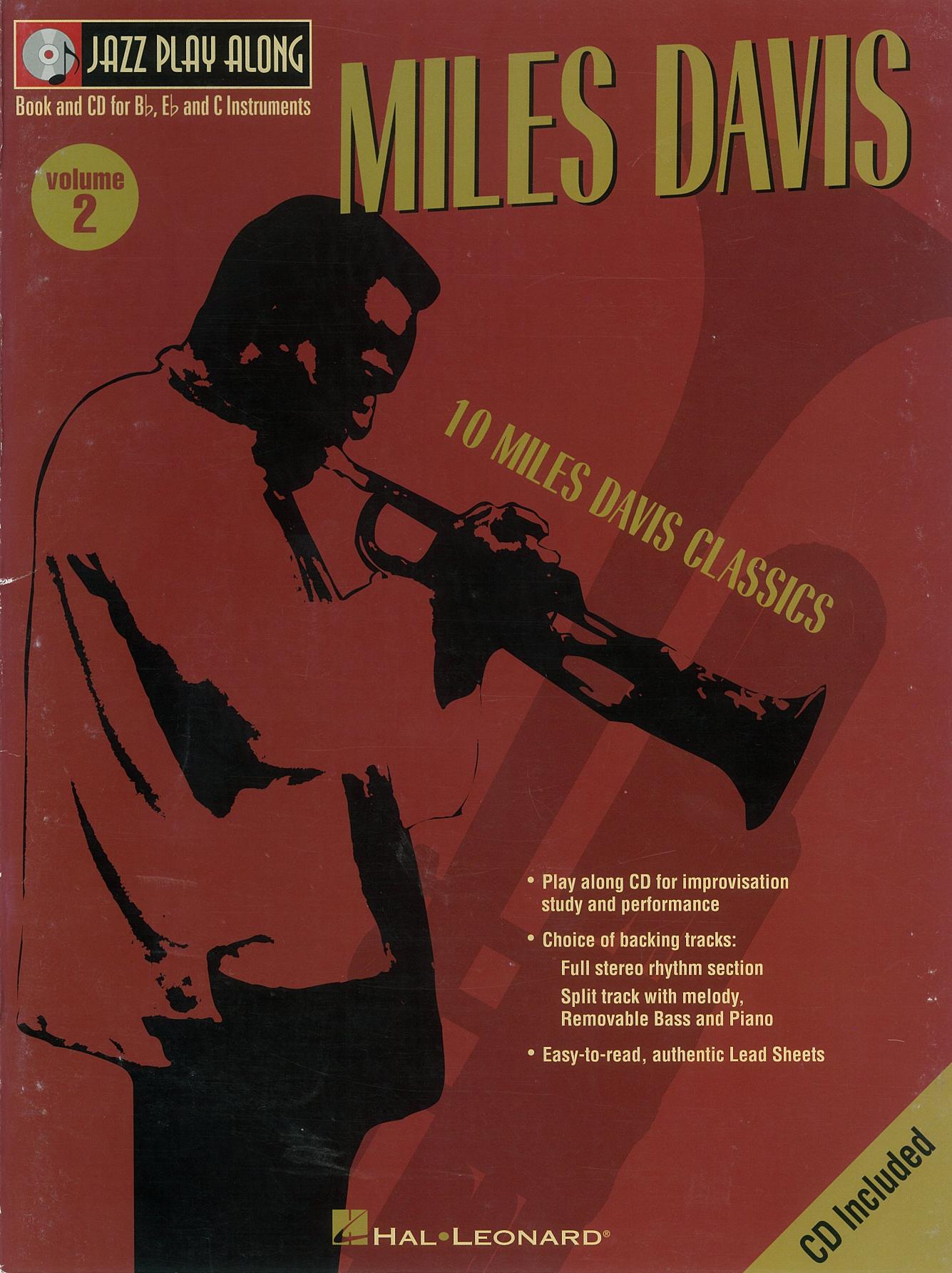
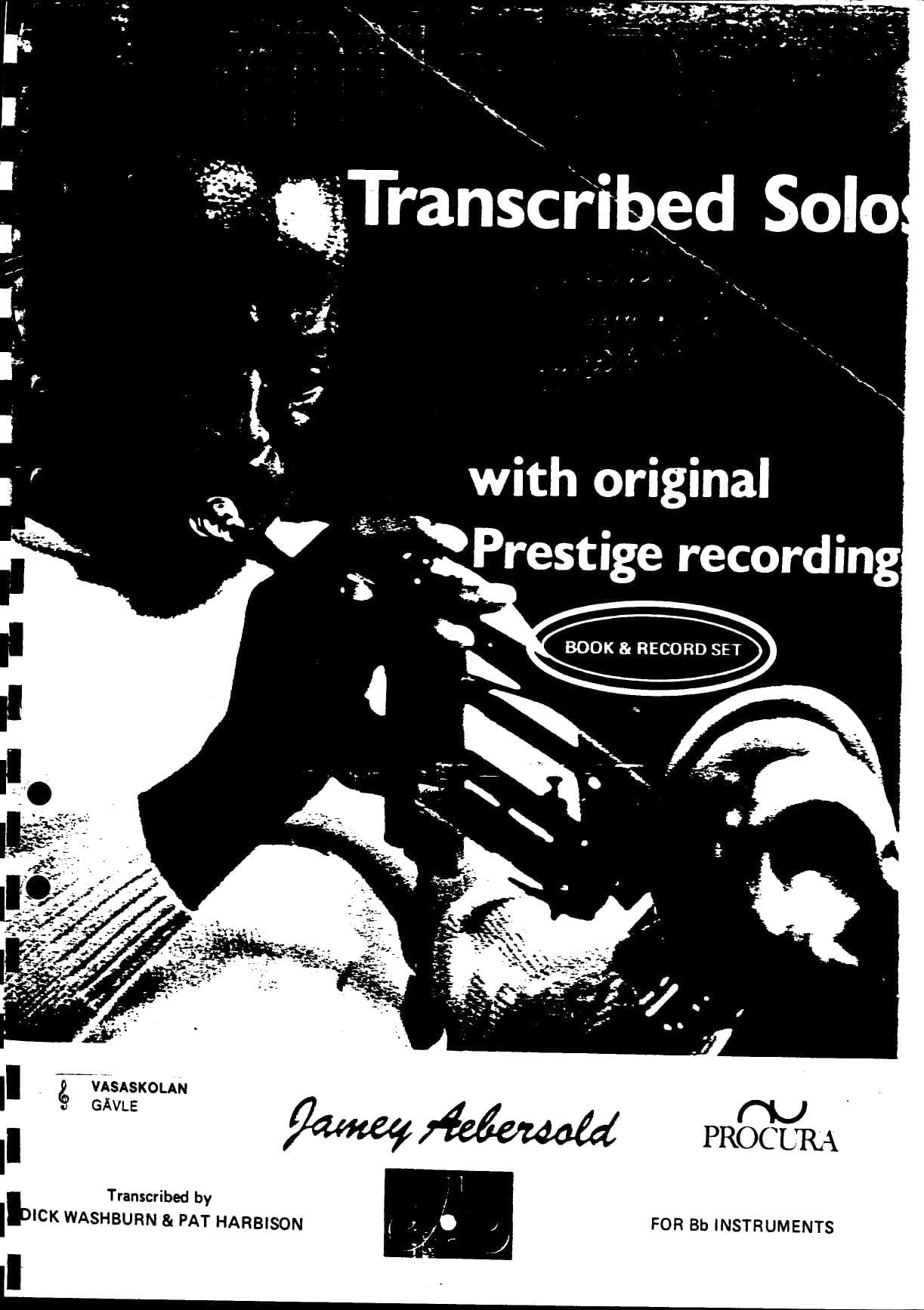
- For musicians: The sheet music and transcriptions of "So What," "All Blues," "Blue in Green," "Nardis," "Solar," "Milestones," "Tune Up" and other pieces are staples of jazz education, found in the Real Book and Aebersold play-along series.
Miles Davis, jazz legend
Miles Davis's career was a continuous act of reinvention. He embodied the idea that jazz is not a fixed tradition but a living, evolving art, and he was willing to risk his reputation in order to explore new territory. From the intimacy of his muted trumpet on "Round Midnight" to the haunting modal landscapes of Kind of Blue, from the turbulent electric storms of Bitches Brew to the polished synth-pop of Tutu, he left a body of work of astonishing breadth. His greatest gift may have been his ear: for the right note, the right silence, the right musician and the right moment to move on. More than three decades after his death, his music continues to attract new listeners, inspire new generations of musicians, and demonstrate that restlessness, in the hands of a true artist, can be a form of loyalty to the art itself.
Search your favorite sheet music in the category of Jazz, Blues, Soul, & Gospel.
Listen to Miles Davis music on Spotify
Discography
Main article on Wikipedia: Miles Davis discography
The following list intends to outline Davis's major works, particularly studio albums. A more comprehensive discography can be found at the main article.
- The New Sounds (1951)
- Young Man with a Horn (1952)
- Blue Period (1953)
- The Compositions of Al Cohn (1953)
- Miles Davis Volume 2 (1954)
- Miles Davis Volume 3 (1954)
- Miles Davis Quintet (1954)
- With Sonny Rollins (1954)
- Miles Davis Quartet (1954)
- All-Stars, Volume 1 (1955)
- All-Stars, Volume 2 (1955)
- All Star Sextet (1955)
- The Musings of Miles (1955)
- Blue Moods (1955)
- Miles Davis, Vol. 1 (1956)
- Miles Davis, Vol. 2 (1956)
- Dig (1956)
- Miles: The New Miles Davis Quintet (1956)
- Quintet/Sextet (1956)
- Collectors' Items (1956)
- Birth of the Cool (1957)
- 'Round About Midnight (1957)
- Walkin' (1957)
- Cookin' (1957)
- Miles Ahead (1957)
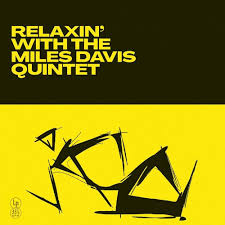
- Relaxin' (1958)
- Milestones (1958)
- Miles Davis and the Modern Jazz Giants (1959)
- Porgy and Bess (1959)
- Kind of Blue (1959)
- Workin' (1960)
- Sketches of Spain (1960)
- Steamin' (1961)
- Someday My Prince Will Come (1961)
- Seven Steps to Heaven (1963)
- Quiet Nights (1963)
- E.S.P. (1965)
- Miles Smiles (1967)
- Sorcerer (1967)
- Nefertiti (1968)
- Miles in the Sky (1968)
- Filles de Kilimanjaro (1968)
- In a Silent Way (1969)
- Bitches Brew (1970)
- Jack Johnson (1971)
- Live-Evil (1971)
- On the Corner (1972)
- In Concert (1973)
- Big Fun (1974)
- Get Up with It (1974)
- Agharta (1975)
- Pangaea (1976)
- Dark Magus (1977)
- The Man with the Horn (1981)
- We Want Miles (1982)
- Star People (1983)
- Decoy (1984)
- You're Under Arrest (1985)
- Tutu (1986)
- Amandla (1989)
- Aura (1989)
- Doo-Bop (1992)
- Rubberband (2019)
Filmography
Browse in the Sheet Music Library:
Or browse in the categories menus & download the Library Catalog PDF: