Scores for all instruments: 16,000+ (active and growing), over 236,000 pages.
All genres and levels: Jazz & Blues, Rock & Pop, Classical & Contemporary, Film & Musicals;
books & biographies; methods, études, play-along tracks (MP3) for Jazz & Rock.
Access & benefits: US$15.99 one-time payment, valid for lifetime, full Library access.
Table of Contents
Sergei Rachmaninoff: The Last Romantic
Sergei Vasilyevich Rachmaninoff (1873–1943) stands as one of the most formidable and beloved figures in the history of classical music. A towering virtuoso pianist, a demanding but inspired conductor, and a composer of profound emotional depth, he is widely regarded as one of the last great representatives of Romanticism in Russian classical music. His music, characterized by its soaring melodies, rich and dense harmonies, and staggering technical demands, has transcended the concert hall to become a staple of film and popular culture. More than 150 years after his birth, his works remain immensely popular with both artists and audiences, drawn to their "deeply felt and grandly expressed emotions, and for its sensational virtuosity".
The best sheet music download from our Library.
For the price of a single songbook, get a full Sheet Music Library!

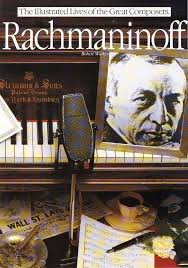
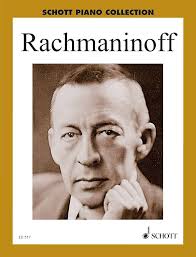
Please, subscribe to our Sheet Music Library. Sheet music should be accessible and affordable for all musicians, from professionals to absolute beginners.
A Life Forged in Turbulence: The Biography of Sergei Rachmaninoff
Rachmaninoff was born on April 1, 1873, into a family of Russian aristocracy on their estate in Semyonovo, near Novgorod. His family had strong musical leanings; his paternal grandfather had studied with the Irish composer John Field, and his father was an amateur pianist. The young Sergei began learning the piano at the age of four. However, his childhood was marked by financial instability. By 1882, his father's debts forced the family to sell their estate, and they moved to St. Petersburg.
Rachmaninoff's formal musical education began at the St. Petersburg Conservatory, but a decline in his academic performance led his family to send him to Moscow to study under the strict tutelage of Nikolai Zverev. It was at the Moscow Conservatory that his prodigious talents flourished. He studied piano with his cousin Alexander Siloti and composition with Anton Arensky and Sergei Taneyev. He graduated in 1892 with the Great Gold Medal for his one-act opera Aleko, a distinction that also earned him the encouragement of Pyotr Ilyich Tchaikovsky.
Despite this auspicious start, the path to greatness was far from smooth. The disastrous premiere of his Symphony No. 1 in 1897, which was poorly performed (reportedly by an inebriated Alexander Glazunov) and viciously condemned by critics, plunged Rachmaninoff into a deep depression that left him unable to compose for nearly three years. His recovery was aided by Dr. Nikolai Dahl, a Moscow hypnotist who helped restore the composer's confidence. The result of this therapy was the Piano Concerto No. 2 in C Minor (1901), a work of such immense popularity that it has remained a cornerstone of the piano repertoire ever since.
Search your favorite sheet music in the Sheet Music Library Catalog


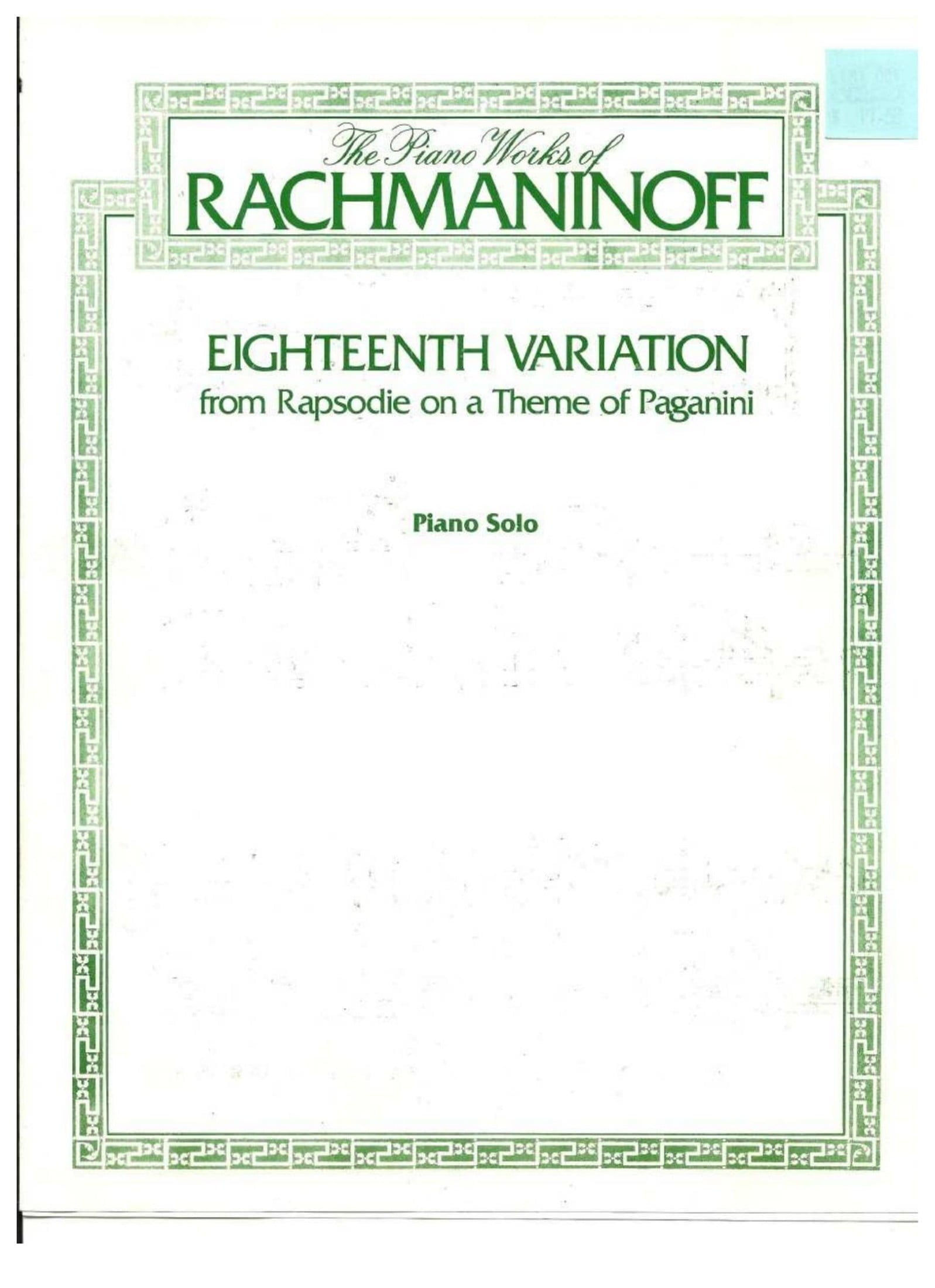

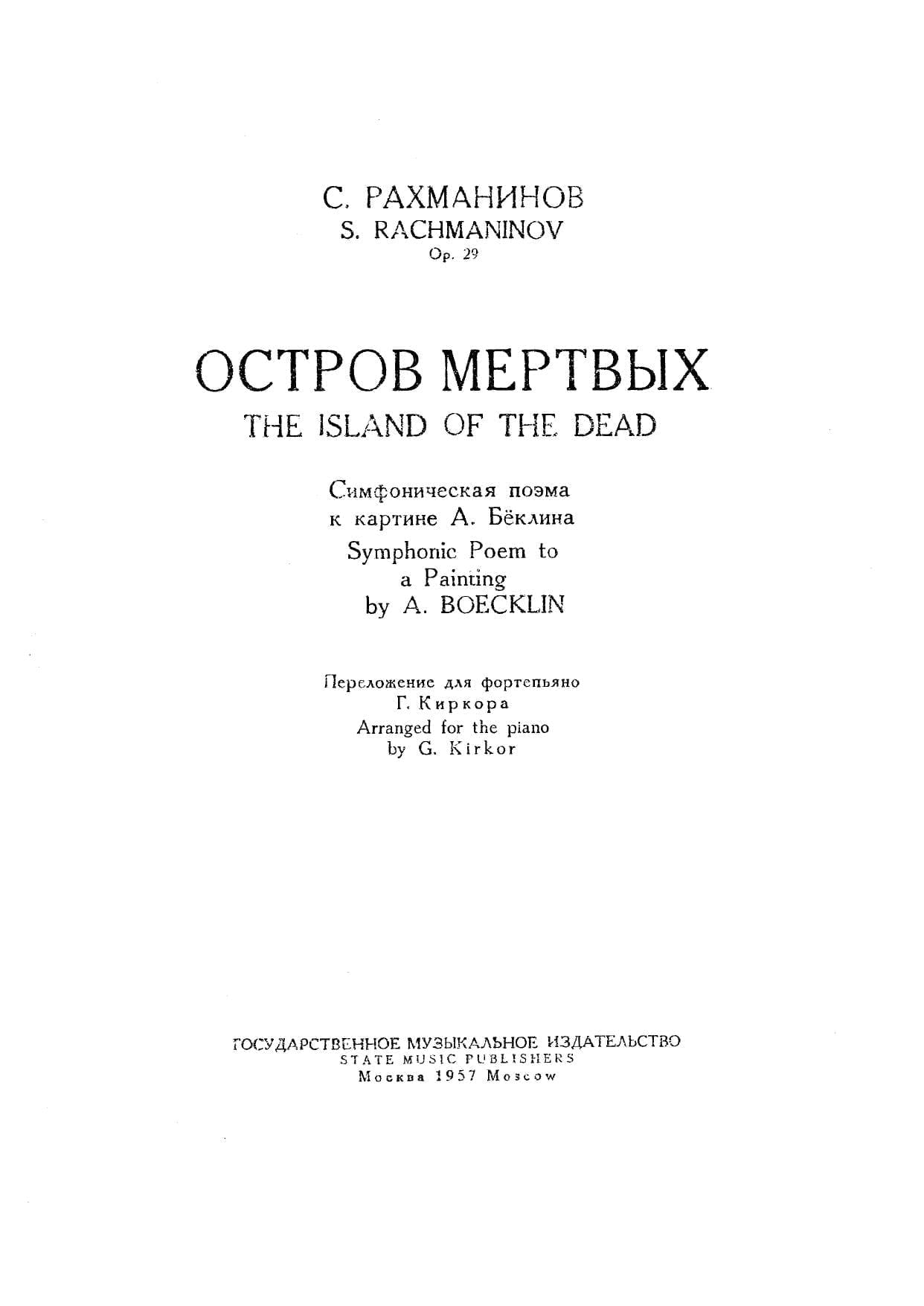
Rachmaninoff went on to become the conductor of the Bolshoi Theatre from 1904 to 1906, and later relocated to Dresden, Germany, where he composed three of his major scores: the Symphony No. 2, the symphonic poem The Isle of the Dead, and the Piano Concerto No. 3, written especially for his first concert tour of the United States in 1909. The 1917 Russian Revolution marked a profound turning point. Rachmaninoff, who had never felt entirely at home with the political turmoil, left Russia with his family, never to return. After a brief period in Scandinavia, they settled in New York in 1918.
Exile from his homeland was a source of lifelong sorrow for Rachmaninoff, who regarded himself as a refugee. The necessity of earning a living forced him to focus primarily on his career as a concert pianist, drastically reducing his time for composition. His output after leaving Russia slowed to a trickle, but it included some of his most profound works, such as the Rhapsody on a Theme of Paganini (1934) and the Symphonic Dances (1940). He spent his summers at his beloved villa, "Senar," on Lake Lucerne in Switzerland, which provided a sanctuary for composition. His health declined during the 1940s, and he died of melanoma on March 28, 1943, in Beverly Hills, California, just days before his 70th birthday.
The Architecture of Emotion: Musical Style, Harmony, and Technique
Rachmaninoff's musical language is a unique synthesis of the late-Romantic tradition and his own deeply personal idiom. While he is often viewed as a conservative figure who resisted the modernist trends of the 20th century, his music is undeniably a product of modernity, marked by a complex and forward-looking harmonic palette.
Harmony: At the heart of Rachmaninoff's style is his use of "Dresden china" harmonies—rich, chromatic, and often densely packed. He frequently employed the octatonic scale (alternating whole and half steps), a symmetrical scale that creates a sense of harmonic ambiguity and tension. This scale, along with the whole-tone scale, allowed him to build "equal-interval chromatic structures" that pushed the boundaries of traditional tonality while maintaining a profound sense of tonal cohesion. He was also fond of modality, incorporating church modes and the peremennost (a Russian technique of shifting between parallel modes) into his harmonic framework. His chord progressions are often built on cycles of minor thirds or tritones, derived from the octatonic collection, which gives his climaxes their unique, destabilizing power. This harmonic complexity is always in service of the music's emotional arc, with chromaticism and modal shifts driving the music toward its most intense moments of expression.
Technique: As a pianist, Rachmaninoff possessed legendary technical facility, which was in no small part due to his famously large hands. He could span an interval of a thirteenth on the piano, allowing him to play wide-spread chords and complex textures with a fullness and ease that smaller-handed pianists could only approximate through judicious use of the pedal or arpeggiation. His playing was characterized by an "iron rhythm" and a "singing" tone, a quality he insisted upon in his own compositions. His piano writing is therefore not merely virtuosic for its own sake; it is conceived to exploit the full expressive and technical possibilities of the instrument. His works are notorious for their difficulty, requiring a combination of immense physical power, delicate control, and a profound understanding of musical architecture. His rubato was dictated not by mere whim, but by the "emotional adventure of thematic lines" and the intensification of the harmony itself.
The Cornerstones of the Repertoire: Best Compositions
Main article on Wikipedia: List of compositions by Sergei Rachmaninoff
Rachmaninoff's catalog is anchored by a handful of works that have achieved iconic status. These pieces showcase his mastery of large-scale form, his gift for unforgettable melody, and his ability to plumb the depths of human emotion.
- Piano Concerto No. 2 in C Minor, Op. 18 (1901): This work is, for many, the quintessential Rachmaninoff. Emerging from his depression, it is a piece of immense sweeping melodies, culminating in one of the most famous and beautiful slow movements in all of classical music. It remains the "prime favorite" among his works for piano and orchestra.
- Piano Concerto No. 3 in D Minor, Op. 30 (1909): Often called the "Rach 3," this concerto is a Mount Everest for pianists. Composed for his first American tour, it is a work of greater complexity and more acerbic harmony than its predecessor. Its fearsome technical demands and immense emotional scope have made it a legend in the piano world, famously central to the film Shine.
- Rhapsody on a Theme of Paganini, Op. 43 (1934): This set of 24 variations on Paganini's famous Caprice No. 24 is a brilliant showcase of Rachmaninoff's wit, virtuosity, and melodic genius. Its 18th variation—a sweeping, inverted reimagining of the theme—is one of his most beloved creations and a staple of film scores.
- Prelude in C-sharp Minor, Op. 3, No. 2 (1892): This early work, with its ominous opening chords and stormy middle section, became so popular during his lifetime that Rachmaninoff reportedly grew weary of it. Nevertheless, it remains one of his most instantly recognizable pieces and was a key factor in launching his fame.
- Symphony No. 2 in E Minor, Op. 27 (1907): A massive, sprawling work, it is a testament to his skills as an orchestral colorist. Its third movement, a passionate and lyrical adagio, is one of his most sublime melodies.
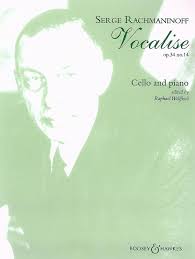
- Vocalise, Op. 34, No. 14 (1915): Originally a wordless song for voice and piano, this hauntingly beautiful melody has been transcribed for virtually every instrument and ensemble imaginable, from violin and orchestra to cello and piano. It represents the pure, song-like melodicism that is the hallmark of his style.
- The Bells, Op. 35 (1913): A choral symphony based on Edgar Allan Poe's poem, this work is a masterful depiction of the stages of life through the symbolism of different bells. It showcases his command of large vocal and orchestral forces.
- All-Night Vigil (Vespers), Op. 37 (1915): A setting of the Russian Orthodox all-night vigil, this a cappella choral work is considered one of his finest achievements and a pinnacle of Russian sacred music, demonstrating his deep connection to the ancient chants of his homeland.
Rachmaninoff plays Rachmaninoff Piano Concerto No.2 (1929)
Rachmaninoff at the Movies: A Cinematic Legacy
Rachmaninoff's music, with its intense emotionalism and grand gestures, has proven irresistible to filmmakers. His works have been used in countless soundtracks, often to underscore moments of passion, longing, and tragedy.
The most famous example is the use of his Piano Concerto No. 2 in David Lean's 1945 film Brief Encounter. The concerto serves as the emotional core of the film, a musical embodiment of the repressed passion between the two protagonists. It has been called "the classical repertoire's most famous piece of film music". The same concerto has appeared in many other films, including Hereafter (2010) and The Seven Year Itch.
His Rhapsody on a Theme of Paganini is another cinematic favorite, particularly its 18th variation. This variation is featured prominently in the film Somewhere in Time (1980), where it accompanies the film's time-travel romance. It also appears in Groundhog Day and The Seventh Veil. The Rhapsody is also part of the soundtrack of the film Three Loves (Tres amores).
Rachmaninoff's music has influenced the sound of Hollywood itself. His lush, chromatic harmonies are often cited as a precursor to the sweeping orchestral scores of the Golden Age of cinema. His work continues to be a source of inspiration for contemporary filmmakers, as seen in the use of his music in Alejandro González Iñárritu's Birdman (2014). Interestingly, Rachmaninoff was once approached to write an original score for the 1941 film Dangerous Moonlight but declined, leading to the creation of Richard Addinsell's "Warsaw Concerto" in a similar style.
Collaborations, Awards, and Accolades
Throughout his career, Rachmaninoff collaborated with and was honored by some of the greatest musicians of his time. He formed a lifelong friendship with the legendary Russian bass Feodor Chaliapin, with whom he often performed. As a conductor, he worked with the Bolshoi Theatre and also appeared with the Boston Symphony Orchestra. He performed his Piano Concerto No. 3 with the New York Philharmonic under the baton of Gustav Mahler during his first American tour. His 1929 recording of the Second Piano Concerto with the Philadelphia Orchestra, conducted by Leopold Stokowski, is a landmark recording that was inducted into the Grammy Hall of Fame. Another of his recordings, the 1934 Rhapsody on a Theme of Paganini, was also inducted into the Grammy Hall of Fame.
In 1932, Rachmaninoff was awarded the Gold Medal of the Royal Philharmonic Society in England, a high honor recognizing his contributions to music. He was also a celebrated figure at the International Musical Festival in Lucerne in 1939, where he appeared alongside luminaries such as Arturo Toscanini, Bruno Walter, Vladimir Horowitz, and Pablo Casals.
Influences and Legacy: The Enduring Power of Rachmaninoff
Rachmaninoff's influences are clear: the emotional directness of Tchaikovsky, the pianistic brilliance of Liszt, and the contrapuntal rigor of Bach and Chopin. Yet, he synthesized these influences into a voice that is unmistakably his own. His legacy is multifaceted. As a composer, he brought the Romantic tradition to a logical and profoundly expressive conclusion, enriching Russian music with the achievements of 20th-century art while remaining true to his national heritage. While some critics during his lifetime dismissed him as a sentimentalist, his music has proven to have a "real core of aesthetic value" that transcends mere popularity.
As a pianist, his recordings set a standard for generations of musicians. He became an "etalon"—a benchmark—for pianists of various national schools, and his interpretations of his own works and the standard repertoire are still studied and revered.
His influence extends far beyond the classical world. His gift for sweeping melody and intoxicating orchestration has left a mark on leading composers of popular music and film. His pianistic virtuosity was a profound influence on jazz piano titans like Art Tatum. Pop musicians have also drawn from his well. Eric Carmen's hit "All by Myself" is based on the second movement of Rachmaninoff's Piano Concerto No. 2, while Barry Manilow's "Could It Be Magic" is built upon the chord progression of the same concerto's first movement. The rock band Muse has cited Rachmaninoff's concertos as an influence on songs like "Space Dementia" and "Butterflies and Hurricanes".
Additional Notes: A Complex Personality
Beyond his music, Rachmaninoff was known as an intensely private and often morose individual. This melancholy was likely deepened by the loss of his homeland and his perpetual homesickness. He was also a man of modern interests, being an enthusiastic early adopter of the automobile and enjoying hobbies such as motorboating and tennis. His marriage to his cousin, Natalia Satina, in 1902 was a source of personal stability, and they had two daughters, Irina and Tatiana. His villa, "Senar," named from the first letters of his and his wife's names, was his beloved retreat and the birthplace of some of his most important late works.
In conclusion, Sergei Rachmaninoff's legacy is one of enduring emotional power. He was a man out of time, a Romantic soul in a modern world, who poured his longing, his faith, and his formidable intellect into music of breathtaking beauty and complexity. Whether through the thundering chords of a piano concerto, the tender melody of a Vocalise, or the haunting bells of a choral symphony, his music speaks directly to the heart, ensuring that his place among the great composers is not only secure but cherished. As the pianist Kirill Gerstein aptly put it, "The music is here to stay".
Browse in the Sheet Music Library:
Or browse in the categories menus & download the Library Catalog PDF:
Best of Rachmaninoff
00:00:00 14 Romances, Op. 34: No. 14, Vocalise (1) 00:06:39 Piano Concerto No. 2 in C Minor, Op. 18: II. Adagio Sostenuto (2) 00:18:03 Symphony No. 2, Op. 27: III. Adagio (3) 00:30:56 Symphony No. 2, Op. 27: I. Largo - Allegro moderato (4) 00:48:37 Piano Concerto No. 3 in D Minor, Op. 30: I. Allegro ma non tanto (2) 01:06:33 Symphony No. 3 in A Minor, Op. 44: II. Adagio ma non troppo (4) 01:19:27 String Quartet No. 1: II. Romance (5) 01:25:27 Piano Concerto No. 3 in D Minor, Op. 30: II. Intermezzo: Adagio (attaca) (2) 01:36:49 Symphony No. 2, Op. 27: II. Allegro molto (3) 01:46:42 Piano Concerto No. 2 in C Minor, Op. 18: I. Moderato (2)
01:58:23 Piano Concerto No. 3 in D Minor, Op. 30: III. Finale: Alla breve (2) 02:13:37 Symphony No. 1 In D Minor, Op. 13: I. Grave - Allegro Ma Non Troppo (6) 02:26:39 Symphony No. 1 In D Minor, Op. 13: IV. Allegro Con Fuoco (6) 02:39:51 The Rock, Op. 7 (3) 02:53:44 Symphonic Dances, Op. 45: II. Andante con moto. Tempo di Valse (4) 03:03:12 Symphony No. 1 In D Minor, Op. 13: III. Larghetto (4) 03:12:27 Rhapsody on a Theme of Paganini, Op. 43: Variation VII. Meno mosso, a tempo moderato (2) 03:13:28 Rhapsody on a Theme of Paganini, Op. 43: Variation XVIII. Andante Cantabile (2) 03:16:28 Variations on a Theme of Corelli, Op. 42 (7) 03:35:14 Etudes-tableaux, Op. 39: No. 8, Allegro moderato in D Minor (8) 03:39:20 Etudes-tableaux, Op. 39: No. 2, Lento assai in A Minor (9) 03:45:57 Etudes-tableaux, Op. 39: No. 7, Lento lugubre in C Minor (9)
(1) Saint Petersburg Orchestra of the State Hermitage Museum Camerata (2) Tbilisi Symphony Orchestra (3) Academic Symphony Orchestra of the Saint Petersburg Philharmony (4) Novosibirsk Symphony Orchestra (5) Rimsky-Korsakov Quartet (6) Leningrad State Philharmonic Symphony Orchestra (7) New Classical Orchestra Saint Petersburg (8) Dina Kaminskaya (9) Andrei Ivanovich