
Scores for all instruments: 16,000+ (active and growing), over 236,000 pages.
All genres and levels: Jazz & Blues, Rock & Pop, Classical & Contemporary, Film & Musicals;
books & biographies; methods, études, play-along tracks (MP3) for Jazz & Rock.
Access & benefits: US$15.99 one-time payment, valid for lifetime, full Library access.
Table of Contents
The Classics for Young Pianists
The world of piano music is vast and rich, filled with timeless compositions that not only challenge the player but also captivate the audience. For young pianists, learning the classics is an essential step in cultivating their skills and appreciation for music. This post will delve into some of the key pieces that are often recommended for young learners, providing insights and examples to help them navigate this exciting repertoire.
The best sheet music download from our Library.
For the price of a single songbook, get a full Sheet Music Library!
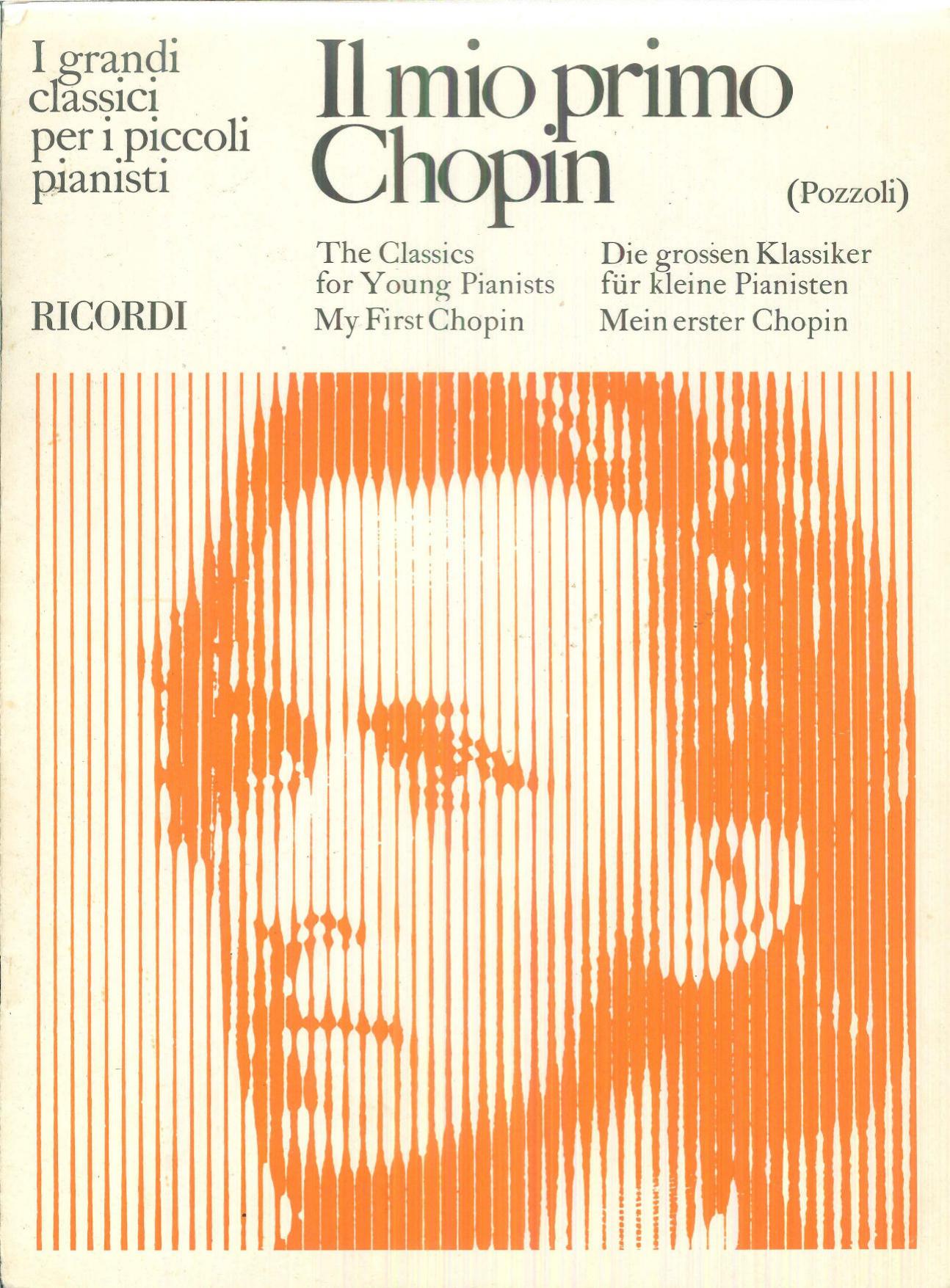


Please, subscribe to our Sheet Music Library. Sheet music should be accessible and affordable for all musicians, from professionals to absolute beginners.
When selecting music for young pianists, it's important to consider their developmental stage, technical skills, and personal interests. Classics such as Bach's 'Minuet in G' or Beethoven's 'Ode to Joy' not only introduce essential techniques but also encourage expressive playing. These pieces have stood the test of time and are perfect for building a foundation in classical music.
Let's take Bach's 'Minuet in G' as an example. This piece, often found in beginner piano books, teaches young musicians about phrasing and dynamics. A pianist might focus on playing the piece legato, ensuring smooth transitions between notes. Additionally, they can experiment with tempo, playing it slowly to master the notes before increasing the speed for performance. This method not only enhances their technical proficiency but also deepens their understanding of musical structure.
Another classic, Beethoven's 'Ode to Joy', is not only recognizable but also serves as a great introduction to playing in a major key. Young pianists can learn to express joy through their playing by focusing on the piece's uplifting melody. The simplicity of the notes allows beginners to master the piece quickly, giving them a sense of accomplishment that boosts their confidence.
In addition to these pieces, Schumann's 'The Merry Peasant' introduces rhythmic variety and melodic embellishments, making it a delightful choice for young musicians. Encouraging students to listen to recordings of these classics can also foster their musical ear and inspire them to interpret the pieces in their unique style.
Search your favorite sheet music in the Sheet Music Library Catalog
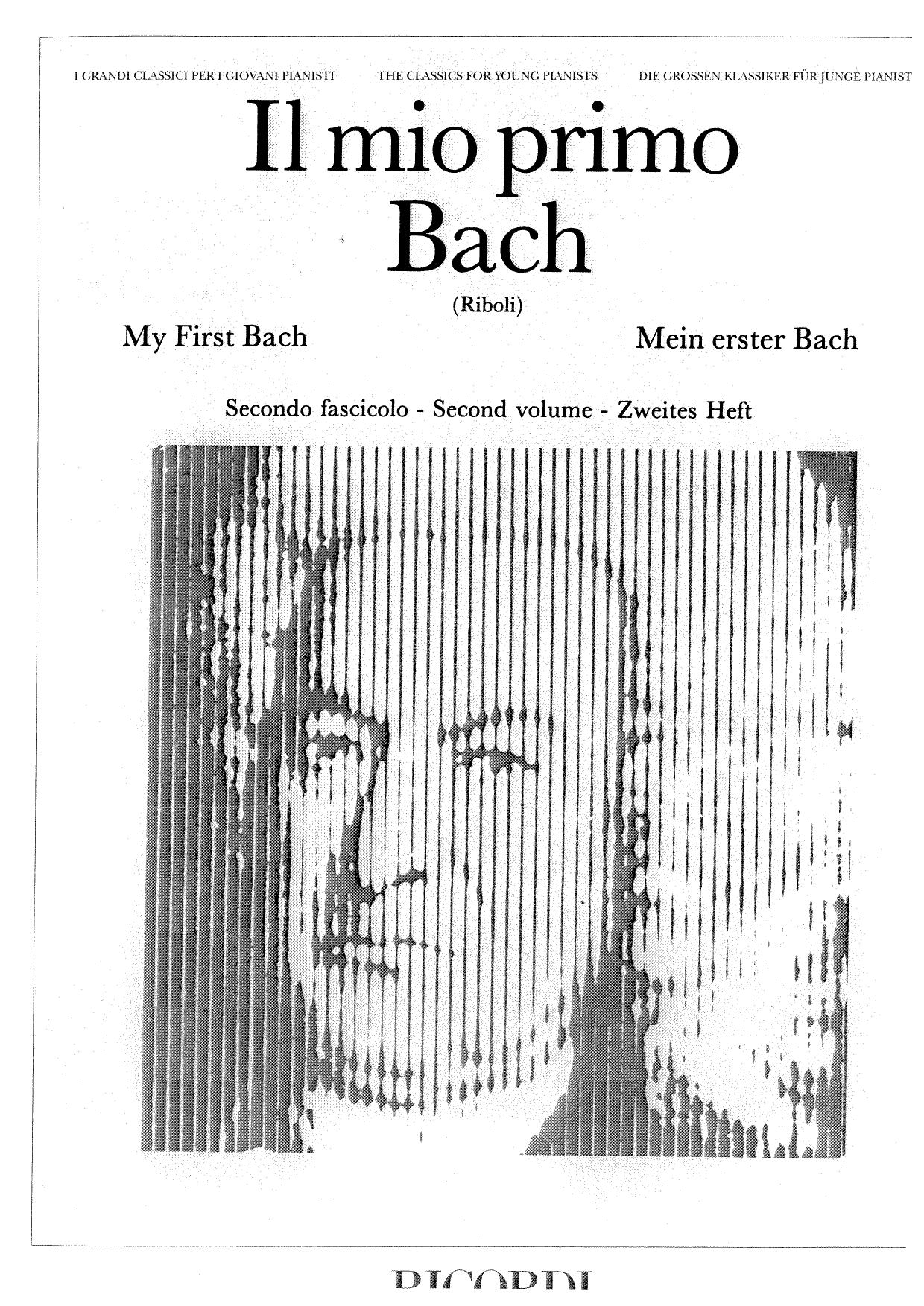

As students progress, incorporating more challenging works such as Chopin's 'Prelude in E Minor' can enhance their emotional expression and technical skills. This piece, while suitable for early intermediate players, encourages the exploration of dynamics and the subtleties of touch on the piano. Young pianists can learn to convey a range of emotions, from melancholy to hope, through their performance.
Ultimately, the goal is to make the learning process enjoyable and engaging. Encourage young pianists to explore different composers and styles. The classics for young pianists should be seen as a gateway to a broader musical journey, setting the stage for future exploration in both classical and contemporary music.
Aside from technical skills, young musicians should also be encouraged to participate in recitals or group performances. These opportunities not only build confidence but also foster a sense of community among young musicians. Playing in front of an audience can be a transformative experience, allowing them to share their love for music with others.
Moreover, integrating music theory into lessons can further enhance a young pianist's understanding of the pieces they are learning. Understanding scales, chords, and musical notation lays a solid groundwork for their future studies. Incorporating fun activities, such as composing their own melodies inspired by the classics, can make learning more interactive and enjoyable.
Finally, parents and teachers should play an active role in supporting young pianists. Setting up a regular practice schedule, providing constructive feedback, and celebrating small achievements can make a significant difference in a child's musical journey. By fostering a positive learning environment, we can inspire the next generation of musicians to embrace the classics and develop a lifelong love for piano music.
Rachmaninoff - Symphony No. 2 in E minor Op 27 3rd Mov. Adagio (Easy piano solo sheet music, Noten)
Browse in the Sheet Music Library:
Or browse in the categories menus & download the Library Catalog PDF: