
Scores for all instruments: 16,000+ (active and growing), over 236,000 pages.
All genres and levels: Jazz & Blues, Rock & Pop, Classical & Contemporary, Film & Musicals;
books & biographies; methods, études, play-along tracks (MP3) for Jazz & Rock.
Access & benefits: US$15.99 one-time payment, valid for lifetime, full Library access.
Table of Contents
The best sheet music download from our Library.
Please, subscribe to our Sheet Music Library.
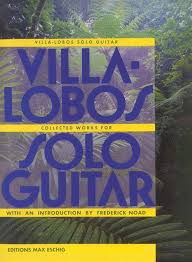
Heitor Villa-Lobos Preludes 1 & 3
Search your favorite sheet music in the Sheet Music Library Catalog
Heitor Villa-Lobos: Life, Music, Style, Legacy, and the Sound of Brazil
Few composers have shaped the musical identity of an entire nation as profoundly as Heitor Villa-Lobos. Widely regarded as the greatest Brazilian classical composer and one of the most important musical figures in Latin American history, Villa-Lobos created a unique musical language that united the traditions of European classical music with the rhythms, melodies, and spirit of Brazil. Born in Rio de Janeiro in 1887 and active during a period of enormous political and cultural transformation, he became a bridge between worlds: between Europe and South America, between folk traditions and concert halls, between nationalism and modernism.
His vast output, often estimated at more than 2,000 works, includes symphonies, concertos, chamber music, choral music, piano works, guitar masterpieces, operas, ballets, educational music, and some of the most celebrated orchestral works of the twentieth century. Among his most famous creations are the Bachianas Brasileiras and Chôros series, works that have become central to the international repertoire. His innovations in harmony, orchestration, rhythm, and form helped define a distinctly Brazilian voice in classical music.
The best sheet music download from our Library.
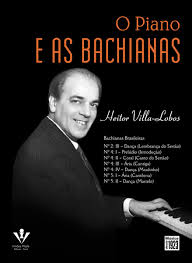


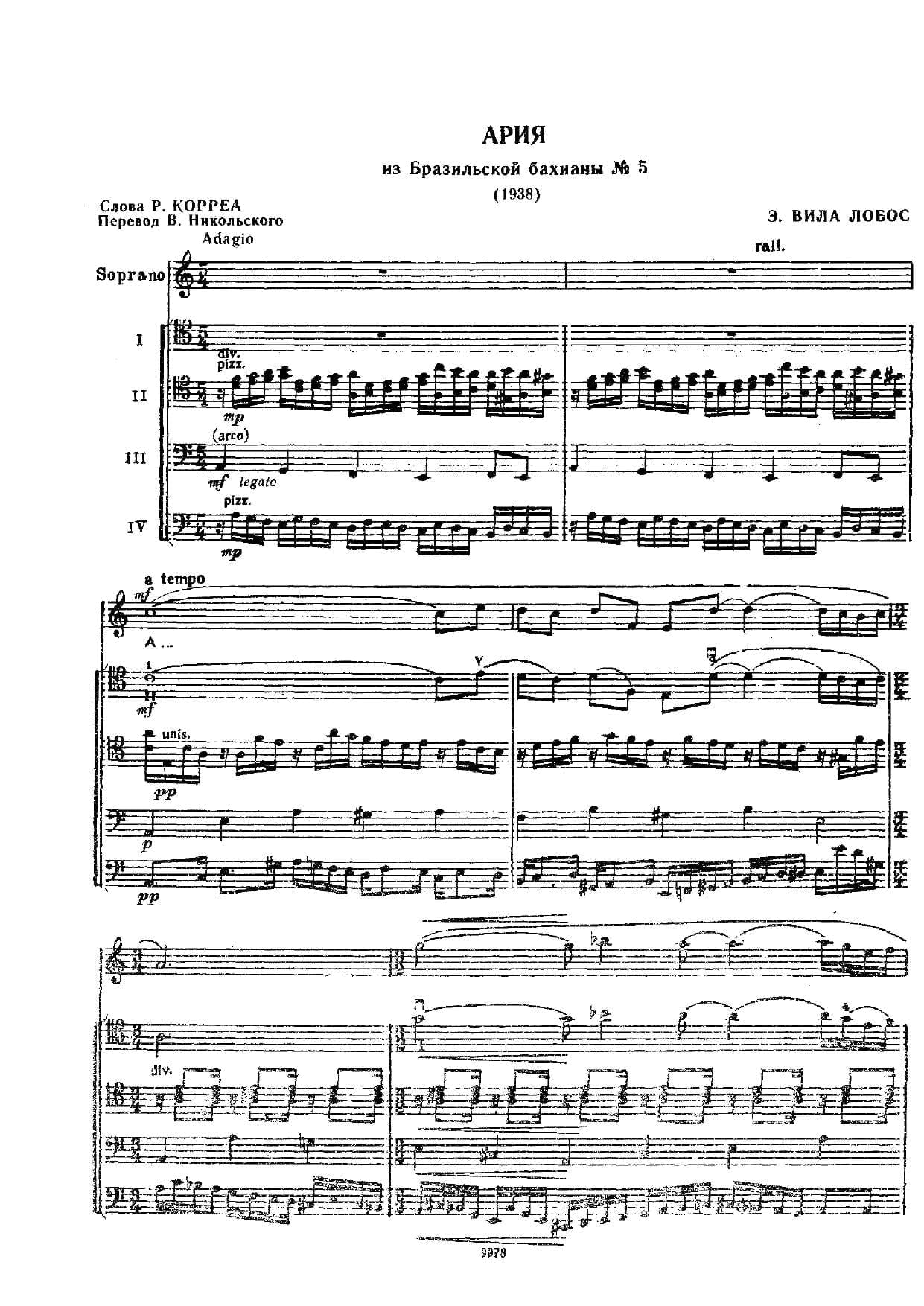
Please, subscribe to our Sheet Music Library.
Early Life and Childhood
Heitor Villa-Lobos was born on March 5, 1887, in Rio de Janeiro, Brazil, and died there on November 17, 1959. His father, Raúl Villa-Lobos, worked as a librarian and was also an amateur musician. Through his father, the young Heitor was introduced to music at an early age and learned to play the cello. His father also encouraged him to explore a broad range of musical experiences.
Brazil during Villa-Lobos's childhood was changing rapidly. Slavery was abolished in 1888, and the Brazilian Empire gave way to the Republic in 1889. These historical and social transformations contributed to an increasing search for cultural identity. While European musical traditions dominated conservatory education, local Brazilian traditions remained vibrant in popular and rural life. Villa-Lobos would eventually draw deeply from both worlds.
Unlike many major composers, Villa-Lobos received relatively little formal academic musical training. He developed much of his knowledge independently through performance, observation, experimentation, and practical experience. This unconventional education later became one of his greatest strengths, freeing him from strict academic limitations and encouraging his extraordinary originality.
Search your favorite sheet music in the Sheet Music Library Catalog
Travels Through Brazil and Discovery of National Identity
One of the most important influences on Villa-Lobos's artistic development came from his travels throughout Brazil. Around the first decade of the twentieth century, he explored various regions of the country, especially the interior and northeastern territories. During these travels he encountered indigenous traditions, rural songs, Afro-Brazilian rhythms, popular dances, and regional musical practices.
Although historians debate the accuracy of some of his adventurous stories, including dramatic accounts involving remote tribes, there is no doubt that these journeys profoundly influenced his artistic vision. Instead of merely collecting folk melodies and quoting them literally, Villa-Lobos absorbed their spirit and transformed them into sophisticated art music.
This approach distinguished him from many nationalist composers. Rather than creating simple arrangements of folk tunes, he invented a new musical language inspired by Brazilian culture at a deeper structural level. Birdsongs, indigenous rhythms, urban street musicians, and the sounds of the rainforest would all become part of his musical vocabulary.
The Rise of a Composer
Villa-Lobos first gained significant public attention in 1915, when a concert in Rio de Janeiro featured his own compositions. The event generated discussion because his music sounded radically different from the conservative tastes of the time.
The 1920s were especially important. In 1922, he participated in Brazil's famous Week of Modern Art in São Paulo, a landmark event in Brazilian cultural history that promoted artistic innovation and national identity. The festival helped establish Villa-Lobos as a leading figure in Brazilian modernism.
Soon afterward, the Brazilian government funded his study and promotion in Paris. Between the 1920s and early 1930s, Villa-Lobos spent extensive periods in France, where his music attracted significant interest. European audiences were fascinated by the originality and exotic freshness of his works, while Villa-Lobos gained valuable exposure to international artistic movements.
Paris transformed him into an international figure. He no longer appeared simply as a Brazilian composer but as a major modernist voice capable of reshaping classical music itself.
Musical Style
Brazilian Nationalism
Villa-Lobos's style is often described as nationalist, but this term only partially captures its uniqueness.
Many nationalist composers quote folk melodies directly. Villa-Lobos instead recreated the atmosphere of Brazilian music through original invention. His compositions evoke Brazil's landscapes, indigenous cultures, urban life, dances, celebrations, and natural environments without necessarily relying on exact folk quotations.
For Villa-Lobos, Brazil was not merely a source of melodic material. It was the very foundation of his artistic worldview.
Modernism
Villa-Lobos was also a modernist. His works frequently challenge traditional expectations regarding harmony, orchestration, rhythm, and formal structure.
Unlike composers who adhered closely to European classical conventions, he embraced freedom, experimentation, and unpredictability. His pieces often move rapidly between contrasting moods and textures.
Universalism
Perhaps the most remarkable feature of his style is the way he united local and universal elements. His music sounds unmistakably Brazilian while addressing international audiences through sophisticated compositional techniques.
This balance allowed him to avoid both provincialism and imitation.
Harmony and Harmonic Language
One of Villa-Lobos's most fascinating achievements lies in his treatment of harmony.
Beyond Traditional Tonality
Although many of his works remain connected to tonal centers, he frequently stretches traditional harmonic relationships. Chords often function according to color and atmosphere rather than classical rules.
Instead of following predictable harmonic progressions, Villa-Lobos frequently creates floating harmonic landscapes.
Modal Influences
Many works employ modal scales associated with folk traditions. These modes contribute to the distinctive flavor of his music and often reflect indigenous or regional influences.
Polytonality
Villa-Lobos occasionally layered multiple tonal centers simultaneously. This technique, known as polytonality, produces rich and complex sonic results.
Dissonance
His use of dissonance is generally expressive rather than purely intellectual. Unlike some European modernists who pursued abstraction, Villa-Lobos often employed dissonance to evoke nature, movement, excitement, mystery, or emotional intensity.
Chordal Color
Color was central to his harmonic thinking. Certain passages resemble vast paintings in sound, where harmonic richness creates vivid atmospheres rather than serving strictly functional purposes.
His harmonic language helped shape the sound of twentieth-century Latin American classical music and remains highly influential today.
Rhythm and Musical Energy
If harmony provides the colors of Villa-Lobos's musical world, rhythm supplies its life force.
Brazil possesses one of the richest rhythmic cultures in the world, drawing from Indigenous, African, and European traditions. Villa-Lobos integrated these influences into classical forms.
His music frequently features:
- Syncopation
- Layered rhythmic patterns
- Dance-inspired figures
- Irregular accents
- Percussive instrumental writing
Many compositions convey tremendous energy, often creating the sensation of unstoppable motion.
At the same time, he could write extraordinarily lyrical and tranquil music, demonstrating remarkable versatility.
Orchestration and Technique
Villa-Lobos was a brilliant orchestrator.
His scores reveal a powerful imagination for instrumental color. Rather than treating instruments conventionally, he often explored unusual combinations and textures.
Characteristics of his orchestration include:
- Large orchestral forces
- Rich percussion usage
- Prominent woodwind writing
- Unique string sonorities
- Layered textures
- Evocations of birds, forests, and landscapes
In some works, the orchestra appears almost like a living ecosystem, filled with independent musical organisms interacting simultaneously.
His ability to create sonic images of Brazil remains one of his defining artistic achievements.
The Chôros Series
Among Villa-Lobos's greatest accomplishments is the Chôros cycle.
Composed primarily during the 1920s, these works explore and transform elements associated with the Brazilian urban musical tradition known as choro. The series ultimately expanded into fourteen major compositions for widely varying instrumental combinations.
The Chôros works range from solo guitar compositions to massive orchestral scores.
Important characteristics include:
- Rhythmic vitality
- Extreme originality
- Improvisatory feeling
- Dense orchestration
- Nationalist inspiration
Many scholars regard the Chôros cycle as one of the greatest achievements in twentieth-century music.
Bachianas Brasileiras
The Bachianas Brasileiras represent perhaps Villa-Lobos's most famous contribution to world music.
Composed between 1930 and 1945, the series consists of nine works that combine Brazilian musical elements with procedures inspired by Johann Sebastian Bach, one of Villa-Lobos's musical heroes.
Rather than imitating Bach, Villa-Lobos imagined a musical dialogue between Baroque Europe and modern Brazil.
The series includes works for:
- Orchestra
- Piano and orchestra
- Cello ensembles
- Strings
- Voice
- Chamber ensembles
Each piece merges Brazilian melodies and rhythms with techniques such as counterpoint and fugue.
Many listeners consider the Bachianas Brasileiras cycle among the greatest achievements of twentieth-century classical music.
Bachianas Brasileiras No. 5
Among all of Villa-Lobos's compositions, Bachianas Brasileiras No. 5 is unquestionably the best known.
Written for soprano and eight cellos, the work combines lyrical beauty, emotional intensity, and extraordinary originality. The famous Ária (Cantilena) has become one of the most beloved vocal works in the classical repertoire.
The soaring vocal line floating above the warm cello ensemble creates an unforgettable atmosphere.
Even listeners unfamiliar with classical music often recognize this piece.
Guitar Music
Villa-Lobos occupies a central position in guitar history.
His works elevated the classical guitar to a level of artistic importance comparable to piano and violin literature.
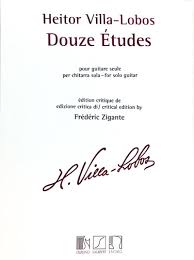
Twelve Études
His Twelve Études for guitar, dedicated to Andrés Segovia, remain fundamental works for advanced guitarists.
These études combine:
- Technical innovation
- Musical richness
- Nationalist influences
- Professional virtuosity
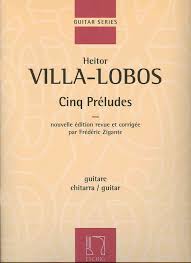
Five Preludes
The Five Preludes constitute another pillar of the guitar repertoire. These works combine elegance, lyricism, and Brazilian character.
Today they are studied and performed worldwide.
Piano Music
Villa-Lobos wrote extensively for piano.
His piano works reveal both his modernist tendencies and his nationalist imagination.
Important examples include:
- Rudepoêma
- Prole do Bebê
- Ciclo Brasileiro
Among these, Rudepoêma is especially celebrated for its immense difficulty and scope.
Many pianists regard it as one of the most demanding works ever written for the instrument.
Symphonies and Orchestral Works
Villa-Lobos composed numerous large-scale orchestral scores, including twelve symphonies.
Major orchestral works include:
- Amazonas
- Uirapuru
- Symphony No. 10
- Symphony No. 12
- Various concertos
These works showcase his ambitious vision and mastery of orchestral color.
Particularly noteworthy are Amazonas and Uirapuru, both inspired by Brazilian themes and folklore.
Chamber Music
Villa-Lobos's chamber music remains an important part of his output.
His seventeen string quartets represent one of the most significant quartet cycles of the twentieth century.
These works document his artistic development across decades and reveal his remarkable ability to combine intimate expression with structural complexity.
Many scholars consider the quartets among his greatest achievements.
Vocal and Choral Music
Choral music occupied a unique place in Villa-Lobos's career.
During the 1930s and 1940s he became heavily involved in music education and developed large-scale educational programs for Brazilian schools.
He wrote numerous choral works designed both for artistic performance and educational purposes.
These compositions helped popularize music education throughout Brazil and strengthened national cultural identity.
Educational Work
Villa-Lobos was not only a composer but also a major educational reformer.
In 1932 he assumed important responsibilities related to music education in Brazil and later contributed to the development of conservatory and institutional programs. He also helped establish the Brazilian Academy of Music in 1945.
His educational philosophy emphasized:
- Access to music for all citizens
- National cultural pride
- Choral participation
- Integration of folk traditions
Large school choirs became a hallmark of his educational efforts.
His impact on Brazilian music education continues to be felt decades after his death.
Collaborations and Relationships with Other Musicians
Villa-Lobos collaborated and interacted with many important musicians.
Andrés Segovia
Perhaps his most famous partnership was with Spanish guitar master Andrés Segovia. Villa-Lobos dedicated the celebrated Twelve Études to Segovia, helping enrich the modern guitar repertoire.
Artur Rubinstein
Pianist Artur Rubinstein became one of Villa-Lobos's strongest advocates. Rubinstein performed and promoted his works internationally, contributing significantly to their global recognition.
Darius Milhaud
Villa-Lobos encountered French composer Darius Milhaud, whose interest in Brazilian music helped establish connections between Brazilian and European musical circles.
Alfredo Casella
Italian composer and conductor Alfredo Casella helped present Villa-Lobos's music in Europe, including performances of works from the Bachianas Brasileiras cycle. [es.wikipedia.org]
These relationships helped establish Villa-Lobos as an international figure rather than merely a national composer.
Villa-Lobos and Film Music
Villa-Lobos did compose music connected to cinema, although film composition was not the central focus of his career.
His most notable direct contribution was the soundtrack for the 1959 Hollywood film Green Mansions, starring Audrey Hepburn and Anthony Perkins. The score was later developed into concert works and recordings, introducing his music to audiences beyond the classical world.
In addition, many films and documentaries have used Villa-Lobos's existing compositions, especially selections from the Bachianas Brasileiras and Chôros cycles.
Because of the cinematic quality of his orchestration, his music often feels naturally suited to visual storytelling. The lush colors, vivid atmospheres, and dramatic contrasts easily evoke landscapes and narratives.
Influences on Villa-Lobos
Brazilian Folk Music
Perhaps the strongest influence on Villa-Lobos came from Brazilian folk traditions.
Indigenous Music
Indigenous melodies, rhythms, and ceremonial traditions contributed significantly to his artistic language.
Afro-Brazilian Traditions
African-derived rhythms and musical practices were essential components of his musical vocabulary.
Urban Choro Musicians
The street musicians of Rio de Janeiro left a profound mark on his style.
Johann Sebastian Bach
Bach's influence was extraordinary. The Bachianas Brasileiras series stands as a direct tribute to the German master.
European Modernism
Villa-Lobos absorbed aspects of European modernist thinking while maintaining his distinct identity.
The Best and Most Important Compositions
Although evaluating any composer's "best" works is subjective, the following pieces are generally regarded as among Villa-Lobos's finest:
Orchestral Works
- Bachianas Brasileiras No. 2
- Bachianas Brasileiras No. 5
- Amazonas
- Uirapuru
- Symphony No. 10
Guitar Works
- Twelve Études
- Five Preludes
- Guitar Concerto
Piano Works
- Rudepoêma
- Prole do Bebê No. 1
- Ciclo Brasileiro
Chamber Music
- String Quartet No. 5
- String Quartet No. 6
- String Quartet No. 17
Choral and Vocal Works
- Bachianas Brasileiras No. 5
- Magnificat Alleluia
- Various school choir compositions
Chôros Cycle Highlights
- Chôros No. 1
- Chôros No. 6
- Chôros No. 10
These works provide an excellent introduction to his artistic world.
Critical Reception
Villa-Lobos sometimes divided critics.
Supporters praised:
- Originality
- Imagination
- National identity
- Orchestral brilliance
- Rhythmic innovation
Critics occasionally questioned:
- Structural freedom
- Enormous productivity
- Uneven quality among some works
Nevertheless, his reputation has grown steadily since his death.
Today he is widely recognized as one of the major composers of the twentieth century.
Legacy
Villa-Lobos's influence extends far beyond Brazil.
His achievements include:
- Creating a globally recognized Brazilian classical style.
- Elevating Latin American music within international concert life.
- Expanding the guitar repertoire.
- Reforming music education in Brazil.
- Demonstrating that national identity and universal artistic value can coexist.
- Inspiring generations of composers throughout the Americas.
Many contemporary composers continue to draw inspiration from his example.
Why Villa-Lobos Still Matters
More than sixty years after his death, Villa-Lobos remains remarkably relevant.
His music anticipated many modern concerns:
- Cultural diversity
- Artistic globalization
- Indigenous representation
- Cross-cultural dialogue
- Preservation of traditional knowledge
He showed that local traditions need not be abandoned in pursuit of international recognition. Instead, he demonstrated that the deepest artistic originality often comes from embracing one's own cultural roots.
Heitor Villa-Lobos stands among the giants of twentieth-century music. A composer, conductor, educator, guitarist, cellist, and visionary, he transformed Brazilian musical traditions into a universal artistic language. Born in Rio de Janeiro in 1887 and largely self-taught, he absorbed influences from the streets of Rio, the forests of Brazil, Indigenous cultures, Afro-Brazilian traditions, European classical music, and the genius of Bach. He then fused those elements into a style unlike any other.
From the monumental Chôros and Bachianas Brasileiras to his guitar études, orchestral masterpieces, symphonies, and educational projects, Villa-Lobos continually expanded the possibilities of musical expression. His harmonic language was bold, his orchestration colorful, his rhythms energetic, and his imagination seemingly limitless.
Today his music continues to be performed in concert halls around the world. More importantly, his artistic vision remains a powerful reminder that music can simultaneously express national identity and speak to all humanity. Villa-Lobos did not simply compose Brazilian music. He created a new musical universe, one in which Brazil found its voice and the world discovered one of its most original composers.
Browse in the Sheet Music Library:
Or browse in the categories menus & download the Library Catalog PDF: