Scores for all instruments: 16,000+ (active and growing), over 236,000 pages.
All genres and levels: Jazz & Blues, Rock & Pop, Classical & Contemporary, Film & Musicals;
books & biographies; methods, études, play-along tracks (MP3) for Jazz & Rock.
Access & benefits: US$15.99 one-time payment, valid for lifetime, full Library access.
Table of Contents
Who was William Gillock?
William Gillock, "24 Preludes in Romantic Style" (complete) P. Barton, FEURICH piano
Please, subscribe to our Sheet Music Library. Sheet music should be accessible and affordable for all musicians, from professionals to absolute beginners.
Contents List Download:
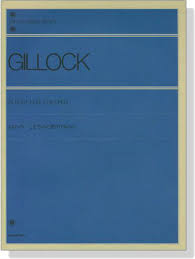
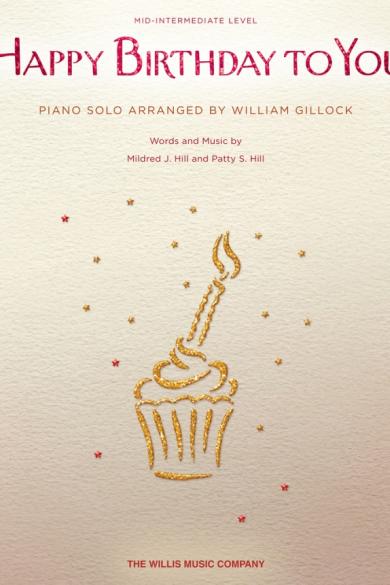
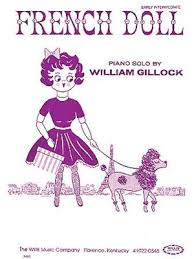
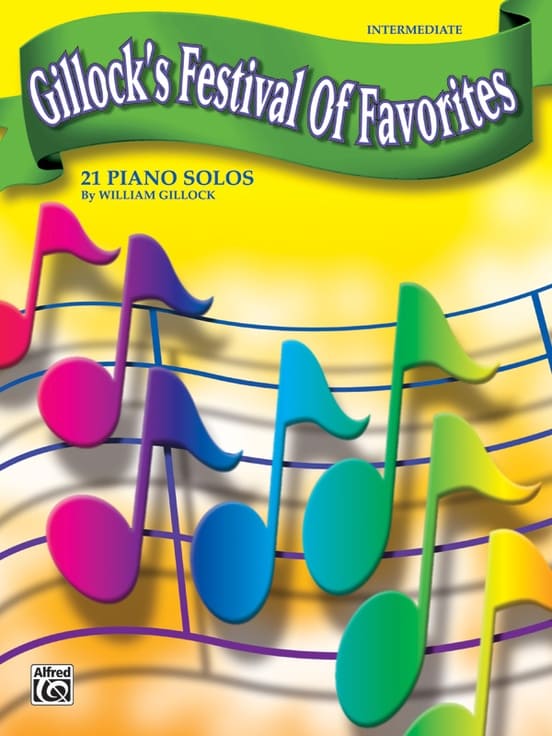
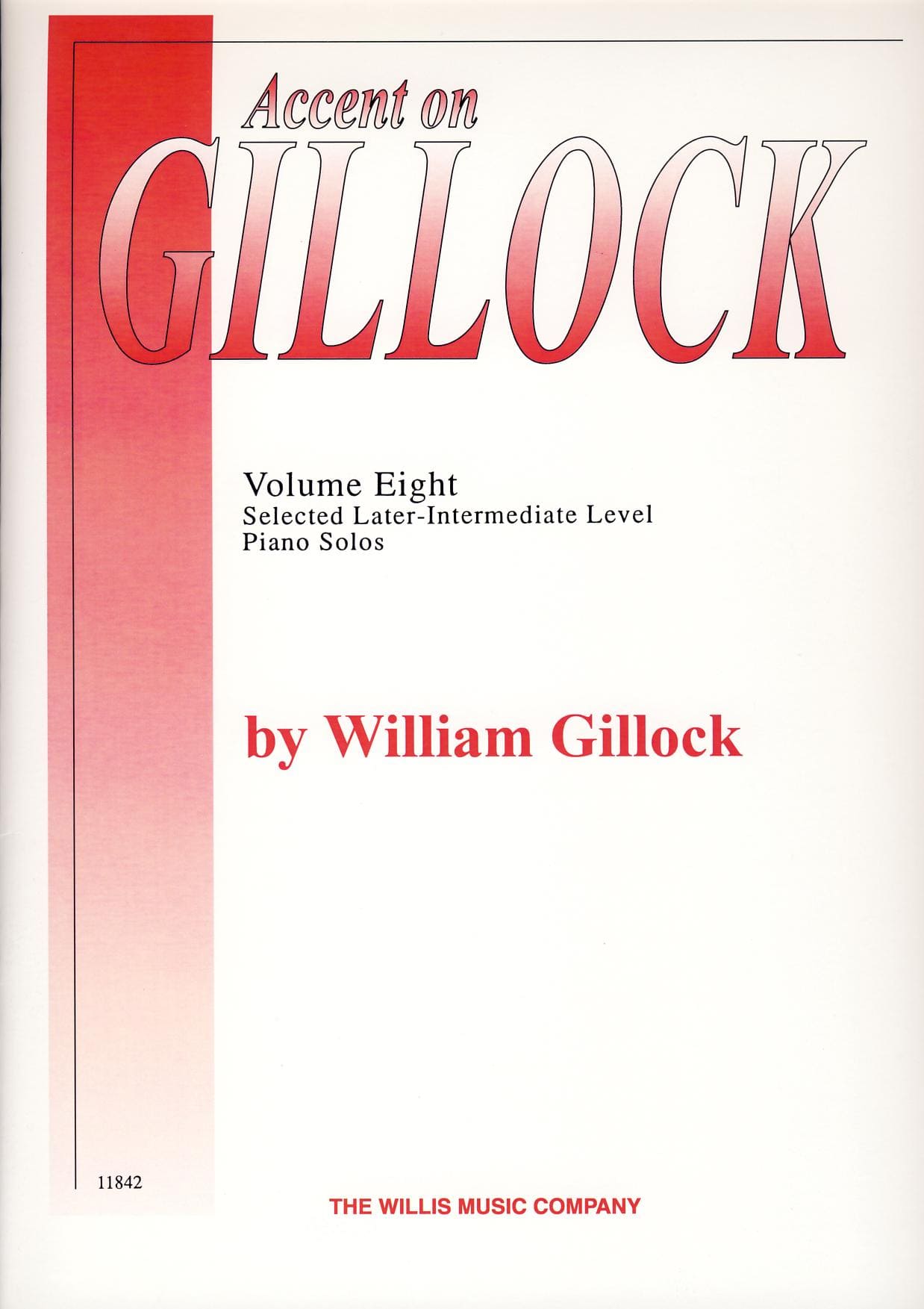
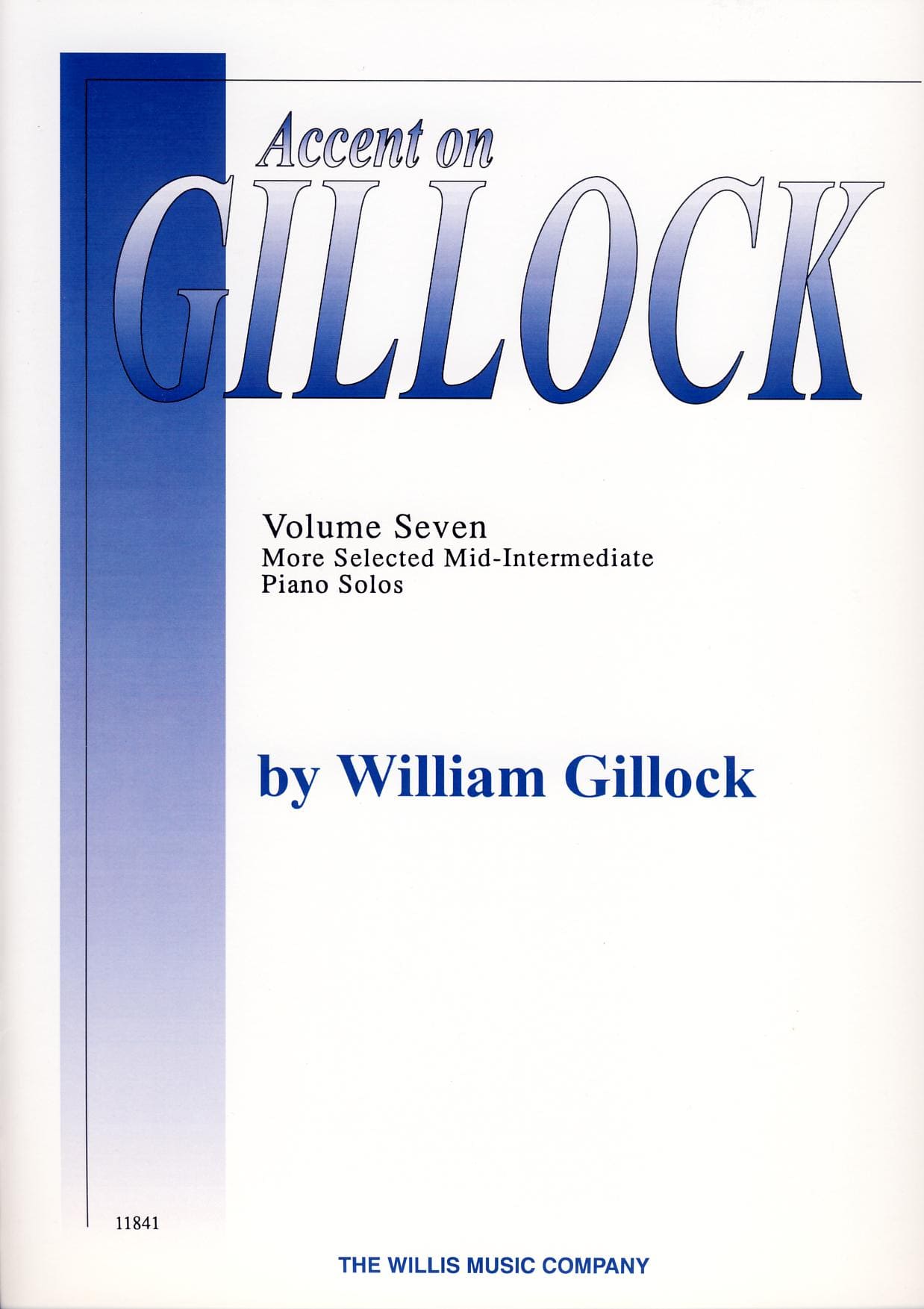
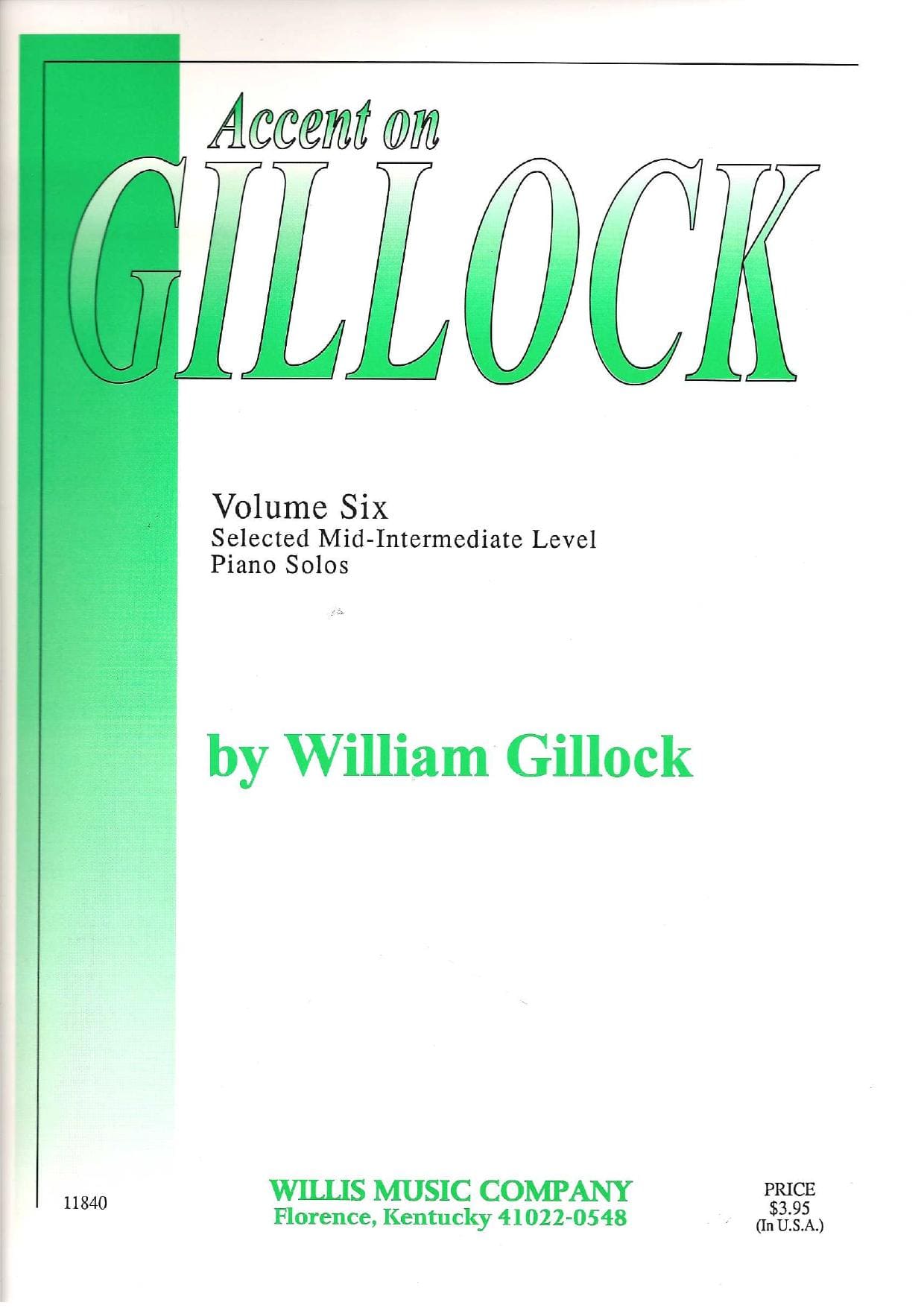
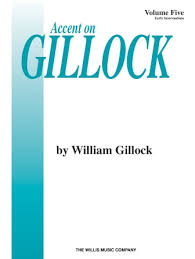
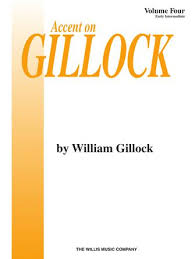
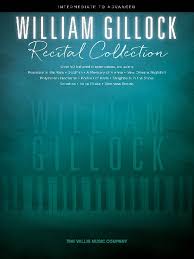
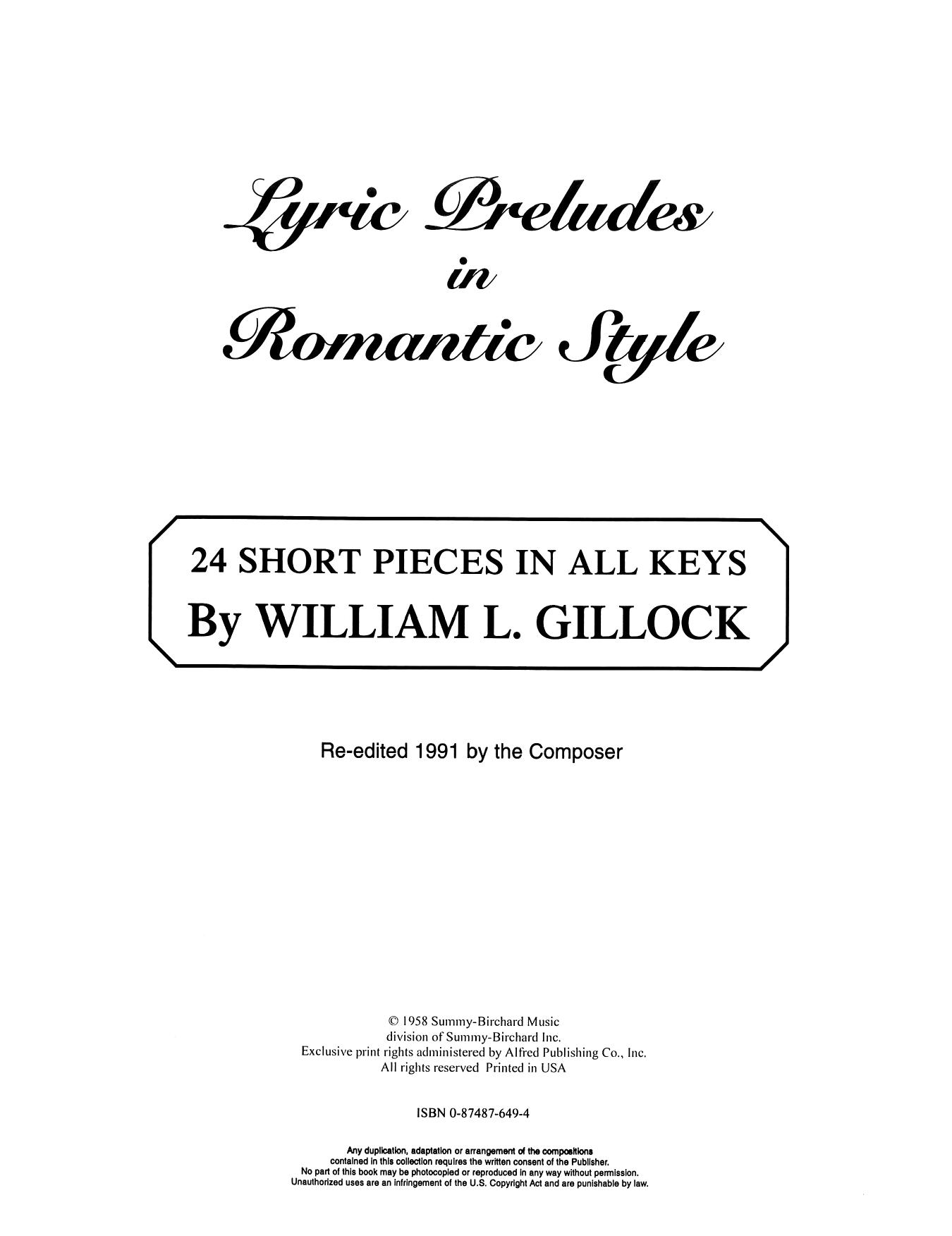
The best sheet music download from our Library.
William Gillock: The "Schubert of Children's Composers"
In the vast landscape of pedagogical piano music, few names command as much respect and affection as William L. Gillock. Born in the quiet town of LaRussell, Missouri, in 1917, Gillock would go on to become one of the most beloved and widely performed composers of educational piano music in the twentieth century . His compositions, numbering over 300 pieces, have become staples of piano festivals, examination syllabi, and the repertoires of young pianists around the world . Known affectionately as "the Schubert of children's composers" for his extraordinary melodic gift, Gillock created a body of work that transcends the limitations of pedagogical music, offering genuine artistic expression within technically accessible frameworks.
Search your favorite sheet music in the Sheet Music Library Catalog
Biography
William L. Gillock was born on July 1, 1917, in LaRussell, Missouri, a small town that would remain distant from the major musical centers of America . His early years were marked by an innate musicality that revealed itself at the piano, and his natural talent was recognized and nurtured from a young age. This early exposure to the instrument set the stage for a lifetime dedicated to music.
Gillock's formal musical education began at Central Missouri Methodist College in Fayette, Missouri, where he studied both piano and composition under the tutelage of N. Louise Wright (1879–1958) . Wright turned out to be a pivotal figure in his development, recognizing his remarkable talent and encouraging him to pursue music as a career . This mentorship laid the foundation for his dual identity as both performer and composer, though it would be his compositional output that would ultimately secure his place in music history.
After completing his education, Gillock relocated to New Orleans, Louisiana, a city whose vibrant musical culture would profoundly influence his artistic sensibilities . It was in New Orleans that he established himself as a piano teacher, working with students for over two decades while simultaneously developing his unique compositional voice . This period marked the beginning of his most fertile creative years, during which he produced the bulk of his pedagogical works.
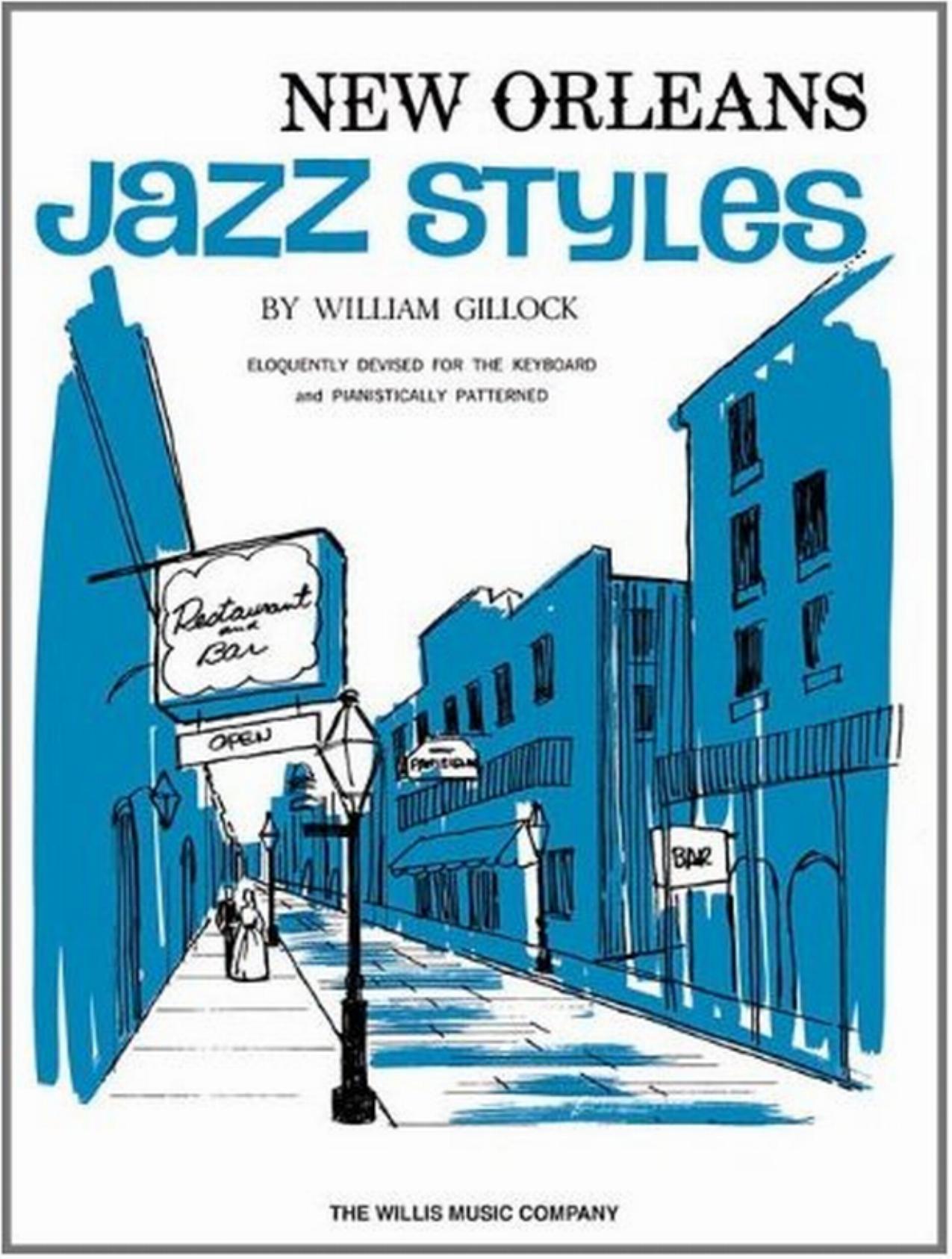
His time in New Orleans proved formative not only for his teaching career but also for his compositional style. The city's rich musical heritage—encompassing jazz, blues, and the distinctive sounds of the American South—permeated his work, giving it a distinctively American character that set him apart from European pedagogical traditions . The New Orleans Jazz Styles volumes, composed during this period, stand as a testament to the city's enduring influence on his musical imagination.
Later in his career, Gillock moved to Dallas, Texas, where he continued his work as a composer and educator . He also took on leadership roles within the music education community, serving as president of the National Federation of Music Clubs (NFMC) and conducting numerous workshops for piano teachers throughout the United States . These workshops allowed him to transmit his pedagogical philosophy directly to thousands of teachers, ensuring that his approach to music education would have a lasting impact beyond his compositions.
Gillock passed away in Dallas, Texas, on September 7, 1993, at the age of 76 . His legacy, however, continues to grow, with his compositions appearing regularly on examination syllabi and festival repertoire lists worldwide .
Music Style and Philosophy
Melodic and Harmonic Characteristics
Gillock's music is characterized by a distinctive combination of melodic beauty, rhythmic vitality, and harmonic inventiveness . Even his earliest works demonstrate a rare originality of harmony and texture, qualities that would become hallmarks of his compositional voice . His guiding principle was simple yet profound: "melody and rhythmic vitality are essential to compositions that students want to learn" . This philosophy shaped every piece he wrote, ensuring that his pedagogical works never sacrificed musical quality for technical convenience.
His melodic gift, which earned him the title "Schubert of children's composers," is immediately apparent in pieces like Fountain in the Rain, where a flowing, lyrical line captures the impressionistic quality of a fountain in a rain shower . Similarly, works like On a Paris Boulevard and Holiday in Spain demonstrate his ability to evoke the atmosphere and character of different locales through melody alone . His melodies are memorable, singable, and emotionally resonant, qualities that make them beloved by students and audiences alike.
Harmonic Language and Chord Progressions
Gillock's harmonic language shows considerable sophistication for pedagogical music, drawing on influences from Romantic composers, jazz, and American popular music. A detailed analysis of his piece Indian War Chant reveals the characteristic harmonic features that make his music distinctive, even at an elementary level . The composition, in D minor, features an open fifth in the left hand introduction that creates a powerful, resonant sound, combined with a thematic line built on a descending perfect fourth figure accompanied by accents .
The harmonic progressions in Indian War Chant demonstrate Gillock's careful attention to harmonic tension and release. The piece's structure includes a half cadence moving from a double dominant to a dominant in measures 9-10, creating an unresolved tension, followed by a perfect cadence in measures 17-18 that provides harmonic resolution . The coda utilizes a IV chord with an added sixth, functioning as a plagal cadence that gives the piece a satisfying conclusion . This coloristic use of harmony, incorporating chord extensions and unexpected progressions, is a hallmark of Gillock's mature style.
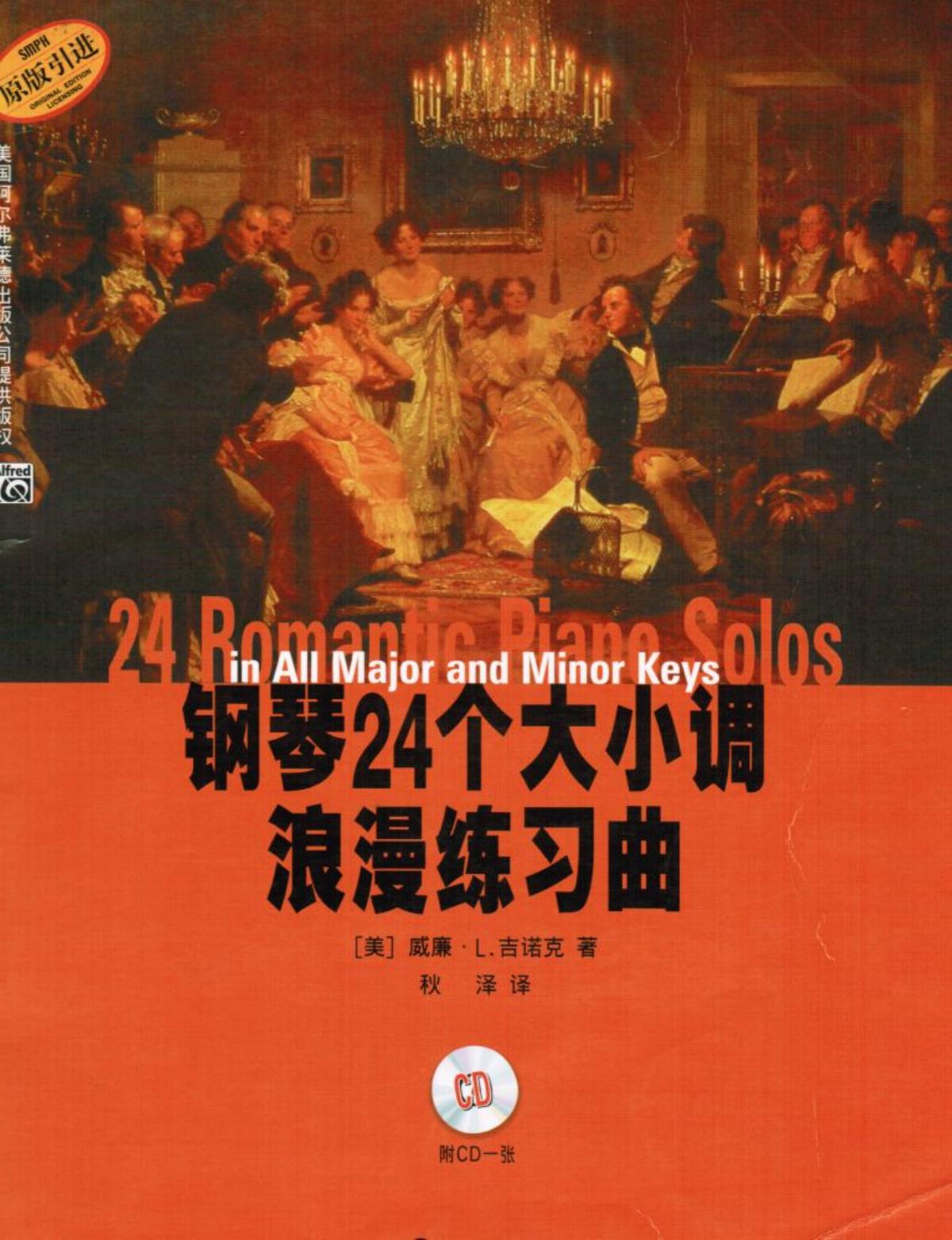
Even in his simpler works, Gillock employs unexpected harmonic turns that keep the music fresh and engaging. The Lyric Preludes in Romantic Style, a collection of 24 pieces in all keys, represents the height of his harmonic sophistication . Written in 1958, these preludes demonstrate his ability to craft miniature Romantic character pieces that are both technically accessible and harmonically rich . Each piece explores the expressive possibilities of its key, showing Gillock's thorough understanding of harmonic function and color.
Stylistic Range and Influences
One of Gillock's greatest strengths as a composer is his stylistic versatility. His output includes works in a remarkable variety of historical and geographic styles, from Baroque to contemporary, from American jazz to European Romanticism . This diversity reflects both his broad musical interests and his pedagogical commitment to exposing students to different musical traditions.
The Little Suite in Baroque Style (four movements) provides an introduction to contrapuntal playing that is unusual in early-level pieces . Gillock carefully constructed this work to serve as a bridge to Handel's keyboard suites, giving students a genuine Baroque experience within a technically accessible framework . Similarly, the Sonatine in Classic Style (1963) offers intermediate students an introduction to Classical-era forms and textures . These works demonstrate Gillock's careful consideration of the educational journey, providing stepping stones that prepare students for the standard repertoire.
His American influences are perhaps most visible in the three volumes of New Orleans Jazz Styles, which feature syncopated rhythms, blues-inflected harmonies, and the distinctive character of his adopted home city . Works like Bourbon Street Saturday Night and New Orleans Nightfall capture the essence of the city's musical culture . Gillock's ability to distill the essential elements of jazz into accessible pedagogical pieces was remarkable, giving students a genuine experience of American music without overwhelming them technically.
The Accent on series, comprising eight volumes and 51 pieces, further demonstrates his stylistic range . Accent on Solos, Accent on Duets, and Accent on the Seasons each explore different musical territories, providing teachers with a rich resource for developing their students' musicality across a range of styles . His multi-volume method, Piano All the Way, remains a respected pedagogical resource.
Relationship with Other Artists
Henry Doskey
Perhaps Gillock's most significant artistic relationship was with pianist Henry Doskey. Doskey was a piano student of Gillock during the composition of the Lyric Preludes in Romantic Style and played many of them from the original manuscripts even before publication . This early exposure gave Doskey an intimate understanding of Gillock's intentions, making him an ideal interpreter of the composer's work.
Gillock's respect for Doskey's musicianship was so great that he designated him as the "authoritative interpreter, and judge of authenticity of stylistic treatment" of his music . This designation indicates the depth of trust between composer and performer, as well as Gillock's concern for the authentic performance of his works. The relationship between composer and interpreter is crucial for any musician, but it was particularly important for Gillock, whose pedagogical works require careful attention to stylistic detail and expressive nuance.
Lynn Freeman Olson
Another important figure in Gillock's professional life was Lynn Freeman Olson, a renowned piano pedagogue who wrote extensively about Gillock's contributions to music education. Olson once observed that "the Gillock name spells magic to teachers around the world," capturing the affection and respect that music educators hold for Gillock's work . Olson also noted the essential quality of Gillock's music: "In each Gillock composition, no matter what the teaching purpose, music quality comes first" . This recognition from a fellow pedagogue was particularly meaningful, as it affirmed Gillock's commitment to musical integrity within the pedagogical genre.
N. Louise Wright
Wright's role in Gillock's development cannot be overstated. As his teacher at Central Missouri Methodist College, she recognized his talent and encouraged his musical pursuits at a crucial stage in his development . The teacher-student relationship between Wright and Gillock is a testament to the importance of mentorship in artistic development, and it set the pattern for Gillock's own approach to teaching and composition.
Legacy
Impact on Piano Pedagogy
Gillock's legacy in piano pedagogy is profound and enduring. His compositions continue to appear regularly on repertoire lists for piano festivals and examinations worldwide, including those administered by the major music examination boards . A significant number of his pieces have been graded and matched to examination criteria, ensuring that they remain accessible to teachers and students who rely on these structures .
His popularity in countries like Japan, Germany, and elsewhere has grown substantially in recent decades . This international appeal speaks to the universality of his musical language, which transcends cultural boundaries while maintaining distinctively American characteristics. His centenary in 2017 was marked by commemorative albums and special recognition, demonstrating his enduring relevance .
Recognition by Professional Organizations
Gillock was honored on five occasions by the National Federation of Music Clubs with the Award of Merit for Service to American Music . This recognition from his professional peers affirms his importance not only as a composer but as a contributor to American musical life. His work with the NFMC, including his leadership role as president, helped to advance the cause of music education in the United States .
The continued appearance of his pieces in collections issued by major publishers like Alfred Music is another measure of his lasting influence . Classic Piano Repertoire – William Gillock, a collection of twelve pieces for intermediate to advanced students, was selected as an NFMC recommendation for 2020-2024, underscoring his enduring presence in music education .
Works
Major Collections
Lyric Preludes in Romantic Style (1958): This collection of 24 pieces in all keys represents Gillock's most ambitious pedagogical work . Each prelude is a miniature Romantic character piece, exploring the expressive potential of each key. The collection has been the subject of scholarly study, with one 2021 academic paper examining its artistic and pedagogical value .
New Orleans Jazz Styles (3 volumes): These collections capture the essence of New Orleans jazz in accessible piano pieces . Works like Bourbon Street Saturday Night and New Orleans Nightfall have become favorites among students and teachers.
Accent on Series (8 volumes, 51 pieces): This comprehensive series includes Accent on Solos, Accent on Duets, and Accent on the Seasons, providing a rich resource for pianists at various levels .
Piano All the Way: Gillock's multi-volume piano method .
Extended Works
Little Suite in Baroque Style: This four-movement work provides an introduction to contrapuntal playing unusual in early-level pieces and serves as a bridge to Handel's keyboard suites .
Sonatine in Classic Style (1963): For more advanced students, this work offers an introduction to Classical-era forms and textures .
Individual Pieces
Among Gillock's best-known individual works are :
- Fountain in the Rain (1960) – said to be his best-selling composition, a lyrical, impressionistic piece
- Valse Etude – a charming waltz that develops expressive playing
- New Orleans Nightfall – a hauntingly atmospheric piece
- Goldfish (1964) – a delicate character piece
- Aeolian Harp – an arpeggio study with harp-like textures
- Carnival in Rio – originally for two pianos, a lively rhythmic work
- On a Paris Boulevard – a French-inspired character piece
- Holiday in Spain – evoking Spanish atmosphere
- The Glass Slipper – a charming waltz for beginners
- Clowns – a lively piece capturing the spirit of circus performers
- The Prowling Pussy Cat – a playful character piece
- Autumn is Here – a seasonal character piece
- Happy Holiday – a cheerful celebration piece
- Indian War Chant – a powerful elementary-level piece in D minor with characteristic Gillock harmonic color
Graded Collections
Recent publications have brought Gillock's works to new generations of pianists. Graded Gillock: Grades 5-6 (11 pieces) and Graded Gillock: Grades 3-4 have been edited and matched to examination board criteria by Andrew Eales . These collections demonstrate the continuing relevance of Gillock's music to modern piano education.
Discography and Performances
Recordings
Gillock's music has been recorded by numerous pianists, particularly in Japan, where his works enjoy considerable popularity. One notable recording is Takemura Johko Plays Gillock - Children's Album Part 2, released to commemorate Gillock's centenary . This album features performances on a Steinway piano, emphasizing the musical quality of Gillock's works . The recording was produced with Takagi Yu as piano producer, adding production expertise to the project .
Other pianists, including Anna-Zofia Borowiec, have recorded Gillock's works . As Gillock designated Henry Doskey as the authoritative interpreter of his music, recordings by Doskey hold particular significance for performers seeking to understand the composer's intentions .
Performances and Documentaries
Gillock's pieces are frequently programmed in piano recitals, festivals, and competitions, particularly in Japan . His Valse Etude was included in the PTNA (Piano Teachers National Association of Japan) repertoire list for 2021, attesting to his continuing importance in the Japanese piano world .
While no specific documentaries about Gillock exist, his life and work are discussed in various pedagogical literature and program notes. The Piano Guild Notes published an article about him in the November/December 1993 issue, shortly after his death, which has become a primary biographical source .
Film Music
Based on the available information, Gillock does not appear to have composed specifically for film. His legacy is firmly rooted in pedagogical piano music rather than in commercial or film music. This specialization is perhaps one of the reasons his work remains so highly regarded within the pedagogical community—he never compromised his educational mission for commercial appeal.
William Gillock
William Gillock's contribution to piano pedagogy is immeasurable. Through his over 300 compositions, his teaching, his workshops, and his leadership in music education organizations, he transformed the landscape of pedagogical piano music, creating works that are both educationally valuable and artistically satisfying . His ability to compose in diverse styles—from Baroque to jazz, from Romantic to contemporary—provided students with a comprehensive musical education within a single body of work.
His legacy, which has grown significantly since his death in 1993, continues to flourish around the world . The frequent appearance of his pieces on repertoire lists, the scholarly study of his works, and the warm affection with which teachers and students speak of his music all testify to his enduring importance. He was more than a composer of educational pieces; he was a musician who believed that every student, regardless of level, deserved music of genuine quality.
As Lynn Freeman Olson observed, "In each Gillock composition, no matter what the teaching purpose, music quality comes first" . This principle, combined with his extraordinary melodic gift and his understanding of what inspires students to learn, ensures that William Gillock's music will continue to enrich the lives of pianists and music lovers for generations to come.
Browse in the Sheet Music Library:
Or browse in the categories menus & download the Library Catalog PDF: