
Scores for all instruments: 16,000+ (active and growing), over 236,000 pages.
All genres and levels: Jazz & Blues, Rock & Pop, Classical & Contemporary, Film & Musicals;
books & biographies; methods, études, play-along tracks (MP3) for Jazz & Rock.
Access & benefits: US$15.99 one-time payment, valid for lifetime, full Library access.
Table of Contents
Jazz legend Sonny Rollins dies aged 95
Legendary Jazz musician Sonny Rollins, who was known as the "saxophone colossus", has died aged 95.
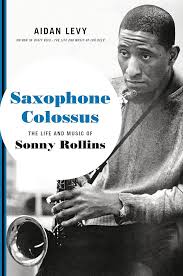
He died at his home in Woodstock, New York, on Monday afternoon according to a statement from his publicist, who called him "one of the most honored and influential figures in American music".
Rollins had a prolific career that began in the late 1940s. He worked with artists including Miles Davis, Charlie Parker and John Coltrane and released more than 60 albums as a band leader. He won two Grammys before respiratory illness forced him to retire in 2014.
The cause of his death has not been announced.
A 2009 quote of his accompanied the announcement of his death: "I think when the creative person ends, he continues in the next existence.
"I'm a person who believes this life isn't the be-all and end-all of everything. A spiritual person doesn't feel like that."
In an interview with Jazz Times, Rollins described his immediate fascination with the instrument with which he would build his fame.
"My mother gave me my first saxophone, an alto saxophone, when I was seven years old," he recalled.
"I got the saxophone and I went into the bedroom and I started playing – that was it. I was in seventh heaven... I could have been there forever."
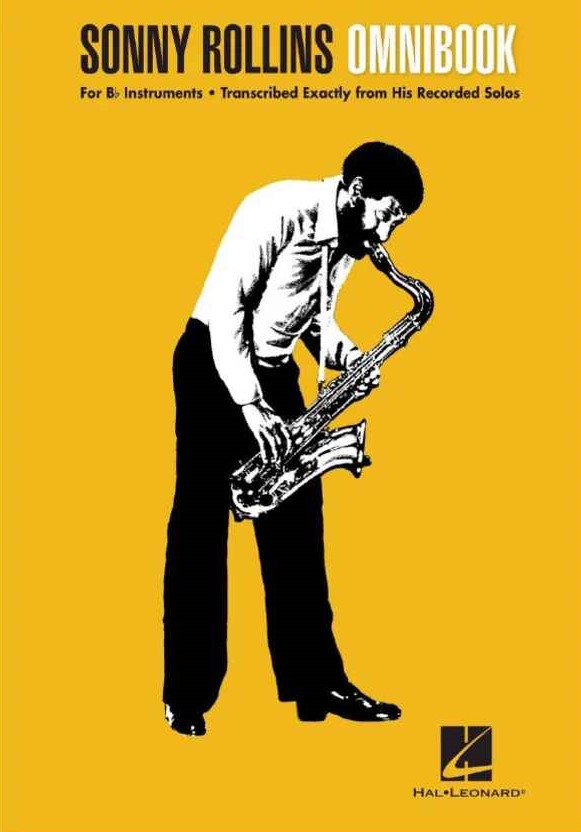
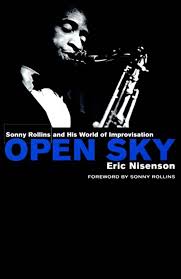
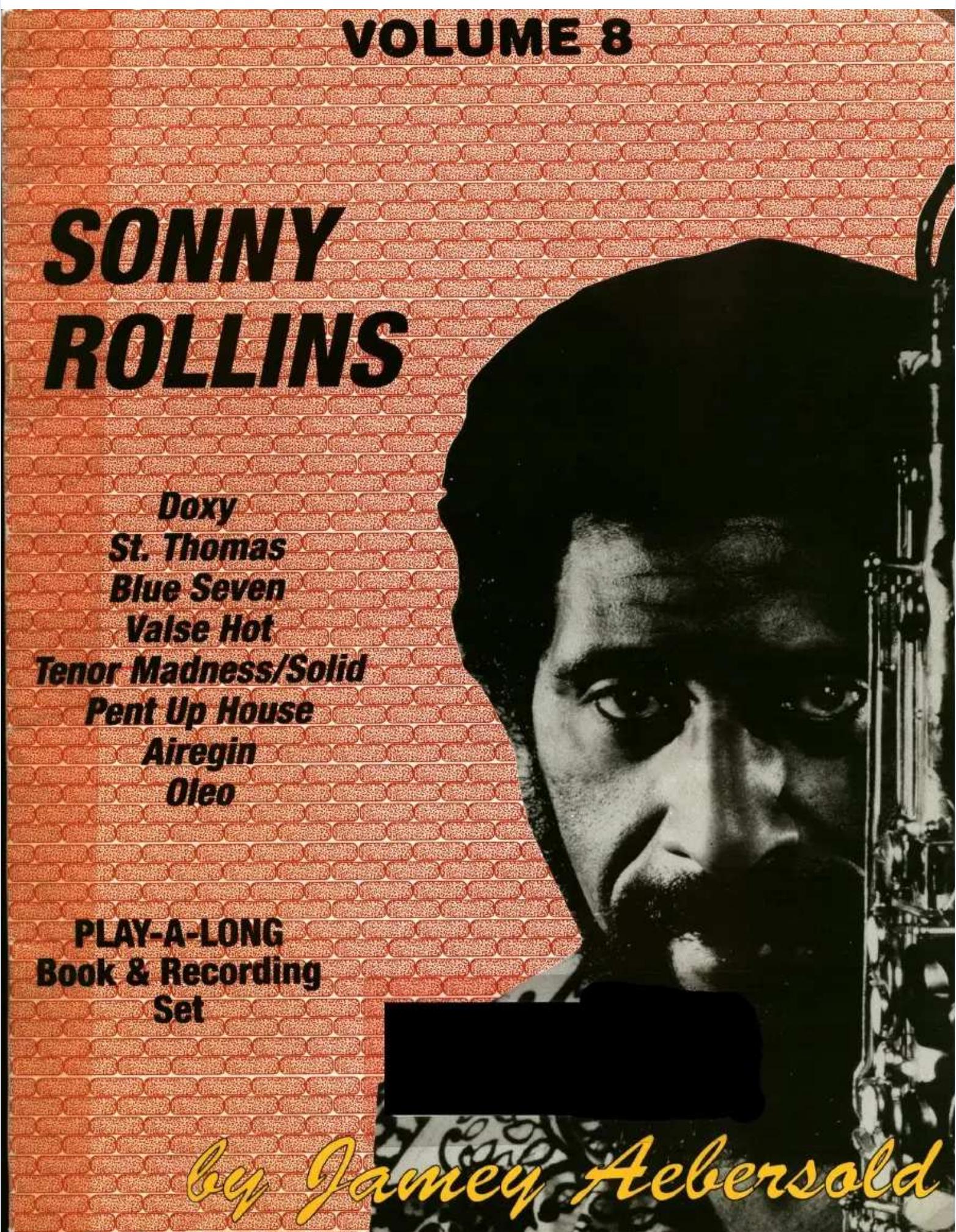
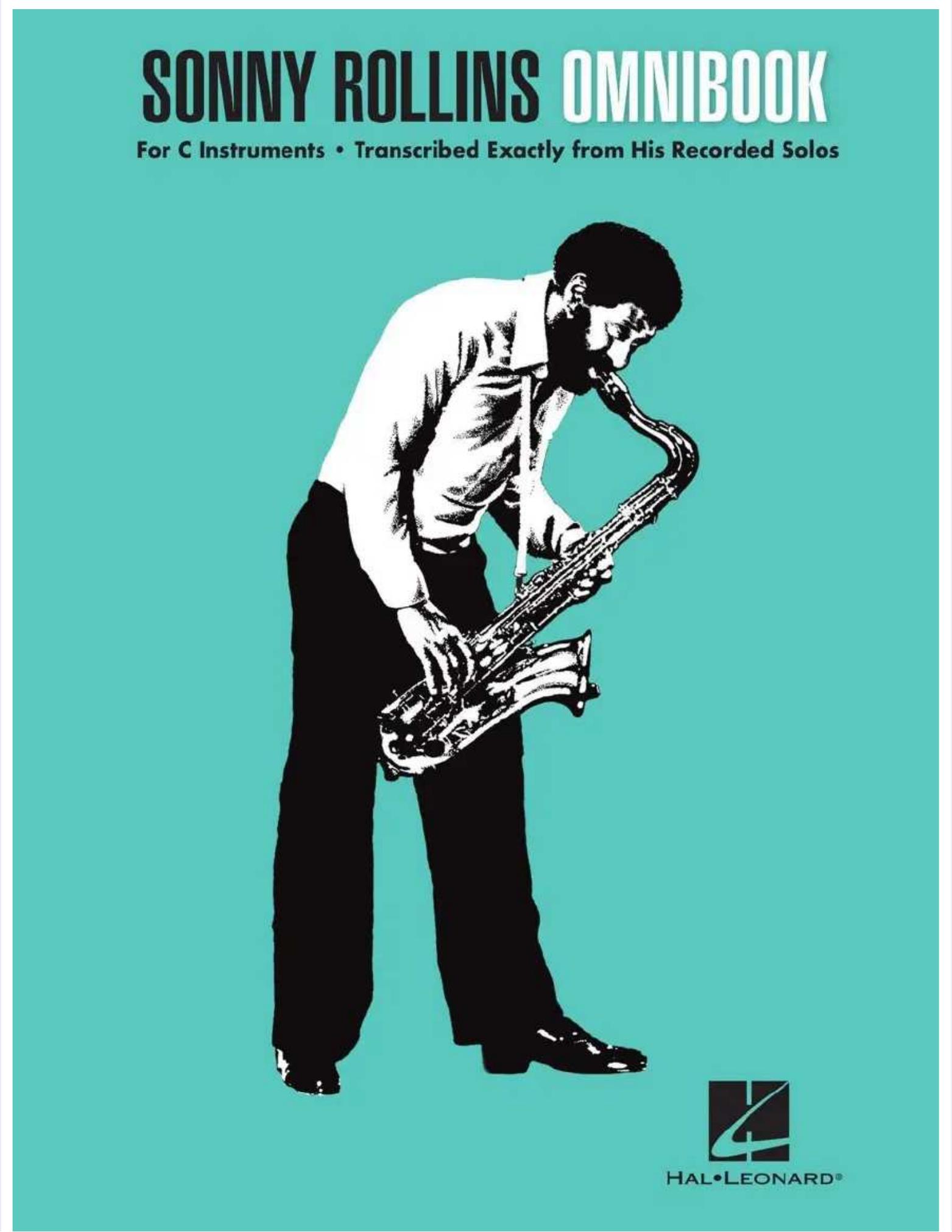
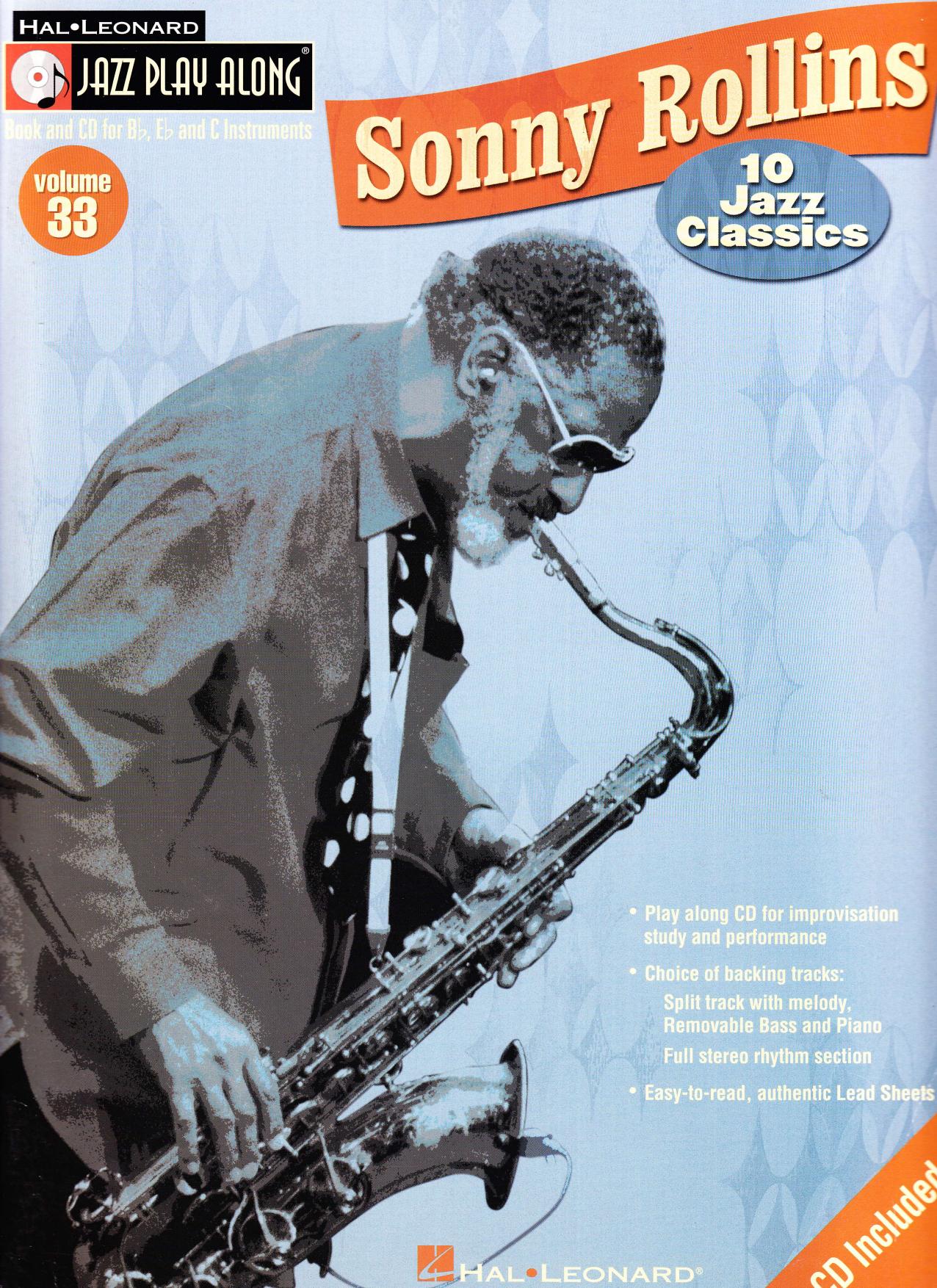
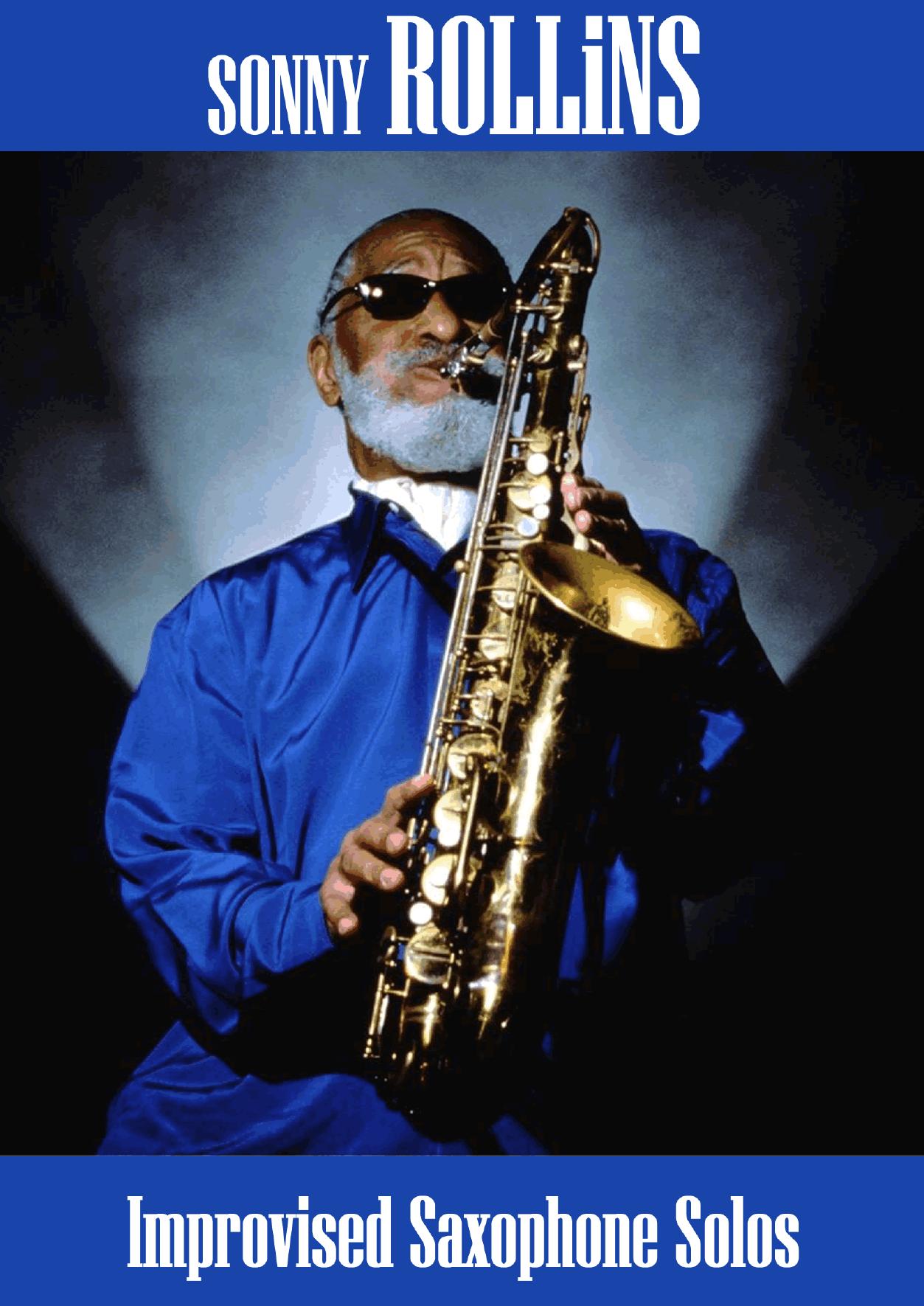
The best sheet music download from our Library.
Born Walter Theodore Rollins in New York in 1930 and nicknamed Sonny by his grandmother, Rollins was a gifted player and was mentored by pianist Thelonious Monk.
He went on to play with many leading jazz artists including Art Blakey, Bud Powell and Miles Davis.
In 1956, Rollins released his sixth and one of his best-known albums Saxophone Colossus.
As his fame rose through the early 1960, Rollins took to practising for hours every day on New York's Williamsburg Bridge.
It led to one of his most famous albums, 1962's The Bridge, and has sparked calls for the bridge to be renamed in his honour.
Rollins was at his home in New York, six blocks from the World Trade Centre, when the twin towers were attacked by terrorists on 11 September 2001.
He and his wife fled for upstate New York, with Rollins carrying only his saxophone. He later told the Guardian: "I lost many prized possessions in 9/11 and learned a lesson – possessions are not where it's at."
In 2010, Rollins received the National Medal of the Arts from US president Barack Obama, who said the jazz musician had inspired him to "take risks that I might not otherwise have taken".
Known for long solos, Rollins was considered among the best improvisers and told PBS he would go on stage with his mind blank and no plan beyond an awareness of the structure of the piece.
"Improvising on it, that I leave completely to the forces," he said. "Sometimes I'm surprised by what comes out."
Sonny Rollins died in his home in Woodstock, New York, on May 25, 2026, at the age of 95.
Please, subscribe to our Sheet Music Library. Sheet music should be accessible and affordable for all musicians, from professionals to absolute beginners.
Sonny Rollins discography
Honors and awards
Search your favorite sheet music in the Sheet Music Library Catalog
Influence, artistry, and influences
Rollins is widely recognized as one of the most important and influential jazz musicians. A number of his compositions, including "St. Thomas", "Oleo", "Doxy", and "Airegin", have become jazz standards. Rollins was often called "the greatest living improviser". Rollins was the last survivor of the 57 jazz musicians depicted in the 1958 photograph A Great Day in Harlem.
Sonny Rollins's tone has been described as "biting and clear". As a saxophonist, he had initially been attracted to the jump and R&B sounds of performers such as Louis Jordan, but soon became drawn into the mainstream tenor saxophone tradition.
The German critic Joachim-Ernst Berendt described this tradition as sitting between the two poles of the strong sonority of Coleman Hawkins and the light flexible phrasing of Lester Young. This did so much to inspire the fleet improvisation of bebop in the early 1950s. Other tenor saxophone influences include Ben Webster and Don Byas. By his mid-teens, Rollins became heavily influenced by alto saxophonist Charlie Parker. During his high school years, he was mentored by the pianist and composer Thelonious Monk, often rehearsing at Monk's apartment.
Sonny Rollins - The Bridge (1962) FULL ALBUM
The Bridge is a studio album by jazz saxophonist Sonny Rollins, recorded in 1962. It was Rollins's first release following a three-year sabbatical and was his first album for RCA Victor. The saxophonist was joined by the musicians with whom he recorded for the next segment of his career: Jim Hall on guitar, Bob Cranshaw on bass, and Ben Riley on drums.
01. Without A Song (00:00) 02. Where Are You (7:29) 03. John S. (12:39) 04. The Bridge (20:24) 05. God Bless The Child (26:23) 06. You Do Something To Me (33:53)
Musicians:
Sonny Rollins – tenor saxophone
Jim Hall – guitar
Bob Cranshaw – bass
Ben Riley – drums (all but track 5) Harry "H.T." Saunders – drums (track 5 only)
Track listing
- "Without a Song" (Edward Eliscu, Billy Rose, Vincent Youmans) – 7:26
- "Where Are You?" (Harold Adamson, Jimmy McHugh) – 5:10
- "John S." (Sonny Rollins) – 7:46
- "The Bridge" (Sonny Rollins) – 5:59
- "God Bless the Child" (Arthur Herzog Jr., Billie Holiday) – 7:27
- "You Do Something to Me" (Cole Porter) – 6:51