Scores for all instruments: 16,000+ (active and growing), over 236,000 pages.
All genres and levels: Jazz & Blues, Rock & Pop, Classical & Contemporary, Film & Musicals;
books & biographies; methods, études, play-along tracks (MP3) for Jazz & Rock.
Access & benefits: US$15.99 one-time payment, valid for lifetime, full Library access.
Table of Contents
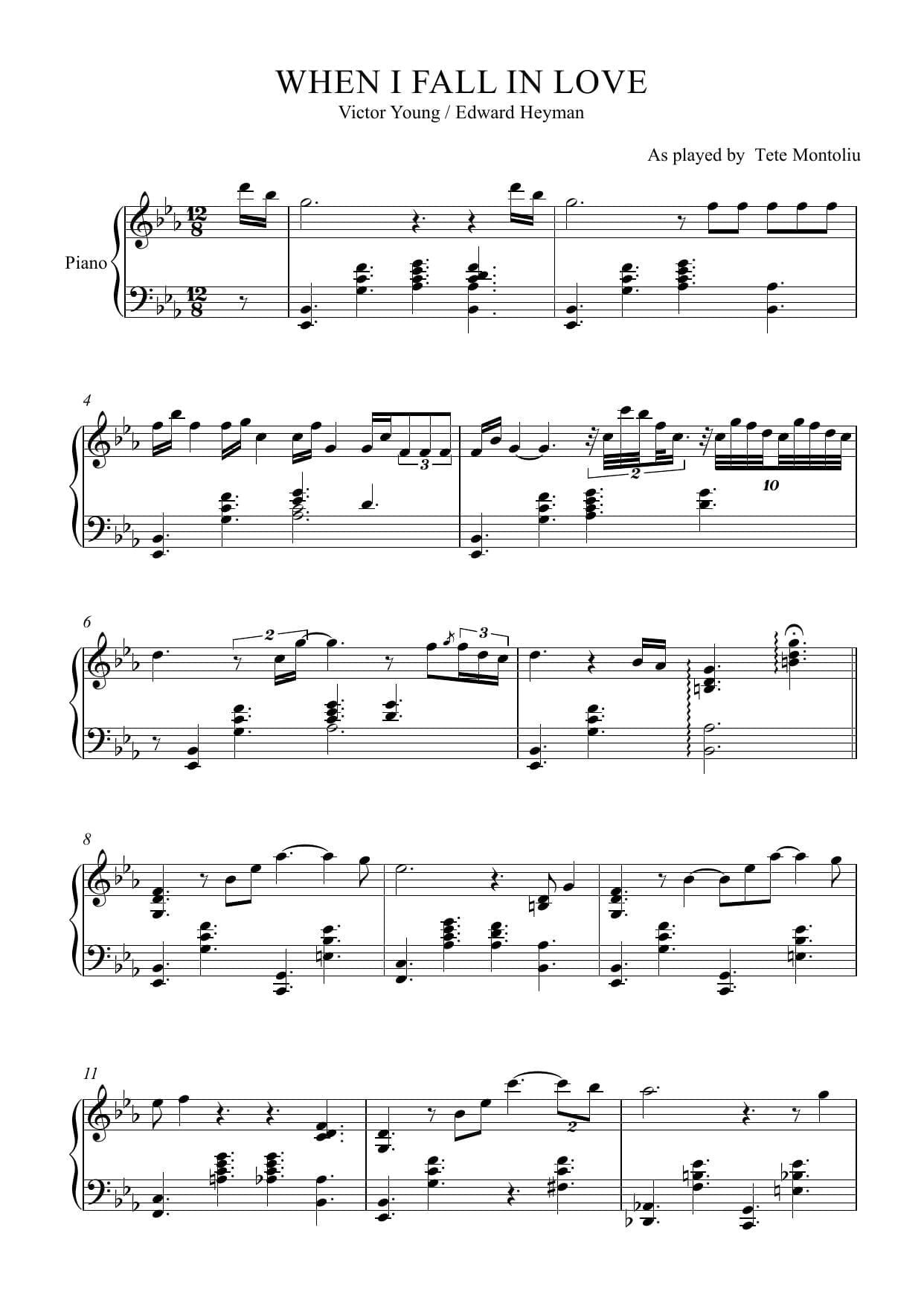
Victor Young - Love Letters (Piano Solo) sheet music, Noten, partitura, partition #smlpdf 楽譜 乐谱
Please, subscribe to our Sheet Music Library.
"Love Letters" is a classic 1945 popular song and instrumental theme composed by Victor Young, with lyrics subsequently added by Edward Heyman. Originally written for the Paramount Pictures film noir of the same name starring Jennifer Jones and Joseph Cotten, it earned an Academy Award nomination for Best Original Song and evolved into a heavily covered Great American Songbook and jazz standard.
Essential Facts
- Origin: It first appeared as a lush, purely instrumental theme throughout the movie Love Letters (October 1945).
- First Vocal Release: Singer Dick Haymes recorded the earliest vocal version in March 1945—with Victor Young himself conducting the orchestra—scoring a major hit that September.
- Accolades: The composition was nominated for the 1945 Academy Award for Best Original Song, ultimately losing out to Rodgers and Hammerstein's "It Might as Well Be Spring".
Iconic Cover Versions
While born in the big band era, the melody's simple, haunting progression made it highly adaptable across decades and genres:
- Nat King Cole (1957): Delivered a definitive, smooth traditional pop performance.
- Ketty Lester (1962): Reimagined the song as a sultry, piano-led R&B track. Her version reached #5 on the Billboard Hot 100 and inspired many future interpretations.
- Elvis Presley (1966): Recorded an emotional, down-tempo cover that became a top 20 hit in both the US and UK.
- Alison Moyet (1987): Brought the track to a new generation, taking her synth-pop-infused version to #4 on the UK Singles Chart.
Musical Legacy
In the jazz community, "Love Letters" is celebrated for its warm, romantic chord progressions. Legendary instrumentalists like tenor saxophonist Sonny Rollins and pianist Diana Krall have frequently used Victor Young's framework as a vehicle for deep, expressive improvisation.
The best sheet music download from our Library.



Browse in the Sheet Music Library:
Or browse in the categories menus & download the Library Catalog PDF:
Who was Victor Young?
Victor Young (August 8, 1899 – November 10, 1956) was an incredibly prolific American composer, arranger, violinist, and conductor who became one of Hollywood’s most dominant musical forces during the Golden Age of cinema. Over a career spanning more than two decades, he worked on over 300 film scores and composed numerous melodies that evolved into timeless pop and jazz standards.
Early Life & Prodigy Status
- Classical Beginnings: Born in Chicago, Young was a child prodigy who moved to Poland as a boy to study violin at the Warsaw Imperial Conservatory.
- Orchestral Debut: He made his professional debut as a teenager with the Warsaw Philharmonic.
- Return to the U.S.: After enduring internment in Russia during World War I and subsequently escaping, he returned to the United States in 1920. He initially worked as a concertmaster and theater violinist before pivoting to popular music.
Transforming the "Great American Songbook"
Young had a rare gift for lush, sweeping, and unforgettable melodies. Before focusing entirely on cinema, he left a permanent mark on popular music:
- Slowing Down "Stardust": In 1930, Young took Hoagy Carmichael's originally up-tempo track "Stardust" and arranged it as a slow, romantic violin ballad. This specific arrangement inspired the lyrics we know today and turned the track into an international phenomenon.
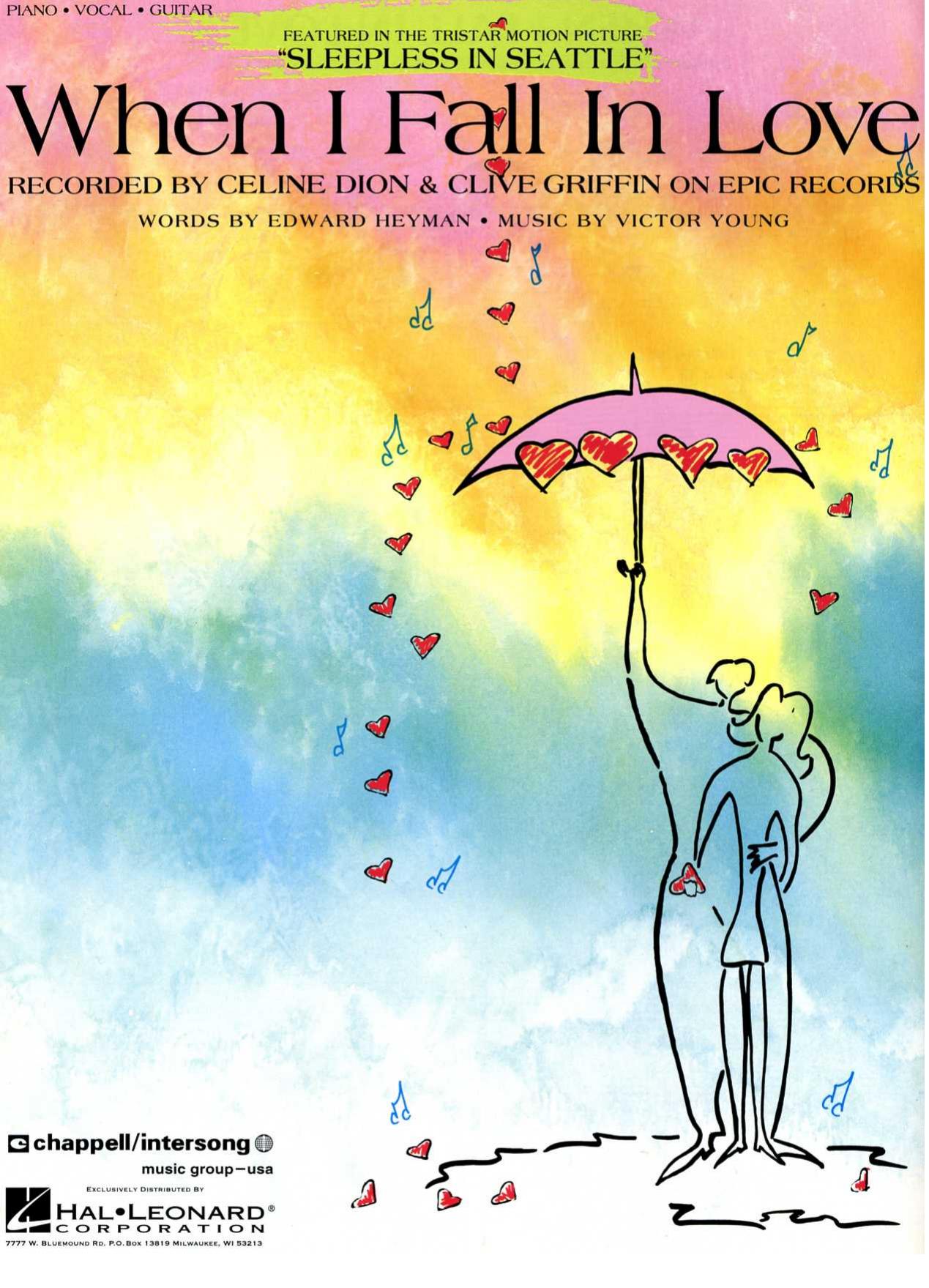
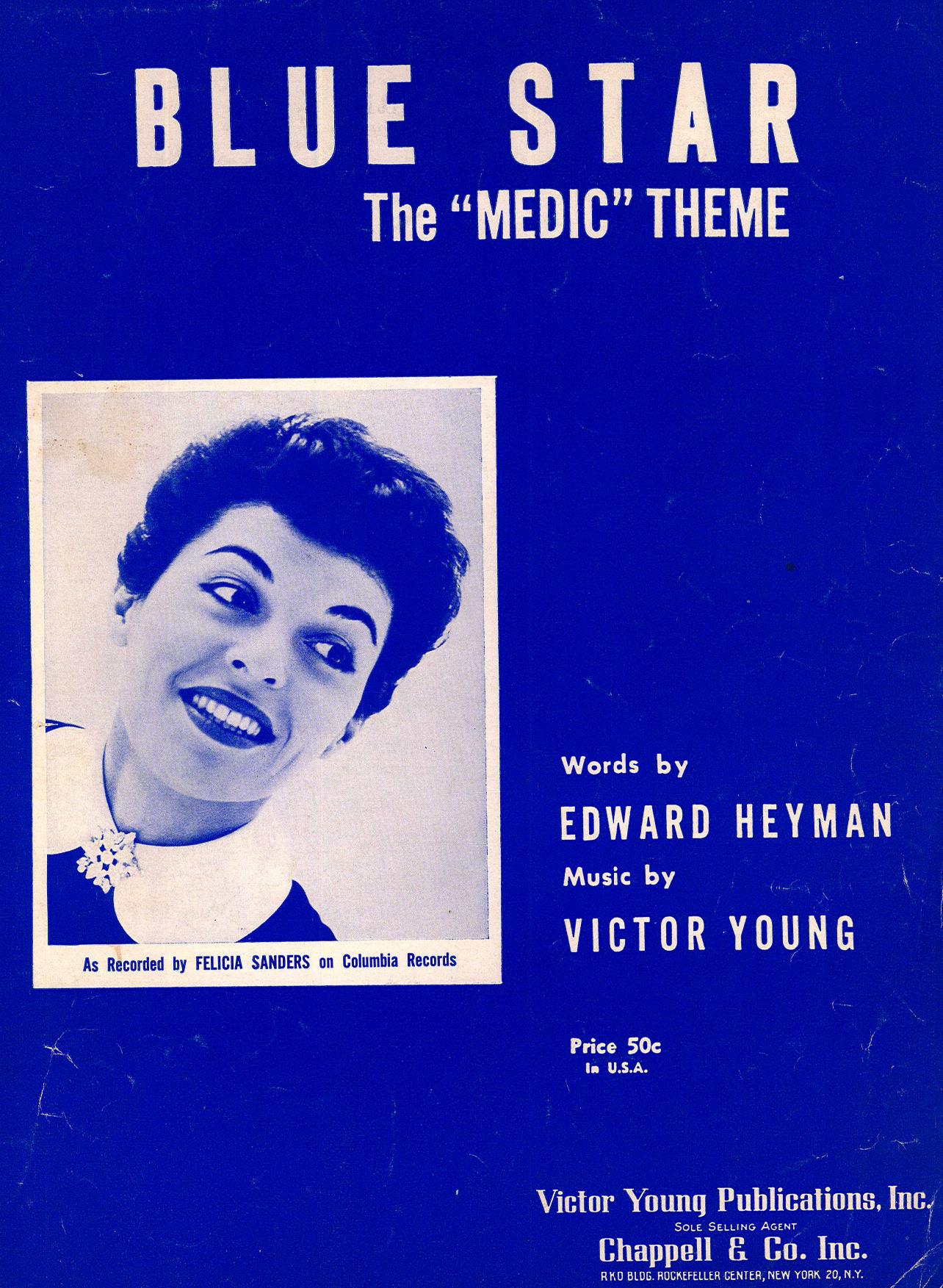
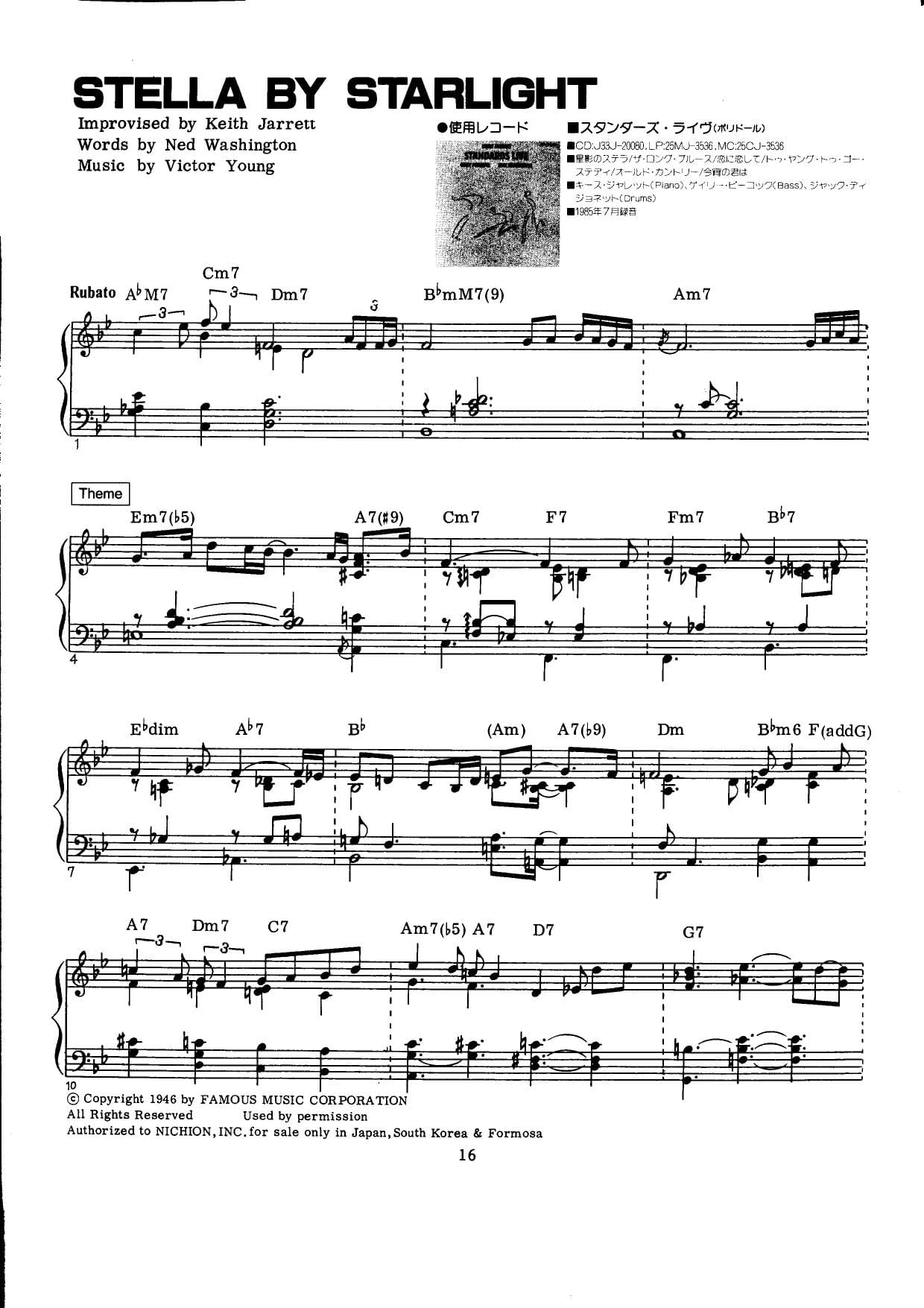
- Legendary Standards: He wrote the music for legendary standards including "When I Fall in Love," "Stella by Starlight," "My Foolish Heart," and "Love Letters".
Hollywood Dominance & The Oscar Record
In 1935, Young moved to Hollywood, quickly becoming Paramount Pictures' go-to maestro. He scored massive cinematic epics such as For Whom the Bell Tolls (1943), The Uninvited (1944), Samson and Delilah (1949), and Shane (1953).
- The Nominations: He holds a unique place in Academy Award history, racking up 22 Oscar nominations throughout his career. He even achieved the rare feat of being nominated four separate times in a single year—doing so twice, in both 1940 and 1941.
- Posthumous Victory: Tragically, he held the record for the most nominations without a win until his final masterpiece. He passed away from a heart attack at age 57 in November 1956. Just months later, he was posthumously awarded his first and only Oscar for the iconic score of Around the World in 80 Days.