Scores for all instruments: 16,000+ (active and growing), over 236,000 pages.
All genres and levels: Jazz & Blues, Rock & Pop, Classical & Contemporary, Film & Musicals;
books & biographies; methods, études, play-along tracks (MP3) for Jazz & Rock.
Access & benefits: US$15.99 one-time payment, valid for lifetime, full Library access.
Table of Contents
The best sheet music download from our Library.
Who is Hans Zimmer?
Please, subscribe to our Sheet Music Library. Sheet music should be accessible and affordable for all musicians, from professionals to absolute beginners.
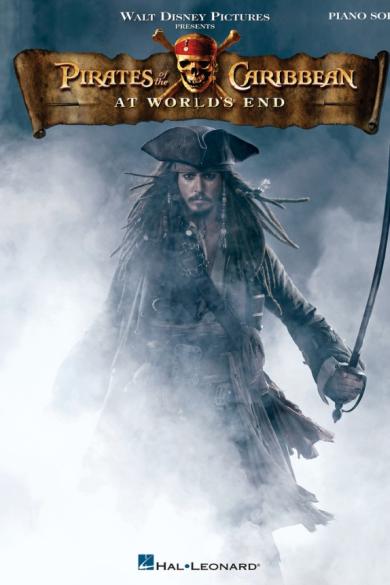
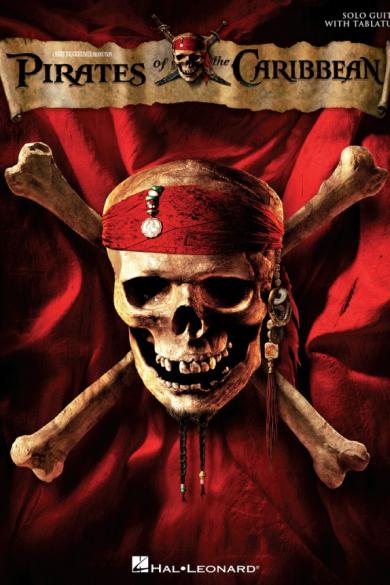
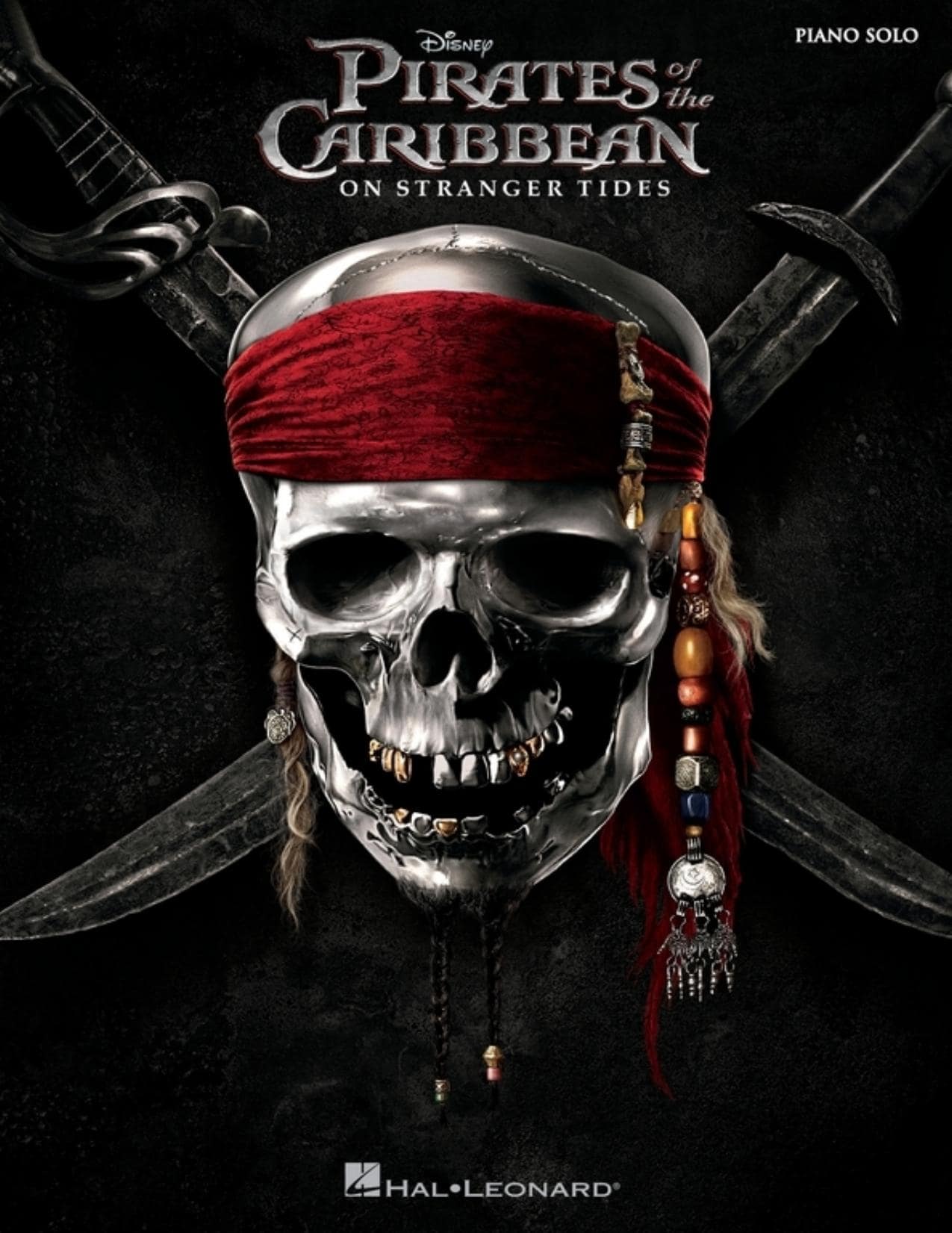

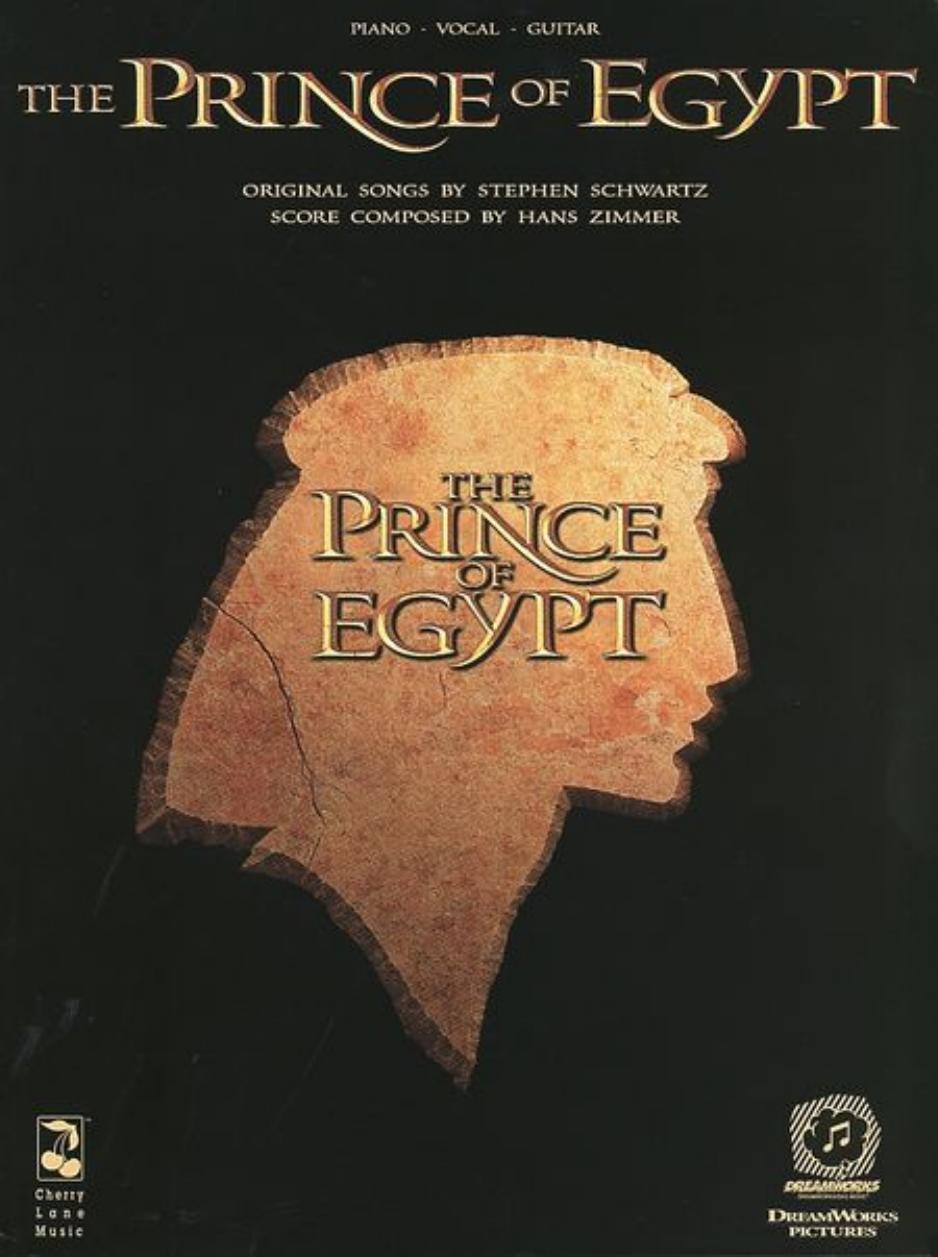

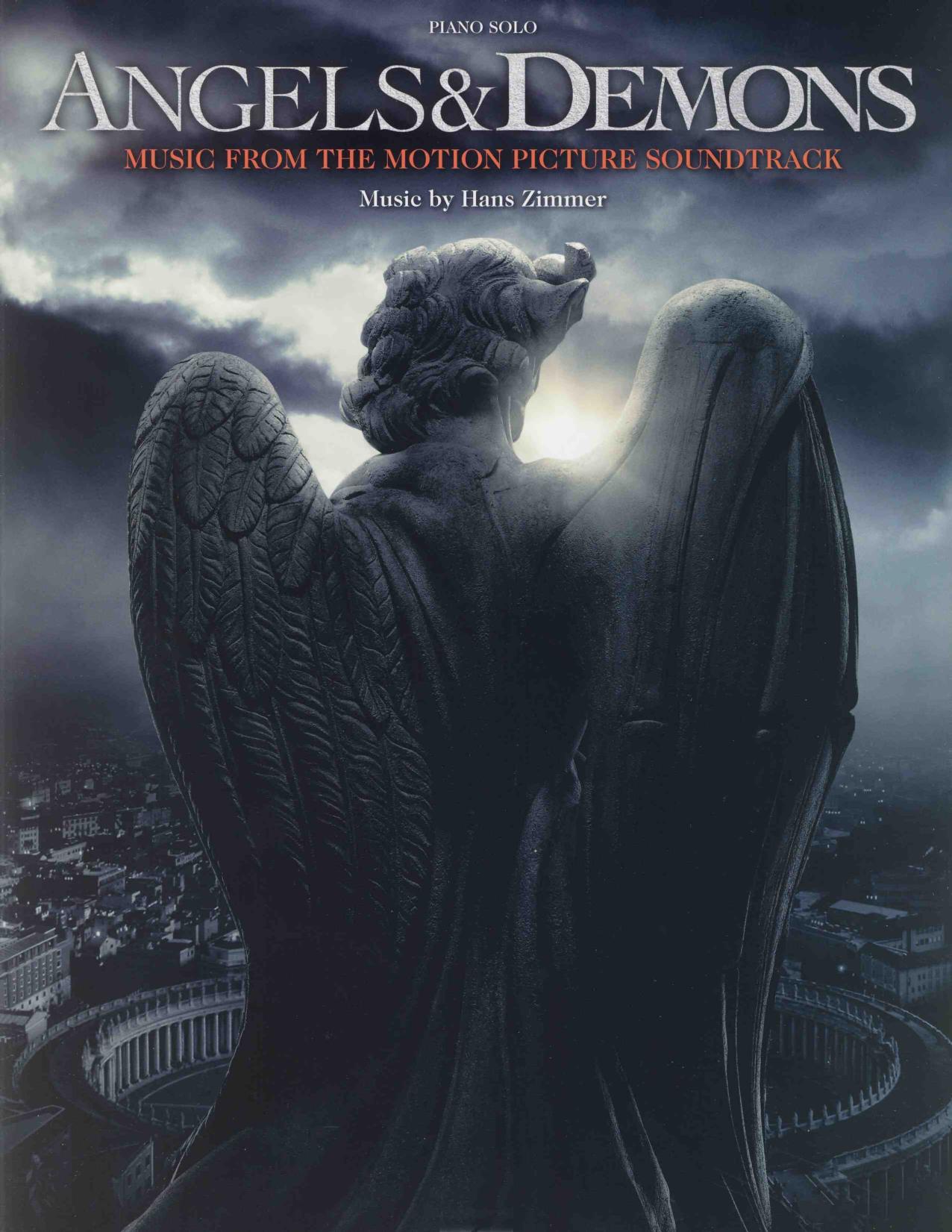
Search your favorite sheet music in the Sheet Music Library Catalog
Hans Zimmer: The Architect of Modern Film Sound
Born on September 12, 1957, in Frankfurt, West Germany, Zimmer has become one of the most prolific and influential film composers of the late 20th and early 21st centuries. With a career spanning more than four decades, he has composed music for over 150 films, redefining the sound of cinema by blending traditional orchestral elements with electronic textures to create immersive and emotive scores.
His list of accolades is staggering: two Academy Awards, a BAFTA Award, three Golden Globe Awards, five Grammy Awards, an American Music Award, and a Tony Award, as well as nominations for seven Primetime Emmy Awards. In 2007, The Daily Telegraph named him one of the Top 100 Living Geniuses. He was awarded a Star on the Hollywood Walk of Fame in 2010. Yet behind these honors lies a story of relentless innovation, fierce independence, and a deeply personal philosophy about the purpose of music.
Early Life and Education
Zimmer's origin story is as unconventional as his music. Born to a Jewish family in post-war Germany, his mother was a musician and classically trained pianist, while his father was an engineer and inventor. His parents were Jewish survivors of World War II, and his mother had escaped Germany to the UK in 1939. Growing up in Königstein-Falkenstein, Zimmer later revealed that it was difficult being Jewish in post-war Germany, with his parents "always wary of me telling the neighbors".
His relationship with formal music education was, to put it mildly, strained. He took piano lessons for only about two weeks as a child, disliking the rigidity and discipline of traditional instruction. He jokingly stated in a 2002 interview that "either I was going to kill the teacher, or he was going to kill me". Instead of following conventional paths, Zimmer preferred to experiment and create his own music. He would modify the family's piano by attaching items such as chainsaws to it—a practice that thrilled his father's innovative nature but horrified his mother.
His father died when Zimmer was just six years old. Around age twelve, Zimmer sneaked into the local theater to see Sergio Leone's Once Upon a Time in the West (1968), scored by Ennio Morricone. The experience was transformative: "Not only was the film an overwhelming experience but the music completely got me and set me on my path and I knew what I wanted to do," Zimmer later recalled. This film would become the singular inspiration that set him on the path to becoming a film composer.
Zimmer attended the Ecole d'Humanité, an international boarding school in the Canton of Bern, Switzerland, before relocating to London as a teenager to attend Hurtwood House boarding school. In London, he was drawn to the vibrant pop music scene that would shape his early career.
Early Career: From Punk to Film
Zimmer's entry into the music industry was far from the prestigious concert halls one might expect of a future Academy Award winner. After high school, he began playing keyboards and synthesizers for the short-lived hard rock band Krakatoa in the 1970s, and also played in bands such as Helden, the Italian group Krisma, and Spain's Mecano. Additionally, he wrote advertising jingles and worked as a synthesizer programmer for radio ads.
His debut into the broader music industry came with his work on the Buggles' hit single "Video Killed the Radio Star," released in 1979. After that, Zimmer worked with other new wave bands and UK punk bands like The Damned, bouncing from new wave pop to advertising jingles.
A crucial turning point came when he partnered with accomplished English composer and conductor Stanley Myers. Together, they co-founded the Lillie Yard recording studio in London, focusing on blending traditional orchestral sound with electronic instruments. This partnership taught Zimmer how to bring electronic and orchestral sound worlds together. They wrote several film scores together—Moonlighting (1982), Success Is the Best Revenge (1984), Insignificance (1985), among others—until 1987, when Zimmer began scoring by himself.
His first solo score was Terminal Exposure. His next score, for the film The Last Emperor (also released in 1987), won the Academy Award for Best Original Score—though it should be noted that Zimmer contributed to the score alongside several other composers. During this time, he also composed the theme song for the TV game show Going for Gold (1987-1996), a jingle that became widely recognized in the UK and put much of his work on the map.
Zimmer's achievements caught the eye of Hollywood director Barry Levinson after his wife had heard the soundtrack of A World Apart. This led to Zimmer's first major Hollywood breakthrough: scoring Levinson's Rain Man (1988), which earned him his first Academy Award nomination. The rest, as they say, is history.
The Zimmer Sound: Musical Style and Innovation
The Electronic-Orchestral Fusion
Zimmer's most defining characteristic as a composer is his seamless integration of electronic music sounds with traditional orchestral arrangements. He began combining synthesized pop music with traditional orchestra early in his career, creating a new sound that would become a trademark of his future film scores. His instrumentation combines symphonic, electronic, folk, and choral elements.
What sets Zimmer apart is not merely the combination of these elements but the philosophy behind them. He is largely self-taught, having received only some tutoring at the piano. He learned everything through collaboration and experimenting. His approach to technology is emblematic of his broader creative philosophy: computers and synthesizers are not replacements for musicality but tools for expanding its possibilities. "I've always heard music in my head. And I am a child of the 20th century; computers came in very handy," he stated in a Reddit AMA.
The "Doris" Philosophy
Perhaps the most revealing insight into Zimmer's musical style comes from his explanation of who he writes for. In his concert film Hans Zimmer & Friends: Diamond in the Desert, Zimmer explains:
"I have this fictitious figure in my head. She's called Doris. She lives in Bradford in the UK. She's a single mom with two unruly kids, and her hands are red from the cold and working really hard. She does a wonderful job to keep these children fed and pay the rent and fight the fight. So, come the weekend, she has a choice: she can go to the pub with her mates, or they can go and see a movie. If she goes and sees a movie and puts her hard-earned money down, I want her to have an experience, and I don't want her to waste her money. That's who I write for, and that's why I write."
This philosophy—writing for the audience rather than for directors, producers, or studios—explains the emotional accessibility of Zimmer's music. His scores are designed to be felt, not merely heard.
Versatility Across Genres
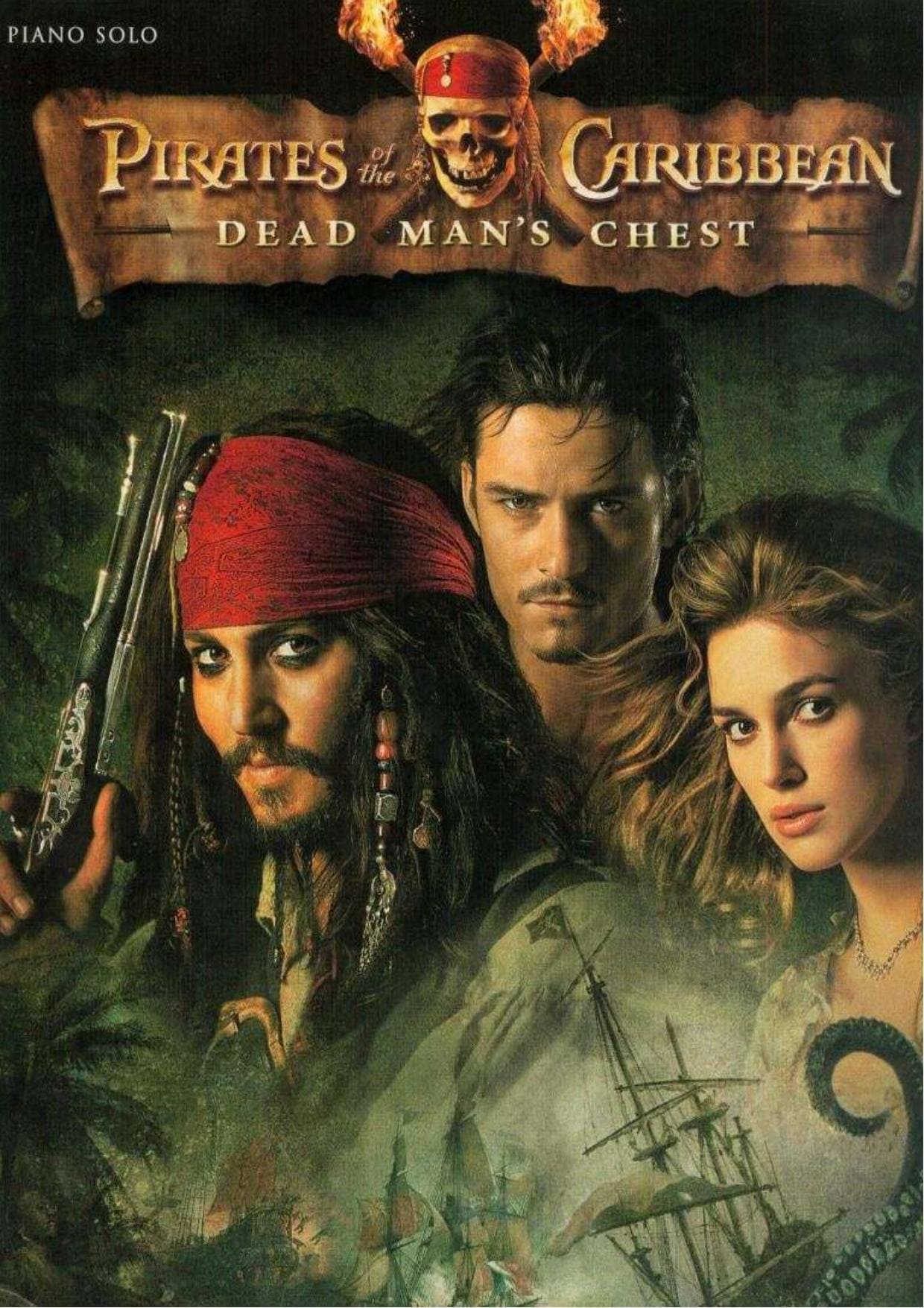
Zimmer's incredible range of composing styles spans over one hundred and fifty films across multiple decades. His versatility is remarkable: from the playful use of percussion in his quirky main theme for Tony Scott's True Romance (1993) to the majestic orchestral sweep of the Pirates of the Caribbean series, from the haunting electronic textures of Inception to the otherworldly sounds of Dune.
What unites these disparate scores is a distinctive Zimmer signature: the use of recurring motifs, the building of tension through layered textures, the innovative use of rhythm as a narrative device, and an almost architectural approach to structure. His music doesn't simply accompany images; it shapes them, sometimes even dictating the rhythm of the editing itself.
Chord Progressions and Music Harmony
The "Zimmer Progression"
Hans Zimmer's harmonic language has become the subject of intense study among music theorists and composers. One of the most discussed chord progressions in his catalog comes from the track "Time" from Inception (2010). The progression, which received a great deal of attention on the SMT-TALK mailing list when the movie first came out, follows a distinctive pattern.
The track is in G major/E minor, and the progression goes as follows: Amin - Emin - G - D. In Roman numeral analysis, this is written as i v VII IV. What makes this progression particularly Zimmer-esque is the way he moves around the circle of fourths to return to the tonic: VII moves down a fourth (up a fifth) to IV, which then moves down a fourth (up a fifth) to i.
The "Hype Chord" Technique
Zimmer has developed a signature technique for creating tension and excitement that has been widely analyzed and emulated. His "hype chords"—used to orchestrate moments of anticipation and release—typically employ a specific harmonic palette. One commonly cited example uses chords such as Bb, F, C, Bb, A, G, B, D, Gb, C, E. The effect is a gradual building of harmonic tension that resolves in a satisfying catharsis, a technique that has become synonymous with the Zimmer sound.
Harmonic Innovation in Context
What makes Zimmer's harmonic language unique is not the chords themselves but their application within the cinematic context. He uses harmony not as an abstract musical element but as a narrative device. The prolonged harmonic suspensions in Interstellar, the modal ambiguity in The Dark Knight, the driving ostinatos in Gladiator—all serve to propel the story forward and deepen the emotional impact of the images on screen.
His work often employs what might be called "minimalist maximalism": simple harmonic ideas expanded into vast sonic landscapes through layering, orchestration, and electronic manipulation. A single chord progression can sustain an entire cue through textural evolution rather than harmonic development, a technique that has proven enormously influential in contemporary film scoring.
Influences
The Morricone Revelation
Zimmer's primary influence is unquestionably Ennio Morricone. The Italian composer's score for Once Upon a Time in the West was the revelation that inspired Zimmer to become a film composer. Zimmer appreciates not only Morricone's aesthetic style but also his work ethic and his ability to maintain a distinctive voice while being heavily influenced by Bach and Mozart.
Broader Musical Influences
Beyond Morricone, Zimmer's musical influences include John Williams, John Barry, Elmer Bernstein, and Lalo Schifrin. As a teenager, he absorbed the experimental tones of Can and the krautrock of Neu!, as well as acts like Tangerine Dream and Jean-Michel Jarre—influences that gave him a taste for the electronic instrumentals that would shape his scoring career.
His classical background also played a role. Growing up, he listened to Beethoven, Mahler, and Brahms, thanks to his musician mother. This classical foundation, combined with his love of electronic music and his self-taught experimental approach, created the unique synthesis that defines his style.
The Collaborative Influence
Zimmer is unique among major film composers in that he actively seeks collaboration as a source of influence. He pushes collaboration between composers because that is how he learned. Every composer who came out of Media Ventures (now Remote Control Productions) learned by working with him on various scores—conducting, writing additional music, or co-composing. This collaborative ethos has created a school of composition that extends his influence far beyond his own work.
Relationships with Other Artists
Directors: The Creative Partnerships
Zimmer's list of collaborators would make any Hollywood actor green with envy. He has developed close working relationships with renowned directors including Ridley Scott, Tony Scott, Michael Bay, Ron Howard, Gore Verbinski, and Christopher Nolan.
Christopher Nolan stands as Zimmer's longest collaborator, with the pair working across seven titles together. Their partnership began with Batman Begins (2005) and continued through The Dark Knight (2008), Inception (2010), The Dark Knight Rises (2012), Interstellar (2014), and Dunkirk (2017). Although they parted ways when Zimmer chose to score Dune instead of Nolan's Tenet, the pair remain "good friends," with Zimmer not ruling out a future reunion.
Ridley Scott is another director with whom Zimmer has developed a great friendship. "Number one, he's an artist. So, he responds to another artist as well. He lets... do," Zimmer said of Scott. Their collaborations include Black Hawk Down, Gladiator, Thelma & Louise, and Hannibal.
Denis Villeneuve represents one of Zimmer's most significant recent collaborations. Their work on Dune (2021) and Dune: Part Two earned Zimmer his second Academy Award. The collaboration continues with their work on the Dune series.
Fellow Musicians and Composers
Zimmer has collaborated extensively with a diverse range of musicians. Pharrell Williams is a frequent collaborator, working together on the scores for Despicable Me (2010), The Amazing Spider-Man 2 (2014), and Hidden Figures (2017). Pharrell and Johnny Marr of The Smiths were instrumental in convincing Zimmer to begin performing live, sitting him down and explaining why he had to "go and look people in the eye in real time and not hide behind a screen".
Tina Guo, the electric cellist, began her collaboration with Zimmer when a video of her playing was shown to the composer, who was so impressed that he asked her to contribute to the Sherlock Holmes soundtrack. They have since worked on many projects together, including Inception and Batman v Superman.
Lisa Gerrard provided haunting vocals for the popular Gladiator soundtrack. Pete Haycock contributed slide guitar to Thelma & Louise. Lady Gaga is another artist with whom Zimmer has collaborated.
The Remote Control Productions Family
Perhaps Zimmer's most significant professional relationships are with the composers he has mentored through his company, Remote Control Productions (formerly known as Media Ventures). The Santa Monica-based studio has housed and nurtured numerous composers who have gone on to successful solo careers, including Harry Gregson-Williams, John Powell, Mark Mancina, Klaus Badelt, Steve Jablonsky, Rupert Gregson-Williams, Nick Glennie-Smith, and Geoff Zanelli.
Zimmer's collaborative workflow at Remote Control Productions has been both influential and controversial. Many film scores that pass through the studio are produced under a collaborative process where multiple composers contribute to the final product. This approach has created a "breeding ground" for new talent while also raising questions about authorship in film music.
Legacy and Influence
Impact on Film Music
Zimmer has fundamentally transformed the sound of Hollywood cinema. Before Zimmer, film scores were largely dominated by traditional orchestral writing in the style of John Williams or Bernard Herrmann. Zimmer's integration of electronic elements, his focus on texture over melody, and his willingness to experiment with non-traditional sounds opened up new possibilities for film scoring.
His influence can be heard in the work of countless contemporary composers. Ramin Djawadi (Game of Thrones, Westworld), Harry Gregson-Williams (Shrek, The Chronicles of Narnia), John Powell (How to Train Your Dragon), and Ludwig Göransson (Black Panther, Oppenheimer) all bear the mark of Zimmer's influence.
The "Zimmer Sound" in Popular Culture
Certain Zimmer compositions have become so embedded in popular culture that they transcend their original films. The Inception "BRAAAM" sound—a deep, distorted horn blast—has become a cultural meme, parodied and imitated in countless trailers and films. The Pirates of the Caribbean theme is instantly recognizable to millions who have never seen the films. The Dark Knight theme has become synonymous with the character of Batman himself.
Beyond Film: Concerts and Live Performance
Zimmer's legacy extends beyond the recording studio into the concert hall. His live shows have earned a global reputation for translating film scores into cathedral-scale live experiences. The "Hans Zimmer Live" tours feature performances of his most revered compositions, accompanied by conversations with his closest collaborators. Recent scores from Dune: Part Two, Interstellar, Gladiator II, and the Christopher Nolan catalogue continue to define his live setlists, alongside crowd staples from The Dark Knight, Inception, and The Lion King.
The 2026 "The Next Level" world tour spans Asia and Australia, demonstrating the global appeal of his work. Zimmer, who was once riddled with stage fright, has found that touring live has been a way to connect with audiences in a way he hadn't done before.
Works on Films
The 1980s: The Foundations
Zimmer's film career began in earnest with his collaborations with Stanley Myers in the 1980s: Moonlighting (1982), Success Is the Best Revenge (1984), and Insignificance (1985). His breakthrough came with Rain Man (1988), which earned him his first Academy Award nomination. This was followed by Driving Miss Daisy (1989), which further established his reputation in Hollywood.
The 1990s: Global Recognition
The 1990s saw Zimmer achieve global recognition. His score for The Lion King (1994) won the Academy Award for Best Original Score. The soundtrack became one of the best-selling albums of all time.
Other notable scores from this decade include Crimson Tide (1995), which showcased his ability to create tension through electronic-orchestral fusion; The Thin Red Line (1998), which featured the iconic "Journey to the Line" theme that would influence much of his subsequent work; and The Prince of Egypt (1998), demonstrating his versatility in animation.
The 2000s: Hollywood Domination
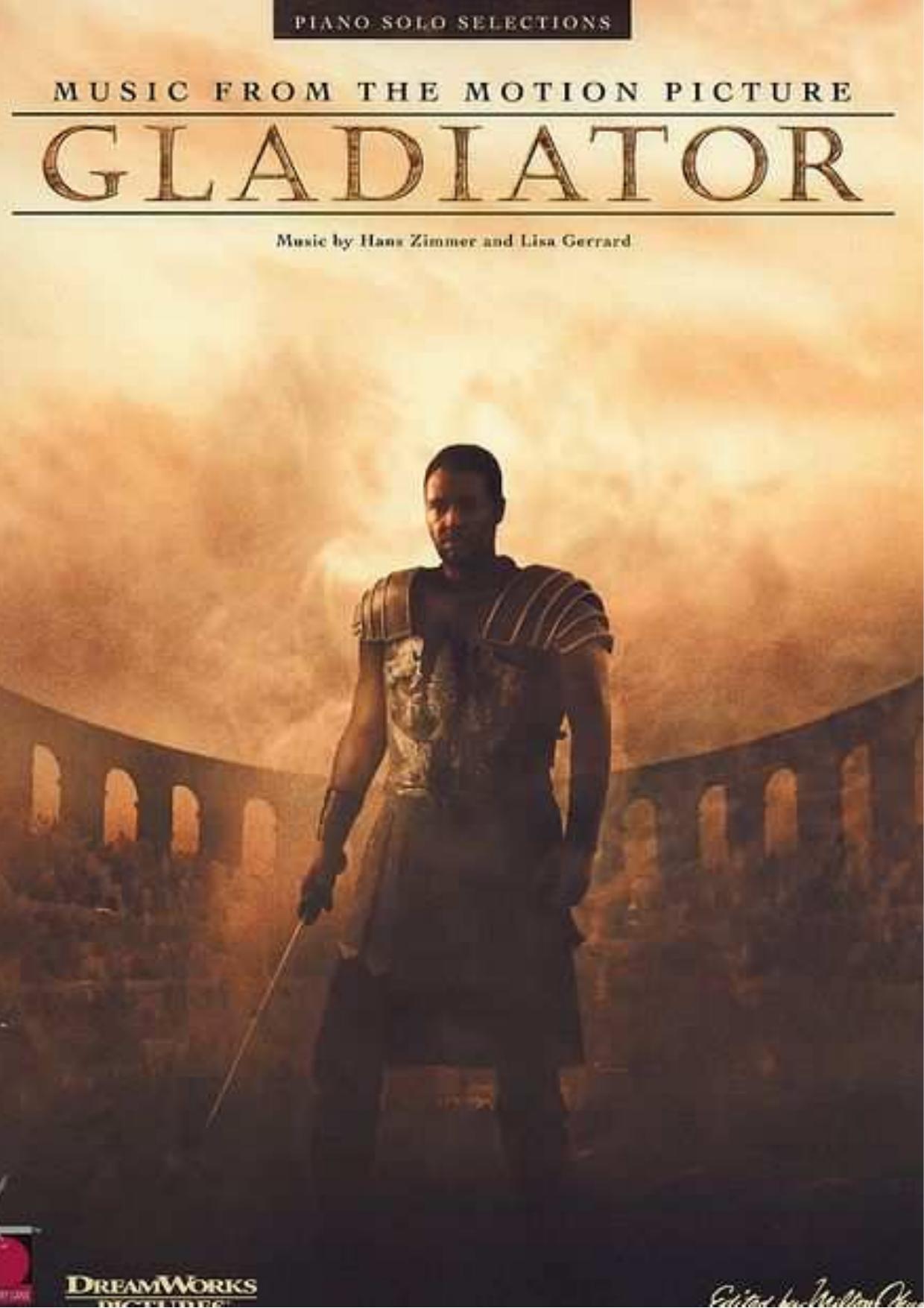
The new millennium saw Zimmer become the dominant force in Hollywood film scoring. Gladiator (2000) featured Lisa Gerrard's haunting vocals and became one of his most beloved scores. Black Hawk Down (2001) showcased his ability to create relentless tension. The Last Samurai (2003) demonstrated his skill with ethnic instrumentation.
The Pirates of the Caribbean series (2006-2011) became one of his most commercially successful projects. The Dark Knight trilogy (2005-2012) redefined superhero film scoring, with Zimmer's brooding electronic textures creating a new template for the genre.
The 2010s: Artistic Peak
The 2010s represented an artistic peak for Zimmer. Inception (2010) featured the iconic "Time" cue and the use of Edith Piaf's "Non, je ne regrette rien" slowed down and reinvented. Interstellar (2014) pushed the boundaries of film scoring with its organ-heavy, emotionally devastating score.
Dunkirk (2017) represented a radical departure, with Zimmer using a ticking clock motif throughout the score to create constant tension. Man of Steel (2013) and Batman v Superman: Dawn of Justice (2016) continued his work in the superhero genre.
The 2020s: Continued Excellence
The 2020s have seen Zimmer continue to evolve. Dune (2021) earned him his second Academy Award. No Time to Die (2021) marked his entry into the James Bond franchise. Top Gun: Maverick (2022) demonstrated his ability to work within existing musical frameworks while adding his signature touch. Dune: Part Two (2024) continued his collaboration with Denis Villeneuve, earning the Grammy Award for Best Score Soundtrack for Visual Media.
His upcoming projects include F1 The Movie (2025) and the continued Dune series.
Selected Filmography
Academy Award Winners
- The Lion King (1994) - Academy Award for Best Original Score
- Dune (2021) - Academy Award for Best Original Score
Major Scores
- Rain Man (1988)
- Driving Miss Daisy (1989)
- Thelma & Louise (1991)
- True Romance (1993)
- Crimson Tide (1995)
- The Thin Red Line (1998)
- The Prince of Egypt (1998)
- Gladiator (2000)
- Black Hawk Down (2001)
- The Last Samurai (2003)
- Batman Begins (2005)
- The Da Vinci Code (2006)
- Pirates of the Caribbean: At World's End (2007)
- The Dark Knight (2008)
- Sherlock Holmes (2009)
- Inception (2010)
- The Dark Knight Rises (2012)
- Man of Steel (2013)
- Interstellar (2014)
- Dunkirk (2017)
- No Time to Die (2021)
- Dune: Part Two (2024)
- F1 The Movie (2025)
Discography
Zimmer's discography is vast, encompassing over 150 film scores across more than four decades. His work spans multiple formats: original motion picture soundtracks, expanded editions, live recordings, and compilation albums.
Notable Soundtrack Albums
- The Lion King: Original Motion Picture Soundtrack (1994)
- Gladiator: Music from the Motion Picture (2000)
- Pirates of the Caribbean: The Curse of the Black Pearl (2003)
- Batman Begins: Original Motion Picture Soundtrack (2005)
- The Dark Knight: Original Motion Picture Soundtrack (2008)
- Inception: Music from the Motion Picture (2010)
- Interstellar: Original Motion Picture Soundtrack (2014)
- Dune: Original Motion Picture Soundtrack (2021)
- Dune: Part Two: Original Motion Picture Soundtrack (2024)
- F1 The Album (Cinematic Edition) (2025)
Live Albums and Compilations
- The World of Hans Zimmer - A Symphonic Celebration (2019)
- Hans Zimmer Live (2023)
Most Known Compositions and Performances
Iconic Cues
"Time" from Inception has become perhaps Zimmer's most famous single composition, its simple yet powerful chord progression making it a staple of film music appreciation.
"Journey to the Line" from The Thin Red Line is heavily used in trailers and various other media, born out of trial and error when director Terrence Malick was dissatisfied with earlier results and had Zimmer continuously rework melodies.
"Now We Are Free" from Gladiator features Lisa Gerrard's vocals and has become an anthem of cinematic triumph.
The Pirates of the Caribbean theme is one of the most recognizable film themes of all time.
"Interstellar" main theme has been praised for its emotional depth and innovative use of organ.
Live Performances
Zimmer's live performances have become events in their own right. The "Hans Zimmer Live" tours feature a full band, orchestra, and choir. The concerts translate his film scores into immersive live experiences, with recent tours including music from Dune: Part Two, Interstellar, Gladiator II, and the Christopher Nolan catalogue.
The concert film Hans Zimmer & Friends: Diamond in the Desert (2025) captures these live performances alongside intimate conversations with collaborators. The 158-minute film features Zimmer delivering live performances of some of his most revered compositions, including Interstellar, Gladiator, and his Oscar-winning scores for Dune and The Lion King.
Documentaries
Several documentaries have explored Zimmer's life and work:
"MasterClass: Hans Zimmer Teaches Film Scoring" (2017) is a 31-lesson video series where the self-taught Academy Award-winner teaches how he creates sounds from nothing, composes compelling character themes, and scores a movie before ever seeing it.
"Score: A Film Music Documentary" features Zimmer alongside other composers, exploring how music "moves" an audience. The documentary has been inspiring students around the world to pursue careers in music.
"Hans Zimmer: Hollywood Rebel" (2022), a BBC documentary directed by Francis Hanly, examines Zimmer's dominance of Hollywood. The documentary notes that Zimmer was expelled from eight schools in Germany, with his headmaster acknowledging that the traditional education system failed to break him.
"The Art of Listening" (2021) features Zimmer alongside Steve Vai, Kamasi Washington, and Gustavo Santaolalla in unfiltered conversations about what it takes to move someone with sound.
"Life of a Composer Part 1" (2017) covers Zimmer's journey and his approach to collaboration.
Music Pedagogy
The MasterClass Approach
Zimmer's approach to teaching music is as unconventional as his approach to composing. His MasterClass, "Hans Zimmer Teaches Film Scoring," covers topics including themes, story, working with directors, sound palettes, creating with synthesizers, scoring to picture, scoring under dialogue, and tempo.
The course reflects his philosophy that music should serve the story and the audience. He teaches how to create sounds from nothing and how to compose compelling character themes.
Learning Through Collaboration
Zimmer's most significant pedagogical contribution may be his collaborative model at Remote Control Productions. He pushes collaboration between composers because that is how he learned. Young composers learn by working with him on various scores—conducting, writing additional music, or co-composing.
This model has produced a generation of successful composers who have gone on to establish their own careers. Harry Gregson-Williams, John Powell, Mark Mancina, Klaus Badelt, and Steve Jablonsky are just a few of the composers who emerged from Media Ventures (now Remote Control Productions).
The Self-Taught Ethos
Zimmer's own education—or lack thereof—informs his teaching philosophy. He is completely self-taught, having learned everything through collaboration and experimenting. His message to aspiring composers is that formal training is not a prerequisite for success; curiosity, experimentation, and a willingness to collaborate are what matter.
He was inspired to become a film composer not through formal study but through a visceral emotional response to Morricone's music. His teaching emphasizes this emotional connection over technical perfection.
The Technology of Composition
Zimmer also teaches the practical aspects of modern film scoring: how to use technology to create demo versions of film scores quickly. His studio in Santa Monica has an extensive range of computer equipment and keyboards, and he emphasizes the importance of understanding these tools.
However, he is careful to stress that technology is a means, not an end. The goal is always to serve the story and the audience—to give "Doris" an experience worth her hard-earned money.
Awards and Honors
Academy Awards
- Winner: Best Original Score for The Lion King (1994)
- Winner: Best Original Score for Dune (2021)
- Multiple additional nominations
Golden Globe Awards
- Three wins, including The Lion King, Crimson Tide, The Dark Knight, and Dune
Grammy Awards
- Five wins, including Best Score Soundtrack for Visual Media for Dune (2025)
Other Honors
- BAFTA Award
- American Music Award
- Tony Award
- Four Satellite Awards (The Thin Red Line, Gladiator, The Last Samurai, Inception)
- Three Saturn Awards (The Dark Knight, Inception, Interstellar)
- Two Annie Awards (Kung Fu Panda, Secrets of the Furious Five)
- Star on the Hollywood Walk of Fame (2010)
- Named one of the Top 100 Living Geniuses by The Daily Telegraph (2007)
Hans Zimmer's journey from a self-taught pianist in post-war Germany to the most influential film composer of his generation is a testament to the power of curiosity, experimentation, and an unwavering commitment to serving the audience. His synthesis of electronic and orchestral elements has redefined the sound of cinema, while his collaborative model at Remote Control Productions has nurtured a generation of composers who carry his influence forward.
His philosophy—writing for "Doris," the single mother in Bradford who deserves a memorable experience—grounds his monumental achievements in a simple human truth. He doesn't write for directors, producers, or studios. He writes for the person in the audience who has worked hard all week and deserves to be moved.
From the African savanna of The Lion King to the deserts of Dune, from the streets of Gotham to the galaxies of Interstellar, Hans Zimmer has created soundscapes that have become the soundtrack to our collective cinematic imagination. His legacy is not merely the hundreds of scores he has written or the awards he has won, but the emotional experiences he has given to millions of listeners around the world.
As he continues to compose, perform, and mentor the next generation of composers, one thing remains constant: his commitment to innovation, his respect for the audience, and his belief that music has the power to transform not just films, but lives. In the words of the man himself: "I want her to have an experience." For over four decades, Hans Zimmer has delivered exactly that.
Hans Zimmer | Live in Concert
Please, subscribe to our Sheet Music Library. Sheet music should be accessible and affordable for all musicians, from professionals to absolute beginners.
Browse in the Sheet Music Library:
Or browse in the categories menus & download the Library Catalog PDF: