Community Musicians, building a worldwide Community Music.
Scores
for all instruments: 15,000+
(active and growing),
over 231,000 pages.
All genres and levels: Jazz & Blues, Rock & Pop, Classical & Contemporary, Film & Musicals;
books & biographies; methods, études, play-along tracks (MP3) for Jazz & Rock.
Access & benefits: US$15.99 one-time payment, valid for lifetime, full Library access.
Table of Contents

Best Sheet Music download from our Library.
Happy heavenly birthday, Jimi Hendrix, born on this day in 1942 (1942-1970).
The Jimi Hendrix Experience - Voodoo Child (Slight Return) (Live In Maui, 1970)
Live in Maui, 1970 - "Voodoo Child (Slight Return)" by The Jimi Hendrix Experience.
Jimi Hendrix: The Vortex of Sound, Soul, and Psychedelia
Jimi Hendrix was more than a musician; he was a cosmic event in the history of popular culture. In a professional career that spanned a mere four years, he fundamentally reconfigured the electric guitar’s potential, redefined the boundaries of rock music, and became an enduring icon of creativity, flamboyance, and tragic genius. He was a sonic alchemist who transformed feedback into symphony, a virtuoso who played with a ferocious physicality and a delicate, soulful touch, and a composer whose vision stretched from the rawest blues to the outer limits of psychedelic soundscapes. To understand Hendrix is to understand a revolution in six strings.


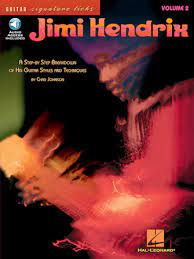
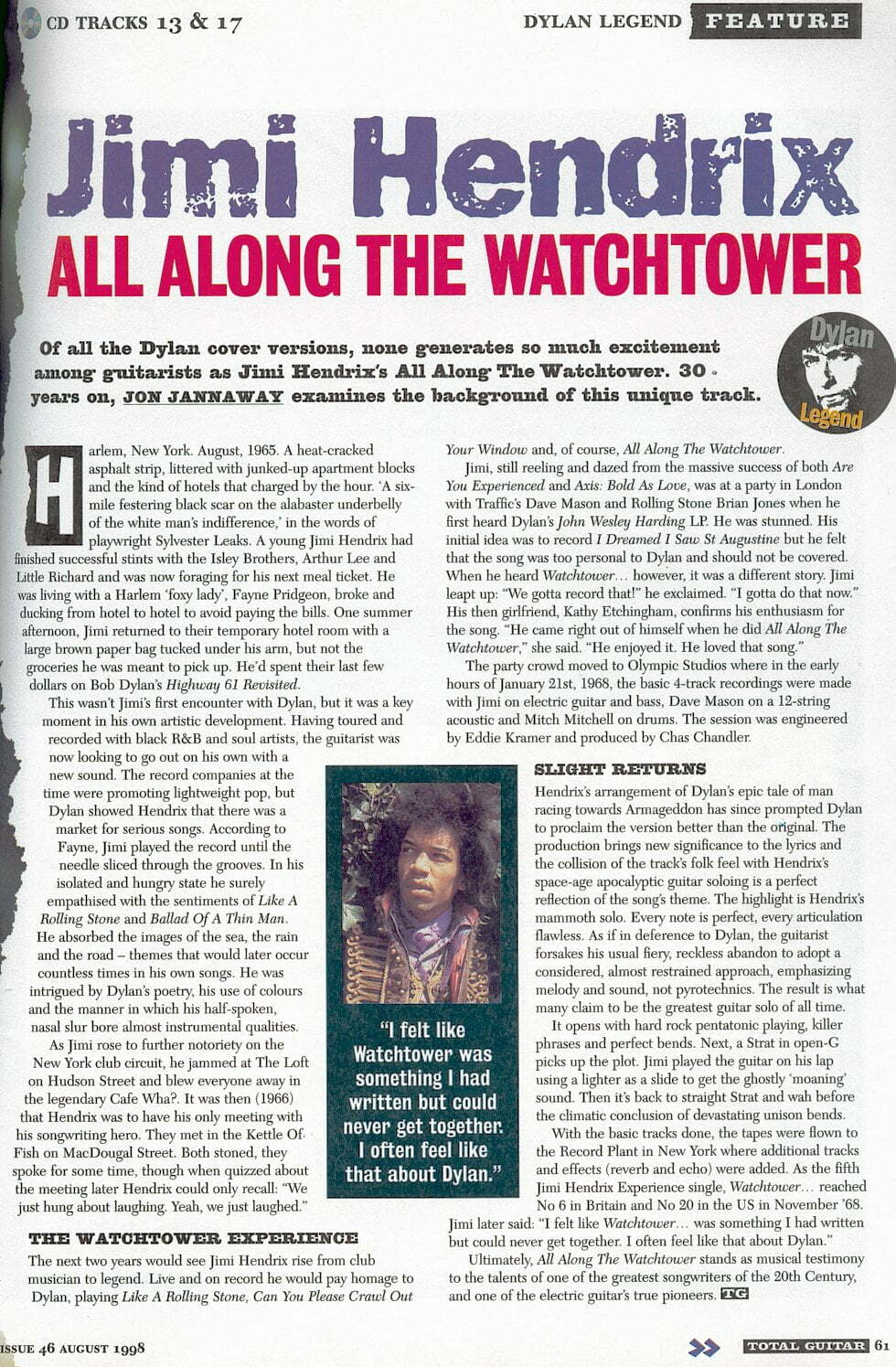
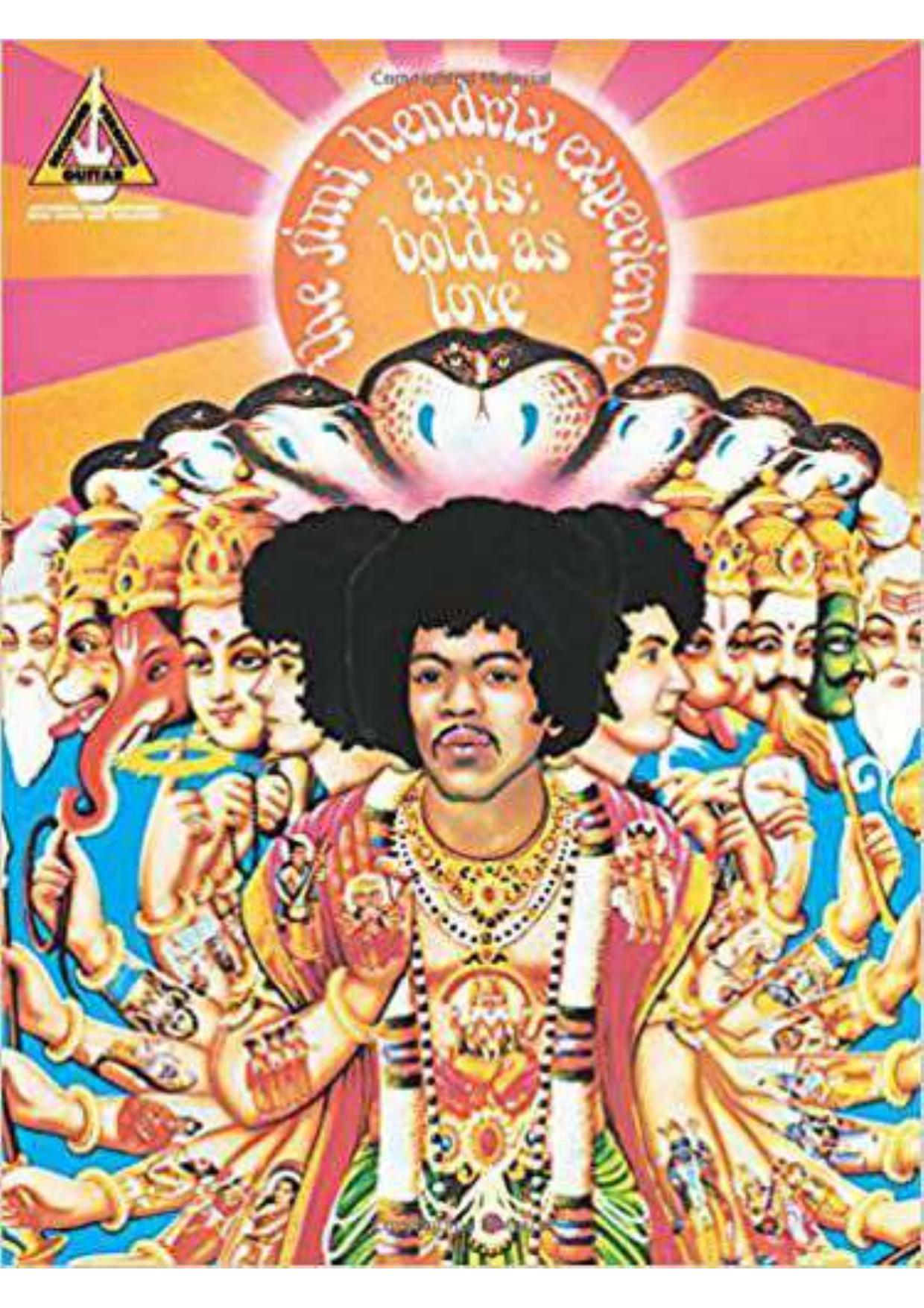
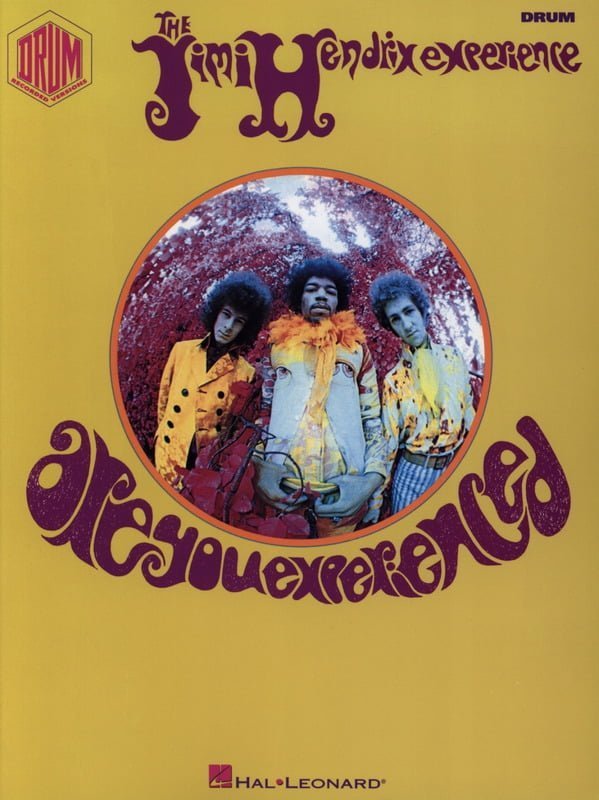
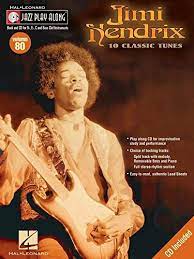
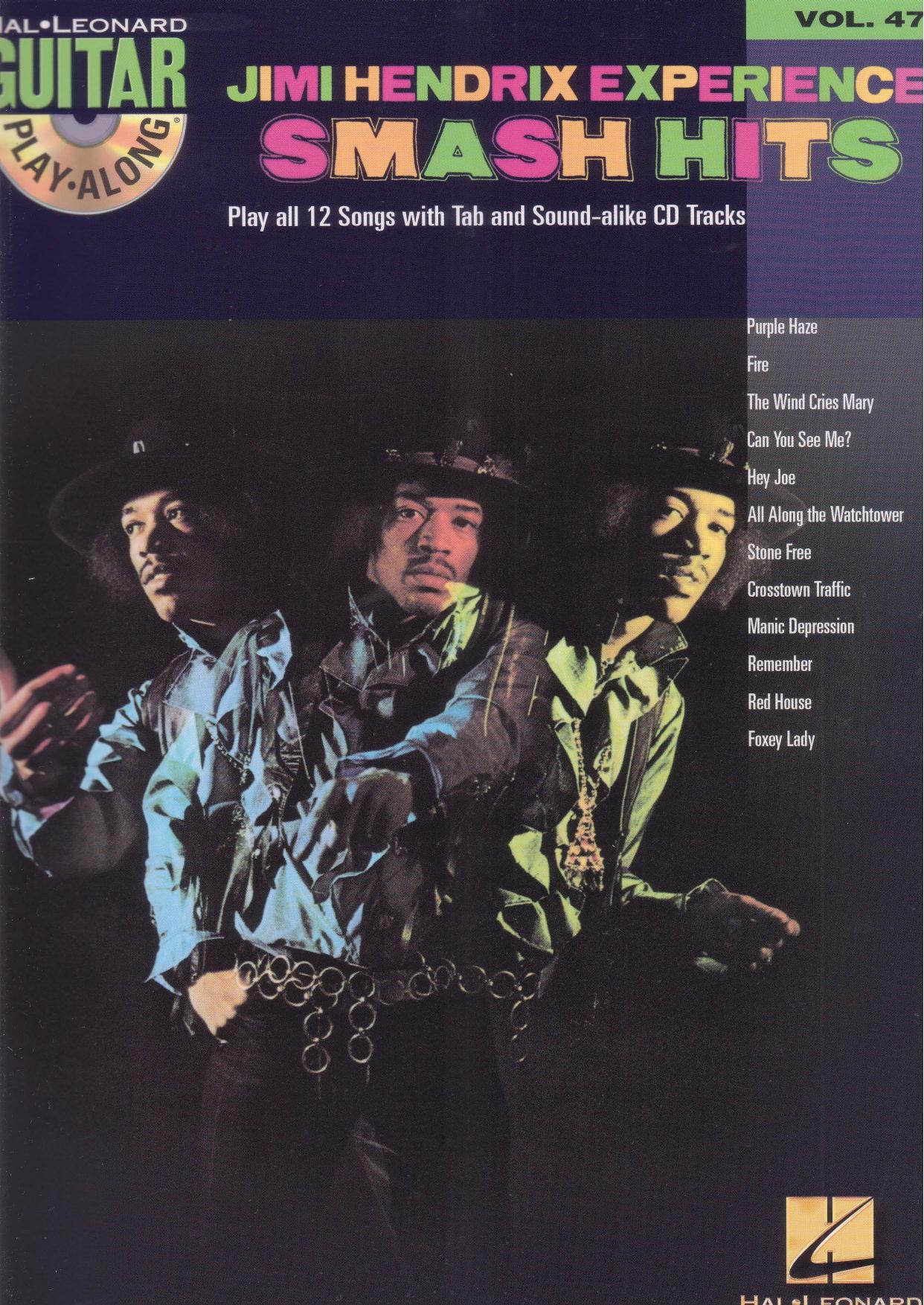
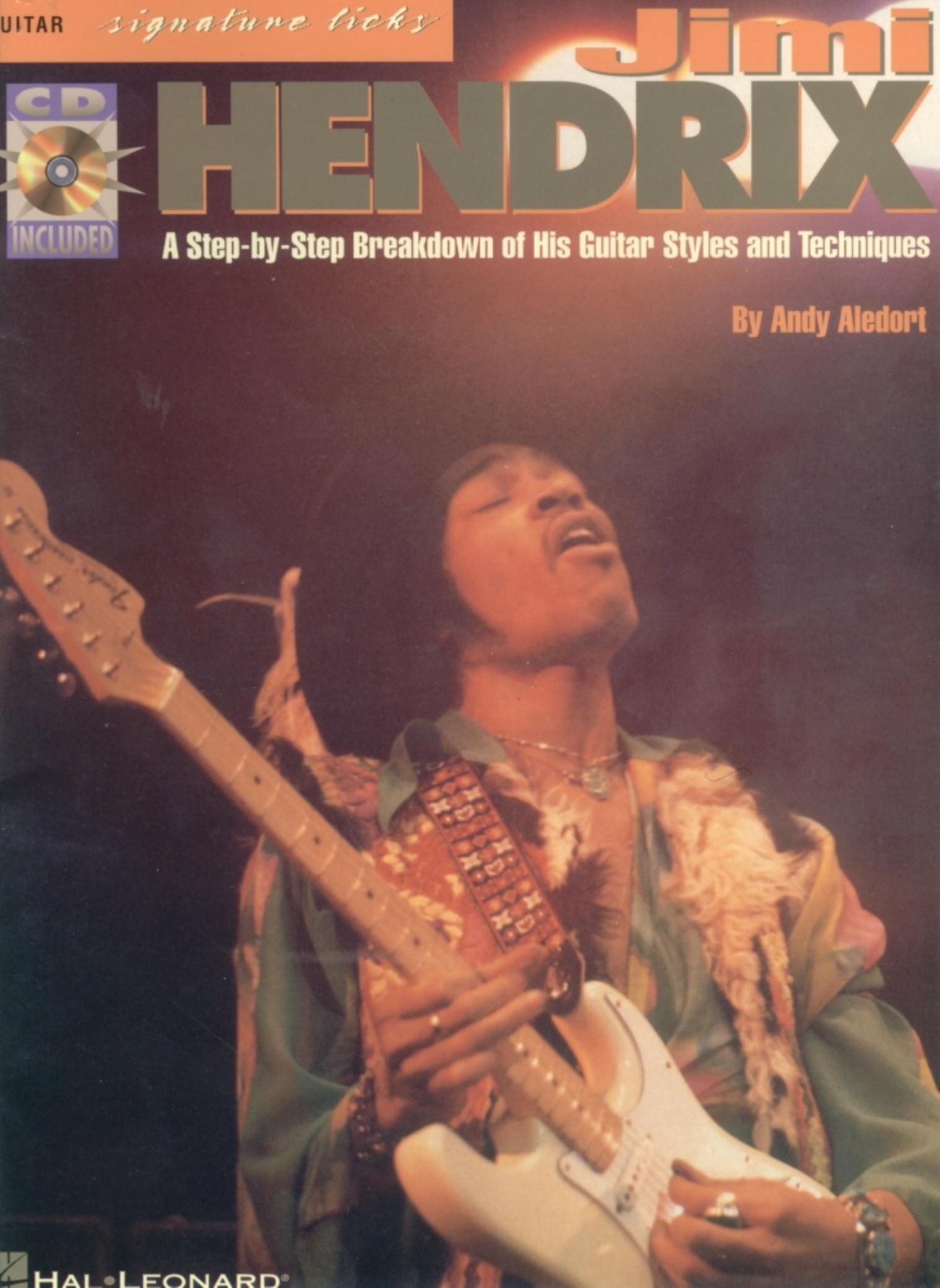

Browse in the Library:
Or browse in the categories menus & download the Library Catalog PDF:
Biography: A Gypsy's Brief Journey
Early Life and Struggles (1942-1966)
Born Johnny Allen Hendrix on November 27, 1942, in Seattle, Washington (later renamed James Marshall by his father), his childhood was marked by poverty and instability. His parents' tumultuous relationship and his mother's early death deeply affected him. He found solace in music, initially playing a one-string ukulele before acquiring an acoustic guitar at 15. A left-hander, he taught himself to play on a right-handed guitar, flipping it upside down and re-stringing it—a setup that would become iconic.
Please, subscribe to our Sheet Music Library.
If you are already a subscriber, please, check our NEW SCORES' page every month for new sheet music. THANK YOU!
His formative years were a grueling apprenticeship in the Chitlin' Circuit, the network of venues safe for African-American entertainers during segregation. He played as a sideman for titans of R&B and soul, including The Isley Brothers, Little Richard, and King Curtis. These tours were a crucible, honing his stagecraft, rhythm chops, and showmanship. However, his flamboyant style and desire to step into the spotlight often clashed with bandleaders like Little Richard, who had strict rules for his musicians. Frustrated and ambitious, Hendrix eventually moved to New York City's Greenwich Village, where he formed his own band, Jimmy James and the Blue Flames, and began to fuse his blues and R&B roots with the folk-rock and nascent psychedelic sounds of the era.
Discovery and the British Launch (1966-1967)
The turning point came in 1966 when former Animals bassist Chas Chandler saw Hendrix perform at the Cafe Wha? Astounded by his rendition of "Hey Joe," Chandler brought him to London, recognizing that the UK scene was ripe for such a revolutionary talent. Chandler became his manager and quickly assembled a band: the exceptionally empathetic and powerful Jimi Hendrix Experience, with Mitch Mitchell on drums, whose jazz-influenced, explosive style was a perfect match, and Noel Redding on bass, who provided a solid, melodic foundation.
The Experience exploded onto the London scene. Hendrix's flamboyant fashion, magnetic stage presence, and utterly unprecedented guitar work captivated the city's elite, including The Beatles, The Rolling Stones, and Eric Clapton, whom he famously upstaged in a jam session by playing Howlin' Wolf's "Killing Floor" with his teeth. His first single, a ferocious cover of "Hey Joe," was a hit, but it was the follow-up, "Purple Haze," that served as a manifesto for a new sonic order.
The Zenith: Monterey, Woodstock, and Studio Mastery (1967-1970)
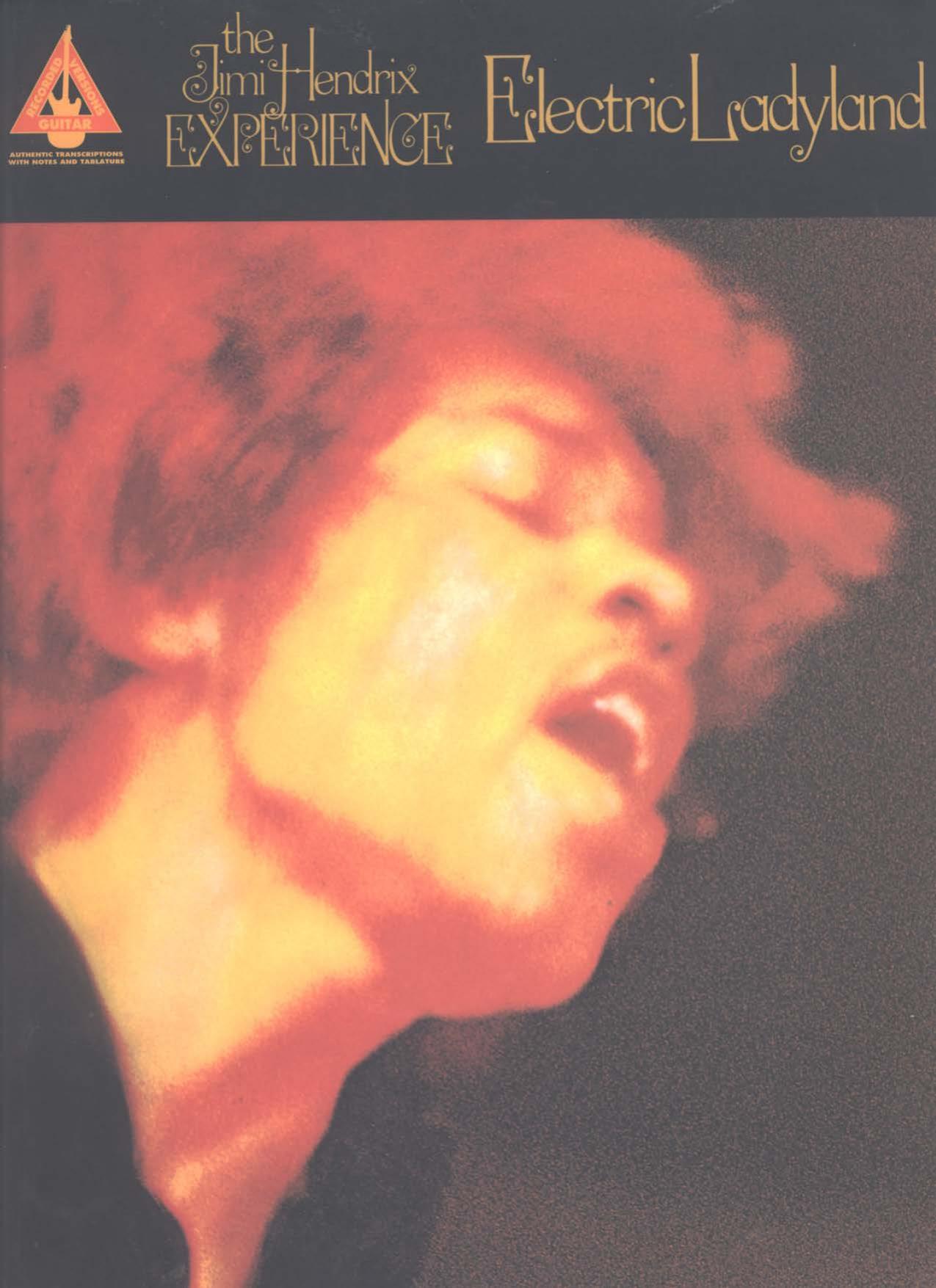
The Experience's incendiary performance at the Monterey Pop Festival in June 1967 was their American debut and a cultural landmark. Hendrix's ritualistic sacrifice of his guitar at the end of a set that included a possessed version of "Wild Thing" made him an instant legend. The following two years were a whirlwind of prolific creativity: three groundbreaking studio albums with the Experience—Are You Experienced (1967), Axis: Bold as Love (1967), and Electric Ladyland (1968).
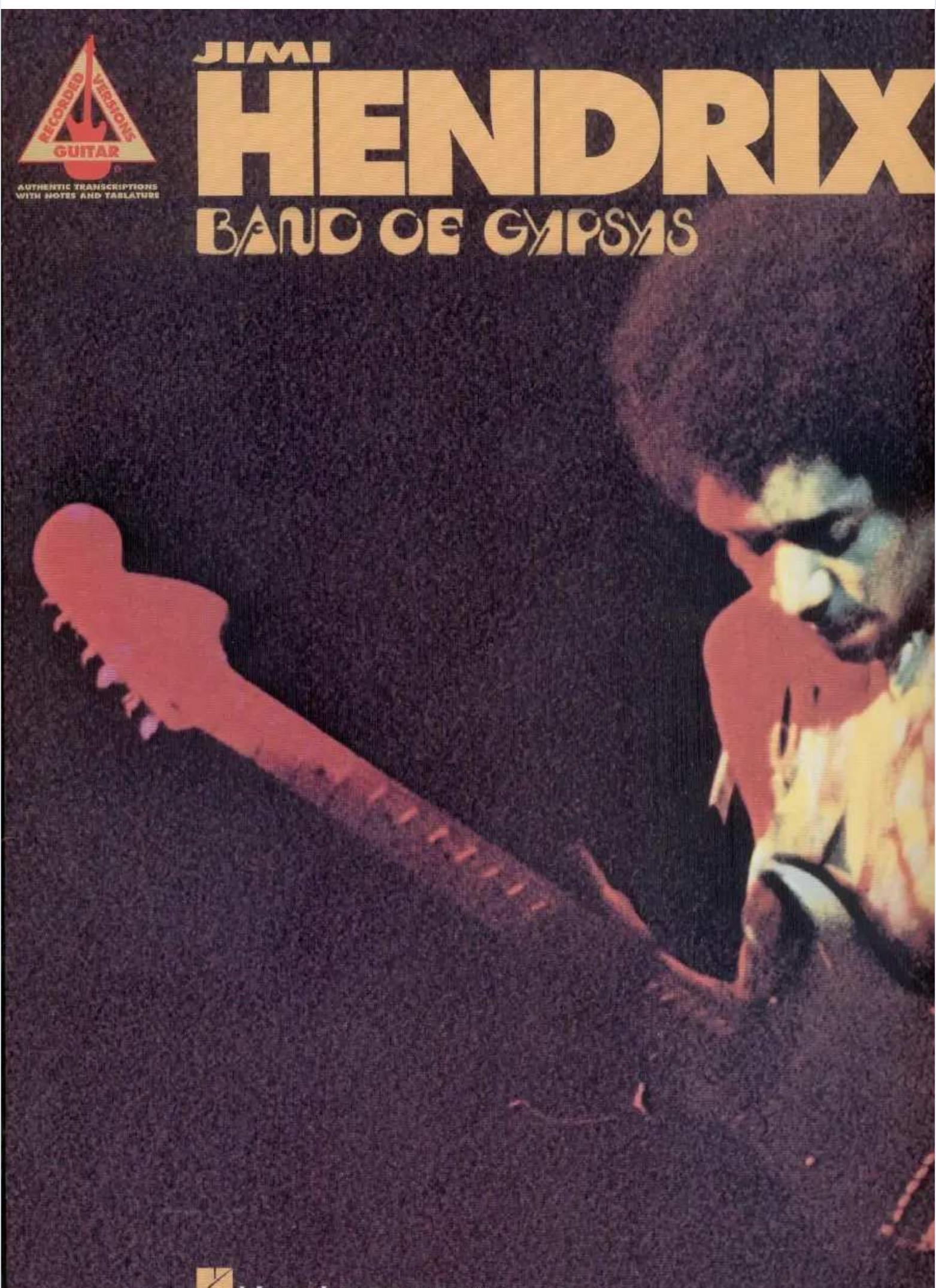
By 1969, internal pressures and touring exhaustion led to the breakup of the original Experience. Hendrix's vision was expanding beyond the power-trio format. He formed a new, larger, and more rhythmically diverse group called the Band of Gypsys, with bassist Billy Cox (an old army friend) and drummer Buddy Miles. This all-Black ensemble delved deeper into funk, soul, and extended improvisational jams, as captured on the live album Band of Gypsys (1970).
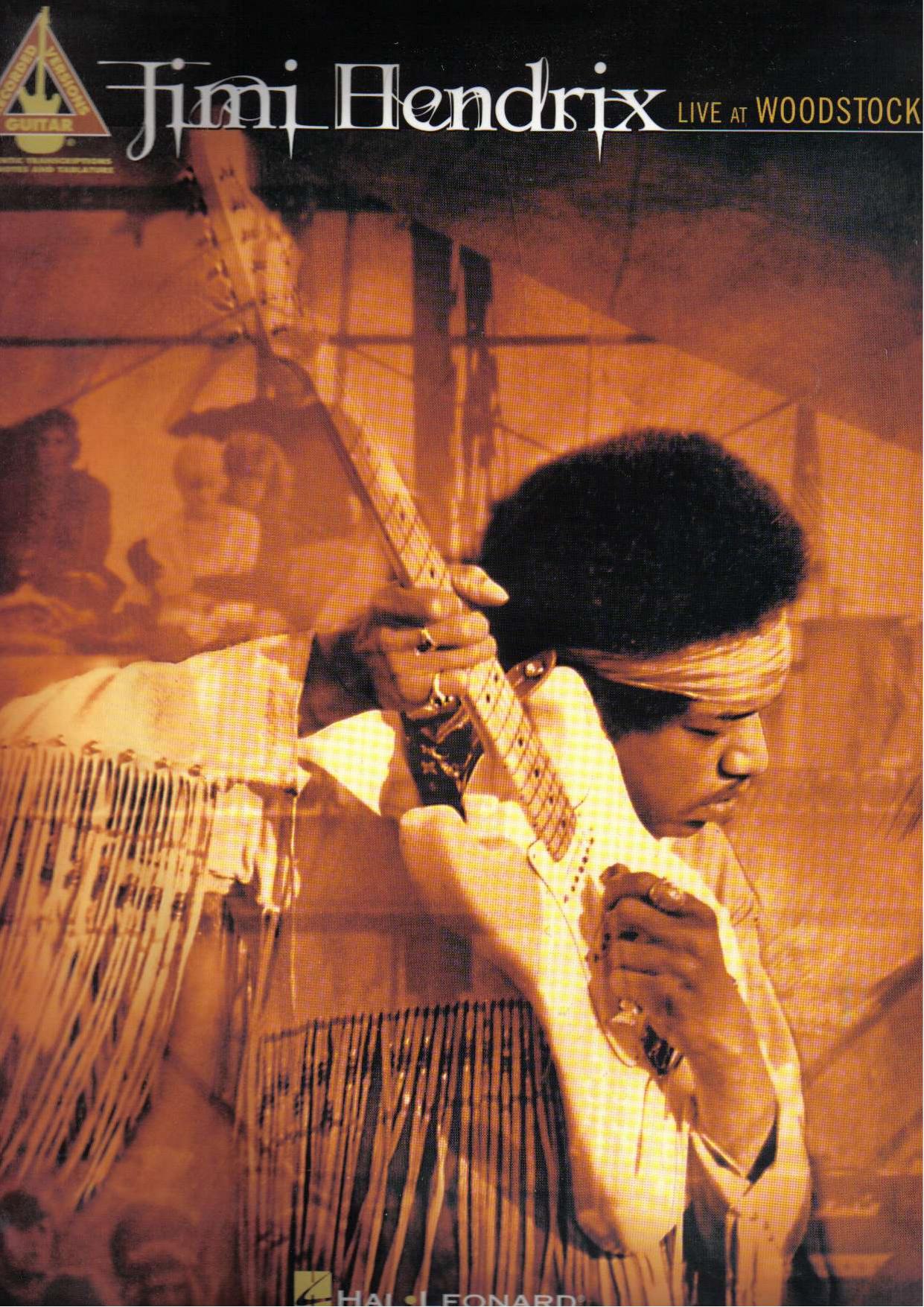
His performance at the Woodstock Festival in August 1969 became one of the most iconic moments in rock history. His sprawling, feedback-drenched, and politically charged rendition of "The Star-Spangled Banner" was a searing commentary on the Vietnam War and the state of America, transforming a national anthem into a scream of anguish and chaos.
Tragic End and Legacy
The final year of his life was a period of immense creative flux and personal struggle. He was working on a ambitious double album tentatively titled First Rays of the New Rising Sun, which promised to be his most mature and diverse work. However, on September 18, 1970, Jimi Hendrix was found dead in a London flat, having asphyxiated on his own vomit after taking sleeping pills. He was 27 years old. His death, a tragic accident, silenced one of the most vital and innovative voices in modern music, leaving behind a legacy of what might have been and a body of work that continues to inspire and astonish.
The Jimi Hendrix Experience - All Along The Watchtower (Official Audio)
Official Audio for "All Along The Watchtower" by The Jimi Hendrix Experience.
Music Style and Improvisational Licks: The Architecture of Sound
Hendrix's style was a holistic synthesis of multiple elements, creating a voice that was instantly recognizable and impossible to replicate.
The Sonic Palette:
- Roots in Blues and R&B: His foundation was the deep, emotional vocabulary of the blues—the bent notes of B.B. King, the raw slide of Elmore James, the rhythmic chug of Jimmy Reed. He could play straight blues with heartbreaking authenticity ("Red House," "Voodoo Chile").
- Soul and Funk Rhythm: His years on the Chitlin' Circuit gave him an unparalleled sense of rhythm. His rhythm playing wasn't just accompaniment; it was a lead instrument in itself, full of syncopated chords, percussive muting, and choppy, James Brown-inspired funk ("Machine Gun," "Little Miss Lover").
- Psychedelic Exploration: Hendrix used the studio as an instrument and effects like the wah-wah pedal, Uni-Vibe, Octavia, and fuzz face to create swirling, otherworldly textures. He didn't just use distortion; he orchestrated it, controlling feedback and harmonic overtones to create beautiful, dissonant soundscapes ("Third Stone from the Sun," "1983… A Mermaid I Should Turn to Be").
Improvisational Licks and Techniques:
Hendrix's lead playing was a language built from distinct phrases and physical techniques:
- The "Hendrix Chord" (7#9): The E7#9 chord, famously used in "Purple Haze," has a biting, dissonant quality because it contains both the major and minor third (the defining notes of a chord). This "split" personality created a sense of tension and ambiguity that became a hallmark of his rhythm and lead playing.
- Double-Stops and Bends: He frequently played melodic lines using double-stops (two notes at once), bending the lower note while keeping the higher note static, creating a rich, vocal-like harmony. This is evident in the solos of "The Wind Cries Mary" and "Little Wing."
- Thumb-over-the-Neck Technique: As a left-handed player using a right-handed guitar, his fretting hand thumb was often draped over the top of the neck to fret the low E string. This allowed him to play bass notes with his thumb while using his fingers to play chords and melodies, effectively acting as his own rhythm section. This technique is crucial to the funk riff of "Foxey Lady."
- Wah-Wah as a Vocal Proxy: Hendrix didn't just use the wah-wah for a "wacka-wacka" sound. He used it to articulate phrases, making his guitar literally talk and cry. His solos in "Voodoo Child (Slight Return)" and "Still Raining, Still Dreaming" are masterclasses in using the pedal for expressive, vocal inflection.
- Tapping and Feedback Manipulation: He was a pioneer of two-handed tapping, as heard in the intro to "Stars That Play with Laughing Sam's Dice," long before it became a common technique. More profoundly, he learned to control amplifier feedback, using the guitar's proximity to the speakers to sustain notes indefinitely and create melodic overtones, turning a technical problem into an artistic tool.
Cooperation with Other Artists
While the Experience was his primary vehicle, Hendrix was a prolific collaborator.
- The Experience (Mitch Mitchell & Noel Redding): This was the foundational partnership. Mitchell's jazz-inspired, Keith Moon-like explosiveness pushed Hendrix to new heights of rhythmic freedom, while Redding's solid bass provided the anchor.
- Billy Cox & Buddy Miles (Band of Gypsys): This collaboration brought a heavier, funkier, and more soulful dimension to his music. Cox's deep, warm bass tone was a perfect match, and Miles' powerful, gospel-inflected drumming and vocals added a new communal vibe, as on the funk epic "Who Knows" and the soul ballad "Changes."
- Key Jams and Guest Appearances: He famously jammed with Cream, stunning Eric Clapton. He played on sessions for Stephen Stills and Love's Arthur Lee. His most significant recorded collaboration was with Jazz organist Larry Young and guitarist John McLaughlin on the posthumously released "Jam 292," a fiery glimpse into a potential jazz-rock fusion future. His friendship and mutual admiration with Bob Dylan was profound; Hendrix's cover of "All Along the Watchtower" is arguably the definitive version, which Dylan himself acknowledged.
Chord Progressions and Music Harmony
Hendrix's approach to harmony was as innovative as his technique. He moved far beyond standard blues and rock progressions.
- Embellished Simplicity: He would take a simple progression, like the 12-bar blues, and enrich it with passing chords, sus4 chords, and chromatic movements. "Red House," while a standard blues, is filled with elegant, jazzy passing chords.
- Modal and Diatonic Exploration: "Little Wing" is a masterclass in diatonic harmony. It floats on a bed of chords all derived from the E major scale (Em, G, A, C, D), creating a dreamy, timeless feel without a strong tonal center. "One Rainy Wish" similarly uses lush, moving chord progressions that feel more like impressionist music than rock.
- Voice Leading and Inversions: He was a master of voice leading—moving between chords by stepwise motion in the individual notes. The intro to "Bold as Love" features a beautifully descending chord sequence where the highest note of each chord moves melodically, creating a cascading effect.
- Bass-Line Melody: Many of his riffs are built around a moving bass line under static chords. The iconic riff of "The Wind Cries Mary" is a simple E-A-B progression, but the descending bass line (E-D#-D-C#-B) under the E chord is what gives it its melancholic, sophisticated character.
Influences and Legacy
Influences on Hendrix:
His sound was a melting pot of American music: the blues of Muddy Waters, B.B. King, and Robert Johnson; the raw rock 'n' roll of Chuck Berry and Elvis Presley; the soul of Curtis Mayfield and Booker T. & the M.G.'s; and the folk poetry of Bob Dylan.
Hendrix's Legacy:
His impact is immeasurable and can be heard across virtually all genres of guitar-based music.
- Guitar Virtuosity: He paved the way for every shredder, funk master, and experimental guitarist who followed. Eddie Van Halen, Stevie Ray Vaughan, Prince, John Frusciante, and Lenny Kravitz are just a few who are unthinkable without his blueprint.
- Studio Innovation: His work on Electric Ladyland demonstrated that the recording studio itself could be a compositional tool, inspiring artists from The Beatles (on The White Album) to modern producers in hip-hop and electronic music.
- The Archetype: He cemented the image of the guitar hero as a shamanic, charismatic figure. He also broke racial barriers in rock, becoming one of the first Black artists to achieve massive crossover success and claim the role of a rock icon, previously a predominantly white domain.
Works, Filmography, and Discography
Most Known Compositions and Performances:
- "Purple Haze": The psychedelic anthem.
- "The Wind Cries Mary": A poetic, soulful ballad.
- "Hey Joe": His first hit, a dark, brooding rocker.
- "Foxey Lady": A quintessential fuzz-rock riff.
- "Fire": A high-energy, driving rock number.
- "Little Wing": A beautiful, lyrical masterpiece.
- "Voodoo Child (Slight Return)": The ultimate psychedelic blues.
- "All Along the Watchtower": The definitive re-imagining of a Dylan classic.
- "Machine Gun": A powerful, anti-war sonic documentary.
- "Star-Spangled Banner" (Woodstock): A cultural and political statement.
Core Discography (Studio Albums released during his lifetime):
- Are You Experienced (1967)
- Axis: Bold as Love (1967)
- Electric Ladyland (1968)
- Band of Gypsys (1970) - Live Album
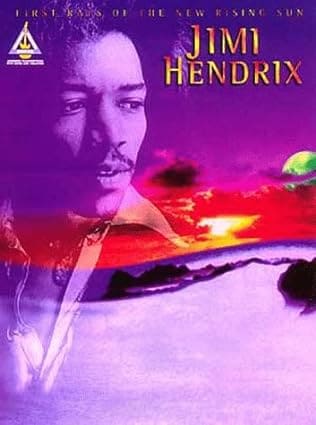
Numerous posthumous compilations and archives have been released, with the most significant being The Cry of Love (1971), First Rays of the New Rising Sun (1997, an attempt to realize his final album vision), and the expansive Winterland and Miami Pop Festival box sets.
Filmography:
While no definitive biopic was made during his life, his presence is captured in key documentaries and performances:
- Monterey Pop (1968) - D.A. Pennebaker's film features the legendary performance.
- Jimi Plays Berkeley (1971) - Captures a 1970 concert.
- Jimi Hendrix (1973) - A documentary by Joe Boyd and John Head.
- Experience: Jimi Hendrix (2012) - A comprehensive documentary featuring rare archive footage.
- Jimi: All Is by My Side (2013) - A controversial biographical film covering his pre-fame year in London.
Jimi Hendrix: The Eternal Rising Sun
Jimi Hendrix's life was a supernova—brilliant, transformative, and devastatingly brief. He stood at a cultural crossroads, channeling the blues of the past, the turbulence of the present, and the limitless possibilities of the future through his Fender Stratocaster. He was not just a guitarist; he was a composer, a poet, a visionary, and a symbol of liberation.
More than fifty years after his death, his music retains its visceral power, its soulful depth, and its awe-inspiring innovation. He remains the undisputed master of the electric guitar, a vortex of sound, soul, and psychedelia whose light continues to guide and inspire generations of musicians and listeners, forever the new rising sun on the horizon of modern music.
Search your favorite sheet music in the Sheet Music Catalog
Listen to Jimi Hendrix music on Spotify
Can Jimi Hendrix be considered a Jazz musician?
This is a fascinating and complex question that music scholars and fans have debated for decades. The short answer is: No, Jimi Hendrix was not a Jazz musician in the traditional or purist sense. However, he was profoundly jazz-inflected, used core jazz principles in his music, and was on an undeniable trajectory toward a new form of jazz-rock fusion at the time of his death.
To call him a jazz musician would be an oversimplification that ignores his foundational roots in rock, blues, and R&B. But to ignore his deep connections to jazz is to misunderstand a critical dimension of his artistry.
Here’s a detailed breakdown of the argument from both sides.
The Case Against Him Being a Jazz Musician
- Primary Genre Affiliation: Hendrix was, first and foremost, a rock artist. He rose to fame in the rock world, used the instrumentation of a rock power trio (electric guitar, bass, drums), and his song structures, while often innovative, were largely based on blues, rock, and psychedelic forms. His record labels, audiences, and cultural impact were squarely within the rock sphere.
- Lack of Adherence to Jazz Standards and Forms: A core part of being a jazz musician is engaging with the Great American Songbook—playing standards by composers like Gershwin, Porter, and Rodgers & Hart—and using them as a framework for improvisation. There is no record of Hendrix performing "Autumn Leaves," "All the Things You Are," or "Stella by Starlight" in a jazz context. His compositions were original or drawn from the blues and rock canon (e.g., "Hey Joe," "Killing Floor").
- Rhythmic Foundation: While his drummer, Mitch Mitchell, had a jazz background, the fundamental rhythmic pulse of most Hendrix songs is a heavy, backbeat-driven rock or funk groove, not the swinging pulse of jazz. Tracks like "Purple Haze," "Foxey Lady," and "Crosstown Traffic" are unambiguously rock songs.
The Overwhelming Case For His Jazz Sensibility
This is where the argument becomes compelling. Hendrix may not have played jazz, but he operated on principles that are the very heart of jazz.
- Improvisation as a Core Principle: Jazz is built on spontaneous creation. For Hendrix, improvisation was not just a guitar solo in the middle of a song; it was the essence of his performance. His live versions of songs like "Red House," "Machine Gun," and "Voodoo Child (Slight Return)" could stretch to 15-20 minutes, becoming entirely new compositions each night. This approach—using a song as a mere starting point for exploration—is a fundamentally jazz concept.
- Harmonic Sophistication: Hendrix's harmony went far beyond the simple I-IV-V progressions of rock and blues.
- The "Hendrix Chord" (7#9): This chord (e.g., E7#9 in "Purple Haze") is a staple of jazz, known for its dissonant, "blue" quality because it contains both the major and minor third.
- Chord Voicings and Voice Leading: He used extended chords (9ths, 13ths, sus4) and moved between them with a sophisticated sense of voice leading that was more akin to bebop pianists than rock guitarists. Listen to the intro to "The Wind Cries Mary" or the entirety of "Little Wing"—the way the chords flow into one another is deeply informed by jazz harmony.
- Collaboration with Jazz Musicians: His most significant move toward jazz was the formation of the Band of Gypsys and his planned future collaborations.
- Mitch Mitchell: His Experience drummer was heavily influenced by Elvin Jones (John Coltrane's drummer) and played with a polyrhythmic, explosive style that was pure jazz, providing a turbulent, interactive canvas for Hendrix to play over.
- Billy Cox and Buddy Miles: The Band of Gypsys lineup leaned heavily into extended funk jams, a direct precursor to the jazz-funk of the 1970s. Tracks like "Who Knows" and "Machine Gun" are masterclasses in group improvisation.
- Planned Collaborations: At the time of his death, Hendrix was in discussions to record with the godfather of modern jazz himself, Miles Davis. Miles, who was pioneering jazz fusion with albums like Bitches Brew, saw Hendrix as a kindred spirit. This collaboration would have undoubtedly cemented Hendrix's place in the jazz canon. He also jammed with jazz luminaries like guitarist Larry Coryell and organist Larry Young.
- Instrumental Technique as "Horn-Like" Phrasing: Jazz improvisation is often modeled on the human voice and wind instruments. Hendrix's use of the wah-wah pedal was revolutionary because he used it not just as an effect, but as an expressive, vocal proxy, mimicking the cry of a saxophone or trumpet. His fluid, legato lines and breath-like phrasing are hallmarks of a jazz approach.
- The Evidence of His Final Work: The music he was working on for First Rays of the New Rising Sun points decisively toward a jazz-rock fusion direction. The sprawling, harmonically complex instrumentals and the expansive structures of these unfinished tracks suggest he was moving beyond the 3-minute rock song format entirely.
Conclusion: A Jazz Musician by Spirit, Not by Category
So, can we consider Jimi Hendrix a Jazz musician?
- Formally, no. He did not work within the established traditions, repertoire, and social circles of jazz.
- Spiritually and musically, absolutely yes.
He embodied the most important tenet of jazz: the primacy of spontaneous, personal expression. He used advanced jazz harmony, practiced ferocious group improvisation, and was building a new musical language that fused the power of rock with the harmonic and improvisational freedom of jazz.
Jimi Hendrix was a category of one. He was a bluesman, a rock icon, a psychedelic shaman, and a nascent fusion pioneer. To force him into the "jazz" box is reductive, but to deny the profound jazz sensibility that animated his every note is to miss the point of his genius entirely. He wasn't a jazz musician, but he was one of the most jazz-like thinkers to ever pick up a guitar.