
Table of Contents
Community Musicians, building a worldwide Community Music.
All the music you want to play on one site. Sharing the world’s best Contemporary, Jazz, Popular, Film, and Classical Sheet Music.
Scores for all instruments: over 15,000
(active and growing), over 231,000 pages.
All genres, styles, and instruments — Jazz & Blues, Rock & Pop, Classical & Contemporary, Film & Musicals;
books, methods, études, play-along tracks (MP3) for Jazz & Rock.
Access & benefits: $15.99 one-time payment, valid for lifetime.
How to Join — 🔍 Search the Catalog — FAQs — Join Us
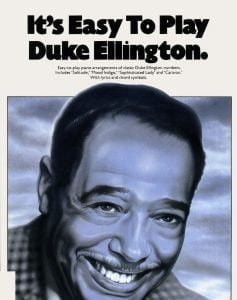
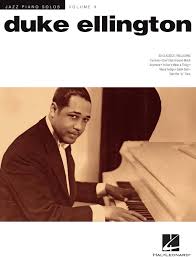
In a sentimental mood by Duke Ellington (piano solo) with sheet music
Search your favorite sheet music in the Sheet Music Catalog
Please, subscribe to our Sheet Music Library.
If you are already a subscriber, please, check our NEW SCORES’ page every month for new sheet music. THANK YOU!
Browse in the Library:
Or browse in the categories menus & download the Library Catalog PDF:
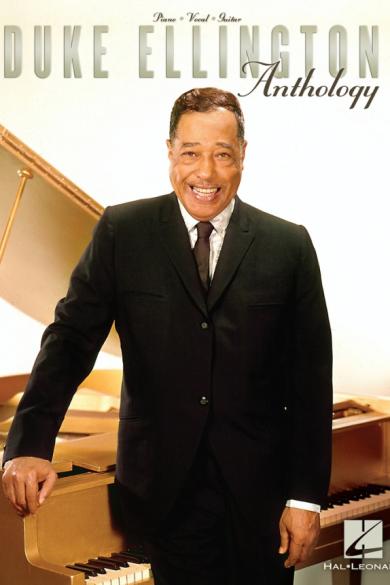
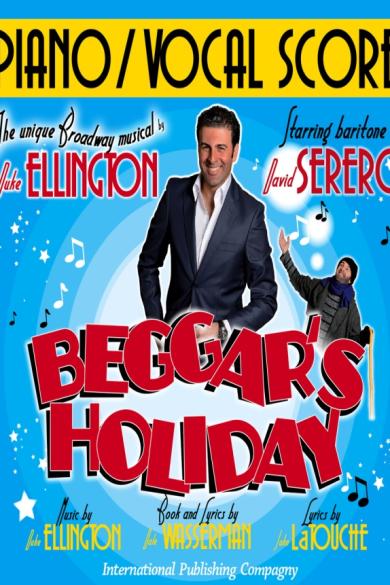

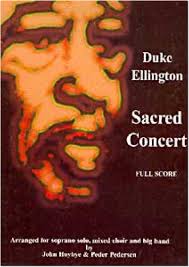
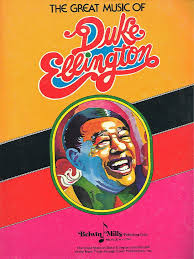

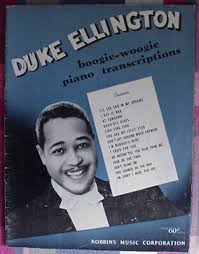
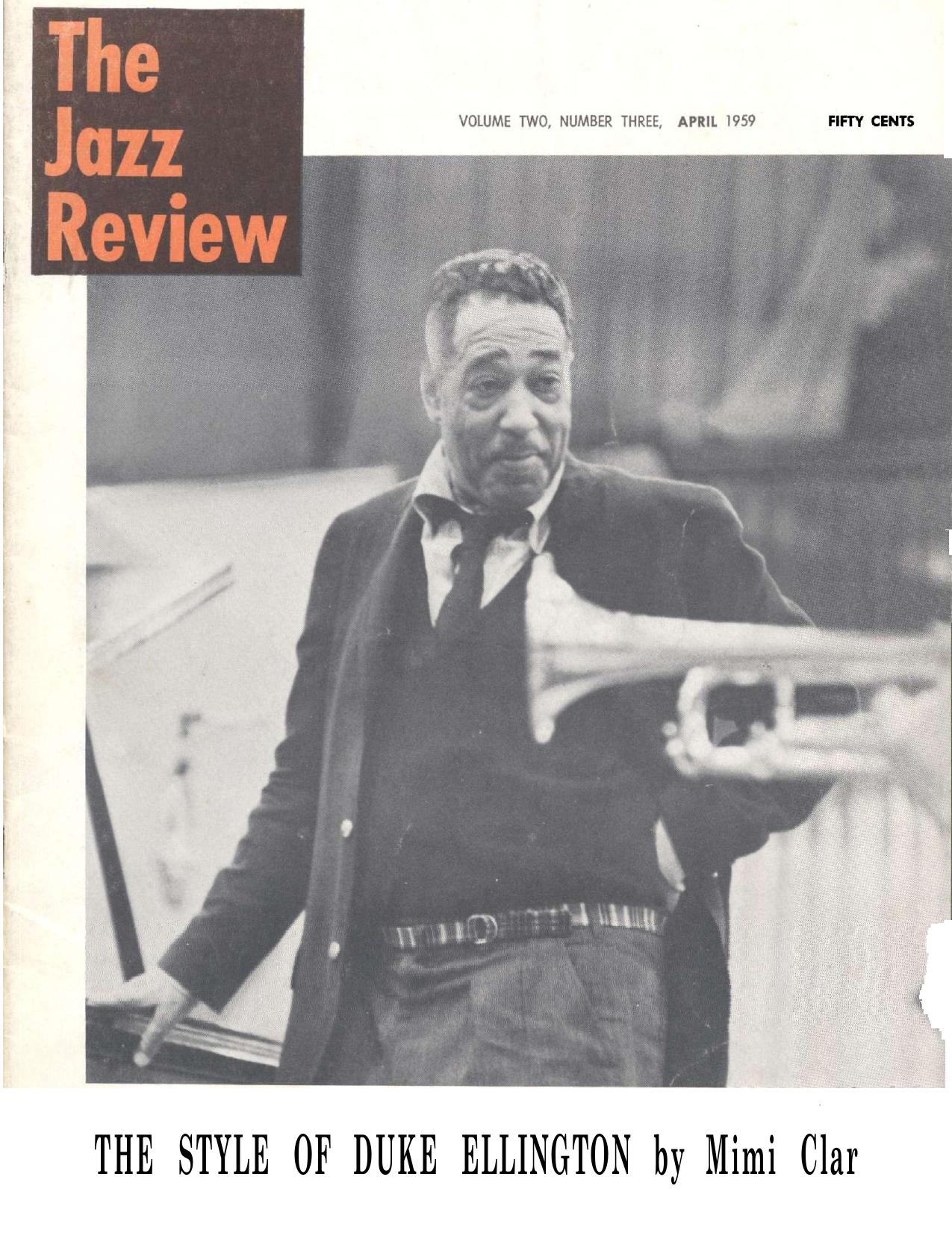


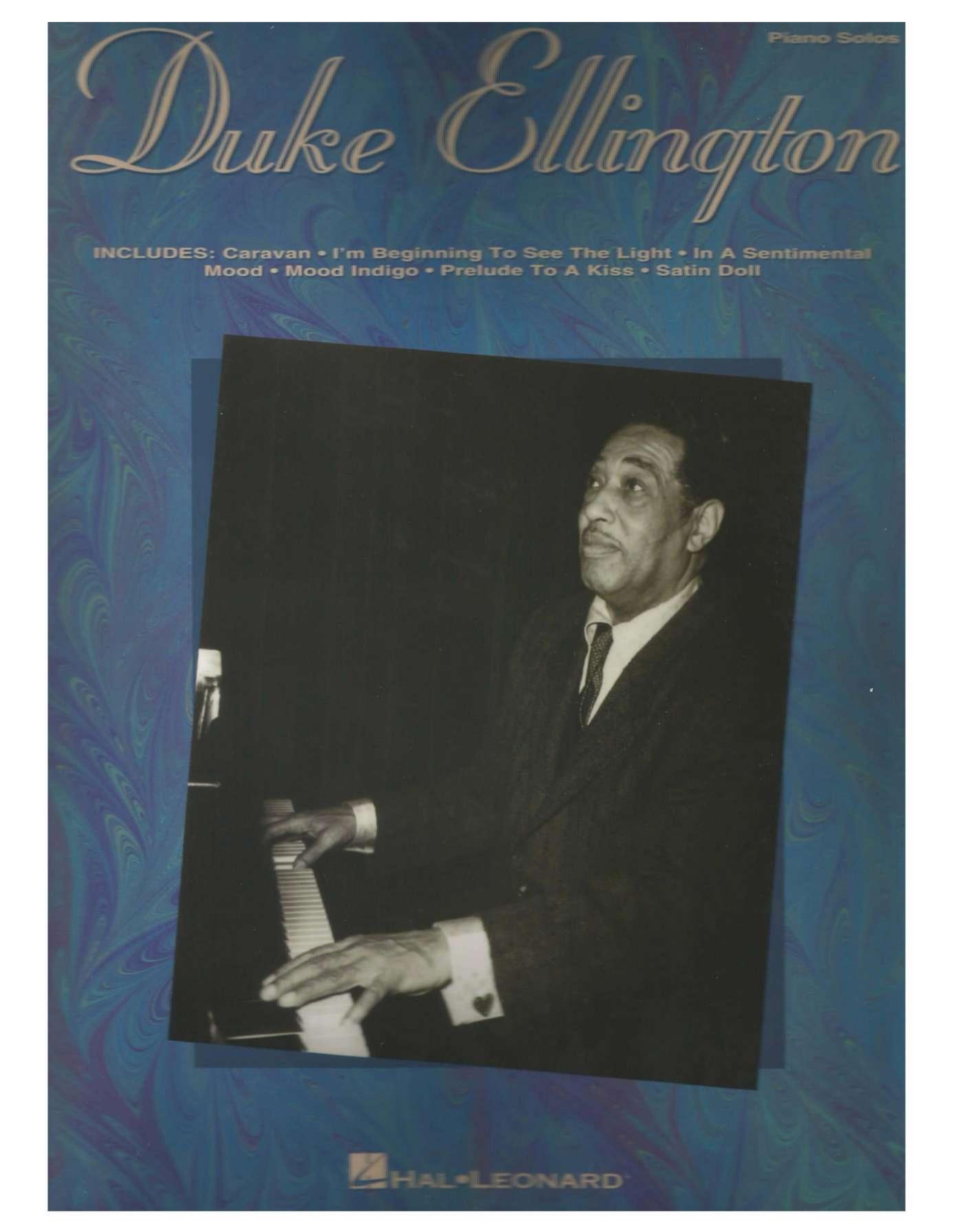

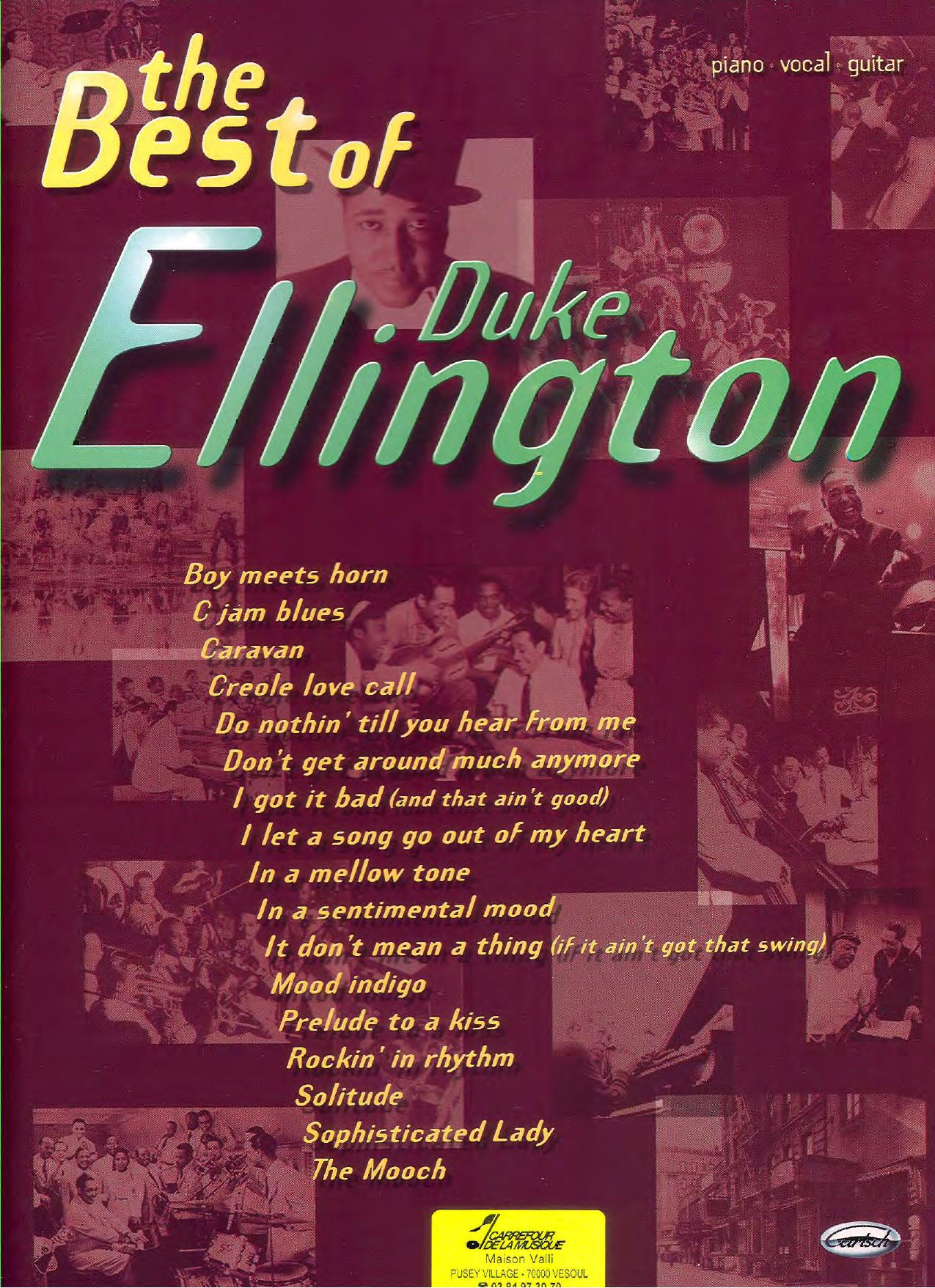

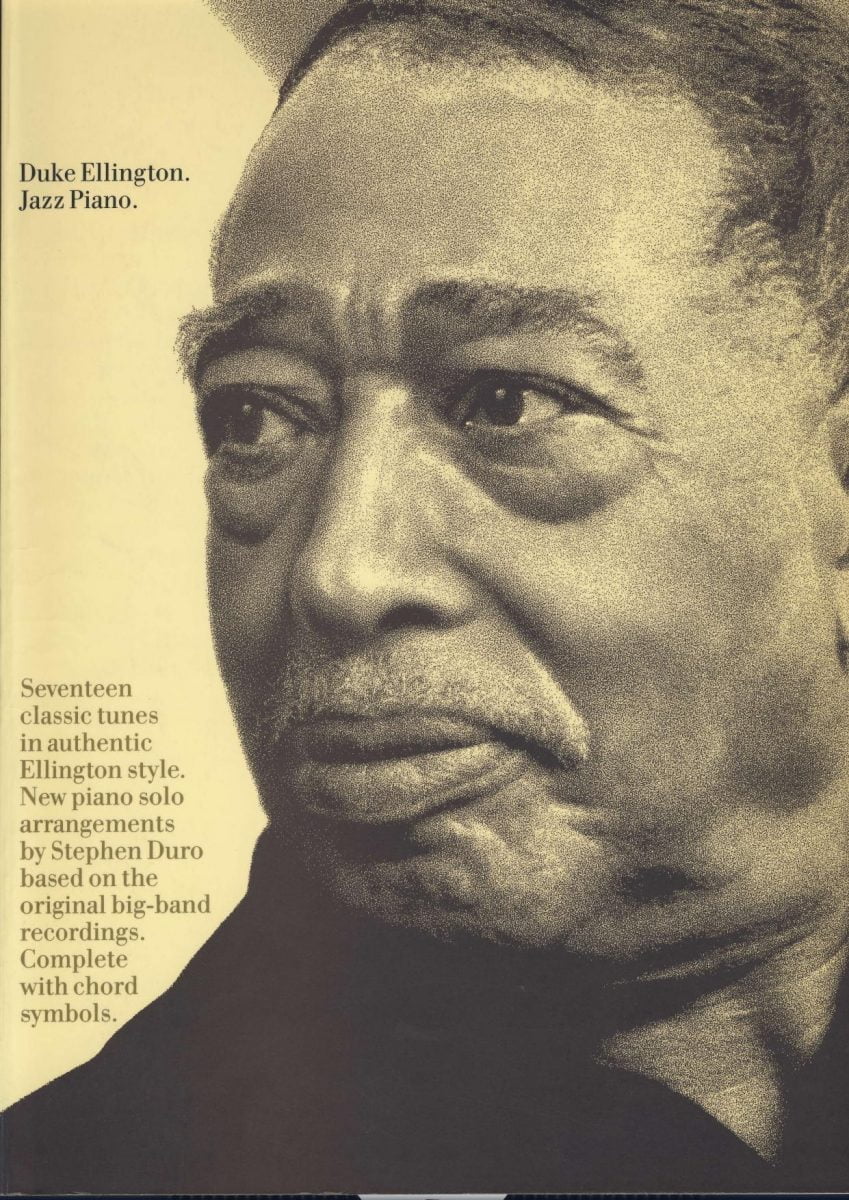
Search your favorite sheet music in the category of Jazz, Blues, Soul, & Gospel.
Who was Duke Ellington?
Duke Ellington (1899–1974) was an American composer, pianist, and big-band leader who became one of the most influential figures in jazz history. His career spanned over 50 years, during which he elevated jazz to an art form through his sophisticated compositions, innovative arrangements, and charismatic leadership.
1. Musical Identity
- He was not just a jazz musician but a composer who used the jazz orchestra as his palette. He often said, “I don’t write jazz, I write American music.”
- His band, The Duke Ellington Orchestra, was his primary instrument and creative laboratory, featuring legendary soloists like Johnny Hodges (saxophone), Cootie Williams (trumpet), and Jimmy Blanton (bass).
2. Signature Style and Innovations
- Jungle Style: Early in his tenure at Harlem’s Cotton Club (1927–1931), he developed a lush, exotic sound featuring growling brass and muted trumpets.
- Extended Compositions: He pushed beyond the three-minute recording limit with works like “Black, Brown and Beige” (1943), a tone poem portraying African American history.
- Musical Portraits: He wrote pieces inspired by individuals (“Portrait of Louis Armstrong”), places (“Harlem Air Shaft”), and even trains (“Daybreak Express”).
3. Key Compositions and Collaborations
- Standards: He wrote over 1,500 pieces, including timeless classics like “Take the ‘A’ Train” (by Billy Strayhorn, his close collaborator), “Mood Indigo,” “Sophisticated Lady,” “It Don’t Mean a Thing (If It Ain’t Got That Swing),” and “Satin Doll.”
- Sacred Concerts: In later years, he composed spiritual music performed in cathedrals.
- Collaborator with Billy Strayhorn: Strayhorn was his arranger, co-writer, and alter ego, contributing immensely to the band’s book and sound.
4. Cultural Impact and Legacy
- Ambassador of Jazz: He toured globally, including State Department-sponsored tours during the Cold War, spreading jazz as a cultural symbol of America.
- Civil Rights Symbol: He subtly advanced racial pride through his music and stature, refusing to play segregated venues when possible.
- Awards: Received the Presidential Medal of Freedom (1969), a Pulitzer Prize Special Citation (1999, posthumously), and 13 Grammy Awards.
- His music blurred boundaries between jazz, classical, blues, and gospel.
5. Personal Style
- Known for his elegant, regal demeanor (hence the nickname “Duke”), articulate speech, and sharp dressing.
Ellington’s genius lay in his ability to blend individual virtuosity with orchestral richness, creating a unique and enduring sound. He remains a towering figure in American music, celebrated for both his artistic ambition and his timeless melodies.
A famous quote of his:
“By and large, jazz has always been like the kind of a man you wouldn’t want your daughter to associate with.” — a wry comment on how jazz was misunderstood, even as he tirelessly worked to elevate its status.