
Come join us now, and enjoy playing your beloved music and browse through great scores of every level and styles!
Can’t find the songbook you’re looking for? Please, email us at: sheetmusiclibrarypdf@gmail.com We’d like to help you!
Table of Contents
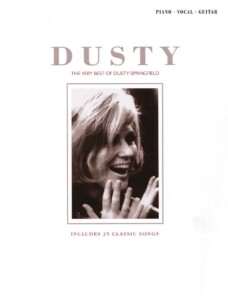
Dusty Springfield The Very Best Of Piano Vocal Guitar Chords
Best Sheet Music download from our Library.
Please, subscribe to our Sheet Music Library.
If you are already a subscriber, please, check our NEW SCORES’ page every month for new sheet music. THANK YOU!
Dusty Springfield: The White Queen of Soul’s Timeless Elegance
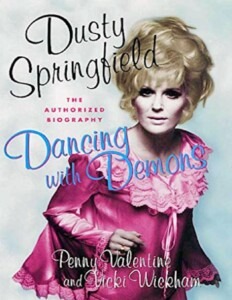
In the pantheon of 20th-century popular music, few figures possess the enigmatic allure, technical mastery, and enduring influence of Dusty Springfield. Born Mary Isobel Catherine Bernadette O’Brien, she transformed herself from a convent girl into a global icon—a beacon of sophisticated soul whose voice, a perfect instrument of husky vulnerability and soaring power, could articulate the deepest nuances of heartbreak, longing, and resilience.
Her journey is one of artistic obsession, personal tumult, and a relentless pursuit of a sound that bridged the Atlantic, leaving behind a legacy that continues to resonate in the DNA of countless artists.
A Full Biography: From Folk to Stardom
Early Life and The Springfields (1939-1963):
Dusty Springfield was born on April 16, 1939, in West Hampstead, London, into a music-loving family. Her early influences were eclectic: American jazz and gospel records listened to clandestinely, alongside the pop and folk of the day. In the early 1960s, she began her professional career in the folk-pop trio The Springfields, alongside her brother Tom. The group achieved significant success in the UK with sunny, harmonized numbers like “Silver Threads and Golden Needles.” However, Dusty felt constrained by the folk idiom. Her true passion was ignited by the raw emotion of the R&B and soul records emerging from the United States—artists like Marvin Gaye, The Shirelles, and especially Aretha Franklin.
Solo Ascent and Defining an Era (1963-1968):
In 1963, she launched her solo career with the electrifying “I Only Want to Be with You.” This was a declaration of intent: a driving beat, a passionate vocal, and the iconic, eye-catching visual of the “Dusty” look—beehive hair, heavy eye makeup, and glamorous gowns. This image, meticulously crafted, became her armor and her brand. A string of classic hits followed: “Wishin’ and Hopin’” (a Bacharach/David cover), “I Just Don’t Know What to Do with Myself,” “You Don’t Have to Say You Love Me” (her first UK #1, adapted from an Italian ballad), and “Son of a Preacher Man.”
This period cemented her as Britain’s greatest female pop star. She was a pioneer in production, working closely with geniuses like Johnny Franz and arranger Ivor Raymonde. She was a perfectionist in the studio, famously demanding multiple takes to capture the exact emotional grain she sought. Her BBC TV series, Dusty (1966-67), showcased her witty personality and her commitment to showcasing Black American soul artists on British television, often against the wishes of network executives—a quietly radical act.
The Memphis Masterpiece and Wilderness Years (1968-1987):
Driven by her passion for authentic soul, Dusty traveled to Memphis in 1968 to record what would become her masterpiece: ‘Dusty in Memphis.’ Produced by Jerry Wexler, Tom Dowd, and Arif Mardin, the album was a conscious effort to place her voice in the heart of the Southern soul scene, backed by the legendary musicians of American Sound Studio. The sessions were difficult for Dusty, who felt intimidated by the environment and struggled with her own perfectionism. Yet, the result was alchemical. While not an immediate commercial blockbuster, the album yielded “Son of a Preacher Man” and has since been canonized as one of the greatest albums of all time—a flawless fusion of pop elegance and soul integrity.
The 1970s were a period of professional uncertainty and personal struggle. She moved to the United States, recorded albums that often failed to capture the public’s imagination (despite gems like 1979’s Living Without Your Love), and grappled with her sexuality and mental health. Her career entered a deep hiatus in the early 1980s.

The Phoenix: Pet Shop Boys and Final Act (1987-1999):
A spectacular resurgence came in 1987 via an unlikely collaboration. The synth-pop sophisticates The Pet Shop Boys, Neil Tennant and Chris Lowe, were ardent fans. They invited her to duet on the dazzling “What Have I Done to Deserve This?,” which became a global top-5 hit, reintroducing Dusty to a new generation. This led to her recording the lush, Pet Shop Boys-produced album ‘Reputation’ (1990), a triumphant comeback that fully embraced contemporary production while showcasing her voice in peak form.
Her final album, ‘A Very Fine Love’ (1995), recorded in Nashville, found her exploring country-soul. Dusty was diagnosed with breast cancer in 1994. She continued to record when able, demonstrating unwavering dedication to her craft. She passed away on March 2, 1999, just weeks before her induction into the Rock and Roll Hall of Fame. In her final public appearance, gaunt but dignified, she was appointed an Officer of the Order of the British Empire (OBE).
Musical Style and Harmonic Sophistication
Dusty Springfield’s style is a unique and profound synthesis. At its core is a deep, abiding soulfulness, but it is filtered through a lens of European pop melodicism and orchestral grandeur.
The Voice: Hers was a contralto of remarkable texture and control. She possessed a smoky, virile lower register that could slip into a fragile, breathy intimacy, then soar into a clear, piercing belt—all without ever losing its essential warmth. Her phrasing was impeccably musical, influenced by jazz and gospel, full of subtle melismas, dynamic shifts, and conversational pauses. She didn’t just sing notes; she acted them, imbuing every lyric with lived-in experience.
Arrangement and Harmony: Dusty and her collaborators, particularly Ivor Raymonde, were masters of dramatic arrangement. They employed sweeping strings, melancholic French horns, baroque harpsichords, and driving rhythmic sections, often within the same song. Harmonies were rich and sophisticated, moving beyond simple pop progressions. A song like “You Don’t Have to Say You Love Me” is built on dramatic, almost operatic, modulations and descending bass lines that amplify the despair in the lyric. The work on Dusty in Memphis is harmonically more sparse and blues-based, but the complexity is in the interaction between her voice and the groove—the way her melodies weave around the Memphis rhythm section’s pocket.
Genre Fusion: She was a quintessential “crossover” artist before the term was commonplace. She took Brill Building pop (“I Just Don’t Know What to Do with Myself”), Italian ballads (“You Don’t Have to Say…”), folk-rock (“The Look of Love”), and pure soul (“Breakfast in Bed”) and fused them into a cohesive, unmistakable “Dusty” sound. Her genius lay in her ability to authenticate any material, making it soulful regardless of its origin.
The Best Songs and Compositions: A Curated Legacy
- “Son of a Preacher Man” (1968): The quintessential Dusty in Memphis track. The slinky, funky groove, the winking, suggestive lyric, and Dusty’s simultaneously coy and commanding vocal performance create pure magic.
- “You Don’t Have to Say You Love Me” (1966): A tour de force of vocal drama. The build from whispered confession to anguished crescendo is one of pop’s great emotional journeys, showcasing her unparalleled ability to convey desperate vulnerability.
- “The Look of Love” (1967): Originally an instrumental for the film Casino Royale, Dusty’s version (with lyrics by Hal David) is the definition of sensual sophistication. Her breathy, intimate delivery over a bossa nova rhythm is spellbinding.
- “I Just Don’t Know What to Do with Myself” (1964): A Bacharach/David masterpiece that Dusty makes entirely her own. The controlled agony in her voice, set against the song’s climbing, restless melody, is devastatingly effective.
- “Breakfast in Bed” (1969): From Dusty in Memphis, this is a masterclass in subtle, grown-up storytelling. The weariness, desire, and complicated morality in her voice are palpable.
- “What Have I Done to Deserve This?” (1987): The perfect comeback. The Pet Shop Boys’ sleek, ironic synth-pop provides a brilliant counterpoint to Dusty’s heartfelt, world-weary vocal, creating a poignant dialogue between eras and styles.
- “Goin’ Back” (1966): A beautiful, poignant rendition of the Goffin/King song about lost innocence. Dusty’s version is less folky and more orchestral, filled with a profound sense of nostalgia and acceptance.
Filmography and Notable Media Appearances
While not a film star, Dusty’s visual presence was crucial to her appeal.
- The Cool Mikado (1963) – A pop adaptation where she appears with The Springfields.
- It’s All Over Town (1964) – A British musical comedy featuring her performance of “Mama Said.”
- Her various television series, especially “Dusty” (BBC, 1966-67), are essential viewing. They capture her wit, her incredible stylistic range as a performer, and her role as a curator of talent, featuring guests like The Supremes, Martha Reeves, and The Temptations.
- She appeared as a guest on countless variety shows on both sides of the Atlantic, from Ready Steady Go! to The Hollywood Palace.
Collaborations with Jazz and Soul Musicians
Dusty’s career is marked by her deep reverence for and collaboration with Black American musicians, particularly in the soul and jazz worlds.
- The Memphis Sessions: The core of Dusty in Memphis featured the legendary Reggie Young (guitar), Tommy Cogbill and Mike Leech (bass), Gene Chrisman (drums), and Bobby Emmons (keys)—the American Sound Studio band that played on countless soul classics. The album’s arrangements were by the jazz-savvy Arif Mardin.
- Duets and Sessions: She recorded a stunning version of “Willie & Laura Mae Jones” with Dr. John providing his distinctive New Orleans piano and vocals. She worked with Lesley Gore and Madeline Bell (the latter a frequent backing vocalist). Her TV shows were a who’s who of soul and jazz guests.
- Atlantic Records Legacy: By recording at Atlantic with Wexler and Dowd, she inserted herself directly into the lineage of Aretha Franklin, Otis Redding, and Wilson Pickett. She wasn’t an imitator; she was a peer, bringing a different but equally valid cultural perspective to the same musical wellspring.
Influences and Legacy: The Echo of a Voice
Influences: Dusty’s primary muse was African American soul and gospel. Aretha Franklin was her north star. She also absorbed the pop craftsmanship of The Brill Building, the vocal techniques of jazz singers, and the dramatic flair of European chanson.
Legacy: Dusty Springfield’s impact is monumental and multifaceted:
- The Blueprint for the British Soul Singer: She paved the way for every UK female vocalist who followed, from Elton John and Annie Lennox to Amy Winehouse, Adele, Sam Smith, and Joss Stone. She proved that soul was not a geographic trait, but an emotional one.
- The Artist-Auteur in Pop: Her studio perfectionism and hands-on involvement in production and arrangement set a precedent for female artists seeking creative control in a male-dominated industry.
- LGBTQ+ Icon: Living as a closeted lesbian in a less tolerant time, her music—filled with longing, heartache, and survival—became a secret language and a source of strength for generations of LGBTQ+ fans. Her eventual openness about her relationships solidified her status as a trailblazer.
- The Album Artist: Dusty in Memphis transformed her from a hitmaker into an albums artist, demonstrating the power of a cohesive, visionary long-form statement. It remains a touchstone for producers and singers alike.
- Cultural Bridge: She was one of the most important importers of American soul into British pop culture, using her platform to champion the artists she loved.
Dusty Springfield was more than a singer; she was an alchemist of emotion. She took the pain, joy, and complexity of life and distilled it into three-minute symphonies of sublime pop-soul. Her voice, an instrument of breathtaking honesty and technique, continues to speak directly to the heart. In her struggle for authenticity—in her sound, in her art, and in her life—she created a body of work that is timeless, sophisticated, and deeply, unforgettably human. The White Queen of Soul’s crown remains forever untarnished.
Browse in the Library:
Or browse in the categories menus & download the Library Catalog PDF: