Community Musicians, building a worldwide Community Music.
Scores
for all instruments: 15,000+
(active and growing),
over 231,000 pages.
All genres and levels: Jazz & Blues, Rock & Pop, Classical & Contemporary, Film & Musicals;
books & biographies; methods, études, play-along tracks (MP3) for Jazz & Rock.
Access & benefits: US$15.99 one-time payment, valid for lifetime, full Library access.
Table of Contents
Prominent Folk Singers of the Americas: An Academic Overview

Best Sheet Music download from our Library.
Folk music in the Americas constitutes a broad and historically significant musical tradition rooted in oral transmission, collective memory, and social experience. Across North and South America, folk singers have played a crucial role in articulating political dissent, preserving vernacular culture, and expressing regional and national identities. This article presents an overview of twenty-five of the most widely recognized folk singers and folk-related performers from the Americas, including the United States and South American countries. Each figure is examined through three analytical dimensions: biographical context, musical style, and representative works.
Please, subscribe to our Sheet Music Library.
If you are already a subscriber, please, check our NEW SCORES' page every month for new sheet music. THANK YOU!
North American Folk Tradition
1. Woody Guthrie (United States)
Biography: Woody Guthrie (1912–1967) is widely regarded as a foundational figure in American folk music. His songwriting emerged from the socioeconomic conditions of the Great Depression and the Dust Bowl migration.
Musical style: Traditional American folk; protest song.
Representative works: This Land Is Your Land, Pastures of Plenty, Deportee (Plane Wreck at Los Gatos).
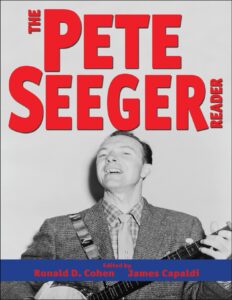
2. Pete Seeger (United States)
Biography: Pete Seeger (1919–2014) was instrumental in the mid-twentieth-century folk revival and in the dissemination of folk music as a vehicle for social activism.
Musical style: Folk revival; protest music.
Representative works: If I Had a Hammer, Where Have All the Flowers Gone?, Turn! Turn! Turn!.
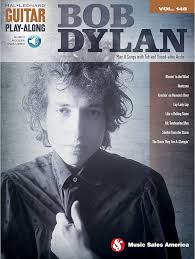
3. Bob Dylan (United States)
Biography: Bob Dylan (b. 1941) redefined folk music in the 1960s through sophisticated lyricism and political commentary, later integrating folk traditions with rock idioms.
Musical style: Folk; folk rock.
Representative works: Blowin’ in the Wind, The Times They Are A-Changin’, Mr. Tambourine Man.
4. Joan Baez (United States)
Biography: Joan Baez (b. 1941) emerged as a leading interpreter of traditional and contemporary folk music and became closely associated with civil rights and anti-war movements.
Musical style: Traditional folk; protest folk.
Representative works: Diamonds & Rust, We Shall Overcome, Donna Donna.
5. Lead Belly (United States)
Biography: Huddie Ledbetter (1888–1949), known as Lead Belly, played a significant role in preserving African American folk, blues, and work-song traditions.
Musical style: Folk blues; work songs.
Representative works: Goodnight, Irene, Midnight Special, Cotton Fields.
6. Odetta (United States)
Biography: Odetta Holmes (1930–2008) was a central voice in the American civil rights era and a major influence on subsequent folk and rock musicians.
Musical style: Folk; spirituals; blues.
Representative works: Take This Hammer, Sometimes I Feel Like a Motherless Child.
7. Arlo Guthrie (United States)
Biography: Arlo Guthrie (b. 1947), son of Woody Guthrie, is best known for narrative folk compositions that combine satire and social critique.
Musical style: Folk; folk rock.
Representative works: Alice’s Restaurant, City of New Orleans.
8. Phil Ochs (United States)
Biography: Phil Ochs (1940–1976) was a prominent topical songwriter whose work directly addressed contemporary political issues of the 1960s.
Musical style: Protest folk.
Representative works: I Ain’t Marching Anymore, Love Me, I’m a Liberal, Changes.
9. John Prine (United States)
Biography: John Prine (1946–2020) was known for his understated vocal delivery and nuanced lyrical portrayals of everyday life.
Musical style: Folk; Americana.
Representative works: Angel from Montgomery, Hello in There, Paradise.
10. Joni Mitchell (Canada / United States)
Biography: Although Canadian-born, Joni Mitchell (b. 1943) is a central figure in North American folk music, distinguished by complex harmonic language and poetic lyricism.
Musical style: Folk; folk-jazz.
Representative works: Both Sides, Now, Big Yellow Taxi, A Case of You.
Browse in the Library:
Or browse in the categories menus & download the Library Catalog PDF:
South American Folk and Nueva Canción
11. Violeta Parra (Chile)
Biography: Violeta Parra (1917–1967) was a folklorist, composer, and performer who played a decisive role in preserving Chilean traditional music.
Musical style: Traditional Chilean folk; Nueva Canción.
Representative works: Gracias a la Vida, Volver a los 17.
12. Mercedes Sosa (Argentina)
Biography: Mercedes Sosa (1935–2009) achieved international recognition as a leading interpreter of Latin American folk and protest music.
Musical style: Argentine folk; Nueva Canción.
Representative works: Alfonsina y el Mar, Todo Cambia, Solo le Pido a Dios.
13. Atahualpa Yupanqui (Argentina)
Biography: Atahualpa Yupanqui (1908–1992) was a seminal composer and guitarist whose work drew extensively on rural and indigenous Argentine traditions.
Musical style: Argentine folk; gaucho music.
Representative works: El Arriero, Los Ejes de Mi Carreta.
14. Víctor Jara (Chile)
Biography: Víctor Jara (1932–1973) was a singer-songwriter and theatre director whose music became emblematic of political resistance in Chile.
Musical style: Nueva Canción; protest folk.
Representative works: Te Recuerdo Amanda, Manifiesto.
15. León Gieco (Argentina)
Biography: León Gieco (b. 1951) combined Argentine folk traditions with rock influences and socially engaged lyrics.
Musical style: Folk rock; Argentine folk.
Representative works: Solo le Pido a Dios, En el País de la Libertad.
16. Inti-Illimani (Chile)
Biography: Inti-Illimani is an influential Chilean folk ensemble associated with Andean music and political exile.
Musical style: Andean folk; Nueva Canción.
Representative works: El Pueblo Unido Jamás Será Vencido, Alturas.
17. Silvio Rodríguez (Cuba)
Biography: Silvio Rodríguez (b. 1946) is a principal figure of the Nueva Trova movement, known for poetic and philosophical songwriting.
Musical style: Nueva Trova; folk.
Representative works: Ojalá, Unicornio.
18. Pablo Milanés (Cuba)
Biography: Pablo Milanés (1943–2022) contributed significantly to modern Cuban folk music through lyrical introspection and melodic clarity.
Musical style: Nueva Trova; folk ballad.
Representative works: Yolanda, El Breve Espacio en Que No Estás.
Additional Influential Figures
19. Buffy Sainte-Marie (Canada / United States)
Biography: Buffy Sainte-Marie (b. 1941) is an Indigenous singer-songwriter whose work addresses Native rights, war, and social justice.
Musical style: Folk; protest folk.
Representative works: Universal Soldier, Until It’s Time for You to Go.
20. Simon & Garfunkel (United States)
Biography: Paul Simon and Art Garfunkel formed a duo known for vocal harmony and literate songwriting during the folk revival era.
Musical style: Folk rock.
Representative works: The Sound of Silence, Scarborough Fair.
21. Elizabeth Cotten (United States)
Biography: Elizabeth Cotten (1893–1987) was a self-taught guitarist whose innovative fingerpicking style gained recognition later in life.
Musical style: Traditional folk; folk blues.
Representative works: Freight Train.
22. Harry Belafonte (United States)
Biography: Harry Belafonte (1927–2023) popularized Caribbean folk and calypso music on a global scale.
Musical style: Folk; calypso.
Representative works: Day-O (Banana Boat Song), Jamaica Farewell.
23. Tracy Chapman (United States)
Biography: Tracy Chapman (b. 1964) emerged in the late twentieth century with socially conscious songwriting rooted in folk traditions.
Musical style: Contemporary folk.
Representative works: Fast Car, Talkin’ ’bout a Revolution.
24. Joan Manuel Serrat (Spain / Latin America)
Biography: Although Spanish, Serrat exerted substantial influence on Latin American folk and protest song movements.
Musical style: Folk; Nueva Canción.
Representative works: Mediterráneo, Cantares.
25. Caetano Veloso (Brazil)
Biography: Caetano Veloso (b. 1942) is a central figure in Brazilian popular music whose work integrates folk traditions with avant-garde elements.
Musical style: Brazilian folk; Música Popular Brasileira.
Representative works: Tropicália, Sozinho.
The folk singers examined in this article demonstrate the diversity and cultural significance of folk traditions across the Americas. Despite regional differences, these artists share a commitment to storytelling, social commentary, and the preservation of musical heritage. Collectively, their contributions underscore folk music’s enduring role as both a cultural archive and a medium for political and artistic expression.