Community Musicians, building a worldwide Community Music.
Scores
for all instruments: 15,000+
(active and growing),
over 231,000 pages.
All genres and levels: Jazz & Blues, Rock & Pop, Classical & Contemporary, Film & Musicals;
books & biographies; methods, études, play-along tracks (MP3) for Jazz & Rock.
Access & benefits: US$15.99 one-time payment, valid for lifetime, full Library access.
Table of Contents
Famous Jazz Guitar Solos (2 Volumes)
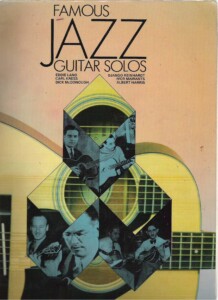
Famous Jazz Guitar Solos arr. by Ivor Mairants (Eddie Lang, Carl Kress, Django Reinhardt, Albert Harris, Dick McDonough)
Best Sheet Music download from our Library.
Contents List Download:
Famous Jazz Guitar Solos Transcriptions 2 (Joe Pass, Ivor Mairants, Wes Montgomery, Charlie Christian, Charlie Byrd) by Ivor Mairants
Please, subscribe to our Sheet Music Library.
If you are already a subscriber, please, check our NEW SCORES' page every month for new sheet music. THANK YOU!
Contents List Download:
Browse in the Library:
Or browse in the categories menus & download the Library Catalog PDF:
Eddie Lang (1902-1933)
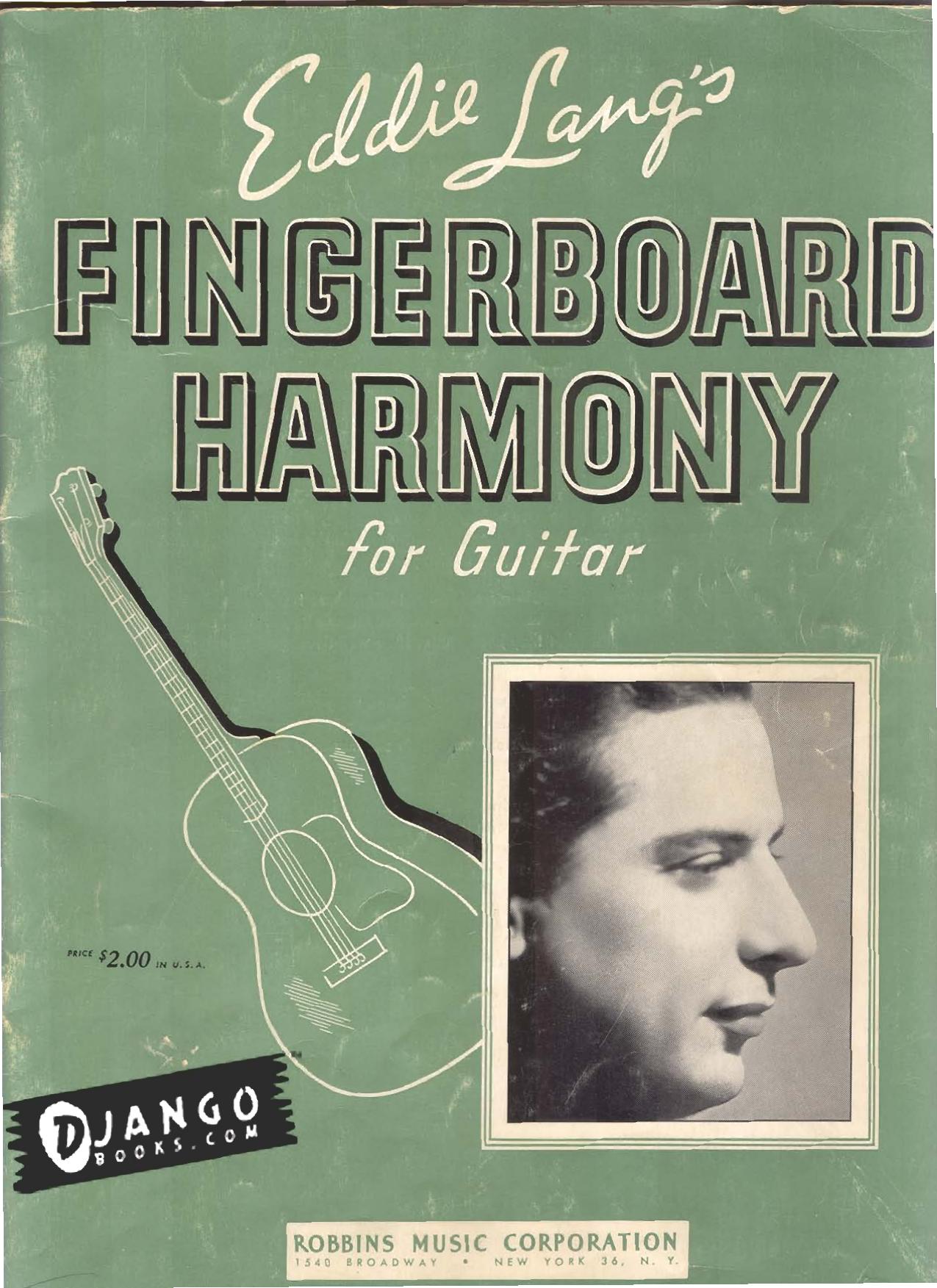
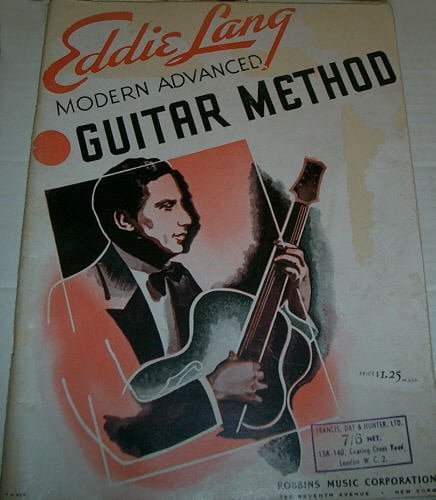
Often called "The Father of Jazz Guitar," Eddie Lang (born Salvatore Massaro) was the first to establish the guitar as a serious jazz instrument. In an era dominated by the banjo, he developed a sophisticated, single-note style that was melodic, swinging, and perfectly suited for ensemble playing and accompaniment. He was the go-to guitarist for many of the biggest stars of the 1920s, including violinist Joe Venuti (his lifelong musical partner), trumpeter Bix Beiderbecke, and singer Bing Crosby. His technical prowess and deep musicality laid the groundwork for every jazz guitarist who followed. His tragic early death during a tonsillectomy at age 30 cut short a brilliant career.
Carl Kress (1907-1965)

Carl Kress was a master of rhythm guitar and a pioneer of a unique, orchestral chordal style. While he was an in-demand studio musician, he is best known for his intricate duets with fellow guitarist Dick McDonough. To avoid competing for the same sonic space, Kress developed a revolutionary approach, tuning his guitar differently and specializing in playing chords on the lower strings, creating a rich, pianistic counterpoint to McDonough's melodies on the higher strings. Their 1934 duet, "Chicken a la Swing," is a landmark in guitar history. Kress continued to refine this sophisticated, self-contained style throughout his career.
Django Reinhardt (1910-1953)
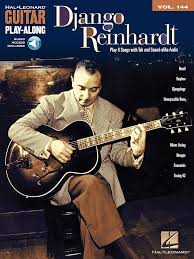
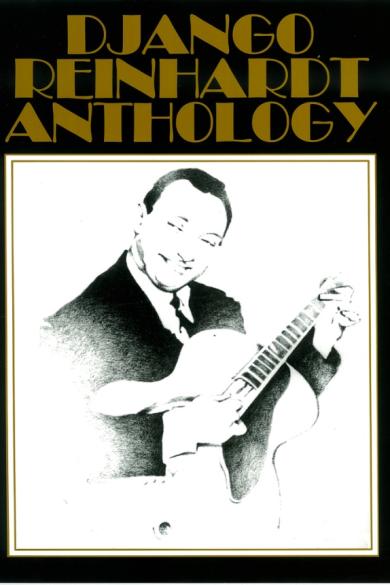
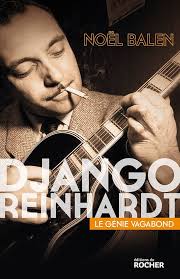
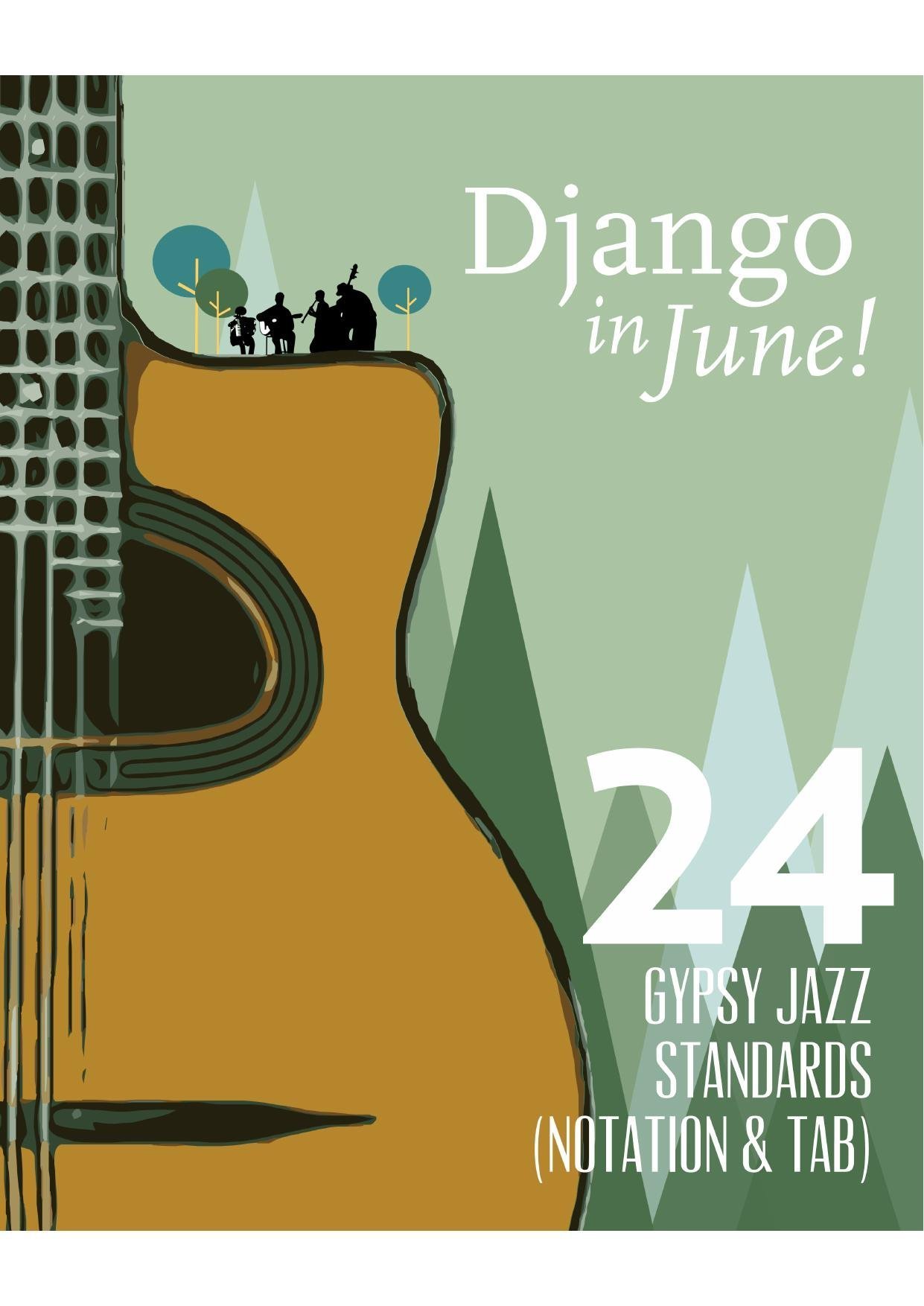
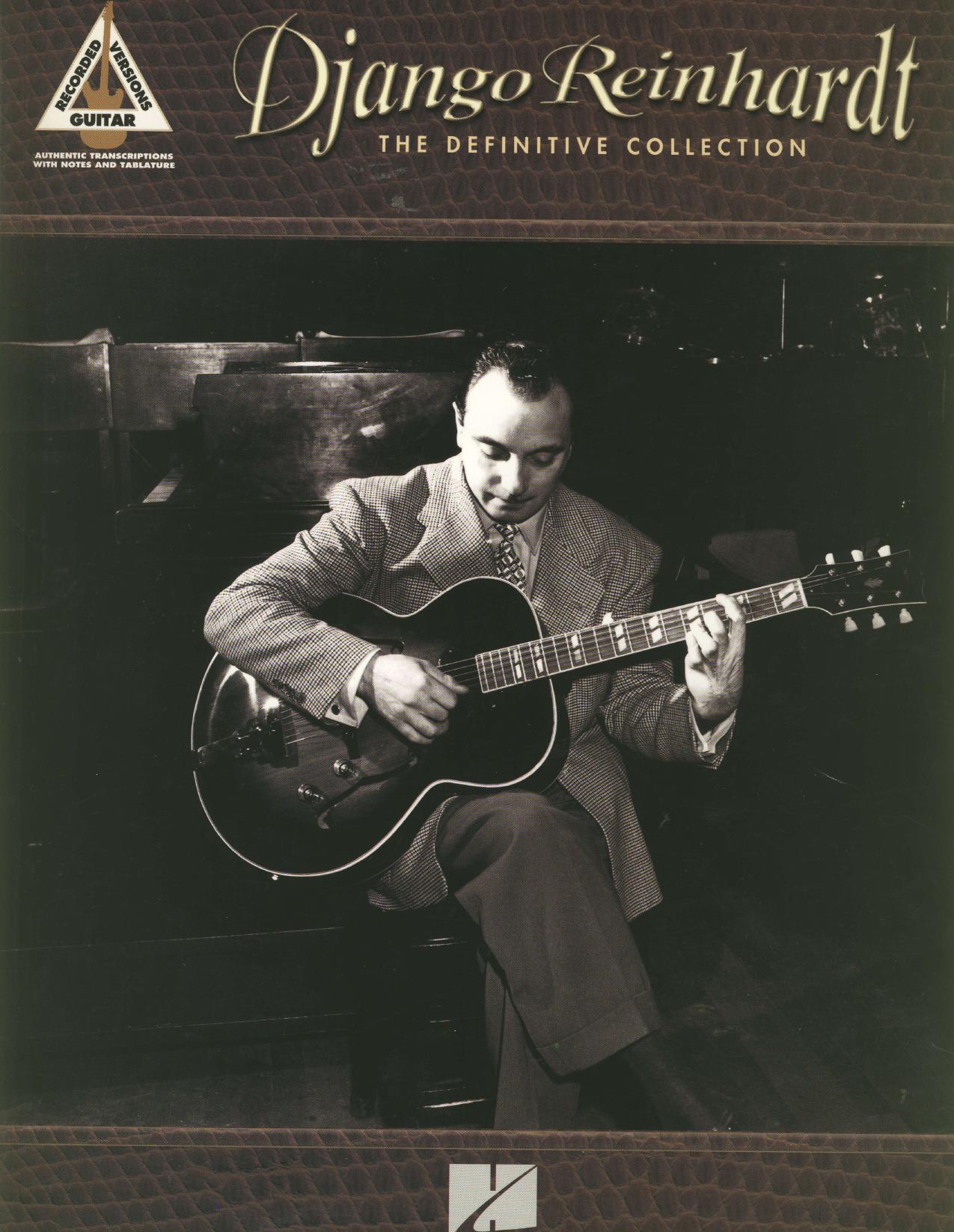
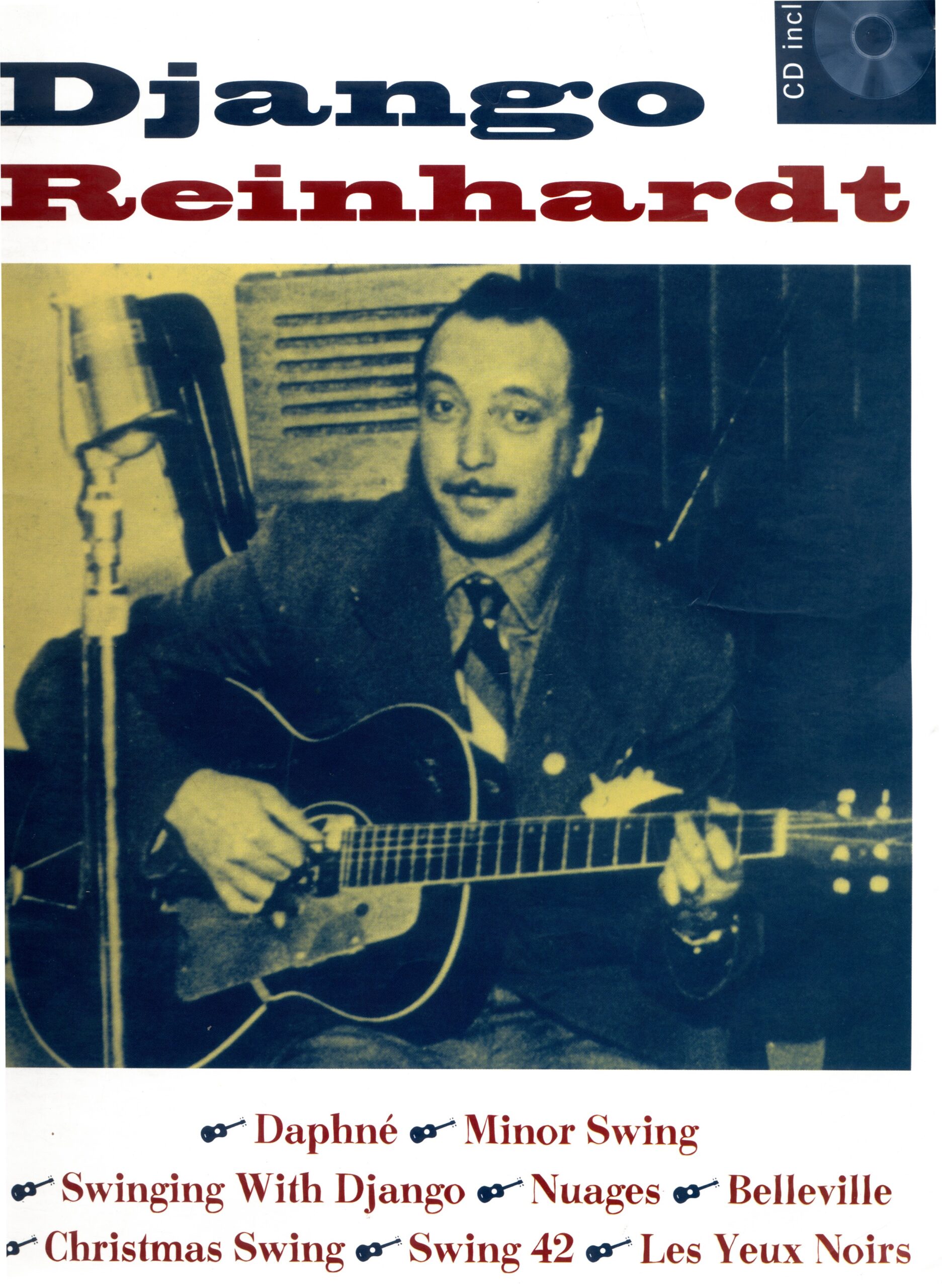
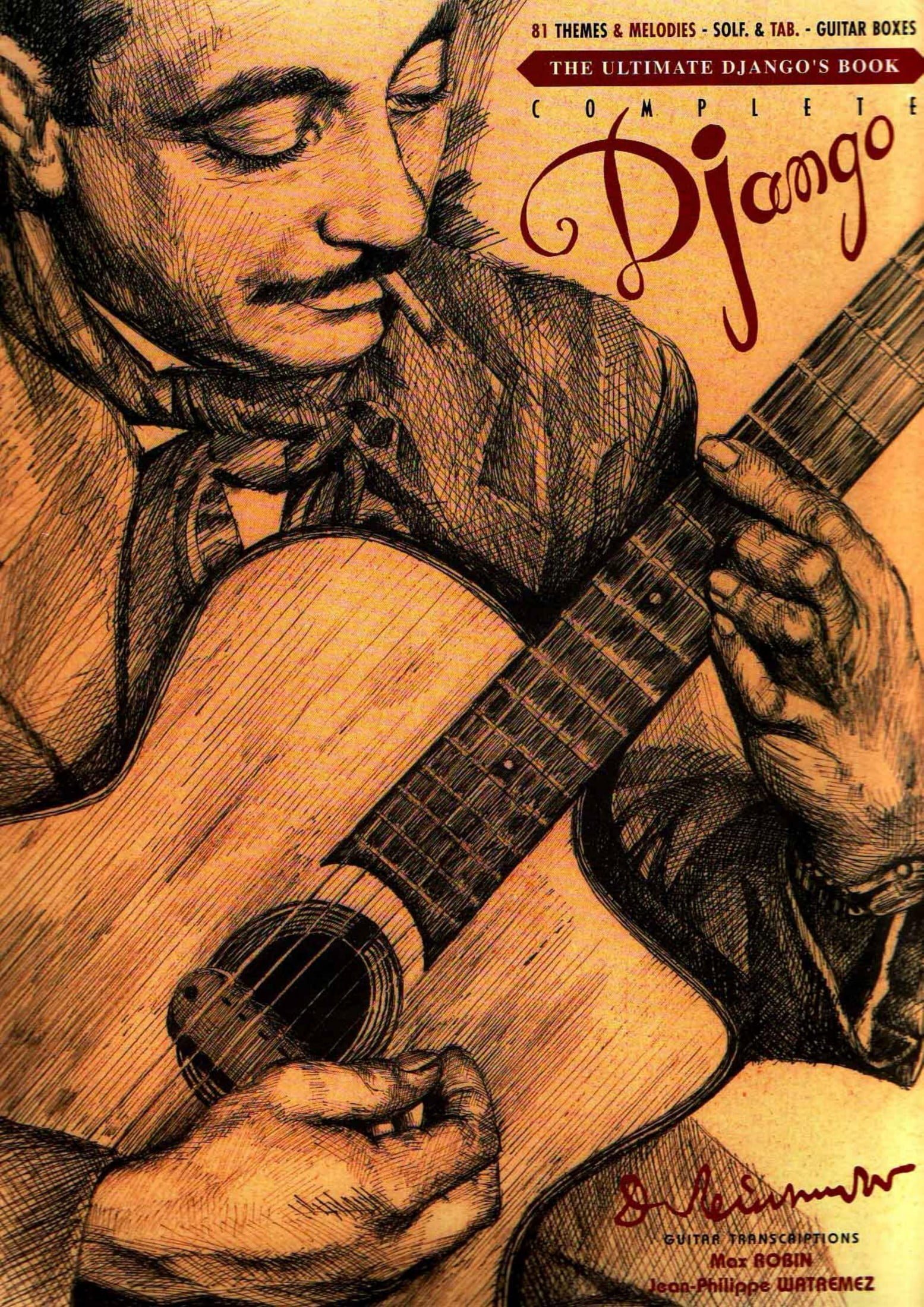

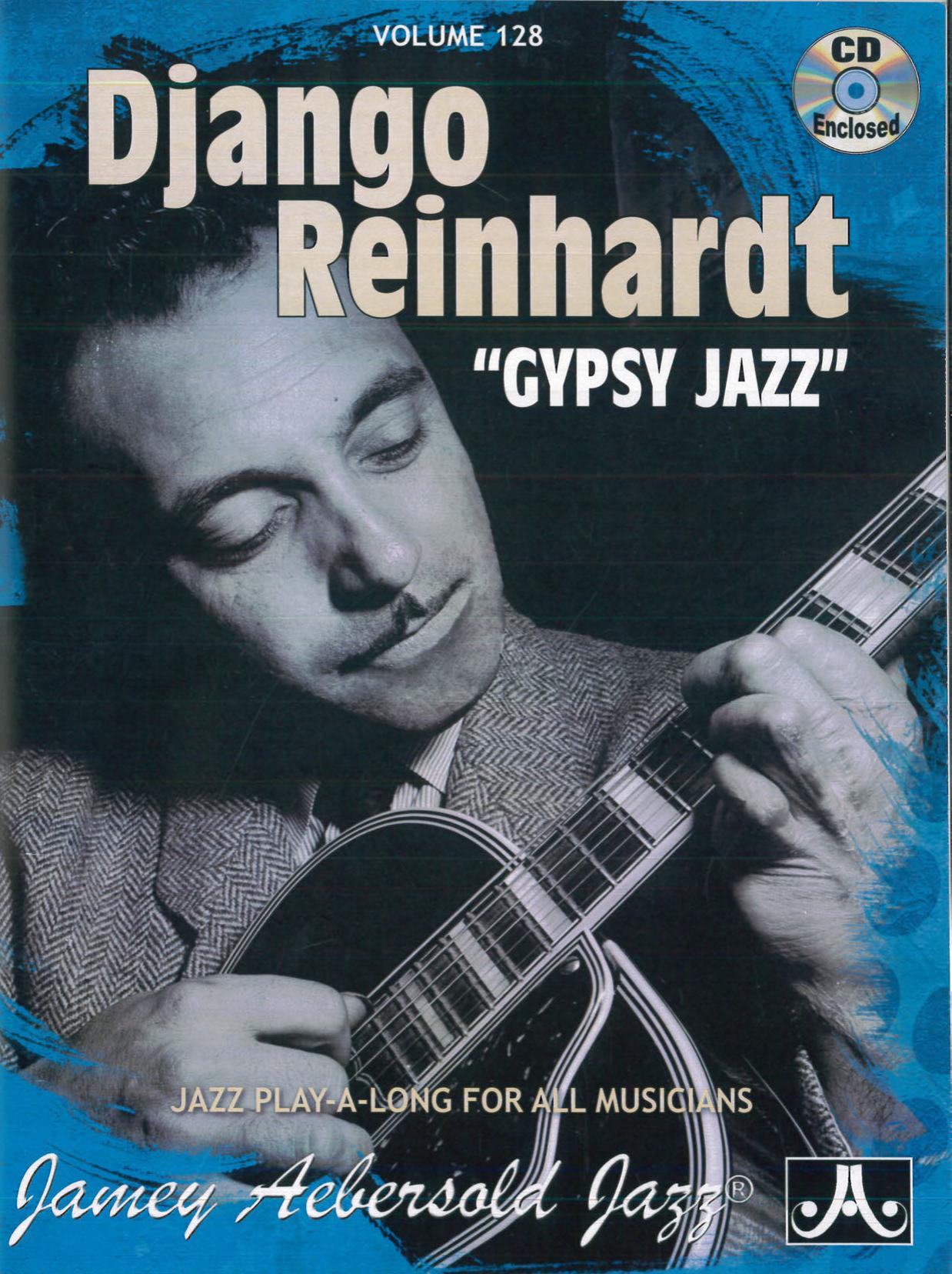
Django Reinhardt is arguably the most influential and romantic figure in jazz guitar history. A Belgian-born Romani-French guitarist, he, along with violinist Stéphane Grappelli, founded the Quintette du Hot Club de France, the first wholly original European jazz. What makes his story miraculous is that after a caravan fire in 1928, he lost the use of two fingers on his fretting hand. Undeterred, he developed a new, virtuosic technique using only his index and middle fingers for solos, creating a fluid, fiery, and emotionally charged sound. His incredible improvisations, rich with Gypsy folk melodies and a powerful swing feel, created an entire genre—"Gypsy Jazz"—that remains popular to this day.
Albert Harris (1916-2005)

Albert Harris was a British-born guitarist, composer, and arranger whose career spanned continents and styles. After moving to the United States, he established himself as a highly respected studio musician and arranger in Hollywood, working on arrangements for pop icons like Elvis Presley, The Beach Boys, and Henry Mancini. While his commercial work was extensive, his love for jazz guitar was evident in his own compositions and solo recordings. His playing was characterized by a clean, precise technique and a deep harmonic knowledge, which he passed on as an influential teacher. He later returned to the UK, continuing to perform and write music that bridged the gap between jazz and popular song.
Dick McDonough (1904-1938)
Dick McDonough was one of the most prolific and celebrated studio guitarists of the 1920s and 30s. Like his contemporary Eddie Lang, he was a master of both single-note solos and rhythm accompaniment, making him a first-call musician for countless radio shows and recording sessions. He is most fondly remembered for his inspired collaborations with Carl Kress. Where Kress would take the lower register, McDonough's bright, fluid, and inventive playing danced on the top strings, creating a seamless and complex duet sound that was decades ahead of its time. His career was also tragically cut short by illness, but his recorded legacy with Kress remains a high point of pre-swing era guitar.
Joe Pass (1929-1994)
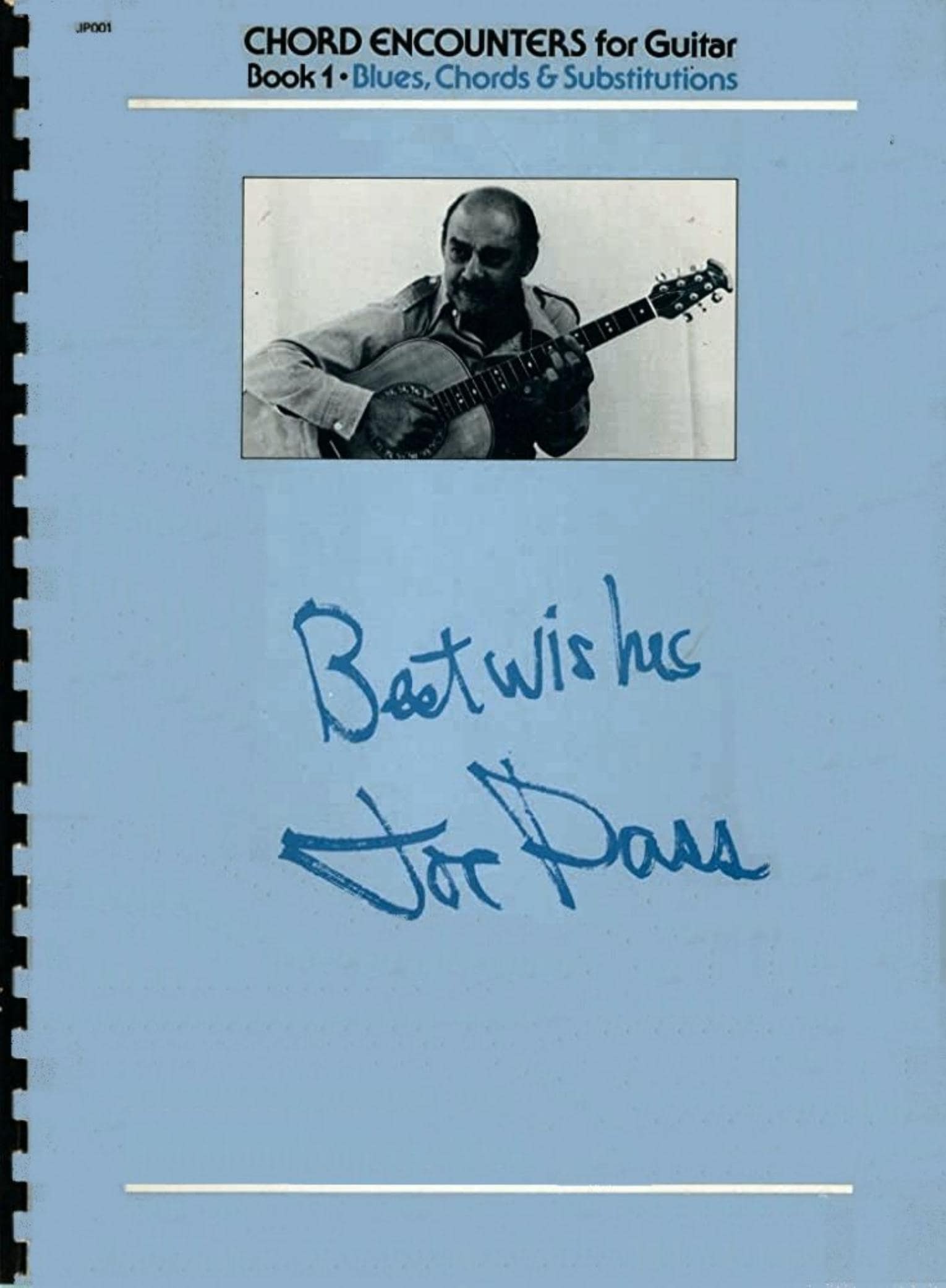
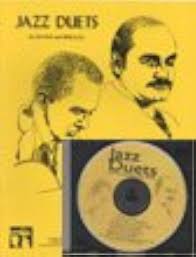
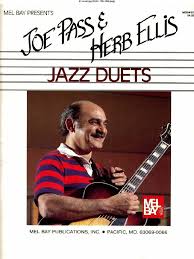
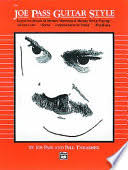
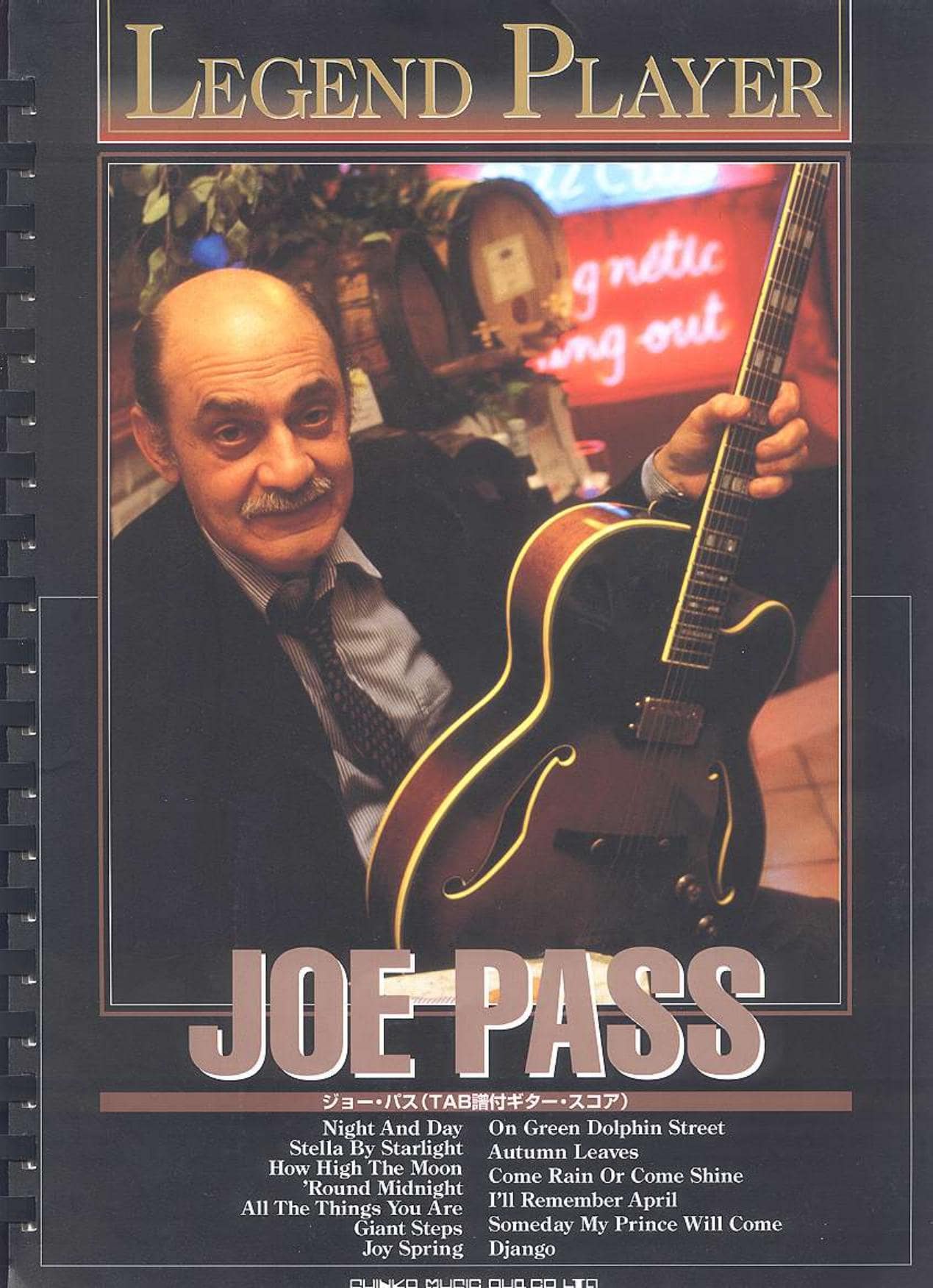


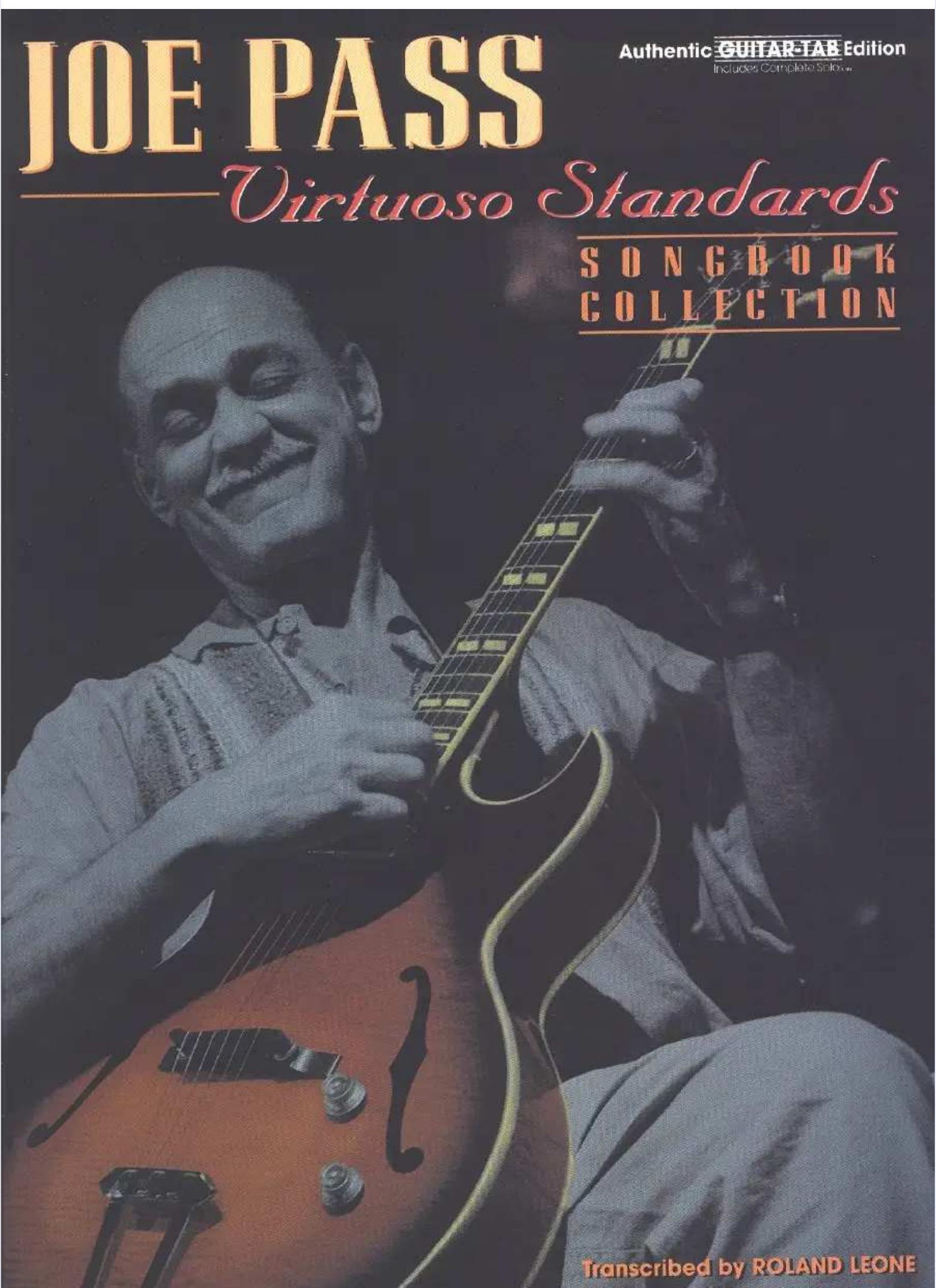
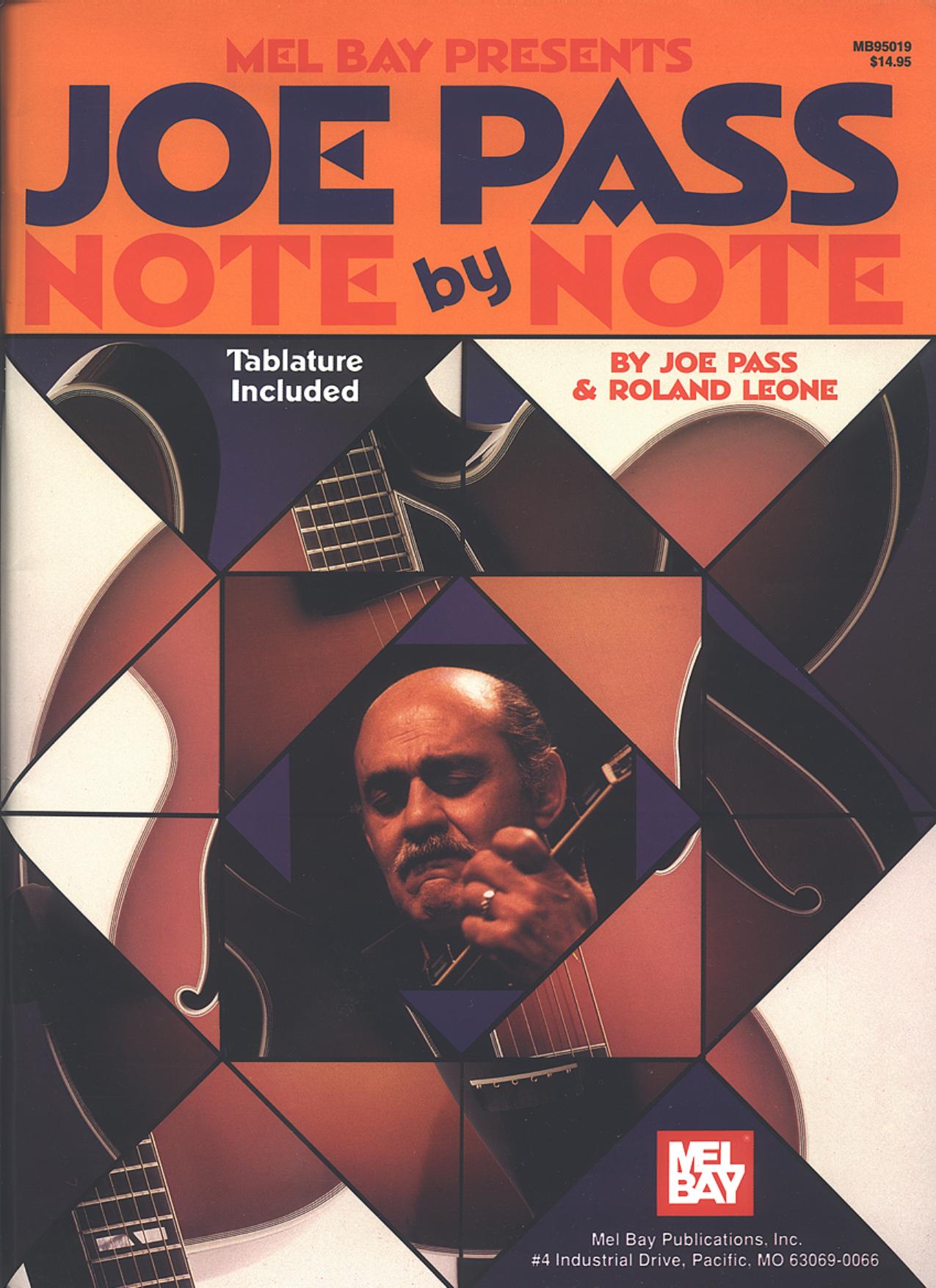
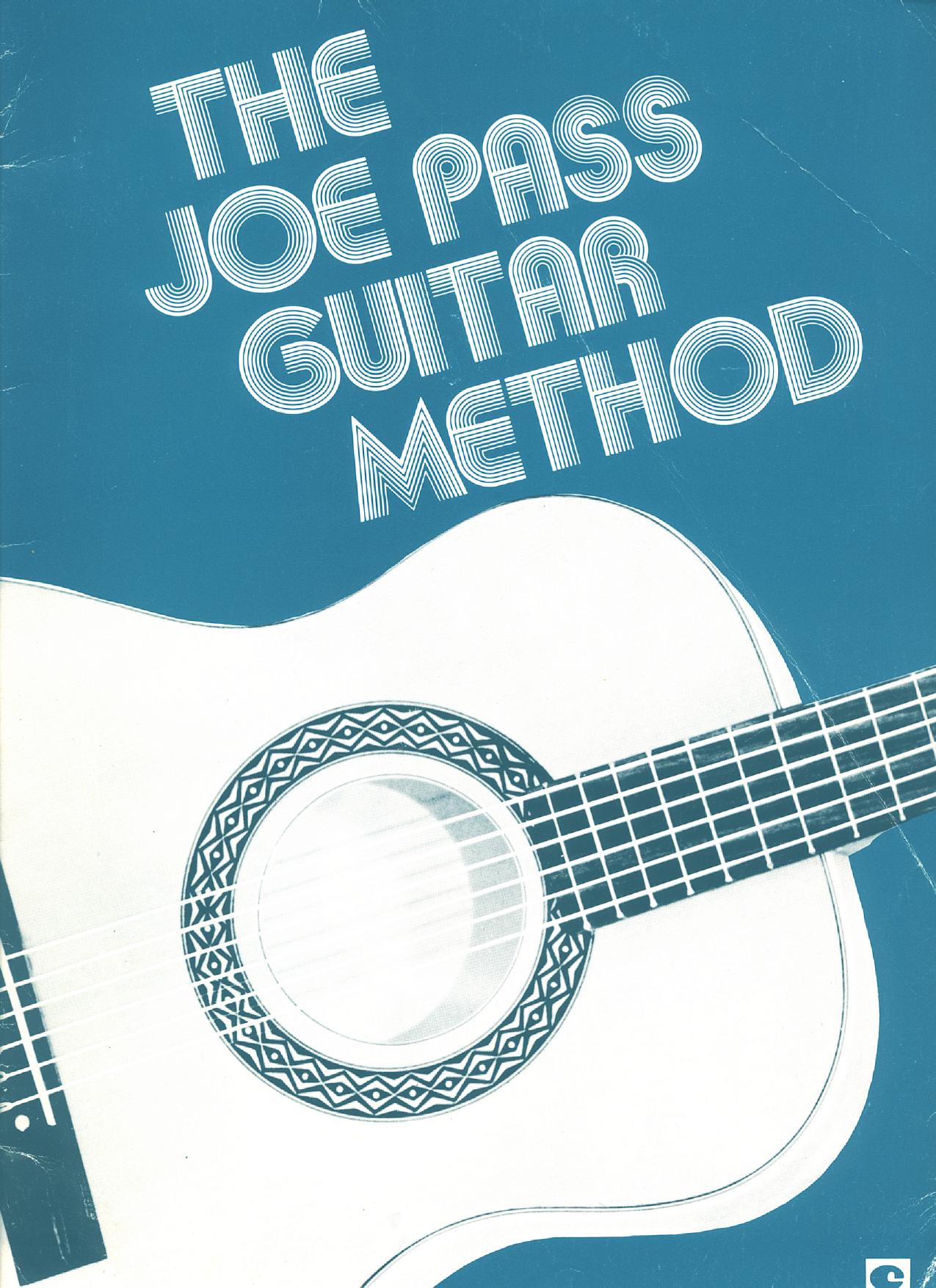
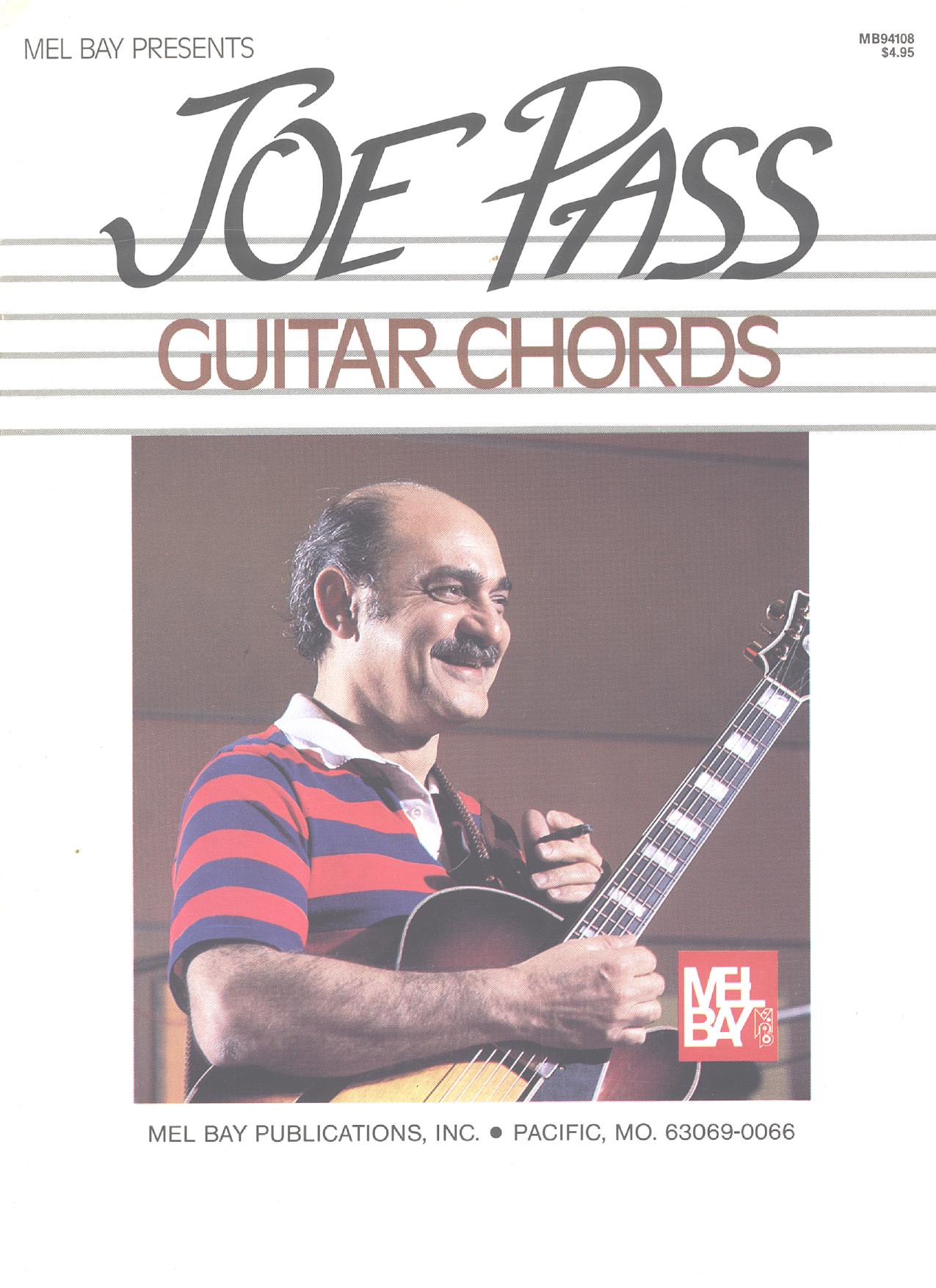
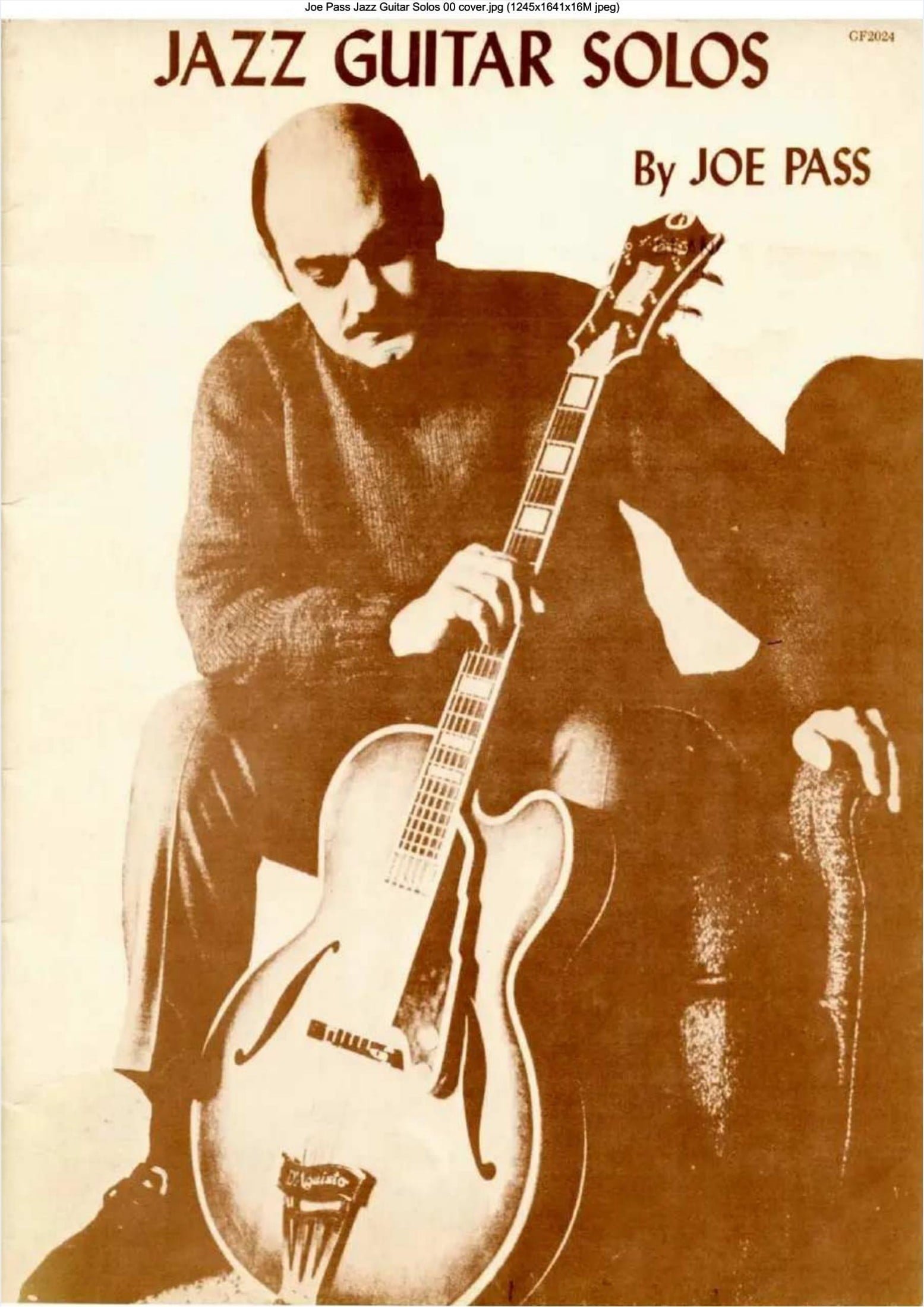
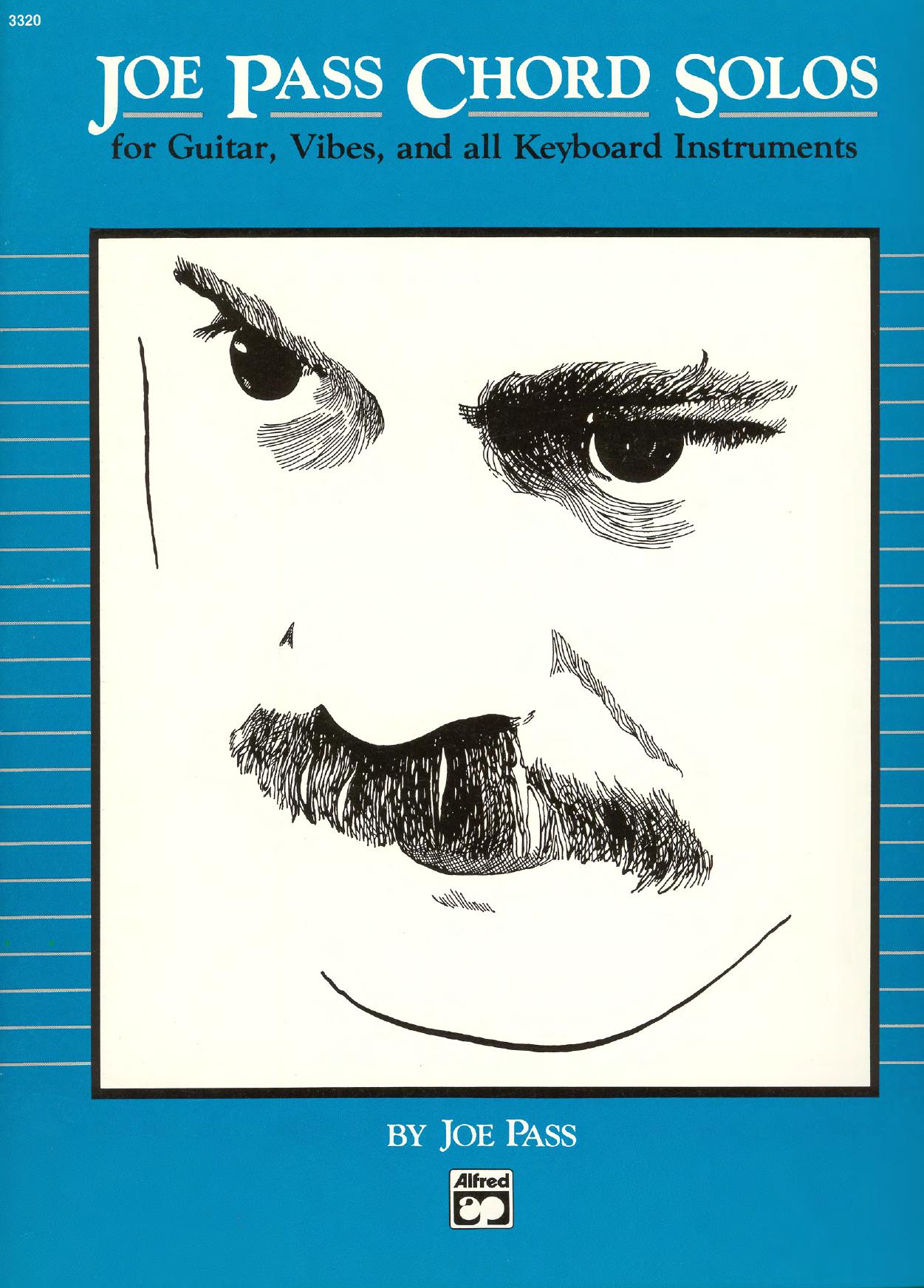
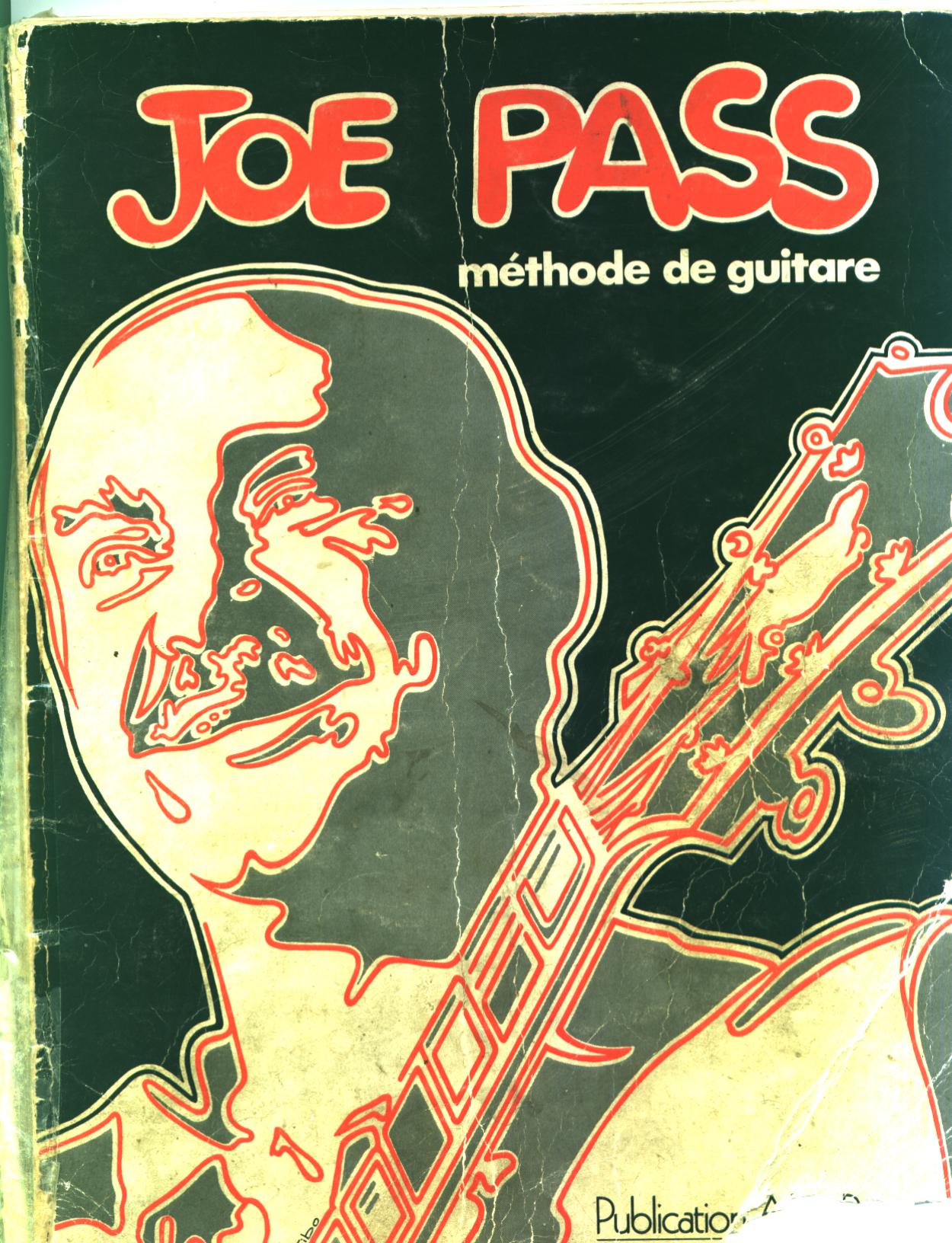
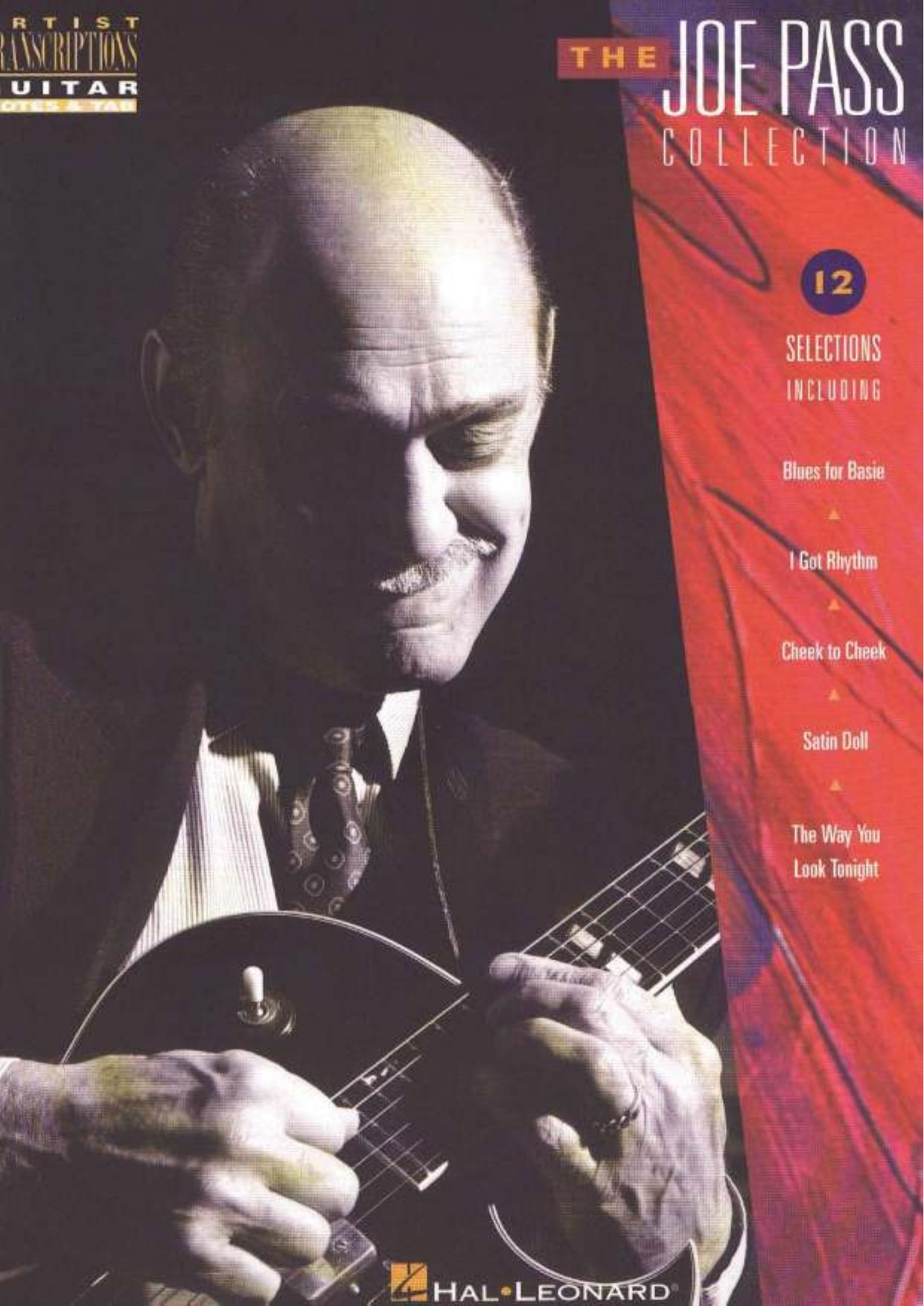
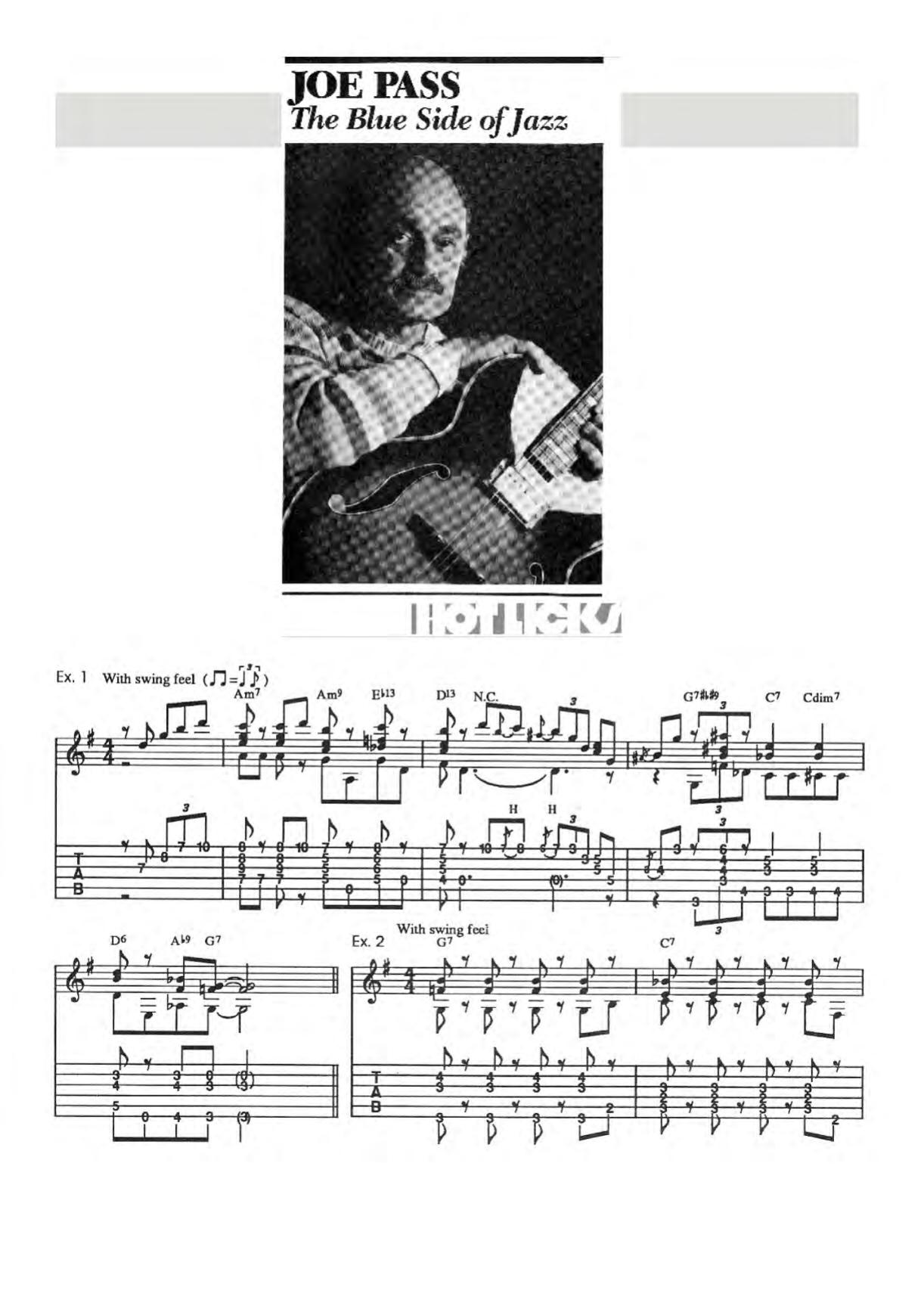
Joe Pass was a virtuoso who redefined what was possible on a solo jazz guitar. Emerging from a background of drug addiction and institutionalization in the 1950s, he developed a flawless, horn-like single-note style for bebop lines. However, his true genius was as a solo performer. He perfected the art of the "solo guitar" performance, playing bass lines, chords, and melodies simultaneously, creating the illusion of a full band. His landmark 1973 album, Virtuoso, is a stunning display of this technique, featuring spontaneous, harmonically rich improvisations on jazz standards. Working frequently with pianist Oscar Peterson, Pass set a new standard for technical mastery and musical completeness on the guitar.
Ivor Mairants (1908-1998)


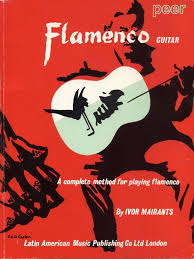
Ivor Mairants was a pivotal figure in British jazz and a highly influential educator. Born in Poland and raised in England, he became the country's most sought-after jazz guitarist from the 1930s through the 1950s. He led the guitar section for the BBC Dance Orchestra and played with visiting American stars like Stephane Grappelli. Beyond his performing career, Mairants was a profound influence as a teacher and author. His instructional books, such as The Joe Pass Guitar Style, helped spread modern jazz guitar techniques to a post-war generation. He also became a renowned classical guitarist and luthier, designing his own line of "Ideal" guitars, demonstrating his lifelong, multifaceted devotion to the instrument.
Wes Montgomery (1923-1968)

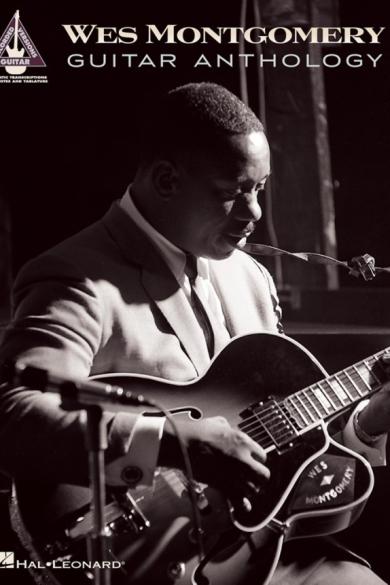

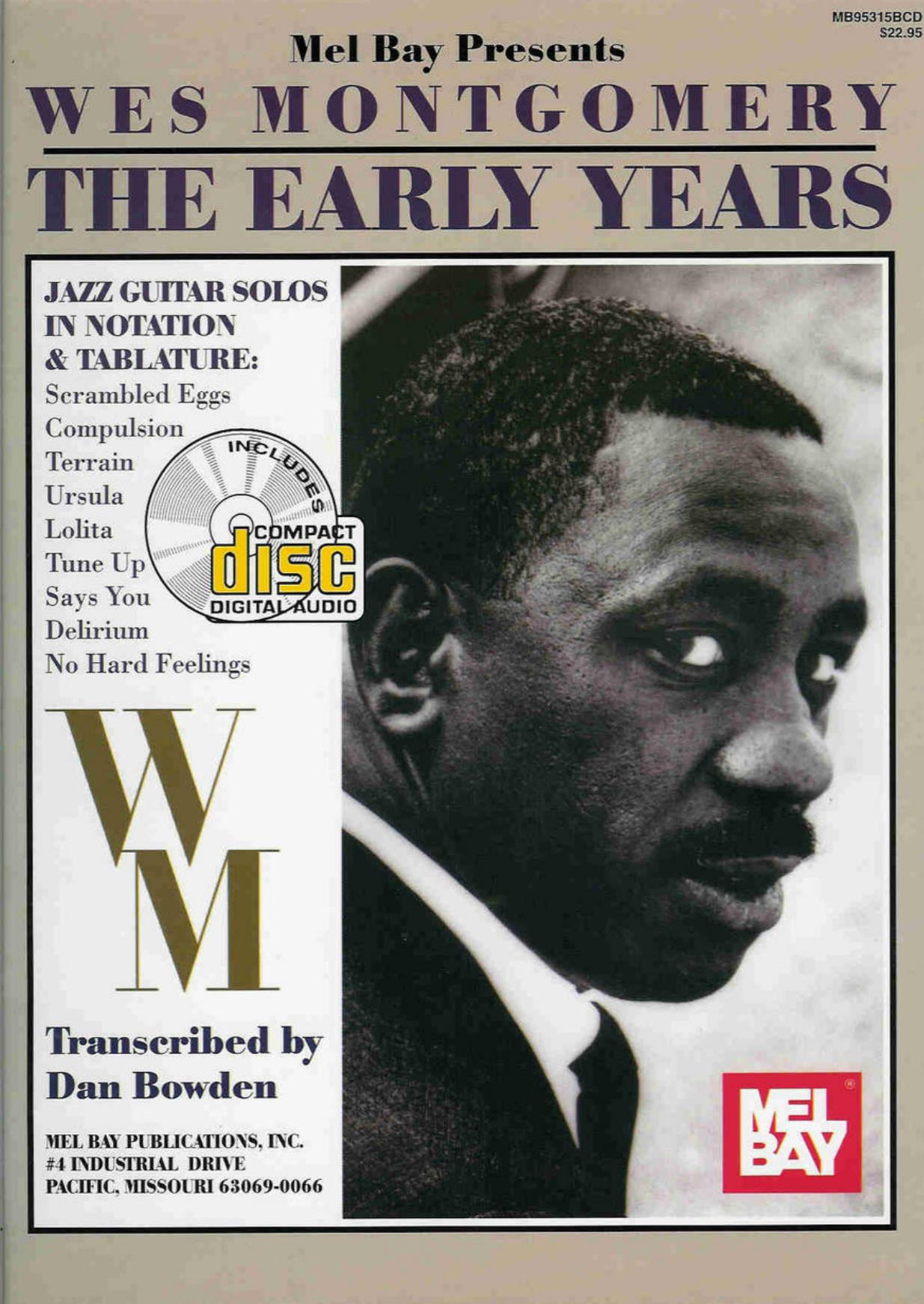

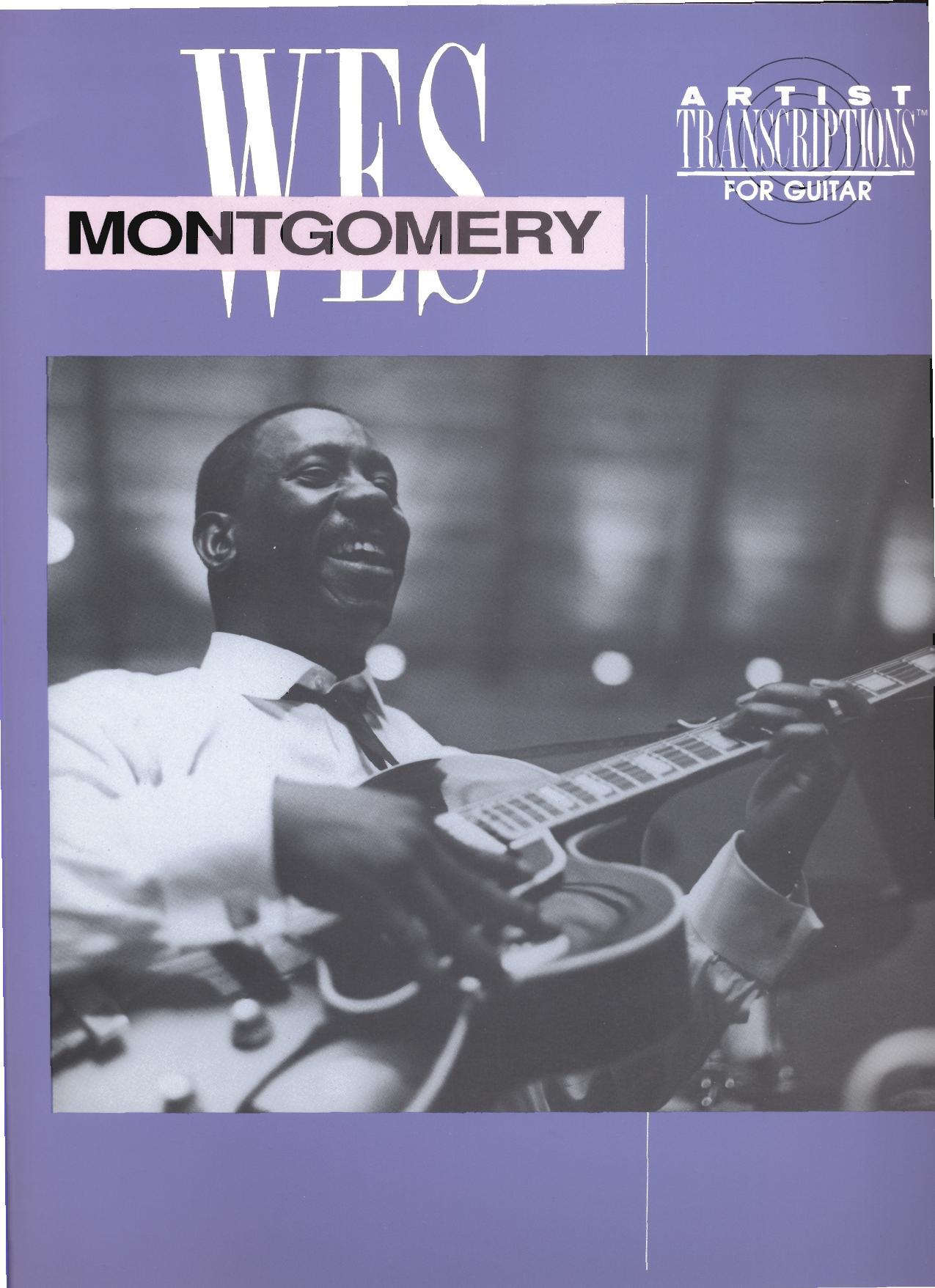
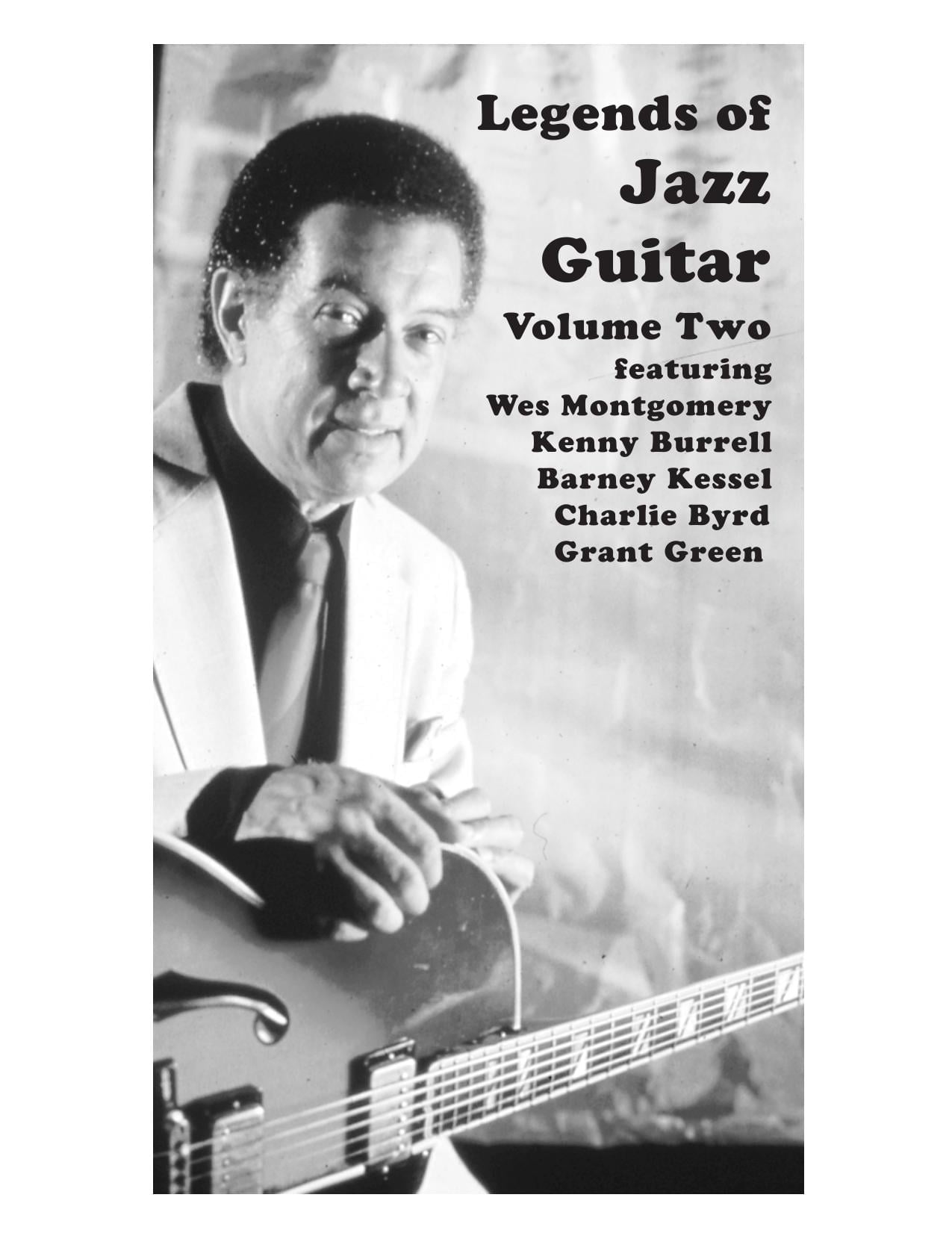
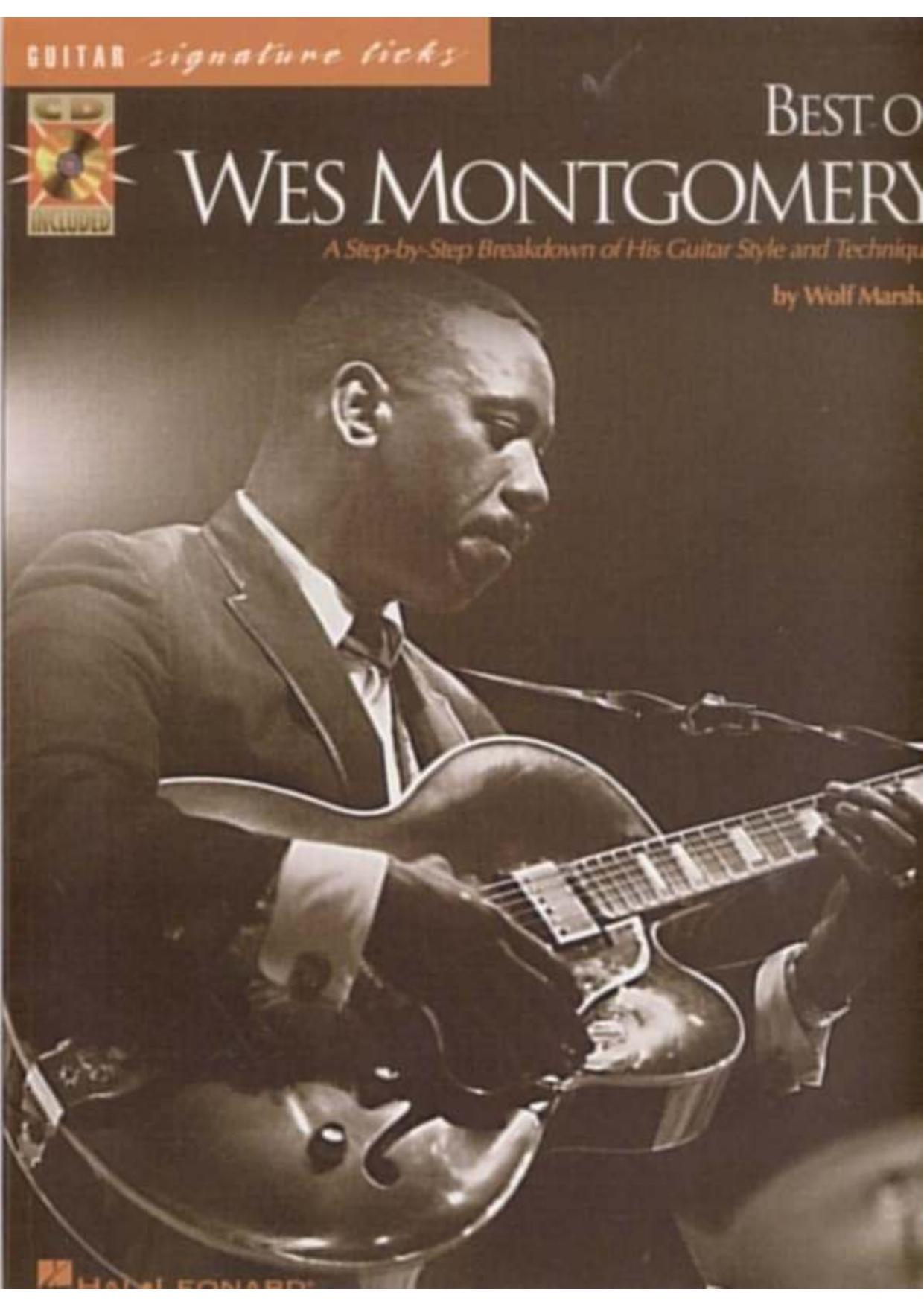
Wes Montgomery is perhaps the most imitated jazz guitarist of all time. A completely self-taught musician from Indianapolis, he developed an instantly recognizable sound defined by two revolutionary techniques: he almost exclusively played melodies and solos with the side of his thumb, giving his notes a warm, fat, and percussive quality, and he pioneered the use of octaves—playing a melody in parallel octaves—to create a powerful, horn-like sound. His improvisations were built on a deep blues sensibility and sophisticated bebop lines, flowing with remarkable logic and soul. From his hard-swinging small group work of the 1950s to his more popular, string-laden albums of the 1960s, his influence on guitarists from George Benson to Pat Metheny is immeasurable.
Charlie Christian (1916-1942)

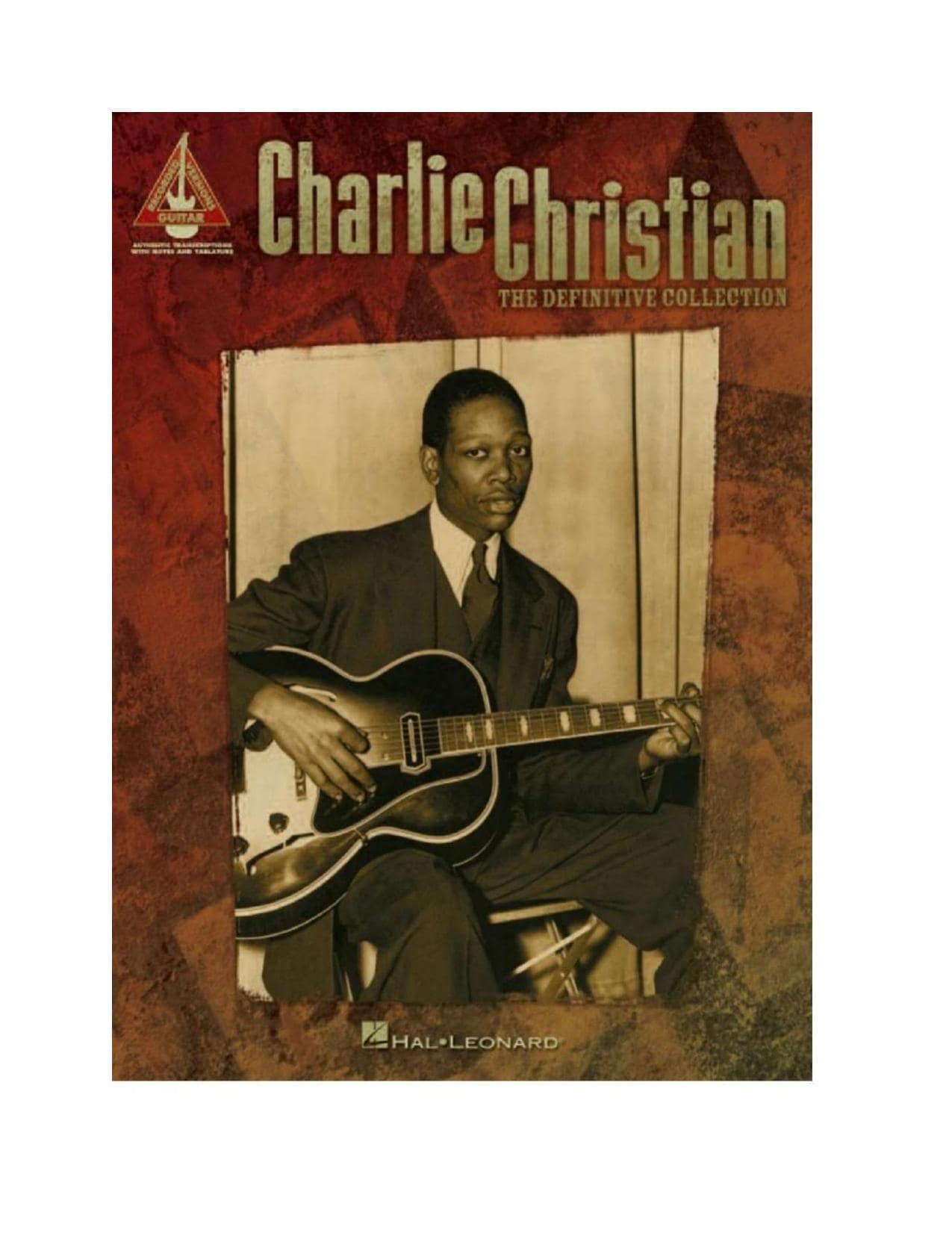
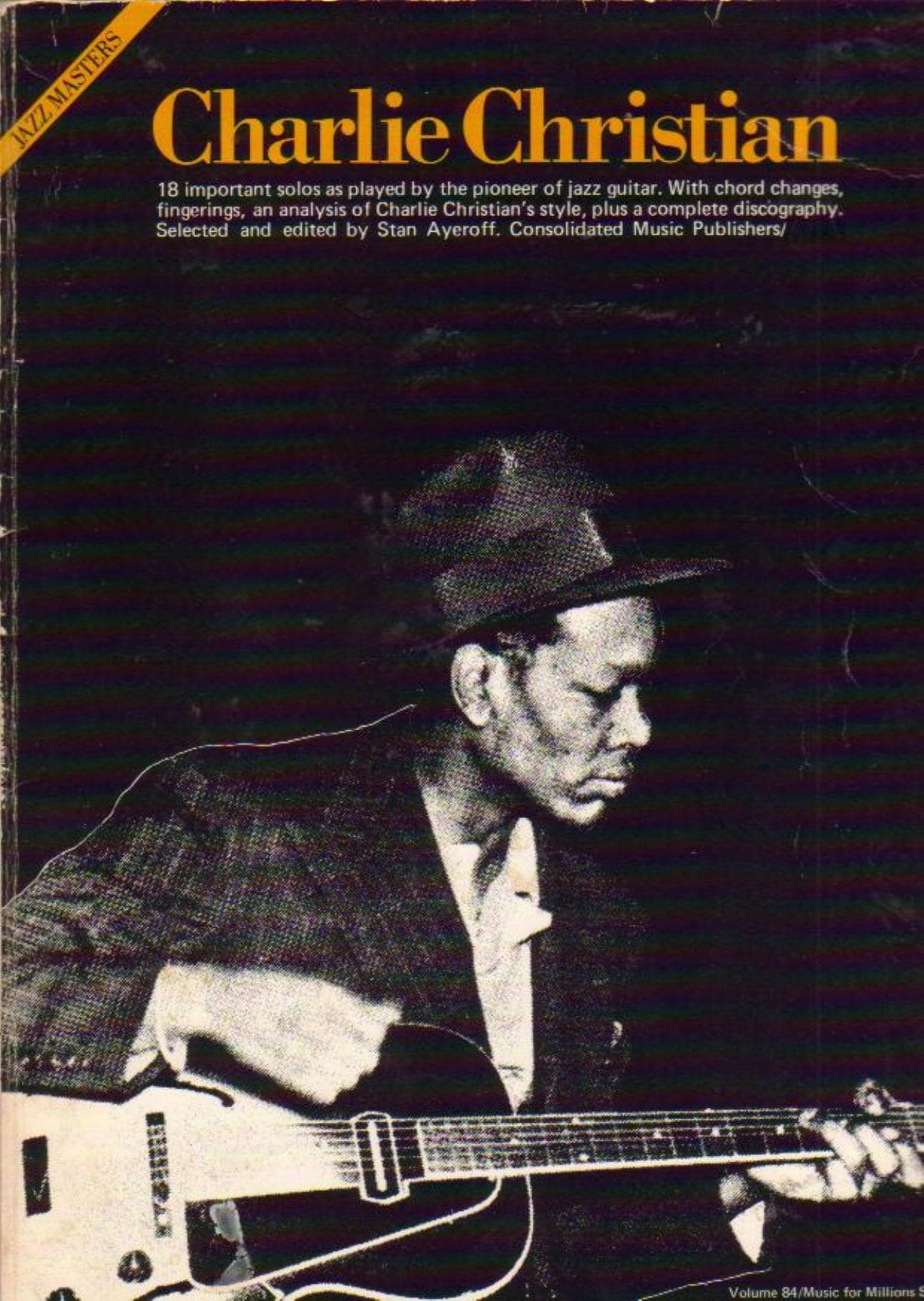
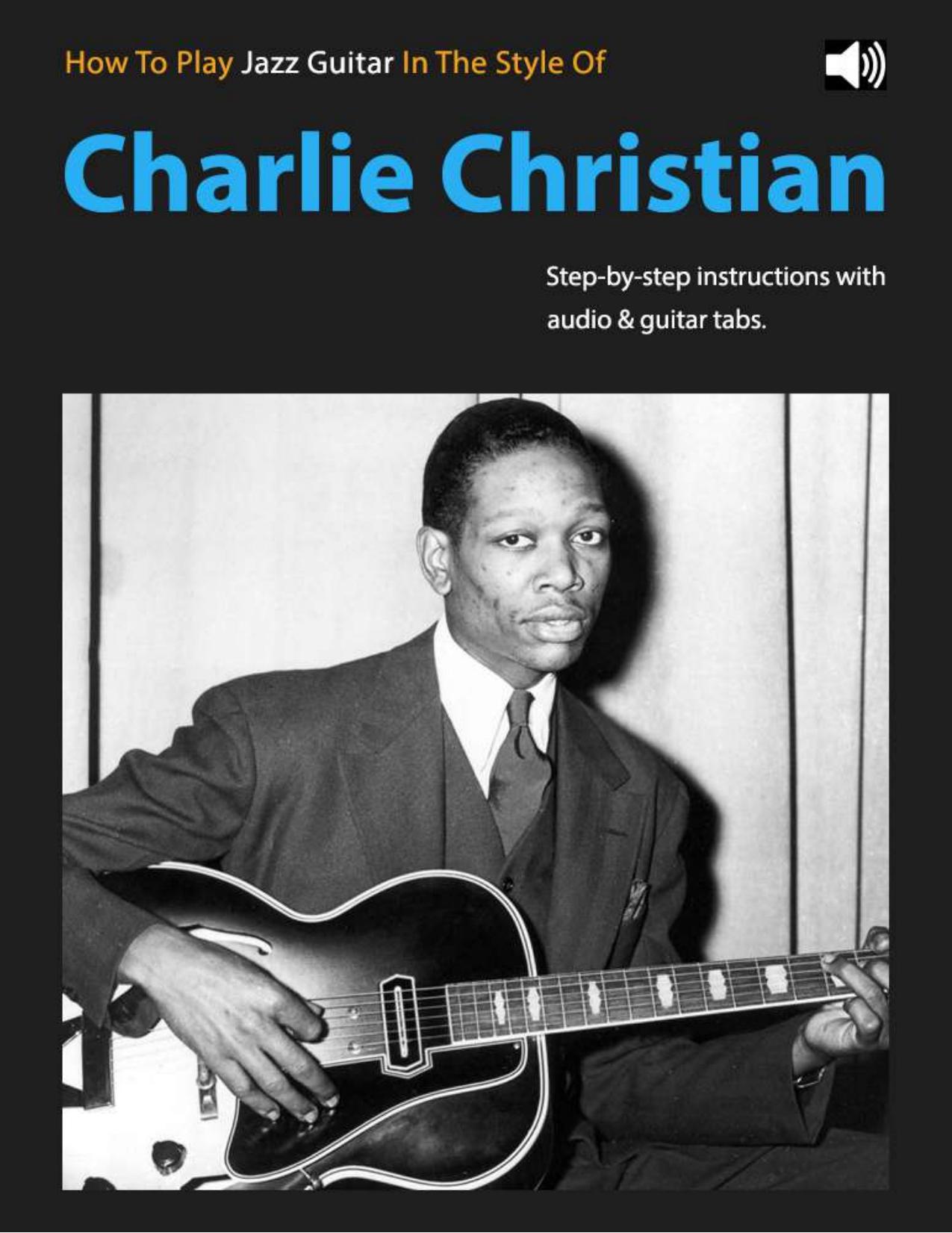
Charlie Christian was a revolutionary figure who single-handedly brought the electric guitar from a rhythm section novelty to a front-line solo instrument. As a member of the Benny Goodman Sextet in 1939-1941, his amplified, single-string solos cut through the band with a new, singing tone that was unheard of at the time. More importantly, his melodic and harmonic language was rooted in the new bebop style being developed in after-hours jam sessions, making him a key architect of modern jazz. His swinging, horn-like lines and sophisticated chordal ideas became the new vocabulary for an entire generation of guitarists. His career lasted only a few years before he succumbed to tuberculosis at 25, but his impact was so profound that virtually all modern jazz guitar can be traced back to him.
Charlie Byrd (1925-1999)
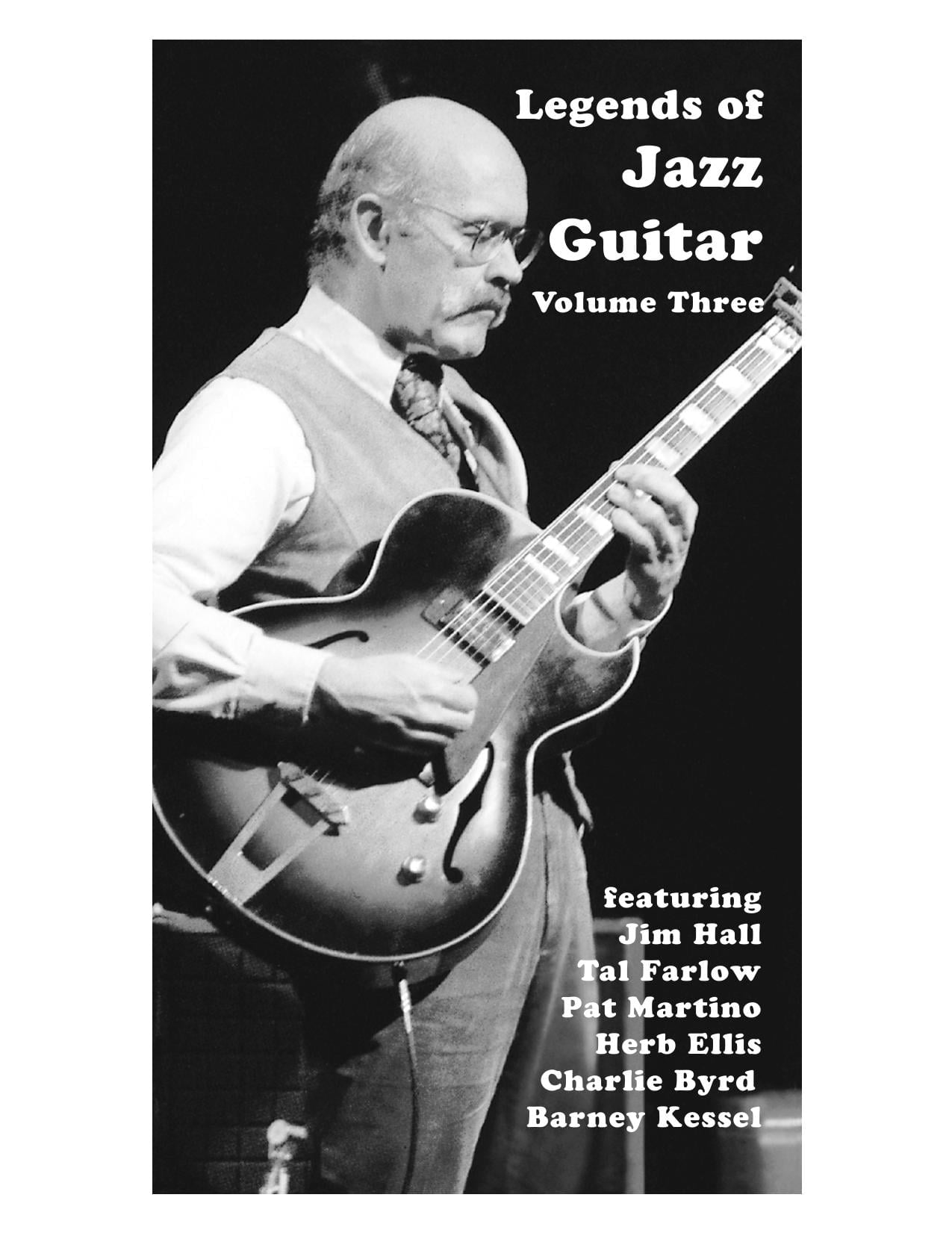
Charlie Byrd was a master of texture and tone, best known for popularizing the bossa nova craze in the United States. A classically trained guitarist, Byrd had a beautiful, clear sound and a deep knowledge of classical technique, which he applied to the jazz idiom. During a tour of South America for the U.S. State Department, he discovered the gentle, lyrical rhythms of Brazilian bossa nova. He then collaborated with saxophonist Stan Getz on the 1962 album Jazz Samba, a massive hit that introduced the world to songs like "Desafinado." While his legacy is forever tied to that collaboration, Byrd was a superb guitarist in many styles, from swing to blues, and remained a vital performer and advocate for the classical and acoustic guitar throughout his life.