
Community Musicians, building a worldwide Community Music.
Scores
for all instruments: 15,000+
(active and growing),
over 231,000 pages.
All genres and levels: Jazz & Blues, Rock & Pop, Classical & Contemporary, Film & Musicals;
books & biographies; methods, études, play-along tracks (MP3) for Jazz & Rock.
Access & benefits: US$15.99 one-time payment, valid for lifetime, full Library access.
Table of Contents
Remembering Nat King Cole, born on this day in 1919.



Best Sheet Music download from our Library.
The Velvet Voice: The Enduring Magic of Nat King Cole
On March 17, 1919, in Montgomery, Alabama, a boy was born who would grow up to possess one of the most recognizable and beloved voices of the 20th century. That boy was Nathaniel Adams Coles, known to the world as Nat King Cole. More than just a singer with a smooth, velvety baritone, Cole was a virtuoso jazz pianist, a charismatic entertainer, and a pioneering figure who broke down racial barriers while leaving an indelible mark on popular music. His story is one of immense talent, quiet dignity, and a legacy that continues to warm the hearts of listeners around the globe.
Please, subscribe to our Sheet Music Library.
If you are already a subscriber, please, check our NEW SCORES' page every month for new sheet music. THANK YOU!
Early Life and Musical Beginnings: The Making of a Pianist
Nat's musical journey began not with a microphone, but at a piano keyboard. His father, Edward Coles, was a butcher who became a Baptist minister, and his mother, Perlina Adams Coles, was the church choir organist. It was she who gave him his first piano lessons. The family moved to the bustling South Side of Chicago when Nat was four, placing him in the heart of a vibrant African-American cultural scene.
Young Nat was classically trained, but like so many of his generation, he was seduced by the sounds of jazz. He would sneak out to hear the greats like Louis Armstrong and Earl Hines, and his fingers soon began translating the improvisational spirit of the age onto the keys. By his teens, he had formalized his nickname from "Nat" to "Nat Cole" and dropped out of school at 15 to pursue music full-time. He formed his first trio, the Royal Dukes, and toured with his brother Eddie, a bassist, in the musical revival Shuffle Along. The tour famously stranded him in Long Beach, California, in 1938, a twist of fate that would prove pivotal.
Stranded but undeterred, Nat settled in Los Angeles. He was a gifted pianist, and his playing caught the ear of a club owner. He was booked for a gig at the Swanee Inn, and it was there, in a moment of improvisation that would change his life, that the Nat King Cole Trio was born.
The Birth of the King Cole Trio: A Revolution in Sound
The story goes that the Swanee Inn's owner couldn't afford a full band, so Nat, along with guitarist Oscar Moore and bassist Wesley Prince, formed a piano-guitar-bass trio. This format was revolutionary. By forgoing a drummer, the trio created a lighter, more intimate and conversational sound. The guitar, rather than just a rhythm instrument, became a melodic and harmonic partner to the piano. Cole’s elegant, swinging piano playing was the anchor, characterized by a clean, single-note style influenced by his idol, Earl Hines, and a sophisticated harmonic sensibility.
This was no mere backing band; it was a true collective. They traded fours, engaged in musical dialogues, and created a tight, synergistic sound that was both sophisticated and accessible. Their first national hit, "Straighten Up and Fly Right" (1943), was a perfect example. Cole adapted the song from one of his father's sermons, crafting a catchy, swinging tune with a humorous lyric. It was a smash, establishing the trio as a major force in the jazz and R&B charts. They followed it with a string of instrumental and vocal hits that became cornerstones of the jazz trio repertoire: the bluesy "Route 66," the playful "It's Only a Paper Moon," the sweetly swinging "(Get Your Kicks on) Route 66," and the complex, beautifully arranged "The Christmas Song" (1946), which he introduced to the world.
It was during this period that another voice began to emerge: his own. While he was already singing, his early vocals were part of the trio's sound. As the 1940s progressed, it became clear that Nat Cole possessed a voice of extraordinary beauty—a warm, rich, and flawlessly controlled baritone that could convey both profound emotion and effortless swing.
The Velvet Voice: From Jazz Trio to Solo Sensation
The late 1940s marked a turning point. While the trio remained his musical home, Cole began recording more ballads with lush string arrangements. This shift was initially met with resistance from jazz purists, but the public was captivated. Songs like "Nature Boy" (1948), a mystical, folk-like ballad, became one of the biggest hits of the decade. His performance was a masterclass in restraint and emotional depth, his voice floating over the ethereal arrangement.
This was the beginning of Nat King Cole, the iconic solo vocalist. Hits poured forth in a steady stream throughout the 1950s and early 1960s. He worked with the finest arrangers of the day, most notably Nelson Riddle, who framed Cole's voice with impeccable taste. The Riddle collaborations produced some of his most enduring masterpieces:
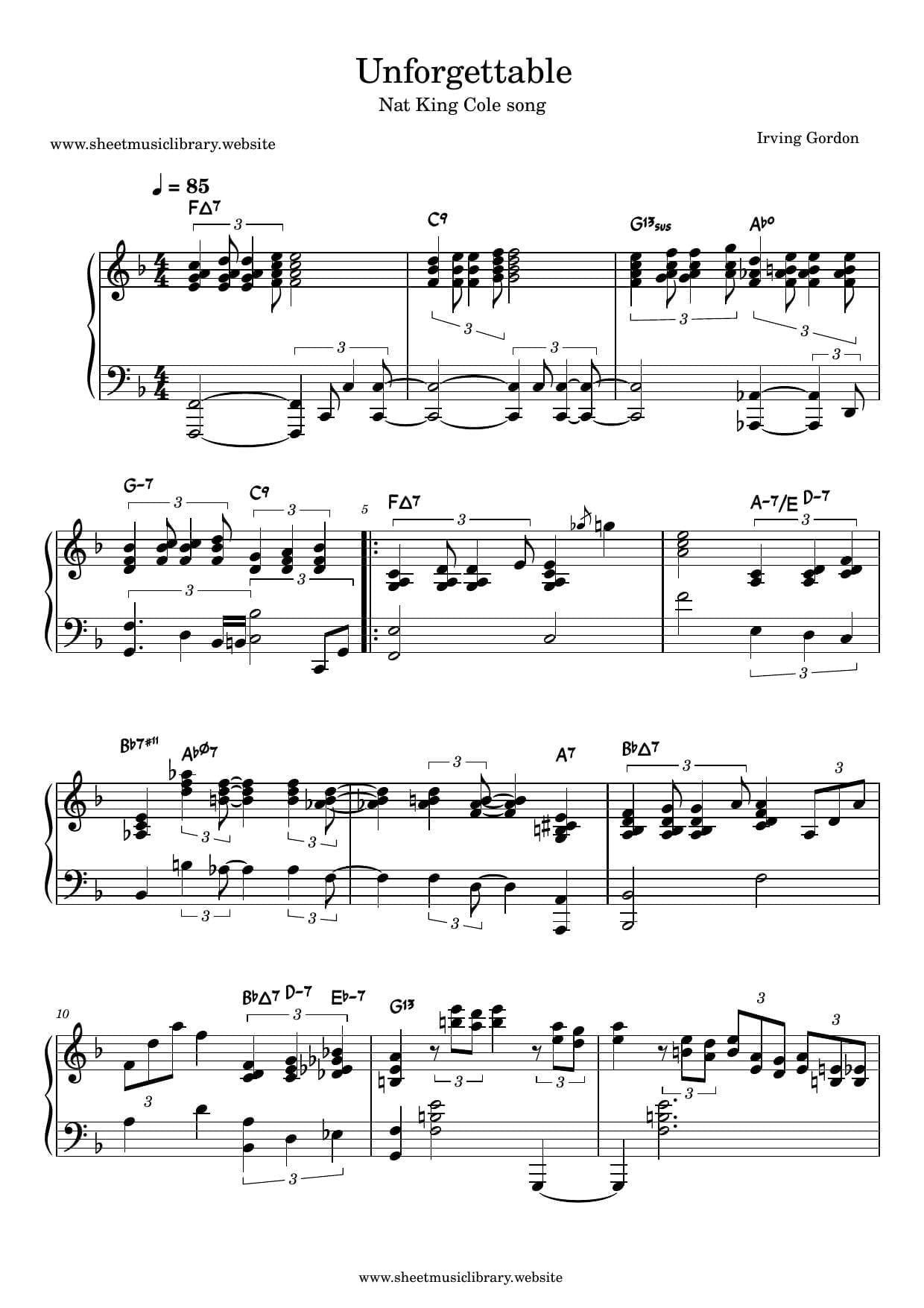
- "Unforgettable" (1951): The title says it all. The song is a perfect marriage of melody, lyric, and voice. Cole's delivery is intimate and direct, as if singing to a single person in a crowded room, making it the definitive version.
- "Mona Lisa" (1950): This hauntingly beautiful ballad, from the film Captain Carey, U.S.A., became Cole's signature song. His voice captures the enigmatic mystery of the painting, painting a sonic portrait of exquisite melancholy. It sold over three million copies.
- "Too Young" (1951): A tender ballad that spoke to the hearts of teenagers everywhere, it showcased Cole's ability to connect with a wide, mainstream audience.
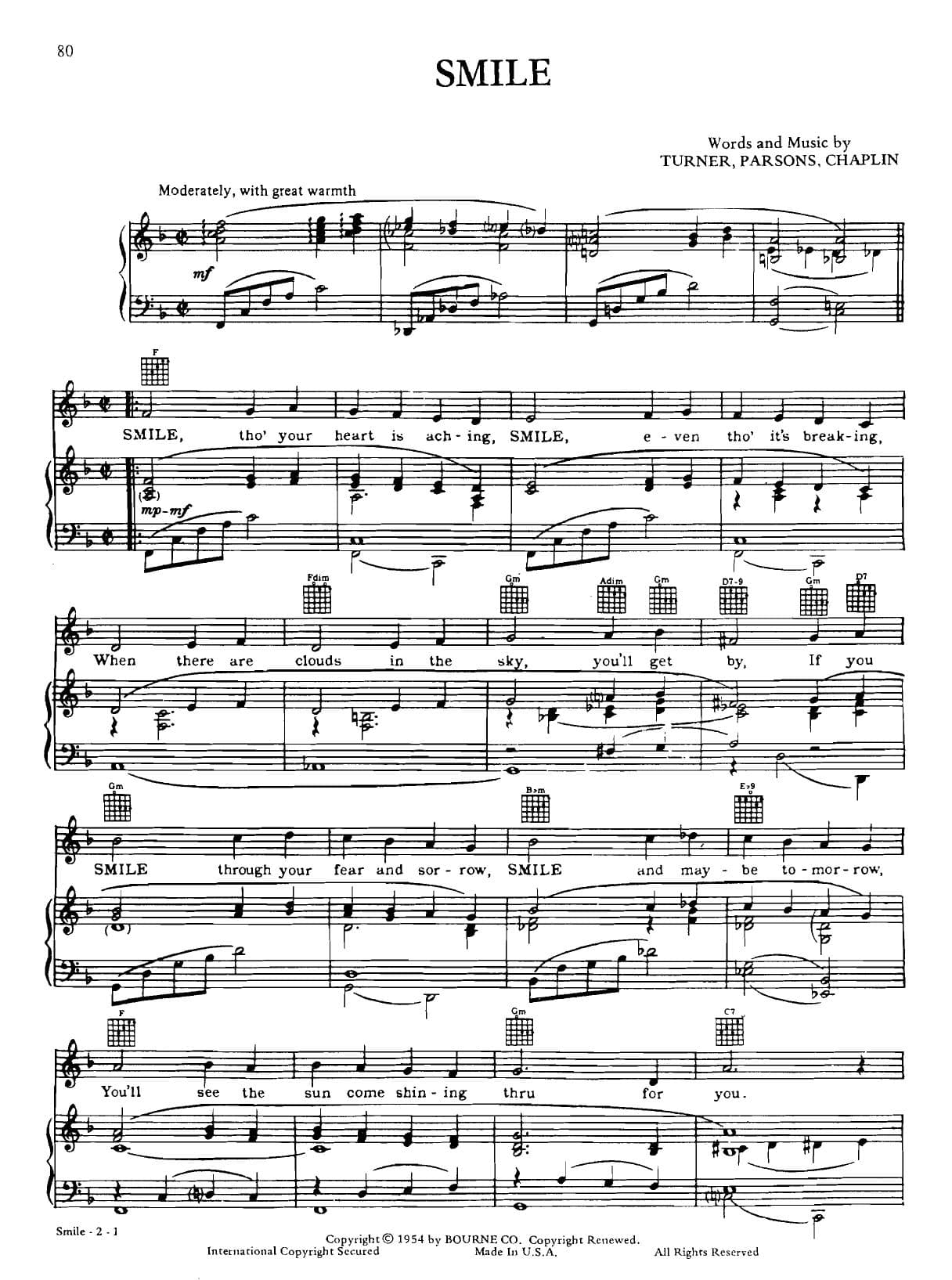
- "Smile" (1954): Based on an instrumental theme by Charlie Chaplin, Cole's version is a gentle, poignant anthem of resilience. His voice carries a world of wisdom and quiet encouragement.
- "L-O-V-E" (1964): One of his last big hits, this upbeat, playful tune, sung in a mix of English and German, is a pure burst of joy and remains a universally recognized classic.
- "Ramblin' Rose" (1962): A foray into country-pop, this song demonstrated his versatility and became another massive hit, proving his appeal crossed all genre boundaries.
Browse in the Library:
Or browse in the categories menus & download the Library Catalog PDF:
Musical Style and Harmonic Genius
To appreciate Nat King Cole fully, one must understand the foundation upon which his vocal career was built: his pianistic genius. His playing was a model of elegance and precision. Harmonically, he was advanced, often using rich, extended chords (ninths, elevenths, thirteenths) that added a layer of sophisticated color to even the simplest pop tune. His single-note improvisations were melodic and logical, never sacrificing taste for flash.
This harmonic sensibility directly informed his singing. He phrased like a jazz musician, with an impeccable sense of time and swing. He could bend a note, slide into a phrase, and place his words with the same relaxed confidence that he placed his fingers on the keyboard. His voice was his instrument, and he played it with the same jazz feel that made his piano playing so compelling. Even in the most lushly orchestrated ballad, one can feel the pulse of a swinging trio underneath. This combination of pop accessibility and jazz sophistication is the secret to his timeless appeal.
Breaking Barriers: The Nat King Cole Show
Beyond his musical achievements, Nat King Cole was a pioneer in the civil rights movement, albeit in a quiet and dignified manner. In 1956, he became the first African American to host a national television variety show, The Nat King Cole Show on NBC.
This was a landmark moment. Cole invited the biggest stars of the day—Ella Fitzgerald, Harry Belafonte, Peggy Lee, Sammy Davis Jr., and even the notoriously racist country singer Merle Travis—to perform alongside him. The show was critically acclaimed for its musical quality and Cole's natural, charming presence.
However, it was a constant struggle. National sponsors were terrified of the Southern market and refused to back the show. Despite Cole's pleas and the support of his peers, the show was unable to secure a national sponsor. It ran for just over a year before Cole, exhausted by the fight, decided to end it. His parting words to NBC were a dignified but damning indictment of the industry: "Madison Avenue is afraid of the dark." Though short-lived, the show was a powerful symbol of what was possible and paved the way for future African American hosts and entertainers.
Collaborations and the Jazz Community
Despite his mainstream success, Cole never forgot his jazz roots and maintained deep connections with the jazz community. His early trio was a proving ground for incredible musicians. After Oscar Moore, the great Irving Ashby took over on guitar. His bassists, from Wesley Prince to the legendary Johnny Miller, were integral to the trio's sound.
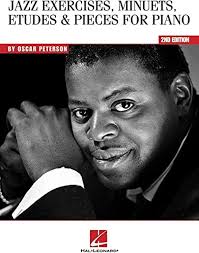
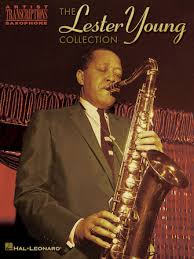
He collaborated extensively with other jazz giants. He recorded with the sublime tenor saxophonist Lester Young, with the earthy, soulful Illinois Jacquet, and with his brother, the bassist Eddie Cole. He shared stages and recording studios with his friend and peer, the pianist Oscar Peterson, who was heavily influenced by Cole's playing. In fact, Peterson's own legendary trio was a direct extension of the piano-guitar-bass format Cole had pioneered.
His duet with his daughter Natalie on "Unforgettable," created after his death, is a technological marvel, but his in-person collaborations were the real deal, a testament to his standing among the greatest musicians of his era.
A Glimpse at the Silver Screen
Nat King Cole’s natural charisma and debonair looks made him a natural for film, though his roles were often limited by the era's racial stereotypes. He appeared in over 20 films, usually performing a musical number as himself. Some notable appearances include:
- Cinema Paradiso (soundtrack, 1988): While not a film role for Cole, the use of his song "Mona Lisa" in this Oscar-winning film introduced his music to a new generation and cemented its emotional power.
- Cat Ballou (1965): In one of his final film roles, he played the enigmatic ballad singer "Shouter," who, along with Stubby Kaye, narrated the film's action with song, a perfect fit for his musical persona.
- The Nat King Cole Story (1955): An autobiographical film where Cole played himself, tracing his career from the trio days to his solo stardom.
- St. Louis Blues (1958): He took on the role of the legendary composer W.C. Handy in this biopic, a rare leading dramatic role that allowed him to showcase his acting and musical talents.
While his filmography is not vast in terms of dramatic leads, his on-screen presence was always magnetic, and his musical contributions to these films remain highlights.

Personal Life and Tragic End
Nat King Cole married his first wife, Nadine Robinson, in 1937, but the marriage ended in divorce. In 1948, he married the singer Maria Hawkins Ellington, with whom he adopted three children: Natalie (who would become a superstar in her own right), Carole, and twin daughters Timolin and Casey.
Cole was a devoted family man, but he was also a heavy smoker, consuming up to three packs of cigarettes a day. In September 1964, he was diagnosed with lung cancer. Despite undergoing treatment and projecting a brave face to the public, the disease had spread. Nat King Cole died on February 15, 1965, at the age of 45.
His death was a shock to the world. He was at the peak of his artistic powers, and his voice had become a fixture in homes across the globe. The loss was immeasurable.
Legacy: Truly Unforgettable
The legacy of Nat King Cole is multi-faceted and profoundly enduring. He left behind a vast and beloved catalog of music that continues to be streamed, played on the radio, and used in films and commercials. Songs like "The Christmas Song" have become an indelible part of the holiday season itself.
His influence on other artists is immense. Singers from Ray Charles (who called him a major influence) and Sam Cooke to Michael Bublé and Harry Connick Jr. have walked in the path he forged, emulating his smooth phrasing and romantic delivery. As a pianist, he set a standard for trio jazz that influenced generations of players, from Oscar Peterson to Monty Alexander.
His story is also a crucial chapter in American cultural history. As a successful Black artist in a segregated America, he navigated a complex landscape with grace and dignity. He faced racism personally, most notably when he was attacked on stage in Birmingham, Alabama, in 1956. Yet, he continued to perform and record, refusing to be defined by hatred. By inviting America into his living room every week on his TV show, he did more than just entertain; he helped to normalize Black excellence and humanity for a white audience.
Nat King Cole was more than just a singer with a pretty voice. He was a complete musician, a jazz innovator, a handsome and charming star, and a quiet pioneer for civil rights. His voice, as smooth as velvet and as warm as a hearth, remains a source of comfort, romance, and joy. On the day of his birth, we celebrate not just a man, but the timeless, beautiful sound he gave to the world—a sound that is, and will forever be, truly unforgettable.
Search your favorite sheet music in the Sheet Music Catalog
NAT KING COLE - The golden hits Nat King Cole Shows Vol.1 - CD 1995 - Compilation.
1 Intro Show 5 noviembre de 1956: 2 Somebody Loves Me 3 I've Grown Accustomed To Her Face 4 Can't You See How Happy We Will Be 5 Unforgettable Show 12 noviembre de 1956: 6 This Can't Be Love 7 A Beautiful Friendship 8 (I'll See You In) Cuba 9 Mona Lisa Show 19 noviembre de 1956: 10 Thou Swell 11 Night Lights 12 Two Different Worlds 13 It's Only A Paper Moon 14 The Dream I'm Building Show 26 noviembre de 1956: 15 To The End Of The Earth 16 My Foolish Heart 17 Sweet Sue - Just You 18 Love Letters Show 3 diciembre de 1956: 19 I'm Shooting High 20 Autumn Leaves 21 Just One Of Those Things 22 There Goes My Heart 23 Closing Theme.