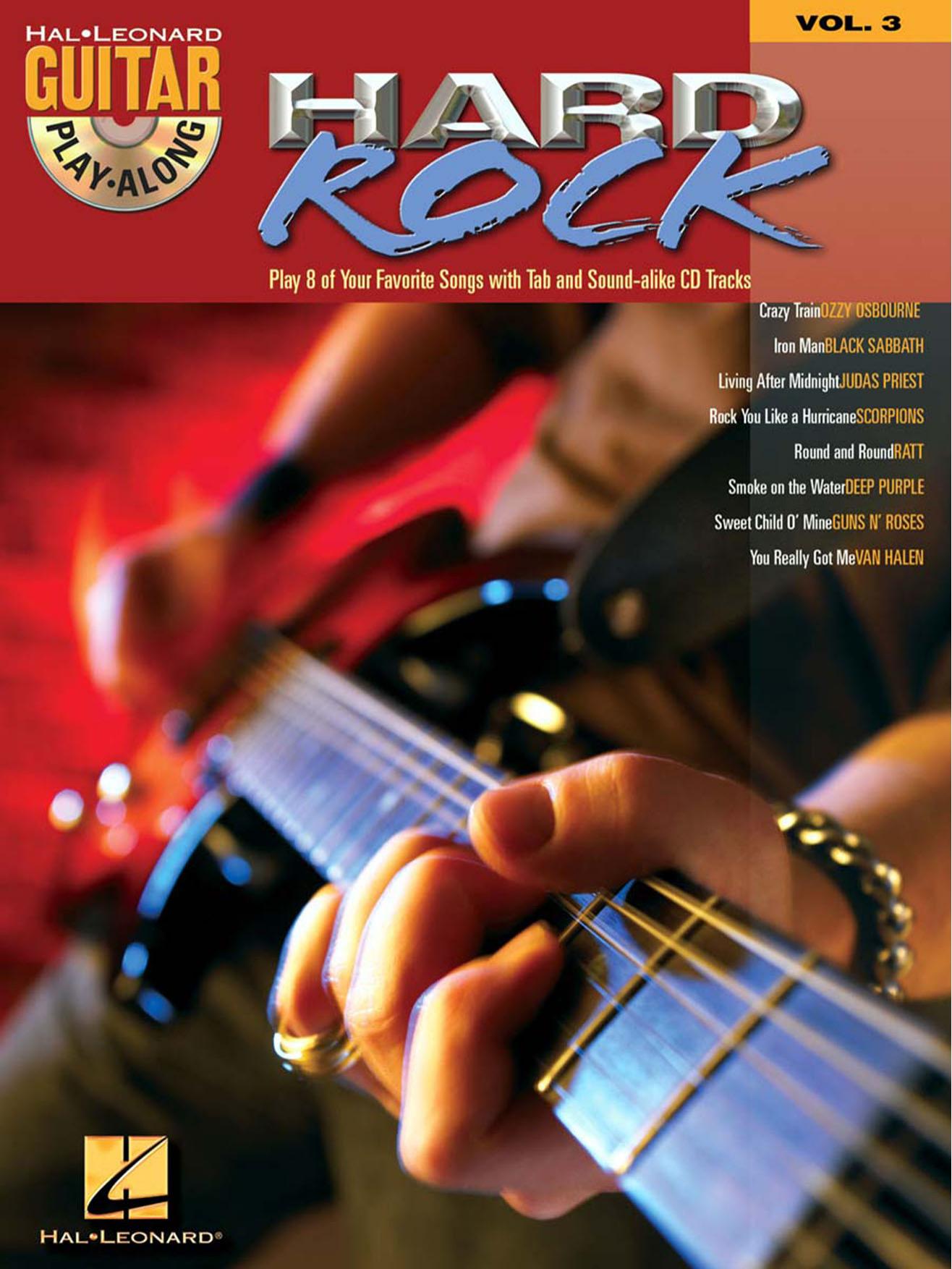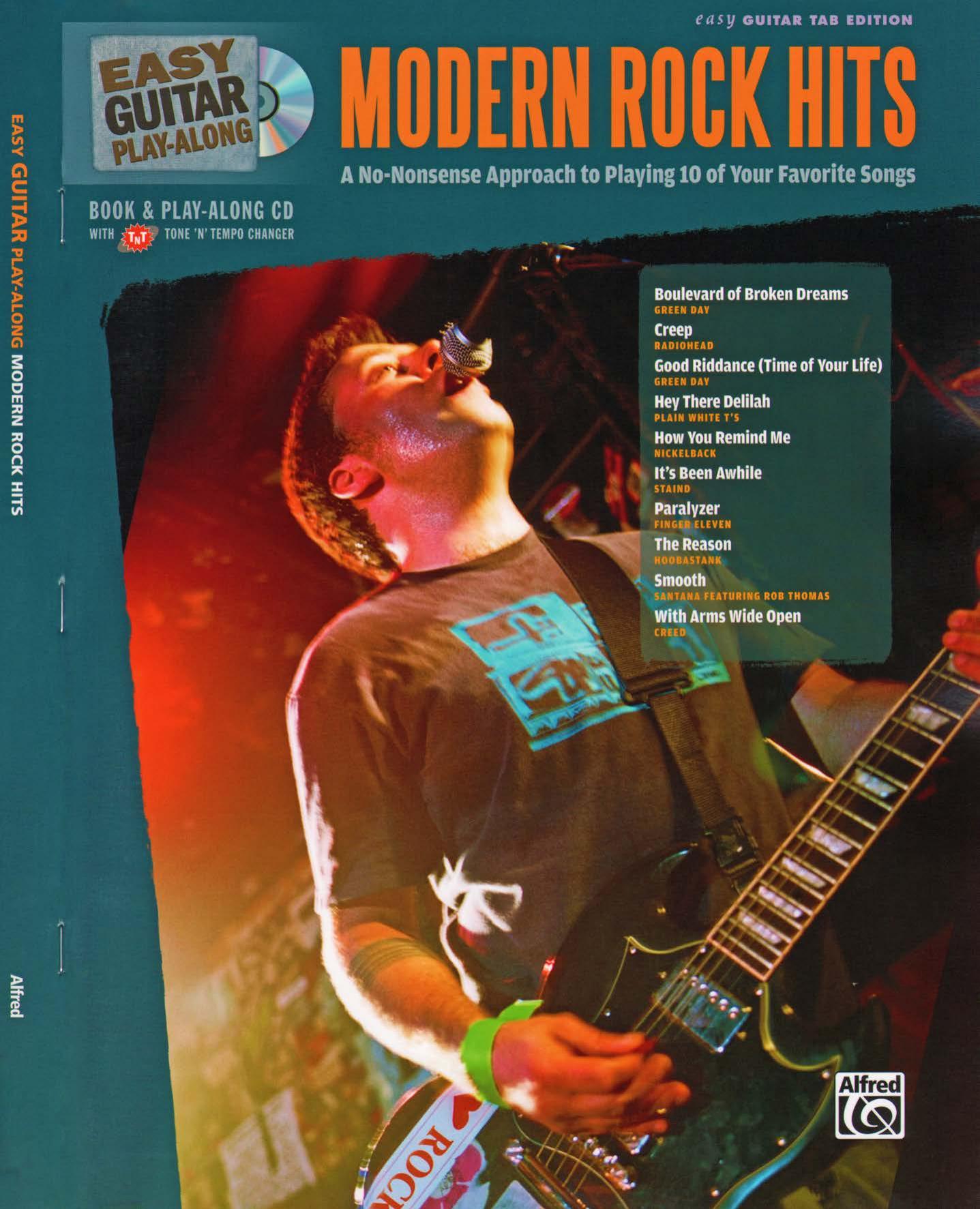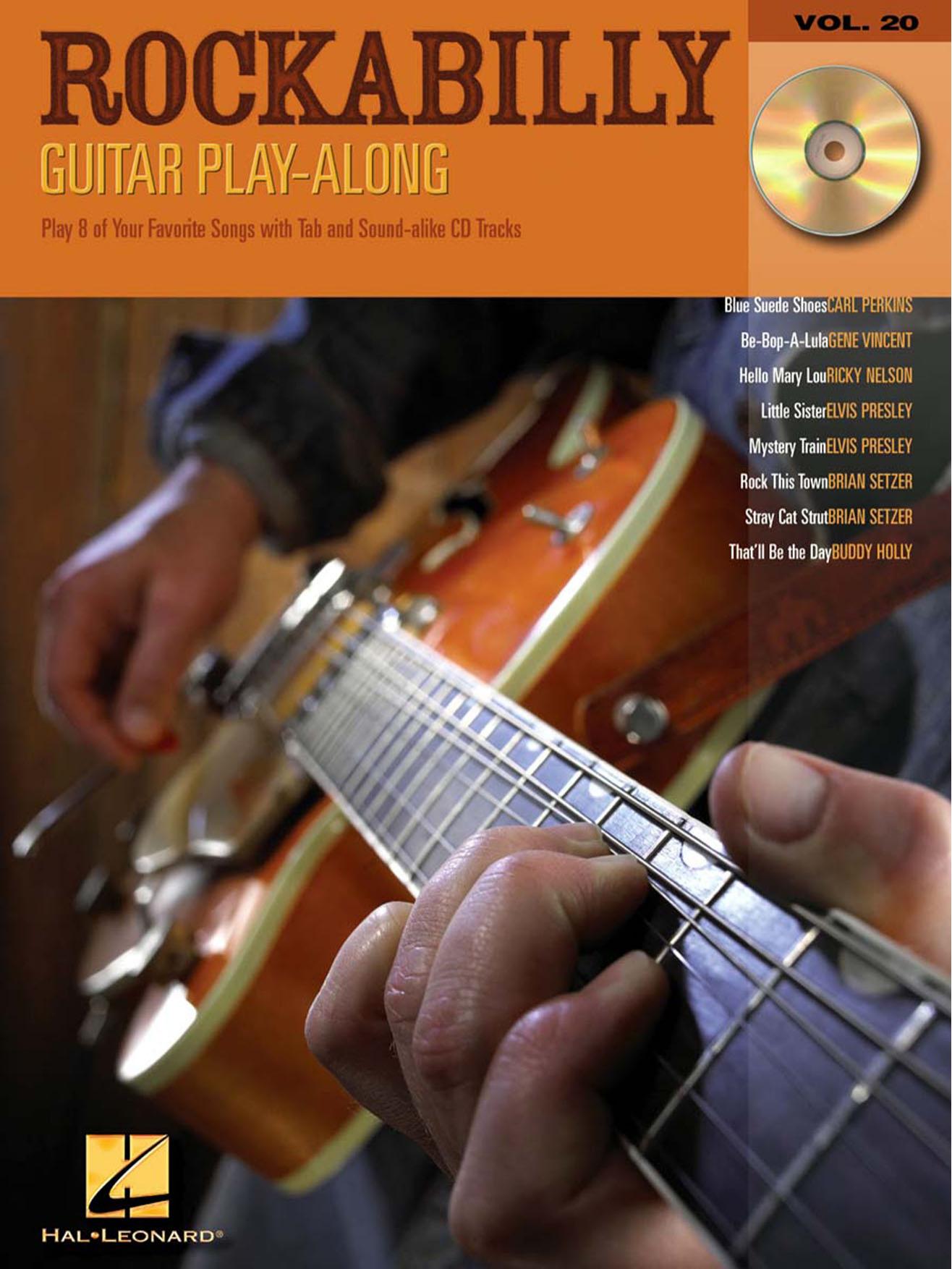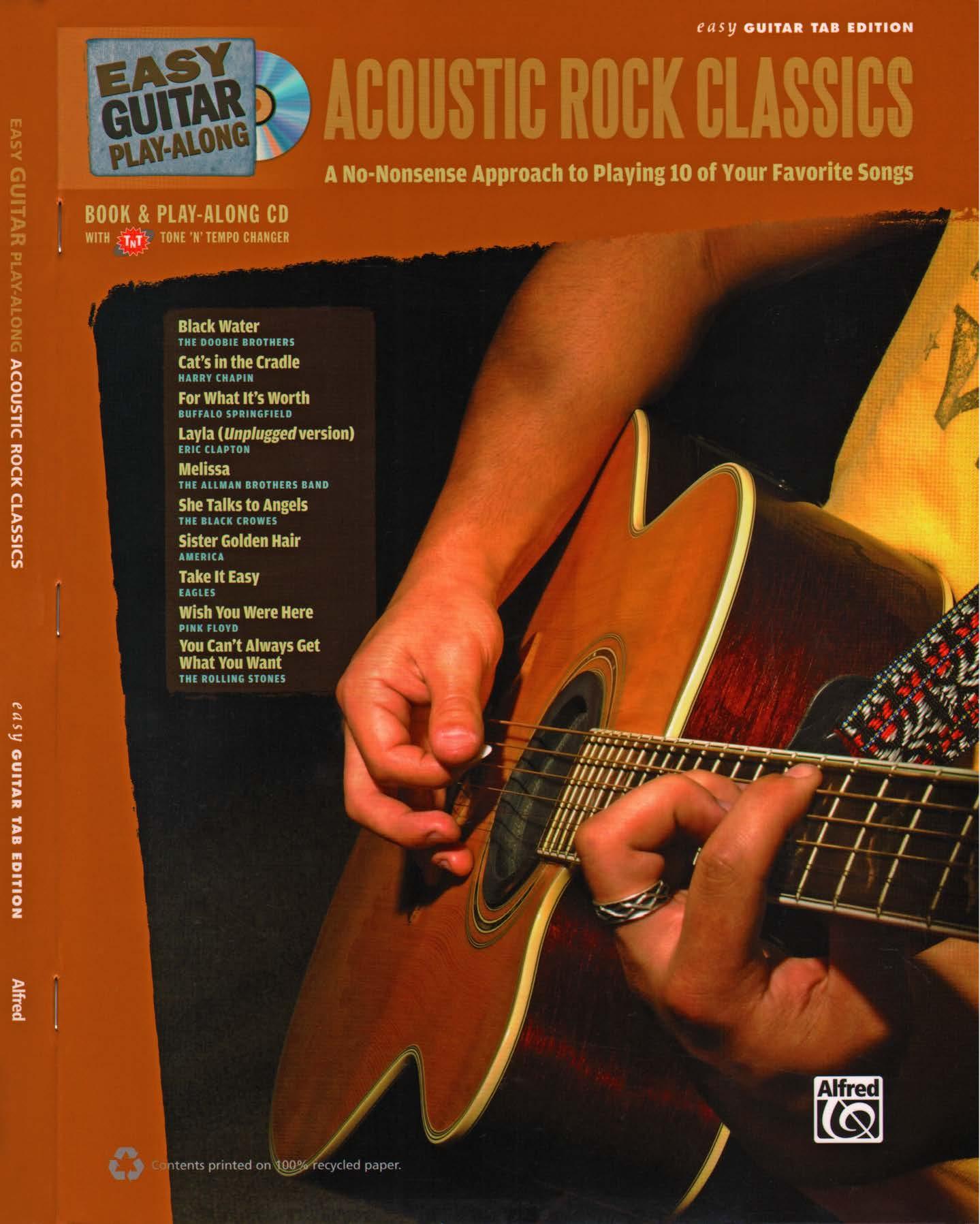
Community Musicians, building a worldwide Community Music.
Scores
for all instruments: 15,000+
(active and growing),
over 231,000 pages.
All genres and levels: Jazz & Blues, Rock & Pop, Classical & Contemporary, Film & Musicals;
books & biographies; methods, études, play-along tracks (MP3) for Jazz & Rock.
Access & benefits: US$15.99 one-time payment, valid for lifetime, full Library access.
Table of Contents
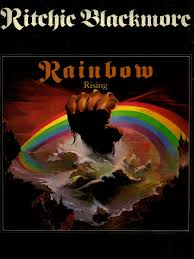
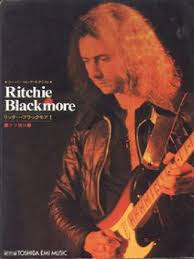
Happy birthday, Ritchie Blackmore, born on this day in 1945.
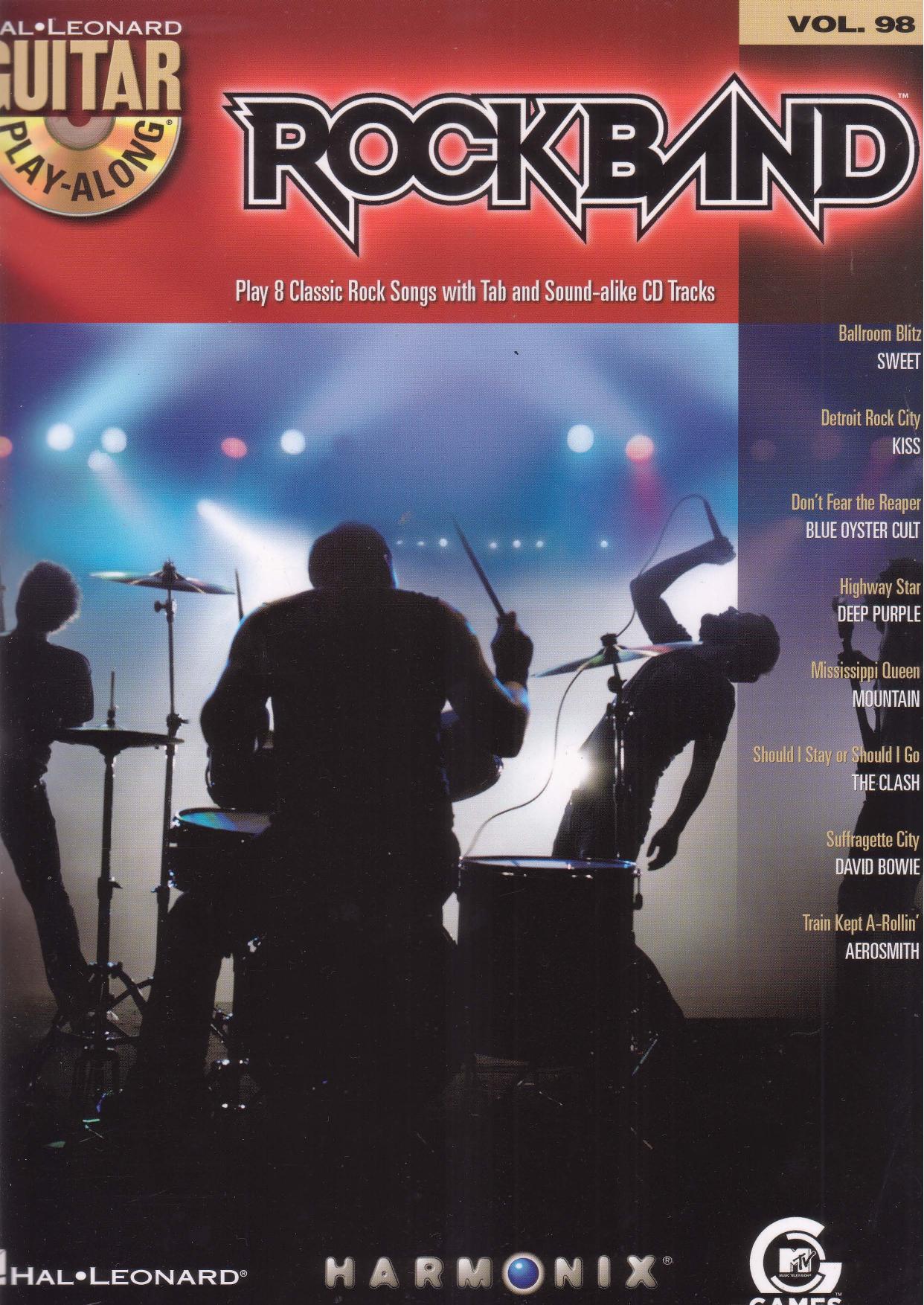
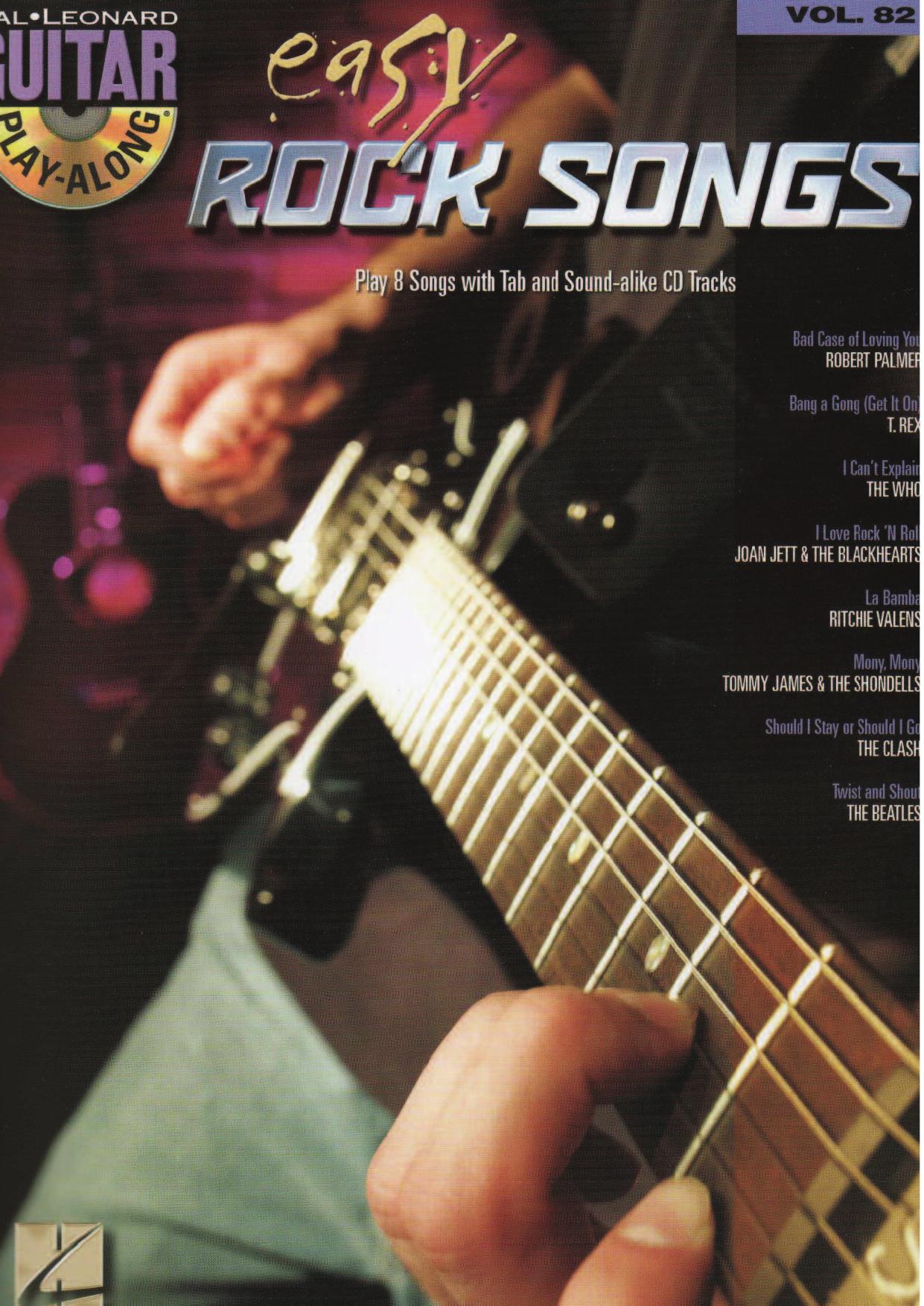
Best Sheet Music download from our Library.
Please, subscribe to our Sheet Music Library.
If you are already a subscriber, please, check our NEW SCORES' page every month for new sheet music. THANK YOU!
To celebrate the 81st birthday of Richard Hugh "Ritchie" Blackmore, here is a comprehensive deep dive into the life, music, and enduring legacy of one of rock's most formidable and influential guitarists. Born on April 14, 1945, Blackmore's career has spanned over six decades, marked by a relentless pursuit of his unique musical vision, from the birth of hard rock to the revival of Renaissance folk.
Early Life and Musical Beginnings
Ritchie Blackmore was born in Weston-super-Mare, Somerset, England, though his family soon moved to Heston, Middlesex. He received his first guitar at age 11 on the condition that he learn to play it properly, which led to a year of classical guitar lessons. This early classical training would become a defining feature of his later rock playing.
Blackmore's disdain for formal education was matched only by his passion for music. He left school at 15 to work as an apprentice radio mechanic at Heathrow Airport, while simultaneously taking electric guitar lessons from the renowned session guitarist Big Jim Sullivan.

The London Session Circuit (Early 1960s)
The early 1960s saw Blackmore dive headfirst into London's vibrant music scene. He began working as a session musician for legendary producer Joe Meek, a period that forged his professionalism and precision. His resume from this time is astonishing, playing in instrumental bands like The Outlaws, and backing a wide range of pop singers such as Glenda Collins, Heinz, Screaming Lord Sutch, and Neil Christian. A pre-fame Nicky Hopkins was also a fellow musician in this circle. A standout track from this era is "Shake With Me" (1964), recorded with The Outlaws, which is often cited by critics as one of the earliest examples of what would later be called heavy metal, driven by Blackmore's innovative, aggressive guitar work.
The Birth of Hard Rock: Deep Purple (1968–1975)
In 1968, Blackmore co-founded Deep Purple, a band that would become one of the pioneering forces of hard rock and heavy metal. The early "Mark I" lineup produced the hit "Hush," but it was the "Mark II" formation—with Ian Gillan (vocals), Roger Glover (bass), Jon Lord (keyboards), and Ian Paice (drums)—that created rock history.
Key Albums and Musical Evolution
- Concerto for Group and Orchestra (1969): A bold, ambitious live collaboration with the Royal Philharmonic Orchestra at the Royal Albert Hall. It showcased Blackmore and Lord's shared love for classical music, blending rock power with orchestral grandeur.
- Deep Purple in Rock (1970): This album was a statement of intent. Featuring anthems like "Speed King" and "Child in Time", it crystallized the band's heavy, riff-driven sound and Blackmore's virtuosic, classically-infused soloing.
- Machine Head (1972): The band's undisputed masterpiece. Recorded in Montreux, Switzerland, it contains the most famous guitar riff in history: "Smoke on the Water". The album also features the proto-speed metal of "Highway Star," where Blackmore’s solo, based on a Bach chord progression, remains a high-water mark for rock guitar.
- Burn (1974): With a new vocalist, David Coverdale, and bassist, Glenn Hughes, Deep Purple evolved. The title track "Burn" is a six-minute tour-de-force of stamina and creativity, with Blackmore's playing never losing its fire or becoming repetitive.
The End of an Era
Despite this creative peak, Blackmore left Deep Purple in 1975 due to musical differences, finding the direction of the band's songwriting increasingly restrictive.
A New Direction: Rainbow (1975–1984, 1994–1997)
Blackmore's next project, Rainbow, was initially conceived as a vehicle for his own eclectic ideas. The debut album, Ritchie Blackmore's Rainbow (1975), featured the powerful, operatic vocals of Ronnie James Dio and his backing band Elf. The music was a revolutionary fusion of hard rock with baroque and medieval influences, often cited as the birth of "medieval metal".
Peak of Neo-Classical Metal
Rainbow reached its creative zenith with Rising (1976), an album considered one of the greatest heavy metal records of all time. Tracks like "Stargazer" and "A Light in the Black" are epic sagas of fantasy and tragedy, built on intricate, classically-inspired compositions that pushed the boundaries of the genre.
Later Rainbow and Hiatus
After Dio's departure, Rainbow moved towards a more commercially accessible, pop-rock sound, achieving major hits with "Since You've Been Gone" (1979) and "I Surrender". Blackmore dissolved the band in 1984.
Reunion and Final Departure: Return to Deep Purple (1984–1993)
In 1984, the classic Mark II lineup of Deep Purple reunited for the successful album Perfect Strangers. However, creative tensions soon resurfaced. Blackmore's frustration with the band's musical direction led to his final, permanent departure from Deep Purple in 1993.
Renaissance and Romance: Blackmore's Night (1997–Present)
Following his departure from Deep Purple, Blackmore made the most dramatic shift of his career. In 1997, he formed Blackmore's Night with his then-partner and future wife, singer and lyricist Candice Night. The project represented a complete departure from hard rock, focusing entirely on traditional folk, Renaissance, and baroque music.
A Labor of Love
For Blackmore, this was a return to his earliest musical loves. He traded his Marshall stacks for acoustic guitars, mandolins, and the hurdy-gurdy. The band's extensive discography, including albums like Shadow of the Moon (1997), Ghost of a Rose (2003), and The Village Lanterne (2006), is a testament to this passion, creating a unique pastoral sound world that continues to captivate audiences.
The Artistry of a Master
Ritchie Blackmore's genius lies in his synthesis of seemingly disparate influences into a powerful, instantly recognizable style.
The Alchemy of Riff and Harmony
His trademark sound is built on a heavy, riff-driven foundation, famously characterized by the simplicity and power of the "Smoke on the Water" riff. Harmonically, Blackmore was a pioneer. He seamlessly integrated the minor harmonic scale into his blues-based rock, creating a dark, exotic, and classically-informed sound. He himself noted that the chord progression for the "Highway Star" solo is a direct Bach progression. He was one of the first guitarists to explore the Phrygian mode and the "snake charmer" scale, which became hallmarks of his style with Rainbow.
Precision, Tone, and Technique
His playing is a blend of aggressive, precise picking and a deep sense of melody. He favored Fender Stratocasters, and his tone—often raw, biting, and full of sustain—is iconic. A perfectionist, Blackmore's early session work taught him that "if you're not really clean in your playing, it sounds like a mess," a discipline that separated him from many of his more chaotic contemporaries.
Essential Listening
Blackmore's catalog is immense, but a few tracks are absolutely essential:
- "Smoke On The Water" (Deep Purple, 1972): The most famous riff in rock, but don't overlook the beautifully melodic guitar solo.
- "Highway Star" (Deep Purple, 1972): A masterclass in speed, precision, and neo-classical soloing.
- "Child in Time" (Deep Purple, 1970): A monumental track showcasing his dynamic range, from delicate arpeggios to wailing, desperate solos.
- "Stargazer" (Rainbow, 1976): An epic masterpiece that defines the neoclassical metal genre, featuring one of his most heroic and emotionally charged solos.
- "Burn" (Deep Purple, 1974): A high-energy showcase of stamina and creativity.
- "Man on the Silver Mountain" (Rainbow, 1975): The song that introduced the world to the Rainbow sound, with a classic, anthemic riff.
- "Wasted Sunsets" (Deep Purple, 1984): A later-era Deep Purple gem that features one of Blackmore's most soulful and understated solos.
- "Under a Violet Moon" (Blackmore's Night, 1999): A perfect introduction to his folkier side, a joyous and evocative Renaissance fair of a song.
Blackmore on Screen (Selected Filmography)
Blackmore has been the subject and participant of numerous documentaries and concert films:
- The Ritchie Blackmore Story (2015): The definitive documentary, with Blackmore granting unprecedented access to his life and career.
- Dio: Dreamers Never Die (2022): A documentary on Ronnie James Dio, featuring extensive interviews with Blackmore about their time in Rainbow.
- Classic Albums: Deep Purple - Machine Head (2002): An in-depth look at the making of the iconic album.
- Heavy Metal Britannia (2010): A BBC documentary exploring the birth of British heavy metal, featuring Blackmore.
- Blackmore's Night DVDs: The band has released several live DVDs, including Castles & Dreams (2005) and Paris Moon (2007), capturing the magic of their performances.
Jazz Connections?
While Blackmore's primary legacy is in hard rock and metal, his music has always had a subtle, tangential relationship with jazz. This connection is most evident in the early Deep Purple rhythm section of Jon Lord and Ian Paice. Lord's classically-influenced Hammond organ could often swing with a jazz feel, and Paice was a powerful, dynamic drummer with a background in jazz, creating a complex foundation for Blackmore's solos.
Additionally, Deep Purple's famous 1972 live album Made in Japan captures the band at its most improvisational, stretching out songs like "The Mule" and "Lazy" into extended jams that touch on modal jazz and blues structures, demonstrating Blackmore's ability to think on his feet in a free-flowing context.
Legacy and Influence
Ritchie Blackmore's influence on rock and metal is immeasurable. In 2016, he was inducted into the Rock and Roll Hall of Fame as a member of Deep Purple. In 2026, he received the "Lifetime Achievement" Award from the National GUITAR Museum, an honor that placed him in the company of legends like Jeff Beck, B.B. King, and Tony Iommi.
The Architect of Modern Rock
Publications like Guitar World and Rolling Stone consistently rank him among the greatest guitarists of all time. He is a primary architect of the riff-driven sound that defines hard rock and heavy metal. As the executive director of the National GUITAR Museum noted, "It's difficult to find any modern guitarist who has incorporated so many diverse styles into their playing… Ritchie was one of the first electric guitarists to add classical melodicism to his playing".
A Pervasive Impact
His influence is pervasive across genres, from blues-rock to heavy metal, neoclassical, and pop rock. His pioneering work with classical and medieval modes directly paved the way for the neoclassical metal of Yngwie Malmsteen and countless others. The shadow of his riffs and solos looms over every hard rock guitarist who came after.
Additional Information
- The Enigmatic Man in Black: Blackmore is known as "The Man in Black" for his on-stage attire. He is famously reclusive and enigmatic, often described as a difficult but brilliant perfectionist.
- Personal Life: He has been married multiple times. His marriage to Amy Rothman ended in divorce, and he later remarried her in 2008. His current partner and the love of his musical life is Candice Night, who is 26 years his junior.
- A Life in Music: From the session studios of London to the world's biggest arenas with Deep Purple and Rainbow, and finally to the intimate stages of medieval fairs with Blackmore's Night, Ritchie Blackmore has followed his own star. He remains a true musical iconoclast, whose artistry is as surprising as it is influential.
Happy 81st birthday to a true original, Ritchie Blackmore!
DEEP PURPLE - Black Night (1970 BBC TV Performance) Ritchie Blackmore - Guitar
Ian Gillan – voice Ritchie Blackmore - guitar Jon Lord – keyoboards Ian Paice – drums Roger Glover - bass
Browse in the Library:
Or browse in the categories menus & download the Library Catalog PDF: