Community Musicians, building a worldwide Community Music.
Scores
for all instruments: 15,000+
(active and growing),
over 231,000 pages.
All genres and levels: Jazz & Blues, Rock & Pop, Classical & Contemporary, Film & Musicals;
books & biographies; methods, études, play-along tracks (MP3) for Jazz & Rock.
Access & benefits: US$15.99 one-time payment, valid for lifetime, full Library access.
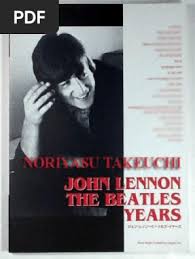
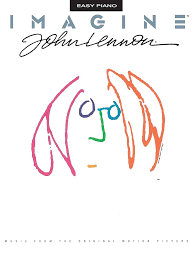
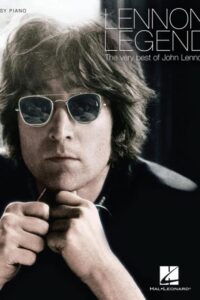
John Lennon IMAGINE (Piano, vocal and guitar) with sheet music

Browse in the Library:
Or browse in the categories menus & download the Library Catalog PDF:




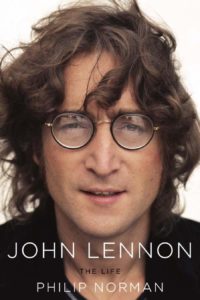
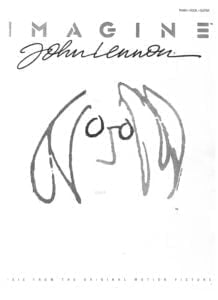
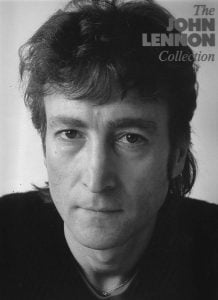

Is John Lennon's song IMAGINE an universal hymn to peace?
On one hand, "Imagine" has undoubtedly become a universal hymn to peace in a way few other songs have.
- Global Recognition: It's one of the most performed and translated songs in history, recognized from New York's Times Square to small villages in Africa and Asia. It's been sung at Olympic Games, UN events, and massive vigils for peace.
- Simple, Powerful Imagery: The lyrics are deliberately simple, childlike even. "No heaven," "no countries," "no possessions" – these are radical concepts, but the melody and gentle delivery make them feel like a hopeful dream rather than a political manifesto. This simplicity allows people from vastly different cultures to project their own hopes for peace onto it.
- Adopted by Movements: It's been a staple for anti-war, human rights, and environmental movements for over 50 years. When people imagine a world without the barriers that cause conflict, this song is their soundtrack.
However, the claim of "universality" has significant and valid criticisms.
- The "No Religion" Line: For devout believers around the world, the line "no religion too" is not a vision of peace but a direct attack on their identity and source of community. A universal hymn to peace likely wouldn't begin by asking a huge portion of humanity to abandon a core part of themselves.
- The "No Possessions" Line: In the West, this sounds idealistic. But in places that have experienced brutal communist or collectivist regimes (like parts of Eastern Europe, Russia, or China), this line can evoke painful memories of state-mandated poverty and the suppression of individual rights. For them, it's not a dream of peace, but a nightmare of oppression.
- John Lennon Himself: Critics point out that Lennon, a multimillionaire living in a lavish apartment in New York's Dakota building, singing "no possessions," felt hypocritical. Furthermore, he was a man who struggled with anger, violence, and was a flawed father. Does a flawed messenger make the message less universal? For some, yes.
- A Privileged Western Dream: The song imagines a world after all conflicts have been solved. It doesn't offer a path to get there. Some argue it's a beautiful but lazy, privileged fantasy – easy for someone in a safe, wealthy country to sing, but less resonant for someone actively fighting for survival or liberation.
Conclusion:
"Imagine" is the closest thing Western popular culture has produced to a universal peace anthem. Its melody and central, hopeful plea are instantly understood and deeply moving to hundreds of millions of people.
But it is not truly universal. Its specific, secular, and post-materialist vision of utopia is a product of its time (1960s/70s Western counterculture) and its creator. For a song to be truly universal, it would need to be inclusive of all faiths, all economic systems, and all political realities. "Imagine" is explicitly exclusive in its vision of what peace looks like.
So, the best answer is: It functions as a universal hymn to peace for a very large, secular-leaning global audience. But its very real and valid exclusions mean it cannot claim that title for everyone. Its power lies not in being universally accepted, but in being a beautifully provocative and enduring invitation to imagine peace on one man's very particular terms.