
The guitar legend Roger Waters couldn’t stand: “I couldn’t care less” (2026)
Roger Waters has been carving out his unique lane in rock and roll since the beginning of Pink Floyd.
Best Sheet Music download from our Library.

Please, subscribe to our Sheet Music Library.
If you are already a subscriber, please, check our NEW SCORES’ page every month for new sheet music. THANK YOU!
While most of the heavy lifting in the band may have been done by leader Syd Barrett in the early days, Waters was looking to set up a scene with his melodies every single time he went into the studio, turning in unique works like The Wall by pulling at the fabric of his upbringing. For all of the great music he’s made, though, Waters has also turned a blind eye to the best musicians in the world.
Throughout his work with Pink Floyd and solo, Waters has followed no one else’s tune but his own. Going through his entire back catalogue, Waters wanted to stretch the limits of the conventional rock song structure, not being restricted to the typical verse/chorus formula in rock at the time. While Waters may have been releasing his demons through song, another band was just getting their start in Southern California.







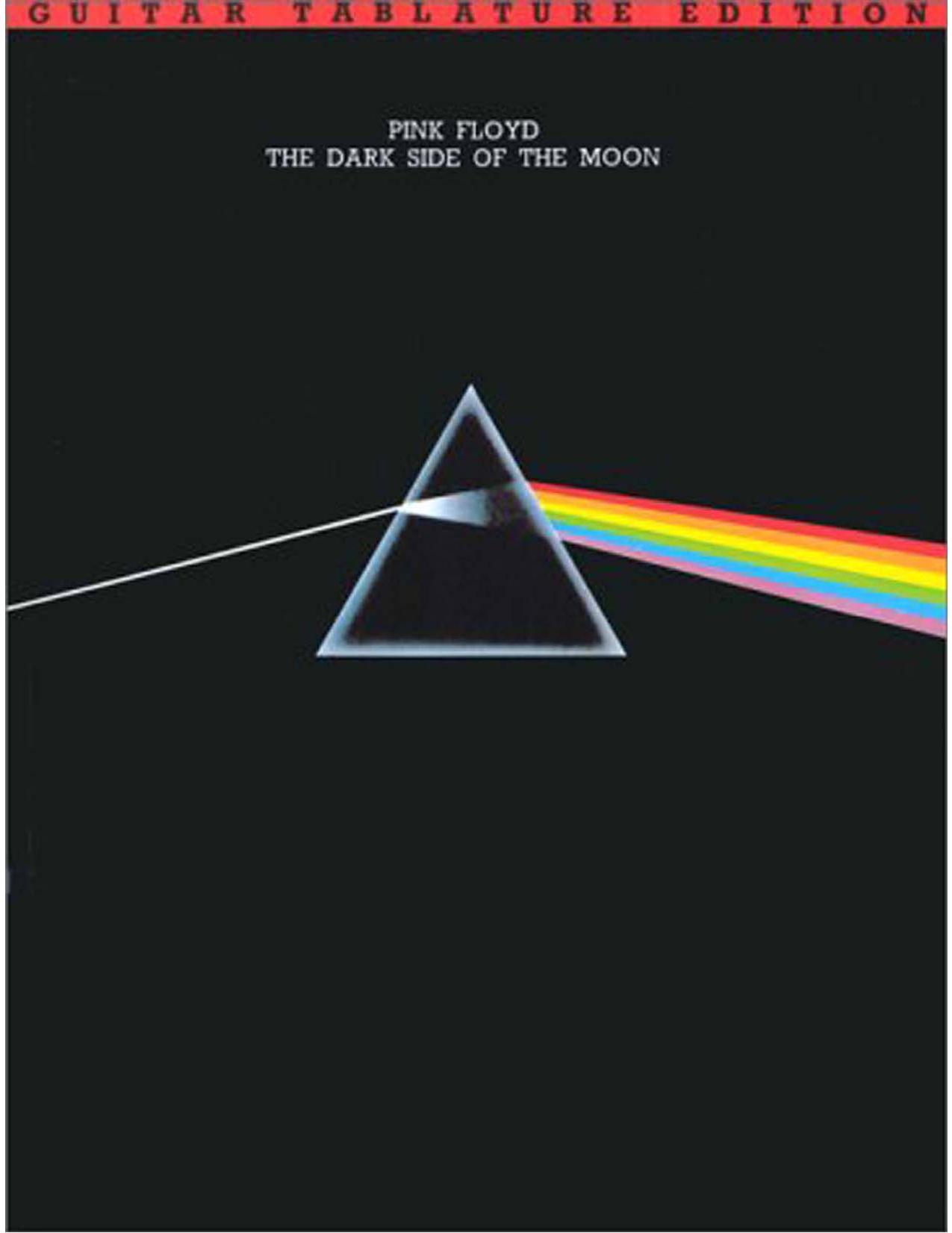

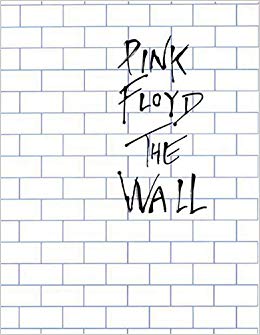
What separated Waters from many of his contemporaries was his focus on narrative over virtuosity. While technical brilliance was often celebrated in rock circles, he was more concerned with how music could serve a broader idea, using sound as a vehicle for storytelling rather than an end in itself. That perspective naturally put him at odds with artists whose appeal leaned heavily on instrumental flash, even if he could recognise their skill from a distance.
It also shaped the way he engaged with new music as it emerged. Rather than being drawn to trends or innovations in playing style, Waters tended to filter everything through his own artistic priorities, gravitating towards work that aligned with his conceptual thinking. As a result, entire movements could pass him by without leaving much of an impression, not out of dismissal, but because they occupied a different space to the one he was interested in exploring.

As the glam rock movement began to die out, Van Halen was just hitting their stride as one of the biggest bands in the world, with Eddie Van Halen rising to prominence as the most in-demand guitarist. While every song the band released focused on the good-time party spirit of the group, Eddie’s leads were an entirely different matter, playing massive runs on one string by using a tapping technique that is still unmatched to this day.
Although Waters may have seen competition with Van Halen through the years, he also admitted not wanting to listen to him. When speaking to Joe Rogan, Waters said he never gave Van Halen the time of day, saying, “I couldn’t care less about AC/DC or Eddie Van Halen or any of that stuff. I just… Who? I don’t go ‘Who?’ Because I obviously know the name. And I’m sure Eddie’s brilliant and a great guitar player and wonderful… But that just doesn’t interest me.”
While Waters may have turned a blind eye to the music Van Halen made, it didn’t stop him from using the budding guitarist on one of his songs. During the 1990s, Waters would contribute a song to the film The Legend of 1900, working alongside film composer Ennio Morricone. Although Waters may have been responsible for writing pieces of the song ‘Lost Boys Calling’, the guitar solo on the song came courtesy of Van Halen, delivering a far more soulful solo than the usual face-melting tracks he was used to.
Morricone’s orchestration provides the song with a sweeping, melancholic backdrop, blending strings and piano with Waters’ guitar work. Waters’ vocals are tender and raw, delivering the lyrics with a vulnerability that complements the song’s introspective tone. The track transitions between subdued verses and a more soaring, orchestral climax, creating an emotional arc that mirrors the protagonist’s story in the film.
Despite Waters’ initial critique of Van Halen as a group, his old bandmate David Gilmour would praise Eddie’s technique, saying, “I can’t play like Eddie Van Halen. I wish I could. I sat down to try some of those ideas, and I can’t do it. I don’t know if I could ever get any of that stuff together. Sometimes, I think I should work at the guitar more.”
Regardless of what Waters and Eddie may have accomplished alone, both have earned their places as towering figures in rock and roll history.
Read this article here.