Community Musicians, building a worldwide Community Music.
Scores
for all instruments: 15,000+
(active and growing),
over 231,000 pages.
All genres and levels: Jazz & Blues, Rock & Pop, Classical & Contemporary, Film & Musicals;
books & biographies; methods, études, play-along tracks (MP3) for Jazz & Rock.
Access & benefits: US$15.99 one-time payment, valid for lifetime, full Library access.
Table of Contents
Happy heavenly birthday, Duke Ellington, born on this day in 1899
The Timeless Duke: Ellington’s Pioneering Musical Revolution
Few artists have shaped the course of American music as profoundly and elegantly as Edward Kennedy “Duke” Ellington. Born on April 29, 1899, in Washington, D.C., Ellington transcended the label “jazz musician” to become one of the most significant composers in any genre—a true “beyond category” artist whose work continues to resonate with dazzling power more than a century after his birth. Over a career that spanned more than 50 years, he took the raw energy of early jazz and forged it into a sophisticated, harmonically daring art form, composing thousands of pieces that have become part of the very fabric of modern music. From the smoky, growling trumpet solos of his early “jungle sound” to the sweeping, impressionistic suites of his later years, Ellington’s genius lay in his ability to blend the earthy expressiveness of the blues with the structural complexity of classical European music, creating a body of work that is both intimately personal and universally American.
His orchestra, the Duke Ellington Orchestra, was not merely a backup band but an extension of his own creative vision—a carefully curated ensemble of unique instrumental voices, each soloist contributing a distinct colour to his vibrant sonic palette. With a career that included landmark recordings, international tours, film scores, and three monumental Sacred Concerts, Ellington left an indelible mark on generations of musicians, from jazz giants to rock innovators. This article traces the full journey of this extraordinary figure, exploring his life, his revolutionary musical innovations, his most essential works, and the enduring legacy of the man who remains, as the composer Percy Grainger once put it, one of “the three greatest composers who ever lived”. The following comprehensive sections will guide you through every facet of Duke Ellington’s life and work, providing a complete portrait of the artist.
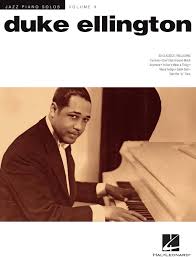
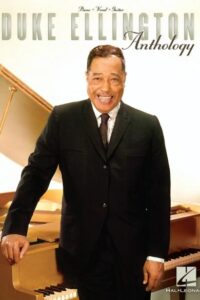
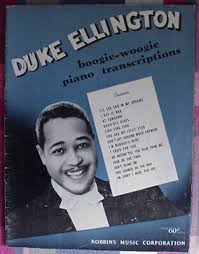





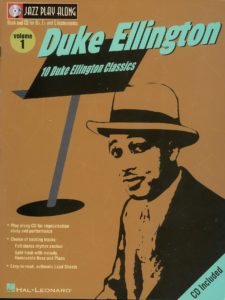
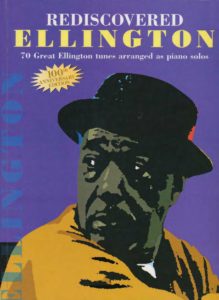
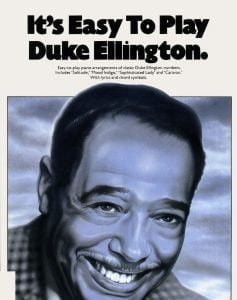
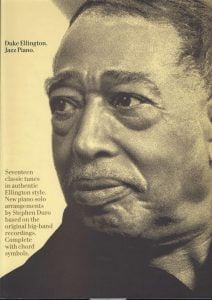
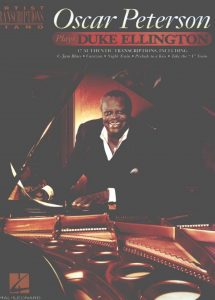

Best Sheet Music download from our Library.
Full Biography
Early Life and Upbringing
Edward Kennedy Ellington was born into a stable, middle‑class Black family in Washington, D.C. His parents, James Edward Ellington, a butler who later worked as a blueprint maker for the U.S. Navy, and Daisy Kennedy Ellington, were both pianists who encouraged their son’s interest in the arts. He began studying piano at age seven and soon earned the nickname “Duke” for his elegant, gentlemanly demeanor. At fifteen, while working as a soda jerk, he wrote his first piece, “Soda Fountain Rag,” and by age seventeen he was playing professionally in local clubs. Despite receiving a scholarship to study commercial art at the Pratt Institute in Brooklyn, Ellington chose to follow his growing passion for ragtime and the emerging sounds of jazz.
Please, subscribe to our Sheet Music Library.
If you are already a subscriber, please, check our NEW SCORES' page every month for new sheet music. THANK YOU!
Formation of the Band and Move to New York
In 1918, Ellington formed his first group, the Duke’s Serenaders, in Washington, D.C. Five years later, in 1923, he moved to New York City, initially working with the Wilber Sweatman Orchestra before leading his own band, the Washingtonians, at the Kentucky Club. It was there that he began assembling the musicians who would form the core of his iconic orchestra, including trumpeter Bubber Miley, saxophonist Otto Hardwick, and drummer Sonny Greer. By 1926, the group had renamed itself Duke Ellington and His Orchestra, and its first recordings were soon made.
The Cotton Club Era (1927–1931) and Rise to National Fame
Ellington’s big break came in 1927 when his orchestra was hired as the house band at the legendary Cotton Club in Harlem. Broadcasting live shows on radio, the club’s lavish floor shows and Ellington’s innovative music quickly made him a nationwide sensation. During this period, the orchestra expanded to fourteen players, and the signature “jungle sound” —with Bubber Miley’s plunger‑muted “growl” trumpet, Joe “Tricky Sam” Nanton’s muted trombone, and the dense, exotic textures—was born. Hits like “East St. Louis Toodle‑Oo” (1926), “Black and Tan Fantasy” (1927), and “Creole Love Call” (1927) established Ellington as a composer of extraordinary originality.
International Stardom and the Blanton‑Webster Band (1930s–1940s)
By the early 1930s, Ellington’s orchestra had left the Cotton Club and was touring Europe, receiving critical acclaim from both popular audiences and classical composers. The hiring of bassist Jimmy Blanton and tenor saxophonist Ben Webster in the early 1940s produced what many consider Ellington’s finest band. During this golden period, he composed such masterworks as “Concerto for Cootie,” “Cotton Tail,” and “Ko‑Ko.” At the same time, he began a legendary partnership with composer‑arranger Billy Strayhorn, whose “Take the ‘A’ Train” became the orchestra’s new theme song.
Later Career: Suites, Sacred Works and Final Years
After a temporary decline in popularity in the late 1940s and early 1950s, Ellington’s career was spectacularly revived by a legendary performance at the 1956 Newport Jazz Festival. He spent the final two decades of his life composing extended suites (“Such Sweet Thunder,” “The Far East Suite”), writing film scores, and creating three Sacred Concerts (1965, 1968, 1973), which he called “the most important thing I have ever done.” He continued performing and recording almost until his death from lung cancer on May 24, 1974, in New York City.
Musical Style and Harmony
The “Jungle Sound” and Vocalized Instruments. The early Ellington sound was defined by the use of plunger mutes, growling brass, and dark, exotic timbres. Trumpeter Bubber Miley and trombonist Joe Nanton created speech‑like effects that evoked the raw energy of Harlem nightlife, a style that became known as “jungle jazz”.
Harmony and Orchestration. Although largely self‑taught, Ellington employed daring, often dissonant harmonies and unconventional chord progressions. Works like “Mood Indigo” (1930) feature close‑voiced chromatic harmony, creating dense, atmospheric textures that were unprecedented in jazz.
Writing for Individual Soloists. Ellington considered his band a collection of unique personalities, and he composed pieces specifically tailored to their sounds. Johnny Hodges’s creamy alto saxophone, Cootie Williams’s expressive trumpet, and Harry Carney’s deep baritone sax were all showcased in concertos and short forms that highlighted their individual voices.
Extended Forms and Blurring Genres. From the 1930s onward, Ellington regularly composed longer works, including suites (“Black, Brown and Beige”), film scores (“Anatomy of a Murder”), and ballet music. He freely mixed jazz, blues, classical counterpoint, and even rock elements, always refusing to be confined by category.
Best Songs and Compositions
Below is a list of 20 essential Ellington pieces, illustrating the range of his genius:
| Song Title | Year | Comments |
|---|---|---|
| “Take the ‘A’ Train” | 1941 | Composed by Billy Strayhorn; became the orchestra’s signature theme. |
| “Mood Indigo” | 1930 | Originally “Dreamy Blues”; a classic example of Ellington’s colouristic harmony. |
| “It Don’t Mean a Thing (If It Ain’t Got That Swing)” | 1932 | Early use of the word “swing” in a song title. |
| “Sophisticated Lady” | 1933 | A sophisticated, moody ballad covered by countless artists. |
| “Solitude” | 1934 | A beautiful, introspective melody with lyrics by Eddie DeLange. |
| “Caravan” | 1936 | Co‑written by Juan Tizol; introduced a Latin‑tinged sound to big‑band jazz. |
| “Prelude to a Kiss” | 1938 | Features wide interval leaps typical of Ellington’s melodic style. |
| “Concerto for Cootie” | 1940 | A showcase for trumpeter Cootie Williams’s expressive muted playing. |
| “Cotton Tail” | 1940 | Fast‑tempo showcase built on the changes of “I Got Rhythm.” |
| “Ko‑Ko” | 1940 | Dense, compressed masterpiece from the Blanton‑Webster era. |
| “Harlem Air Shaft” | 1940 | Programmatic piece evoking the sounds of a Harlem apartment building. |
| “Main Stem” | 1942 | A driving, blues‑based number celebrating New York’s 52nd Street. |
| “Don’t Get Around Much Anymore” | 1942 | Originally “Never No Lament”; a classic pop standard. |
| “Do Nothin’ Till You Hear from Me” | 1943 | A smooth, sophisticated ballad with lyrics by Bob Russell. |
| “Black, Brown and Beige” | 1943 | The first of Ellington’s extended suites, tracing African‑American history. |
| “Satin Doll” | 1953 | One of Ellington’s most beloved later standards. |
| “Such Sweet Thunder” | 1957 | Shakespeare‑inspired suite showcasing the band’s versatility. |
| “The Far East Suite” | 1964 | Inspired by a Middle East tour; includes “Isfahan” and “Mount Harissa.” |
| “In the Beginning God” | 1965 | First of Ellington’s three Sacred Concerts. |
| “The Afro‑Eurasian Eclipse” | 1971 | A late suite blending Ellington’s harmonic style with rock and funk rhythms. |
Filmography: Ellington on Screen
Duke Ellington was a natural on‑screen personality, appearing in more than a dozen feature films and shorts:
- Black and Tan (1929) – Ellington’s first film, a 19‑minute RKO short in which he plays a struggling pianist.
- Check and Double Check (1930) – Features the orchestra performing “Old Man Blues”.
- Symphony in Black (1935) – A nine‑minute short with an extended Ellington composition; introduces Billie Holiday (uncredited).
- Cabin in the Sky (1943) – Hollywood musical starring Ethel Waters and featuring Ellington and his band as themselves.
- Reveille with Beverly (1943) – A musical comedy with a cameo by Ellington and his orchestra.
- Anatomy of a Murder (1959) – Ellington appears on screen and composed the acclaimed film score.
- Date with Duke (1947) – A short film produced for television.
- The Asphalt Jungle (1950) – Ellington contributed to the score (uncredited).
- Television Specials – He wrote, narrated, and performed in A Drum Is a Woman (1956) and appeared on numerous variety shows.
Additionally, his legacy has been chronicled in dozens of later documentaries, including The Jazz Ambassadors (2018) and The Apollo (2019), incorporating extensive archival footage.
Cooperations with Other Jazz Musicians
Ellington was a master collaborator. The most important partnership was with Billy Strayhorn, who joined in 1939 and became his “writing and arranging companion,” co‑composing many suites and standards. Ellington also worked extensively with iconic vocalists: Billie Holiday appeared on the film short Symphony in Black, and Ella Fitzgerald recorded several albums of Ellington’s songbook. The orchestra itself was a revolving door of legendary soloists, including alto saxophonist Johnny Hodges, trumpeter Cootie Williams, clarinetist Barney Bigard, baritone saxophonist Harry Carney, trombonist Juan Tizol, bassist Jimmy Blanton, and tenor saxophonist Ben Webster. Ellington’s collaborative spirit ensured that his music was not just a solo effort but a rich, collective expression.
Influences and Legacy
Influences on Ellington. Ellington absorbed many strands: the stride‑piano tradition of James P. Johnson and Fats Waller, the blues, the New Orleans polyphony of King Oliver and Louis Armstrong, the harmonic innovations of European composers like Debussy and Delius, and the rhythmic drive of African‑American folk and dance music. He transformed these influences into a distinctive, personal language that transcended any single genre.
Legacy. Ellington’s impact on later musicians is immeasurable. He directly influenced generations of jazz artists, from Thelonious Monk, Charles Mingus, and Sun Ra to Miles Davis and Wynton Marsalis. His conception of arranging for specific, individual voices anticipated the rise of “third stream” and modal jazz. Beyond jazz, his music inspired rock and pop innovators: Stevie Wonder (whose song “Sir Duke” is a direct tribute), Frank Zappa, Steely Dan, George Clinton, and Prince, among many others. Classical composers such as Gunther Schuller and William Grant Still also acknowledged his influence. Today, Ellington’s music remains a cornerstone of jazz education, and his name is synonymous with artistic integrity, innovation, and the elevation of African‑American music into the pantheon of world culture.
Additional Information
- Sacred Concerts (1965–1973). Ellington composed three extended sacred works: A Concert of Sacred Music (1965), Second Sacred Concert (1968), and Third Sacred Concert (1973). These pieces blend jazz, gospel, blues, and classical elements, and Ellington considered them the crowning achievement of his life.
- Awards and Honors. Ellington received 13 Grammy Awards (including a Lifetime Achievement Award in 1966), the Presidential Medal of Freedom (1969), the French Legion of Honour (1973), and a posthumous Pulitzer Prize Special Award (1999). He was also awarded honorary doctorates from Yale, Howard, and other universities. A U.S. commemorative stamp was issued in his honour in 1986, and his image appears on the Washington, D.C., quarter.
- Personal Life. He married Edna Thompson in 1918; they had one son, Mercer Ellington, who later led the Duke Ellington Orchestra after his father’s death. Ellington lived with several other women but never divorced Edna.
- Trivia. Ellington was an avid painter and commercial artist before dedicating himself fully to music. He once said, “There are two kinds of music. Good music, and the other kind” – a phrase that perfectly encapsulates his refusal to be limited by genre.
On this day, we celebrate a man who not only defined an era but also redefined what American music could be. Duke Ellington’s journey from a cosseted middle‑class boy in Washington, D.C., to the world‑renowned “Duke” of jazz is a testament to the power of unyielding creativity, deep humanism, and artistic integrity. He built an orchestra that was a living, breathing community of extraordinary individual voices, and he composed a body of work that captures the full spectrum of the human experience—joy, sorrow, love, and transcendence. As we listen to “Mood Indigo,” “Take the ‘A’ Train,” or the majestic strains of his Sacred Concerts, we hear not just a jazz musician but a true American master, whose music remains as fresh, vital, and swinging as it was nearly a century ago. In a world that often tries to put artists in boxes, Duke Ellington remains defiantly, gloriously “beyond category.”
Search your favorite sheet music in the Sheet Music Catalog
The Duke Ellington Orchestra perform “Take The ‘A’ Train” with singer Betty Roche in an excerpt from the 1943 film “Reveille With Beverly.”
Duke Ellington, "Take the A Train"
This is a segment from the film Reveille with Beverly from 1943; the song was composed in 1939.
Browse in the Library:
Or browse in the categories menus & download the Library Catalog PDF: