Community Musicians, building a worldwide Community Music.
Scores for all instruments: 16,000+ (active and growing), over 236,000 pages.
All genres and levels: Jazz & Blues, Rock & Pop, Classical & Contemporary, Film & Musicals;
books & biographies; methods, études, play-along tracks (MP3) for Jazz & Rock.
Access & benefits: US$15.99 one-time payment, valid for lifetime, full Library access.
Scores for all instruments: 16,000+ (active and growing), over 236,000 pages.
All genres and levels: Jazz & Blues, Rock & Pop, Classical & Contemporary, Film & Musicals;
books & biographies; methods, études, play-along tracks (MP3) for Jazz & Rock.
Access & benefits: US$15.99 one-time payment, valid for lifetime, full Library access.
Bach-Kempff - Siciliano (Piano Solo) from Flute Sonata No 2 BWV 1031 with sheet music, Noten.
Search your favorite sheet music in the Sheet Music Library Catalog
The best sheet music download from our Library.

The best sheet music download from our Library.

Browse in the Sheet Music Library:
Or browse in the categories menus & download the Library Catalog PDF:
Please, subscribe to our Sheet Music Library.
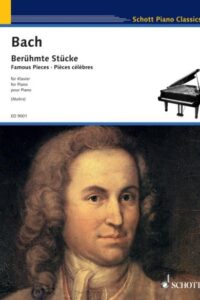
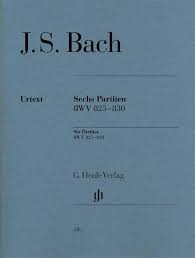
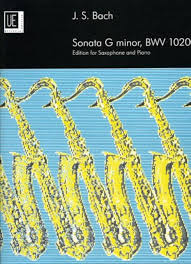
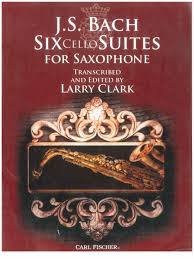
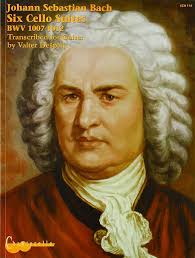
The "Siciliano" from the Flute Sonata No. 2 in E-flat major, BWV 1031, composed by Johann Sebastian Bach and transcribed for solo piano by the legendary German pianist Wilhelm Kempff, is one of the most celebrated and deeply moving transcriptions in the classical piano repertoire.
Kempff published this arrangement circa 1931 as part of his famous 10 Bach Transcriptions, dedicating it to the renowned theologian, organist, and humanitarian Albert Schweitzer.
Musical Characteristics & Interpretation
- Tempo & Flow: Marked as Andante semplice (typically performed at roughly 104 BPM). The piece maintains the characteristic, gently swaying 6/8 meter of a traditional Sicilian dance.
- Mood & Dynamics: The transcription is deeply lyrical and introspective, demanding a cantabile (singing) touch. It shifts seamlessly through dynamics ranging from pianissimo (pp) to mezzo-forte (mf).
- Structure: While the original piece relies heavily on the dialogue between flute and harpsichord, Kempff masterfully weaves the melody and accompaniment together into a single, cohesive piano texture. The arrangement subtly winds down at the end with Più Andante and Adagio sections.