Community Musicians, building a worldwide Community Music.
Scores
for all instruments: 15,000+
(active and growing),
over 231,000 pages.
All genres and levels: Jazz & Blues, Rock & Pop, Classical & Contemporary, Film & Musicals;
books & biographies; methods, études, play-along tracks (MP3) for Jazz & Rock.
Access & benefits: US$15.99 one-time payment, valid for lifetime, full Library access.
Table of Contents
Who is Bob Dylan (born 1941)?
Bob Dylan: The Complete Artist
Bob Dylan (born Robert Allen Zimmerman, May 24, 1941, Duluth, Minnesota) is an American singer, songwriter, musician, author, and visual artist. Widely regarded as one of the most influential cultural figures of the 20th and 21st centuries, Dylan’s six-decade career has profoundly shaped popular music and literature. He moved folk music into rock in the 1960s, infusing rock lyrics—previously limited to romantic clichés—with the intellectual ambition of classic poetry and literature. Hailed as the “Shakespeare of his generation,” Dylan has sold tens of millions of albums, written more than 500 songs that have been recorded by over 2,000 artists, performed around the world, and set a new standard for lyric writing. His 2016 Nobel Prize in Literature “for having created new poetic expressions within the great American song tradition” cemented his position as a major modern artist. This article provides a comprehensive examination of Dylan’s biography, musical style, compositional techniques, harmonic language, melodic and formal methods, influences, encounters with other artists, legacy, and an exhaustive catalog of his works—studio albums, notable songs, film appearances, documentaries, famous covers, and his most recent output.
Search your favorite sheet music in the Sheet Music Catalog
1. Full Biography
1.1 Childhood and Youth (1941–1959)
Robert Allen Zimmerman was born on May 24, 1941 in Duluth, Minnesota, to a middle‑class Jewish family. His father, Abram Zimmerman, co‑owned a furniture and appliance store; his mother, Beatrice “Beatty” (née Stone), was a former model. In 1947 the family moved to Hibbing, an iron‑ore mining town on the Mesabi Range, where Bob spent his formative years.
Best Sheet Music download from our Library.
The radio in the Zimmerman home exposed young Bob to a rich spectrum of music: white country, Mississippi Delta blues, and black church music. He taught himself guitar, piano, and harmonica, and by the mid‑1950s he was an avid rock‑and‑roll fan. His first guitar was acquired in 1955 at age 14. He formed a high‑school band, the Golden Chords, and pounded out Little Richard numbers on a 1922 Steinway Grand in the lavish Hibbing High School auditorium. In his 1959 yearbook, under “Ambition,” he wrote: “To join Little Richard”.
In fall 1959 he enrolled at the University of Minnesota in Minneapolis. There he discovered the bohemian Dinkytown neighborhood, absorbed Beat poetry (Kerouac, Ginsberg), and became fascinated by pre‑war blues recordings of Leadbelly and the campaigning folk songs of Woody Guthrie. He began performing in coffeehouses, first as “Bob Dillon” and later “Bob Dylan,” taking his surname from the Welsh poet Dylan Thomas. By mid‑1960 he had dropped out of college and set out for New York to meet the ailing Guthrie.
1.2 The Folk Revival and Early Acclaim (1961–1964)
Arriving in New York’s Greenwich Village in January 1961, Dylan immersed himself in the folk revival scene. He visited Woody Guthrie in the hospital, performed in folk clubs, and quickly gained attention for his forceful, charisma‑filled performances. In late 1961 Columbia Records producer John Hammond signed him to a contract.
His self‑titled debut album, Bob Dylan (1962), contained only two original songs (“Talkin’ New York” and “Song to Woody”), the rest being traditional folk covers. The breakthrough came with The Freewheelin’ Bob Dylan (1963). The album opened with “Blowin’ in the Wind,” a gentle yet searing protest song that became an anthem for the civil‑rights movement. Dylan borrowed the melody from the 19th‑century anti‑slavery song “No More Auction Block” and married it to a series of searching, unanswered questions. Also on the album were “A Hard Rain’s A‑Gonna Fall,” “Masters of War,” and “Don’t Think Twice, It’s All Right.”
Please, subscribe to our Sheet Music Library.
If you are already a subscriber, please, check our NEW SCORES' page every month for new sheet music. THANK YOU!
In rapid succession Dylan released The Times They Are a‑Changin’ (1964) and Another Side of Bob Dylan (1964). These albums cemented his reputation as the conscience of the folk‑protest movement and “the voice of his generation”. He began a romantic and professional relationship with folk singer Joan Baez, and together they performed at the March on Washington in August 1963.
1.3 Going Electric and the Mid‑1960s Peak (1965–1966)
In early 1965 Dylan released Bringing It All Back Home, an album divided between a stark acoustic side and an electric side featuring a full rock band. The opening track, “Subterranean Homesick Blues,” was a rapid‑fire, stream‑of‑consciousness rocker that became an early music‑video prototype. The album also contained the lilting “Mr. Tambourine Man.”
The turning point in Dylan’s career—and in popular music—came on the night of July 25, 1965 at the Newport Folk Festival. Backed by the Paul Butterfield Blues Band and wielding a Fender Stratocaster, Dylan plugged in and launched into “Maggie’s Farm.” The purist crowd booed, but Dylan had irrevocably shattered the boundaries between folk and rock.
That same year he released Highway 61 Revisited, anchored by the six‑minute epic “Like a Rolling Stone.” The song’s snarling vocal, sweeping organ, and scathing lyrics revolutionized what a pop single could be; Rolling Stone magazine later ranked it the greatest song of all time.
In 1966 Dylan pushed further with the double album Blonde on Blonde, recorded with Nashville session musicians. Tracks such as “Just Like a Woman,” “I Want You,” and the hallucinatory “Visions of Johanna” fused rock, blues, and surrealist poetry. The late 1965–66 world tour was captured in D.A. Pennebaker’s landmark documentary Don’t Look Back (1967), which showed Dylan at his mercurial, combative peak. On July 29, 1966, Dylan suffered a broken neck in a motorcycle accident near Woodstock, New York, and withdrew from public view for a prolonged period.

1.4 Country, Faith, and Wandering (1967–1980s)
During his convalescence Dylan recorded a series of informal sessions with members of The Band that later surfaced as The Basement Tapes (1975). His first post‑accident release, John Wesley Harding (1967), marked a sharp turn toward spare, parable‑like songs, including “All Along the Watchtower.” The country‑flavored Nashville Skyline (1969) featured the hit “Lay Lady Lay” and a smoother vocal delivery.
In the early 1970s Dylan’s output was uneven. Self Portrait (1970) puzzled critics, and Dylan (1973) was a contractual anomaly. Yet he contributed the soundtrack to Sam Peckinpah’s film Pat Garrett and Billy the Kid (1973), which yielded the song “Knockin’ on Heaven’s Door.” A reunion tour with The Band resulted in the live album Before the Flood (1974) and the studio set Planet Waves (1974), Dylan’s first #1 album.
The mid‑1970s brought a creative resurgence. Blood on the Tracks (1975), widely regarded as one of his masterpieces, drew on the dissolution of his marriage to Sara Lowndes; songs like “Tangled Up in Blue” and “Simple Twist of Fate” were intensely personal yet universal. The rousing Desire (1976) featured the protest epic “Hurricane” and the romantic “Isis.” Dylan launched the theatrical Rolling Thunder Revue, a traveling caravan of musicians including Joan Baez, Roger McGuinn, and Ramblin’ Jack Elliott.
In the late 1970s Dylan converted to Christianity and released a trio of gospel‑influenced albums: Slow Train Coming (1979), Saved (1980), and Shot of Love (1981). The single “Gotta Serve Somebody” won him his first competitive Grammy. The 1980s were commercially and artistically spotty, though Infidels (1983) and Oh Mercy (1989), produced by Daniel Lanois, were well‑received.

1.5 Later Career and Comebacks (1990s–2020s)
Dylan returned to traditional folk and blues on Good as I Been to You (1992) and World Gone Wrong (1993). His 1997 album Time Out of Mind, again with Lanois, won the Grammy for Album of the Year and featured the brooding “Love Sick.” A Grammy‑nominated MTV Unplugged performance aired in 1995. In 1997 he was stricken with histoplasmosis, a life‑threatening fungal infection of the heart sac, but recovered to perform for Pope John Paul II in Bologna.
The 21st century saw sustained vitality. “Love and Theft” (2001) and Modern Times (2006) both debuted at #1 on the Billboard 200. Together Through Life (2009) and Tempest (2012) continued his reflective, blues‑ and folk‑rooted songwriting. In 2015‑2017 Dylan released three albums of standards from the Great American Songbook: Shadows in the Night, Fallen Angels, and the triple‑disc Triplicate.
His first album of original songs in eight years, Rough and Rowdy Ways (2020), was acclaimed as a late‑period masterpiece, containing the 17‑minute epic “Murder Most Foul” about the assassination of John F. Kennedy. In 2023 he released Shadow Kingdom, a studio re‑imagining of earlier songs originally performed in a 2021 streaming concert.
Personal life: Dylan married Sara Lowndes in 1965; they had four children (Jesse, Jakob, Samuel, Anna) and divorced in 1977. He later married Carol Dennis (1986‑1992) and had one daughter, Desiree. His son Jakob is the lead singer of The Wallflowers.
Awards include 10 competitive Grammys (out of 38 nominations), a Grammy Lifetime Achievement Award, an Academy Award (Best Original Song for “Things Have Changed,” 2001), a Golden Globe, the Presidential Medal of Freedom (2012), the Pulitzer Prize Special Citation (2008), and the Nobel Prize in Literature (2016).

2. Music Style
Dylan’s music style is famously eclectic, encompassing folk, rock, blues, country, gospel, jazz, rockabilly, swing, and the Great American Songbook. His career is defined by a series of self‑reinventions, each accompanied by a distinctive sound.
2.1 Vocals
Dylan’s voice has always been a point of contention. As a young man he employed a nasal, strident, and deeply expressive delivery that critics alternately described as “electric wire” or “a cross between a sheep and a frog.” His diction is idiosyncratic: he draws out vowels, splits words across the beat, and slides into what Aidan Day calls a “provoking, cajoling, warning, or rebuking” tone. In the 1990s and beyond his voice deepened into a gravelly, weathered growl that suited his later blues‑ and standards‑oriented material. Larry Starr, in Listening to Bob Dylan, emphasizes that Dylan’s many vocal styles—folksinger, bluesman, rocker, crooner—are as central to his art as his lyrics.
2.2 Harmonica
Dylan’s harmonica playing is an essential component of his sound. He wears a rack‑mounted harmonica (usually in a key relative to the song) and blows piercing, melodic solos that serve both as instrumental commentary and as a “second voice.” Starr devotes an entire chapter to “His Other Voice: Bob Dylan’s Essential Harmonica” and notes that the harmonica is not mere ornamentation but an integral melodic‑rhythmic element.
2.3 Instrumentation
Dylan has worked with a rotating cast of musicians, tailoring the instrumental palette to each project. Acoustic folk albums feature guitar, harmonica, and occasional bass. The mid‑1960s electric albums employ two‑guitar attacks, organ (Al Kooper on Highway 61 Revisited), piano, and a full rhythm section. In Nashville, he adopted country‑flavored steel guitar and smooth vocal harmonies. His 2000s albums incorporate vintage blues ensembles with fiddle, accordion, and upright bass. The later standards albums use lush string arrangements and soft brushwork.
2.4 Lyrical Themes
Dylan’s early protest songs addressed racial injustice, war, and political hypocrisy (“Blowin’ in the Wind,” “Masters of War,” “The Lonesome Death of Hattie Carroll”). From 1965 onward his lyrics turned inward, exploring love, loss, identity, and existential dread through surrealist, dreamlike imagery (“Desolation Row,” “Visions of Johanna”). His gospel period explicitly grapples with faith and redemption (“Gotta Serve Somebody,” “Every Grain of Sand”). Later work reflects on mortality, memory, and the creative process (“Not Dark Yet,” “Mississippi”).
3. Encounters with Other Artists
Dylan’s career has intersected with a vast array of musicians.
- Woody Guthrie: Dylan’s early hero. He visited Guthrie in a New York hospital and wrote “Song to Woody” in tribute.
- Joan Baez: Baez was Dylan’s most important early champion and lover. She introduced him to large audiences, and they toured together in 1963‑65. Their relationship soured during Dylan’s 1965 English tour, but they reunited for the Rolling Thunder Revue a decade later.
- Johnny Cash: Dylan and Cash recorded a duet version of “Girl from the North Country” for Nashville Skyline. In 1969 they spent two days in a Nashville studio singing each other’s songs.
- The Band: Dylan’s backing group from 1965 to 1976 (first as The Hawks, then as The Band). They recorded The Basement Tapes and toured with him in 1974.
- George Harrison: Harrison was a close friend. Dylan performed at the Concert for Bangladesh (1971), co‑wrote “I’d Have You Anytime” with Harrison, and later collaborated in The Traveling Wilburys alongside Roy Orbison, Tom Petty, and Jeff Lynne.
- The Traveling Wilburys: A supergroup formed in 1988 with Dylan, Harrison, Orbison, Petty, and Lynne. They released two albums and had several hits.
- Grateful Dead: Dylan toured with the Dead in 1987 and co‑wrote the song “Gentlemen of Leisure” with Dead lyricist Robert Hunter, who later co‑wrote most of the songs on Together Through Life.
- USA for Africa: Dylan participated in the 1985 charity single “We Are the World.”
- U2 / Bono: Dylan co‑wrote and performed on U2’s “Love Rescue Me.”
- Other notable collaborations: Dylan co‑wrote “Brownsville Girl” with Sam Shepard, co‑wrote “Hurricane” with Jacques Levy, and has shared co‑writing credit with Carole Bayer Sager and even Gene Simmons of KISS. He recorded with Carl Perkins, Paul Simon, Stevie Nicks, and others.
4. Composition Characteristics
4.1 “Imitatio” – The Art of Adaptation
Dylan’s compositional method is rooted in the ancient literary practice of imitatio. As scholar Raphael Falco explains, just as a bee transforms nectar from many flowers into new honey, Dylan samples and digests sources from folk ballads, blues songs, literature, and scripture, creating something wholly original. For example, “A Hard Rain’s A‑Gonna Fall” repurposes the Old English ballad “Lord Randal,” retaining the call‑and‑response frame but filling it with apocalyptic, modern imagery. Similarly, “Blowin’ in the Wind” borrows its melody from “No More Auction Block,” an anti‑slavery spiritual. Dylan’s ability to transfigure pre‑existing texts—whether Biblical verses, Ovid, or Robert Johnson lyrics—into new narratives is central to his poetics.
4.2 Lyric Craft
Dylan’s lyrics are marked by:
- Density of imagery: Surreal, cinematic metaphors (“the ghost of electricity howls in the bones of her face” from “Visions of Johanna”)
- Litany and catalog: Long lists of people, places, and objects (“Desolation Row,” “Idiot Wind”)
- Stream‑of‑consciousness: Rapid‑fire, allusion‑driven phrasing (“Subterranean Homesick Blues”)
- Paradox and irony: Lines that turn back on themselves (“I was so much older then, I’m younger than that now”)
- Biblical cadence: Proverbs, parables, and prophetic pronouncement (“All Along the Watchtower,” “Every Grain of Sand”)
4.3 Musical Innovation
Dylan’s songs rarely follow conventional pop structures. He often employs strophic (verse‑repeating) forms, allowing the lyrics to unfold continuously without a chorus. However, from 1965 onward he increasingly incorporated verse‑chorus and 32‑bar song forms, and bridges became a hallmark of his later work. He is noted for “open‑ended” songs in which the melody and harmony repeat indefinitely, creating a sense of timelessness or perpetual motion.
5. Music Harmony and Tonality Treatment
Dylan’s harmonic language is deceptively simple yet remarkably effective. He works almost exclusively within diatonic, major‑/minor‑key frameworks, using basic I‑IV‑V progressions. The power lies in his handling of these simple materials.
Example: “Like a Rolling Stone”
The song is in C major and cycles through the chords C‑F‑G (I‑IV‑V), with occasional Dm and Em. The intro’s I‑IV alternation (C‑F) establishes a sense of floating, while the cyclical repetition mirrors the song’s lyrical theme of perpetual motion. The harmonic rhythm accelerates at the chorus, driving the energy forward.
Example: “Don’t Think Twice, It’s All Right”
The song uses a standard I‑V‑vi‑IV turnaround, but Dylan introduces a secondary dominant (D‑major chord under “it’ll never do somehow”) that resolves to G7 (V of C) before returning to the tonic. This momentary harmonic surprise deepens the song’s bittersweet irony.
Modal Inflections
Dylan frequently employs mixolydian and dorian modes. The mixolydian flat‑VII chord (♭VII) appears in “All Along the Watchtower” (C‑Am‑G‑F, with G as ♭VII in C major? Actually the song is in Am; the turn is i‑♭VII‑♭VI). Such modal touches give his music a folk‑rock patina.
Resolution on the Fourth
An idiosyncratic Dylan trait is ending a melodic phrase on the fourth scale degree when the harmony implies the tonic. This creates a subtle tension that fits his nasally, unresolved vocal style.
Overall Tonality
Across his career Dylan has remained tonal; his songs are clearly in a key. Even his most experimental electric work never ventures into atonality. The late‑period standards albums, however, show him engaging with sophisticated jazz‑inflected chord voicings and chromatic passing tones, particularly through the arrangements of his band.
6. Melodic and Formal Style
6.1 Melody
Dylan’s melodies are often simple, memorably tuneful, and closely tied to the natural rhythms of speech. He rarely writes wide‑ranging, acrobatic lines; instead, his melodies tend to:
- Follow the contour of the lyrics, with pitch rising and falling to match emotional intensity.
- Repeat short motifs, building hypnotic patterns.
- End phrases on unexpected tones, such as the fourth (as noted) or the sixth, avoiding resolution.
- Use rhythmic flexibility, stretching or compressing syllables across the bar.
His early folk melodies are largely pentatonic or modal, while his rock songs incorporate blue‑notes and blues‑based inflections. In his 2010s standards albums, Dylan faithfully renders the composed melodies of the Great American Songbook, revealing his respect for classic composers.
6.2 Form
Dylan’s formal approach has evolved significantly.
- Strophic form: Early protest songs such as “The Times They Are a‑Changin’” and “Masters of War” use verse‑only structure, piling on lyrics over repeating chord progressions.
- Verse‑chorus form: Mid‑career hits like “Lay Lady Lay” and “Knockin’ on Heaven’s Door” employ clear verse‑chorus alternation.
- 32‑bar and bridge forms: Songs such as “Like a Rolling Stone” follow a modified 32‑bar AABA pattern, while “Just Like a Woman” features a distinct bridge section.
- 12‑bar blues: Dylan has written numerous 12‑bar blues numbers, from “Rainy Day Women #12 & 35” to “Narrow Way” on Tempest.
- Extended, suite‑like structures: “Desolation Row” (11 minutes, multiple verses), “Murder Most Foul” (17 minutes), and “Highlands” (16 minutes) push the song form toward epic proportions.
7. Influences
Dylan’s musical and literary influences are vast.
Musical:
- Woody Guthrie: The dust‑bowl troubadour’s plainspoken, socially conscious folk songs provided Dylan’s primary early model.
- Hank Williams: Dylan admired Williams’s direct, emotionally resonant country songwriting.
- Blues artists: Leadbelly, Robert Johnson, Muddy Waters, Howlin’ Wolf, and Little Richard shaped his vocal attack and blues sensibility.
- Rock‑and‑roll pioneers: Elvis Presley, Chuck Berry, Buddy Holly, and Little Richard.
- Country and folk: The Carter Family, Jimmie Rodgers, and the Scottish‑Irish ballad tradition transmitted via Jean Redpath and Alan Lomax’s field recordings.
Literary:
- Poets: Arthur Rimbaud, John Keats, Allen Ginsberg, William Blake, and Dylan Thomas.
- Novelists: Jack Kerouac, Charles Dickens, Herman Melville (especially Moby‑Dick), and Erich Maria Remarque ( All Quiet on the Western Front).
- Classical authors: Homer (The Odyssey), Ovid, and the Roman poets Catullus and Horace. Dylan studied Latin in high school and was active in the Latin Club.
- The Bible: Both the Old and New Testaments permeate his work, from the prophetic imagery of John Wesley Harding to the explicit gospel lyrics of Slow Train Coming.
8. Legacy
Bob Dylan’s legacy is immense and multifaceted.
Lyric Writing: He is widely credited with elevating the lyrics of popular music to the level of high art. His 2016 Nobel Prize in Literature, the first awarded to a musician, validated the proposition that song lyrics can be literature.
Musical Innovation: Dylan’s fusion of folk and rock in 1965‑66 gave birth to folk‑rock and expanded the sonic possibilities of popular music. He also set the template for the “singer‑songwriter” as an autonomous, confessional artist.
Cultural Impact: His songs became anthems for the civil‑rights and anti‑war movements of the 1960s, and his mercurial persona—alternately aloof, combative, visionary—set a new standard for artistic authenticity.
Influence on Other Artists: Dylan has influenced virtually every major songwriter of the last 50 years, from the Beatles and Bruce Springsteen to Bono, Ed Sheeran, and beyond. His songs have been recorded by more than 2,000 artists across multiple genres.
Academic Recognition: He is the subject of numerous scholarly books, journals (e.g., The Dylan Review), and university courses. His work has been analyzed by classicists, literary theorists, musicologists, and historians.
Controversies: Dylan’s Nobel win re‑ignited debates over “high” versus “low” culture, the nature of literature, and whether songs can stand alone as poetry without their musical component.
Later‑Career Resilience: Dylan has remained a creatively active recording and touring artist into his 80s, releasing albums that are both artistically acclaimed (Rough and Rowdy Ways) and commercially successful (multiple #1 albums in the 2000s), demonstrating a longevity unmatched in popular music.
9. List of Works
9.1 Studio Albums (40 official)
| Year | Title | Label | Notable Tracks |
|---|---|---|---|
| 1962 | Bob Dylan | Columbia | “Song to Woody” |
| 1963 | The Freewheelin’ Bob Dylan | Columbia | “Blowin’ in the Wind,” “A Hard Rain’s A‑Gonna Fall” |
| 1964 | The Times They Are a‑Changin’ | Columbia | “The Lonesome Death of Hattie Carroll,” “With God on Our Side” |
| 1964 | Another Side of Bob Dylan | Columbia | “It Ain’t Me Babe,” “Chimes of Freedom” |
| 1965 | Bringing It All Back Home | Columbia | “Subterranean Homesick Blues,” “Mr. Tambourine Man,” “Maggie’s Farm” |
| 1965 | Highway 61 Revisited | Columbia | “Like a Rolling Stone,” “Desolation Row,” “Ballad of a Thin Man” |
| 1966 | Blonde on Blonde | Columbia | “Just Like a Woman,” “Visions of Johanna,” “I Want You” |
| 1967 | John Wesley Harding | Columbia | “All Along the Watchtower,” “I Dreamed I Saw St. Augustine” |
| 1969 | Nashville Skyline | Columbia | “Lay Lady Lay,” “Girl from the North Country” (with Johnny Cash) |
| 1970 | Self Portrait | Columbia | “All the Tired Horses,” “Let It Be Me” |
| 1970 | New Morning | Columbia | “If Not for You,” “New Morning” |
| 1973 | Pat Garrett & Billy the Kid (soundtrack) | Columbia | “Knockin’ on Heaven’s Door” |
| 1973 | Dylan | Columbia | Various |
| 1974 | Planet Waves | Asylum/Columbia | “Forever Young,” “Going, Going, Gone” |
| 1975 | Blood on the Tracks | Columbia | “Tangled Up in Blue,” “Simple Twist of Fate,” “Shelter from the Storm” |
| 1975 | The Basement Tapes | Columbia | “This Wheel’s on Fire,” “Tears of Rage” |
| 1976 | Desire | Columbia | “Hurricane,” “Isis,” “One More Cup of Coffee” |
| 1978 | Street‑Legal | Columbia | “Baby, Stop Crying,” “Señor (Tales of Yankee Power)” |
| 1979 | Slow Train Coming | Columbia | “Gotta Serve Somebody,” “Precious Angel” |
| 1980 | Saved | Columbia | “Solid Rock,” “Saved” |
| 1981 | Shot of Love | Columbia | “Every Grain of Sand,” “The Groom’s Still Waiting at the Altar” |
| 1983 | Infidels | Columbia | “Jokerman,” “Sweetheart Like You” |
| 1985 | Empire Burlesque | Columbia | “When the Night Comes Falling from the Sky” |
| 1986 | Knocked Out Loaded | Columbia | “Brownsville Girl” |
| 1988 | Down in the Groove | Columbia | “Silvio” |
| 1989 | Oh Mercy | Columbia | “Most of the Time,” “Ring Them Bells” |
| 1990 | Under the Red Sky | Columbia | “Under the Red Sky,” “Handy Dandy” |
| 1992 | Good as I Been to You | Columbia | Traditional folk covers |
| 1993 | World Gone Wrong | Columbia | Traditional folk/blues covers |
| 1997 | Time Out of Mind | Columbia | “Love Sick,” “Not Dark Yet,” “Make You Feel My Love” |
| 2001 | “Love and Theft” | Columbia | “Mississippi,” “High Water (for Charley Patton)” |
| 2006 | Modern Times | Columbia | “Thunder on the Mountain,” “When the Deal Goes Down” |
| 2009 | Together Through Life | Columbia | “Beyond Here Lies Nothin’,” “I Feel a Change Comin’ On” |
| 2009 | Christmas in the Heart | Columbia | Christmas standards |
| 2012 | Tempest | Columbia | “Duquesne Whistle,” “Tempest” |
| 2015 | Shadows in the Night | Columbia | Standards from the Great American Songbook |
| 2016 | Fallen Angels | Columbia | More standards |
| 2017 | Triplicate | Columbia | Three‑disc standards collection |
| 2020 | Rough and Rowdy Ways | Columbia | “Murder Most Foul,” “False Prophet” |
| 2023 | Shadow Kingdom | Columbia | Studio re‑recordings of earlier songs |
9.2 Live Albums (21 official)
Notable live releases include:
- Before the Flood (1974, with The Band)
- Hard Rain (1976)
- Bob Dylan at Budokan (1978)
- Real Live (1984)
- Dylan & the Dead (1989, with Grateful Dead)
- MTV Unplugged (1995)
- Live 1962–1966: Rare Performances from the Copyright Collections (2018)
- The Rolling Thunder Revue: The 1975 Live Recordings (2019)
9.3 Compilation Albums, Bootleg Series, and Soundtracks
Dylan has released 44 compilation albums, including multi‑disc anthologies (Biograph, 1985; The Essential Bob Dylan, 2000; Bob Dylan: The Collection, 2009). The Bootleg Series, launched in 1991, spans 17 volumes and offers previously unreleased studio outtakes, concert recordings, and alternate versions. It has become a model for serious artist‑sanctioned reissue projects. Soundtracks include Pat Garrett and Billy the Kid and the Grammy‑winning “Things Have Changed” for Wonder Boys (2000).
10. Works on Films, Documentaries, and Appearances
10.1 Documentary Appearances
- Dont Look Back (1967, dir. D.A. Pennebaker): A cinema‑vérité chronicle of Dylan’s 1965 English tour. Considered the first rock‑umentary and a landmark of observational filmmaking.
- Eat the Document (1972): Unfinished documentary of the 1966 world tour, edited by Dylan himself.
- The Last Waltz (1978, dir. Martin Scorsese): Dylan performs at The Band’s farewell concert.
- No Direction Home: Bob Dylan (2005, dir. Martin Scorsese): A monumental 3.5‑hour documentary covering Dylan’s life from 1961 to 1966, featuring rare interviews and archival footage.
- The Other Side of the Mirror: Bob Dylan at the Newport Folk Festival (2007): Compilation of Dylan’s Newport performances from 1963 to 1965.
- Rolling Thunder Revue: A Bob Dylan Story (2019, dir. Martin Scorsese): A pseudo‑documentary blending fact and fiction.
10.2 Biographical and Fictionalized Films
- Renaldo and Clara (1978): Directed and co‑written by Dylan, a semi‑improvised feature set during the Rolling Thunder Revue.
- Hearts of Fire (1987): A misbegotten rock drama in which Dylan plays a retired rock star.
- Masked and Anonymous (2003): Dylan co‑wrote and starred in this allegorical drama alongside Jeff Bridges and John Goodman.
- I’m Not There (2007, dir. Todd Haynes): An experimental biopic in which six actors (including Cate Blanchett, Christian Bale, Heath Ledger, Richard Gere) portray different facets of Dylan’s persona. The soundtrack features Dylan’s own recordings reinterpreted by other artists.
- Inside Llewyn Davis (2013, dir. Joel & Ethan Coen): Not a Dylan biopic but set in the 1961 Greenwich Village folk scene that birthed Dylan; he appears as a shadowy, unnamed singer.
- A Complete Unknown (2024, dir. James Mangold): A biopic starring Timothée Chalamet as young Dylan, focusing on his arrival in New York and his electric transition at the 1965 Newport Folk Festival.
10.3 Songs Written for Films
- “Knockin’ on Heaven’s Door” – Pat Garrett and Billy the Kid (1973)
- “Things Have Changed” – Wonder Boys (2000) (Academy Award for Best Original Song)
- “Life Is Hard” – My Own Love Song (2010)
- “Abraham, Martin and John” (cover) – Reagan (2024)
11. Discography Summary
| Category | Count |
|---|---|
| Studio albums | 40 |
| Live albums | 21 |
| Compilation albums | 44 |
| Video albums | 17 |
| EPs | 24 |
| Singles | 104 |
| Soundtrack albums | 7 |
| Bootleg Series volumes | 17 |
Total recorded output numbers in the hundreds of tracks.
12. Most Known Compositions and Recordings
Among Dylan’s most celebrated songs are:
- “Blowin’ in the Wind” (1963) – The quintessential protest anthem.
- “The Times They Are a‑Changin’” (1964) – A generational call to action.
- “A Hard Rain’s A‑Gonna Fall” (1963) – Apocalyptic folk epic.
- “Like a Rolling Stone” (1965) – Six‑minute rock landmark, #1 on Rolling Stone ’s Greatest Songs list.
- “Mr. Tambourine Man” (1965) – Surrealist folk‑rock classic.
- “Subterranean Homesick Blues” (1965) – Proto‑rap, proto‑music‑video.
- “Ballad of a Thin Man” (1965) – Cryptic takedown of a square; “Something is happening here, but you don’t know what it is, do you, Mr. Jones?”
- “All Along the Watchtower” (1967) – Parabolic mini‑epic, later canonized by Jimi Hendrix.
- “Lay Lady Lay” (1969) – Country‑pop crossover hit.
- “Knockin’ on Heaven’s Door” (1973) – Simple, moving elegy.
- “Tangled Up in Blue” (1975) – Complex narrative of love and memory.
- “Hurricane” (1976) – Fiery protest about boxer Rubin Carter’s wrongful imprisonment.
- “Gotta Serve Somebody” (1979) – Gospel‑rock Grammy winner.
- “Every Grain of Sand” (1981) – Introspective hymn of confession.
- “Jokerman” (1983) – Reggae‑inflected meditation on fame.
- “Make You Feel My Love” (1997) – Straightforward love ballad, covered by Adele.
- “Not Dark Yet” (1997) – Sparse, existential late‑masterpiece.
- “Mississippi” (2001) – Epic road song, recorded several times across sessions.
- “Thunder on the Mountain” (2006) – Blues‑rock opener from his first #1 album in 30 years.
- “Murder Most Foul” (2020) – A 17‑minute meditation on JFK’s assassination and American culture.
13. Covers in Modern Music
Dylan’s songs have been covered by more than 2,000 artists, generating over 1,500 recordings of nearly 300 unique songs. Some of the most notable covers include:
- Jimi Hendrix – “All Along the Watchtower”: Hendrix’s electrifying 1968 version is widely considered one of the greatest covers ever and became the definitive rendition. Its iconic wah‑wah guitar and searing solos transformed Dylan’s sparse acoustic folk song into a psychedelic rock anthem.
- The Byrds – “Mr. Tambourine Man”: The Byrds’ jangly 1965 cover launched folk‑rock and gave Dylan his first #1 hit as a songwriter.
- Guns N’ Roses – “Knockin’ on Heaven’s Door”: Their 1990 hard‑rock arrangement became a stadium staple.
- Adele – “Make You Feel My Love”: Adele’s hushed 2008 version on her debut album introduced Dylan’s 1997 ballad to a new generation.
- Nina Simone – “Just Like Tom Thumb’s Blues”: Simone’s haunting jazz‑inflected interpretation stands out among hundreds of Dylan covers.
- Grateful Dead – “Queen Jane Approximately” & “Knockin’ on Heaven’s Door”: The Dead performed Dylan songs regularly in concert and collaborated directly with him.
- Bad Religion, Kelly Clarkson, Dierks Bentley, William Shatner: Dylan’s catalog has been tackled by artists from punk to country to novelty.
- Live tribute concerts: The 30th‑anniversary concert (1992) featured Stevie Wonder, Lou Reed, Neil Young, Eric Clapton, and many others. The 2025 “Blood on the Tracks at 50” event included Adam Granduciel, Elvis Costello, Sharon Van Etten, and Lucinda Williams.
14. His Music in Films
Dylan’s music has been used to powerful effect in numerous films, often complementing narrative themes.
- “The Man in Me” in The Big Lebowski (1998): Dylan’s jaunty, gospel‑tinged track opens the Coen Brothers’ cult classic and perfectly captures the Dude’s hazy, laid‑back ethos.
- “Hurricane” in Dazed and Confused (1993): The driving protest song serves as a period‑ evocation of the 1970s.
- “Most of the Time” in High Fidelity (2000): Dylan’s melancholic ballad underscores a moment of romantic realization.
- “Things Have Changed” in Wonder Boys (2000): Dylan wrote the song expressly for the film; it plays over the end credits and won an Academy Award.
- “Girl from the North Country” in Reagan (2024): A Dylan recording (or cover) is used in the Ronald Reagan biopic.
- **Songs in *Forrest Gump*, *Jerry Maguire*, *Watchmen*, *Natural Born Killers* **: Dylan’s tracks have appeared in dozens of mainstream Hollywood productions, underscoring scenes of nostalgia, rebellion, and introspection.
15. Famous Performers of His Music
Beyond cover artists, many acclaimed musicians have made Dylan’s songs central to their repertoire.
- Joan Baez: Interprets many Dylan songs (“Diamonds and Rust” is about him) and recorded an entire album of Dylan covers, Any Day Now (1968).
- The Band: As Dylan’s longtime collaborators, they recorded definitive versions of “This Wheel’s on Fire,” “Tears of Rage,” and “I Shall Be Released.”
- Johnny Cash: Recorded a duet of “Girl from the North Country” and covered “It Ain’t Me Babe.”
- George Harrison & The Traveling Wilburys: Harrison sang Dylan co‑writes and the Wilburys performed Dylan originals live.
- Judy Collins: Her recording of “Who Knows Where the Time Goes?” is not a Dylan song, but her Judy Collins Sings Dylan album (1974) is a landmark.
- Odetta: The folk and blues singer recorded an entire album, Odetta Sings Dylan (1965).
- The Hollies: Their 1968 album Hollies Sing Dylan comprised all Dylan covers.
- Peter, Paul and Mary: Their hit cover of “Blowin’ in the Wind” helped introduce Dylan to mainstream audiences.
- Rage Against the Machine: Covered “Maggie’s Farm” in a hard‑distortion thrash style.
16. Last Works
Bob Dylan continues to record and release music at an advanced age.
Rough and Rowdy Ways (2020): Dylan’s first album of original material since Tempest (2012). The ten‑track album includes the 17‑minute “Murder Most Foul,” a sprawling rumination on the assassination of JFK, American culture, and music history. Other songs like “False Prophet,” “I Contain Multitudes,” and “Key West (Philosopher Pirate)” reveal a late‑period voice steeped in self‑reflection, historical allusion, and gallows humor. The album was universally acclaimed, topping numerous year‑end lists.
Shadow Kingdom (2023): A studio album of re‑recorded versions of songs originally performed in a streaming concert event in 2021. The arrangements are lean, acoustic‑leaning, and showcase Dylan’s weathered, nuanced vocal delivery.
Future Outlook: At age 83, Dylan still tours as part of his ongoing “Never Ending Tour” (1988‑present), performing roughly 100 shows a year. He has hinted at further studio projects, and his back‑catalog continues to generate new archival releases through the Bootleg Series. His influence remains vibrant, and his status as a living legend seems only to grow.
Bob Dylan:
Bob Dylan stands as a singular figure in the history of Western culture. Over more than six decades, he has transformed the art of the popular song, bridging the divide between folk simplicity and literary complexity, between the immediacy of rock‑and‑roll and the long arc of poetic tradition. From the protest anthems of the 1960s to the late‑phase meditations on mortality, Dylan has consistently refused to be pinned down, reinventing himself as often as he has reinvented the musical landscape. His encounters with other artists have enriched his work, but his core artistic vision—a synthesis of voice, harmonica, melody, harmony, rhythm, and word—remains unmistakably his own. His legacy, already vast, continues to expand through new generations of listeners, scholars, and performers. As the Nobel citation declared, he has created new poetic expressions within the great American song tradition, and in doing so has earned his place among the immortals of art.
Browse in the Library:
Or browse in the categories menus & download the Library Catalog PDF:
Search Bob Dylan best sheet music, books, and transcriptions in the Library:
| Name | Cover | Contents |
|---|---|---|
| Acoustic Rock (Guitar) Rolling Stones, Green Day, Pink Floyd, Bob Dylan (Songbook Guitar Tab) with Tablature | 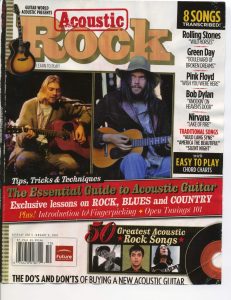 | |
| Bob Dylan Words and Chords (Bob Dylan) Book | 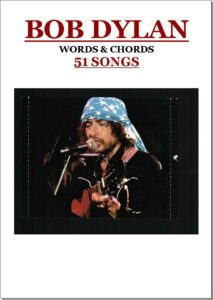 | |
| Bob Dylan - Blonde On Blonde Songbook |  | Bob Dylan - Blonde On Blonde Songbook |
| Bob Dylan - Blowin In The Wind (Piano and voice) | Bob Dylan - Blowin In The Wind (piano and vocal) | |
| Bob Dylan - Blowin' In The Wind Arr. For Guitar (Musescore File).mscz | ||
| Bob Dylan - Blowin' In The Wind (Guitar TABS and chords) |  | |
| Bob Dylan - Fingerpicking Style Guitar and TAB | | Bob Dylan - Fingerpicking Style Guitar |
| Bob Dylan - Knockin On Heavens Door | ||
| Bob Dylan - Like A Rolling Stone | ||
| Bob Dylan - Rock Score (Guitar Songbook) | | Bob Dylan - Rock Score (Guitar Songbook) |
| Bob Dylan - The Times They Are A'changin' - Piano And Voice (Musescore File).mscz | ||
| Bob Dylan - The times they are a'changin' - Piano solo sheet music with lyrics |  | |
| Bob Dylan - To Make You Feel My Love | ||
| Bob Dylan All The Songs The Story Behind Every Track By Margotin Philippe Guesdon Jean Michel (Book) |  | |
| Bob Dylan Anthology |  | Bob Dylan Anthology |
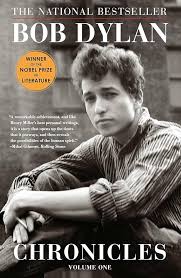
| Bob Dylan Chronicles Volume One (Book) | | |
| Bob Dylan Definitive Songbook Guitar and Lyrics | 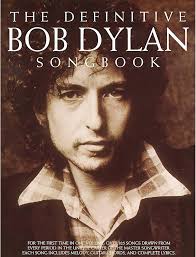 | Bob Dylan Definitive Songbook Guitar and Lyrics |
| Bob Dylan Desire Songbook | | Bob Dylan Desire Songbook |
| Bob Dylan Down In The Groove Songbook | 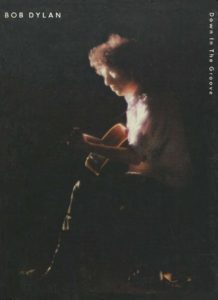 | Bob Dylan Down In The Groove Songbook |
| Bob Dylan Encyclopedia, The - Michael Gray (Book) |  | |
| Bob Dylan For Easy Piano | 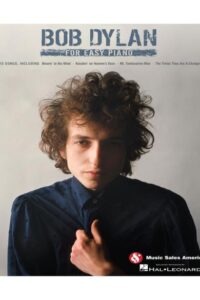 | Bob Dylan For Easy Piano |
| Bob Dylan Greatest Hits Piano Vocal Guitar Chords | 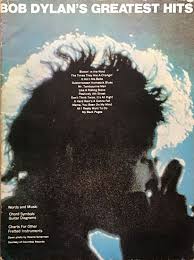 | Bob Dylan Greatest Hits |
| Bob Dylan Highway 61 Revisited by Mark Polizzotti (Book) | 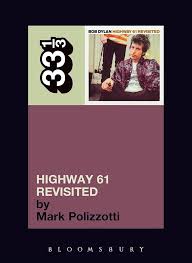 | |
| Bob Dylan In America - Sean Wilentz (Book) |  | |
| Bob Dylan Nashville Skyline Piano Vocal Guitar Chords | 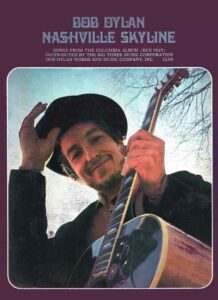 | Bob Dylan Nashville Skyline Piano Vocal Guitar Chords |
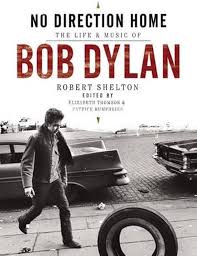
| Bob Dylan No Direction Home The Life And Music Of Bob Dylan (Book biography) by Robert Shelton | | |
| Bob Dylan Outlaw Blues (Book) by Spencer Leigh (Biography) | 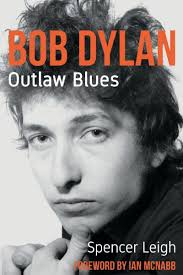 | |
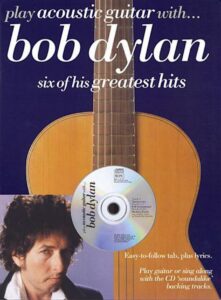
| Bob Dylan Play Acoustic Guitar With - Book + MP3 audio tracks play along with Tablature | | Bob Dylan Play Acoustic Guitar With - Book + MP3 audio tracks play along sheet music |
| Bob Dylan Songbook, The |  | Bob Dylan Songbook, The |
| Bob Dylan The Songs Of Bob Dylan From 1966 Through 1975 Guitar and Lyrics | 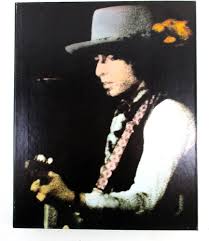 | Bob Dylan The Songs Of Bob Dylan From 1966 Through 1975 Guitar and Lyrics_compressed |
| Play Guitar With - Bob Dylan - with MP3 audio tracks with Tablature | | Play Guitar With - Bob Dylan - with MP3 audio tracks |
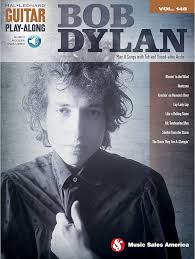
| Guitar Play Along Vol 148 Bob Dylan with Tablature Book + MP3 Audio Play Along (embedded) | | Guitar Play Along Vol 148 Bob Dylan with Tablature Book + MP3 Audio Play Along (embedded) |