
Scores for all instruments: 16,000+ (active and growing), over 236,000 pages.
All genres and levels: Jazz & Blues, Rock & Pop, Classical & Contemporary, Film & Musicals;
books & biographies; methods, études, play-along tracks (MP3) for Jazz & Rock.
Access & benefits: US$15.99 one-time payment, valid for lifetime, full Library access.
Table of Contents
Happy birthday, Sheet Music Library, born on this day in 1940.
The best sheet music download from our Library.

Please, subscribe to our Sheet Music Library. Sheet music should be accessible and affordable for all musicians, from professionals to absolute beginners.
Cliff Richard: The Everlasting Pop Pioneer
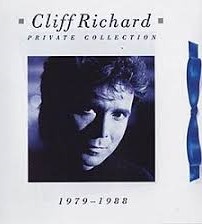
Sir Cliff Richard stands as one of the most enduring and commercially successful figures in the history of British popular music. With a career spanning more than six decades, he has sold an estimated 250 million records worldwide, achieved 14 UK number-one singles, and remains the only singer to have topped the UK charts in five consecutive decades—from the 1950s through the 1990s. Born Harry Rodger Webb in Lucknow, British India, on 14 October 1940, he was originally marketed as a rebellious rock-and-roll singer in the mould of Elvis Presley and Little Richard. Yet his journey from teenage rock idol to national treasure, from "Britain's Elvis" to knight of the realm, reveals a far more complex and fascinating artistic evolution than his mainstream image often suggests.
Search your favorite sheet music in the Sheet Music Library Catalog


Biography: From Lucknow to Legend
Harry Rodger Webb was born on 14 October 1940 at King George's Hospital in Lucknow, then part of British India. His parents, Rodger Oscar Webb, a manager for a catering contractor servicing the Indian Railways, and Dorothy Marie Dazely, spent several years in India before the family returned to Britain in 1947. Settling in London, the young Harry attended Cheshunt Secondary Modern School, where he first encountered the sounds that would shape his destiny. Like countless British teenagers of the era, he was captivated by the arrival of American rock and roll, particularly the music of Elvis Presley, whose impact on the young Webb was nothing short of revelatory.
By the mid-1950s, skiffle had swept Britain, and Webb formed his first bands, drawing inspiration from skiffle and the early rock and roll of Buddy Holly. In 1958, he adopted the stage name Cliff Richard—reportedly chosen for its "crisp, clean" sound—and, with his backing group the Drifters (later renamed the Shadows), recorded "Move It". Released as the B-side of "Schoolboy Crush", the song was quickly recognised as something extraordinary. It is widely regarded as the first authentic British rock-and-roll record, a raw, urgent performance that captured the energy of American rock while sounding unmistakably British. John Lennon later claimed that "before Cliff and the Shadows, there had been nothing worth listening to in British music".
The late 1950s and early 1960s saw Richard and the Shadows dominate the British charts. "Living Doll" (1959) became his first number-one single, followed by a string of hits including "Travellin' Light", "Please Don't Tease", and "The Young Ones". Dubbed the "British Elvis", Richard was positioned as a clean-cut alternative to the more overtly rebellious American star, and his success extended into films, where he starred in a series of "clean teen" musicals that cemented his status as a national heartthrob.
The arrival of the Beatles in the early 1960s inevitably shifted the musical landscape, and Richard's chart dominance waned. However, he adapted with remarkable resilience. A conversion to Christianity in 1965 led to a softening of his musical direction, and by the late 1960s he had embraced a more middle-of-the-road pop sensibility, though he never entirely abandoned his rock roots. The 1970s brought a commercial resurgence: "Devil Woman" (1976) became his first major US hit, and "We Don't Talk Anymore" (1979) topped charts worldwide, becoming the first single by an artist who had been in the US Top 40 in the 1950s, 1960s, and 1970s to reach the Billboard Hot 100's top 40 in the 1980s.
The 1980s saw Richard embrace synthesizers and contemporary production, scoring hits with "Wired for Sound" and the Christmas standard "Mistletoe and Wine" (1988). He continued to record and perform into the 21st century, celebrating his 50th anniversary in music in 2008 with a greatest-hits album that reached number three in the UK. In 1995, he was knighted for services to music and charity, and in 2013 he released his 100th album, The Fabulous Rock 'n' Roll Songbook. When not touring, he has divided his time between Barbados, Portugal, and New York.
Musical Style and Technique: The Voice That Endured
Cliff Richard's voice is one of the most recognisable and technically refined instruments in British pop. Possessing a light but remarkably resonant tenor, he has always combined natural flair with an almost instinctive control, allowing him to navigate the demands of rock and roll, ballads, and later gospel and contemporary Christian music with equal facility. His early rock-and-roll recordings showcased a youthful energy and a surprisingly agile upper register, while his ballads revealed a tenderness and emotional depth that set him apart from many of his contemporaries.
Vocal Technique and Harmony. Richard's approach to harmony evolved significantly over his career. In the late 1950s and early 1960s, his work with the Shadows was characterised by tight, doo-wop-influenced backing vocals that complemented his lead lines. The Shadows' close-harmony arrangements, combined with Richard's clear, forward-placed tone, created a distinctive sound that was both modern and accessible. As his career progressed, he became adept at layering his own voice in the studio, creating rich harmonic textures on tracks such as "I'll Mend Your Broken Heart", a stunning harmony ballad recorded with Phil Everly. His facility for blending his voice with female singers—notably Olivia Newton-John on "Suddenly" and Sarah Brightman on "All I Ask of You"—demonstrates a rare sensitivity to vocal partnership, allowing each voice to retain its identity while creating a unified sound.
Instrumentation and Arrangement. Richard is a multi-instrumentalist, playing guitar and percussion in addition to his primary role as a vocalist. His early recordings with the Shadows were anchored by Hank Marvin's distinctive Stratocaster sound and the group's inventive instrumental arrangements, which provided a sophisticated backdrop for Richard's vocals. As the 1960s progressed, his arrangements grew increasingly orchestral, with string sections and brass often replacing the rock combo format. The 1970s and 1980s saw him embrace synthesizers and drum machines, adapting his sound to contemporary production trends while retaining the melodic sensibility that had always defined his work.
Genre Fluidity. One of Richard's defining characteristics as an artist is his genre fluidity. He has moved effortlessly between rock and roll, pop, easy listening, and contemporary Christian music, without ever fully committing to a single style. This adaptability has sometimes been read as a lack of artistic ambition, but it is more accurately understood as a pragmatic response to the changing tides of popular taste—and a reflection of Richard's own broad musical interests. As one critic noted, his harmonic language is not especially adventurous, but his ability to inhabit a song and communicate its emotional core has remained remarkably consistent across seven decades.
Best Songs and Compositions: A Catalogue of Hits
Main articles on Wikipedia: Cliff Richard albums discography, Cliff Richard singles discography, and Cliff Richard videography
Cliff Richard's discography is vast, encompassing more than 100 chart singles and over 100 albums. While any selection of "best" songs is necessarily subjective, several works stand out as defining moments in his career.
"Move It" (1958). The song that started it all remains one of the most important recordings in British rock history. Its driving rhythm, raw guitar work, and Richard's impassioned vocal performance set a template for British rock and roll that would influence countless artists. The song's enduring power lies in its simplicity—a straightforward rocker that captures the excitement and urgency of youth.
"Living Doll" (1959). Richard's first number-one single is a charming, infectious pop song that showcases his ability to deliver a catchy melody with warmth and personality. Written by Lionel Bart, the song became an anthem for a generation of British teenagers and remains one of his most recognisable hits.
"The Young Ones" (1961). The title song from his second film became one of Richard's biggest hits and a defining anthem of early 1960s optimism. Its sweeping melody and uplifting lyric perfectly capture the spirit of the era.
"Summer Holiday" (1963). The title track from his most successful film is a breezy, sun-drenched pop classic that has become synonymous with the British seaside holiday. Its singalong chorus and carefree atmosphere make it one of his most enduring songs.
"Devil Woman" (1976). A dramatic departure from his earlier work, this dark, atmospheric rock song became Richard's first major US hit and demonstrated his ability to adapt to changing musical trends. Its haunting melody and mysterious lyric marked a new chapter in his career.
"We Don't Talk Anymore" (1979). Perhaps his most commercially significant single of the late 1970s, this synth-driven pop masterpiece topped charts worldwide and proved that Richard could compete with the new wave and disco-influenced sounds of the era. It remains one of his most-streamed songs.
"Mistletoe and Wine" (1988). A Christmas number one that has become a perennial holiday favourite, this song exemplifies Richard's ability to tap into the public mood with a simple, heartfelt message. Its success cemented his status as a national institution.
Other notable songs include "Congratulations" (1968), his Eurovision entry that became a global hit; "Miss You Nights" (1976), a beautiful ballad that showcased his vocal sensitivity; "Ocean Deep" (1983), a sweeping power ballad; and "Saviour's Day" (1990), another Christmas number one that demonstrated his enduring appeal.
Music in Films: The Clean Teen Musicals
Cliff Richard's film career, though relatively brief, was a significant part of his early success and helped cement his image as a wholesome, family-friendly entertainer. His cinematic output can be divided into two phases: the early "clean teen" musicals of the late 1950s and early 1960s, and the more experimental films of the late 1960s and early 1970s.
Expresso Bongo (1959). Richard's first major film role cast him as Bongo Herbert, a young singer discovered in a Soho coffee bar by a sleazy manager. The film was a satirical look at the music industry and featured several songs, including "A Voice in the Wilderness" and "The Shrine on the Second Floor".
The Young Ones (1961). This was Richard's first starring role and the first film to be accompanied by a full soundtrack album. The title song became a massive hit, and the film's upbeat, youth-oriented plot—about a group of young people trying to save a youth club—perfectly captured the optimistic spirit of early 1960s Britain.
Summer Holiday (1963). Directed by Peter Yates, this was Richard's most commercially successful film. The story of a group of friends who borrow a London bus for a European holiday provided the perfect vehicle for Richard's sunny, escapist image. The soundtrack included "Summer Holiday", "Bachelor Boy", and "The Next Time", all of which became major hits.
Wonderful Life (1964). A loose remake of the 1930s musical "Evergreen", this film featured Richard alongside The Shadows and included songs such as "A Girl in Every Port" and "On the Beach".
Two a Penny (1968). A significant departure from his earlier films, this drama cast Richard as Jamie Hopkins, a struggling singer who becomes involved in the London drug scene. The film was intended to give him a more serious, adult image, and its soundtrack featured some of his most memorable songs, including "Twos a Penny", "Funnyman", and "I'll Love You Forever Today".
Take Me High (1973). Richard's final film role saw him play Tim Matthews, a city banker who moves to Birmingham to start a new life. The film featured twelve songs, including the top-30 title track, and was filmed extensively on location in Birmingham.
Collaborations: A Life in Duets
Throughout his career, Cliff Richard has been a generous and versatile collaborator, working with a remarkable range of artists from the worlds of rock, pop, soul, and classical music. In 2006, he released Two's Company: The Duets, an album that collected many of his most significant duets, both old and new.
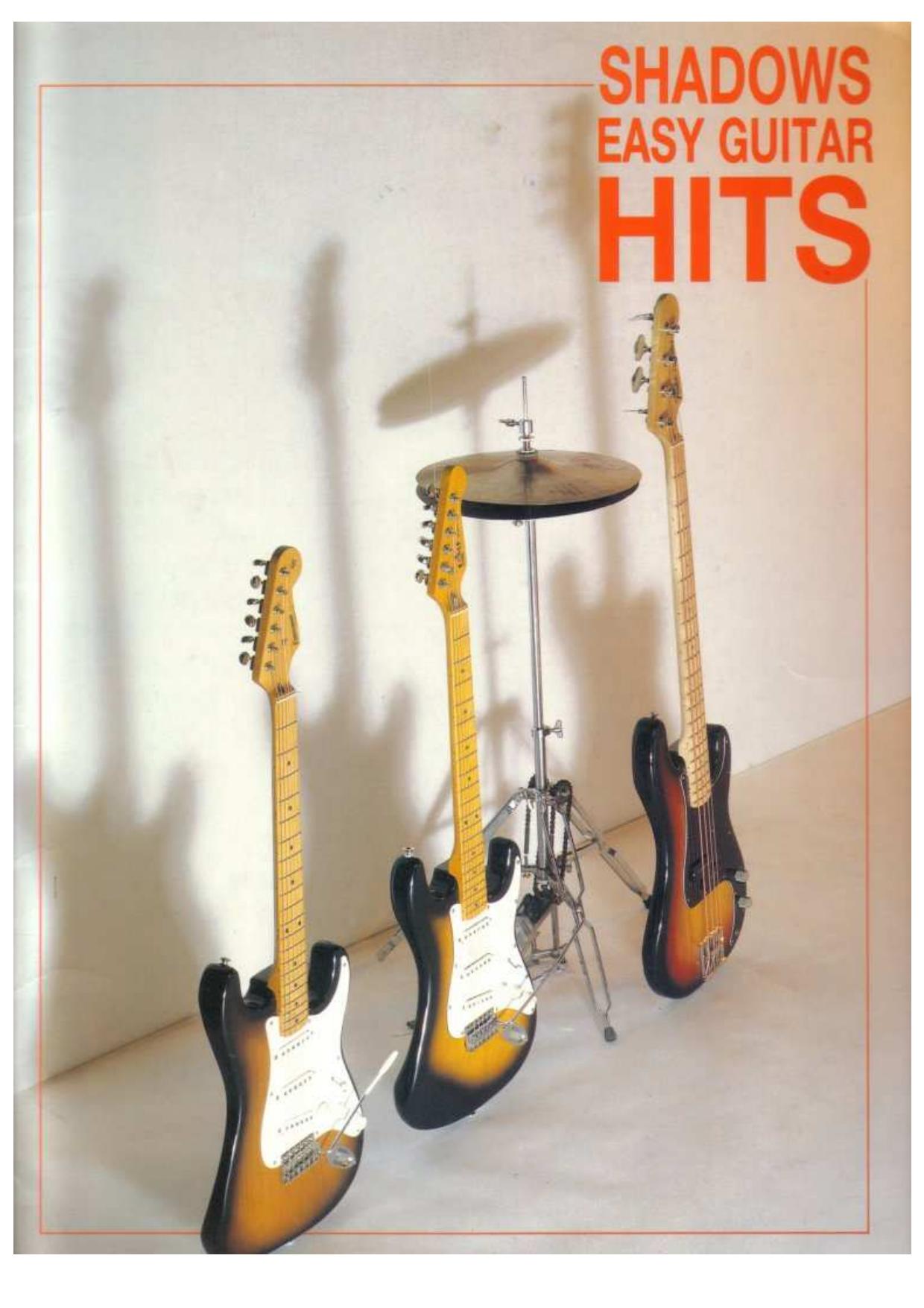
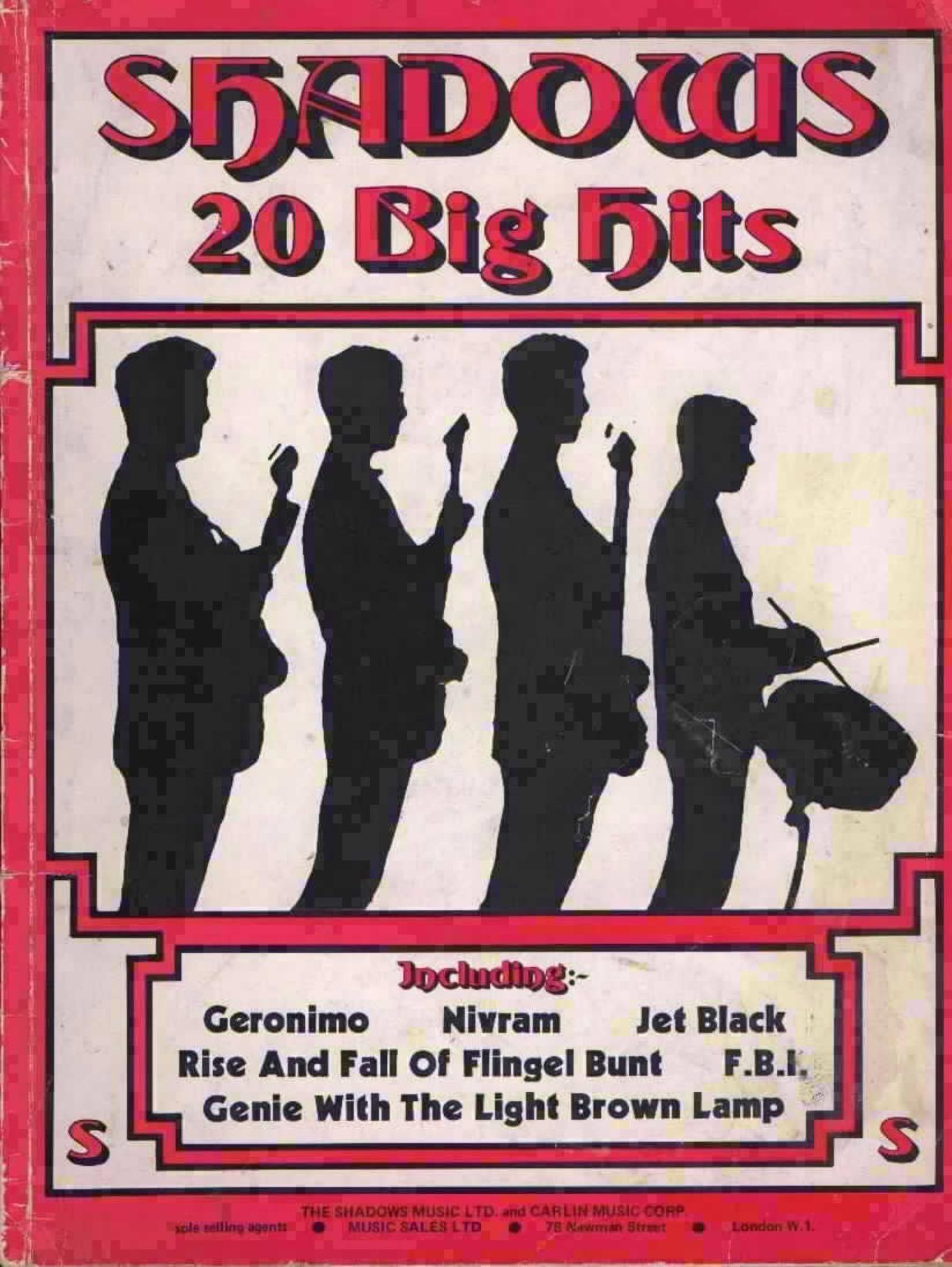
The Shadows. Richard's most enduring and important collaboration has been with the Shadows, his backing band from 1958 onwards. The partnership produced dozens of hits and helped define the sound of early British rock and roll. Guitarist Hank Marvin and drummer Brian Bennett have remained lifelong friends and occasional collaborators.
Phil Everly. The Everly Brothers were a major influence on Richard, and his duet with Phil Everly, "She Means Nothing to Me", is a beautiful example of two great voices blending seamlessly. The pair also recorded the harmony ballad "I'll Mend Your Broken Heart".
Olivia Newton-John. Richard and Newton-John duetted on "Suddenly" for the soundtrack of the 1980 film Xanadu. The song became a top-20 hit and remains a favourite among fans of both artists.
Elton John. "Slow Rivers", a duet with Elton John, showcased Richard's ability to hold his own alongside one of pop's most flamboyant performers.
Sarah Brightman. Their recording of "All I Ask of You" from The Phantom of the Opera brought Richard into the world of musical theatre and demonstrated his versatility as a interpreter of Andrew Lloyd Webber's music.
Brian May. The Queen guitarist joined Richard and Brian Bennett for a new version of "Move It" on the Two's Company album, a fitting tribute to the song's enduring legacy.
Other notable collaborators include Dionne Warwick ("Anyone Who Had a Heart"), Barry Gibb ("Fields of Gold"), Lulu ("Reunited"), and Daniel O'Donnell ("Yesterday Once More").
Influences and Legacy: The Quiet Trailblazer
Cliff Richard's influences are well documented. Elvis Presley was his primary inspiration, and Richard has frequently acknowledged the debt he owes to the King of Rock and Roll. Little Richard, Buddy Holly, and the skiffle movement also played formative roles in shaping his musical identity. Yet Richard's influence on subsequent generations of musicians is arguably even more significant than the influences he absorbed.
Influence on British Rock. "Move It" is widely credited as the first authentic British rock-and-roll record, and its success paved the way for the Beatles and the British Invasion. John Lennon's famous tribute—that before Cliff and the Shadows there had been "nothing worth listening to in British music"—speaks to the profound impact Richard had on the development of a distinctly British rock idiom. The Shadows, too, were enormously influential, their instrumental sound shaping the development of British guitar music and inspiring countless bands.
Influence on Other Artists. Richard's influence extends across genres and generations. Artists as diverse as Elton John, George Michael, and Rod Stewart have cited him as an inspiration. His ability to sustain a career across seven decades, adapting to changing musical fashions while remaining true to his core identity, offers a model of artistic longevity that few have matched.
The Christian Dimension. Richard's conversion to Christianity in 1965 and his subsequent forays into contemporary Christian music were groundbreaking for a mainstream pop star. Albums such as Small Corners (1978) and Walking in the Light (1984) demonstrated that it was possible to integrate faith and popular music without sacrificing commercial viability. While his religious convictions sometimes drew criticism from secular commentators, they also earned him a devoted following within Christian music circles and helped normalise the presence of faith in mainstream pop culture.
A National Institution. Beyond his musical achievements, Richard has become a beloved national figure in Britain. His charity work, particularly through the Cliff Richard Tennis Foundation, has raised millions for children's causes. His knighthood in 1995 recognised not only his musical contributions but also his philanthropic efforts. His annual Christmas singles became a British tradition, and his enduring youthfulness—he remains remarkably energetic in his eighties—has made him a symbol of vitality and perseverance.
Additional Information: Awards, Records, and Personal Life
Cliff Richard's awards cabinet is among the most crowded in British music. He won the first Best British Male Solo Artist award at the inaugural BRIT Awards in 1977 and won again in 1982, as well as receiving the Outstanding Contribution to Music award in 1989. He has won two Ivor Novello Awards, including one in 1970 for Outstanding Services to Music. He was appointed OBE in 1980 and knighted in 1995.
His chart records are equally impressive. He has achieved 14 UK number-one singles (18 according to some counting methods) and is the only singer to have had a number-one single in the UK in five consecutive decades. He has had more than 130 singles, albums, and EPs reach the UK Top 20—more than any other artist—and holds the record, along with Elvis Presley, as the only act to make the UK singles charts in all of its first six decades. In the United States, he achieved eight Top 40 singles, including the million-selling "Devil Woman" and "We Don't Talk Anymore".
In his personal life, Richard has been private about his relationships, though he has spoken openly about his Christian faith and his decision to remain unmarried. He has been a lifelong supporter of Tottenham Hotspur Football Club and a keen tennis player, founding the Cliff Richard Tennis Foundation in 1989. In recent years, he has spoken candidly about the challenges of maintaining a long career in the public eye, including his frustration with radio playlists that have sometimes overlooked his newer material. Yet he continues to tour and record, driven by what he describes as a simple love of making music.
Cliff Richard: The Everlasting Appeal
Cliff Richard's career is a testament to the power of adaptability, perseverance, and genuine musical talent. From the raw energy of "Move It" to the polished pop of "We Don't Talk Anymore", from the clean-cut teen idol of the early 1960s to the revered elder statesman of British music, he has navigated the shifting currents of popular taste with a grace and resilience that few artists have matched. He was never the most innovative or the most critically acclaimed artist of his generation, but he was, and remains, one of the most beloved. His voice—clear, warm, and instantly recognisable—has been a constant presence in British cultural life for more than sixty years, and his legacy as a pioneer of British rock and roll, a master of the pop ballad, and a symbol of enduring artistic vitality is secure. As he himself might put it, he is still "living doll"—and still, remarkably, going strong.
Search your favorite sheet music in the Sheet Music Library Catalog
Browse in the Sheet Music Library:
Or browse in the categories menus & download the Library Catalog PDF: