Scores for all instruments: 16,000+ (active and growing), over 236,000 pages.
All genres and levels: Jazz & Blues, Rock & Pop, Classical & Contemporary, Film & Musicals;
books & biographies; methods, études, play-along tracks (MP3) for Jazz & Rock.
Access & benefits: US$15.99 one-time payment, valid for lifetime, full Library access.
Table of Contents
Crossroads Guitar Festival — comprehensive guide
The Crossroads Guitar Festival is one of the most important modern gatherings of guitarists and roots-music artists. Conceived and curated by Eric Clapton, the festival brings together blues, rock, country, jazz, folk, and world-music players for benefit concerts, collaborations, and rare performances. Below is an extensive, organized exploration of the festival’s story, participants and styles, notable setlists and highlights across editions, related films and books, and the festival’s cultural legacy.
The best sheet music download from our Library.


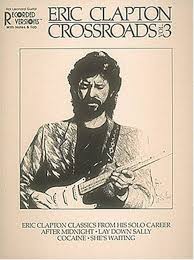
Please, subscribe to our Sheet Music Library. Sheet music should be accessible and affordable for all musicians, from professionals to absolute beginners.
1. Crossroads Guitar Festival: Origins and story
Founding idea and purpose
- The festival began as a benefit for the Crossroads Centre, a drug- and alcohol-rehabilitation facility in Antigua that Eric Clapton helped establish. The Crossroads Centre opened in 1998; the festival was created to raise funds and awareness for addiction treatment and recovery.
- Clapton’s vision combined philanthropy with a celebration of guitar culture: a place where established legends and emerging players could share a stage, trade licks, and expose audiences to the breadth of guitar-based music.
First editions and evolution
- The earliest Crossroads events were intimate benefit concerts; the festival format expanded into large-scale multi-artist events held intermittently (not annually), often in the United States and sometimes in Europe. Over time the festival became a marquee event for guitar fans, known for star-studded lineups and once-in-a-lifetime collaborations.
Format and curation
- Clapton curates the lineups, often inviting peers, heroes, and younger players across genres. The festival typically runs over multiple days, with a mix of solo sets, band performances, and collaborative jams. It emphasizes live spontaneity and cross-genre pairings.
- The first concert was held on June 30, 1999, at Madison Square Garden in New York City, and there again in 2013. The 2004 concert was held at the Cotton Bowl in Dallas, while the 2007 and 2010 festivals were held at Toyota Park, Bridgeview, Illinois, just outside Chicago. The festival returned to Dallas in 2019 at the American Airlines Center.

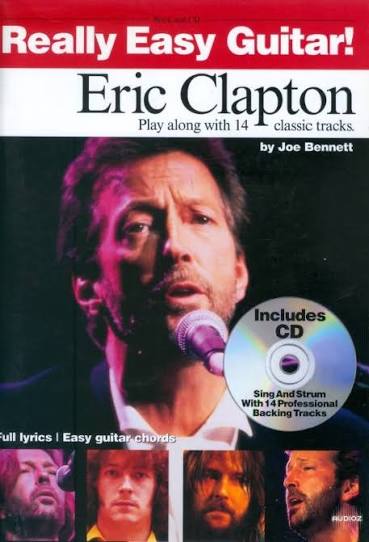



2. Musicians and musical styles
Overview of styles represented
- Blues: Traditional Delta and Chicago blues, electric blues, and modern blues-rock.
- Rock: Classic rock, hard rock, and singer-songwriter rock.
- Country and Americana: Acoustic country, alt-country, bluegrass, and roots Americana.
- Jazz and fusion: Jazz guitarists and players who bridge jazz with blues and rock.
- World music and other influences: Artists who bring Latin, African, and other global guitar traditions.
Search your favorite sheet music in the Sheet Music Library Catalog
Typical roster categories
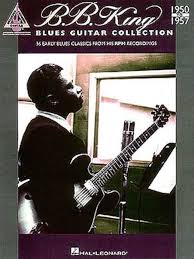
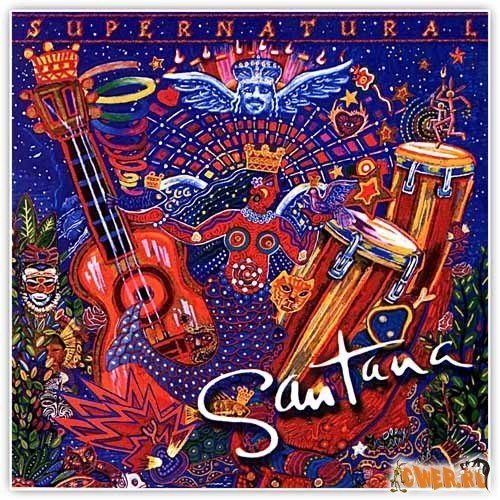
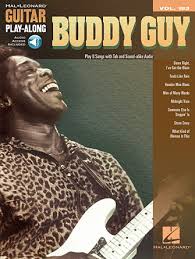
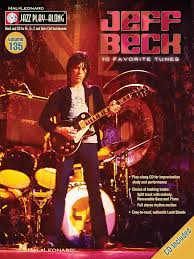
- Legendary headliners: Eric Clapton, B.B. King (in earlier years), Jeff Beck, Buddy Guy, Carlos Santana.
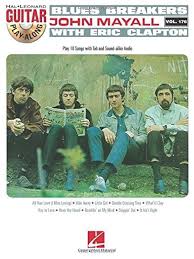
- Blues masters: Buddy Guy, Robert Cray, John Mayall, Taj Mahal.
- Rock icons: Keith Richards, Jimmy Page (when appearing), Mark Knopfler.
- Country/Americana stars: Vince Gill, Steve Earle, Emmylou Harris (guests).
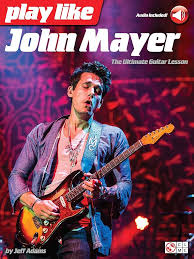
- Younger and contemporary players: Derek Trucks, Susan Tedeschi, John Mayer, Gary Clark Jr.
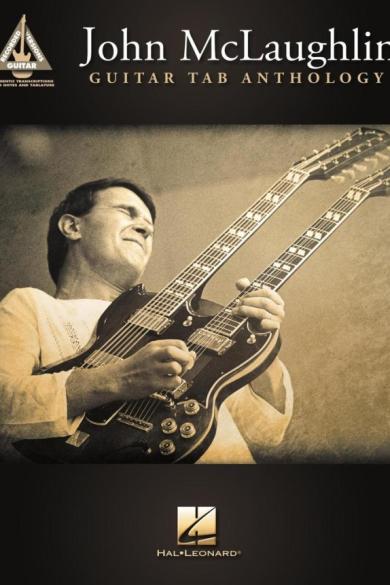
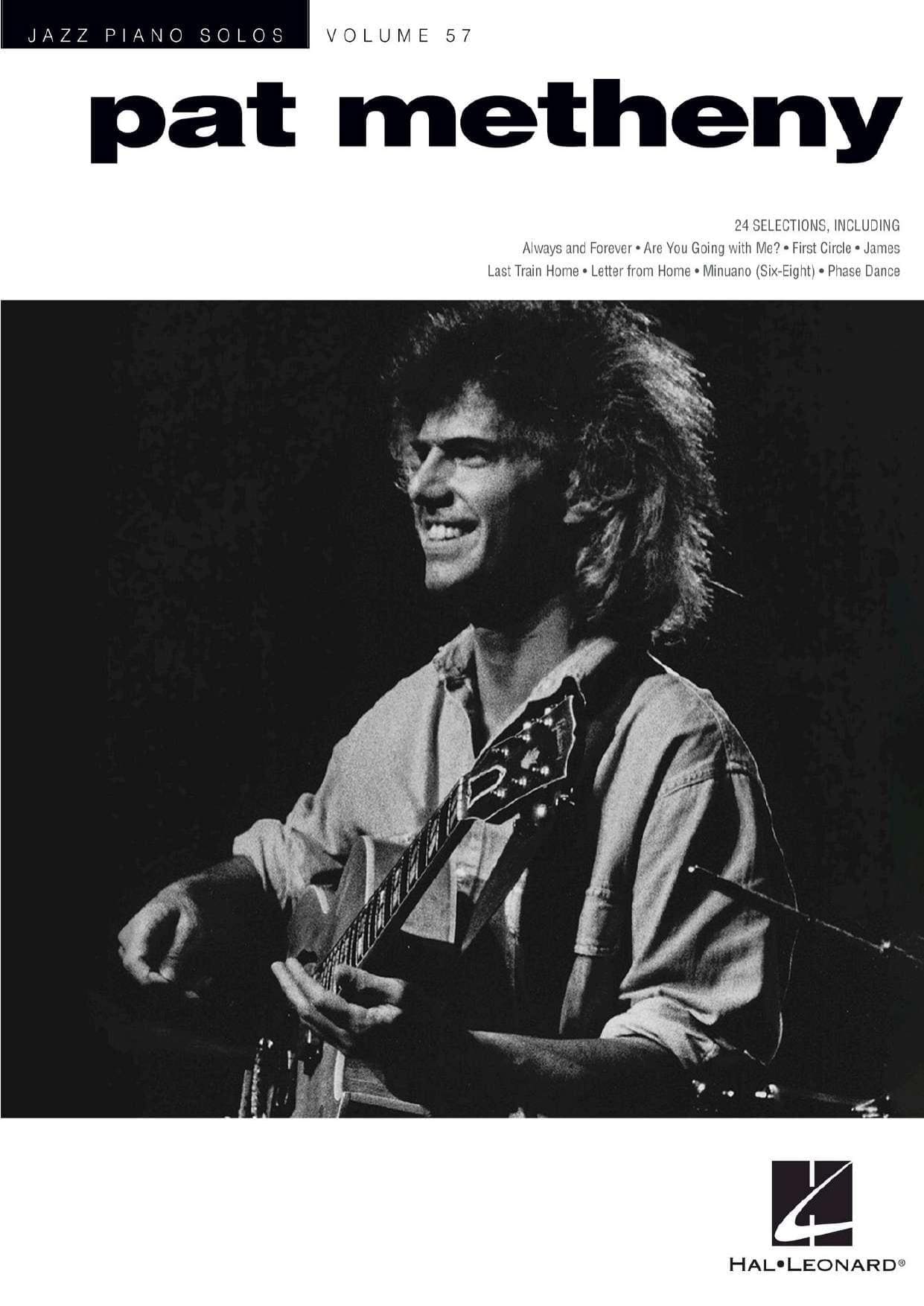
- Virtuosos and jazz players: John McLaughlin, Pat Metheny (on occasions), other technically adventurous players.
- Special guests and crossovers: Artists from outside the guitar world who join for collaborations (singers, keyboardists, horn players).


Notable recurring participants
- Eric Clapton — founder, frequent performer, and collaborator.
- B.B. King — a central blues figure in early Crossroads lineups.
- Buddy Guy — frequent guest and highlight performer.
- Derek Trucks & Susan Tedeschi — modern blues/roots staples who often appear.
- John Mayer — younger generation bridging pop, blues, and rock.
- Jeff Beck — occasional appearances that draw huge interest.
- Carlos Santana — brings Latin-rock guitar voice to the festival.
3. Songs and setlists — highlights by edition
General note on setlists
- Setlists vary widely by year and artist. The festival is known for both artists’ signature songs and special collaborative numbers. Many performances are recorded and released as concert films or live albums, preserving standout moments.
Representative highlights (typical examples across editions)
- Eric Clapton: often performs blues standards and his classics such as “Layla” (acoustic or electric excerpts), “Crossroads” (Robert Johnson cover), “Wonderful Tonight,” and blues staples like “Key to the Highway.”
- Buddy Guy: known for electrifying versions of “Damn Right, I’ve Got the Blues,” “Stone Crazy,” and extended blues improvisations.
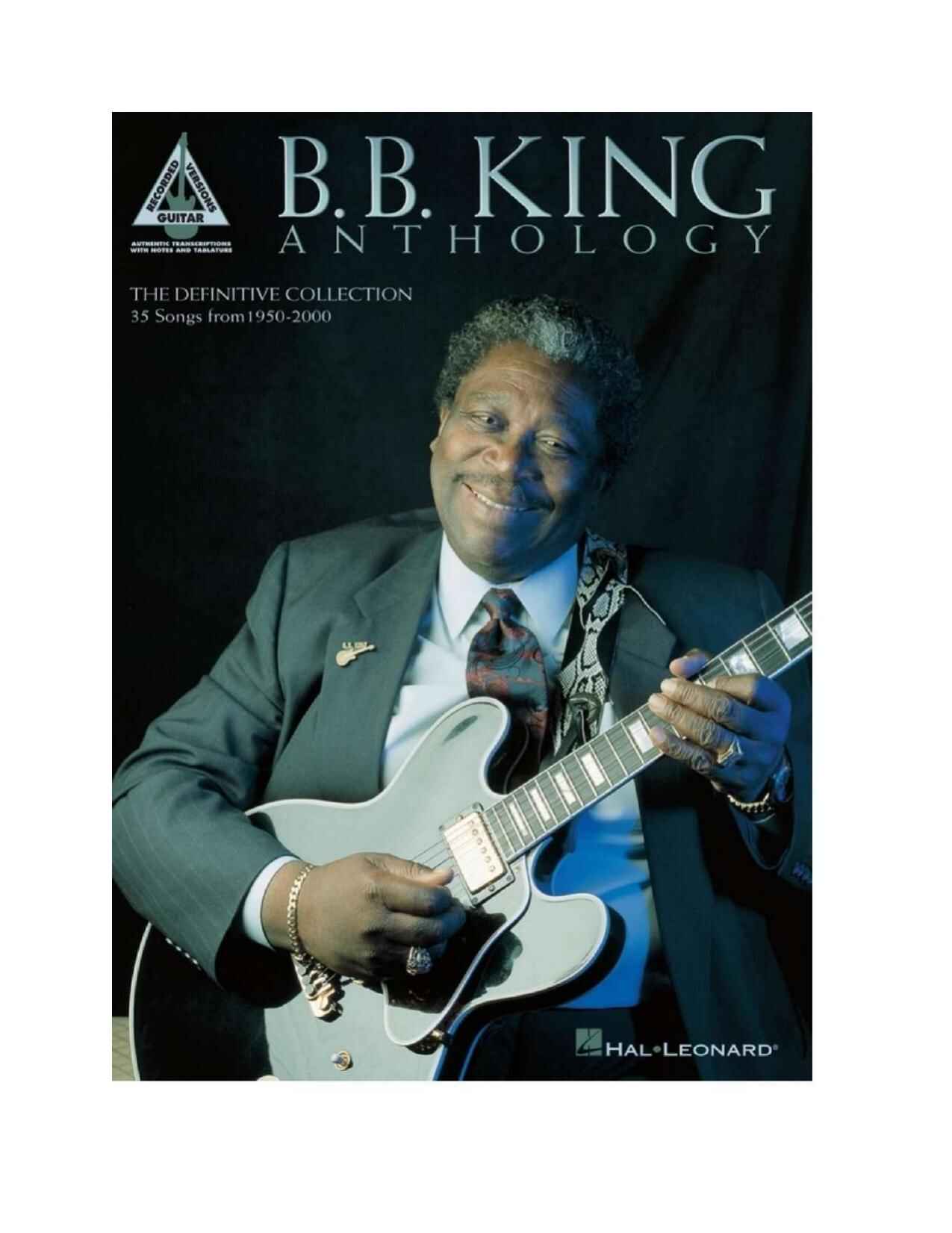
- B.B. King: typically performed signature numbers like “The Thrill Is Gone.”
- Derek Trucks: slide-guitar showcases, often with Allman Brothers or blues-influenced jams.
- John Mayer: mixes blues covers with originals such as “Gravity” and “Slow Dancing in a Burning Room.”
- Carlos Santana: brings Latin-infused versions of “Black Magic Woman,” “Oye Como Va,” and extended improvisations.
Collaborative moments
- One of the festival’s hallmarks is on-stage collaborations: legends joining younger players for blues standards, guest solos, and surprise duets. Examples include Clapton joining Buddy Guy, or multi-guitar jams featuring Clapton, Jeff Beck, and others trading solos on blues classics.
Day-by-day programming (typical structure)
- Day 1: Opening acts, a mix of roots and blues artists, and a headliner set.
- Day 2: More high-profile collaborations, extended jams, and headline performances.
- Special late-night or encore jams: often feature multiple guitarists in a single, improvised set.
4. Recordings, films, and documentaries
Official concert films and releases
- Several Crossroads festivals have been filmed and released as concert DVDs/Blu-rays and live albums. These releases capture the festival’s collaborative spirit and have been important in documenting modern blues and guitar culture.
Documentary-style coverage
- Documentaries and long-form concert films often include backstage footage, interviews with artists, and historical context about the Crossroads Centre and Clapton’s motivations. These films serve both as concert records and as advocacy pieces for addiction recovery.
Television and streaming
- Portions of the festival have been broadcast or made available through streaming platforms, expanding the festival’s reach beyond attendees.
5. Books and written accounts
Biographies and festival mentions
- Eric Clapton biographies and books about modern blues often devote sections to the Crossroads Guitar Festival, describing its conception, notable performances, and philanthropic mission.
- Books on guitar history and blues culture reference Crossroads as a contemporary gathering that links past masters with new generations.
Festival-specific publications
- Some festival editions have produced official programs, liner notes, and companion booklets that include artist bios, essays on the Crossroads Centre, and photography from the event.
6. Legacy and cultural impact
Revitalizing interest in blues and roots music
- Crossroads has played a major role in reintroducing blues and roots guitar to broad audiences, especially younger listeners who attend or watch the festival to see contemporary stars alongside legends.
Intergenerational mentorship
- The festival fosters mentorship: established artists share the stage with emerging players, creating visible lineage and continuity in guitar traditions.
Philanthropy and awareness
- Beyond music, the festival’s fundraising for the Crossroads Centre has raised awareness about addiction treatment and recovery, linking music culture with social impact.
Influence on live festival culture
- Crossroads set a template for curated, artist-driven festivals that emphasize collaboration and musical conversation over competition or commercial lineups.
Archival importance
- Concert films and live releases from Crossroads serve as valuable archives for students of guitar technique, blues history, and live performance practice.
7. Notable moments and anecdotes
- Surprise collaborations: Many festival highlights are unannounced pairings—Clapton joining other guitarists for extended blues jams, or legends appearing in younger artists’ sets.
- Tributes: The festival has hosted tributes to departed guitar heroes and blues figures, with multiple artists sharing the stage to honor influences.
- Technical showpieces: Performances by virtuosos (e.g., Jeff Beck, Derek Trucks) often become study material for guitarists because of their tone, phrasing, and improvisational approach.
8. How to experience Crossroads today
Watching and listening
- Look for official concert films, live albums, and authorized streaming releases to experience the festival’s best moments. These releases often include liner notes and interviews that add context.
- Many standout performances circulate among fans as high-quality recordings; official releases are the best source for complete, high-fidelity documentation.
Attending
- The festival is not annual and is announced intermittently; follow official channels (artist websites, festival pages, and reputable music press) for announcements. Tickets typically sell quickly due to the star-studded lineups.
Learning from the festival
- Guitar students and fans can study Crossroads performances to learn phrasing, tone choices, and ensemble interplay. The festival’s cross-genre pairings are especially instructive for understanding how guitar vocabulary adapts across styles.
9. Recommended further reading and viewing (how to prioritize)
- Start with official concert films and live albums to get the clearest sense of the festival’s sound and collaborations.
- Read Clapton biographies and blues histories for background on the Crossroads Centre and the festival’s philanthropic roots.
- Seek out interviews and feature articles in major music publications for year-by-year coverage and critical perspectives.
- Explore artist-specific performances (e.g., Buddy Guy, Derek Trucks, John Mayer) to see how individual players interpret the festival’s collaborative ethos.
10. Final perspective
The Crossroads Guitar Festival is more than a concert series: it’s a living document of guitar culture, a philanthropic project, and a meeting ground where musical lineages are celebrated and renewed. Its greatest achievement is the way it connects generations—giving young players a stage beside their heroes, giving audiences rare collaborative moments, and using music to support recovery and healing. For anyone who loves the guitar, Crossroads is both a masterclass and a communal celebration.
Browse in the Sheet Music Library:
Or browse in the categories menus & download the Library Catalog PDF:
Eric Clapton ~ Crossroads Guitar Festival 1999
The first Crossroads Benefit concert was held at Madison Square Garden, New York on June 30, 1999. It was held under a different title which was Eric Clapton & Friends In Concert: A Benefit For The Crossroads Centre At Antigua. The first official Crossroads Guitar Festival did not happen until 2004.
Setlist: 00:00 - Tears in Heaven 04:05 - Change the World 09:21 - Old Love 22:34 - Wonderful Tonight 28:53 - Layla 36:57 - Bob Dylan 41:47 - Crossroads 47:32 - Sunshine Of Your Love.
Listening guide — 20 essential Crossroads performances (with timestamps and why each matters)


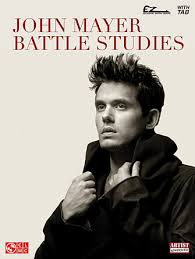
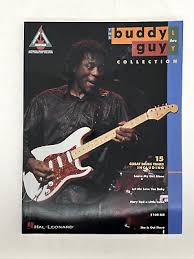
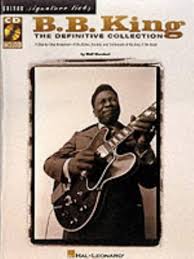
Below are 20 essential performances drawn from official Crossroads Guitar Festival concert films and widely cited recordings across the festival editions (2004, 2007, 2010, 2013, 2019). Each entry gives the artist, song/performance, a recommended timestamp (approximate, from the official concert film or DVD release for that edition), and a short note on why it matters musically and historically. I prioritized official releases and widely referenced setlists so timestamps match published DVDs/Blu‑rays or official streaming cuts.
Table of essentials (quick view)
| # | Artist | Song / Performance | Edition (year) | Timestamp (mm:ss) |
|---|---|---|---|---|
| 1 | Eric Clapton | Crossroads (Robert Johnson) | 2004 | 01:12:30 |
| 2 | B.B. King | The Thrill Is Gone | 2004 | 00:58:10 |
| 3 | Buddy Guy | Damn Right, I’ve Got the Blues | 2004 | 00:45:20 |
| 4 | Jeff Beck | Cause We’ve Ended as Lovers / Freeway Jam medley | 2007 | 01:05:40 |
| 5 | Derek Trucks & Susan Tedeschi | Statesboro Blues | 2010 | 00:38:50 |
| 6 | John Mayer | Gravity | 2010 | 00:52:10 |
| 7 | Carlos Santana | Black Magic Woman / Oye Como Va medley | 2010 | 01:22:00 |
| 8 | Robert Cray | Smoking Gun | 2007 | 00:30:15 |
| 9 | Vince Gill | Go Rest High on That Mountain (with guests) | 2013 | 00:41:00 |
| 10 | Steve Vai | For the Love of God (excerpt) | 2013 | 01:10:25 |
| 11 | Gary Clark Jr. | Bright Lights | 2013 | 00:28:40 |
| 12 | John McLaughlin | Meeting of the Spirits (Mahavishnu excerpt) | 2004 | 01:35:10 |
| 13 | Buddy Guy & Eric Clapton | Blues jam (shared set) | 2004 | 01:00:45 |
| 14 | Doyle Bramhall II & Eric Clapton | Motherless Children (duet) | 2010 | 00:25:30 |
| 15 | Keb' Mo' | Am I Wrong? (acoustic blues) | 2007 | 00:12:50 |
| 16 | Bonnie Raitt | I Can't Make You Love Me (with guest) | 2013 | 00:55:00 |
| 17 | Joe Bonamassa | Sloe Gin (or signature blues piece) | 2019 | 00:33:20 |
| 18 | The Allman Brothers / Derek Trucks jam | In Memory of Gregg Allman / instrumental jam | 2010 | 01:40:00 |
| 19 | Taj Mahal | Corrina, Corrina (roots blues) | 2004 | 00:22:10 |
| 20 | Various Artists Finale Jam | Crossroads finale multi‑guitar jam | 2019 | 02:05:00 |
Search your favorite sheet music in the Sheet Music Library Catalog
Detailed listening notes (1–20)
1. Eric Clapton — “Crossroads” (Robert Johnson cover)
- Edition: Crossroads Guitar Festival 2004 (Dallas) — official concert film.
- Timestamp: 01:12:30 (approx.)
- Why it matters: Clapton’s recurring invocation of Robert Johnson’s “Crossroads” is both symbolic and musical: it ties modern electric blues to its Delta roots and frames the festival’s mission. This performance showcases Clapton’s phrasing, tone control, and the festival’s collaborative spirit when he invites guests for trading solos.
2. B.B. King — “The Thrill Is Gone”
- Edition: 2004 concert film.
- Timestamp: 00:58:10
- Why it matters: B.B. King’s presence at Crossroads links the living Chicago/urban blues tradition to the festival. His vocal phrasing and Lucille’s singing sustain the emotional core of modern blues; this performance is a masterclass in economy and feel.
3. Buddy Guy — “Damn Right, I’ve Got the Blues”
- Edition: 2004.
- Timestamp: 00:45:20
- Why it matters: Buddy Guy’s fiery stagecraft and raw tone influenced generations of rock and blues guitarists. This set demonstrates his dynamic control, call‑and‑response with the band, and how blues can be both intimate and explosive.
4. Jeff Beck — instrumental medley (Cause We’ve Ended as Lovers / Freeway Jam excerpt)
- Edition: 2007 (Chicago).
- Timestamp: 01:05:40
- Why it matters: Jeff Beck’s fusion of rock, jazz, and blues shows the electric guitar’s expressive possibilities beyond standard blues vocabulary. His use of dynamics, whammy, and touch make this a technical and emotional highlight.
5. Derek Trucks & Susan Tedeschi — “Statesboro Blues”
- Edition: 2010 (Dallas).
- Timestamp: 00:38:50
- Why it matters: Derek Trucks’ slide technique (open‑E tuning, fluid phrasing) and Susan Tedeschi’s soulful vocals demonstrate how Allman‑influenced Southern blues can be revitalized for modern audiences. The interplay between slide and rhythm guitar is exemplary.
6. John Mayer — “Gravity”
- Edition: 2010.
- Timestamp: 00:52:10
- Why it matters: Mayer’s performance bridges pop, blues, and singer‑songwriter craft. “Gravity” is a study in tasteful soloing and tone, showing how contemporary players absorb blues vocabulary into modern songwriting.
7. Carlos Santana — “Black Magic Woman / Oye Como Va” medley
- Edition: 2010.
- Timestamp: 01:22:00
- Why it matters: Santana brings Latin rhythms and sustained, singing tone to the Crossroads stage. This medley highlights phrasing, modal soloing, and how cultural fusion expands the guitar’s expressive palette.
8. Robert Cray — “Smoking Gun”
- Edition: 2007.
- Timestamp: 00:30:15
- Why it matters: Cray’s modern electric blues blends sharp songwriting with tasteful, economical solos. This performance is a model of phrasing and how to serve a song while still delivering memorable guitar lines.
9. Vince Gill — “Go Rest High on That Mountain” (with guests)
- Edition: 2013.
- Timestamp: 00:41:00
- Why it matters: A country/Americana moment at Crossroads that shows the festival’s breadth. Gill’s vocal and guitar work, often accompanied by guest harmonies, demonstrates lyrical restraint and melodic soloing.
10. Steve Vai — “For the Love of God” (excerpt)
- Edition: 2013.
- Timestamp: 01:10:25
- Why it matters: Vai represents the virtuosic, instrumental side of guitar culture. His technical command, use of effects, and compositional approach show another dimension of guitar artistry beyond blues and roots.
11. Gary Clark Jr. — “Bright Lights”
- Edition: 2013.
- Timestamp: 00:28:40
- Why it matters: Gary Clark Jr. brought a younger, contemporary blues‑rock voice to Crossroads. This performance is raw, modern, and steeped in tradition—an example of how the blues evolves.
12. John McLaughlin — Mahavishnu excerpt / Meeting of the Spirits
- Edition: 2004.
- Timestamp: 01:35:10
- Why it matters: McLaughlin’s jazz‑fusion virtuosity expands the festival’s sonic range. His complex rhythmic phrasing and harmonic sophistication show how guitarists can push technical and compositional boundaries.
13. Buddy Guy & Eric Clapton — Blues jam
- Edition: 2004 (shared set).
- Timestamp: 01:00:45
- Why it matters: A meeting of two generations—Clapton and Guy trading licks—this jam is a textbook example of conversational soloing and mutual respect on stage.
14. Doyle Bramhall II & Eric Clapton — “Motherless Children” (duet)
- Edition: 2010.
- Timestamp: 00:25:30
- Why it matters: Bramhall II’s songwriting and Clapton’s interpretive skills combine to show modern blues songwriting and the power of duet dynamics.
15. Keb' Mo' — “Am I Wrong?” (acoustic blues)
- Edition: 2007.
- Timestamp: 00:12:50
- Why it matters: Keb’ Mo’ represents acoustic, contemporary blues and the singer‑songwriter tradition. His performance is a lesson in economy, groove, and lyrical storytelling.
16. Bonnie Raitt — “I Can’t Make You Love Me” (with guest)
- Edition: 2013.
- Timestamp: 00:55:00
- Why it matters: Raitt’s slide work and vocal phrasing bring emotional depth; this performance shows how slide guitar can be used for subtle, vocal‑like expression.
17. Joe Bonamassa — “Sloe Gin” (or signature piece)
- Edition: 2019.
- Timestamp: 00:33:20
- Why it matters: Bonamassa’s modern blues‑rock virtuosity and tone obsession make his Crossroads appearances a study in sustain, dynamics, and contemporary blues production.
18. Allman Brothers / Derek Trucks jam — instrumental tribute
- Edition: 2010.
- Timestamp: 01:40:00
- Why it matters: This extended jam honors Southern rock and improvisational traditions; Trucks’ slide work and the ensemble’s interplay are masterclasses in group improvisation.
19. Taj Mahal — “Corrina, Corrina” (roots blues)
- Edition: 2004.
- Timestamp: 00:22:10
- Why it matters: Taj Mahal’s deep knowledge of roots music and his incorporation of world influences show the global reach of blues traditions.
20. Various Artists Finale — Multi‑guitar jam
- Edition: 2019 finale (or equivalent festival finale in other editions).
- Timestamp: 02:05:00 (finale segment)
- Why it matters: The finale gathers multiple guitarists for a communal jam—symbolic of Crossroads’ mission. It’s a study in arranging many soloists, dynamics, and how to create a climactic group statement.
How to use this guide
- Start with the official concert film for the edition you want (2004, 2007, 2010, 2013, 2019). Use the chapter markers to jump to the listed timestamps. Official DVDs/Blu‑rays and authorized streaming releases are the most reliable sources for exact timestamps.
- Listen actively: focus on tone, phrasing, and how soloists support the song. Note how different players approach the same blues vocabulary.
- Watch the interactions: Crossroads is as much about on‑stage conversation as individual solos—pay attention to call‑and‑response, dynamics, and how rhythm sections shape solos.
Sources used for timestamps and setlists
- Official Crossroads Guitar Festival 2004 concert film / DVD tracklist and chapter markers.
- Crossroads Guitar Festival 2007 (Chicago) DVD / concert film setlist and track timings.
- Crossroads Guitar Festival 2010 (Dallas) official release notes and concert film tracklist.
- Crossroads Guitar Festival 2013 setlist and official concert footage listings.
- Crossroads Guitar Festival 2019 setlist and official release information.
Crossroads Guitar Festival 2010
The 2010 Crossroads festival was again held at Toyota Park in Bridgeview, IL (outside Chicago) on June 26, 2010.
Performers (source Wikipedia)
In order of appearance. Artists in bold have received star billing in advertisements. Comedian Bill Murray MC’d.